





‘Oh Crap’ Monday, Presented by Bimeda
Here’s our latest batch of reader-submitted “Oh Crap” photos and videos.


Kentucky Performance Products: I’m Not Crazy, Right?
Read the latest by KPP blogger Megan Lynn!

A Brief History of Scotland’s National Animal
No, we’re not making it up.

The Facebook Guide to Horse Ownership
Maria Wachter of Blackman Ranch has put together this helpful guide to Facebook for all horse owners.

Product Review: Noble Outfitters Wicking Tops
“Moisture wicking” IS worth the hype!
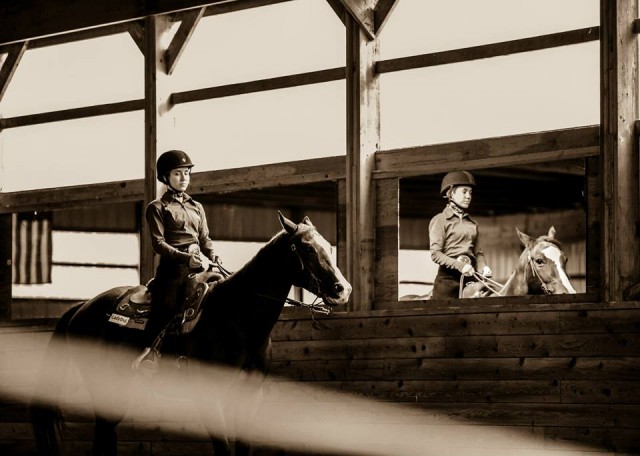
The Academic Equestrian: Thanks, Mom
Horse show moms do more than serve as groom and chauffeur: Haley Ruffner reflects on the gifts she’s received from her own mother.


Friday Standing Ovation by Ovation Riding
This week, we salute High Hurdles Therapeutic Riding.

15 Things Equestrians Don’t Need to Hear
Nope. Stop listening. You don’t need that kind of negativity in your life.

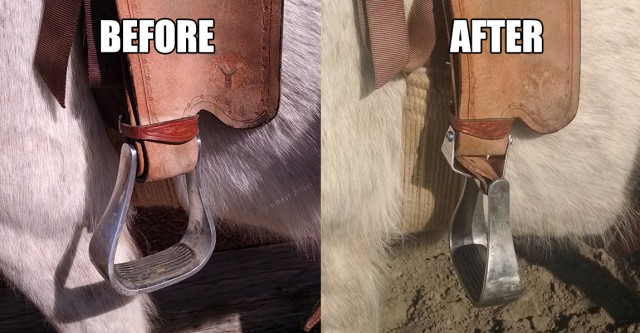
Product Review: Cashel E-Z Knees
Lindsey Kahn takes these stirrup modifiers out for a test ride.
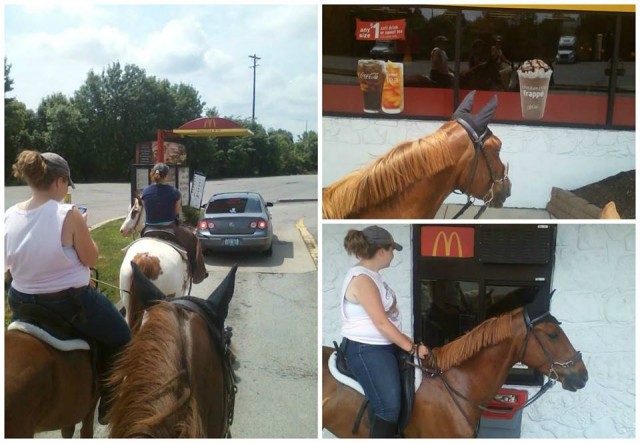
5 Readers Who Just Rode In For Lunch
Have horse, will ride ‘n dine.

Expecting and Eventing: You, Your Horse, and Morning Sickness
Unsolicited advice for surviving the first trimester and still getting your jump on.
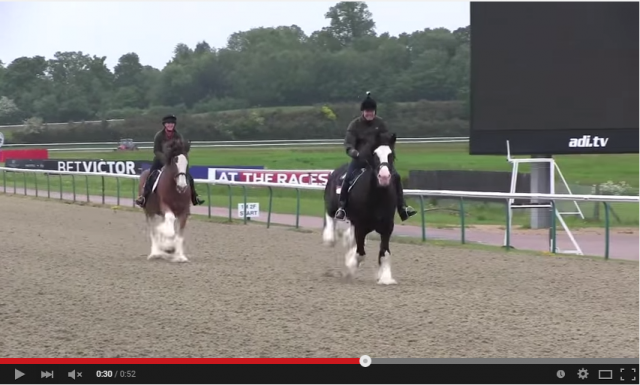

Equine Mythbusters: Ketchup For White Tails
Is ketchup a miracle solution for cleaning white tails? We put it to the test.

The Athletic Rider: Take The Guesswork Out of Fitness
We can all agree that fitness is crucial to developing as a rider. But how do you build a program that best suits your goals?
Now that we have determined that you can’t just give a rider a ________ exercise to improve her riding, the next logical step is to help her identify what constitutes a well-designed rider fitness program.
The Optimum Performance Training Model (the OPT Model,) created by the National Academy of Sports Medicine, is a scientific, evidence-based training model that takes the guesswork out of any rider fitness program design — regardless of the goals of the rider. Any custom program designed by the Athletic Rider is based on the OPT Model — and with good reason! Check out why …

An OPT-designed fitness program combines the three platforms of exercise science (the study of movement,) biomechanics (the science of internal and external forces acting on the body and the associated effects thereof,) and kinesiology (the study of the mechanics of body movement.) The OPT model gives a fitness professional the tools to identify an individual’s current fitness level (including any muscular imbalances that can lead to poor performance and injury) and then create a program that systemically progresses that individual to any goal, from weight loss to superior sports performance. The program will be designed using systems and standards that are considered to be the “gold standard” in the fitness industry. The OPT Model is performance-oriented enough that it has been used to successfully train professionals in the NFL, NHL and many other professional fitness organizations, while embracing the basics of everyday movement in a way to benefit any individual simply seeking to live a healthier life.
When a rider decides to have a custom program designed by The Athletic Rider, the first virtual meeting will start with a fitness assessment. There are several parts to a fitness assessment, but the most valuable for riders is the overhead squat assessment. The overhead squat assessment is designed to assess the quality of four vital elements in a rider’s fitness-dynamic flexibility (flexibility while moving as opposed to just when standing,) core strength, balance and overall neuromuscular control. The overhead squat reveals any flaws in the movement of the rider’s kinetic chain (head, cervical spine, lumbo-pelvic hip complex, knee and foot/ankle.) The principle behind kinetic chain movement is that when you move one joint in a body, you move other joints in that body. It then follows that if one joint is not functioning properly, it will alter the function of other joints. Identifying and correcting malfunctioning joints is the foundation of the OPT model because it is key to increasing performance and reducing risk of injury.
Simply put, an overhead squat assessment reveals how a rider moves compared to how she should move. The rider will then be “prescribed” a flexibility and muscular rebalancing program to correct these flaws in movement patterns before she gets into the development phase of her training program. It is counterproductive to try to train through muscle imbalances and joint malfunction because such training would only reinforce those inefficiencies.
After a rider has completed her corrective exercise phase of training, she will then start a program designed to develop the 6 remaining areas of rider fitness — core, balance, strength, plyometrics, agility and cardio — while continuing to include flexibility training during each workout session. To further ensure the rider’s fitness program is created with the primary goals of being effective and safe, it will be based on the OPT model’s concept of periodization, or planned fitness training. Periodization divides a training program into distinct phases or periods of training, Each training phase will have a different primary focus to avoid plateaus caused by muscle adaptation and to reduce risk of injury by varying the kind of stress placed on the body.
The first phase of training (following the corrective exercise phase) for most riders will be the stabilization phase of training. The stabilization phase furthers the goals of the corrective phase (improving muscular imbalances) and introduces training that develops a high level of core strength, joint stability, neuromuscular efficiency and muscular coordination. The stabilization phase of training prepares the joints, muscles and soft tissue for the strength endurance phase of training, a phase that maintains the stability created during the stabilization phase while allowing the body to handle increased amounts of stress.

Most riders will see great improvement in overall health and basic riding performance by rotating between the stabilization and strength phases of training. Riders who are interested in taking performance and health to the next level will want to include the power phase of training. The power phase prepares a rider’s body to accept the speed and force it will encounter in every day life and in riding itself.
Performance-oriented riders who are trained using the OPT model will achieve superior results because the model develops greater core strength and better balance: two key essentials in sports performance, particularly when that sport is riding. Pleasure riders will achieve superior results because the model is designed for a population that is plagued with structural imbalances that increase the risk of injury. When a rider chooses to train with the Athletic Rider, she has the added benefit of having a program designed by a NASM-certified trainer who is also an educated lifelong rider.
Leah Hinnefeld is a lifelong equestrian who spent over a decade studying hoof health and metabolism in horses before turning her attention to rider fitness. Leah is a personal trainer certified by the National Academy of Sports Fitness and offers Virtual Fitness Training for riders and horse lovers. You can learn more about how to get fit to ride at http://theathleticrider.


The Idea of Order: The Newest Sports Injury…
…or rather, the oldest.
(more…)

SpectraVET Performance of the Week: Marilyn Little at the Bromont CCI Three Day Event
Meanwhile, in Canada … Marilyn Little won everything.

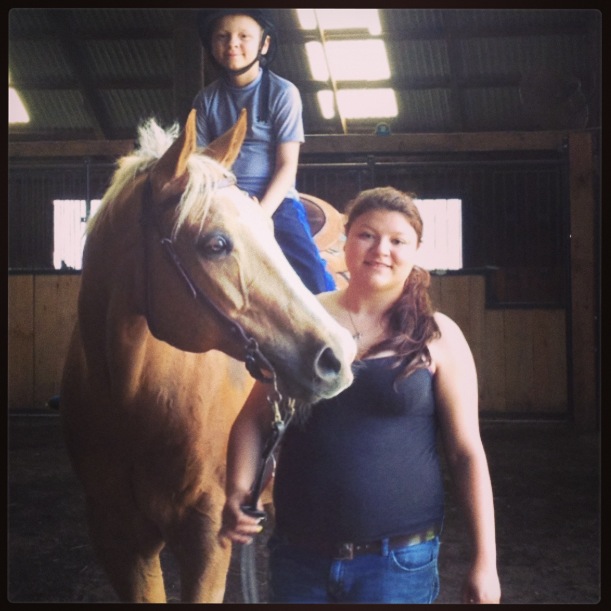
Back on Track ‘Horse Therapy’: Amanda & DJ
Meet a horse who made the impossible possible.


Introducing Iggy Azalea, Equestrian
Welcome to the ranks, Iggy!
