#HORSE TRAINING
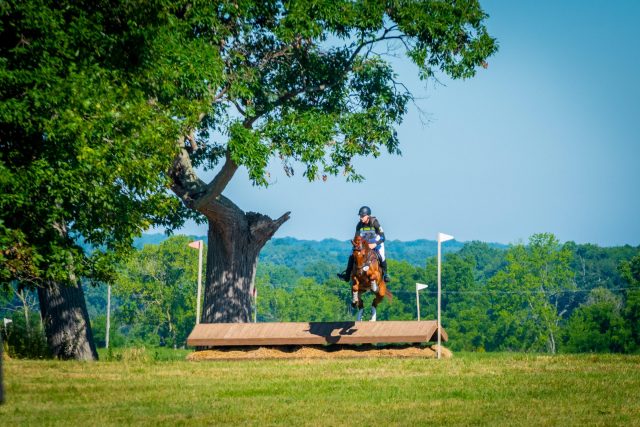
Thoroughbred Logic, Presented by Kentucky Performance Products: Figure It Out
“It is the idea that the preparation is there and the proverbial leg is on, but when you don’t see how this is going to work out, you don’t just pull up and quit or flail so badly that you rock the balance. You sure might want to, but that’s not how it works.” (more…)
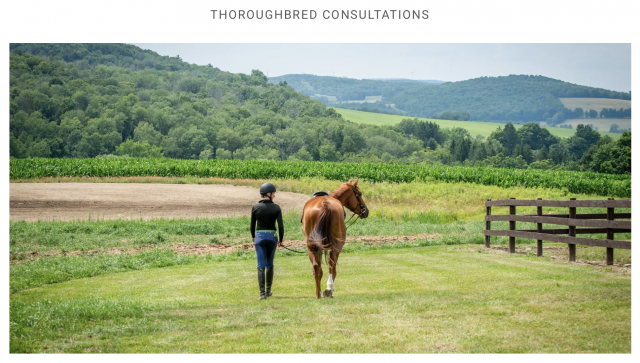
Thoroughbred Logic, Presented by Kentucky Performance Products: Get a Second Opinion
“The lens we use to assess these horses is based on experience. And experience shapes what we see. The more a practitioner works with a breed or a sport, the more the specific issues become commonplace to diagnose, and commonplace to therefore treat.” (more…)
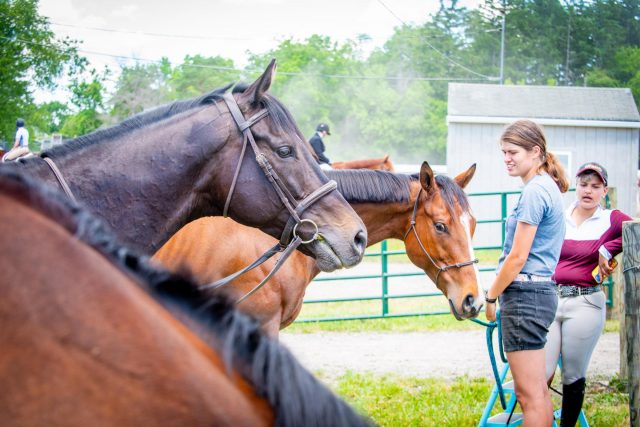
Thoroughbred Logic, Presented by Kentucky Performance Products: When Simply Being Good Wins
“You never know exactly what you will get with a when taking a young Thoroughbred off property for the first time, but Scooter set the bar pretty damn high.” (more…)
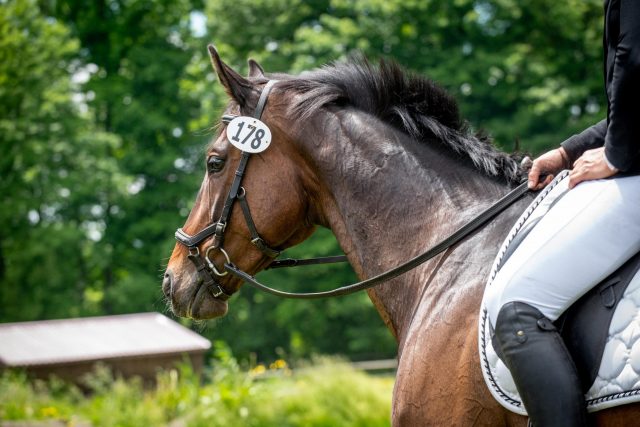
Thoroughbred Logic, Presented by Kentucky Performance Products: Ditch the Bigger Bit; Target the Hind End
“A strong-in-the-bridle horse who seems to lean down and aim to go fast without being asked to do so may be one who cannot balance and sit well/comfortably.” (more…)
Thoroughbred Logic, Presented by Kentucky Performance Products: Of Artists and Engineers
This week’s article explores how rider mindset shapes training, progress, and the path to a happier Thoroughbred. (more…)
Thoroughbred Logic, Presented by Kentucky Performance Products: Bored Is (Sometimes) Good
Just because you can, doesn’t mean you should: why waiting for boredom might just be necessary before advancing. (more…)
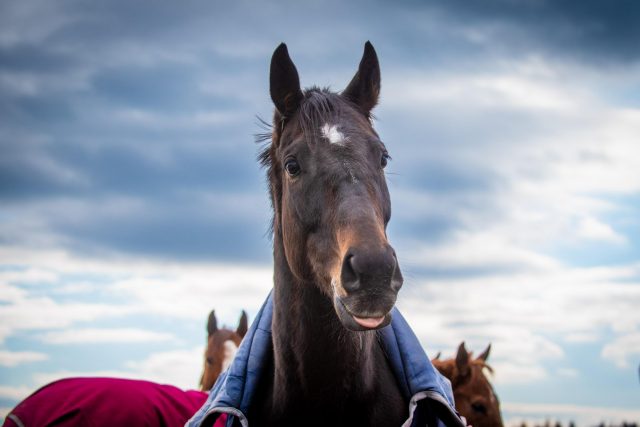
Thoroughbred Logic, Presented by Kentucky Performance Products: Brains and Timelines
“I expect that most Thoroughbreds can develop good brains. Far more often than not, they are kind, intelligent, love to work, and are bred to have the heart that makes them want to get the answers right.” (more…)
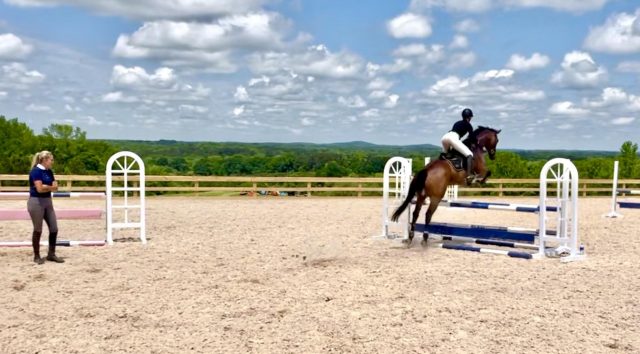
Thoroughbred Logic, Presented by Kentucky Performance Products: Get the Right Coach
“Hard work built on constructive criticism is essential. But coaches should like your horse enough to want them to do well. And they should be able to teach to their strengths, not continually bemoan their weaknesses.” (more…)
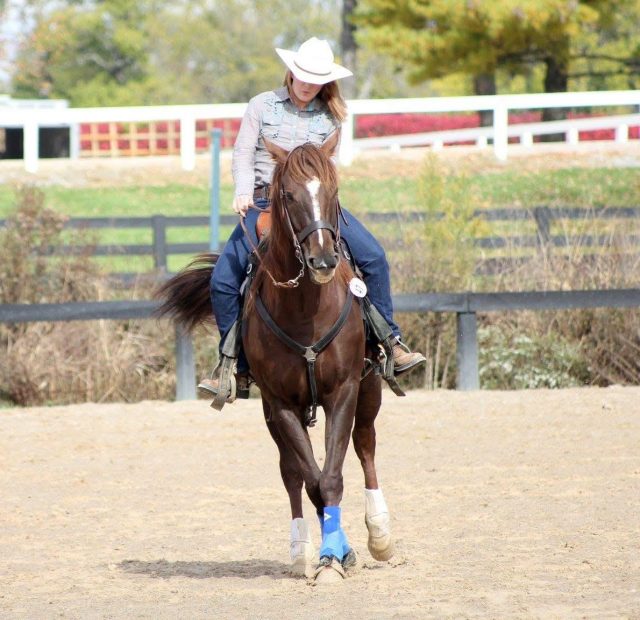
Let’s Discuss: Experience vs. “Experience” & Why Years in the Saddle Don’t Always Equal Horsemanship
Years in the saddle may build confidence, but true horsemanship is measured in feel, observation, and the ability to read the horse in front of you (not the one you used to ride). (more…)
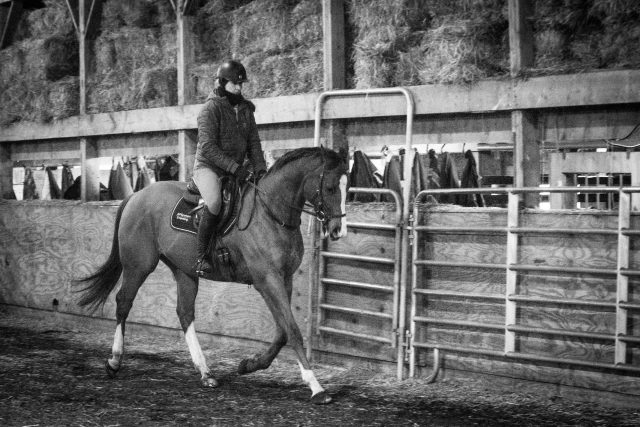
Thoroughbred Logic, Presented by Kentucky Performance Products: Keep It Simple (Stupid)
“[T]his is about not overcomplicating what doesn’t need to be overcomplicated.” (more…)

Thoroughbred Logic, Presented by Kentucky Performance Products: Musing on Rewards
Are you rewarding your horse’s effort, or just apologizing for your own mistakes? This article breaks down the timing, intention, and impact of praise in the saddle.
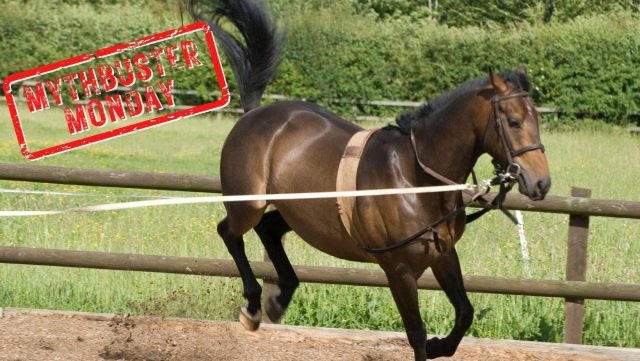
Mythbuster Monday: You Can Break A Bad Habit With More Intense Training
On Mythbuster Monday, we tackle a variety of equestrian myths to either bust or confirm. Today’s discussion: Can you break a horse’s bad habit with more intense training?

The Sin of Riding While Amateur
One of our readers offers this thoughtful, first-person reflection on what happens when a capable adult amateur chooses to bring along a green horse — and the judgment, assumptions, and quiet resilience that come with doing it anyway. (more…)
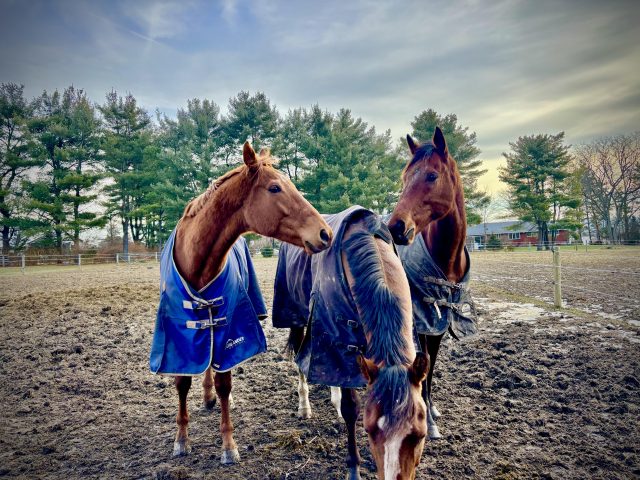
Thoroughbred Logic, Presented by Kentucky Performance Products: Working With, Not Against, Instinct
“Feeling safe makes all the difference in the world … the sense of security in their environment increases trust in their humans.” (more…)
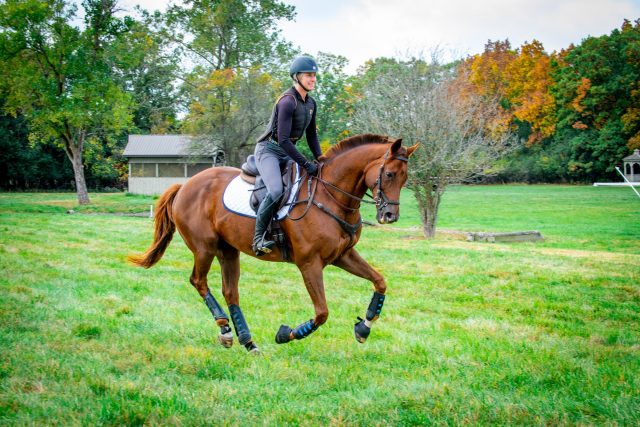
Thoroughbred Logic, Presented by Kentucky Performance Products: Go Wide
Sometimes the kindest contact for a green horse isn’t perfect equitation, but giving them space, options, and room to figure out their own balance. (more…)
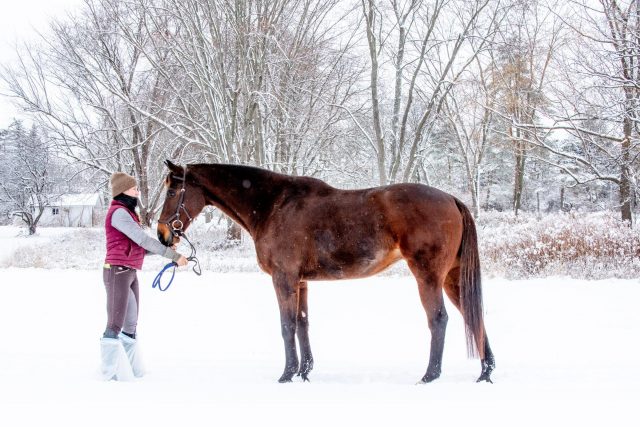
Thoroughbred Logic, Presented by Kentucky Performance Products: Internet Karens and Behind the Vertical
Welcome to the comment section, where everyone’s an expert
(more…)
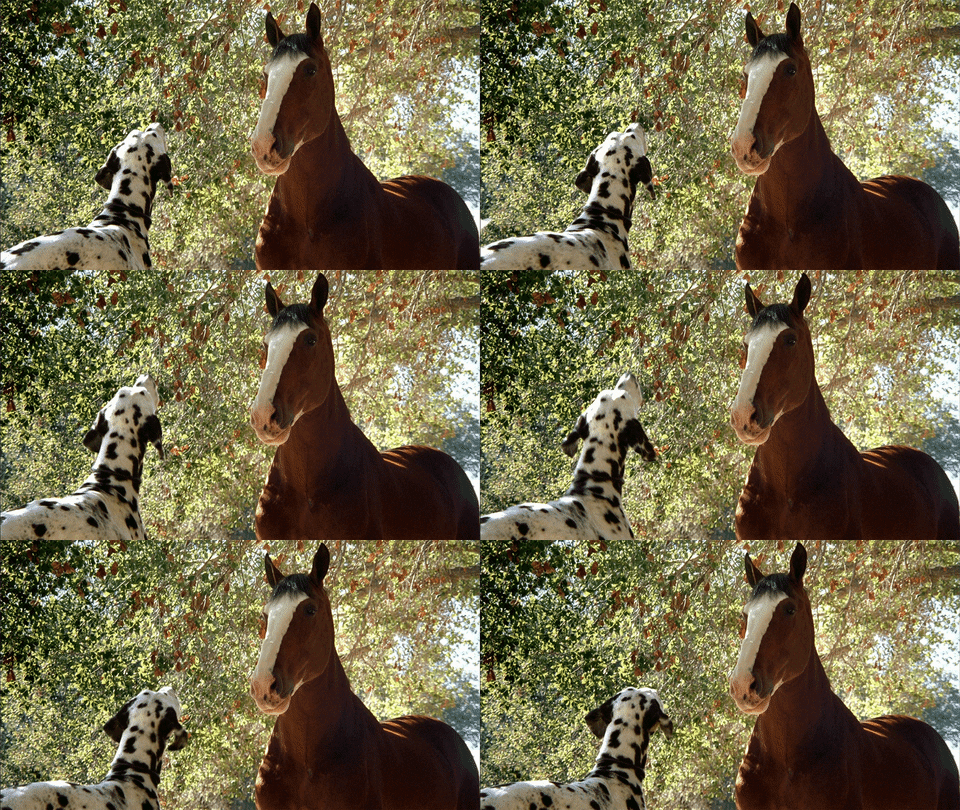
The Good, the Bad, and the Nickel-and-Dime: A Field Guide to Horse Trainers
Here is a not-entirely-comprehensive, loving, and slightly unhinged field guide to the trainers you’ll meet in the horse world. (more…)

Thoroughbred Logic, Presented by Kentucky Performance Products: People My Thoroughbreds Are Thankful For
Horses may not think in thank-you notes, but if they did, this list would be their holiday card. (more…)
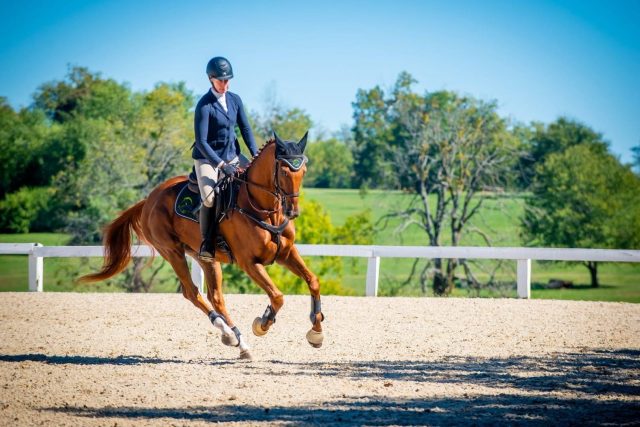
Thoroughbred Logic: Aboard a Dragon? Ride Into the Bend
Presented by Kentucky Performance Products. (more…)
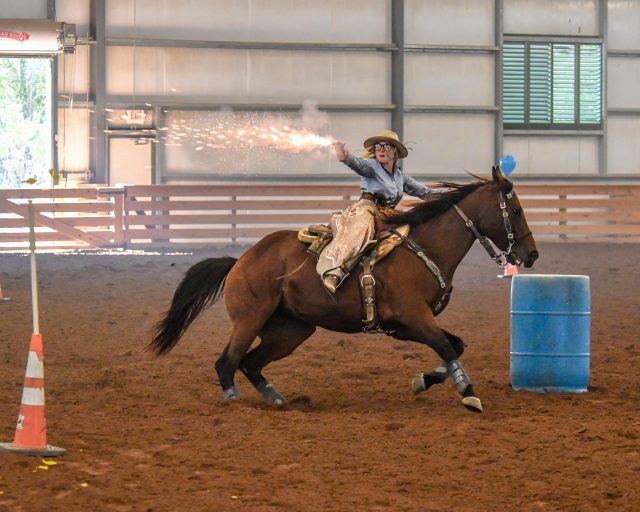
The Lasting Influence of a Skilled Trainer
“Selecting the appropriate trainer is not a matter of choosing the most prominent name or the highest price point… You are not just paying for a set number of training rides. You are investing in your horse’s cognitive and emotional framework.”

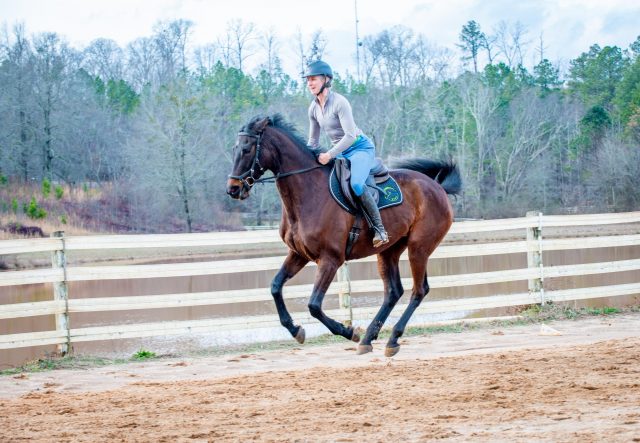
Thoroughbred Logic, Presented by Kentucky Performance Products: The “Survive-a-Ride”
“There’s no amount of reasoning with what is under you, because you can’t reason pain and fear and the eventual lack of self-perseveration that comes with it. But often, you can hunt down the cause, treat it and try again, this time with more data.”

Thoroughbred Logic, Presented by Kentucky Performance Products: Spooky Season Tricks
“I … have a couple of electric goobers who love the excuse of the crisp fall days and the start of the north wind to light up and let out. And as such, here are some basic tips to both manage the spooks and bucks and bolts.” (more…)