



DeAnn Sloan
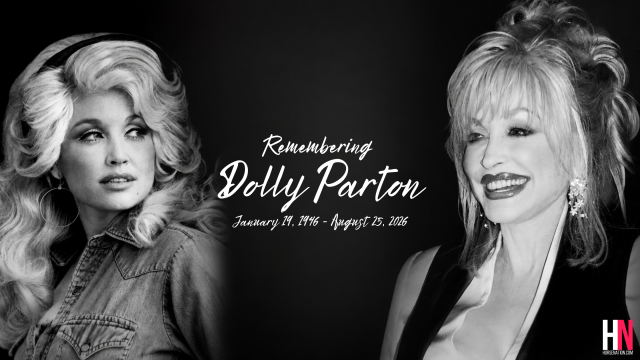
‘Find Out Who You Are and Do It On Purpose’: Remembering Dolly Parton
The rhinestones were dazzling, but Dolly Parton’s truest legacy was found in her songs, her generosity, her fierce self-knowledge, and the millions of lives she made brighter.
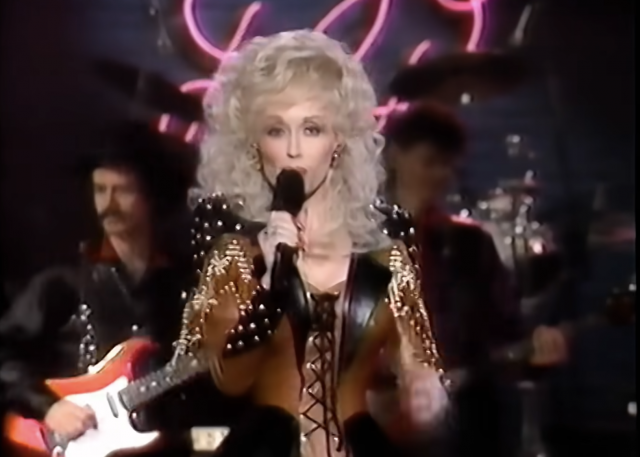
Tuesday Video: Jolene
Rest easy, Dolly. (more…)
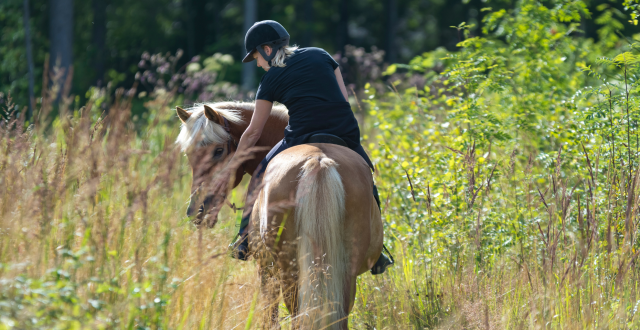
Ride a Horse to Learn How to (Gulp) Age
Growing older may change our balance, flexibility and confidence, but it doesn’t have to dim the joy of the ride. Here’s how embracing a few lessons from the saddle can help mature riders keep moving forward — on horseback and in life. (more…)
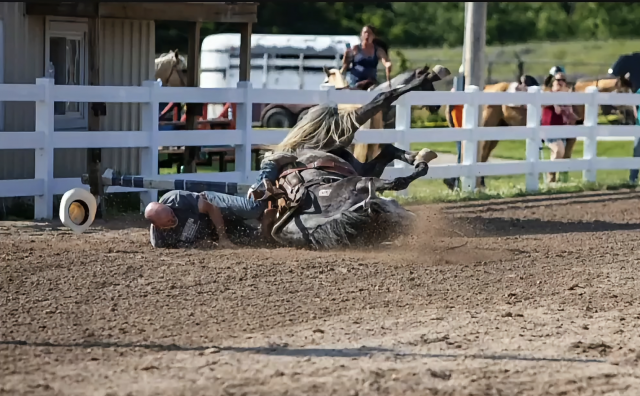
‘Oh Crap’ Monday: Sometimes You’re the Windshield…
Sometimes you’re the bug.
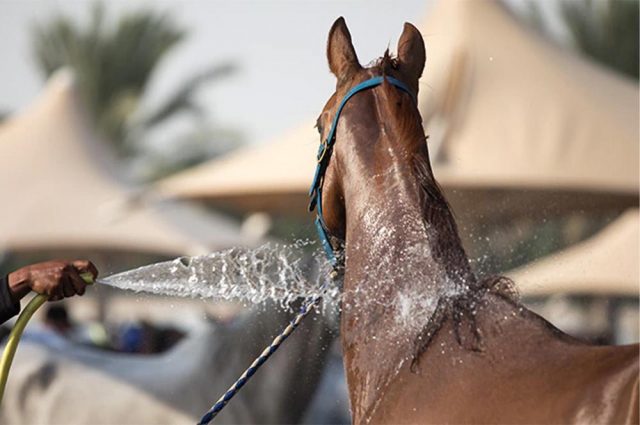
Help Your Horses Avoid Heat Stress
It’s hot, hot, HOT outside. At least here at Horse Nation HQ. Since there’s no set temperature when it is or isn’t safe to ride, it’s important to know how to prevent, recognize, and treat heat stress in horses. Read on for more: (more…)
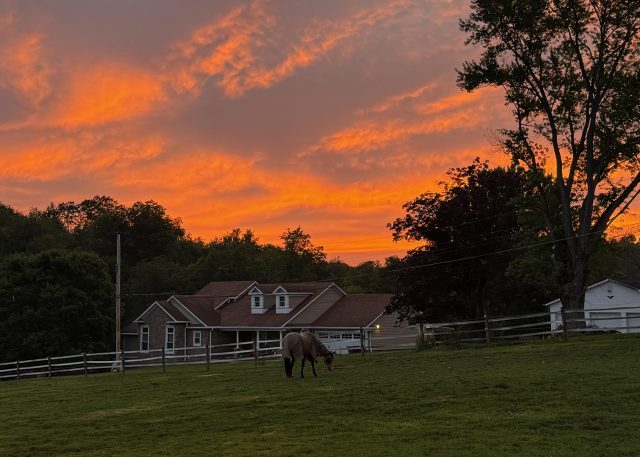
The Day I Realized I Have a Senior Barn
As my barn full of seasoned horses settles into its golden years, I realize the privilege that comes with watching them age and the quiet wisdom that comes with a stable full of old friends. (more…)
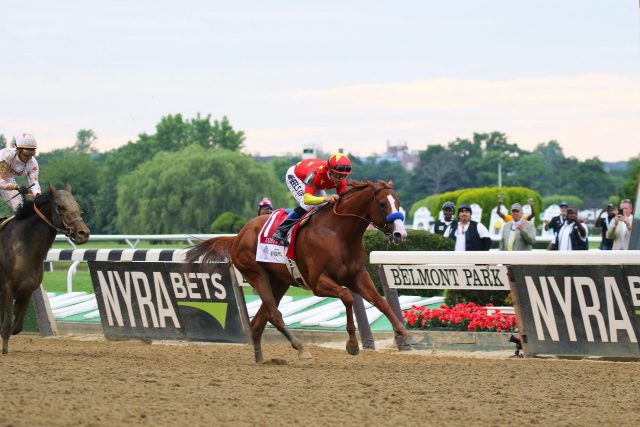
Another Year Without a Triple Crown: Is the Title Attainable for Modern Thoroughbreds?
After an unconventional Triple Crown season, the spotlight shifts from the racetrack to the future structure of the sport’s biggest series. (more…)
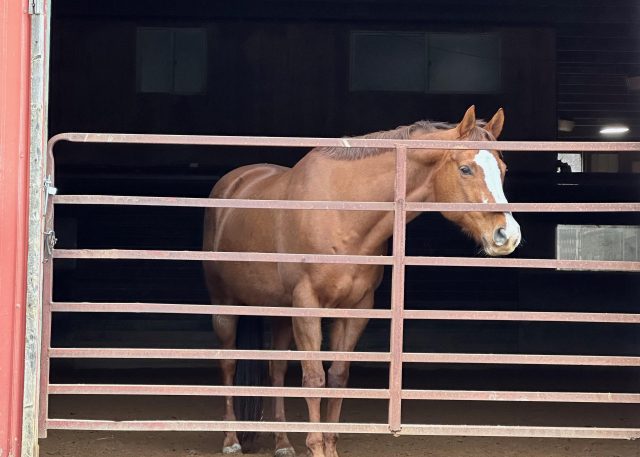
When the Lessons End: What Happens to Retired Lesson Horses?
Retirement isn’t always simple for aging school horses. As their care needs increase and their earning days end, barns face difficult decisions about how to provide the soft landing these equine teachers deserve. (more…)
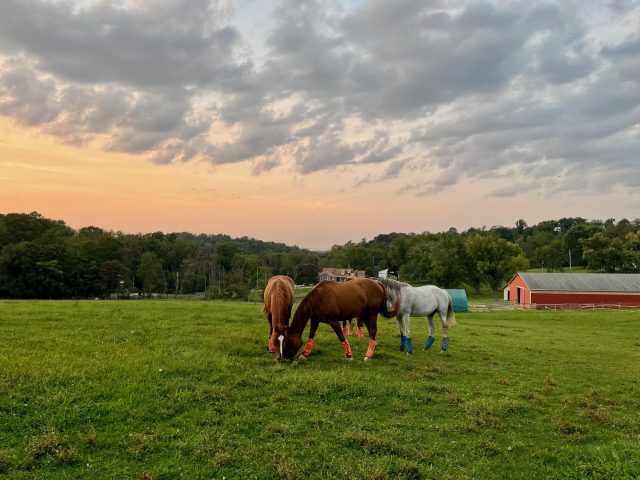
Why Horses Prefer Some Grasses Over Others
From sweetness and texture to grazing efficiency and pasture management, here’s why horses selectively devour some grasses while ignoring others right beside them.
Memorial Day Means Summer Is Officially Here: Your Horse Care Checklist
As Memorial Day weekend kicks off another summer in the saddle, here’s your reminder to check the trailer tires, refill the fly spray, and prepare both horses and humans for the heat, hauling, insects, and pandemonium ahead. (more…)
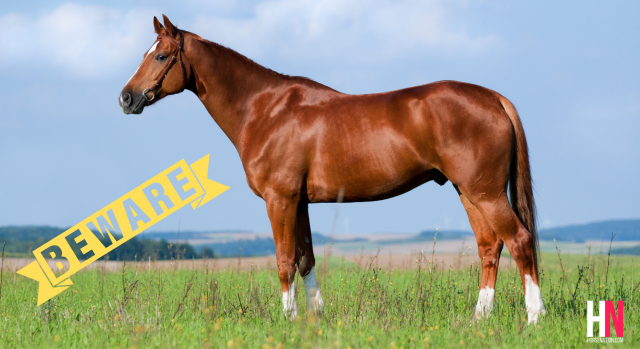
Buyer Beware: The Horse Dealer Isn’t Going Anywhere
“DO NOT BUY FROM THIS DEALER. ” We’ve all seen it on the socials in regards to horse dealers. But what we really need to remember is simple: Caveat emptor. It means buyer beware. And it rings truer in the horse world than anywhere else. (more…)
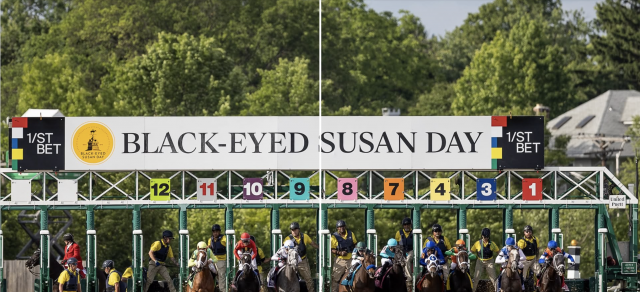
2026 Preakness Stakes Field Preview and Poll
With Kentucky Derby winner Golden Tempo skipping the race and the Preakness Stakes temporarily moving to Laurel Park, this year’s middle jewel feels wide open . Check out our full field preview and vote in our reader poll for who you think gets it done Saturday. (more…)
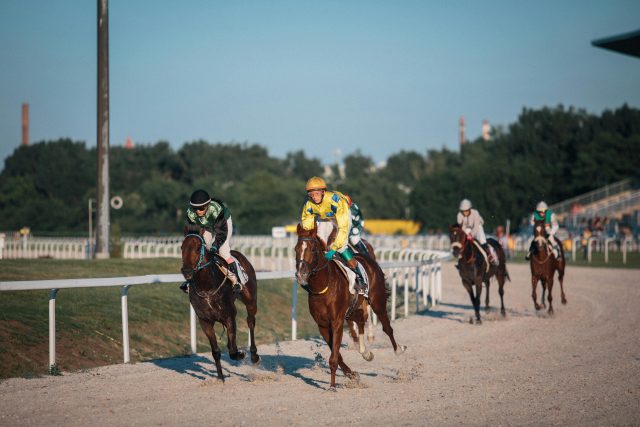
Betting on the Belmont Stakes 2026: Could an Underdog Shock the Favorites?

Bence Szemerey/Pexels/CC
The 2026 Belmont Stakes has a sharper setup than usual. The race is scheduled for June 6 at Saratoga Race Course, where the Belmont festival runs from June 3 through June 7. Saratoga also changes the lens because the race is expected to stay at 1 1/4 miles instead of the traditional Belmont Park distance. That makes this edition less about one old formula and more about current fit.
Golden Tempo gives the race its headline after winning the Kentucky Derby. His team skipped the Preakness and pointed toward Saratoga, which gives him more recovery time. Renegade stays relevant after finishing close behind him at Churchill Downs. The bigger question now is how much room the race leaves for a horse outside the obvious names.
Saratoga Changes the Belmont Math
Saratoga does not ride like Belmont Park. The turns arrive sooner, and position can matter more because the classic Belmont sweep is missing. That makes the 2026 race more compact. A horse that needs too long to unwind may not get the same runway.
The market can overreact when a favorite brings a strong Derby story into a different race setup. That creates room for a sharper read on horses whose form fits Saratoga better than their public profile suggests. In that sense, belmont stakes online betting should be built around current race conditions, not just the most familiar names. The upset case becomes more realistic when the layout changes the kind of horse being tested.
Golden Tempo Is Strong but Not Untouchable
Golden Tempo earned respect because the Derby rally was real. He came from far back and still reached Renegade late. That move showed stamina at a classic level. It also raised the standard for everyone else.
Still, Saratoga asks a different question. A last-to-first Derby run may not translate cleanly if the pace is softer or the field stacks up earlier. The skipped Preakness helps recovery, but it also creates a gap. Favorites can win that way, but the market may overrate Derby memory.
Renegade Brings the Cleaner Form Line
Renegade may be the easiest horse to understand on paper. He already proved he can stay close to a major pace and still finish hard. A narrow Derby loss does not need heavy explanation. It gives him a clean reference point.
That clarity matters in betting markets. Horses with obvious form often attract support because their case is easy to see. The risk is that the clean form can become too visible. If Renegade attracts too much attention, the better value may lie with a runner with one hidden edge.
Preakness Form Needs Careful Handling
The Preakness still matters, even without Golden Tempo. It can show which horses are still holding form after a tight Triple Crown turnaround. The 2026 race at Laurel Park makes that evidence useful, but not automatic. A strong run there still has to be measured against a different Saratoga setup.
That is where the read gets sharper. Laurel can point to the current condition, but Saratoga changes the rhythm, spacing, and timing of the Belmont. The better clue is not only who wins the Preakness. It is the horse that finishes with control and looks capable of carrying that form into a different track shape.
Underdogs Need a Real Case
A live underdog cannot just be a long shot with a good storyline. The case needs evidence, especially with the Belmont moving through Saratoga. The official contender list keeps names such as Commandment and Further Ado in the mix, while Potente, Chief Wallabee, Emerging Market, and Albus add depth to the wider field.
The better underdog profile starts with useful form, not hype. A horse coming out of a messy Derby may look weaker than he really is if traffic or pace worked against him. At Saratoga, that matters because a tactical runner can stay close, avoid trouble, and move before the favorites fully build momentum.
The Market May Overreact to the Derby
The Derby is powerful, but it can distort the next race. Golden Tempo and Renegade will get attention because their Churchill Downs finish is fresh. That is normal market behavior. The problem is that Saratoga will not copy Churchill.
A sharper betting read starts with separation. Derby results and Preakness conditions should not be treated as Saratoga fits. A horse can lose at Churchill and still improve in this setup. That is where an underdog can become more than a hopeful name.
The Shock Needs Structure
An underdog can shock the 2026 Belmont, but the path has to make sense. Saratoga gives the race a tighter frame, and that can narrow the gap between famous form and practical fit. Golden Tempo has the right to be respected, while Renegade owns a strong claim.
Still, the smartest read is not built around one favorite. It comes from checking which horse owns the right running style for this version of the Belmont. The upset will not come from nowhere if the data points toward it first.
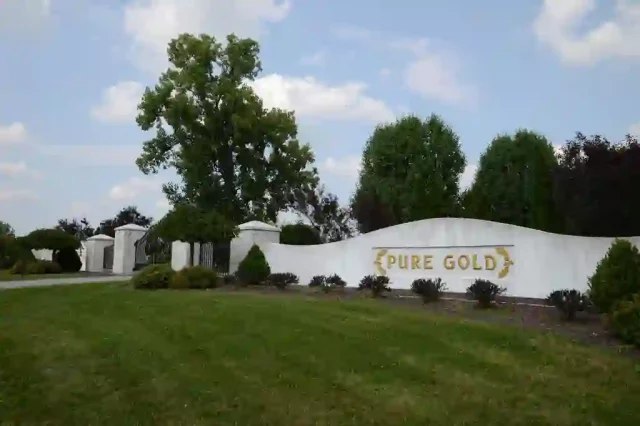
Charges Filed in Pure Gold Stables Case
Nearly seven months after the discovery that shocked the horse community, charges have been filed — but legal limitations leave many questioning whether justice will go far enough. (more…)

How Mobile Sports Betting Has Transformed Horse Racing

In 2026, across the US, Canada, Europe, and many other places across the world, betting on a phone is now the norm, and it continues to grow. Global sports betting revenue was measured at around $88bn last year, as more and more legalisation occurs and mobile betting apps become more accessible and more popular.
Mobile betting on horse racing has fundamentally transformed the sport. It’s given bettors new opportunities to bet, and more options than ever before. It also continues to expand, for example, bettors in Canada can now access Alberta sportsbooks for betting on racing, now joining various places in Canada and the USA.
Phones have transformed betting on horse racing in a number of ways, but paramount among them is the appearance of micro-betting, and the rising popularity of virtual betting.
The rise of micro-betting in horse racing
Micro-betting has gone from a concept deemed almost impossible to one of the most common types of betting currently used. Microbetting allows players to get on hyper-specific, short duration events within the confines of a bigger sporting event. It could be betting on one quarter of football, or even on a single pitch in baseball.
The same is now true within horse racing. Bettors can now not only place bets before a race begins, but as it unfolds. You can even bet from furlong to furlong, giving players a fast-paced experience. This is due to the speed and computing power of phones solving the issue of latency; phones can now update with odds almost instantly, allowing players to make bets live as games or races occur. It also increases the appeal for younger people, as Gen Z want a gambling experience more in line with the fast-paced style of online games and betting.
The rise of virtual horse racing
Another development in the world of online betting on horse racing that is the result of an increasingly young audience, virtual horse races have been increasing in popularity in the iGaming sector. Virtual horse racing became a way for both bettors and sportsbooks to continue to run races and have opportunities for betting in the downtime between races. Races often only occur at weekends, and even within racing days, the gap between races is around 30 mins.
Virtual races are usually 3D rendered in apps, with the results determined by random number generators. There has been a 38% rise YoY in the adoption in virtual horse racing, once again led largely by young people, who are quicker to adopt the new technology. It’s likely to continue to grow in the coming years, but virtual sports gambling is already a billion dollar industry, and it’s bound to only get bigger.
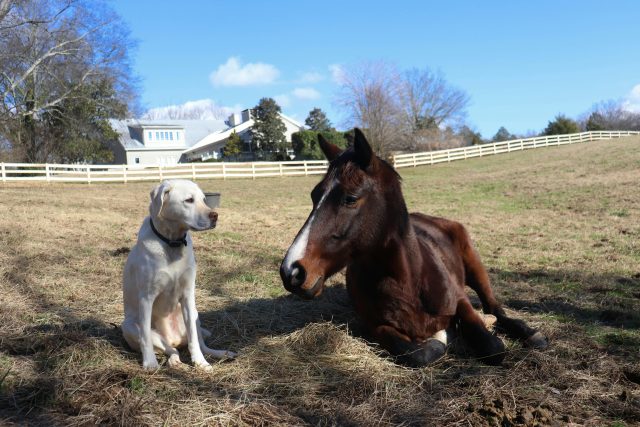
Successfully Managing Multi-Animal Spaces With Horses
Esra Bürçün/Pexels/CC
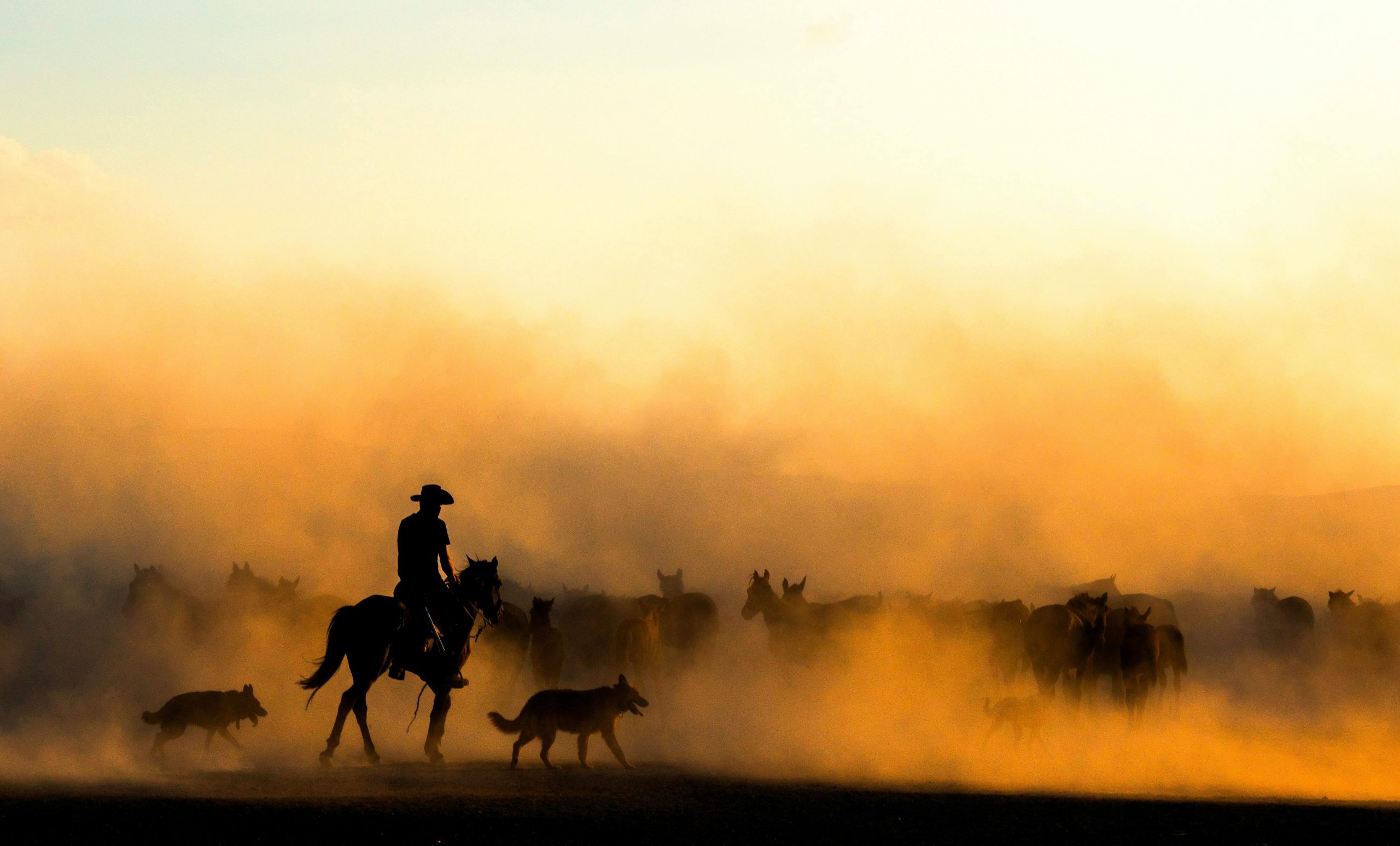
Sharing space between horses and other animals sounds straightforward until the first feed bucket gets overturned or a smaller animal ends up cornered against a fence line.
Managing multi-animal spaces with horses successfully depends on far more than good intentions or a generous paddock. The conditions that actually make it work come down to adequate space, compatible temperaments, clearly separated resources, secure fencing, and consistent monitoring from the people responsible for the animals’ welfare.
Horses naturally organize themselves around herd dynamics and social hierarchy, and that behavior doesn’t switch off when other species enter the picture. A goat, a donkey, or a cow introduced into the group becomes part of that social equation, whether the keeper plans for it or not.
That reality shapes everything in a mixed-animal setup. Not every species pairing is suitable for full-time turnout together, and not every individual animal within a suitable pairing will make it work. Sound horse socialization and careful resource management matter far more here than novelty or convenience.
Choose Companions Based on Risk, Not Hope
Evaluating compatibility before committing to a shared space saves a great deal of trouble later. The species involved, their individual temperaments, and the specific risks they bring to a shared environment all deserve honest assessment before any gates open.
Which Animals Usually Share Space Best
Multi-species grazing setups tend to work best when the animals involved have compatible sizes, predictable social behavior, and similar feeding styles. Horses kept with a donkey, for example, often manage well because donkeys are similarly structured and respond to herd dynamics in a way horses recognize.
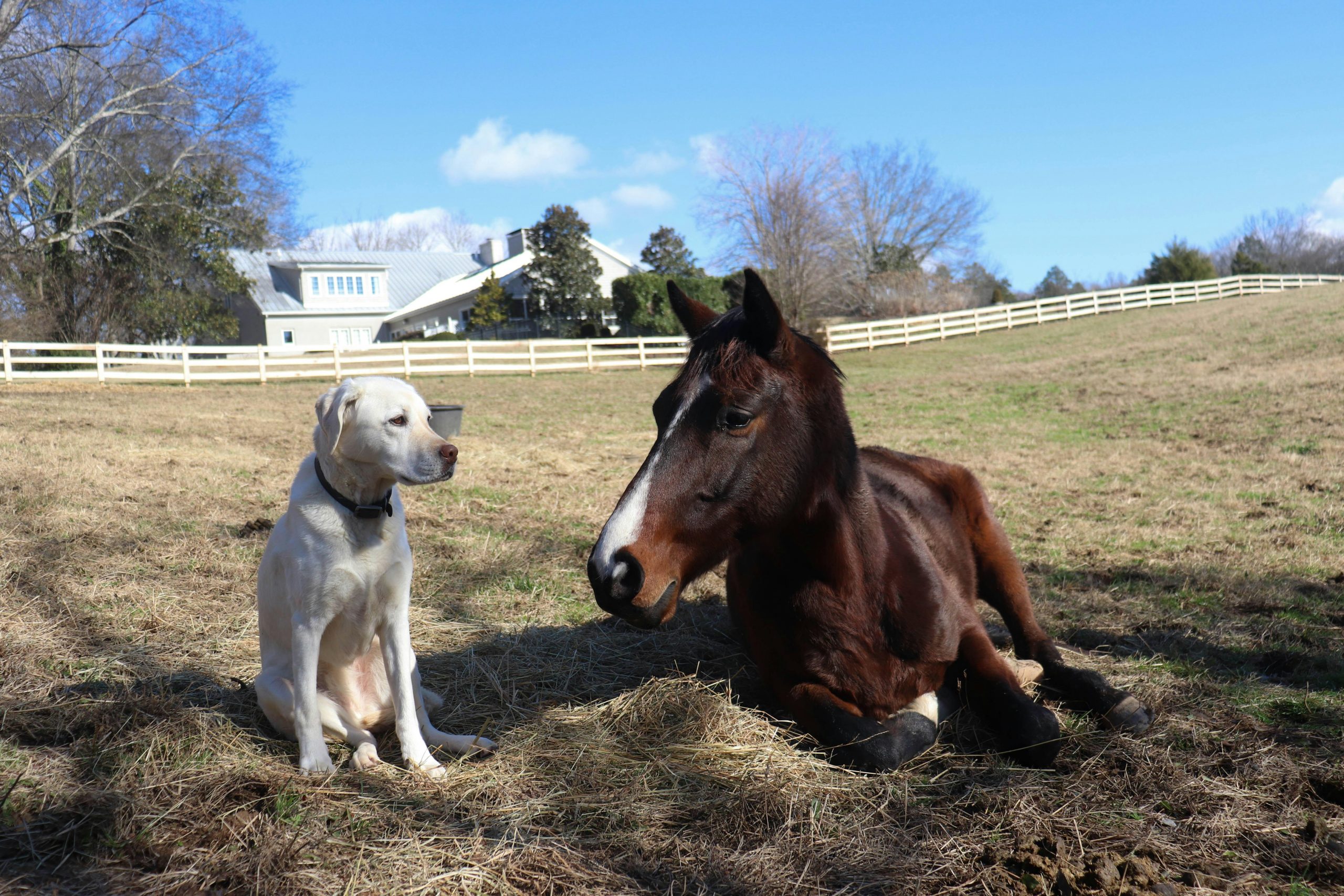
Goats are common additions, though their agility and curiosity create different management demands. They rarely threaten horses physically, but their tendency to test boundaries, steal feed, and climb can become a genuine management challenge. Whether dogs thriving alongside horses works in practice depends heavily on the individual dog’s energy level and whether the horses involved have been exposed to them early. Barn cats and their role in the equine environment is generally low-conflict, since cats rarely provoke stress responses in horses the way fast-moving or vocal animals can.
Where Mixed Groups Run Into Trouble
Shared space becomes problematic when species differences create consistent stress or injury risk. Rough play from a donkey, chase behavior from a dog, or resource guarding between a horse and a goat over feed can escalate quickly without adequate space to retreat.
Disease exposure is another real consideration. Some species carry pathogens that cross without visible symptoms in the carrier, making biosecurity planning part of any multi-species decision.
Beyond disease, diet management deserves attention when dogs share a barn environment. Barn dogs need separate feeding arrangements from horses and other livestock, and awareness of species-specific hazards matters here. Knowing what common foods are harmful to dogs, such as whether can dogs eat onions, is the kind of practical detail that prevents accidental harm when multiple species share the same space. Some animals genuinely belong nearby rather than in the same turnout full time, and proximity without full integration is often the more practical answer.
Set Up Space to Reduce Conflict Fast
Physical layout is where good intentions either hold up or fall apart. Once compatibility has been assessed, the next step is designing the space so that resource competition and injury risk are reduced from the start.
Separate Hay, Grain, and Water Access
Feeding stations are where resource competition turns physical fastest. When horses, goats, or donkeys share a single hay pile or water trough, dominant animals guard access and lower-ranking ones go without, which compounds stress across the whole group over time.
Spacing multiple hay stations around the paddock breaks that guarding pattern. Animals lower in the hierarchy can disengage and move to another station rather than competing at close range. Clear sight lines between stations matter here too, since blocked views prevent animals from spotting an open space.
Water access follows the same logic. Multiple troughs placed at separate ends of the space ensure that one animal controlling a single source doesn’t quietly push others into dehydration. Sound equine pasture research consistently supports distributed resource placement as a practical welfare measure.
Use Fencing That Fits Every Animal Present
Fencing decisions in mixed-species setups need to account for the smallest or most unpredictable animal present, not just the horses. A fence adequate for a 500kg horse creates easy escape routes for a goat or a small dog.
Gates, shelter openings, and corner designs all factor into injury risk. Tight corners trap smaller animals when a horse moves quickly or pins. Pasture management should also include a sweep for toxic plants before any new species enters the space, since toxicity thresholds vary significantly across animals sharing the same ground.
Introduce New Animals Without Stressing the Herd
Unsplash/Laura Roberts/CC
Bringing a new animal into an established group rarely goes smoothly without a staged process. Whether the arrival is a goat, a donkey, or another horse, herd dynamics don’t pause while the newcomer finds their footing.
Adjacent housing comes first. Letting animals see and smell each other through a shared fence line over several days builds familiarity before any direct contact happens. Short, supervised contact sessions follow, with enough space for animals to disengage freely.
Safe introduction starts before the animals ever share a fence line. When moving goats, donkeys, cattle, or other livestock onto a property with horses, the transport setup should keep animals contained, calm, and separated as needed. A properly matched livestock trailer can help owners transport animals with ease while reducing stress before the staged introduction process begins.
The same principles that apply to introducing new horses carry over to non-equine arrivals, though species-specific behavior adds complexity. A donkey may assert itself more directly than expected, while a goat’s quick movements can trigger a chase response in horses that aren’t accustomed to them.
Throughout the process, watch for pinned ears, sustained chasing, guarding around feed areas, crowding, panic running, or fixated attention on a single animal. These signals indicate that social hierarchy pressure is becoming unmanageable. Some animals should remain separated even after a successful trial period, and proximity without full integration is a legitimate long-term arrangement.
How Do You Know When a Mixed Group Is Not Working?
Persistent chasing, restricted access to feed or water, unexplained bite or kick injuries, visible weight loss, and repetitive stress behaviors are the clearest indicators that herd dynamics have broken down. These warning signs require intervention, not patience.
Species that appear calm at rest can still create dangerous pressure around gates, shelters, and feeding stations. Adequate space across the paddock does not guarantee safe resource management at chokepoints where animals crowd together.
When these patterns appear consistently, separating the animals, reassessing the pairing, and redesigning turnout is the appropriate response.
A Calm System Beats a Crowded One
Successful multi-animal spaces come down to four things: fit, space, resource separation, and steady observation. No pairing works on goodwill alone, and pasture management requires ongoing adjustment as animals age, change rank, or new individuals join the group.
Judging a setup by animal welfare and day-to-day stability matters more than convenience. Sound horse socialization and a clear understanding of social hierarchy will always outperform a crowded arrangement that simply hasn’t failed yet.
The Most Common Myths About Older Horses and Workload

Mikayla Storms/Unsplash/CC
Age is a major factor in older horses rather than condition. When a horse is in the late-teen years, most riders and owners begin to believe that work must cease, intensity must fade, and all manifestations of stiffness are an indication of deterioration.
The truth of the matter is that the decision to work with older horses is far more reliant on the soundness of the horse, maintenance of the muscles, recovery, nutrition and management rather than the age of the horse.
If you want a break from horse care reading, chatting with a Leo listening woman interested in serious relationships can be one way to step away for a moment before returning to practical questions about aging horses.
Why Age Alone Does Not Define Work Capacity
The process of aging alters the manner in which a horse is supposed to be handled, yet it does not necessarily render the routine work inappropriate. A lot of the elderly horses are happier and more useful when they are kept in regular and appropriate exercise instead of retiring too early in life and becoming inactive.
Myth 1: Every Older Horse Should Work Less
Older horses require less intensity, although most require consistent movement to lubricate joints, maintain topline, and keep stiffness in check. A horse that suddenly loses work may become less comfortable rather than more.
Suitable exercise often helps preserve daily function. Mobility may be assisted by light hacking, flat work, pole work, and controlled conditioning, provided the horse is coping well.
Myth 2: Age Matters More Than Fitness
Fitness, body condition, and soundness tell you more than age by itself. A well-managed twenty-year-old horse with good muscle and a structured routine may cope better with work than a younger horse that is unfit, overweight, or inconsistently exercised.
The chronological age is readily measurable, whereas the functional age is more practical. Recovery, attitude, stride quality, and physical maintenance are more important than a piece of paper.
Myth 3: Stiffness Always Means the Horse Should Stop
Older horses usually develop mild stiffness in the onset of work that does not necessarily imply the horse will be retired. In some cases, careful warm-up and regular exercise improve the way the horse feels once the body starts moving more freely.
The signs below usually deserve closer observation before the workload is changed:
- Stiffness that improves after warm-up
- Uneven stride only on certain surfaces
- Slower recovery after harder sessions
- Reluctance during specific movements rather than all work.
Myth 4: Older Horses Cannot Build or Maintain Muscle
The loss of muscle in old horses can be easy when the management is poor, though it does not imply that old horses cannot continue being useful. Proper work, proper protein consumption, a good fit of the saddle, proper dental care, and regular conditioning contribute to the ability of the horse to remain strong enough to engage in regular activity.
Topline loss or weakness can be commonly considered to be part of the aging process when, in reality, they are due to lack of work or poor management.
Myth 5: Only Rest Protects an Older Horse
Rest is useful when there is pain, acute soreness, or veterinary need, but too much inactivity can make an older horse feel worse. Reduced circulation, weaker muscles, and more joint stiffness often follow long periods without movement.
Many horses stay more comfortable when they keep working at a level that suits them. Walking, turnout, light schooling, and low-stress conditioning often help preserve function better than long idle periods.
Myth 6: Older Horses Should Avoid Any Challenging Work
Excess and challenge are different. An older horse can still appreciate hill work, cavaletti, light jumping, schooling transitions, or longer hacks provided the workload is initiated in a thoughtful manner and with sufficient recovery.
Older horses usually fare well when the labor keeps them engaged and physically structured without putting them under a recurrent strain. Excessive work can make muscles sore, as inadequate challenge can greatly decrease coordination and muscle tone.
The work patterns below often suit aging horses well:
- Frequent low to moderate sessions instead of rare hard rides
- Longer warm-ups before collected or technical work
- Varied footing and terrain with sensible limits
- Rest days spaced according to recovery, not habit alone
- Turnout that supports daily movement between rides.
Myth 7: Competition Horses Must Retire Early
Fitness, management and experience balance the age-related change, allowing some aged horses to still compete successfully. The question is whether the horse will recover well, be sound, and run without progressive discomfort.
An experienced older horse may even handle certain competitive settings better mentally than a younger one. The decision should depend on objective conditions, veterinary input, and performance quality rather than automatic age rules.
Myth 8: Warm-Up and Cool-Down Are Minor Details
Older horses often need more time before they feel physically ready to work. Warm-up is a part of the workload itself. A horse that starts tight may need more walking, gradual bending, and progressive engagement before the main work begins.
Cool-down matters too because it helps the horse leave work in a more comfortable physical state. Rushed endings often make the next day harder.
Myth 9: If the Horse Slows Down, Age Is the Main Cause
Slowing down can come from many sources. Dental pain, saddle pressure, hoof imbalance, arthritis, metabolic issues, ulcers, reduced vision, and rider mismatch can all change how an older horse goes.
Aging may be part of the picture, but it should not end the investigation. A horse that feels flat, resistant, or sour may need management changes rather than immediate withdrawal from work.
Myth 10: Senior Horses Need Simpler Management Because They Work Less
Older horses often need more management precision, not less. Nutrition, joint support, hoof care, body condition monitoring, turnout, blanketing where appropriate, and regular veterinary review all become more important as the horse ages.
The management checks below often reveal why workload feels harder than it should:
- Whether saddle fit has changed with topline loss or gain.
- Whether dental issues are affecting body condition.
- Whether hoof balance supports even movement.
- Whether pain management and recovery strategies are current.
How to Judge Workload More Accurately

Photo by Kenny Weber/Unsplash/CC
A useful workload plan for an older horse should be based on response rather than assumption. The key questions are simple: Does the horse warm up into the work well, stay willing, recover normally, and return the next day without new discomfort?
A horse that meets those standards may remain active for many years with the right program. A horse that struggles needs adjustments, but those adjustments should be based on evidence rather than on age-based fear. Older horses often tell the truth clearly through attitude, movement, and recovery if someone watches closely enough.
A Better Standard for Working Senior Horses
The biggest myth about older horses is that age automatically makes work harmful. However, what changes with age is the need for more careful planning around intensity, recovery, and physical support.
An older horse should not be asked to prove youth, and it should not be written off too early either. The best workload is the one that respects the horse’s current condition, keeps the body working, and allows comfort to guide the next decision.
Tiny Bites, Big Consequences: Managing Mosquito-Borne Diseases in Horses
Warmer weather means more bugs and more risk. Learn the early warning signs and the simple steps that can make all the difference. (more…)
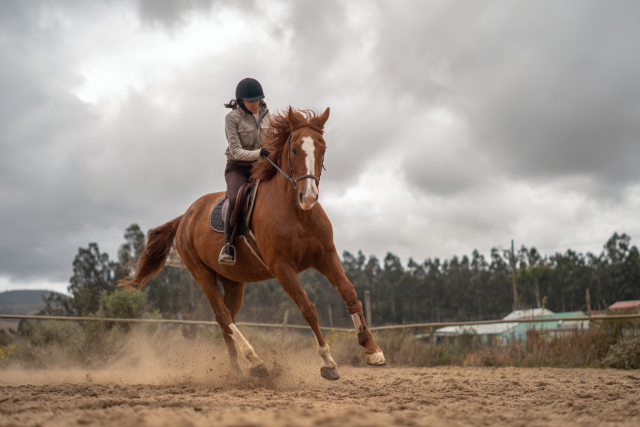
How Horse People Think About Risk (And Why We Keep Doing It Anyway)
Ask any person outside the equestrian circles why they would never get on a horse, and you’ll hear some version of the same answer: too big, too unpredictable, too dangerous.
The question is why millions of people choose to get on anyway, often after being bucked off, fallen on, or dragged through a muddy field. The answer has less to do with recklessness and more with how experienced riders actually process risk — and the psychology behind it is well-documented.
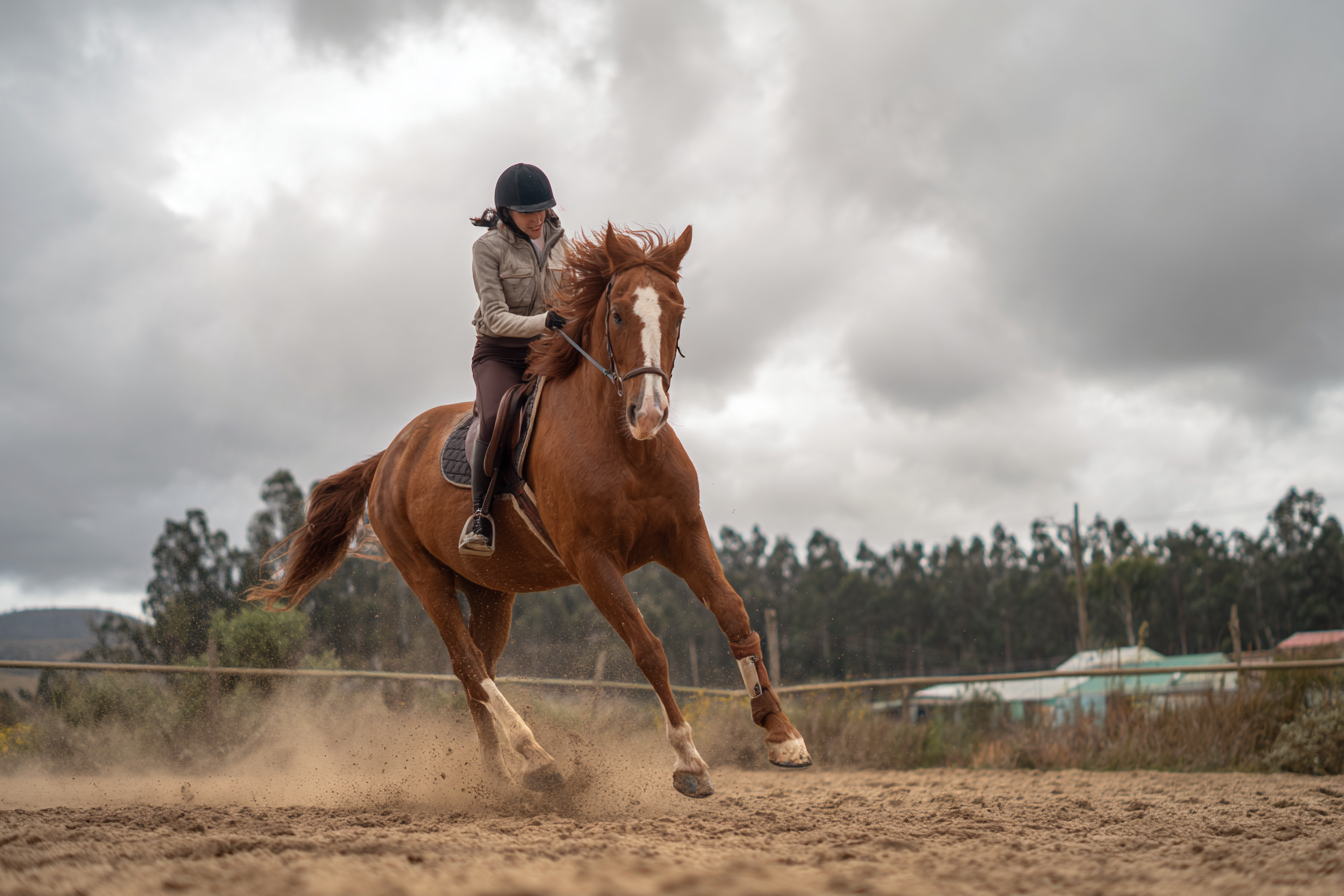
Why Riders Accept What Others Won’t
Equestrian culture has a complicated relationship with risk. It doesn’t ignore danger — it normalizes it.
Risk as a Cultural Baseline
Most riders don’t think of themselves as risk-takers. They think of themselves as people who’ve learned to work with an unpredictable animal.
That framing matters. When risk is baked into the activity from day one, the psychological response shifts from avoidance to management. Riders develop a working sense of what’s acceptable on a given day with a given horse — and that calibration improves with experience.
This pattern of accepting and working within uncertain outcomes isn’t unique to equestrianism. The same pattern shows up anywhere outcomes are uncertain and stakes are personal — and the Clash of Slots website covers one such territory in detail, reviewing casino games and breaking down their mechanics, odds, and win probabilities so players understand what they’re actually working with. Just like with horse riding, the risk doesn’t disappear in any of these contexts. It gets measured differently.
The Two Types of Fear
Sports psychologists working in equestrian contexts draw a clear line between two types of fear. Rational fear responds to a genuine physical threat. Irrational fear responds to a perceived threat to confidence or self-image. Riders who can identify which type they’re experiencing are better equipped to act. Getting back on after a fall means distinguishing between “this horse is genuinely unsafe” and “my confidence took a hit.” That distinction is a learned skill, not an innate personality trait.
How Nervous System Regulation Changes the Equation
Riders operating from a dysregulated state — stuck in fight-or-flight — tend to read situations emotionally rather than logically. A horse that isn’t responding gets labeled as difficult rather than confused. A challenging moment gets coded as danger when it may simply be discomfort. Riders who can self-regulate mid-ride assess risk more accurately, communicate more clearly with their horses, and make better decisions under pressure. Self-regulation here is not a wellness concept. It is a technical skill with direct consequences for safety.
The Cognitive Biases Running in the Background
Even experienced riders make decisions that look, from the outside, like wishful thinking. That is not a character flaw — it is cognitive architecture.
Optimism Bias: Wired to Expect Things to Go Well
Optimism bias is not something researchers have identified specifically in equestrians. It is a well-documented human tendency that happens to play out with particular visibility in horse ownership.
As research published in Current Biology found, people consistently overestimate positive outcomes and underestimate costs, timelines, and the likelihood of things going wrong. Horse owners will recognize this immediately: the youngster who is almost ready for competition, the new horse who was definitely going to be easier than the last one, the vet bill that somehow wasn’t part of the budget.
These are not failures of intelligence. They are predictable outputs of how human decision-making actually works — and they show up with equal reliability in anyone operating in a high-stakes, uncertain-outcome environment.
Loss Aversion: Why Quitting Feels Worse Than Continuing
Optimism bias explains why riders keep starting. Loss aversion helps explain why they keep going.
The Prospect Theory, one of the most replicated findings in behavioral science, established that the psychological pain of a loss is roughly twice as powerful as the pleasure of an equivalent gain. For riders, this plays out in recognizable ways:
- Scratching feels disproportionately bad: Withdrawing from a competition after months of preparation registers as a loss, even when it is the sensible call.
- Bad rounds carry more weight than good ones: A single poor test can feel like it erases weeks of progress.
- Re-entering after disaster feels necessary: The compulsion to try again isn’t irrational — it’s the brain working to recover a perceived loss.
Loss aversion doesn’t make riders reckless. It makes quitting psychologically expensive, which keeps them in the saddle longer than pure logic might suggest.
Where This Shows Up Beyond the Barn
These same cognitive patterns appear anywhere humans engage repeatedly with uncertain outcomes under real stakes — and few environments make that clearer than professional horse racing.
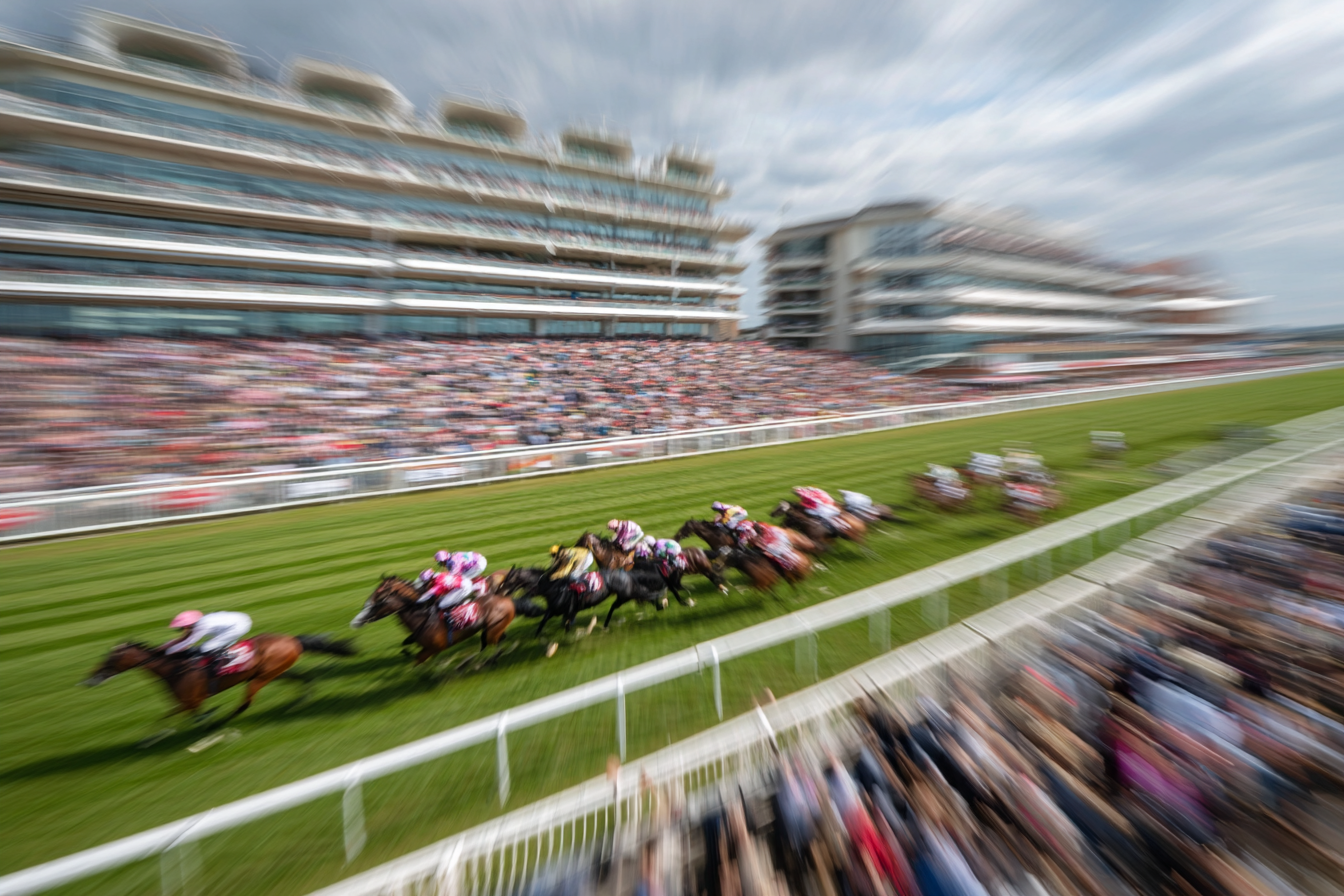
Decisions made around races like the Ascot Gold Cup involve form analysis, variable conditions, and genuine uncertainty spread across weeks of waiting. Yet punters and connections alike commit to positions long before the race runs, knowing the ground could change, a horse could lose form, or a rival could emerge from nowhere. That willingness to act under uncertainty, accept the possibility of being wrong, and stay engaged is the same psychological muscle riders use every time they get on a horse they haven’t fully figured out yet.
The overlap between equestrian risk tolerance and the psychology of competitive betting runs deeper than it might first appear. Both involve calibrated optimism, loss aversion, and repeated engagement with outcomes that cannot be fully controlled. What looks like boldness from the outside is usually just a well-practised relationship with uncertainty — and riders have been building that relationship one ride at a time for as long as people have been getting back on horses after falling off them.

The Seven Stages of Horse Show Crud
Because nothing says “successful weekend” like a prize check, solid memories, and a sinus infection. (more…)
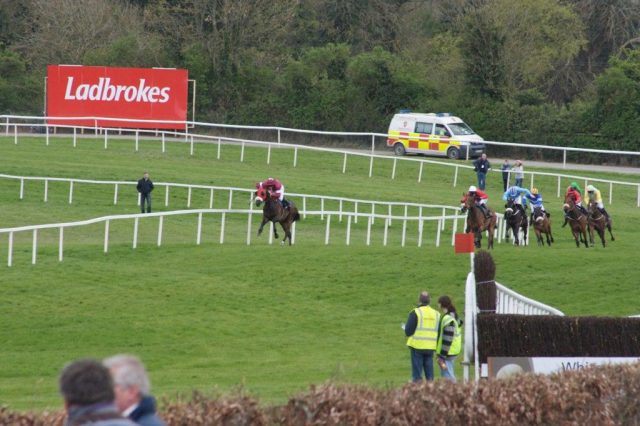
Punchestown Festival: What You Need To Know
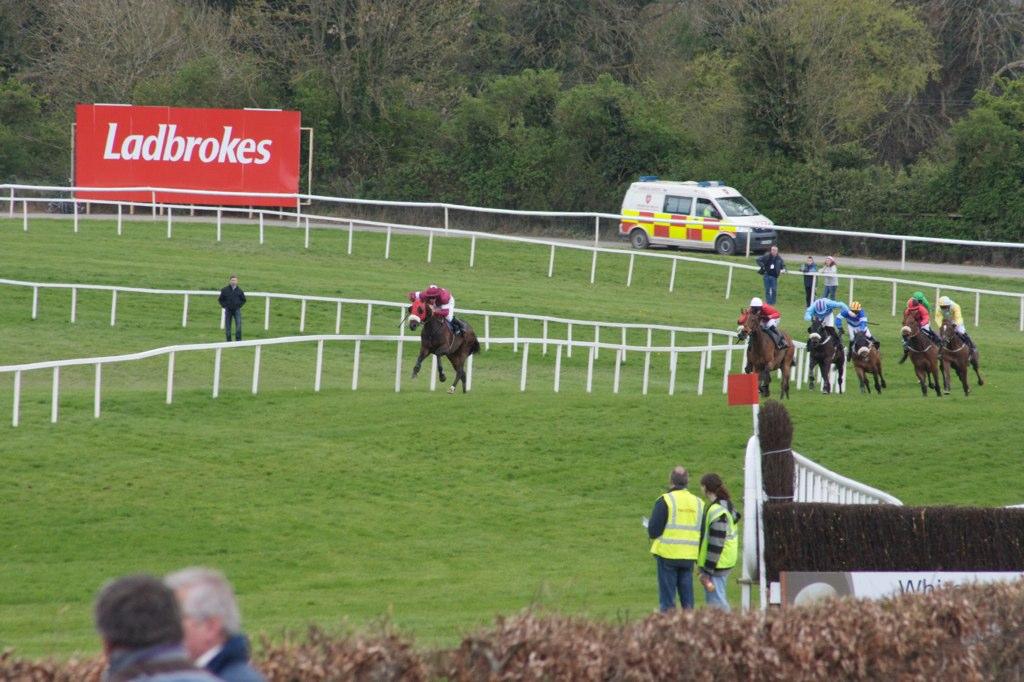
By Gordon Flood from Trim, Ireland. Wikimedia Commons.
The 2026 Punchestown Festival is one of the biggest events in Irish horse racing, and understanding what to expect can greatly improve your experience.
The festival runs from Tuesday 28 April to Saturday 2 May 2026, serving as the grand finale of the Irish National Hunt season. It’s the ideal time to bag some free bets to spend on five days of exceptional action.
Five days of top-class action
The festival spans five days. Tuesday kicks off proceedings with the Champion Chase the highlight of the day’s card, while Wednesday features the prestigious Punchestown Gold Cup, often considered the showpiece of the entire week. Thursday hosts the Stayers’ Hurdle, while Friday is known for the Champion Hurdle and Ladies Day, attracting large crowds and a strong fashion element. The festival concludes on Saturday with a more relaxed but still competitive race day, with two Grade 1s on the card.
Record €3.6 million prize fund for 2026 festival
There will be a record €3.6 million prize-money up for grabs at this year’s Punchestown festival. To trainers’ and owners’ delight, there has been an increase in minimum race values from €15,000 to €20,000 and prize-money for the five Listed handicaps at the festival will rise from €50,000 to €75,000. Punchestown will feature 12 Grade 1s, each of which will be worth €300,000, while novice Grade 1 races will be worth €125,000 and the Champion Bumper €100,000. Grade 3 handicaps will be run for €100,000.
Jockeys and trainers to follow
Paul Townend rode 25 winners from just 61 rides at the track last season which is a staggering 41% return and he is operating at around 34% there this term, so he is without doubt the main jockey to follow. That of course means Willie Mullins is the trainer to follow. If you’re looking for someone under the radar, keep a close eye on anything Emmet Mullins runs as he has a 30% return there this season.
Planning your visit
Planning your visit is also essential. Racing usually begins around 2:30pm, except for Friday which starts later due to larger crowds. It is advisable to arrive early to avoid traffic and to enjoy the full experience, including food stalls, bars, and entertainment around the racecourse. Accommodation in nearby towns like Naas can fill up quickly, so booking in advance is important. Many visitors opt for travel packages that include transport, accommodation, and entry tickets to simplify the trip.
It’s more than just racing
In addition to racing, the festival is known for its social atmosphere. It combines sport with fashion, live music, and nightlife, especially in nearby towns after racing finishes. Friday’s Ladies Day is particularly famous for style competitions, so dressing up is a big part of the experience for many attendees. The event caters to a wide audience, from dedicated punters studying form and placing bets to groups simply enjoying a day out.
Is there a strict dress code?
Punchestown is renowned for being less formal than some other major racing festivals, offering a more relaxed and sociable environment while still delivering top-class racing. Whether as a male you want to wear jeans, cords or a suit, that is entirely up to yourself and for the ladies, there’s no pressure to dress to impress, you can attend the races feeling as comfortable as you like.

Unpacking the Reality of the Global Racing Machine

Canva/CC
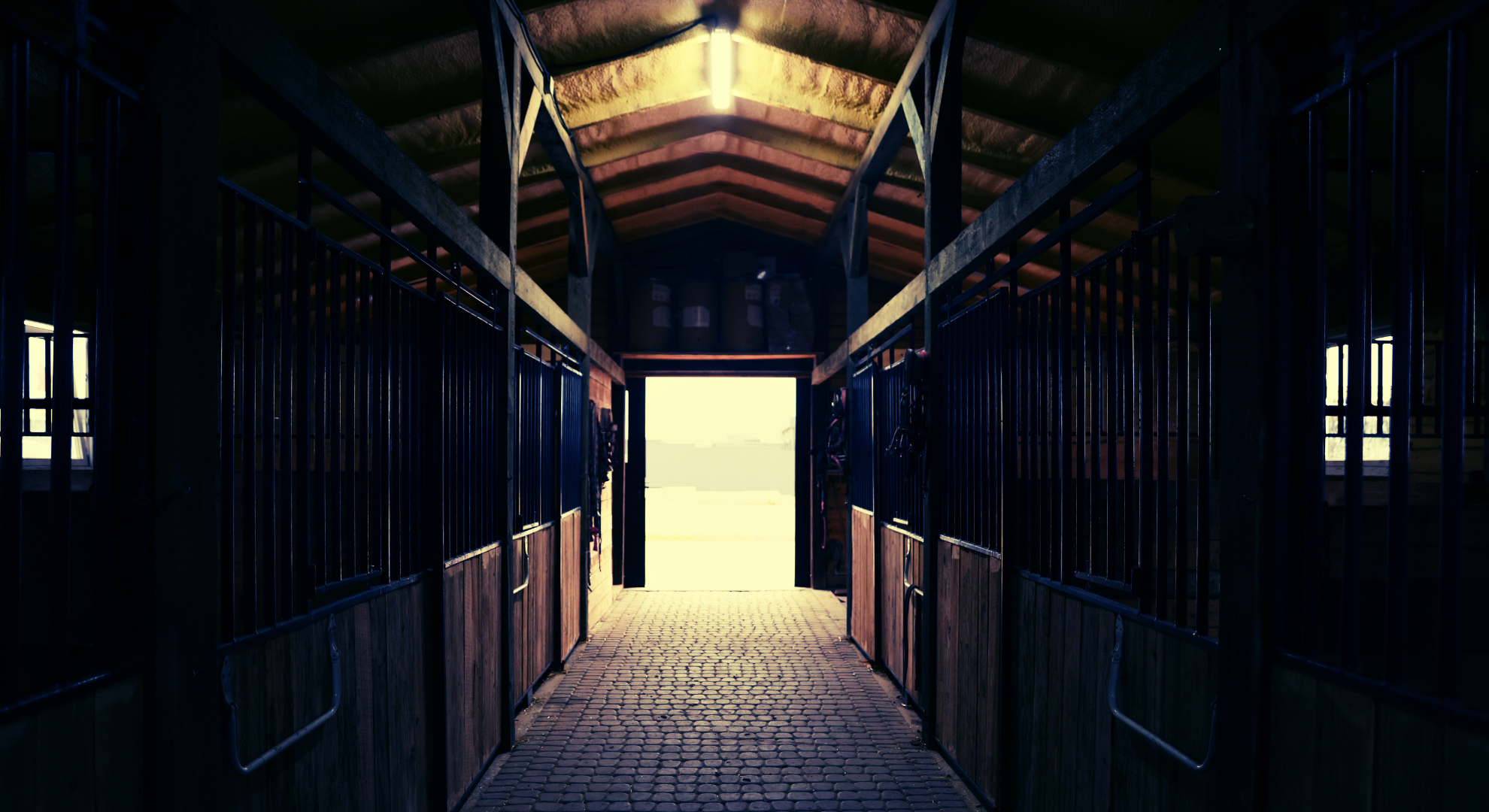
There is a distinct rhythm to a stable at four in the morning. It’s not quiet, not really, just a different kind of noise. Horses shifting, someone moving buckets, the occasional impatient stomp against a stall door. Long before the grandstands fill and cameras start rolling, most of the actual work has already happened.
It’s easy to forget that. What shows up on race day is only a small part of the process.
Most of the intense spectator involvement happens far away from the track, usually over a coffee, staring at past performances and trying to make sense of them. Some people approach racing like a puzzle. They track patterns and notice small details, such as a horse that seems to move better on certain ground, or one that never quite settles in softer conditions.
Others don’t look at it that way at all. They’ll just say that something didn’t feel right today, and leave it at that. It is not really just a racing thing either; you see the same in show jumping or dressage. It always comes back to paying attention and not missing the small changes. For many, that level of observation is just a way to get under the skin of the sport and appreciate the sheer level of preparation involved. They watch, they notice, and for them, that is enough.
Africa Images. Canva/CC
Mud, Sand, and the Way Horses Move
The ground under a horse’s feet changes more than people expect. On turf, races tend to build. Horses settle into a rhythm, almost holding something back, waiting for the right moment. The move comes late, and when it does, it feels sudden; it’s a burst of energy that has often been simmering since the stalls opened.
Dirt racing feels different. It is faster from the start. Horses break hard, fight for position early, and deal with kickback straight away. There’s less waiting and more reacting. You can’t always move a horse from one to the other and expect the same result. It’s how the horse processes what’s happening underneath it. This shift in terrain is often the deciding factor for those who enjoy the tactical side of betting on the races as a bit of weekend entertainment, as a horse that thrives in the heavy mud might look completely lost when the ground turns firm and fast.
Inside the Barn
From the outside, it probably looks like a lot. In reality, most of it comes down to paying attention — and not missing the small things. You watch how a horse eats. How it cools down. Whether it moves just slightly differently than yesterday. Sometimes you can’t explain what changed — you just know something did.
There’s more technology involved now, sure. Treatments, monitoring, data. But it hasn’t replaced that basic instinct of noticing when something feels off. That responsibility has become harder to ignore. Standards are tighter, and there’s less room to push through small warning signs. Organizations like the British Horseracing Authority enforce strict checks before a horse ever makes it to the starting gate. If something looks wrong — even slightly — that’s usually enough. The horse doesn’t run.
Racing isn’t a gentle sport. It never really was. There’s pressure, there’s money, and sometimes things go wrong in ways you can’t ignore — injuries, setbacks, moments that stay with you longer than they should. Most people working with these horses know that. You don’t spend enough time around them without understanding what’s at stake. And still, people stay. Not because it’s easy, but because of the horses themselves.
Watching the Sport Has Changed
It’s easier than ever to follow racing closely, even if you’re nowhere near a track. People share workout clips, compare notes, pick up on details that used to stay inside the barn. You don’t have to be there every day to feel like you’re part of it.
Because following the sport has become so accessible, the way people engage with it is shifting. It is easy to get caught up in the numbers and the constant stream of updates. That is why there is a growing emphasis within the community on keeping that engagement healthy. Broadcasters and tracks now regularly point fans toward resources like Problem Gambling to ensure that following the sport remains a choice. Sometimes, without really noticing, you go from casually watching to paying closer attention than you expected.
When the Racing Stops
A racehorse’s career doesn’t last very long. Many of them are finished by the time they’re five — which is still young. After that, everything changes.
You take a horse that has been trained to move forward, respond quickly, react to pressure… and you ask it to slow down. To wait. To stand still. Not all of them understand that right away. That part can take time.
But it’s also where something else shows up. You start seeing these horses in different environments — jumping, eventing, or just being ridden quietly. The speed is still there, but it’s no longer the only thing that defines them. That transition doesn’t happen on its own. It depends on people who are willing to put in the work, and on systems that support it. Entities like the Thoroughbred Aftercare Alliance help make sure these horses have somewhere to go once racing is over.
Why It Still Feels Unpredictable
For something that involves so much structure — training, timing, preparation — racing never becomes completely predictable. You can look at all the data, follow every detail, and still get it wrong.
Because at the end of the day, you’re still dealing with a horse. And horses don’t always follow the plan.

Equine-Assisted Learning in Student Mental Health Programs: What the Research Says
Mikayla Storms/Unsplash/CC
Introduction: What Research Actually Shows
A university study with 150 students found something simple but important. Students who spent just 30 minutes grooming or interacting with a horse showed greater improvements in mood and anxiety than those who only walked outdoors without touching horses. That difference points to one clear factor. The horse itself matters.
Equine-assisted learning, often called EAL, is now used in student mental health programs in schools and universities. It combines structured activities with horses and guided reflection. Students do not just ride. They groom, lead, observe, and respond. Then they talk about what happened.
However, academic pressure still exists. Many students balance these programs with coursework by using external support. For example, some rely on services where they can request help and say, “Please write my paper,” so they can keep attending mental health sessions without falling behind.
This article reviews current research findings, includes measured outcomes, and adds a small brand-based dataset to show how these programs work in real student settings.
What Equine-Assisted Learning Means in Research
In research terms, equine-assisted learning is an experiential method. Students interact with horses in guided sessions to build emotional awareness, self-control, and communication skills.
The key idea is feedback. Horses react to body language immediately. If a student is tense, the horse may step away. If the student becomes calm and focused, the horse responds differently. This creates a learning loop that is direct and hard to ignore.
Studies comparing groups confirm this effect. Students who engage physically with horses show greater emotional improvements than those who only observe or spend time in the same environment.
Soledad Lorieto/Unsplash/CC
What Changes in Students, According to Data
Researchers focus on a few core areas when measuring outcomes. The same patterns appear across different studies and age groups.
Adolescents who regularly interact with horses show higher empathy and fewer behavioral problems compared to those without horse contact. That link between horse interaction and prosocial behavior appears consistently in education-based research.
Clinical studies also support this direction. In an 8-week equine-assisted therapy trial, participants showed statistically significant reductions in anxiety and loneliness, along with improved quality of life scores.
These are not vague observations. They are measured changes across validated psychological scales.
Table 1. Research-Based Outcomes in Student and Youth Groups
| Outcome Area | Observed Effect | Source |
| Mood improvement | Higher positive mood after direct horse interaction | University study (n=150) |
| Anxiety reduction | Significant decrease after structured programs | Clinical trial (8 weeks) |
| Social behavior | Increased empathy and helpful behavior | Adolescent study |
| Emotional regulation | Measurable improvement in youth programs | Aggregated research data |
Why Horses Create These Effects
There is a biological and behavioral explanation behind the results.
Human–animal interaction studies show that working with animals can reduce stress and improve emotional balance. Horses amplify this effect because they are highly responsive to human signals. They react to posture, breathing, and attention.
Students cannot rely on words alone. They have to adjust their behavior. That process builds awareness quickly.
There is also a practical element. Working with a large animal requires focus. You cannot multitask when you are leading a horse. That forced attention interrupts anxious thought patterns.
Short-Term Results and Long-Term Patterns
Some studies show that improvements appear quickly but can fade if sessions stop.
In structured programs, participants often report reduced anxiety right after sessions. Clinical trials confirm measurable improvements after several weeks of repeated exposure.
Long-term behavioral studies suggest something more gradual. Students who maintain regular contact with horses develop stronger social skills over time. The change builds rather than appearing all at once.
This suggests consistency matters. One session helps. Ongoing participation changes behavior.
Table 2. Reported Percentage Improvements in Equine Programs
| Category | Reported Change |
| Emotional regulation | ~30% improvement in adolescents |
| PTSD symptom reduction | ~60% decrease in affected groups |
| Social communication | ~80% improvement in some populations |
| Anxiety and loneliness | Significant statistical reduction after 8 weeks |
Percentages vary by group and program type, but the direction is consistent. Emotional control improves. Stress decreases.
What Happens Inside a Typical Session
The structure of a session explains why results appear so quickly.
- Students begin with grooming or basic care tasks. This slows the pace and builds familiarity.
- They complete guided exercises such as leading the horse or asking it to move through obstacles.
- Facilitators guide reflection. Students connect what happened with the horse to real-life situations.
The horse acts as a feedback system. If the student rushes, the horse resists. If the student becomes calm, the horse responds. That moment builds awareness faster than verbal instruction alone.
EssayPro Research: Student Experience Data
To complement published research, EssayPro conducted a 2025 survey of 300 students who participated in equine-assisted learning sessions.
Key Findings
- 82% reported reduced stress after sessions
- 71% noticed improved focus during academic tasks
- 76% reported better mood within the same day
- 68% felt more confident in social situations
These results follow the same pattern as academic studies. Students consistently describe feeling calmer and more focused after working with horses.
Limitations in Current Research
The field is growing, but there are limits to current evidence.
- Sample sizes are often small
- Program structures differ between studies
- Long-term follow-up data is limited
Researchers agree that more standardized studies are needed. Even so, results from different settings continue to point in the same direction.
Conclusion: What the Evidence Supports
Equine-assisted learning shows consistent effects across multiple studies. Students report lower stress, better emotional control, and improved social behavior after structured interaction with horses.
The mechanism is clear. Horses respond to human behavior in real time. That creates a learning environment where students become aware of their emotions and adjust them.
For students who already connect with horses, this feels natural. For researchers, it is becoming measurable. And for schools, it offers a practical addition to mental health programs that works through experience, not just conversation.
Resources
Turning Your Passion for Horses Into a Real Job

Roman Biernacki/Pexels/CC
Do you love horses so much that being around them never feels like work? Then you are not alone. For many people, horses are more than animals. They are teachers, partners, and a way of life. The good news is that your passion for horses does not have to stay a hobby forever. With the right plan, it can become a real career.
Still, let’s be honest. Loving horses and making money with horses are not exactly the same thing. Passion is the spark, but a career needs structure, skills, patience, and a clear direction. Think of it like riding a powerful horse. Energy matters, of course, but without balance and control, you will not get very far.
In this article, we will explore how to turn your passion for horses into a real job. We will look at career options, the skills you need, the challenges you may face, and the practical steps that can help you build a future in the horse world.
The Skills You Need to Build a Sustainable Horse Career
Let’s say you have chosen a direction. What comes next? You need skills, and not just horse skills.
Of course, practical knowledge matters. You need to understand horse behavior, safety, handling, feeding, grooming, and basic health care. If you ride, you need to keep improving your technique. If you teach, you need to communicate clearly. If you want to work in health or therapy, you need formal qualifications.
But technical ability is only half the picture. Soft skills are just as important. Reliability, patience, teamwork, and emotional control can make or break your career. Horses are sensitive, and people in the horse industry notice attitude quickly. Someone who stays calm in stressful situations is valuable. Someone who shows up on time every day is even more valuable.
Business skills matter too. This part is often ignored, but it should not be. If you want to freelance, coach, train, or run your own horse-related service, you need to understand pricing, communication, branding, and customer service. Passion without business sense is like a beautiful saddle with no horse underneath. It looks nice, but it is not going anywhere.
In today’s fast-paced academic environment, students face growing pressure to master a wide range of subjects and meet demanding expectations. Education often requires knowledge across many different subjects, and not every topic will match your personal interests when you study at university or college, which is why many students look for best assignment help when they need support with difficult tasks, and this is completely normal. What matters most is continuing to learn through workshops, certifications, online courses, and mentorships, because these opportunities can strengthen your skills and help you stay curious, adaptable, and open-minded throughout your academic journey.
Why a Career With Horses Appeals to So Many People
There is something special about working with horses. They ask you to be present, calm, and confident. In a world that often feels noisy and rushed, horses bring people back to the basics. They remind us that trust is earned, communication is quiet, and progress takes time.
That is one big reason so many people dream of horse-related careers. They do not just want a paycheck. They want a life that feels meaningful. They want to wake up early for something they truly care about. They want work that feels alive.
Another reason is variety. The horse industry is much bigger than many people think. Some people imagine only riding instructors or stable workers, but the field is far wider than that. There are trainers, grooms, equine therapists, photographers, breeders, nutrition advisors, saddle fitters, farriers, event organizers, sales professionals, and content creators focused on equestrian life. In other words, the horse world is not one road. It is a whole map.
At the same time, this path is not always glamorous. A lot of horse jobs involve long hours, physical work, and a strong sense of responsibility. Horses need care every day, not just when the weather is nice or when you feel rested. That is why building a career in this field takes more than love. It takes commitment.
Exploring Real Career Paths in the Horse Industry
Before you turn passion into a job, you need to understand what kinds of jobs exist. This is where many people get stuck. They know they love horses, but they are not sure how that love can fit into a career.
One common path is hands-on horse care. This includes roles such as groom, barn manager, stable hand, and horse trainer. These jobs are practical, physical, and close to the animals. They are often a great fit for people who enjoy daily routines, outdoor work, and direct care.
Another path is teaching and coaching. If you have riding skills and enjoy helping others learn, becoming an instructor may be a natural choice. This kind of work is about more than technique. It is also about reading people, building confidence, and creating safe learning experiences.
There are also health-related careers. Veterinarians, equine massage therapists, physiotherapists, and farriers all play important roles in horse welfare. These careers usually require special training, but they can be deeply rewarding because they combine science, care, and problem-solving.
Then there is the business side of the industry. Some people work in horse sales, marketing, event planning, equestrian retail, or insurance. Others create online businesses around horse education, blogging, photography, or social media. Not every horse career means being in the saddle all day. Sometimes the best fit is behind the scenes.
Hands-On Jobs for People Who Want to Work Directly With Horses
If you want daily contact with horses, there are many direct-care roles to consider. Working student positions are often the first step. These jobs may not pay much at the beginning, but they can teach you a lot. You learn stable routines, feeding systems, grooming, tack care, and how professional barns operate.
Training is another exciting option, but it usually takes years to build the experience needed. Good trainers are not only skilled riders. They understand behavior, timing, consistency, and horse welfare. A trainer must know when to push forward and when to take a step back.
Grooming at competitions can also open doors. It is demanding work, but it puts you close to professionals and helps you build strong industry connections. Sometimes a first opportunity comes not from a perfect resume, but from being reliable, prepared, and calm under pressure.
Horse Careers Beyond Riding and Stable Work
Not everyone wants a job that starts before sunrise in a muddy yard. And that is perfectly fine. The horse industry also needs creative, technical, and business-minded people.
For example, equine photographers help riders, brands, and event organizers tell their stories. Writers and bloggers create educational content. Social media managers help horse businesses grow online. Product designers develop riding gear and stable equipment. Equine-assisted coaching and therapy are also growing areas for people who want to combine horses with personal development or emotional support work.
These careers show an important truth: your passion for horses can meet your other strengths. Maybe you are not meant to become a trainer. Maybe you are meant to become the marketing expert who helps a riding school attract more clients. Passion does not have to look the same for everyone.
The Challenges No One Talks About Enough
Here is the part that deserves honesty. Turning your passion for horses into a real job can be deeply satisfying, but it can also be tough.
The first challenge is money. Some horse careers do not pay well at the beginning. Entry-level roles can be physically demanding and financially modest. That does not mean the path is impossible, but it does mean you need a realistic plan. In some cases, people start part-time, combine horse work with another income source, or build their horse career slowly over time.
The second challenge is burnout. When your hobby becomes your job, the emotional dynamic can change. You may find yourself spending more time cleaning stalls, managing clients, or solving problems than enjoying peaceful rides. That can feel disappointing if you were expecting every day to feel magical.
The third challenge is competition. In some parts of the industry, many people want the same roles. That means you need to stand out through work ethic, professionalism, and a willingness to learn. Talent is important, but consistency often wins in the long run.
There is also the physical side. Horse work can be hard on the body. Long hours, lifting, weather exposure, and repetitive tasks can wear people down. That is why self-care, rest, and smart boundaries are not luxuries. They are part of career survival.
Still, none of these challenges mean you should give up. They simply mean you should walk into this field with open eyes. Dreaming is beautiful, but strategy keeps the dream alive.
Practical Steps to Turn Passion Into a Real Job
So how do you move from idea to action? Start by gaining real experience. Volunteer at a stable, ask for weekend work, or apply for an internship or working student position. Even small roles can teach you a great deal about what daily life in the horse industry really looks like.
Next, identify your strengths. Are you better with horses, people, organization, teaching, or content creation? The more clearly you understand your skills, the easier it becomes to choose a path that fits you. Loving horses is the foundation, but your personal talents shape the house.
Then build your network. In the horse world, relationships matter. Trainers, barn owners, riders, grooms, and local businesses often know about opportunities before they are advertised. Be respectful, dependable, and willing to learn. People remember that.
It is also smart to create a simple career plan. Set short-term and long-term goals. For example, your short-term goal may be to gain six months of stable experience. Your long-term goal may be to become a certified instructor or launch an equine photography business. Goals help turn a dream into something concrete.
Do not forget your online presence either. Today, many employers and clients will look you up before they work with you. A professional social media page, a clean portfolio, or even a simple website can help people understand what you do and why you do it well.
Finally, stay flexible. Your first horse job may not be your forever job. That is normal. Careers often grow in stages. One role teaches you discipline. Another teaches you business. Another introduces you to the right mentor. Step by step, the picture becomes clearer.
Conclusion: Let Your Passion Lead, but Let Strategy Guide
Turning your passion for horses into a real job is possible, but it takes more than love alone. It takes honesty, effort, learning, and resilience. The horse industry can be demanding, yet it can also offer a sense of purpose that many people spend years searching for.
The key is to treat your passion with respect. Do not only dream about the finish line. Learn the track, build the skills, and prepare for the hard parts as well as the beautiful ones. Horses can open amazing doors, but you still have to walk through them with intention.
In the end, a real horse career is not about finding a perfect job. It is about building a life where your values, your strengths, and your passion move in the same direction. And when that happens, work stops feeling like something you must do. It starts feeling like something you were meant to do.