“It is the idea that the preparation is there and the proverbial leg is on, but when you don’t see how this is going to work out, you don’t just pull up and quit or flail so badly that you rock the balance. You sure might want to, but that’s not how it works.” (more…)
“The lens we use to assess these horses is based on experience. And experience shapes what we see. The more a practitioner works with a breed or a sport, the more the specific issues become commonplace to diagnose, and commonplace to therefore treat.” (more…)
“You never know exactly what you will get with a when taking a young Thoroughbred off property for the first time, but Scooter set the bar pretty damn high.” (more…)
“A strong-in-the-bridle horse who seems to lean down and aim to go fast without being asked to do so may be one who cannot balance and sit well/comfortably.” (more…)
“I expect that most Thoroughbreds can develop good brains. Far more often than not, they are kind, intelligent, love to work, and are bred to have the heart that makes them want to get the answers right.” (more…)
“Hard work built on constructive criticism is essential. But coaches should like your horse enough to want them to do well. And they should be able to teach to their strengths, not continually bemoan their weaknesses.” (more…)
Are you rewarding your horse’s effort, or just apologizing for your own mistakes? This article breaks down the timing, intention, and impact of praise in the saddle.
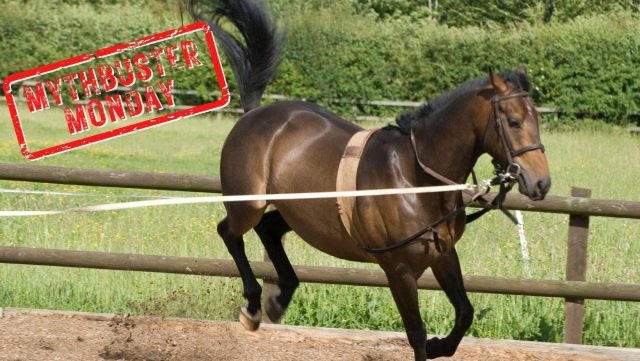
On Mythbuster Monday, we tackle a variety of equestrian myths to either bust or confirm. Today’s discussion: Can you break a horse’s bad habit with more intense training?
Sometimes the kindest contact for a green horse isn’t perfect equitation, but giving them space, options, and room to figure out their own balance. (more…)
“Selecting the appropriate trainer is not a matter of choosing the most prominent name or the highest price point… You are not just paying for a set number of training rides. You are investing in your horse’s cognitive and emotional framework.”
“There’s no amount of reasoning with what is under you, because you can’t reason pain and fear and the eventual lack of self-perseveration that comes with it. But often, you can hunt down the cause, treat it and try again, this time with more data.”
“A gentled horse isn’t afraid of making mistakes, because mistakes simply are part of the learning process. They’re not punished into silence, they’re guided into confidence.”
From tight muscles to swinging trots, this week’s article explores what it means when a horse comes off the track ‘track tight’—and how time, turnout, and care transform them into sport horses.
“‘Bombproof’ is one of my least favorite terms to describe horses. I mean, when a bomb goes off, I’m going to either freeze or jump. I expect my horse to do the same. I do not want them to stand there and not realize or care that the world around them is changing rapidly.” (more…)
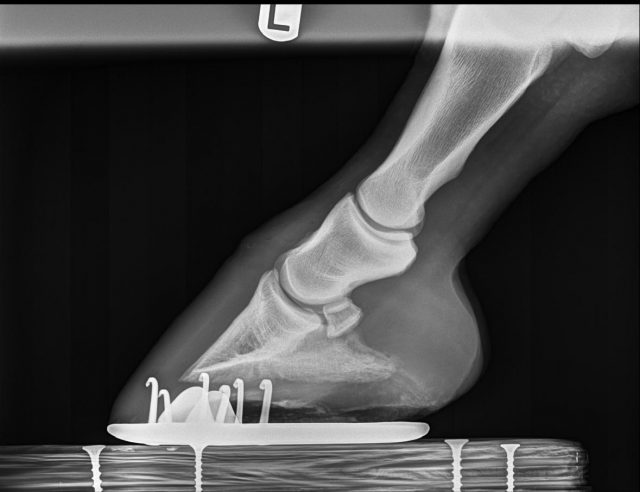
“Instead of beginning one’s search for pain under where a horse palpates sore (their back or SI, for instance), I’d recommend first taking a good long look in the other direction — their feet.” (more…)
“When trust is broken or never fully built, it becomes a barrier to progress. No matter how experienced you are, your cues won’t communicate to your horse the way you expect. You’ll start to overcompensate, using more leg, stronger bits, harsher training aids, and more assertive body language, but force can’t substitute for foundation.”