



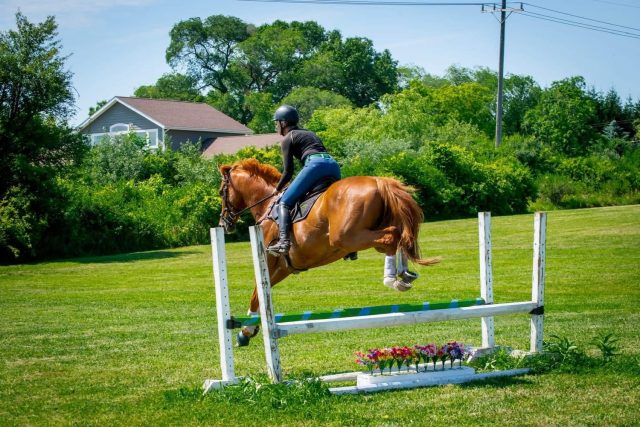
#HORSE CARE
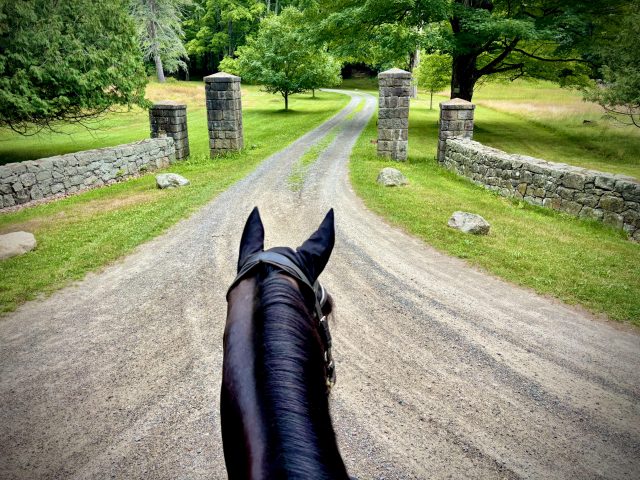
Thoroughbred Logic, Presented by Kentucky Performance Products: Challenging TBs and Going Beyond the Checked Box
Not all horses are simple. Here are five things to consider if you’ve got a problematic horse that you’re trying to figure out.
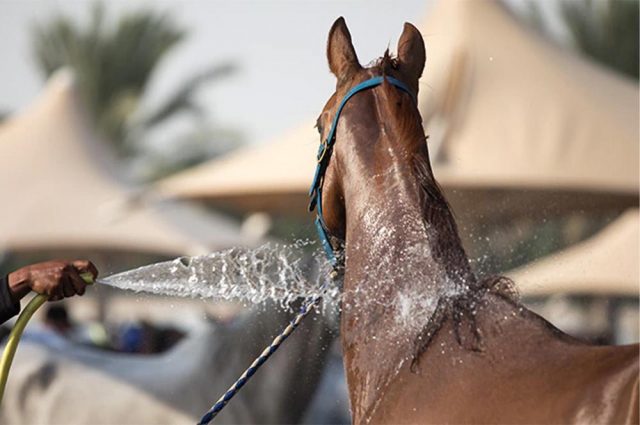
Help Your Horses Avoid Heat Stress
It’s hot, hot, HOT outside. At least here at Horse Nation HQ. Since there’s no set temperature when it is or isn’t safe to ride, it’s important to know how to prevent, recognize, and treat heat stress in horses. Read on for more: (more…)
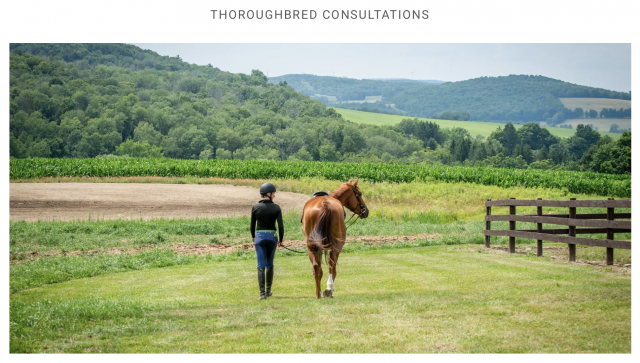
Thoroughbred Logic, Presented by Kentucky Performance Products: Get a Second Opinion
“The lens we use to assess these horses is based on experience. And experience shapes what we see. The more a practitioner works with a breed or a sport, the more the specific issues become commonplace to diagnose, and commonplace to therefore treat.” (more…)
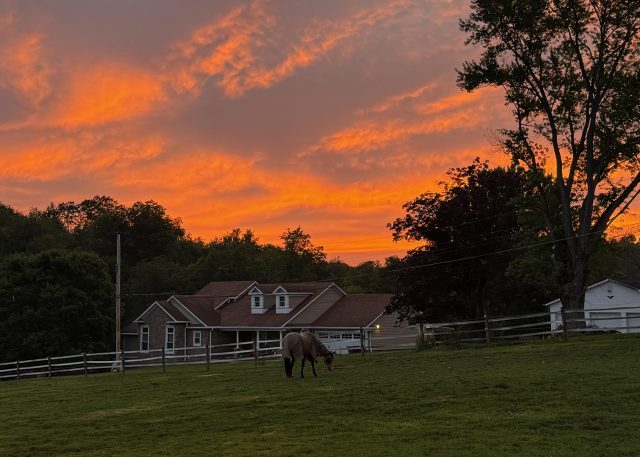
The Day I Realized I Have a Senior Barn
As my barn full of seasoned horses settles into its golden years, I realize the privilege that comes with watching them age and the quiet wisdom that comes with a stable full of old friends. (more…)
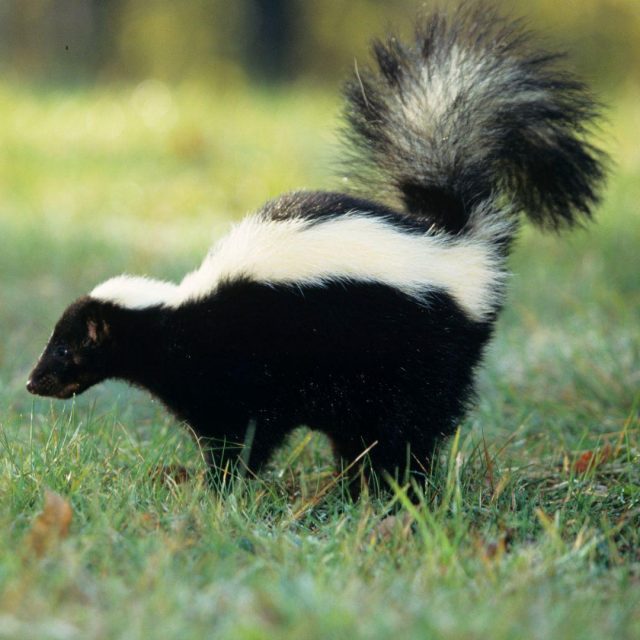
Sprayed and Betrayed: When Curiosity Gets Your Horse Skunked
Eau de Skunk: An unwanted barnyard perfume.
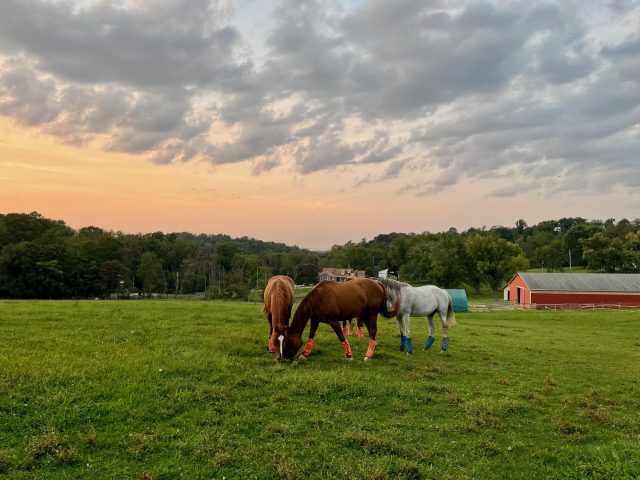
Why Horses Prefer Some Grasses Over Others
From sweetness and texture to grazing efficiency and pasture management, here’s why horses selectively devour some grasses while ignoring others right beside them.
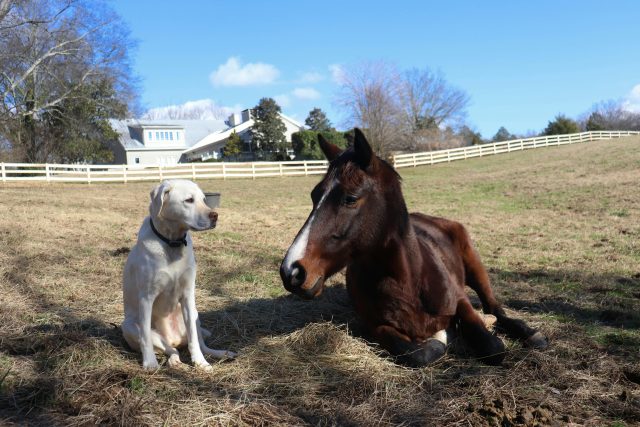
Successfully Managing Multi-Animal Spaces With Horses
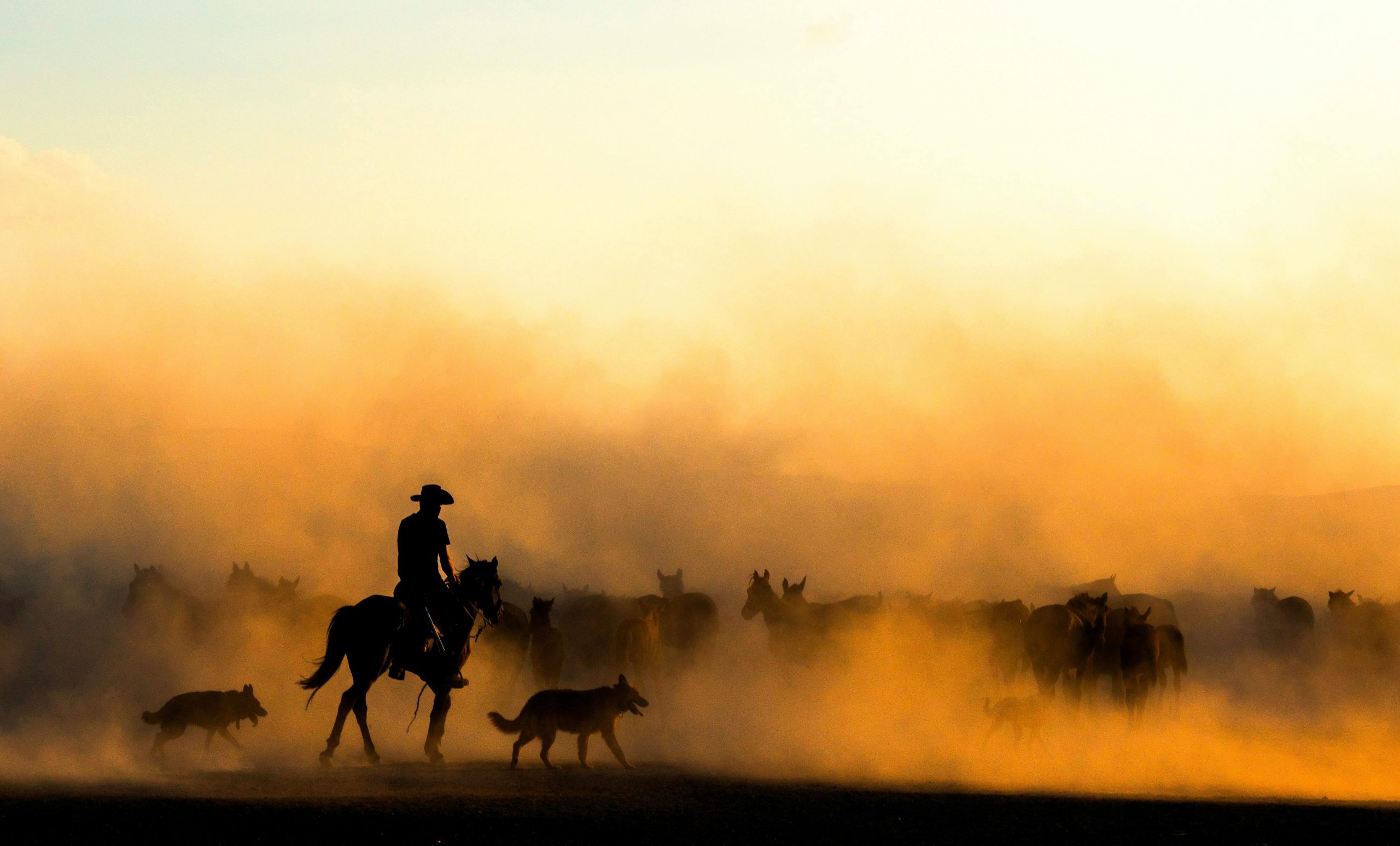
Esra Bürçün/Pexels/CC
Sharing space between horses and other animals sounds straightforward until the first feed bucket gets overturned or a smaller animal ends up cornered against a fence line.
Managing multi-animal spaces with horses successfully depends on far more than good intentions or a generous paddock. The conditions that actually make it work come down to adequate space, compatible temperaments, clearly separated resources, secure fencing, and consistent monitoring from the people responsible for the animals’ welfare.
Horses naturally organize themselves around herd dynamics and social hierarchy, and that behavior doesn’t switch off when other species enter the picture. A goat, a donkey, or a cow introduced into the group becomes part of that social equation, whether the keeper plans for it or not.
That reality shapes everything in a mixed-animal setup. Not every species pairing is suitable for full-time turnout together, and not every individual animal within a suitable pairing will make it work. Sound horse socialization and careful resource management matter far more here than novelty or convenience.
Choose Companions Based on Risk, Not Hope
Evaluating compatibility before committing to a shared space saves a great deal of trouble later. The species involved, their individual temperaments, and the specific risks they bring to a shared environment all deserve honest assessment before any gates open.
Which Animals Usually Share Space Best
Multi-species grazing setups tend to work best when the animals involved have compatible sizes, predictable social behavior, and similar feeding styles. Horses kept with a donkey, for example, often manage well because donkeys are similarly structured and respond to herd dynamics in a way horses recognize.
Goats are common additions, though their agility and curiosity create different management demands. They rarely threaten horses physically, but their tendency to test boundaries, steal feed, and climb can become a genuine management challenge. Whether dogs thriving alongside horses works in practice depends heavily on the individual dog’s energy level and whether the horses involved have been exposed to them early. Barn cats and their role in the equine environment is generally low-conflict, since cats rarely provoke stress responses in horses the way fast-moving or vocal animals can.
Where Mixed Groups Run Into Trouble
Shared space becomes problematic when species differences create consistent stress or injury risk. Rough play from a donkey, chase behavior from a dog, or resource guarding between a horse and a goat over feed can escalate quickly without adequate space to retreat.
Disease exposure is another real consideration. Some species carry pathogens that cross without visible symptoms in the carrier, making biosecurity planning part of any multi-species decision.
Beyond disease, diet management deserves attention when dogs share a barn environment. Barn dogs need separate feeding arrangements from horses and other livestock, and awareness of species-specific hazards matters here. Knowing what common foods are harmful to dogs, such as whether can dogs eat onions, is the kind of practical detail that prevents accidental harm when multiple species share the same space. Some animals genuinely belong nearby rather than in the same turnout full time, and proximity without full integration is often the more practical answer.
Set Up Space to Reduce Conflict Fast
Physical layout is where good intentions either hold up or fall apart. Once compatibility has been assessed, the next step is designing the space so that resource competition and injury risk are reduced from the start.
Separate Hay, Grain, and Water Access
Feeding stations are where resource competition turns physical fastest. When horses, goats, or donkeys share a single hay pile or water trough, dominant animals guard access and lower-ranking ones go without, which compounds stress across the whole group over time.
Spacing multiple hay stations around the paddock breaks that guarding pattern. Animals lower in the hierarchy can disengage and move to another station rather than competing at close range. Clear sight lines between stations matter here too, since blocked views prevent animals from spotting an open space.
Water access follows the same logic. Multiple troughs placed at separate ends of the space ensure that one animal controlling a single source doesn’t quietly push others into dehydration. Sound equine pasture research consistently supports distributed resource placement as a practical welfare measure.
Use Fencing That Fits Every Animal Present
Fencing decisions in mixed-species setups need to account for the smallest or most unpredictable animal present, not just the horses. A fence adequate for a 500kg horse creates easy escape routes for a goat or a small dog.
Gates, shelter openings, and corner designs all factor into injury risk. Tight corners trap smaller animals when a horse moves quickly or pins. Pasture management should also include a sweep for toxic plants before any new species enters the space, since toxicity thresholds vary significantly across animals sharing the same ground.
Introduce New Animals Without Stressing the Herd
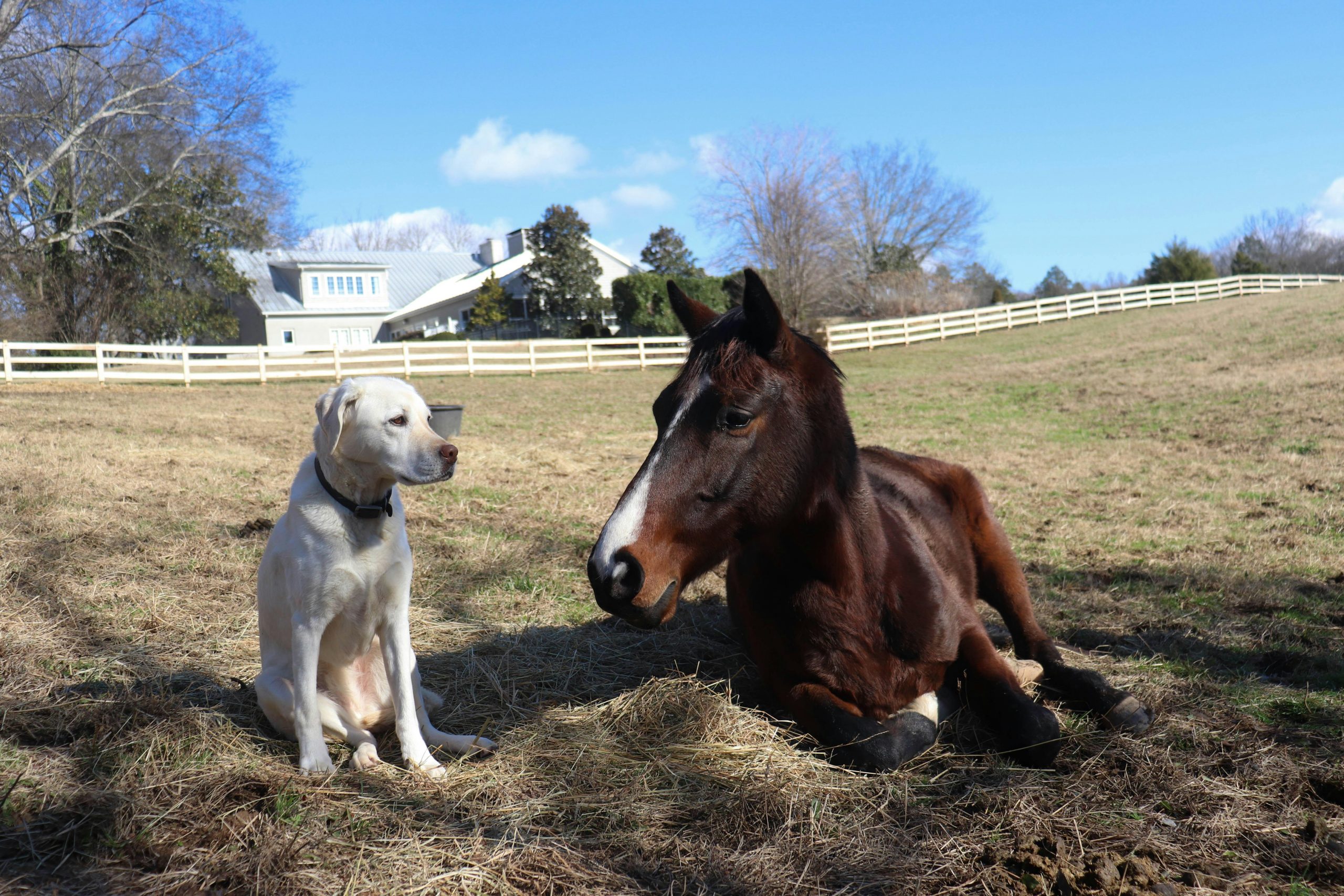
Unsplash/Laura Roberts/CC
Bringing a new animal into an established group rarely goes smoothly without a staged process. Whether the arrival is a goat, a donkey, or another horse, herd dynamics don’t pause while the newcomer finds their footing.
Adjacent housing comes first. Letting animals see and smell each other through a shared fence line over several days builds familiarity before any direct contact happens. Short, supervised contact sessions follow, with enough space for animals to disengage freely.
Safe introduction starts before the animals ever share a fence line. When moving goats, donkeys, cattle, or other livestock onto a property with horses, the transport setup should keep animals contained, calm, and separated as needed. A properly matched livestock trailer can help owners transport animals with ease while reducing stress before the staged introduction process begins.
The same principles that apply to introducing new horses carry over to non-equine arrivals, though species-specific behavior adds complexity. A donkey may assert itself more directly than expected, while a goat’s quick movements can trigger a chase response in horses that aren’t accustomed to them.
Throughout the process, watch for pinned ears, sustained chasing, guarding around feed areas, crowding, panic running, or fixated attention on a single animal. These signals indicate that social hierarchy pressure is becoming unmanageable. Some animals should remain separated even after a successful trial period, and proximity without full integration is a legitimate long-term arrangement.
How Do You Know When a Mixed Group Is Not Working?
Persistent chasing, restricted access to feed or water, unexplained bite or kick injuries, visible weight loss, and repetitive stress behaviors are the clearest indicators that herd dynamics have broken down. These warning signs require intervention, not patience.
Species that appear calm at rest can still create dangerous pressure around gates, shelters, and feeding stations. Adequate space across the paddock does not guarantee safe resource management at chokepoints where animals crowd together.
When these patterns appear consistently, separating the animals, reassessing the pairing, and redesigning turnout is the appropriate response.
A Calm System Beats a Crowded One
Successful multi-animal spaces come down to four things: fit, space, resource separation, and steady observation. No pairing works on goodwill alone, and pasture management requires ongoing adjustment as animals age, change rank, or new individuals join the group.
Judging a setup by animal welfare and day-to-day stability matters more than convenience. Sound horse socialization and a clear understanding of social hierarchy will always outperform a crowded arrangement that simply hasn’t failed yet.
Thoroughbred Logic, Presented by Kentucky Performance Products: What Did You Do This Time?
“If you’re not winning, you’re learning.” (more…)
Mythbuster Monday: Horses Should Be Dewormed After the Final Frost of Spring
On Mythbuster Monday, we tackle a variety of equestrian myths to either bust or confirm. Today’s discussion: Horses should be dewormed after the final frost of spring and after the first hard frost in the fall.
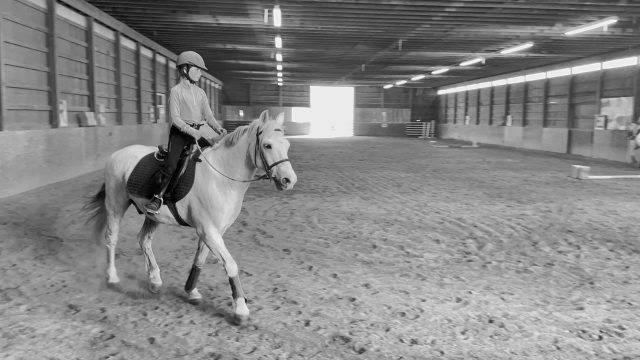
The Horses Who Taught Us: What We Owe Our Lesson Horses
The quiet backbone of riding programs everywhere, lesson horses spend their lives teaching others. The least we can do is make sure their final chapters are written with dignity. (more…)
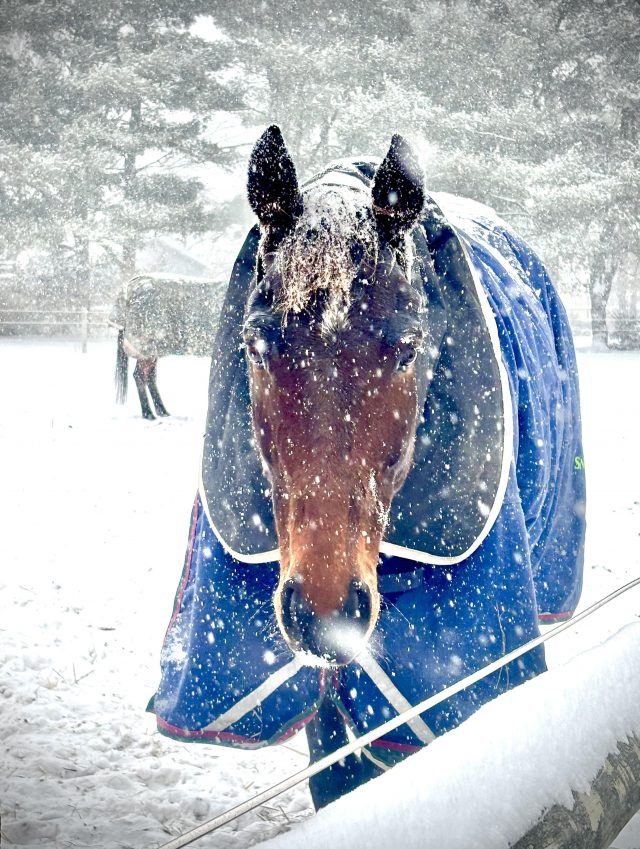
Thoroughbred Logic, Presented by Kentucky Performance Products: Doing the Best I Can
“When temps plunge into the negatives, wind chill cuts well below that, and we have more horses than stalls, you have to get creative… and a flexible and endless amount of energy, also known as: stubbornly doing the best I can.”
6 Things Your Vet Wishes You’d Stop Googling at 2 a.m.
Because late-night Google searches turn every mildly warm leg, weird noise, or perfectly normal horse behavior into a full-blown medical crisis … at least until morning chores. (more…)
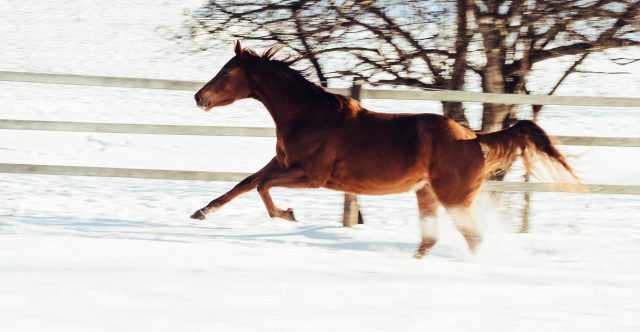
7 Winter Horse Care Mistakes You Shouldn’t Make…
… but sometimes do anyway. (more…)
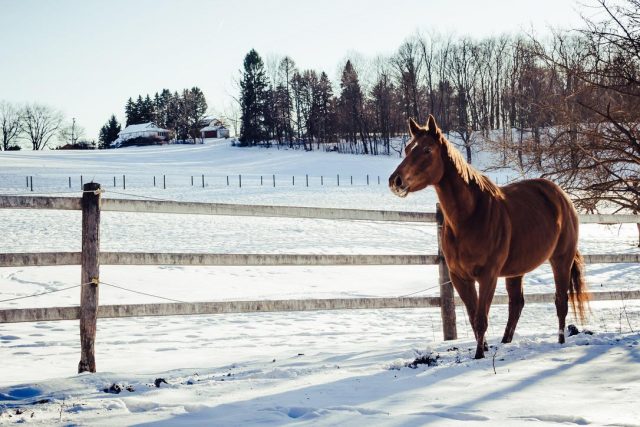
Cold Weather, Sore Feet: Winter Laminitis & What You Can Do About It
Cold weather can quietly compromise hoof circulation in at-risk horses, making winter an unexpected laminitis season.
(more…)
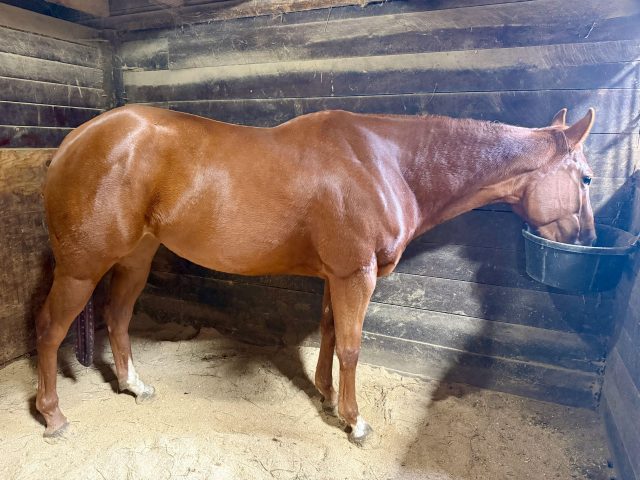
Why I Don’t Feed My Horses on a Schedule (And Why It Works Just Fine)
For my horses, constant access to forage and a low-stress feeding program makes it so the clock matters a whole lot less. (more…)
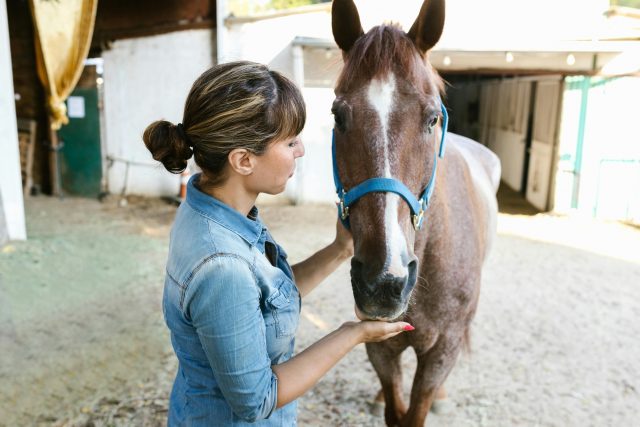
The Rising Costs of Horse Care: Why More Owners Are Turning to Veterinary Financing Options
Today’s horse owners are embracing payment plans to bridge the growing gap between love and affordability. (more…)
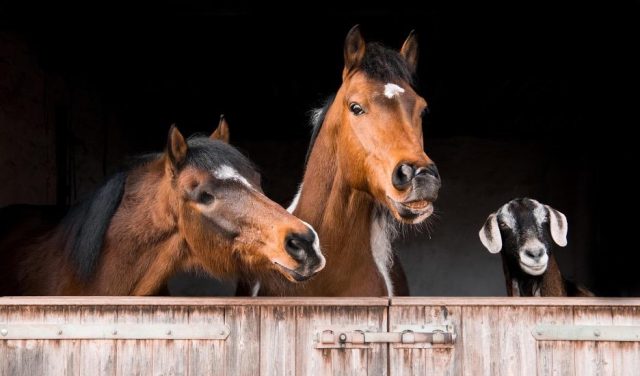
Guide To After-Hours Equine Care for Horse Owners
Access to veterinary care outside regular hours is vital for maintaining the health and well-being of horses. Such services offer horse owners reassurance, knowing that assistance is available during emergencies. Understanding these services can significantly impact your ability to respond to your horse’s needs promptly.
Caring for horses requires vigilance and readiness for unexpected health issues. Timely veterinary care is crucial in ensuring their well-being. After-hours care acts as a safety net, allowing you to address urgent health concerns as they arise. Clinics offering these services provide the convenience and peace of mind that comes with having reliable options available. Whether it’s an injury or sudden illness, knowing you have support around the clock is invaluable. For those in the Taylorsville area, the UrgentVet Taylorsville Vet Clinic offers such essential services.
Understanding after-hours equine care
After-hours equine care refers to veterinary services available beyond typical working hours, including nights, weekends, and holidays. This service ensures that horses receive timely medical attention when emergencies occur outside regular schedules. Having a plan for such situations is essential for every horse owner, as it prepares them to act swiftly during unexpected crises.
Having a strategy for after-hours emergencies can make a significant difference in outcomes. Horses are prone to sudden health issues that require immediate attention, such as colic or acute injuries. By understanding the framework of after-hours care, you can better prepare for these critical moments, ensuring your horse receives the necessary treatment promptly.
Knowing that professional help is just a call away allows you to focus on providing immediate care until the veterinarian arrives. This proactive approach is crucial in minimizing complications and promoting recovery. Access to after-hours services reduces stress and anxiety during emergencies.
Scenarios requiring immediate care
Colic is one of the most common equine emergencies requiring prompt veterinary intervention. This condition can escalate quickly if not addressed immediately, making after-hours services vital in managing it effectively. Quick responses are essential in reducing pain and preventing further complications associated with colic episodes.
Injuries sustained from falls or accidents also necessitate urgent attention. Horses can injure themselves unexpectedly while playing or even in their stalls. Having access to a clinic that operates beyond regular hours ensures that wounds are treated before they become infected or lead to more severe issues.
Sudden illnesses like respiratory distress or fevers also demand rapid assessment and treatment. These conditions can deteriorate rapidly, underscoring the importance of having a reliable after-hours plan. Being prepared for these scenarios helps mitigate risks and supports your horse’s swift recovery.
Benefits of urgent care clinics
Urgent care clinics play a role in equine health management by offering specialized services designed for emergencies. They provide a range of treatments tailored to address acute conditions effectively, ensuring that your horse receives comprehensive care during critical moments.
The availability of experienced staff equipped with the necessary tools to handle various emergencies enhances the quality of care provided. These clinics are staffed with veterinarians who have specific expertise in treating equine ailments, offering reassurance that your horse is in capable hands during emergencies.
Urgent care facilities often have advanced diagnostic equipment on hand, allowing for accurate assessments and timely interventions. This capability not only improves treatment outcomes but also alleviates worry by delivering precise diagnoses and targeted therapies quickly. For more information about these services, visit UrgentVet – Your Pet Can’t Wait to Feel Better®.
Preparing for an after-hours visit
Preparation is key when dealing with after-hours veterinary visits. Having essential information about your horse readily available can expedite the process and enhance communication with the veterinarian. Keep records of your horse’s medical history, current medications, and any previous health concerns handy.
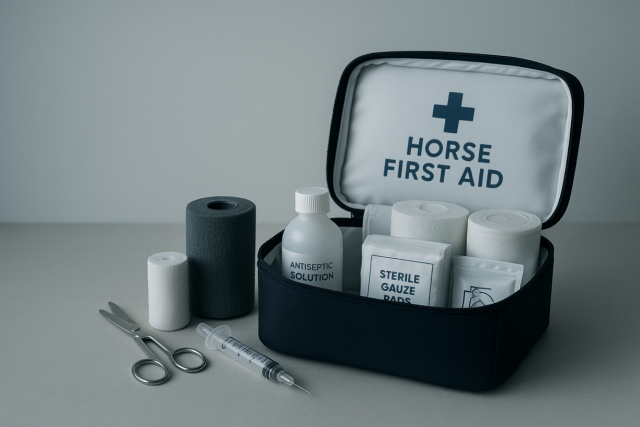
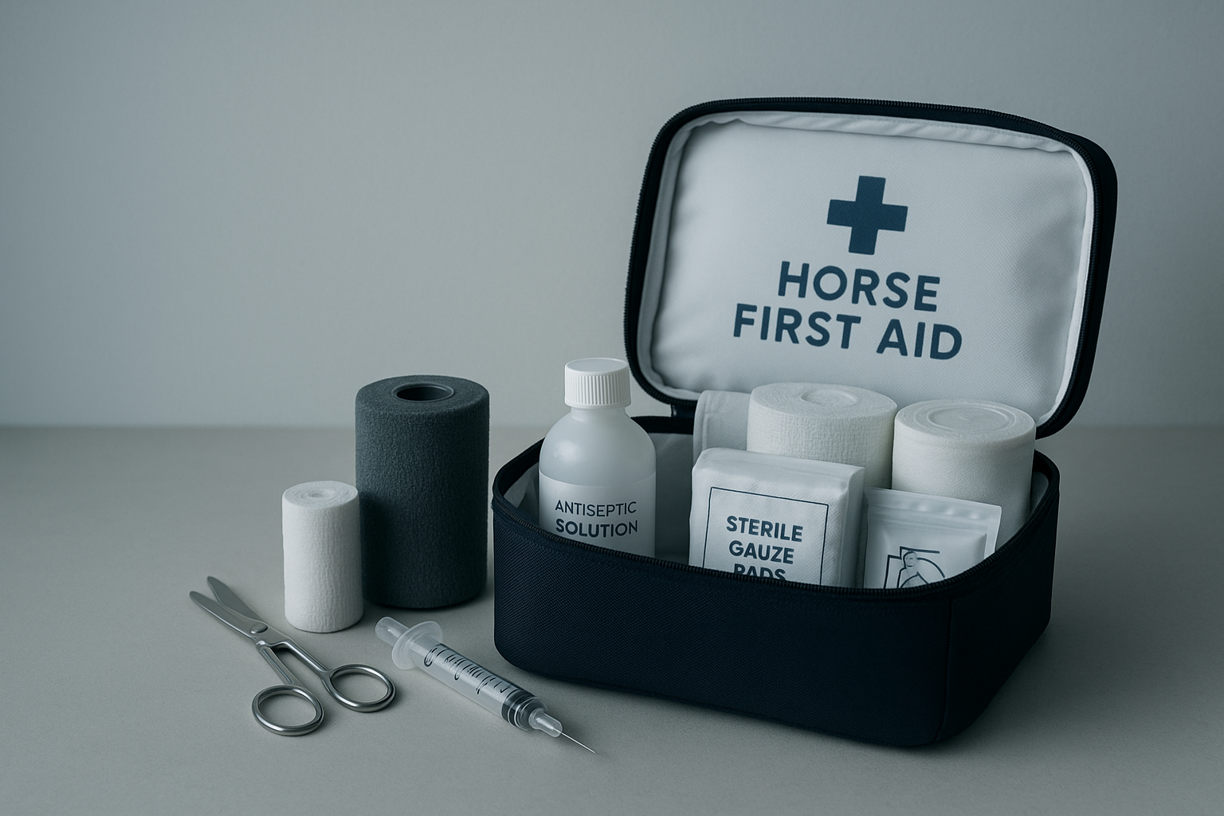
It’s also wise to assemble an emergency kit containing basic supplies such as bandages, antiseptics, and contact details for local clinics offering after-hours services. Familiarizing yourself with these locations beforehand ensures you know where to turn during an emergency without losing precious time.
Being mentally prepared helps you remain calm and focused during stressful situations. Knowing what steps to take before heading to the clinic can improve outcomes significantly by allowing you to stabilize your horse’s condition en route and upon arrival at the facility.
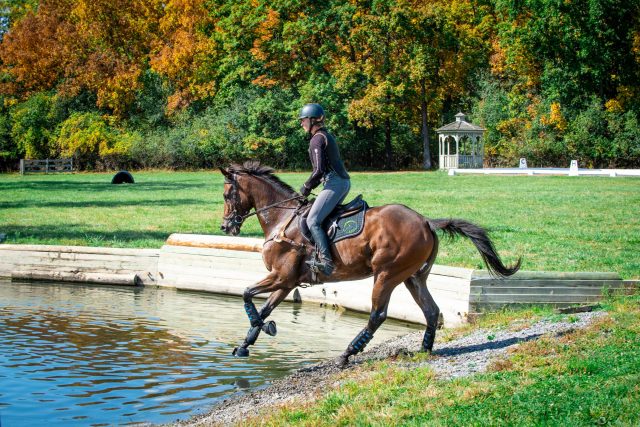
Thoroughbred Logic, Presented by Kentucky Performance Products: Track Tight
From tight muscles to swinging trots, this week’s article explores what it means when a horse comes off the track ‘track tight’—and how time, turnout, and care transform them into sport horses.
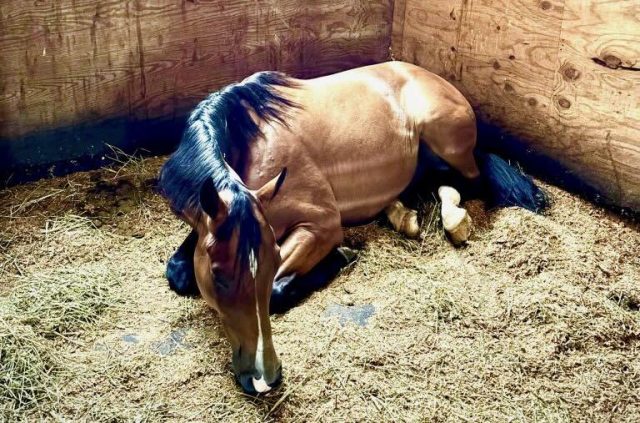
Thoroughbred Logic, Presented by Kentucky Performance Products: The Ability to Lie Down
“This one is so simple… If your horse feels good, they usually can get to the ground. If they’re sore or uncomfortable in their body they will do so less — or, frankly, almost not at all.” (more…)
Loving and Letting Go: The Quiet Grief of Caring for Horses That Aren’t Our Own
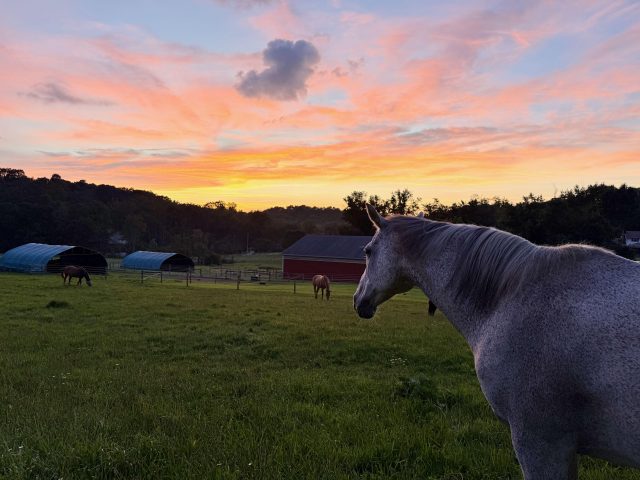
Caring for horses we don’t own brings joy, purpose, and love—but when illness or age demands goodbye, the grief is just as real. (more…)
Thoroughbred Logic, Presented by Kentucky Performance Products: Thin-Skinned
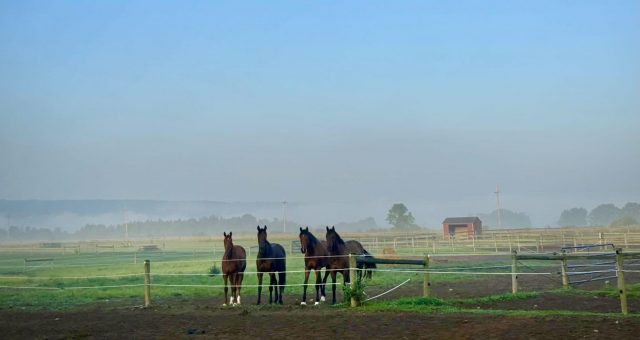
“Ten years ago, I would not have been out there at that stupid hour with stupid sheets in August … I didn’t fully grasp just how thin-skinned they can be about weather, flies, and changes.” (more…)
Thoroughbred Logic, Presented by Kentucky Performance Products: The Critical Art of Hoof Angles
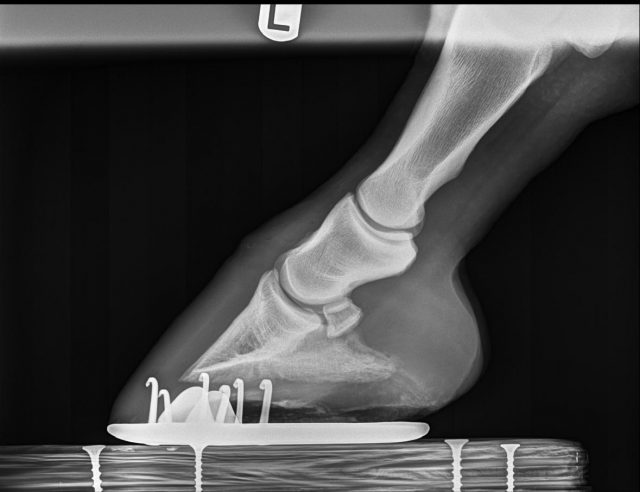
“Instead of beginning one’s search for pain under where a horse palpates sore (their back or SI, for instance), I’d recommend first taking a good long look in the other direction — their feet.” (more…)
