Equine Wellness
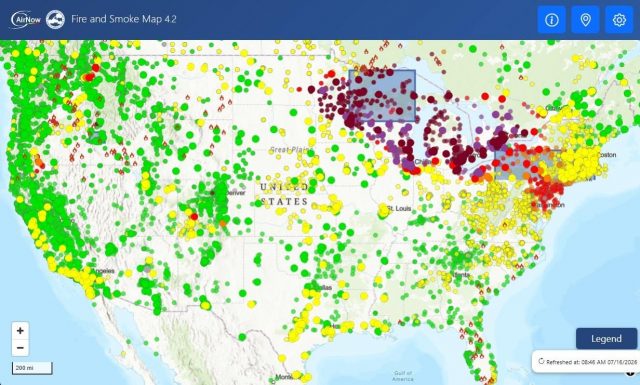
Can Your Horse Breathe In This? The Truth About the Air Quality
AQI 101: How air quality affects equine health and performance.
Mythbuster Monday: Electrolytes Should Be Added to the Water Bucket
On Mythbuster Monday, we tackle a variety of equestrian myths to either bust or confirm. Today’s discussion: Should you be adding your horse’s electrolytes to his water bucket?
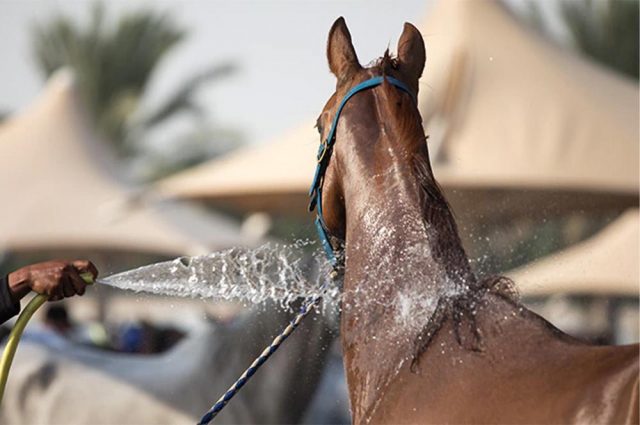
Help Your Horses Avoid Heat Stress
It’s hot, hot, HOT outside. At least here at Horse Nation HQ. Since there’s no set temperature when it is or isn’t safe to ride, it’s important to know how to prevent, recognize, and treat heat stress in horses. Read on for more: (more…)
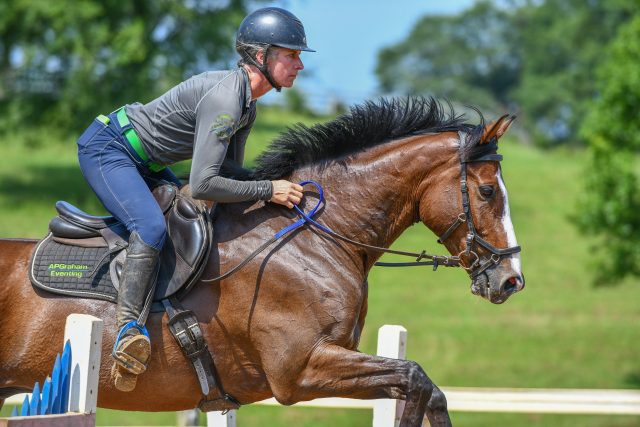
Kentucky Performance Products Presents Thoroughbred Logic: The Exit Physical
“You know what they should do? They should have an exit physical like we do in the Army. They should take all the x-rays, do all the diagnostics, and have the owners/trainers fill out forms with any known issues.” (more…)
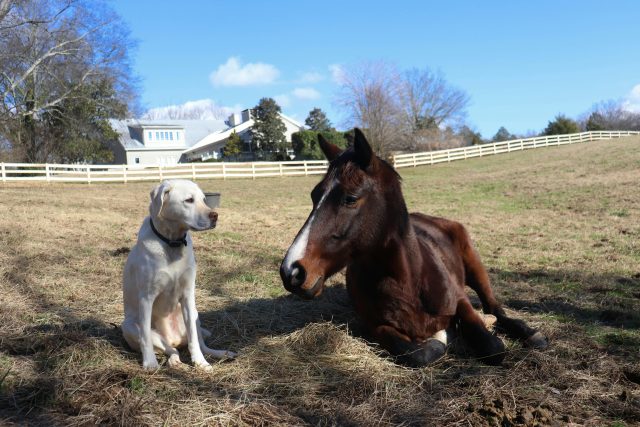
Successfully Managing Multi-Animal Spaces With Horses
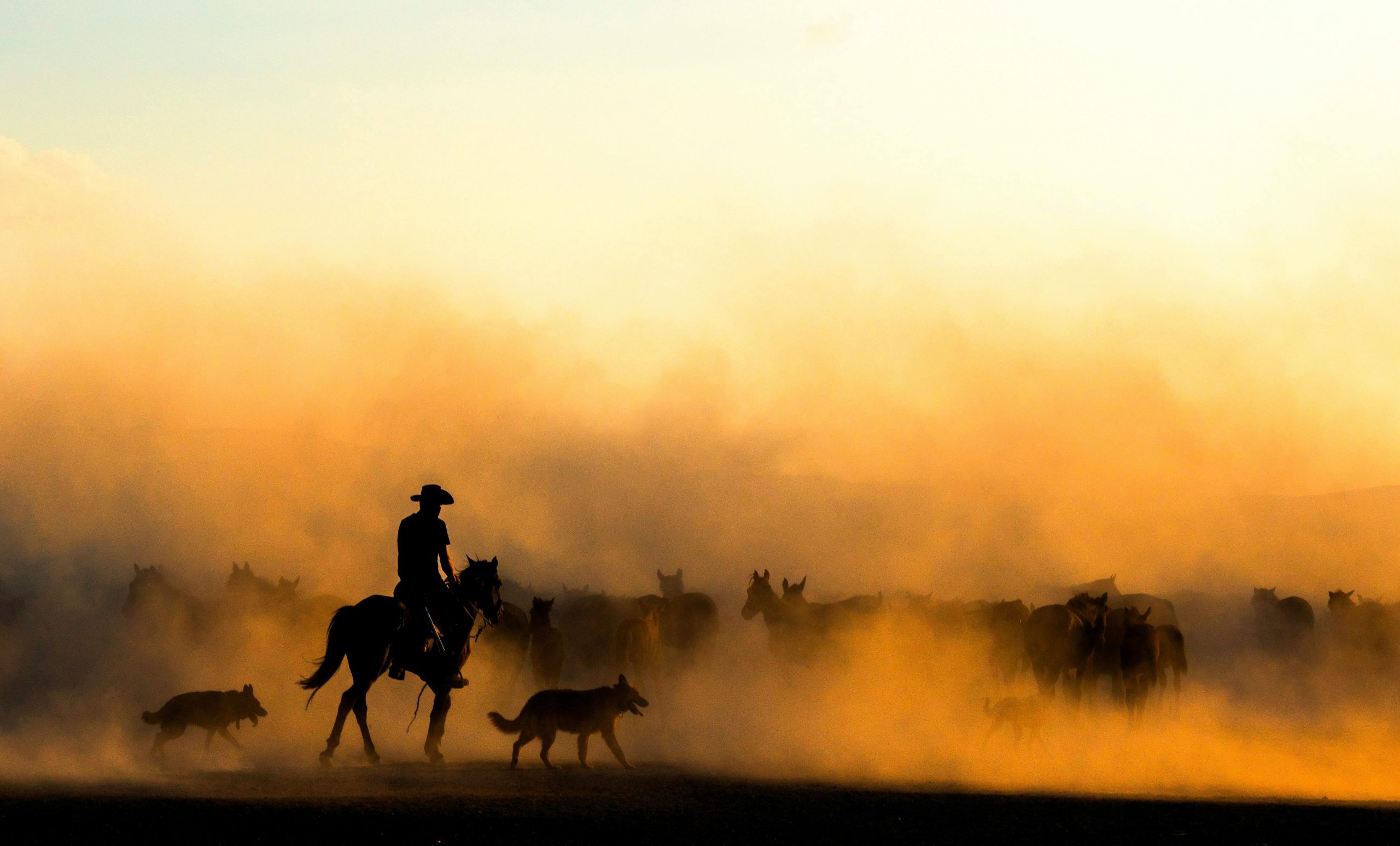
Esra Bürçün/Pexels/CC
Sharing space between horses and other animals sounds straightforward until the first feed bucket gets overturned or a smaller animal ends up cornered against a fence line.
Managing multi-animal spaces with horses successfully depends on far more than good intentions or a generous paddock. The conditions that actually make it work come down to adequate space, compatible temperaments, clearly separated resources, secure fencing, and consistent monitoring from the people responsible for the animals’ welfare.
Horses naturally organize themselves around herd dynamics and social hierarchy, and that behavior doesn’t switch off when other species enter the picture. A goat, a donkey, or a cow introduced into the group becomes part of that social equation, whether the keeper plans for it or not.
That reality shapes everything in a mixed-animal setup. Not every species pairing is suitable for full-time turnout together, and not every individual animal within a suitable pairing will make it work. Sound horse socialization and careful resource management matter far more here than novelty or convenience.
Choose Companions Based on Risk, Not Hope
Evaluating compatibility before committing to a shared space saves a great deal of trouble later. The species involved, their individual temperaments, and the specific risks they bring to a shared environment all deserve honest assessment before any gates open.
Which Animals Usually Share Space Best
Multi-species grazing setups tend to work best when the animals involved have compatible sizes, predictable social behavior, and similar feeding styles. Horses kept with a donkey, for example, often manage well because donkeys are similarly structured and respond to herd dynamics in a way horses recognize.
Goats are common additions, though their agility and curiosity create different management demands. They rarely threaten horses physically, but their tendency to test boundaries, steal feed, and climb can become a genuine management challenge. Whether dogs thriving alongside horses works in practice depends heavily on the individual dog’s energy level and whether the horses involved have been exposed to them early. Barn cats and their role in the equine environment is generally low-conflict, since cats rarely provoke stress responses in horses the way fast-moving or vocal animals can.
Where Mixed Groups Run Into Trouble
Shared space becomes problematic when species differences create consistent stress or injury risk. Rough play from a donkey, chase behavior from a dog, or resource guarding between a horse and a goat over feed can escalate quickly without adequate space to retreat.
Disease exposure is another real consideration. Some species carry pathogens that cross without visible symptoms in the carrier, making biosecurity planning part of any multi-species decision.
Beyond disease, diet management deserves attention when dogs share a barn environment. Barn dogs need separate feeding arrangements from horses and other livestock, and awareness of species-specific hazards matters here. Knowing what common foods are harmful to dogs, such as whether can dogs eat onions, is the kind of practical detail that prevents accidental harm when multiple species share the same space. Some animals genuinely belong nearby rather than in the same turnout full time, and proximity without full integration is often the more practical answer.
Set Up Space to Reduce Conflict Fast
Physical layout is where good intentions either hold up or fall apart. Once compatibility has been assessed, the next step is designing the space so that resource competition and injury risk are reduced from the start.
Separate Hay, Grain, and Water Access
Feeding stations are where resource competition turns physical fastest. When horses, goats, or donkeys share a single hay pile or water trough, dominant animals guard access and lower-ranking ones go without, which compounds stress across the whole group over time.
Spacing multiple hay stations around the paddock breaks that guarding pattern. Animals lower in the hierarchy can disengage and move to another station rather than competing at close range. Clear sight lines between stations matter here too, since blocked views prevent animals from spotting an open space.
Water access follows the same logic. Multiple troughs placed at separate ends of the space ensure that one animal controlling a single source doesn’t quietly push others into dehydration. Sound equine pasture research consistently supports distributed resource placement as a practical welfare measure.
Use Fencing That Fits Every Animal Present
Fencing decisions in mixed-species setups need to account for the smallest or most unpredictable animal present, not just the horses. A fence adequate for a 500kg horse creates easy escape routes for a goat or a small dog.
Gates, shelter openings, and corner designs all factor into injury risk. Tight corners trap smaller animals when a horse moves quickly or pins. Pasture management should also include a sweep for toxic plants before any new species enters the space, since toxicity thresholds vary significantly across animals sharing the same ground.
Introduce New Animals Without Stressing the Herd
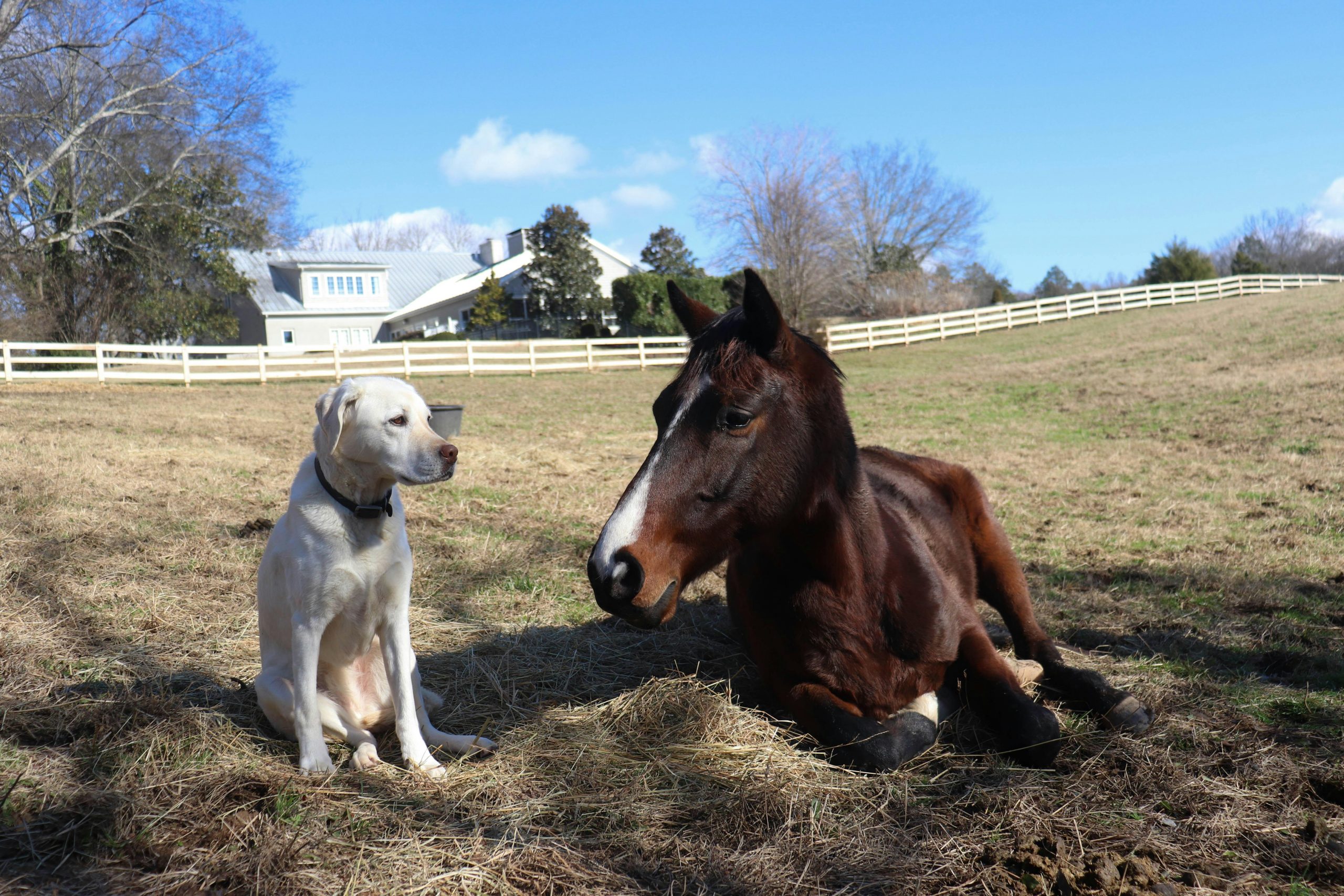
Unsplash/Laura Roberts/CC
Bringing a new animal into an established group rarely goes smoothly without a staged process. Whether the arrival is a goat, a donkey, or another horse, herd dynamics don’t pause while the newcomer finds their footing.
Adjacent housing comes first. Letting animals see and smell each other through a shared fence line over several days builds familiarity before any direct contact happens. Short, supervised contact sessions follow, with enough space for animals to disengage freely.
Safe introduction starts before the animals ever share a fence line. When moving goats, donkeys, cattle, or other livestock onto a property with horses, the transport setup should keep animals contained, calm, and separated as needed. A properly matched livestock trailer can help owners transport animals with ease while reducing stress before the staged introduction process begins.
The same principles that apply to introducing new horses carry over to non-equine arrivals, though species-specific behavior adds complexity. A donkey may assert itself more directly than expected, while a goat’s quick movements can trigger a chase response in horses that aren’t accustomed to them.
Throughout the process, watch for pinned ears, sustained chasing, guarding around feed areas, crowding, panic running, or fixated attention on a single animal. These signals indicate that social hierarchy pressure is becoming unmanageable. Some animals should remain separated even after a successful trial period, and proximity without full integration is a legitimate long-term arrangement.
How Do You Know When a Mixed Group Is Not Working?
Persistent chasing, restricted access to feed or water, unexplained bite or kick injuries, visible weight loss, and repetitive stress behaviors are the clearest indicators that herd dynamics have broken down. These warning signs require intervention, not patience.
Species that appear calm at rest can still create dangerous pressure around gates, shelters, and feeding stations. Adequate space across the paddock does not guarantee safe resource management at chokepoints where animals crowd together.
When these patterns appear consistently, separating the animals, reassessing the pairing, and redesigning turnout is the appropriate response.
A Calm System Beats a Crowded One
Successful multi-animal spaces come down to four things: fit, space, resource separation, and steady observation. No pairing works on goodwill alone, and pasture management requires ongoing adjustment as animals age, change rank, or new individuals join the group.
Judging a setup by animal welfare and day-to-day stability matters more than convenience. Sound horse socialization and a clear understanding of social hierarchy will always outperform a crowded arrangement that simply hasn’t failed yet.
Tiny Bites, Big Consequences: Managing Mosquito-Borne Diseases in Horses
Warmer weather means more bugs and more risk. Learn the early warning signs and the simple steps that can make all the difference. (more…)
Thoroughbred Logic, Presented by Kentucky Performance Products: The Muddled-Middle of the Backside
“[T] reality of the range of track experiences converges somewhere … in that messy, muddled middle, where longer narratives seem to do a better job painting a more accurate picture than pithy quips or stereotypes.” (more…)
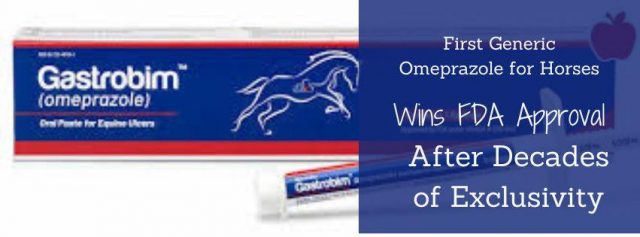
First Generic Omeprazole for Horses Wins FDA Approval After Decades of Exclusivity
Big news for horse owners: more affordable ulcer treatment is on the way.
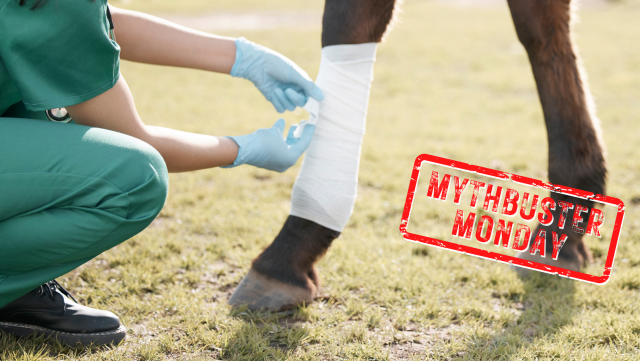
Mythbuster Monday: Wounds Should Be Covered When Temperatures Are Below Freezing
On Mythbuster Monday, we tackle a variety of equestrian myths to either bust or confirm. Today’s discussion: Should wounds be covered when temperatures are below freezing?
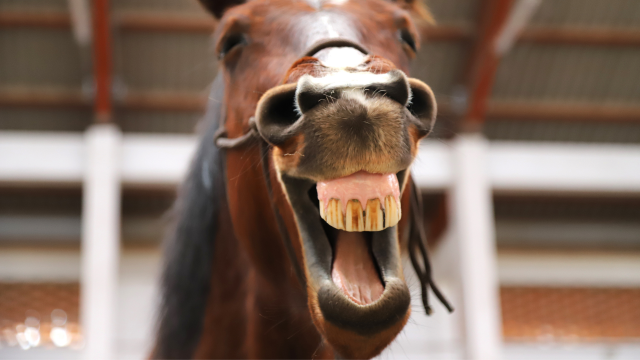
Performance Starts in the Mouth: The Importance of Equine Dental Care
Why routine dental care matters more than many of us think. (more…)
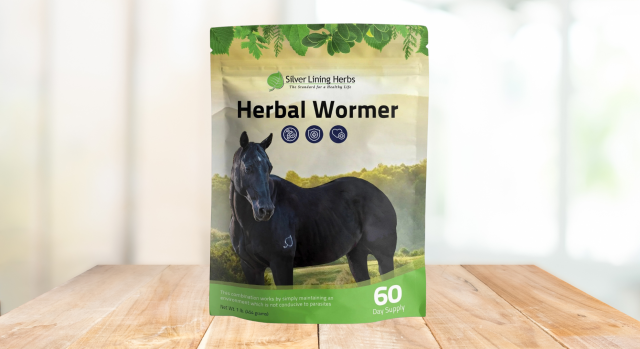
Do Horses Need a Different Approach to Deworming Today?
Silver Lining Herbs is rethinking deworming from a rigid routine to a smarter, whole-horse strategy — one that balances targeted treatment, gut health, and long-term parasite control. (more…)

Equine Sudden Death Findings: Could a Simple Trot Reveal Hidden Heart Risk in Horses?
New research suggests a short ECG during warm-up may help identify horses at risk of exercise-related arrhythmias.
Survived Winter? Great. Now Go Clean Your Barn.
Winter left behind more than just mud. Here’s your no-excuses checklist to reset your barn, protect your horses, and start the season on solid footing. (more…)
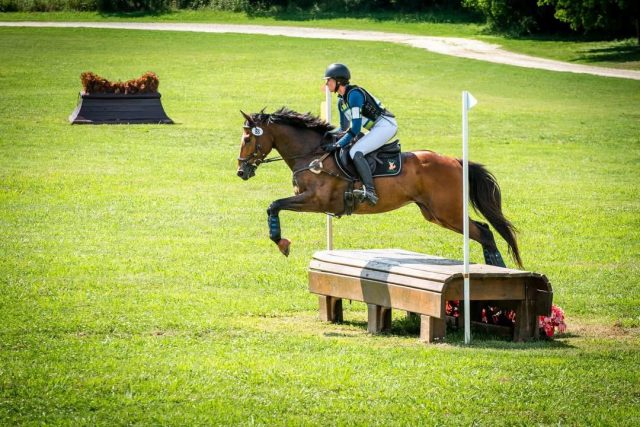
Fitness Training a Must for Event Horses, Presented by Kentucky Performance Products
And let’s be real. Fitness training is a must for any performance horse. Read on for more. (more…)
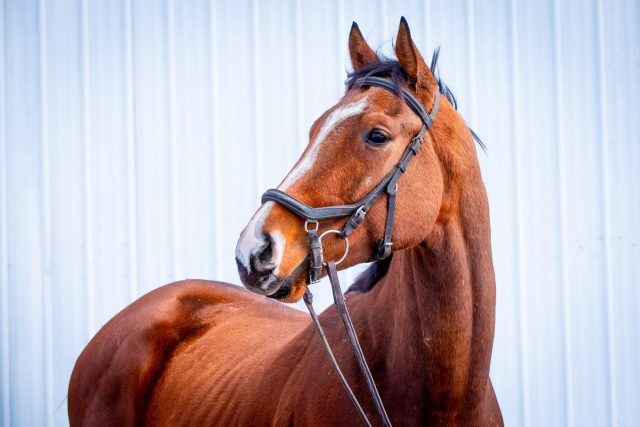
Thoroughbred Logic, Presented by Kentucky Performance Products: Seeing Through the Photos (Star of the Beast Edition)
“A few hundred pounds and top line will always make them look better, but when you’re starting from a nicely angled hip and shoulder, you already know that you’re headed in the right direction.” (more…)

Bone Density and Conditioning, From Kentucky Performance Products
Why gradual conditioning, consistent exercise, and balanced nutrition are essential for supporting bone remodeling and preventing skeletal injuries in horses. (more…)
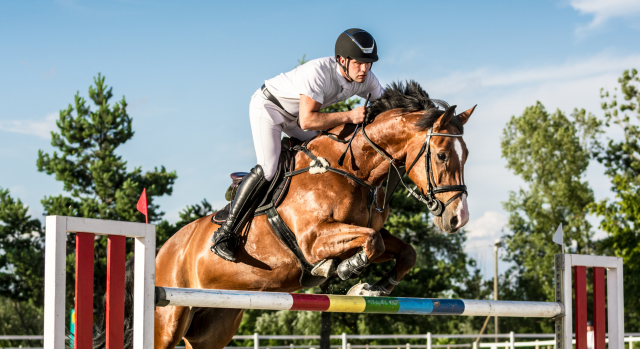
5 Key Ways Herbal Support Helps Your Horse Perform Better
Performance isn’t just about conditioning and equipment. It’s built from the inside out, where balanced internal systems support energy, recovery, focus, and long-term soundness. (more…)
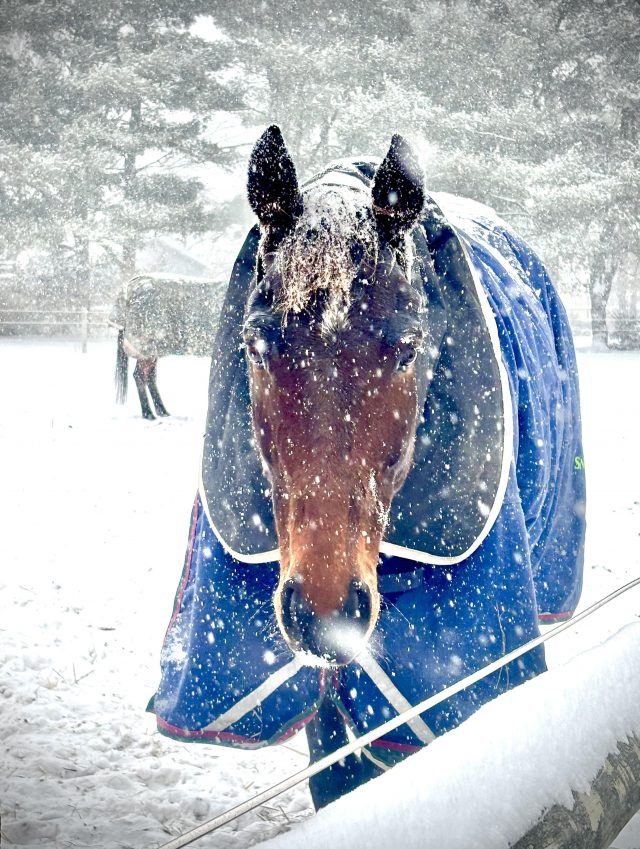
Thoroughbred Logic, Presented by Kentucky Performance Products: Doing the Best I Can
“When temps plunge into the negatives, wind chill cuts well below that, and we have more horses than stalls, you have to get creative… and a flexible and endless amount of energy, also known as: stubbornly doing the best I can.”
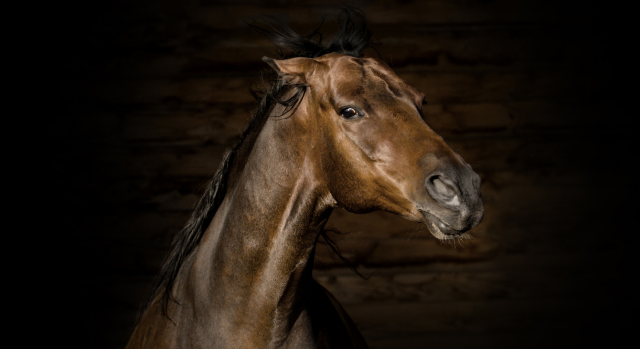
Is Your Horse Actually Being Difficult … or Is Their Gut Unhappy?
When a horse’s behavior changes, the real problem may not be training or attitude, but an uncomfortable digestive system asking for help.Our friends at Silver Lining Herbs have this advice. (more…)
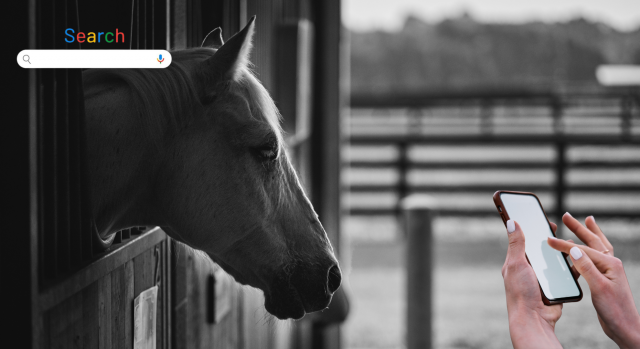
6 Things Your Vet Wishes You’d Stop Googling at 2 a.m.
Because late-night Google searches turn every mildly warm leg, weird noise, or perfectly normal horse behavior into a full-blown medical crisis … at least until morning chores. (more…)
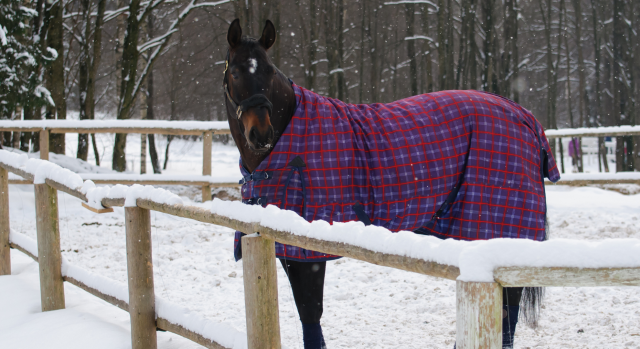
Winter Is Vitamin E Season, Presented by Kentucky Performance Products
When fresh grass disappears and hay takes over, winter quietly becomes the season when vitamin E deficiency is most likely to creep in. (more…)
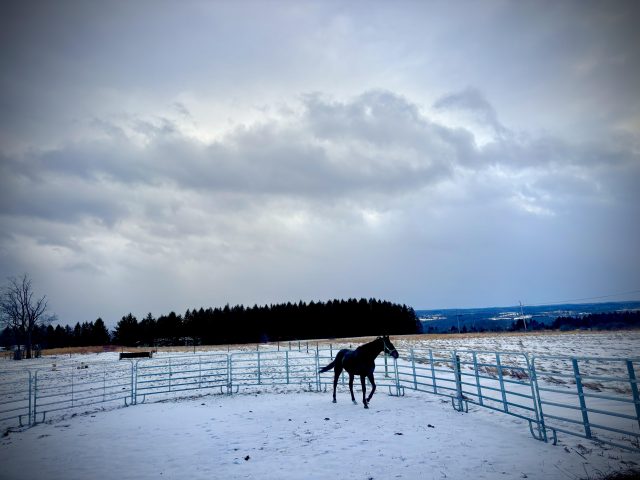
Thoroughbred Logic, Presented by Kentucky Performance Products: Quarantine Purgatory
Quarantine may feel like purgatory, but when it comes to protecting horses, herds, and hard-earned sanity, patience and biosecurity are part of the training plan (until it doesn’t have to be).
(more…)
Mythbuster Monday: Coggins Is an Outdated Test
On Mythbuster Monday, we tackle a variety of equestrian myths to either bust or confirm. Today’s discussion: Is the Coggins test an outdated one?