



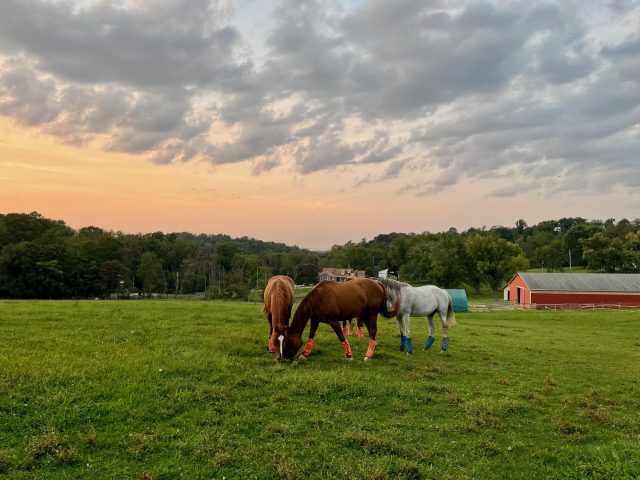
Why Horses Prefer Some Grasses Over Others
From sweetness and texture to grazing efficiency and pasture management, here’s why horses selectively devour some grasses while ignoring others right beside them.
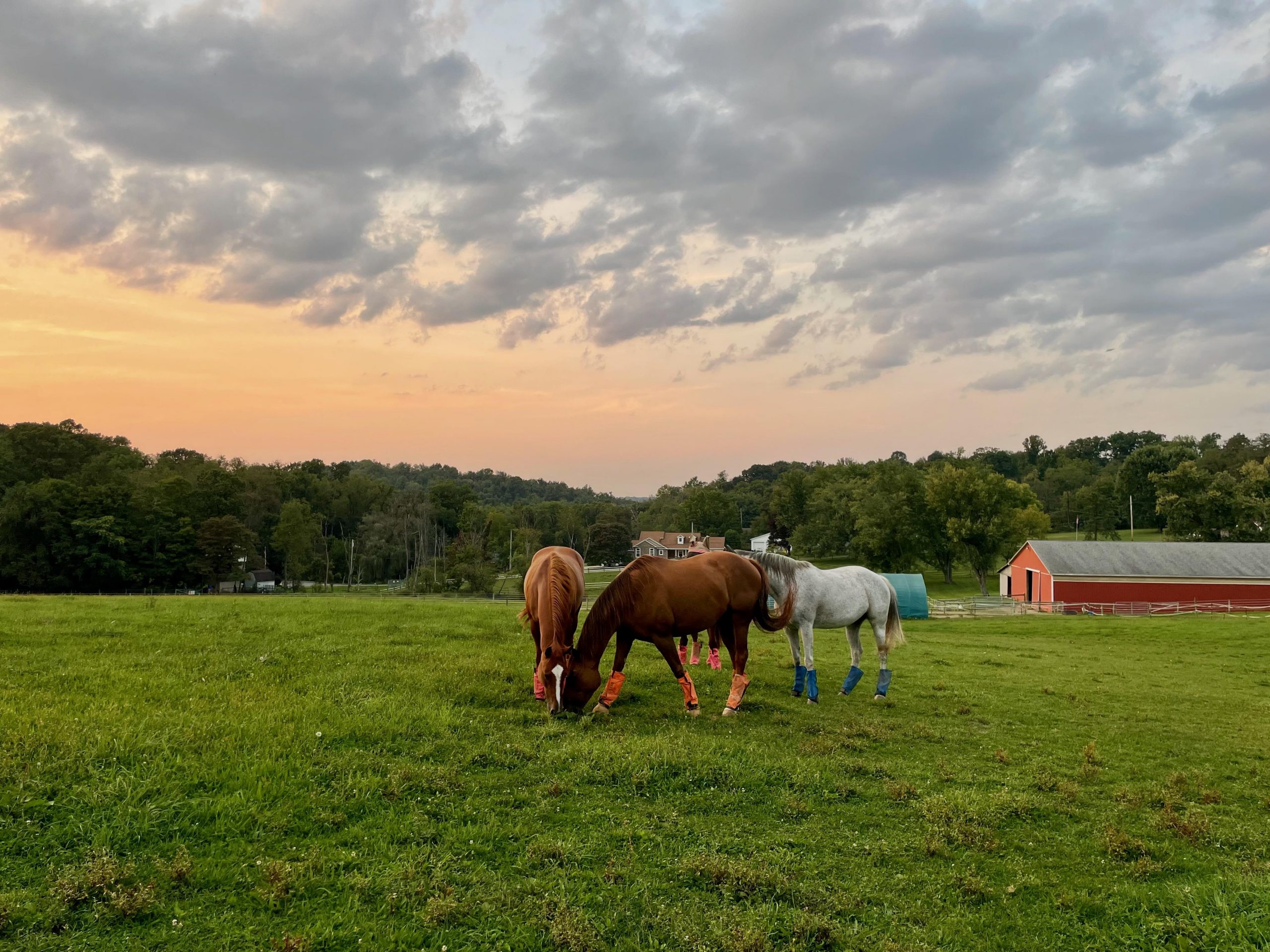
Photo by DeAnn Long Sloan
If you’ve ever watched horses out on pasture, you’ve probably noticed they don’t graze evenly. Instead, they selectively mow down certain areas while leaving others standing untouched like nature’s version of a mullet.
That behavior isn’t random. Horses are surprisingly picky grazers. Although a hungry horse likely will eat anything green (or not-so-green), research shows that given the option, horses absolutely prefer certain grasses over others based on taste, texture, nutrition, and even grazing efficiency.
In other words: horses know what they like.
Horses Are Naturally Selective Grazers

Photo by DeAnn Long Sloan
Unlike cattle, which tend to graze more uniformly, horses evolved as selective grazers. They use their highly mobile lips and incisors to carefully choose specific plants and even specific parts of plants.
That means your horse isn’t just eating “grass.” They’re evaluating:
- sweetness
- leaf softness
- maturity
- moisture content
- nutrient density
- and ease of grazing
This is why horses often create:
- “lawns” (closely grazed favorite areas)
- and “roughs” (areas they avoid)
Unfortunately, left unmanaged, that selective grazing can wreck a pasture surprisingly fast.
What Grasses Do Horses Prefer?
Research consistently shows horses favor cool-season grasses with soft, leafy growth. Several studies found horses strongly preferred:
- Kentucky bluegrass
- Timothy
- Perennial ryegrass
- Endophyte-free tall fescue
Meanwhile, they showed less enthusiasm for coarser or stemmier grasses like mature orchardgrass in some grazing trials.
That doesn’t necessarily mean orchardgrass is “bad.” In fact, orchardgrass is widely used in horse hay and pasture mixes because it produces well and has good nutritional value. But when given options, horses often choose the softer, more palatable species first.
Why Horses Like Some Grasses More
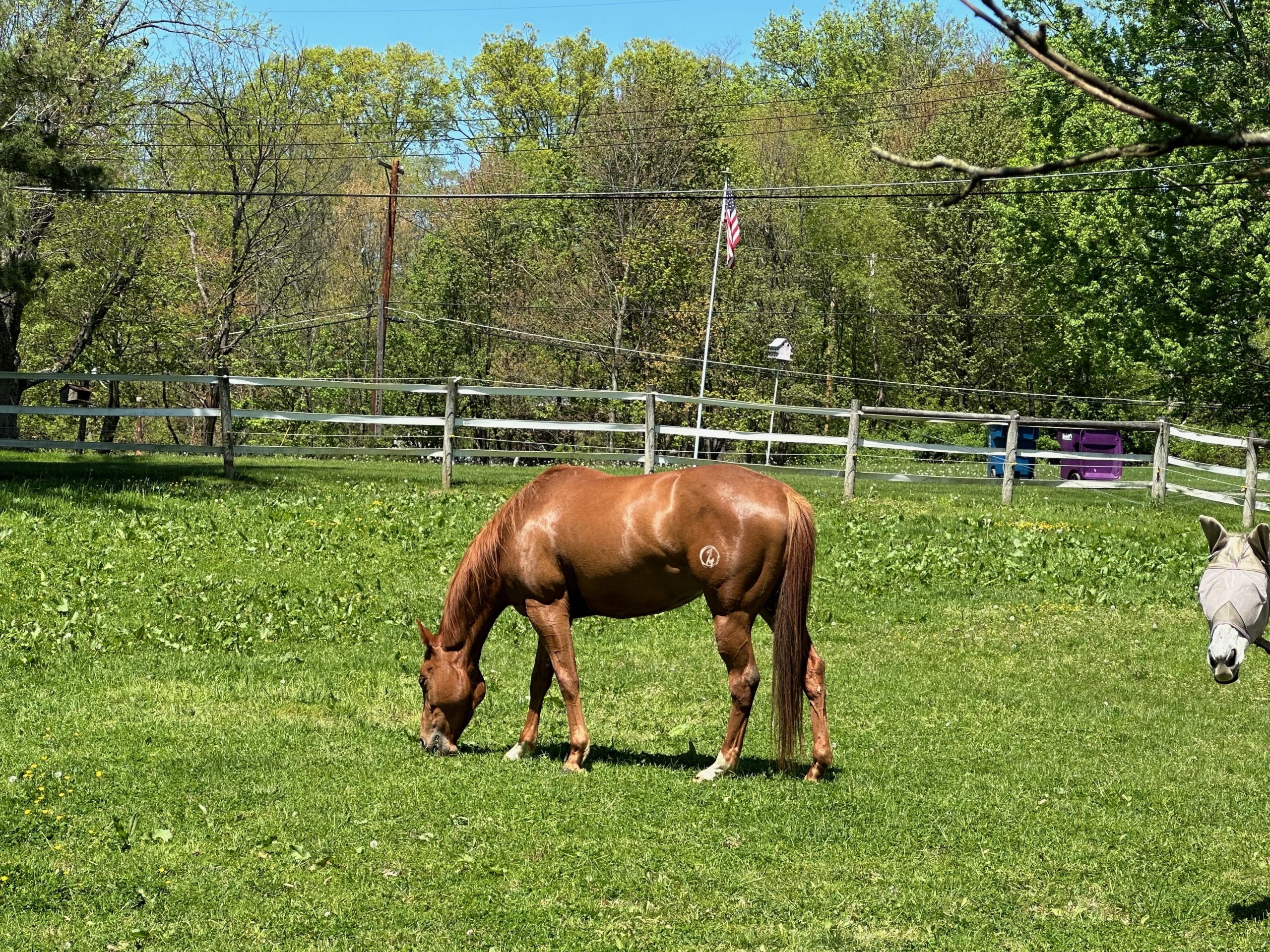
A harder hit section of pasture, with a seemingly lush portion in the background. Photo by DeAnn Long Sloan.
Sweetness matters.
Young, actively growing grasses tend to contain more sugars and are generally more appealing to horses. Cool-season grasses especially can accumulate sugars called fructans under certain weather conditions.
That lush spring pasture horses obsess over?
It’s basically the equine equivalent of dessert.
The problem is that, like us, what horses prefer is not always what’s healthiest in unlimited quantities. Rich pasture can increase the risk of:
- obesity
- insulin resistance
- and Laminitis in susceptible horses.
Texture Plays a Huge Role
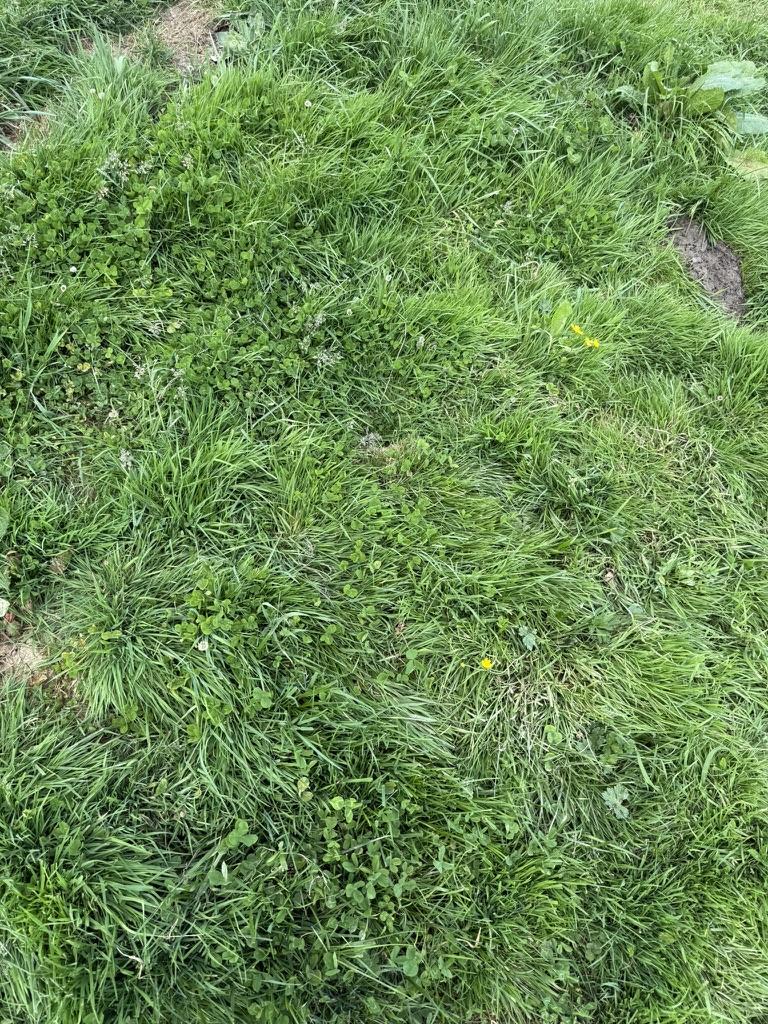
Photo by DeAnn Long Sloan
Horses generally prefer:
- soft leaves
- short vegetative growth
- tender forage
They’re less enthusiastic about:
- mature stems
- coarse grasses
- seed heads
- overgrown pasture
Once grasses become stemmy and mature, digestibility declines and grazing becomes less efficient. Horses will often abandon those areas in favor of younger regrowth elsewhere.
This is why regularly mowing horse pastures can improve grazing patterns. Mowing removes mature stems and encourages fresh, leafy regrowth horses actually want to eat.
Horses Also Graze Efficiently
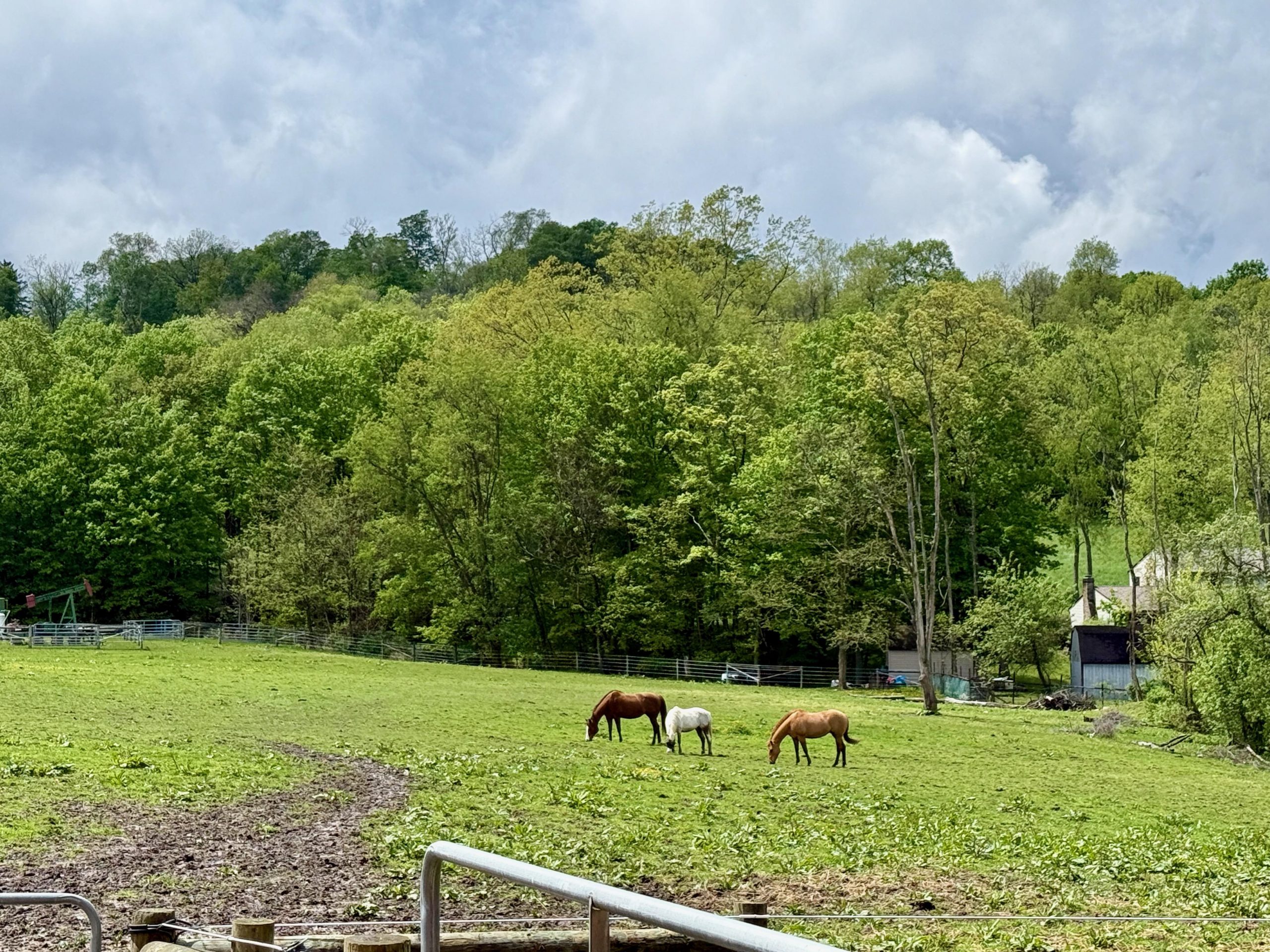
A thoroughly grazed pasture. Photo by DeAnn Long Sloan.
Some grasses simply make grazing easier.
Dense, low-growing grasses like Kentucky bluegrass allow horses to graze rapidly and efficiently. Taller or sparser species may require more effort per bite. Horses tend to favor areas where they can maximize intake while minimizing effort.
It’s hard to blame them.
Why Selective Grazing Becomes a Pasture Problem
The downside of all this preference is that horses often overgraze their favorite grasses into oblivion while ignoring less desirable plants.
Over time:
- preferred grasses weaken,
- weeds move in,
- bare spots develop,
- and parasite exposure increases around heavily grazed areas.
Extension specialists recommend rotational grazing and proper stocking density to help preserve pasture quality.
A healthy pasture isn’t just about what horses like most. It’s about balancing:
- palatability,
- persistence,
- nutritional safety,
- and grazing durability.
That’s why many pasture recommendations combine highly preferred grasses with tougher, more resilient species.
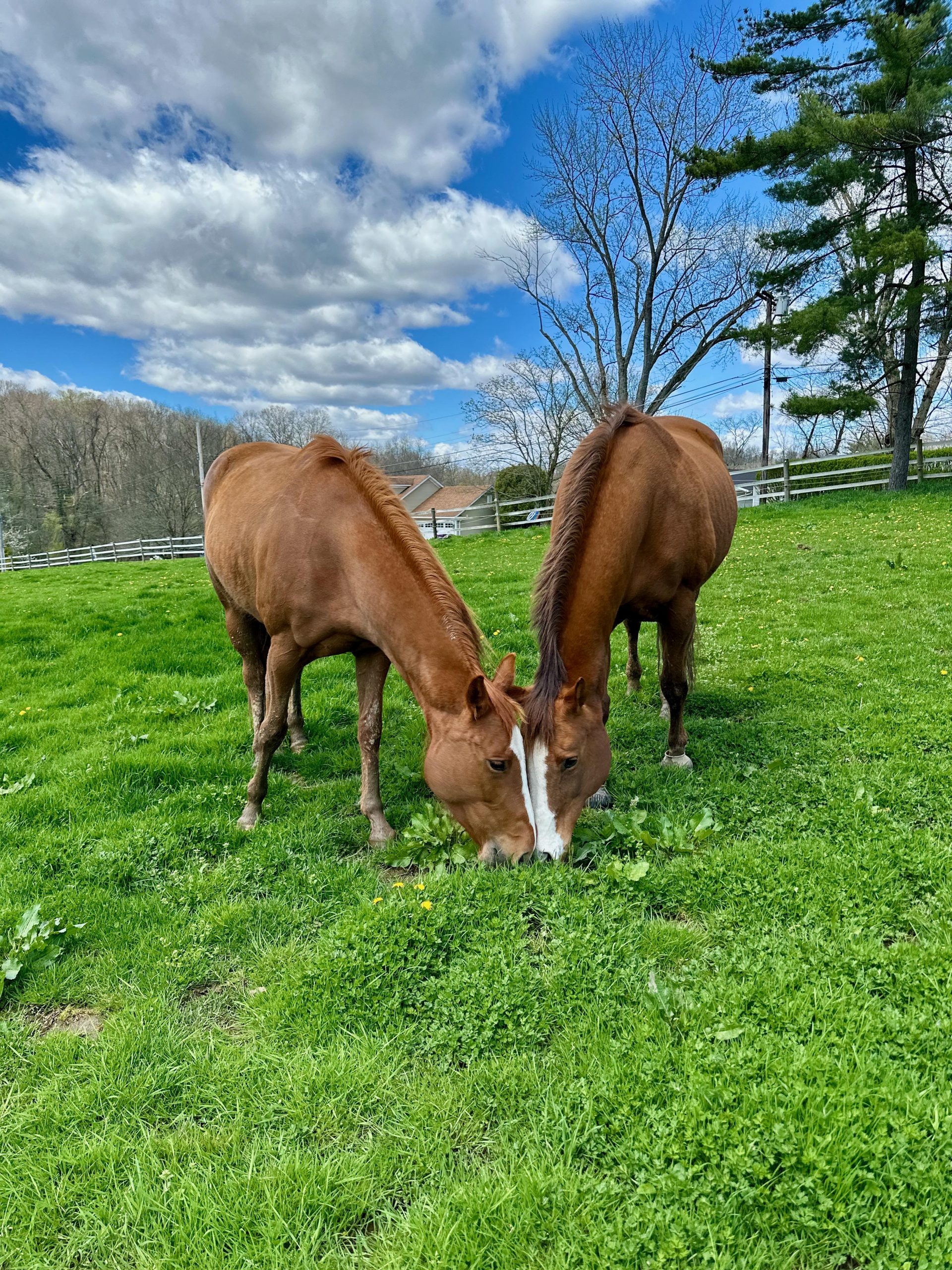
Photo by DeAnn Long Sloan
The Best Pasture Isn’t Always the “Favorite”
One of the more interesting findings from forage research is that the grasses horses love most are not always the grasses that survive horse management best long-term.
For example, Kentucky bluegrass is highly preferred, but tall fescue often persists better under heavy grazing pressure.
That’s why many pasture experts recommend mixed-species pastures rather than relying on a single grass type.
A good horse pasture needs to survive horses being horses.
And horses, as we all know, are very committed to making questionable life choices when food is involved.
Resources:
- “Managing Grazing of Horses.” Oklahoma State University Extension, Oklahoma State University, https://extension.okstate.edu/fact-sheets/managing-grazing-of-horses. Accessed 26 May 2026.
- Potter, Dan. “What Horses Like.” Hay & Forage Grower, 14 Sept. 2017, https://hayandforage.com/article-1906-What-horses-like.html. Accessed 26 May 2026.
- “Grasses Horses Prefer.” Kentucky Equine Research, Kentucky Equine Research, 24 Aug. 2011, https://ker.com/equinews/grasses-horses-prefer/. Accessed 26 May 2026.
