DeAnn Sloan

Emotional Challenges of Becoming a Veterinarian for Horses

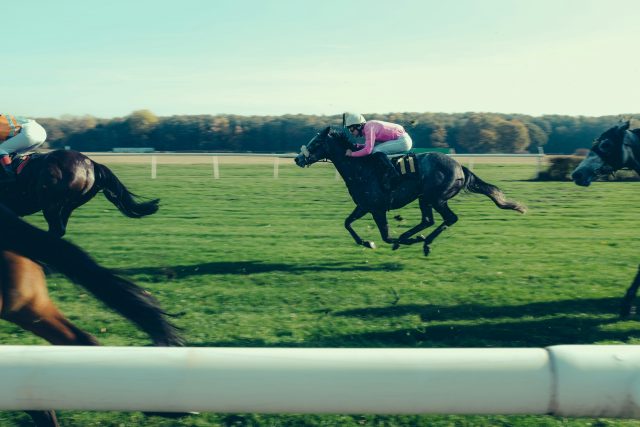
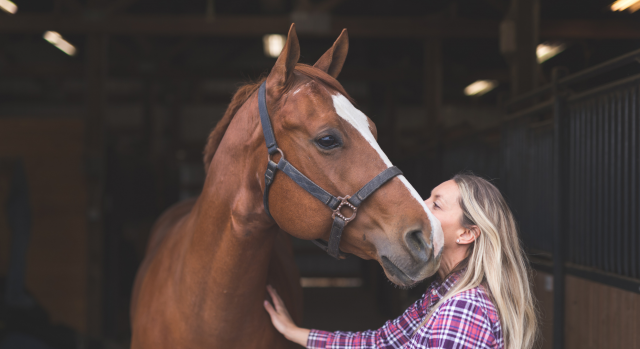
LakePOV/Pexels/CC

Many people dream about working with horses. It sounds like a beautiful life, does it not? Fresh air, strong animals, meaningful work, and the chance to help creatures that cannot speak for themselves. For many future professionals, becoming a veterinarian for horses feels like turning love into purpose.

But there is another side to this dream. The emotional challenges of becoming a veterinarian for horses are real, deep, and often invisible from the outside. This career is not only about medical skill. It is also about carrying pressure, sadness, responsibility, and emotional fatigue while still showing calm, kindness, and confidence.

If you want to become an equine veterinarian, or you simply want to understand this profession better, it helps to look beyond the romantic image. The road is rewarding, yes, but it can also feel like walking through a storm while trying to protect others from the rain.

Why the Dream of Becoming an Equine Veterinarian Feels So Powerful

For many people, horses are not just animals. They are partners, teachers, and symbols of freedom. That is why the desire to become a horse veterinarian often starts with emotion long before it becomes a career plan. Maybe you grew up riding. Maybe you spent hours at a stable. Maybe you felt that special connection only horse lovers truly understand.

This emotional bond can be a real strength because it gives future vets passion, patience, and motivation during a long and demanding journey. However, the educational path is often much harder than many students expect, with heavy coursework, long clinical hours, difficult exams, and constant pressure to master both theory and practice at the same time. When the workload becomes overwhelming, many students realize that asking for guidance, using tutoring services, or turning to essay writers for hire for academic support can be an important part of education rather than a sign of weakness. During the most stressful periods, love for horses often keeps them moving forward, but support from others can make that progress more manageable and less emotionally draining. In this way, passion becomes the engine under the hood, while getting help becomes one of the tools that keeps that engine running.

At the same time, that deep love creates vulnerability. The more you care, the more you feel. And in equine medicine, you will not always see happy endings. You will meet injured horses, frightened owners, and situations where your best effort is still not enough. That can be painful, especially for students or new graduates who entered the field with idealistic hopes.

There is also a quiet pressure in this dream. Many people think that turning passion into a profession will automatically make life fulfilling. Yet when your dream job becomes your daily job, it changes shape. Suddenly, the horse is not only a beloved animal. It is also a patient in pain, a medical case, a financial concern, and sometimes a life you cannot save. That shift can feel shocking.

So yes, the dream is powerful. But it is not soft and simple. It is more like fire. It gives warmth and light, but it can also burn.

The Pressure of Responsibility Can Feel Overwhelming

One of the biggest emotional challenges of becoming a veterinarian for horses is the weight of responsibility. Horses are large, valuable, sensitive animals. Their health problems can become serious very quickly. A delayed decision, a missed symptom, or a treatment that fails can lead to severe consequences.

That kind of pressure does not stay in the clinic. It follows you home.

As a student or early-career equine vet, you may constantly question yourself. Did I notice everything? Did I choose the right test? Should I have acted sooner? Self-doubt can creep in like fog, slowly covering your confidence. Even highly skilled professionals can struggle with it.

This pressure grows because equine medicine is rarely simple. Horses cannot explain what they feel. Owners may describe symptoms differently. Emergencies can happen at night, in bad weather, or far from the clinic. You may need to make decisions fast, with limited information, while people around you expect certainty.

And then there is the emotional pressure from owners. Many horse owners love their animals deeply. Some see them as family. Others rely on them for sport, work, or income. In either case, emotions run high. As the vet, you step into that emotional space every day. You are not only treating the horse. You are also managing fear, hope, guilt, frustration, and sometimes anger.

That is a heavy role. You become part doctor, part counselor, part crisis manager. Even on your strongest days, that can be exhausting.

Loss, Grief, and Hard Decisions Are Part of the Job

People often imagine veterinarians healing animals and sending them home stronger than before. Sometimes that happens, and those moments are wonderful. But the truth is more complicated. In equine practice, loss is part of the work. Injury, illness, age-related decline, and financial limits all affect outcomes. This means horse vets must face grief again and again.

That repeated exposure can change a person.

Compassion Fatigue Builds Quietly

Compassion is one of the most beautiful qualities in a veterinarian. It helps you connect, comfort, and care. But compassion is not endless. When you give it out every day without enough rest or support, it can wear thin. This is often called compassion fatigue.

It does not always arrive dramatically. Sometimes it starts as emotional numbness. You feel tired, but sleep does not fix it. You care, but showing care takes more effort than before. You may feel guilty for being less patient, less soft, or less emotionally available. It is like a well that once felt full but now echoes when you look inside.

For horse veterinarians, compassion fatigue can be especially hard because the work is so physical and emotional at the same time. One moment you are managing a difficult lameness case. The next, you are comforting an owner in tears. Then you drive to another farm and begin again. There is often little time to process what you just experienced.

Students and new vets may not recognize these signs early. They may think they simply need to work harder. But emotional exhaustion is not laziness. It is the cost of caring without enough recovery.

Euthanasia and Owner Conversations Leave a Lasting Mark

Among the hardest parts of equine veterinary work is euthanasia. Few emotional challenges compare to helping end the life of a horse, even when it is the kindest decision. The act requires calm hands and a steady voice, but inside, many vets feel sorrow, tension, and emotional strain.

It is not only about the procedure itself. It is also about the conversations before it happens.

How do you tell an owner that treatment is no longer fair to the horse? How do you explain that recovery is unlikely? How do you stand beside someone’s heartbreak and still remain professional enough to guide the next steps?

These moments can stay in the mind for years. Some cases return at night like old echoes. A young horse with a catastrophic injury. A beloved mare whose body can no longer carry her. An owner who is not ready to say goodbye. These memories do not disappear just because the workday ends.

And sometimes the pain becomes even more complex when money is involved. A horse may need expensive care, but the owner cannot afford it. Then the vet carries a painful truth: medicine has options, but life has limits. That emotional conflict can feel brutal.

The Career Can Affect Personal Life and Mental Health

The emotional challenges of becoming a veterinarian for horses do not stay at work. They often spill into personal life, relationships, sleep, and mental health. This is one reason the profession can feel like a calling and a burden at the same time.

Equine veterinarians often work long hours. Emergencies do not wait for weekends or holidays. A horse with colic at midnight does not care that you missed dinner, skipped rest, or already had a twelve-hour day. Over time, that schedule can lead to chronic stress.

Stress changes how people think and feel. It can make you more irritable, more anxious, and less able to recover after difficult cases. You may begin to feel emotionally distant from friends or family because they do not fully understand your world. After all, how do you casually explain a traumatic field emergency over breakfast?

There is also the problem of perfectionism. Many people who become veterinarians are high achievers. They are used to working hard and holding themselves to a high standard. That can help in training, but it can also become a trap. When every mistake feels personal, even small setbacks can hit hard.

Mental health matters deeply in this profession. Feelings of anxiety, burnout, sadness, and isolation can develop slowly. Some people feel ashamed to admit they are struggling because they think they should be tougher. But emotional strength is not the absence of pain. Real strength includes knowing when support is needed.

In that sense, becoming a horse veterinarian is a bit like riding a powerful horse for the first time. Skill matters, yes, but balance matters just as much. Without balance, even the strongest rider can fall.

Building Resilience Without Losing Your Heart

So, does all this mean becoming a veterinarian for horses is too emotionally hard? Not at all. It means the career needs honesty, preparation, and support. The goal is not to become cold. The goal is to become resilient without losing your heart.

Resilience starts with realistic expectations. Future equine vets should know that love for horses is essential, but it is not enough by itself. You also need emotional tools. You need boundaries, coping strategies, communication skills, and mentors who speak openly about the hard parts of the job.

Support systems are vital. Talking with other vets, joining peer groups, seeking counseling, and sharing difficult experiences can make a huge difference. Emotional pain grows in silence. It often becomes more manageable when spoken aloud.

Healthy habits matter too. Sleep, movement, rest, and time away from work are not luxuries. They are survival tools. In a profession built around caring for others, self-care is often treated like an optional extra. It is not. You cannot pour from an empty bucket, and you cannot care well for horses if your own mind is running on fumes.

It also helps to celebrate the meaningful moments. A horse recovering well. An owner thanking you with tears in their eyes. A difficult diagnosis caught in time. A foal standing for the first time. These moments are not small. They are emotional anchors. They remind vets why they chose this path in the first place.

Most importantly, resilience means accepting that being affected by the work does not mean you are weak. In fact, it often means the opposite. It means you still care. It means your heart is still awake.

Becoming a veterinarian for horses is emotionally demanding, but it can also be deeply meaningful. It asks for science, stamina, and compassion all at once. The road is not easy. It includes pressure, grief, self-doubt, and sacrifice. Yet for many people, it also offers a rare kind of purpose: the chance to stand beside horses and the humans who love them during their most vulnerable moments. That is not a small calling. It is a brave one. And while the emotional challenges of becoming a veterinarian for horses are real, so is the quiet strength that grows from meeting them with honesty, support, and heart.
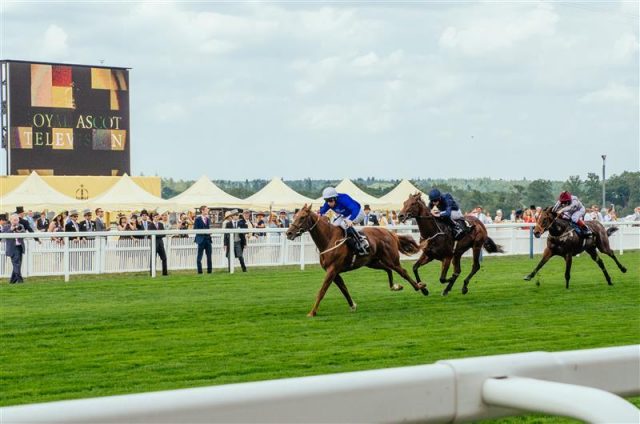
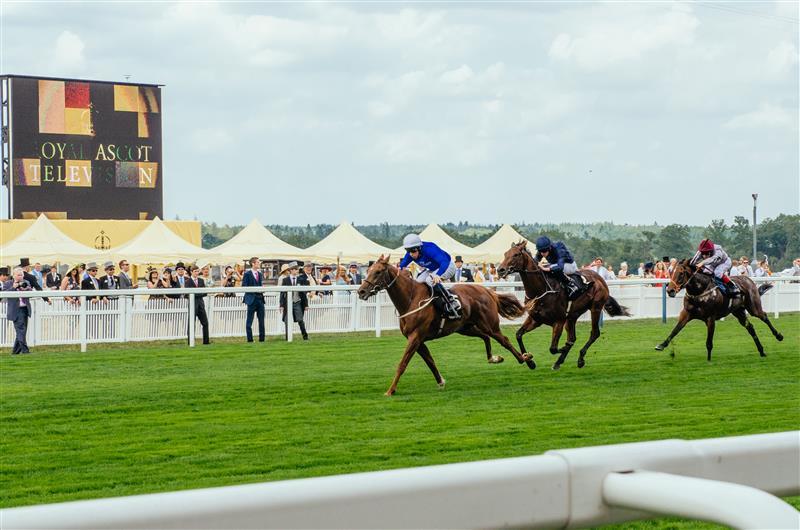
A Look at the Early Market for the Ascot Gold Cup

The Ascot Gold Cup is still two months away, but the ante-post market is already taking shape with some fascinating contenders at the head of affairs. 

With the race not run until June, much can change between now and then: injuries, course changes, ground conditions, and spring trial performances will all shift the picture considerably. 

That is the nature of Ascot betting, and for those who enjoy engaging with a market at this stage, the current prices offer a useful starting point. Here is a look at the five leading contenders as things stand.

Scandinavia: 3/1 favourite

Aidan O’Brien’s Scandinavia heads the market, and it is not difficult to see why. The Justify colt landed consecutive Group 1 victories in the Goodwood Cup and the St Leger last season before connections opted against a Melbourne Cup trip, with O’Brien confirming the horse would be trained specifically for the Gold Cup in 2026. 

That is as clear a statement of intent as a trainer can make in September, and the market has taken notice. Scandinavia has all the attributes the Gold Cup demands: proven Group 1 class, a willingness to settle, and a trainer who knows this race better than anyone. 

The obvious caveat at this stage is that we have not seen him since his autumn campaign, and how he comes through his spring prep will be crucial. At 3/1, he is a well-supported favourite, but the price reflects genuine quality rather than market sentiment alone.

Trawlerman: 6/1

The reigning champion is an entirely natural presence near the top of the market. Trawlerman won the 2025 renewal with a front-running display that his trainer, John Gosden, described as inch-perfect, with William Buick giving the horse his head and trusting him to judge the pace himself. The result was a seven-length success. 

Trawlerman has been one of the most consistent stayers in Europe over the past three seasons, finishing second to Kyprios in 2024 before finally getting his moment in the sun last summer. The Gosden-trained horse is already confirmed as a fascinating standard-bearer for the older generation as he enters what will be his eighth year. 

Defending a Gold Cup is never straightforward, and the frailties of the staying division mean nothing can be taken for granted, but there is every reason to think Trawlerman will go to Royal Ascot in career-best condition.

Al Riffa: 10/1

Joseph O’Brien’s Al Riffa represents a different kind of profile at the top of the market. The five-year-old son of Wootton Bassett had a stellar 2025 campaign, winning the Curragh Cup and the Irish St Leger before travelling to Australia for the Melbourne Cup, with O’Brien noting that Al Riffa had won on fast ground, slow ground, and everything in between. 

O’Brien specifically cited Al Riffa’s run in the Curragh Cup as the performance that convinced connections to step him up in trip, describing him as a stayer who also carries speed and a good turn of foot. 

Whether connections target the Gold Cup rather than returning to Australia or another international campaign remains to be seen, but the form puts him firmly in contention at the top level of the staying division.

Caballo De Mar: 10/1

George Scott’s Caballo De Mar offers perhaps the most intriguing proposition in the market, given the trajectory of his career. The four-year-old rapidly rose through the ranks during his 2025 campaign, winning the German St Leger and being supplemented into the Prix du Cadran at Longchamp, having also twice gone close at Chester and Royal Ascot during the season. 

Scott has spoken of not knowing where the ceiling is for him, describing him as a horse with an amazing constitution who knows how to win. The Gold Cup would represent a significant step up in class from what he has faced so far, but horses who improve rapidly through the staying ranks at four often continue that trajectory at five. 

At 10/1, he represents an interesting each-way proposition for those who enjoy backing an improving type at an early stage of the market.

Arrow Eagle: 12/1

The French raider Arrow Eagle rounds out the top five. Trained by Jean-Claude Rouget, the five-year-old son of Gleneagles won the Prix Royal-Oak at Longchamp in 2025, France’s most prestigious staying prize, having earlier landed the Prix d’Hedouville. 

Rouget is a trainer with a strong record of producing horses in peak condition for major targets, and the Prix Royal-Oak is a well-trodden route to the Gold Cup. Arrow Eagle is arguably the biggest unknown in the top five at this stage, with relatively limited exposure at the highest level compared to his market rivals, but French stayers with a Royal-Oak on their record deserve respect in ante-post Gold Cup markets. 

The horse race odds at this distance are notoriously difficult to call this far out, and 12/1 could look generous if Arrow Eagle puts in a strong spring showing.

All odds are ante-post and subject to change.


History of the Popularity of Horse Racing

Horse racing has moved through centuries as both a working-horse test and a public spectacle. Its popularity has grown whenever the sport found new ways to gather crowds, tell stories, and make champions feel close. From royal courses to modern simulcasts, the appeal keeps reshaping itself without losing the thrill of speed.

(more…)

How Data and Betting Culture Are Reshaping Modern Horse Racing

Data analytics and modernized betting culture have revolutionized the world of horse racing, which was once largely driven by instinct and insider tips. The new standard being set by the highly technical and data-driven industry has affected everything from how the horses are trained and cared for to how bettors make their decisions and how audiences interact with the races.

(more…)

From Grandstands to Glass Screens: The Tech-Forward Future of Horse Racing Fandom

Pixabay/lachrimae72/CC

Horse racing is undergoing one of the most significant transformations in its long history, and the grandstands are no longer the center of the experience. Digital platforms have reshaped how fans consume, analyze, and bet on the sport, pulling audiences away from the physical track and toward mobile screens, real-time data streams, and interactive applications. 

What was once a sport experienced primarily through binoculars and printed race cards is now accessible anywhere in the country through streaming services, predictive analytics tools, and secure digital payment systems that have redefined what it means to be a racing fan.

The Rise of TVG and FanDuel Racing as Digital Broadcast Leaders

TVG, now operating under the FanDuel umbrella and rebranded as FanDuel TV in September 2022, has been a driving force in taking horse racing into the digital age. The platform provides live streaming coverage from more than 300 racetracks around the globe, accessible directly through a mobile app, making it possible to watch and wager on races from anywhere in the United States. 

FanDuel Racing, built in direct association with TVG’s legacy as America’s first legal horse racing betting app, allows fans to access real-time odds, place bets, and stream races simultaneously without switching between platforms. The integration extends further through a unified wallet system that lets users share deposits and winnings across FanDuel’s racing, sportsbook, and casino products through a single login.

Analytics Tools and the New Informed Fan

Advanced analytics have fundamentally changed what a horse racing fan can know before, during, and after a race. Platforms now provide detailed metrics on individual horses, jockeys, and trainers, with data points covering speed figures, stride length, heart rate, track surface performance, and historical finishing positions. 

Companies like Total Performance Data use GNSS and GPS positioning technology developed in Cambridge to stream live positional data from prestigious tracks including Royal Ascot, Meydan, Del Mar, Pimlico, and Woodbine within fractions of a second, delivering speed, stride, distance, and time information in real time while a race is still in progress. 

Predictive analytics tools, drawing on machine learning models trained across thousands of races, can process variables like jockey switches, weather shifts, and form cycles to surface probability assessments that were previously available only to professional syndicates.

The Comparison to NFL and NBA Data Revolutions

The analytical shift in horse racing mirrors the broader data revolution that has already transformed how fans engage with mainstream American sports. The NFL and NBA both underwent dramatic changes in fan behavior when advanced metrics became publicly accessible, producing a generation of viewers who follow player efficiency ratings, win probability models, and route-running data with the same attention previously reserved for box scores. 

Horse racing is following a comparable path, with wearable biometric sensors on horses, drone-monitored track conditions, and AI-driven pace projections replacing the intuition-based approach that once dominated handicapping. 

The parallel is most visible in how horse racing analytics platforms now present information through visual dashboards and interactive leaderboards rather than static form sheets, borrowing directly from the design conventions that sports data companies pioneered in football and basketball.

Real-Time Odds and the Mobile Betting Shift

The ability to access real-time odds from a smartphone has changed not just how fans bet but how closely they engage with each race as it approaches. Mobile applications update odds continuously as money moves through the pools, allowing even casual fans to observe market sentiment in real time and factor those movements into their decisions. 

FanDuel Racing supports instant funding through online banking, PayPal, and debit and credit cards with no deposit fee, removing the friction that once made advance-deposit wagering a barrier for new participants. This frictionless entry point has contributed to a measurable shift in audience demographics, drawing younger fans who might never attend a physical track but engage deeply with the sport through their phones.

Secure Payment Ecosystems Across Digital Entertainment

The demand for reliable, fast digital transactions in horse racing exists within a broader consumer expectation that has reshaped adjacent entertainment sectors as well. Across gaming platforms, secure payment infrastructure has become a fundamental requirement rather than a differentiating feature. 

The growing popularity of PayPal casinos reflects this shift directly: users expect funds to move instantly and securely between their accounts and the platforms they use, without delays or unnecessary friction at the point of deposit or withdrawal. 

Horse racing platforms and gaming ecosystems are converging on identical user expectations, and the platforms that invest in seamless payment infrastructure are consistently the ones attracting and retaining the most engaged audiences.

Fan Engagement Beyond the Bet

Technology has also introduced new forms of horse racing engagement that sit outside traditional betting entirely. Fantasy racing leagues now apply the same roster-management mechanics that made fantasy football a cultural phenomenon to the horse racing world, allowing fans to build competitive lineups based on jockey statistics, horse form, and trainer data.

Gamification elements including social leaderboards, race-day challenges, and interactive pick competitions give audiences ways to participate in races without a financial stake.

Augmented reality developments are beginning to appear in broadcast overlays, offering viewers live statistical information including projected finishing positions and biometric readings during races. These features are specifically designed to attract the segment of the younger audience that consumes sports as interactive entertainment rather than as a spectator exercise.

The Track as a Data Hub

The racecourse itself has been transformed by the same technological forces reshaping the fan experience. On-track sensors, GPS timing systems, and high-definition slow-motion cameras now feed comprehensive databases that trainers, owners, and analysts access through dedicated platforms. 

Wearable sensors on horses transmit heart rate, stride length, and hydration data during both training and competition, giving teams the kind of real-time physiological insight that was once the exclusive domain of elite Olympic sports programs. 

Platforms like Total Performance Data supply these live graphics not just to broadcasters but to streaming services, sportsbooks, and on-venue big screens simultaneously, creating a unified data environment that connects the horse on the track to the fan watching on a phone three time zones away. That connection between physical event and digital audience is the defining feature of what horse racing fandom has become.

Friday the 13th at the Barn: 9 Horse Superstitions That Might (or Might Not) Doom Your Ride

From renaming horses to wearing the wrong color at a show, the horse world has its fair share of superstitions. In honor of Friday the 13th, let’s take a look at the barn beliefs that supposedly bring bad luck (whether we believe them or not). (more…)