Sports betting

Betting on the Belmont Stakes 2026: Could an Underdog Shock the Favorites?

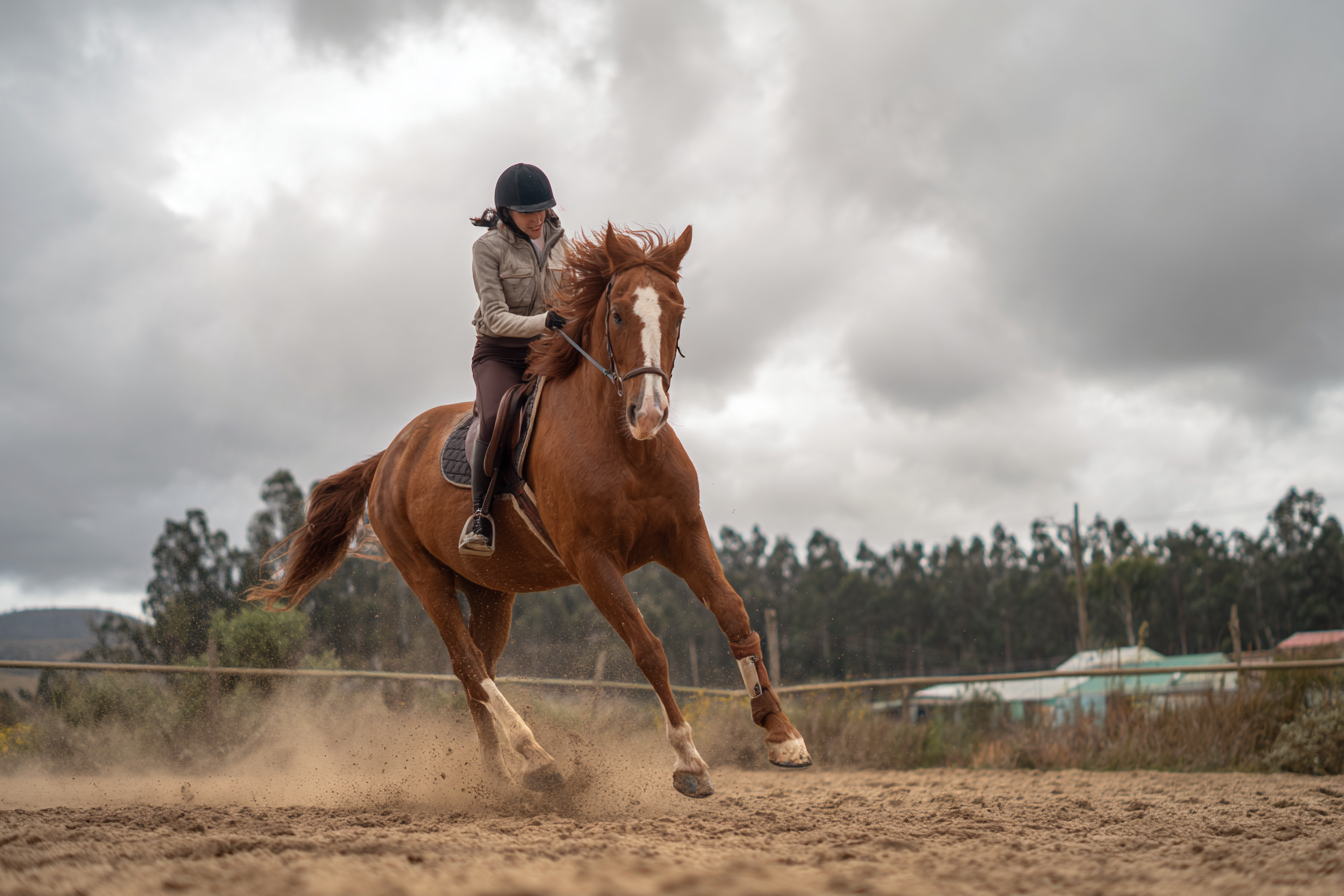
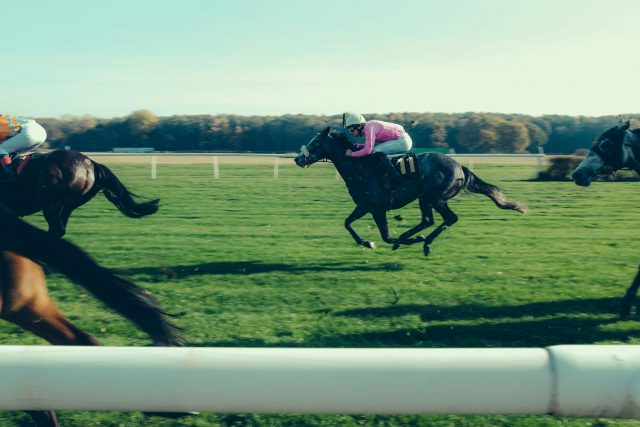
Bence Szemerey/Pexels/CC

The 2026 Belmont Stakes has a sharper setup than usual. The race is scheduled for June 6 at Saratoga Race Course, where the Belmont festival runs from June 3 through June 7. Saratoga also changes the lens because the race is expected to stay at 1 1/4 miles instead of the traditional Belmont Park distance. That makes this edition less about one old formula and more about current fit.

Golden Tempo gives the race its headline after winning the Kentucky Derby. His team skipped the Preakness and pointed toward Saratoga, which gives him more recovery time. Renegade stays relevant after finishing close behind him at Churchill Downs. The bigger question now is how much room the race leaves for a horse outside the obvious names.

Saratoga Changes the Belmont Math

Saratoga does not ride like Belmont Park. The turns arrive sooner, and position can matter more because the classic Belmont sweep is missing. That makes the 2026 race more compact. A horse that needs too long to unwind may not get the same runway.

The market can overreact when a favorite brings a strong Derby story into a different race setup. That creates room for a sharper read on horses whose form fits Saratoga better than their public profile suggests. In that sense, belmont stakes online betting should be built around current race conditions, not just the most familiar names. The upset case becomes more realistic when the layout changes the kind of horse being tested.

Golden Tempo Is Strong but Not Untouchable

Golden Tempo earned respect because the Derby rally was real. He came from far back and still reached Renegade late. That move showed stamina at a classic level. It also raised the standard for everyone else.

Still, Saratoga asks a different question. A last-to-first Derby run may not translate cleanly if the pace is softer or the field stacks up earlier. The skipped Preakness helps recovery, but it also creates a gap. Favorites can win that way, but the market may overrate Derby memory.

Renegade Brings the Cleaner Form Line

Renegade may be the easiest horse to understand on paper. He already proved he can stay close to a major pace and still finish hard. A narrow Derby loss does not need heavy explanation. It gives him a clean reference point.

That clarity matters in betting markets. Horses with obvious form often attract support because their case is easy to see. The risk is that the clean form can become too visible. If Renegade attracts too much attention, the better value may lie with a runner with one hidden edge.

Preakness Form Needs Careful Handling

The Preakness still matters, even without Golden Tempo. It can show which horses are still holding form after a tight Triple Crown turnaround. The 2026 race at Laurel Park makes that evidence useful, but not automatic. A strong run there still has to be measured against a different Saratoga setup.

That is where the read gets sharper. Laurel can point to the current condition, but Saratoga changes the rhythm, spacing, and timing of the Belmont. The better clue is not only who wins the Preakness. It is the horse that finishes with control and looks capable of carrying that form into a different track shape.

Underdogs Need a Real Case

A live underdog cannot just be a long shot with a good storyline. The case needs evidence, especially with the Belmont moving through Saratoga. The official contender list keeps names such as Commandment and Further Ado in the mix, while Potente, Chief Wallabee, Emerging Market, and Albus add depth to the wider field.

The better underdog profile starts with useful form, not hype. A horse coming out of a messy Derby may look weaker than he really is if traffic or pace worked against him. At Saratoga, that matters because a tactical runner can stay close, avoid trouble, and move before the favorites fully build momentum.

The Market May Overreact to the Derby

The Derby is powerful, but it can distort the next race. Golden Tempo and Renegade will get attention because their Churchill Downs finish is fresh. That is normal market behavior. The problem is that Saratoga will not copy Churchill.

A sharper betting read starts with separation. Derby results and Preakness conditions should not be treated as Saratoga fits. A horse can lose at Churchill and still improve in this setup. That is where an underdog can become more than a hopeful name.

The Shock Needs Structure

An underdog can shock the 2026 Belmont, but the path has to make sense. Saratoga gives the race a tighter frame, and that can narrow the gap between famous form and practical fit. Golden Tempo has the right to be respected, while Renegade owns a strong claim. 

Still, the smartest read is not built around one favorite. It comes from checking which horse owns the right running style for this version of the Belmont. The upset will not come from nowhere if the data points toward it first.

How Mobile Sports Betting Has Transformed Horse Racing

In 2026, across the US, Canada, Europe, and many other places across the world, betting on a phone is now the norm, and it continues to grow. Global sports betting revenue was measured at around $88bn last year, as more and more legalisation occurs and mobile betting apps become more accessible and more popular.

Mobile betting on horse racing has fundamentally transformed the sport. It’s given bettors new opportunities to bet, and more options than ever before. It also continues to expand, for example, bettors in Canada can now access Alberta sportsbooks for betting on racing, now joining various places in Canada and the USA.

Phones have transformed betting on horse racing in a number of ways, but paramount among them is the appearance of micro-betting, and the rising popularity of virtual betting.

The rise of micro-betting in horse racing

Micro-betting has gone from a concept deemed almost impossible to one of the most common types of betting currently used. Microbetting allows players to get on hyper-specific, short duration events within the confines of a bigger sporting event. It could be betting on one quarter of football, or even on a single pitch in baseball.

The same is now true within horse racing. Bettors can now not only place bets before a race begins, but as it unfolds. You can even bet from furlong to furlong, giving players a fast-paced experience. This is due to the speed and computing power of phones solving the issue of latency; phones can now update with odds almost instantly, allowing players to make bets live as games or races occur. It also increases the appeal for younger people, as Gen Z want a gambling experience more in line with the fast-paced style of online games and betting.

The rise of virtual horse racing

Another development in the world of online betting on horse racing that is the result of an increasingly young audience, virtual horse races have been increasing in popularity in the iGaming sector. Virtual horse racing became a way for both bettors and sportsbooks to continue to run races and have opportunities for betting in the downtime between races. Races often only occur at weekends, and even within racing days, the gap between races is around 30 mins. 

Virtual races are usually 3D rendered in apps, with the results determined by random number generators. There has been a 38% rise YoY in the adoption in virtual horse racing, once again led largely by young people, who are quicker to adopt the new technology. It’s likely to continue to grow in the coming years, but virtual sports gambling is already a billion dollar industry, and it’s bound to only get bigger.

How Horse People Think About Risk (And Why We Keep Doing It Anyway)

Ask any person outside the equestrian circles why they would never get on a horse, and you’ll hear some version of the same answer: too big, too unpredictable, too dangerous. 

The question is why millions of people choose to get on anyway, often after being bucked off, fallen on, or dragged through a muddy field. The answer has less to do with recklessness and more with how experienced riders actually process risk — and the psychology behind it is well-documented.

Why Riders Accept What Others Won’t

Equestrian culture has a complicated relationship with risk. It doesn’t ignore danger — it normalizes it.

Risk as a Cultural Baseline

Most riders don’t think of themselves as risk-takers. They think of themselves as people who’ve learned to work with an unpredictable animal.

That framing matters. When risk is baked into the activity from day one, the psychological response shifts from avoidance to management. Riders develop a working sense of what’s acceptable on a given day with a given horse — and that calibration improves with experience. 

This pattern of accepting and working within uncertain outcomes isn’t unique to equestrianism. The same pattern shows up anywhere outcomes are uncertain and stakes are personal — and the Clash of Slots website covers one such territory in detail, reviewing casino games and breaking down their mechanics, odds, and win probabilities so players understand what they’re actually working with. Just like with horse riding, the risk doesn’t disappear in any of these contexts. It gets measured differently.

The Two Types of Fear

Sports psychologists working in equestrian contexts draw a clear line between two types of fear. Rational fear responds to a genuine physical threat. Irrational fear responds to a perceived threat to confidence or self-image. Riders who can identify which type they’re experiencing are better equipped to act. Getting back on after a fall means distinguishing between “this horse is genuinely unsafe” and “my confidence took a hit.” That distinction is a learned skill, not an innate personality trait.

How Nervous System Regulation Changes the Equation

Riders operating from a dysregulated state — stuck in fight-or-flight — tend to read situations emotionally rather than logically. A horse that isn’t responding gets labeled as difficult rather than confused. A challenging moment gets coded as danger when it may simply be discomfort. Riders who can self-regulate mid-ride assess risk more accurately, communicate more clearly with their horses, and make better decisions under pressure. Self-regulation here is not a wellness concept. It is a technical skill with direct consequences for safety.

The Cognitive Biases Running in the Background

Even experienced riders make decisions that look, from the outside, like wishful thinking. That is not a character flaw — it is cognitive architecture.

Optimism Bias: Wired to Expect Things to Go Well

Optimism bias is not something researchers have identified specifically in equestrians. It is a well-documented human tendency that happens to play out with particular visibility in horse ownership.

As research published in Current Biology found, people consistently overestimate positive outcomes and underestimate costs, timelines, and the likelihood of things going wrong. Horse owners will recognize this immediately: the youngster who is almost ready for competition, the new horse who was definitely going to be easier than the last one, the vet bill that somehow wasn’t part of the budget. 

These are not failures of intelligence. They are predictable outputs of how human decision-making actually works — and they show up with equal reliability in anyone operating in a high-stakes, uncertain-outcome environment.

Loss Aversion: Why Quitting Feels Worse Than Continuing

Optimism bias explains why riders keep starting. Loss aversion helps explain why they keep going.

The Prospect Theory, one of the most replicated findings in behavioral science, established that the psychological pain of a loss is roughly twice as powerful as the pleasure of an equivalent gain. For riders, this plays out in recognizable ways:

  • Scratching feels disproportionately bad: Withdrawing from a competition after months of preparation registers as a loss, even when it is the sensible call.
  • Bad rounds carry more weight than good ones: A single poor test can feel like it erases weeks of progress.
  • Re-entering after disaster feels necessary: The compulsion to try again isn’t irrational — it’s the brain working to recover a perceived loss.

Loss aversion doesn’t make riders reckless. It makes quitting psychologically expensive, which keeps them in the saddle longer than pure logic might suggest.

Where This Shows Up Beyond the Barn

These same cognitive patterns appear anywhere humans engage repeatedly with uncertain outcomes under real stakes — and few environments make that clearer than professional horse racing.

Decisions made around races like the Ascot Gold Cup involve form analysis, variable conditions, and genuine uncertainty spread across weeks of waiting. Yet punters and connections alike commit to positions long before the race runs, knowing the ground could change, a horse could lose form, or a rival could emerge from nowhere. That willingness to act under uncertainty, accept the possibility of being wrong, and stay engaged is the same psychological muscle riders use every time they get on a horse they haven’t fully figured out yet.

The overlap between equestrian risk tolerance and the psychology of competitive betting runs deeper than it might first appear. Both involve calibrated optimism, loss aversion, and repeated engagement with outcomes that cannot be fully controlled. What looks like boldness from the outside is usually just a well-practised relationship with uncertainty — and riders have been building that relationship one ride at a time for as long as people have been getting back on horses after falling off them.


Punchestown Festival: What You Need To Know

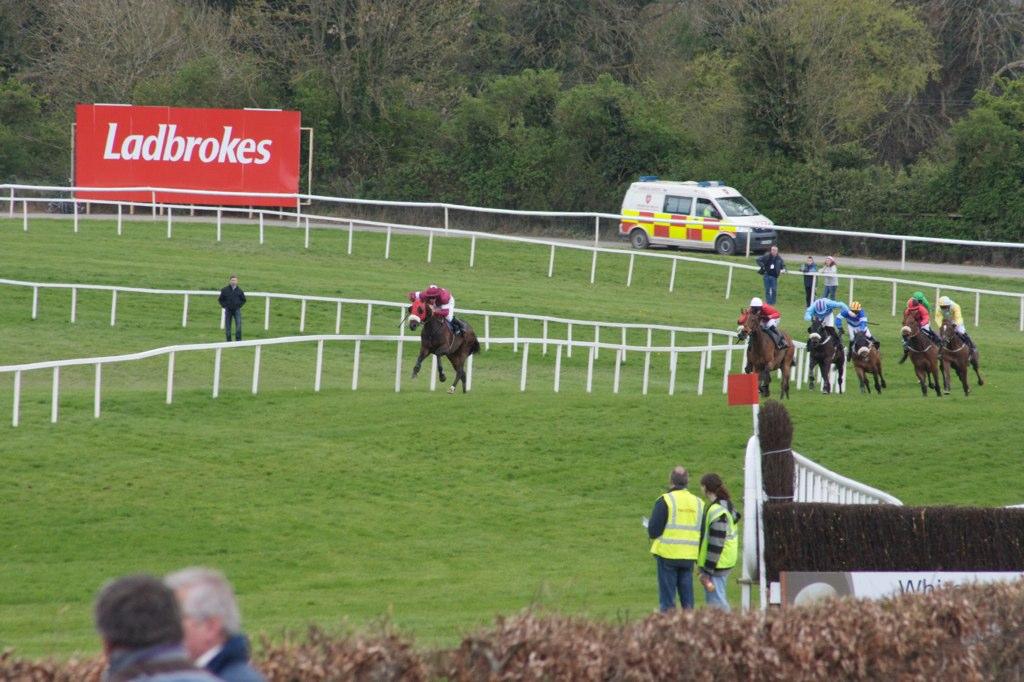
By Gordon Flood from Trim, Ireland. Wikimedia Commons.

The 2026 Punchestown Festival is one of the biggest events in Irish horse racing, and understanding what to expect can greatly improve your experience. 

The festival runs from Tuesday 28 April to Saturday 2 May 2026, serving as the grand finale of the Irish National Hunt season. It’s the ideal time to bag some free bets to spend on five days of exceptional action. 

Five days of top-class action

The festival spans five days. Tuesday kicks off proceedings with the Champion Chase the highlight of the day’s card, while Wednesday features the prestigious Punchestown Gold Cup, often considered the showpiece of the entire week. Thursday hosts the Stayers’ Hurdle, while Friday is known for the Champion Hurdle and Ladies Day, attracting large crowds and a strong fashion element. The festival concludes on Saturday with a more relaxed but still competitive race day, with two Grade 1s on the card.

Record €3.6 million prize fund for 2026 festival

There will be a record €3.6 million prize-money up for grabs at this year’s Punchestown festival. To trainers’ and owners’ delight, there has been an increase in minimum race values from €15,000 to €20,000 and prize-money for the five Listed handicaps at the festival will rise from €50,000 to €75,000. Punchestown will feature 12 Grade 1s, each of which will be worth €300,000, while novice Grade 1 races will be worth €125,000 and the Champion Bumper €100,000. Grade 3 handicaps will be run for €100,000.

Jockeys and trainers to follow

Paul Townend rode 25 winners from just 61 rides at the track last season which is a staggering 41% return and he is operating at around 34% there this term, so he is without doubt the main jockey to follow. That of course means Willie Mullins is the trainer to follow. If you’re looking for someone under the radar, keep a close eye on anything Emmet Mullins runs as he has a 30% return there this season.

Planning your visit

Planning your visit is also essential. Racing usually begins around 2:30pm, except for Friday which starts later due to larger crowds. It is advisable to arrive early to avoid traffic and to enjoy the full experience, including food stalls, bars, and entertainment around the racecourse. Accommodation in nearby towns like Naas can fill up quickly, so booking in advance is important. Many visitors opt for travel packages that include transport, accommodation, and entry tickets to simplify the trip.

It’s more than just racing

In addition to racing, the festival is known for its social atmosphere. It combines sport with fashion, live music, and nightlife, especially in nearby towns after racing finishes. Friday’s Ladies Day is particularly famous for style competitions, so dressing up is a big part of the experience for many attendees. The event caters to a wide audience, from dedicated punters studying form and placing bets to groups simply enjoying a day out.

Is there a strict dress code?

Punchestown is renowned for being less formal than some other major racing festivals, offering a more relaxed and sociable environment while still delivering top-class racing. Whether as a male you want to wear jeans, cords or a suit, that is entirely up to yourself and for the ladies, there’s no pressure to dress to impress, you can attend the races feeling as comfortable as you like.

Unpacking the Reality of the Global Racing Machine

Canva/CC

There is a distinct rhythm to a stable at four in the morning. It’s not quiet, not really, just a different kind of noise. Horses shifting, someone moving buckets, the occasional impatient stomp against a stall door. Long before the grandstands fill and cameras start rolling, most of the actual work has already happened.

It’s easy to forget that. What shows up on race day is only a small part of the process.

Most of the intense spectator involvement happens far away from the track, usually over a coffee, staring at past performances and trying to make sense of them. Some people approach racing like a puzzle. They track patterns and notice small details, such as a horse that seems to move better on certain ground, or one that never quite settles in softer conditions.

Others don’t look at it that way at all. They’ll just say that something didn’t feel right today, and leave it at that. It is not really just a racing thing either; you see the same in show jumping or dressage. It always comes back to paying attention and not missing the small changes. For many, that level of observation is just a way to get under the skin of the sport and appreciate the sheer level of preparation involved. They watch, they notice, and for them, that is enough.

Africa Images. Canva/CC

Mud, Sand, and the Way Horses Move

The ground under a horse’s feet changes more than people expect. On turf, races tend to build. Horses settle into a rhythm, almost holding something back, waiting for the right moment. The move comes late, and when it does, it feels sudden; it’s a burst of energy that has often been simmering since the stalls opened.

Dirt racing feels different. It is faster from the start. Horses break hard, fight for position early, and deal with kickback straight away. There’s less waiting and more reacting. You can’t always move a horse from one to the other and expect the same result. It’s how the horse processes what’s happening underneath it. This shift in terrain is often the deciding factor for those who enjoy the tactical side of betting on the races as a bit of weekend entertainment, as a horse that thrives in the heavy mud might look completely lost when the ground turns firm and fast.

Inside the Barn

From the outside, it probably looks like a lot. In reality, most of it comes down to paying attention — and not missing the small things. You watch how a horse eats. How it cools down. Whether it moves just slightly differently than yesterday. Sometimes you can’t explain what changed — you just know something did.

There’s more technology involved now, sure. Treatments, monitoring, data. But it hasn’t replaced that basic instinct of noticing when something feels off. That responsibility has become harder to ignore. Standards are tighter, and there’s less room to push through small warning signs. Organizations like the  British Horseracing Authority enforce strict checks before a horse ever makes it to the starting gate. If something looks wrong — even slightly — that’s usually enough. The horse doesn’t run.

Racing isn’t a gentle sport. It never really was. There’s pressure, there’s money, and sometimes things go wrong in ways you can’t ignore — injuries, setbacks, moments that stay with you longer than they should. Most people working with these horses know that. You don’t spend enough time around them without understanding what’s at stake. And still, people stay. Not because it’s easy, but because of the horses themselves.

Watching the Sport Has Changed

It’s easier than ever to follow racing closely, even if you’re nowhere near a track. People share workout clips, compare notes, pick up on details that used to stay inside the barn. You don’t have to be there every day to feel like you’re part of it.

Because following the sport has become so accessible, the way people engage with it is shifting. It is easy to get caught up in the numbers and the constant stream of updates. That is why there is a growing emphasis within the community on keeping that engagement healthy. Broadcasters and tracks now regularly point fans toward resources like Problem Gambling to ensure that following the sport remains a choice. Sometimes, without really noticing, you go from casually watching to paying closer attention than you expected.

When the Racing Stops

A racehorse’s career doesn’t last very long. Many of them are finished by the time they’re five — which is still young. After that, everything changes.

You take a horse that has been trained to move forward, respond quickly, react to pressure… and you ask it to slow down. To wait. To stand still. Not all of them understand that right away. That part can take time.

But it’s also where something else shows up. You start seeing these horses in different environments — jumping, eventing, or just being ridden quietly. The speed is still there, but it’s no longer the only thing that defines them. That transition doesn’t happen on its own. It depends on people who are willing to put in the work, and on systems that support it. Entities like the Thoroughbred Aftercare Alliance help make sure these horses have somewhere to go once racing is over.

Why It Still Feels Unpredictable

For something that involves so much structure — training, timing, preparation — racing never becomes completely predictable. You can look at all the data, follow every detail, and still get it wrong.

Because at the end of the day, you’re still dealing with a horse. And horses don’t always follow the plan.

A Look at the Early Market for the Ascot Gold Cup

The Ascot Gold Cup is still two months away, but the ante-post market is already taking shape with some fascinating contenders at the head of affairs. 

With the race not run until June, much can change between now and then: injuries, course changes, ground conditions, and spring trial performances will all shift the picture considerably. 

That is the nature of Ascot betting, and for those who enjoy engaging with a market at this stage, the current prices offer a useful starting point. Here is a look at the five leading contenders as things stand.

Scandinavia: 3/1 favourite

Aidan O’Brien’s Scandinavia heads the market, and it is not difficult to see why. The Justify colt landed consecutive Group 1 victories in the Goodwood Cup and the St Leger last season before connections opted against a Melbourne Cup trip, with O’Brien confirming the horse would be trained specifically for the Gold Cup in 2026. 

That is as clear a statement of intent as a trainer can make in September, and the market has taken notice. Scandinavia has all the attributes the Gold Cup demands: proven Group 1 class, a willingness to settle, and a trainer who knows this race better than anyone. 

The obvious caveat at this stage is that we have not seen him since his autumn campaign, and how he comes through his spring prep will be crucial. At 3/1, he is a well-supported favourite, but the price reflects genuine quality rather than market sentiment alone.

Trawlerman: 6/1

The reigning champion is an entirely natural presence near the top of the market. Trawlerman won the 2025 renewal with a front-running display that his trainer, John Gosden, described as inch-perfect, with William Buick giving the horse his head and trusting him to judge the pace himself. The result was a seven-length success. 

Trawlerman has been one of the most consistent stayers in Europe over the past three seasons, finishing second to Kyprios in 2024 before finally getting his moment in the sun last summer. The Gosden-trained horse is already confirmed as a fascinating standard-bearer for the older generation as he enters what will be his eighth year. 

Defending a Gold Cup is never straightforward, and the frailties of the staying division mean nothing can be taken for granted, but there is every reason to think Trawlerman will go to Royal Ascot in career-best condition.

Al Riffa: 10/1

Joseph O’Brien’s Al Riffa represents a different kind of profile at the top of the market. The five-year-old son of Wootton Bassett had a stellar 2025 campaign, winning the Curragh Cup and the Irish St Leger before travelling to Australia for the Melbourne Cup, with O’Brien noting that Al Riffa had won on fast ground, slow ground, and everything in between. 

O’Brien specifically cited Al Riffa’s run in the Curragh Cup as the performance that convinced connections to step him up in trip, describing him as a stayer who also carries speed and a good turn of foot. 

Whether connections target the Gold Cup rather than returning to Australia or another international campaign remains to be seen, but the form puts him firmly in contention at the top level of the staying division.

Caballo De Mar: 10/1

George Scott’s Caballo De Mar offers perhaps the most intriguing proposition in the market, given the trajectory of his career. The four-year-old rapidly rose through the ranks during his 2025 campaign, winning the German St Leger and being supplemented into the Prix du Cadran at Longchamp, having also twice gone close at Chester and Royal Ascot during the season. 

Scott has spoken of not knowing where the ceiling is for him, describing him as a horse with an amazing constitution who knows how to win. The Gold Cup would represent a significant step up in class from what he has faced so far, but horses who improve rapidly through the staying ranks at four often continue that trajectory at five. 

At 10/1, he represents an interesting each-way proposition for those who enjoy backing an improving type at an early stage of the market.

Arrow Eagle: 12/1

The French raider Arrow Eagle rounds out the top five. Trained by Jean-Claude Rouget, the five-year-old son of Gleneagles won the Prix Royal-Oak at Longchamp in 2025, France’s most prestigious staying prize, having earlier landed the Prix d’Hedouville. 

Rouget is a trainer with a strong record of producing horses in peak condition for major targets, and the Prix Royal-Oak is a well-trodden route to the Gold Cup. Arrow Eagle is arguably the biggest unknown in the top five at this stage, with relatively limited exposure at the highest level compared to his market rivals, but French stayers with a Royal-Oak on their record deserve respect in ante-post Gold Cup markets. 

The horse race odds at this distance are notoriously difficult to call this far out, and 12/1 could look generous if Arrow Eagle puts in a strong spring showing.

All odds are ante-post and subject to change.


History of the Popularity of Horse Racing

Horse racing has moved through centuries as both a working-horse test and a public spectacle. Its popularity has grown whenever the sport found new ways to gather crowds, tell stories, and make champions feel close. From royal courses to modern simulcasts, the appeal keeps reshaping itself without losing the thrill of speed.

(more…)

How Data and Betting Culture Are Reshaping Modern Horse Racing

Data analytics and modernized betting culture have revolutionized the world of horse racing, which was once largely driven by instinct and insider tips. The new standard being set by the highly technical and data-driven industry has affected everything from how the horses are trained and cared for to how bettors make their decisions and how audiences interact with the races.

(more…)

From Grandstands to Glass Screens: The Tech-Forward Future of Horse Racing Fandom

Pixabay/lachrimae72/CC

Horse racing is undergoing one of the most significant transformations in its long history, and the grandstands are no longer the center of the experience. Digital platforms have reshaped how fans consume, analyze, and bet on the sport, pulling audiences away from the physical track and toward mobile screens, real-time data streams, and interactive applications. 

What was once a sport experienced primarily through binoculars and printed race cards is now accessible anywhere in the country through streaming services, predictive analytics tools, and secure digital payment systems that have redefined what it means to be a racing fan.

The Rise of TVG and FanDuel Racing as Digital Broadcast Leaders

TVG, now operating under the FanDuel umbrella and rebranded as FanDuel TV in September 2022, has been a driving force in taking horse racing into the digital age. The platform provides live streaming coverage from more than 300 racetracks around the globe, accessible directly through a mobile app, making it possible to watch and wager on races from anywhere in the United States. 

FanDuel Racing, built in direct association with TVG’s legacy as America’s first legal horse racing betting app, allows fans to access real-time odds, place bets, and stream races simultaneously without switching between platforms. The integration extends further through a unified wallet system that lets users share deposits and winnings across FanDuel’s racing, sportsbook, and casino products through a single login.

Analytics Tools and the New Informed Fan

Advanced analytics have fundamentally changed what a horse racing fan can know before, during, and after a race. Platforms now provide detailed metrics on individual horses, jockeys, and trainers, with data points covering speed figures, stride length, heart rate, track surface performance, and historical finishing positions. 

Companies like Total Performance Data use GNSS and GPS positioning technology developed in Cambridge to stream live positional data from prestigious tracks including Royal Ascot, Meydan, Del Mar, Pimlico, and Woodbine within fractions of a second, delivering speed, stride, distance, and time information in real time while a race is still in progress. 

Predictive analytics tools, drawing on machine learning models trained across thousands of races, can process variables like jockey switches, weather shifts, and form cycles to surface probability assessments that were previously available only to professional syndicates.

The Comparison to NFL and NBA Data Revolutions

The analytical shift in horse racing mirrors the broader data revolution that has already transformed how fans engage with mainstream American sports. The NFL and NBA both underwent dramatic changes in fan behavior when advanced metrics became publicly accessible, producing a generation of viewers who follow player efficiency ratings, win probability models, and route-running data with the same attention previously reserved for box scores. 

Horse racing is following a comparable path, with wearable biometric sensors on horses, drone-monitored track conditions, and AI-driven pace projections replacing the intuition-based approach that once dominated handicapping. 

The parallel is most visible in how horse racing analytics platforms now present information through visual dashboards and interactive leaderboards rather than static form sheets, borrowing directly from the design conventions that sports data companies pioneered in football and basketball.

Real-Time Odds and the Mobile Betting Shift

The ability to access real-time odds from a smartphone has changed not just how fans bet but how closely they engage with each race as it approaches. Mobile applications update odds continuously as money moves through the pools, allowing even casual fans to observe market sentiment in real time and factor those movements into their decisions. 

FanDuel Racing supports instant funding through online banking, PayPal, and debit and credit cards with no deposit fee, removing the friction that once made advance-deposit wagering a barrier for new participants. This frictionless entry point has contributed to a measurable shift in audience demographics, drawing younger fans who might never attend a physical track but engage deeply with the sport through their phones.

Secure Payment Ecosystems Across Digital Entertainment

The demand for reliable, fast digital transactions in horse racing exists within a broader consumer expectation that has reshaped adjacent entertainment sectors as well. Across gaming platforms, secure payment infrastructure has become a fundamental requirement rather than a differentiating feature. 

The growing popularity of PayPal casinos reflects this shift directly: users expect funds to move instantly and securely between their accounts and the platforms they use, without delays or unnecessary friction at the point of deposit or withdrawal. 

Horse racing platforms and gaming ecosystems are converging on identical user expectations, and the platforms that invest in seamless payment infrastructure are consistently the ones attracting and retaining the most engaged audiences.

Fan Engagement Beyond the Bet

Technology has also introduced new forms of horse racing engagement that sit outside traditional betting entirely. Fantasy racing leagues now apply the same roster-management mechanics that made fantasy football a cultural phenomenon to the horse racing world, allowing fans to build competitive lineups based on jockey statistics, horse form, and trainer data.

Gamification elements including social leaderboards, race-day challenges, and interactive pick competitions give audiences ways to participate in races without a financial stake.

Augmented reality developments are beginning to appear in broadcast overlays, offering viewers live statistical information including projected finishing positions and biometric readings during races. These features are specifically designed to attract the segment of the younger audience that consumes sports as interactive entertainment rather than as a spectator exercise.

The Track as a Data Hub

The racecourse itself has been transformed by the same technological forces reshaping the fan experience. On-track sensors, GPS timing systems, and high-definition slow-motion cameras now feed comprehensive databases that trainers, owners, and analysts access through dedicated platforms. 

Wearable sensors on horses transmit heart rate, stride length, and hydration data during both training and competition, giving teams the kind of real-time physiological insight that was once the exclusive domain of elite Olympic sports programs. 

Platforms like Total Performance Data supply these live graphics not just to broadcasters but to streaming services, sportsbooks, and on-venue big screens simultaneously, creating a unified data environment that connects the horse on the track to the fan watching on a phone three time zones away. That connection between physical event and digital audience is the defining feature of what horse racing fandom has become.

Horse Racing: How To Find a Winner To Bet On

Thoroughbreds at Monmouth Park. Photo by Meghan Lalonde.

Betting on horse racing is arguably one of the most unpredictable things a punter can do. You’re betting on an animal, and unlike an athlete, they can’t tell you how they’re doing on the day. So, how do you go about trying to find a winning horse to bet on? The key is research! Let’s take a look at some things you could do to improve your chances of choosing a potential winner.

5 Key factors to pay attention to when betting on a horse

There’s a lot of information to process and research when you’re betting. We’ve put together five key factors to pay attention to, so out of everything, these could be the most helpful things when placing your bet.

1.   Consider the weight of the horse

In every race, each horse carries a specific weight according to its merit rating. The initial merit rating is determined after the horse’s performance after its first three races, and thereafter changes after every performance. The weight a horse carries will change according to the type of race they’re in and how well they’ve been doing to ensure there are no advantages for horses that are superior to others. So, before you choose a horse to bet on, make sure that the horse is well-weighted and in conformity with its merit rating.

2.   Pay attention to past performances and form

Just because a horse won in a previous race doesn’t mean that they will definitely win the next one, but it is a good indicator of their potential to win. A horse’s form is one of the clearest indicators of its current ability. The form line in a race card shows where the horse finished in its recent races. A string of top-three finishes often signals reliability, but you also need to look beyond just the numbers.

Check the context of those performances. Was the horse running on a similar surface, over the same distance, or in the same class? Did it perform well under similar track conditions or weather? A horse that has been consistent on firm ground may struggle if rain makes the surface heavy. Likewise, a strong finisher might prefer longer distances where stamina plays a bigger role. Take note of patterns. Horses that run well under similar setups tend to repeat those performances.

3.   Consider the type of race that is being run

Horses are built differently, which means that some will perform better in certain races and conditions than others. This means that knowing what type of race is being run is going to greatly impact your choice of horse to bet on. Here are the four main categories of horse races:

  • Lower handicap races – these are your everyday horse races
  • Grade 3 races – these races can be compared the top five leagues in other sports
  • Grade 2 races – these races can be compared to a championship league
  • Grade 1 races – these races can be compared to that of a World Cup Final

When you look at the past performance of a horse, it becomes clear that a horse running in the top 6 of a Grade 1 race is better than a horse that has won multiple times in a lower handicap race. Therefore, it’s important not to just look at a horse’s win streak but consider the type of races they have won, too.

4.   Know the odds

Odds tell you more than just potential payout; they reflect market confidence and bookmaker assessment. Favourites are often backed heavily because they have proven ability, but that does not mean they always win. In fact, many seasoned punters look for value rather than simply chasing the favourite. Value betting means identifying horses whose odds suggest they have a smaller chance of winning than your research indicates.

For example, if a horse is listed at ten to one but you believe its true chance is closer to five to one, that represents value. Track how odds move leading up to the race. If a horse’s odds shorten, it usually means there is strong support in the market, possibly due to inside tips or changing conditions that suit the horse. Late shifts in the market can be a valuable indicator.

5.   Pay attention to the barrier draw

Barrier draws can have a big influence on race outcomes, particularly in shorter races where positioning early on is crucial. Horses drawn near the inside rail often save ground, while those on the outer barriers may need to work harder to find a good spot. Some horses prefer racing from the front and benefit from inside draws. Others run better when they can settle off the pace, making middle or outer barriers more suitable.

Checking how a horse has performed from different barriers in the past can help you understand whether its draw is an advantage or a setback.

Where can I find the best racing odds?

Looking for the best place to find reliable racing odds for different horse races? We recommend taking a look at Neds’ racing odds. Neds is one of the best sites to check out to stay on top of everything betting, including horse races.

Final Thoughts

When it comes to trying to choose which horse to lay a bet on, even with tons of research and paying attention to key details, there’s always a chance that your horse won’t perform the way you anticipated. But the unpredictability of the race is still what makes placing the bet so exhilarating. So, when you plan on betting on a horse race, do your best to do your research anyway; it’s the best strategy you can adopt.

Racing in the Digital Age: Transforming Horse Racing Fan Experience with Technology

Pixabay/lachrimae72/CC

Horse racing has always captivated fans with its thrilling speed and elegance. But in today’s digital age, the excitement goes beyond the track. Technology is reshaping how fans engage with the sport, making it more accessible and interactive than ever before.

From live streaming and mobile betting to immersive experiences through virtual reality, innovations are enhancing the way enthusiasts connect with their favorite races. As a result, the traditional fan experience is evolving, offering new avenues for participation and enjoyment. This transformation not only attracts a younger audience but also deepens the loyalty of long-time fans.

How Technology Is Transforming Horse Racing Fan Experience and New Betting Sites

Technology enhances fan engagement in unprecedented ways. Live streaming offers unprecedented access to events, enabling fans to watch races from anywhere around the globe. This accessibility not only attracts new viewers but also provides loyal supporters with a closer look at their favorite horses and jockeys, enhancing the overall experience.

Mobile betting applications have redefined how fans participate in races. These platforms allow users to place wagers in real time, making betting more convenient during events. As mobile transactions become faster, more secure, and easier to navigate, they encourage participation from a wider audience. Instant notifications keep users informed on race outcomes, favorite horses, and betting opportunities, thus fostering a dynamic connection between fans and events.

For those interested in expanding their betting options, new betting sites offer fresh opportunities to engage with the sport, enhancing the fan experience and providing even more ways to get involved.

Virtual reality is emerging as another innovative tool, offering immersive experiences that traditional viewing cannot replicate. With VR technology, fans step into a digital environment that simulates attending a race in person. High-definition graphics and 360-degree views enable users to feel the excitement of the track, while interactive features allow them to explore stables and meet horses virtually. This technology appeals especially to younger generations, who seek engaging and interactive experiences.

Social media platforms also play a significant role in transforming fan experiences. They create communities where fans can share insights, discuss races, and interact with athletes and trainers. These interactions foster a sense of belonging and participation, making fans feel more connected to the sport. By leveraging hashtags, followers can easily follow races and events, amplifying the reach and excitement around upcoming competitions.

These technological advancements are reshaping the landscape of horse racing, creating a vibrant, inclusive environment for fans. The continuous evolution of these tools will likely further enhance fan experiences, ensuring the sport remains relevant and engaging.

The Evolution of Horse Racing Technology

Technology has significantly changed the landscape of horse racing, enhancing the fan experience and broadening access to the sport. Innovations have emerged to improve the connection between fans and events, fostering greater engagement in various forms.

The Historical Context

Horse racing has evolved over centuries, with advances in technology always playing a role. In the early days, fans relied on newspapers and word of mouth for updates. The introduction of radio broadcasting in the 20th century transformed accessibility, allowing audiences to follow races in real-time from home. Television soon followed, bringing the excitement of live events directly to viewers. Each of these steps paved the way for digital innovations, illustrating how technology has continuously shaped the fan experience.

Key Technological Innovations

Recent developments have revolutionized how fans interact with races. Live streaming makes events accessible from any location, granting fans the flexibility to engage from anywhere. Mobile applications enable seamless betting, allowing real-time wagers and instant notifications about outcomes. Virtual reality immerses users in simulated race environments, creating experiences that traditional viewing lacks. Social media platforms facilitate community engagement, where fans can share insights and connect with athletes. These advancements enrich the overall experience, ensuring that the sport remains dynamic and appealing to diverse audiences.

Enhancing Fan Engagement

The integration of modern technology significantly improves engagement for enthusiasts. Innovations provide immersive experiences and interactive opportunities, drawing fans closer to the action.

Live Streaming and Virtual Experiences

Live streaming transcends traditional viewing methods, offering fans the chance to watch events from any location. This accessibility enables a wider audience to connect with races in real time, enhancing their experience. Virtual platforms take engagement further by providing customized, immersive environments where fans can explore different angles and perspectives of races. These features not only amplify excitement but also cater to lifestyle changes, catering to younger generations who favor interactive content over passive consumption.

Interactive Platforms and Social Media

Interactive platforms play a pivotal role in fan engagement, allowing for real-time communication and participation. Wagering apps provide instant alerts, delivering updates on races, odds, and results. Social media fosters a community environment where fans can share insights and experiences, creating a vibrant online atmosphere. This interconnectivity cultivates a sense of belonging among enthusiasts and generates discussions around events and personalities. With ongoing developments, these platforms promote continuous interaction and loyalty, ensuring that fans remain engaged year-round.

Data Analytics in Horse Racing

Data analytics plays a crucial role in enhancing the experience of fans and participants in equestrian sports. Advanced techniques analyze vast amounts of data from previous races, enhancing the predictive capabilities associated with wagering, similar to how teams and riders are evaluated and ranked on platforms like Horse Nation.

Predictive Analytics for Betting

Predictive analytics utilizes historical data to identify trends and patterns critical for informing betting strategies. By examining factors such as horse performance, track conditions, and jockey statistics, betting models emerge that provide insights that were previously unattainable. These models offer an edge for bettors looking to refine their methods, maximizing potential returns. Technology now enables real-time updates, where fans receive instant information on odds fluctuations and race conditions. This capability allows bettors to make informed decisions swiftly, increasing engagement with events as they unfold.

Improving Race Strategies

Improving race strategies relies heavily on data analytics, which evaluates various performance metrics. Trainers and owners benefit from comprehensive analyses that cover everything from a horse’s training regimen to its stamina and recovery rates. Utilizing simulation models, trainers can optimize race tactics, determining the best positions and pacing strategies essential for success. This scientific approach not only elevates the competitive nature of the sport but also enhances fan engagement. As audiences become aware of these strategic developments, they gain deeper insights into the complex decisions that experts make while preparing for races.

The Role of Mobile Applications

Mobile applications play a pivotal role in transforming the fan experience in equestrian events. Enthusiasts can access a wealth of information quickly and efficiently through these platforms. Real-time updates on race schedules, results, and notifications about changes in track conditions keep fans engaged and informed. Users can follow their favorite riders, teams, and events closely. Additionally, the convenience of having essential updates at their fingertips ensures that fans never miss critical moments during competitions.

Accessing Information on-the-go

Mobile applications provide seamless access to a variety of content, enriching the experience for avid fans. Users can watch live races and replays, while interactive features allow easy access to data such as horse performance statistics and jockey information. Mobile notifications keep users informed about significant events, enhancing engagement. Geographic location doesn’t limit access either, as fans can connect with events happening anywhere globally. This level of connection fosters a continuous relationship between fans and their passion, ensuring they remain informed and actively participate.

Features of Popular Racing Apps

Popular mobile applications incorporate several unique features tailored to elevate user engagement. In-app betting options allow users to place wagers directly while monitoring live events and odds in real time. Fans benefit from personalized feeds that highlight favorite horses and upcoming races. Community forums and chat features enable interaction with fellow enthusiasts, creating vibrant online discussions around events. Additionally, educational content guides newcomers through the complexities of horse racing. These features come together to create a comprehensive platform that improves the overall fan experience, making it more interactive and accessible.

Conclusion

The integration of technology in horse racing has undeniably transformed the fan experience. With live streaming, mobile betting, and virtual reality, fans now enjoy unprecedented access and engagement. These innovations not only enhance interaction but also create vibrant communities where enthusiasts can share their passion.

As the sport continues to evolve, the role of data analytics and mobile applications will further refine how fans connect with races. This digital shift ensures that horse racing remains relevant and appealing to both seasoned bettors and new audiences. Embracing these advancements will pave the way for a more dynamic future in the world of horse racing.


From Monmouth Park to Digital: Unleashing Horse Racing’s Power in Online Gaming Growth

Horse racing has long captivated audiences, and its evolution from Monmouth Park to the digital realm showcases a thrilling transformation. As traditional tracks face challenges, the integration of technology has opened new avenues for fans and bettors alike. This shift not only revitalizes the sport but also drives significant growth in the online gaming industry.

With the rise of online platforms, horse racing is reaching a broader audience than ever before. Enthusiasts can now engage with their favorite races from the comfort of their homes, creating a dynamic intersection between the excitement of the track and the convenience of digital betting. This article explores how horse racing fuels online gaming growth, highlighting the trends and innovations that are reshaping the landscape.

As players increasingly look for top-tier online experiences, many are turning to the best NJ online casinos, where horse racing is integrated seamlessly with other gaming options, providing an all-encompassing entertainment experience.

Overview of Horse Racing’s Evolution

The evolution of horse racing reflects broader trends within the sporting world, particularly as it adapts to technological advancements. Established race tracks have faced numerous challenges, yet their historical significance remains pivotal in shaping the modern landscape.

Historical Significance of Monmouth Park

Monmouth Park contributed significantly to the popularity of the sport since its establishment in 1870. It became a vital hub for horse racing enthusiasts, showcasing major events that drew huge crowds. The venue played a crucial role in supporting the local economy through tourism and betting revenue. Over the years, it helped introduce innovative racing formats, enhancing both spectator enjoyment and participant engagement. This rich heritage fostered a strong community connection and paved the way for future developments, maintaining passionate support for the racing culture.

Transition to Digital Platforms

The transition to digital platforms has revolutionized the way fans engage with horse racing. Online betting sites emerged as a convenient alternative to traditional attending methods, allowing users to place wagers from their homes or on the go. This significant shift improved accessibility, attracting a younger demographic to the sport. In addition to betting, streaming services provided live race access, creating a richer viewing experience. Technological advancements have introduced interactive features, enhancing fan participation and deepening the connection between racing events and audiences worldwide. For those interested in the latest trends and news in horse racing, Horse Nation’s horse racing tag offers valuable updates and insights, keeping fans connected to the sport’s evolution in the digital age. Through these digital innovations, the legacy of horse racing continues to thrive in a new era.
Impact of Horse Racing on Online Gaming

Horse racing significantly influenced the growth of online gaming. The shift from traditional betting environments to digital platforms has expanded accessibility for enthusiasts. Convenience in placing bets has attracted a broader audience. Many platforms offer live streaming of races and real-time betting options, enhancing the overall experience. This accessibility allows users to engage with events from any location, leading to increased participation.

Growth of Online Betting

The transition to digital platforms led to a surge in online betting activity. Statistics show that online wagering has increased substantially over recent years, with reports indicating an annual growth rate of 25 percent in some markets. This growth stems from younger generations who prefer digital interactions. They value the speed and convenience of app-based betting, further driving the trend. Online bookmakers also offer competitive odds, fostering an environment conducive to increased betting activity.

Diversification of Gambling Options

The integration of horse racing into the online gaming sector has contributed to broader gambling options. Players can now access various betting types, including in-play wagering and exotic bets. Additionally, many platforms provide casino games and sports betting alongside racing, creating a comprehensive gaming ecosystem. This diversification appeals to a wider audience, accommodating different preferences and interests among gamblers. The ability to engage in multiple forms of online entertainment enhances user retention and satisfaction in the digital gaming landscape.

Key Factors Driving Online Gaming Growth

Several key factors influence the expansion of online gaming, particularly through the integration of traditional sports.

Technological Advancements

Technological developments play a critical role in enhancing the online gaming experience. Improvements in mobile connectivity and smartphone capabilities facilitate seamless access to gaming platforms. High-definition streaming allows fans to watch live events from anywhere, creating an immersive experience. Innovations in artificial intelligence and data analytics provide personalized recommendations and insights, allowing users to make informed betting choices. Secure payment systems enhance user trust, encouraging more participants to engage. The rise of virtual reality opens new avenues for interactive gameplay. These advancements collectively strengthen the appeal of online gaming.

Legal and Regulatory Changes

Regulatory shifts significantly impact the online gaming environment, fostering growth and expansion. Recent updates in legislation have legalized various gaming options across multiple jurisdictions. These changes create a framework that supports responsible gaming while ensuring consumer protection. Enhanced regulatory clarity encourages operators to enter new markets, broadening the selection available to users. Additionally, collaborations with local authorities help to establish guidelines for fair play and transparency, building customer confidence. Evolving legislation aligns traditional betting practices with digital platforms, ultimately contributing to a more dynamic online gaming ecosystem.

Case Studies: Successful Implementations

Digital Strategy

A prominent racetrack has embraced digital transformation to enhance its betting experience. It developed an integrated mobile app that allows users to place bets, view live streams, and access real-time data on horse performances. The platform’s user-friendly interface and seamless navigation cater to both seasoned bettors and newcomers. Additionally, interactive features like social sharing and personalized alerts keep users engaged, fostering a vibrant online community. This strategy has not only increased participation but also attracted younger audiences eager for a convenient wagering experience.

Other Notable Online Racing Platforms

Several racing platforms have emerged as leaders in the online space, showcasing innovative features that cater to diverse audiences. A specialized site provides live streaming, enabling bettors to watch races in high definition while placing wagers. Another popular platform incorporates advanced analytics tools, offering historical data and predictive algorithms to enhance betting decisions. This integration of technology has expanded the appeal of racing, transforming it into an interactive experience. Furthermore, collaborative partnerships with various gaming entities have led to cross-promotional opportunities, enhancing user engagement and retention across different gaming sectors.

Future Prospects of Horse Racing and Online Gaming

The integration of traditional racing with digital platforms continues to redefine the betting landscape, fostering growth and innovation. This evolution promises exciting developments in the coming years.

Trends to Watch

The rise of mobile applications fuels engagement, offering real-time updates and streamlined betting experiences. Enhanced data analytics informs users on race outcomes and horse performances, improving decision-making. Social features that allow users to share experiences and strategies stand out, creating vibrant online communities. Live streaming services expand their reach, delivering immersive content that attracts fans who can engage with races from anywhere at any time. Advanced technologies like blockchain and artificial intelligence enhance security and personalization, building trust and keeping players informed. Collaborations between racing organizations and tech firms amplify these trends, facilitating the ongoing shift to a more engaging, interactive gaming environment.

Potential Challenges Ahead

Despite advancements, obstacles may hinder growth in this sector. Regulatory hurdles persist, with legal frameworks varying significantly between regions, causing confusion and restricting operations. Resistance from traditional stakeholders, who may fear lost revenue or customers, can impede innovation. Market saturation, driven by an influx of online platforms, creates fierce competition, complicating user retention and brand loyalty. Additionally, concerns over data security and responsible gaming practices need ongoing attention to protect consumers. Ensuring a balance between accessibility and safe gaming remains essential as the industry adapts to digital trends and evolving user preferences.

Conclusion

The journey from Monmouth Park to the digital age illustrates how horse racing has adapted to modern demands. As technology reshapes the landscape, the sport not only survives but thrives through innovative online platforms. These advancements have made racing more accessible and engaging for a new generation of fans.

The integration of horse racing into the online gaming world enhances user experience and satisfaction. With mobile apps and live streaming options, participants can enjoy a seamless betting experience. Looking ahead, the continued evolution of this sector promises exciting opportunities while navigating potential challenges. The legacy of horse racing is set to flourish as it embraces the digital frontier, ensuring its relevance in an ever-changing entertainment landscape.

Why October to December is Big for Cheltenham

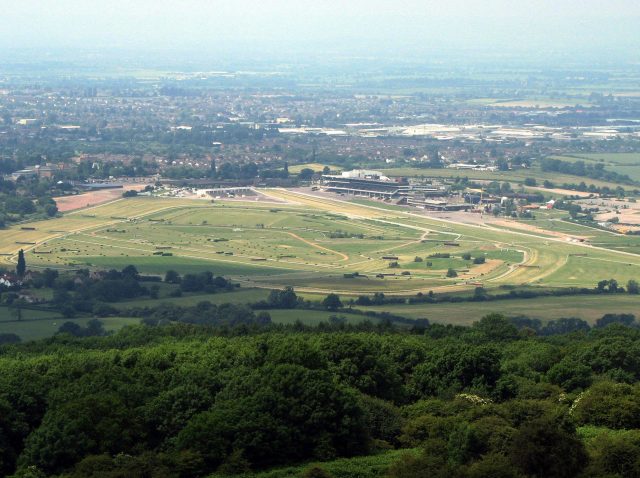
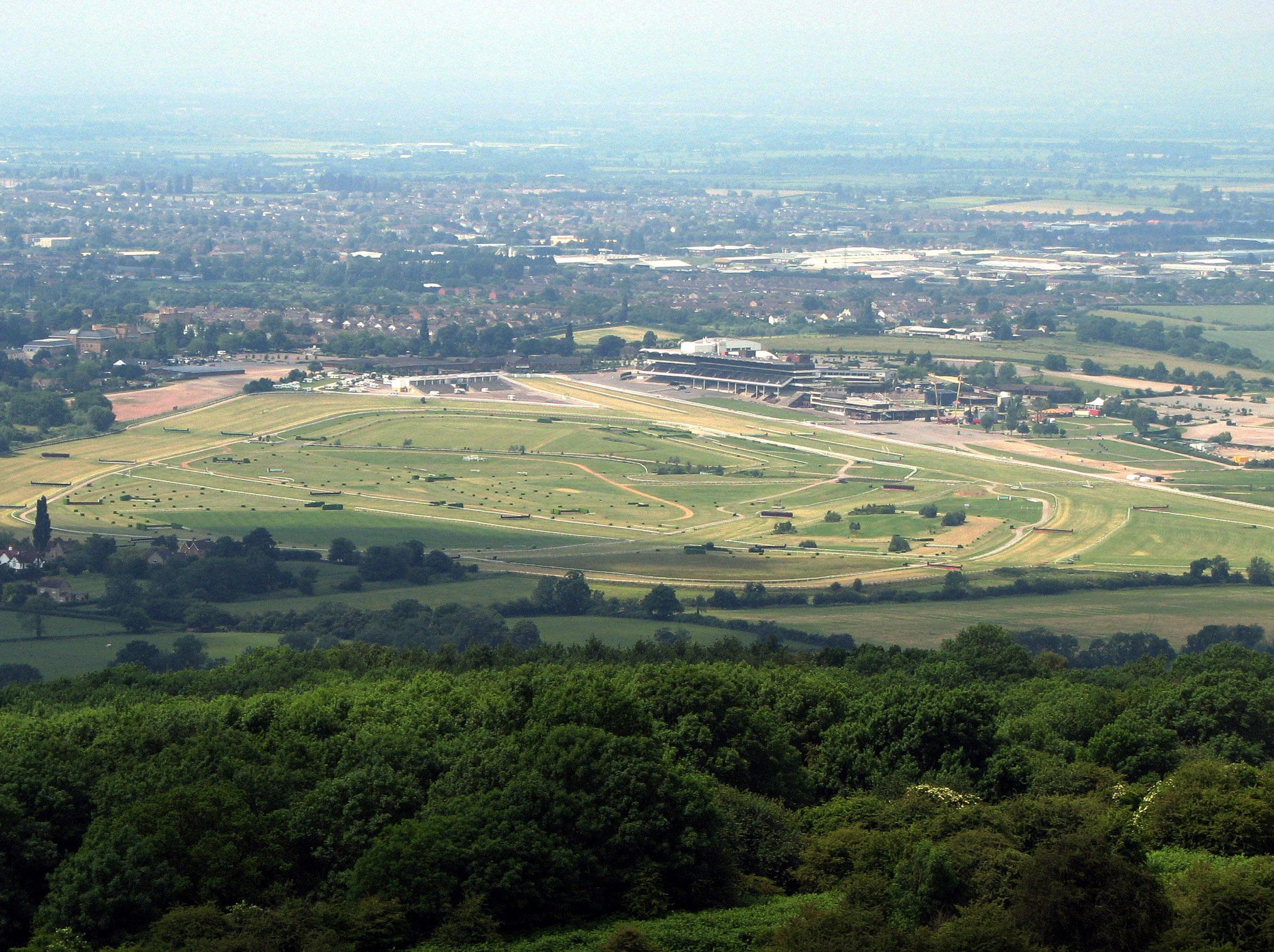
Cheltenham Racecourse, Cheltenham, England, taken from Cleeve Hill. The town of Cheltenham is seen beyond the racecourse. Photographed by Adrian Pingstone in June 2006 and placed in the public domain. Wikimedia Commons/CC.

Cheltenham Racecourse is widely regarded as the home of National Hunt Racing. While the Cheltenham Festival grabs most of the headlines, the season truly begins in earnest during the final months of the year. From October to December, Cheltenham hosts a series of prestigious meetings that shape the storylines, establish early-season form, and highlight the trainers, jockeys, and horses destined to make waves later in the campaign.
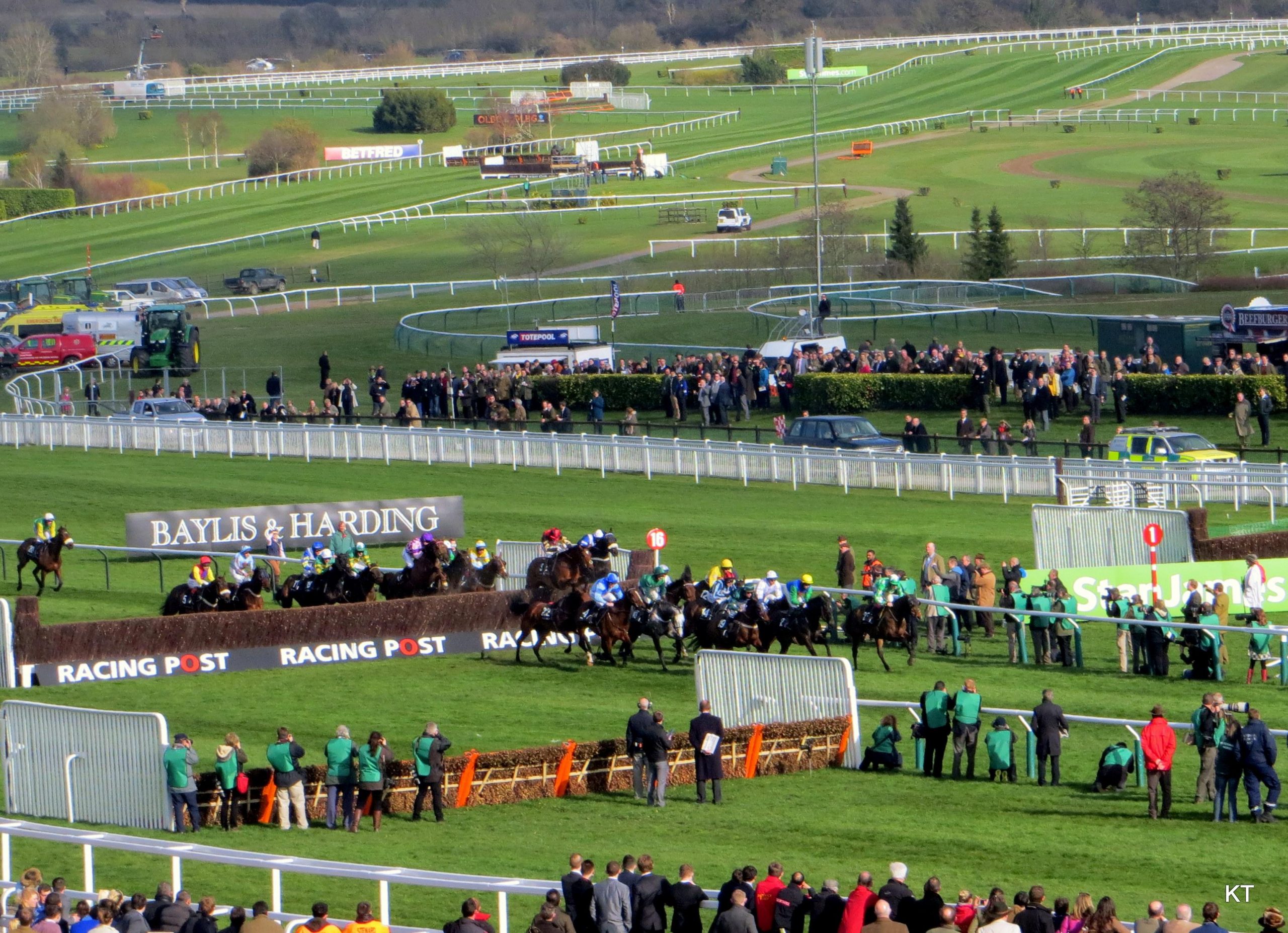
The October Showcase – The Season Opener

The excitement begins with The Showcase, held in late October. This two-day meeting marks Cheltenham’s first action of the season and gives fans an early look at returning Festival heroes and up-and-coming stars. The races are competitive, with many runners having their first outings after the summer break, and trainers use the event to test their horses’ fitness ahead of bigger targets.

Key contests include valuable handicap hurdles and chases, often used as stepping stones toward bigger Grade 1 events. For fans, it’s the first chance to feel the unique Chelsea atmosphere that will build steadily towards March.

November Meeting – A Three-Day Spectacle

The November Meeting, formerly known as the Open Meeting, is one of Cheltenham’s marquee events before Christmas. Spread across three days, it features races that attract top-quality fields and provide early clues for Festival betting.
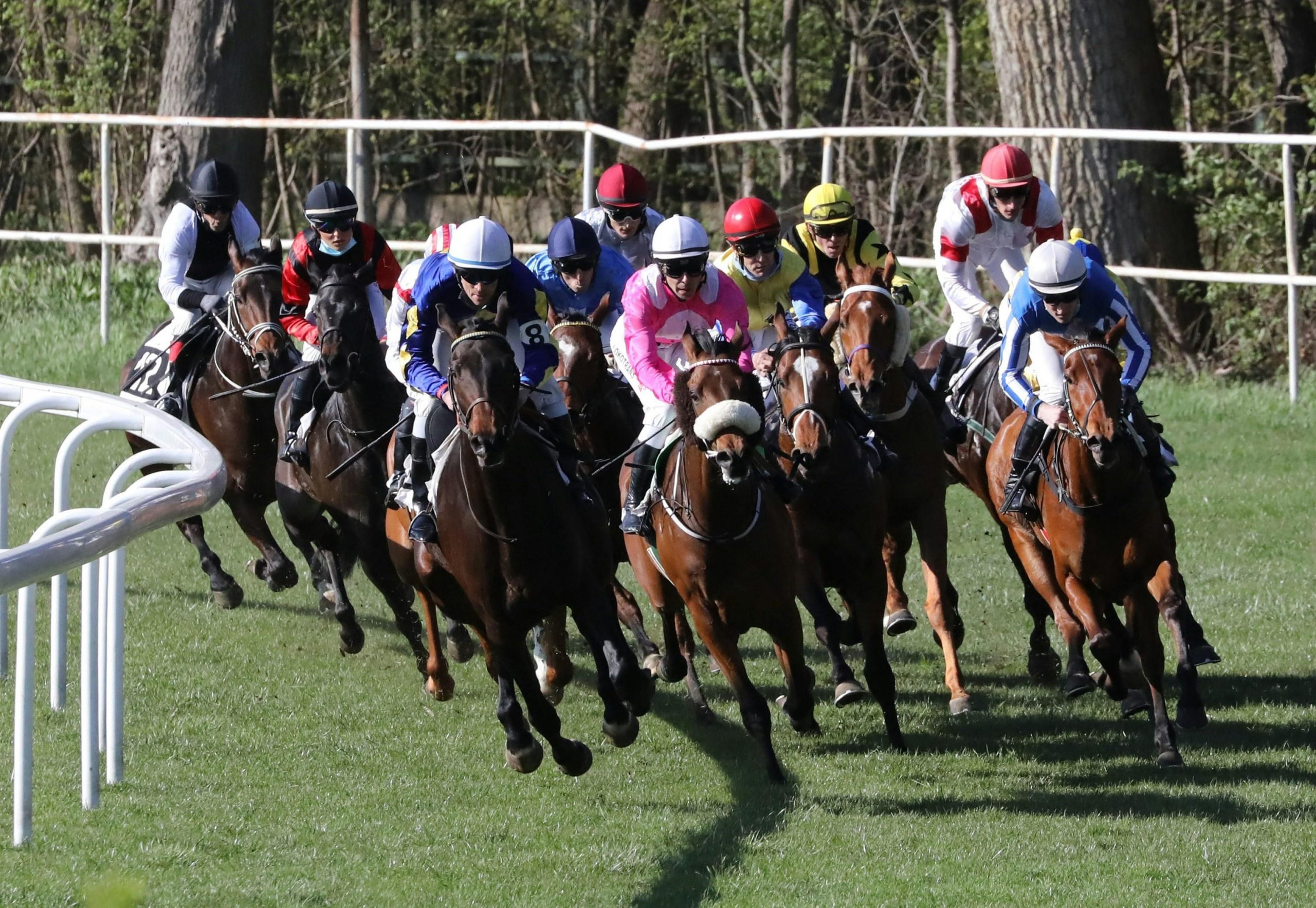
The highlight is the Gold Cup, a fiercely competitive handicap chase that often produces future Festival winners. The Greatwood Hurdle, run on the Sunday, is another standout race, showcasing speedy hurdlers who can go on to compete at the highest level.

For trainers like Paul Nicholls, Nicky Henderson, and Dan Skelton, the November meeting is an opportunity to lay down a marker. Jockeys such as Harry Cobden and Harry Skelton will aim to make their presence felt, with big wins here boosting confidence.

The December Gold Cup and Christmas Meeting

As December arrives, the quality continues with the Christmas Meeting. This two-day fixture is headlines with the December Gold Cup, another fiercely competitive handicap chase run over the same course and distance as the previous month’s Gold Cup. Horses that ran well in November often return for another crack, making it an intriguing contest for all involved.

Another highlight is the International Hurdle, a key trial for the Champion Hurdle at the Festival. Over the years, this race has produced stars that have gone on to bigger and better things.

Handicap chase. Photo by Carine06 from UK. Wikimedia Commons/CC.

Trainers, Jockeys, and Storylines

Between October and December, Cheltenham provides a stage for some of the sport’s biggest names to begin shaping their seasons. Trainers carefully plot campaigns, often bringing horses back at these meetings to test their form against quality opposition. Jockeys also know the importance of riding winners here, as it builds momentum and trust heading into the Festival.

This period is also a chance for fans and horse racing betting enthusiasts to take note of form, track performance, stable strength and more, all of which can influence proceedings for the months ahead.

Why It Matters

While the Cheltenham Festival may be the pinnacle, the groundwork is laid well before. The October to December meetings offer excitement in their own right, with competitive races, early-season storylines, and the chance to see stars emerge. They set the tone for the National Hunt season, reminding everyone that Cheltenham isn’t just about four days in the Spring.

When Horses Outsmart the Odds: Favorite Upsets of 2025 So Far

Eduard Labár/Unsplash/CC

The first half of 2025 has served up more than a few surprises on the track. Fan favorites stumbled, long shots triumphed, and the sport’s unpredictability proved again it’s the ultimate game of chance and strategy.

From big-name stumbles to longshots stealing the spotlight, we’ve rounded up the most jaw-dropping turnarounds from 2025, each one proving why racing never plays it safe.

1. Sovereignty Caps It All in Belmont

No horse had seemed more in control than Journalism, chalked up as the favorite throughout Triple Crown season. Yet, Sovereignty, at 7–1, surged past him in the Kentucky Derby, pulling away down the stretch on a sloppy Churchill Downs track.

The real signature moment came in the Belmont Stakes. With Journalism again installed as the favorite at 2-1, Sovereignty defied expectations still, this time winning by three lengths. That kind of consistency, upsetting favorites not once, but twice, is as rare as it is remarkable.

For fans following these shifts in momentum and race-day surprises, platforms like FanDuel Racing make it easy to stay updated on major racecards, daily entries, and odds swings across top tracks.

2. Hit Show Derails Dubai

Dubai’s richest race, the World Cup, is often predicted almost to the wire, but not this year. Hit Show, a U.S.-trained longshot, stormed past heavily backed favorites in the final stretch to win at staggering 41–1 odds.

More than just about beating the favorite, it was about rewriting the story when it mattered most. That late surge made it the most shocking upset of the race, dominating international headlines.

Hit Show trailed early, making his closing speed even more impressive against a tired field. His win also snapped a streak of heavily favored winners at Meydan, shaking up future betting strategies.

3. Nick Rockett’s Grand National Charge at 33–1

History rarely smiles on amateurs in the Grand National. Yet Nick Rockett, piloted by amateur jockey Patrick Mullins, took home victory at 33–1, a rare and thrilling win.

Beyond the odds, consider the technical cliff of stamina and jumps needed over four miles. The conditions were heavy, the field deep, and the pressure intense. To conquer it all, as an outsider tells you, this wasn’t luck, but instead grit and timing on a monumental day.

4. Golden Ace’s 25–1 Triumph at Cheltenham

The Champion Hurdle at Cheltenham is a crown jewel event. With Constitution Hill and State Man as co-favorites, few expected Golden Ace to take the lead, yet he did, and by a staggering nine lengths.

At 25–1, this was less a shock than a statement of fact. When two top picks fall and an underdog runs clean, it shows just how railway-like jumping races can be. Observers now pay more attention to form beyond just favorites.

What made Golden Ace’s win more compelling was his clean travel and efficient jumping. The horse was mistake-free and steady from start to finish. The heavy going tripped up others, but he handled the course like he had run it a dozen times.

5. Desert Flower Upsets at the 1000 Guineas

Headlines often hail the 1000 Guineas, but the spotlight stayed on Desert Flower, the even-money favorite, who pulled off a decisive surprise at Newmarket. Leading gate to wire in a fashion usually reserved for less-favored fillies, she won and dominated.

The margin slipped later in the Oaks, but that Guineas win remains a win measured both in form and impact, redefining her place in the division.

6. Cercene’s 33–1 Shock at the Coronation Stakes

At the 2025 Royal Ascot, Cercene stunned the field in the Group 1 Coronation Stakes with a powerful late charge, winning at 33–1 odds. Trained by Joseph Murphy and ridden by Gary Carroll, the filly overtook the heavy favorite Zarigana in the final stretch.

The upset came in a stacked field of top milers and marked one of the biggest surprises of the meet. Cercene’s composed tracking and well-timed move proved that even on racing’s grandest stages, longshots can still rewrite the script.

7. Poniros Shocks at Cheltenham Triumph Hurdle

In a stunning turn of events at the 2025 Cheltenham Festival, Poniros soared past all expectations with a jaw-dropping triumph in the Triumph Hurdle. Carrying odds of 100–1, this Willie Mullins-trained runner stunned the crowd by jumping clear of the field, and became the longest-shot ever to win that race.

Trained by Willie Mullins and ridden by Jonjo O’Neill Jr., the gelding tracked the leaders before launching a late surge that left the field behind. It was a flawless execution on the biggest stage, unexpected yet perfectly timed.

Upset Season Isn’t Over Yet

So far, 2025 has given us a masterclass in unpredictability, from dirt tracks to jumps, short odds to huge longshots. And that’s exactly where the sport thrives. What this year has shown is simple. That is to never sleep on the mid-level or ignored entries. Pre-race buzz didn’t follow these horses, but their performance left no doubt when it was time to run.

How to Get Better at Horse Race Betting

Horse race betting blends strategy, instinct, and luck for a thrilling experience. Developing your betting skills will transform your casual betting into a strategic betting system that works for both beginners and experienced bettors. The key to success in betting lies in preparation and discipline, together with attention to detail, regardless of whether you bet at the track or online. Following these tips will help you improve your betting strategy to choose more winning horses.

Study the Form Guide Like a Pro

The form guide is your key to smart betting. It shows a horse’s past performances and helps you understand its strengths, weaknesses, and consistency. Check recent races, track conditions, and distances because horses often do better on certain surfaces like turf or dirt. Also, pay attention to the jockeys and trainers; their history can tell you how ready the horse is. For example, a horse that regularly finishes well in similar races is usually a safer bet than one with unpredictable results. Take time to learn the numbers and abbreviations in the guide, as it might seem complicated, but it’s full of useful information. Online sites with detailed racing stats can help you practice without sorting through paper programs at the track.

Understand the Odds and Value

Odds reflect both a horse’s perceived chance of winning and the betting public’s sentiment. But don’t just chase the favorite—look for value. A horse at 5-1 odds with a solid chance of winning might offer better returns than a 2-1 favorite overhyped by the crowd. To spot value, compare the odds to your own assessment of a horse’s form and conditions. If you believe a horse has a stronger shot than its odds suggest, that’s where the smart money goes. Learning to bet on horses with a focus on value rather than popularity demands patience, but can lead to bigger payouts over time. Horse betting expert Gavin Beech has highlighted several websites that offer the best odds available, which can help you get more money for your bets. 

Master the Art of Bankroll Management

No matter how sharp your instincts may be, poor money management can cause a dip in your betting. Set a budget for each race day and stick to it. A common strategy is the unit system: decide on a small percentage of your bankroll, like 1-2%, as your standard bet size. This keeps you in the game longer and cushions against losing streaks. Avoid the temptation to chase losses with bigger bets; it’s a fast track to an empty wallet. Discipline here separates casual punters from those who bet with purpose.

Factor in Track Conditions and Weather

Horses aren’t immune to the weather. A muddy track or a hot day can really change how they perform. Some horses do well in wet conditions, while others struggle. Check the weather forecast and compare it with how a horse has done on similar tracks before. For instance, a horse that usually finishes strong on soft ground could be a surprise contender on a rainy day. Trainers often get horses ready for certain conditions, so looking into their habits can give you an advantage. Many apps and racing websites offer real-time track updates, so use those to stay informed.

Learn the Different Bet Types

Betting isn’t just about choosing the winner. There are different types of bets, like exactas (picking the first two finishers in order), trifectas (first three), and place bets (finishing in the top two or three, depending on the race). Each type comes with its own risks and rewards. Beginners usually start with simple win or place bets, but trying exotic bets like a quinella (top two finishers in any order) can make things more exciting. Every bet type needs a different approach, so it’s important to learn how they work and pick the ones that match your confidence in the race. The more you know about your options, the better you can adjust your bets to get the best returns.

Watch and Learn from the Races

Nothing beats watching races to hone your betting instincts. Observe how horses break from the gate, handle turns, or surge in the final stretch. Live races, replays, or even streaming platforms let you study patterns that numbers alone can’t reveal. Notice how certain jockeys position their horses or how a horse reacts under pressure. Over time, you’ll develop a feel for which horses look strong and which might be overhyped. Pair this with your form guide research, and you’ll start spotting opportunities others miss.

Stay Disciplined and Keep Learning

Betting success doesn’t come overnight. Track your bets, wins, and losses to identify what works and what doesn’t. Join online forums or follow racing tipsters to pick up new perspectives, but always verify their advice against your own research. The racing world is full of variables, and even the best bettors hit cold streaks. Stay patient, refine your process, and treat every race as a chance to learn. With time, your ability to spot patterns and make calculated bets will grow sharper.


If you have a gambling problem, or know someone who does, you can find national gambling addiction hotlines and state resources for gambling hotlines here.