DeAnn Sloan
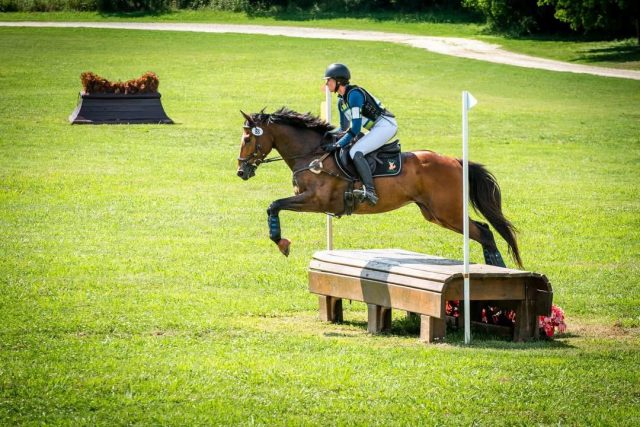
Fitness Training a Must for Event Horses, Presented by Kentucky Performance Products
And let’s be real. Fitness training is a must for any performance horse. Read on for more. (more…)
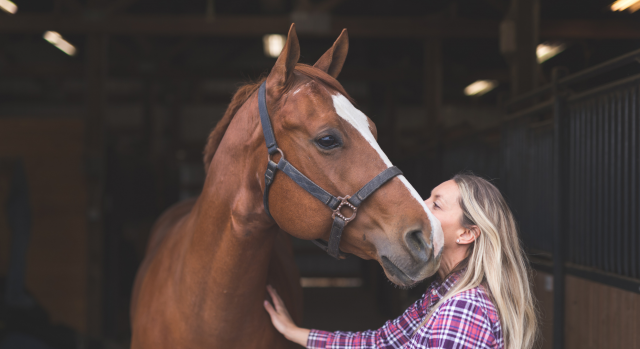
Women’s History Month: The Rise of the Amateur Female Competitor
Full-time job, part-time rider, full-time commitment
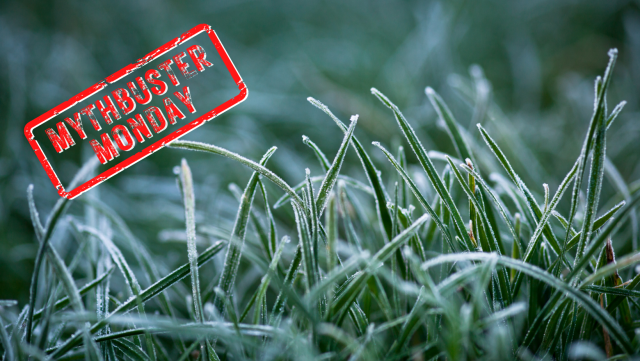
Mythbuster Monday: Horses Should Be Dewormed After the Final Frost of Spring
On Mythbuster Monday, we tackle a variety of equestrian myths to either bust or confirm. Today’s discussion: Horses should be dewormed after the final frost of spring and after the first hard frost in the fall.
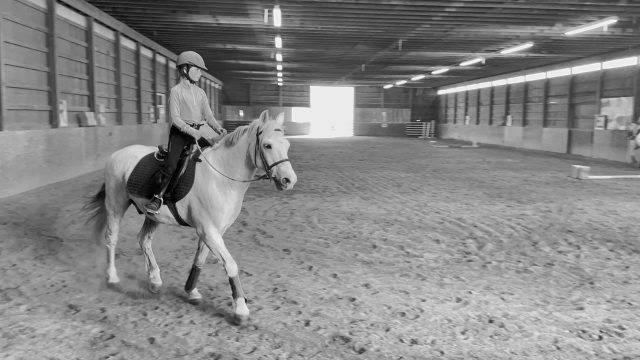
The Horses Who Taught Us: What We Owe Our Lesson Horses
The quiet backbone of riding programs everywhere, lesson horses spend their lives teaching others. The least we can do is make sure their final chapters are written with dignity. (more…)
Friday the 13th at the Barn: 9 Horse Superstitions That Might (or Might Not) Doom Your Ride
From renaming horses to wearing the wrong color at a show, the horse world has its fair share of superstitions. In honor of Friday the 13th, let’s take a look at the barn beliefs that supposedly bring bad luck (whether we believe them or not). (more…)
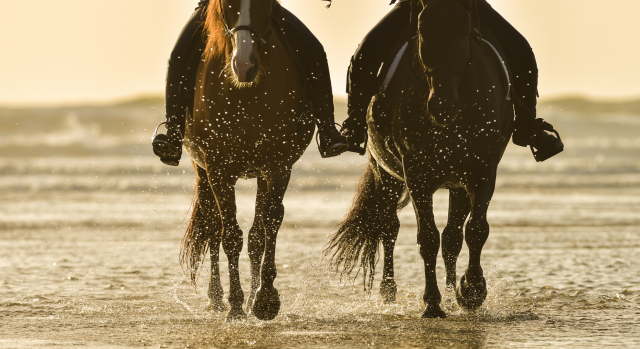
Bone Density and Conditioning, From Kentucky Performance Products
Why gradual conditioning, consistent exercise, and balanced nutrition are essential for supporting bone remodeling and preventing skeletal injuries in horses. (more…)
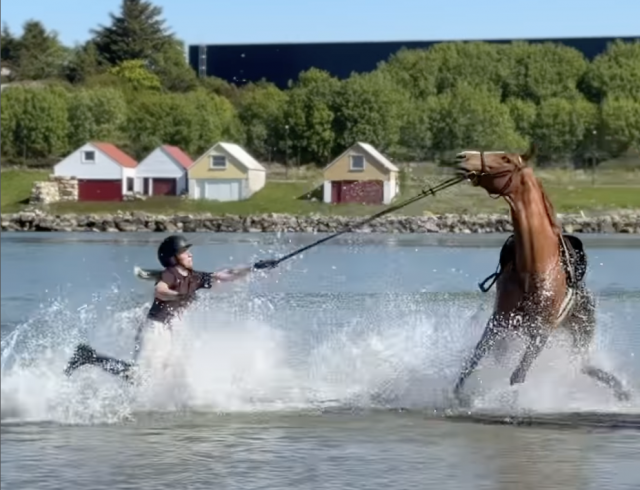
‘Oh Crap’ Monday: Sorry for the Late Reply…
… I was wrestling a dragon. (more…)

Victory/Eastern Hay Claims 2026 USPA Women’s Polo Open Title in Thrilling NPC Finale
World-class talent, powerhouse 10-goalers, and a packed Stadium Field #1 set the stage for one of the most competitive championships in recent memory.
Knowing When It’s Time: Letting Our Horses Go
Loving a horse sometimes means making the hardest decision of all: choosing peace over prolonging pain. (more…)
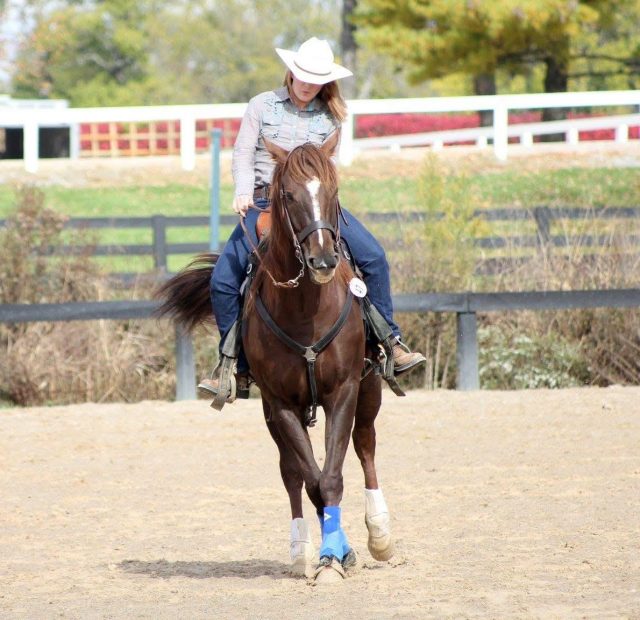
Let’s Discuss: Experience vs. “Experience” & Why Years in the Saddle Don’t Always Equal Horsemanship
Years in the saddle may build confidence, but true horsemanship is measured in feel, observation, and the ability to read the horse in front of you (not the one you used to ride). (more…)
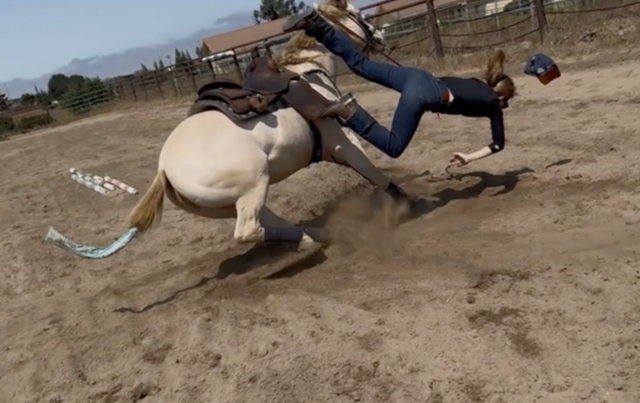
‘Oh Crap’ Monday: Going for a Spin
Monday already is the crappiest day of the week, so it only makes sense that we make things official. Here’s our latest “oh crap” moment.
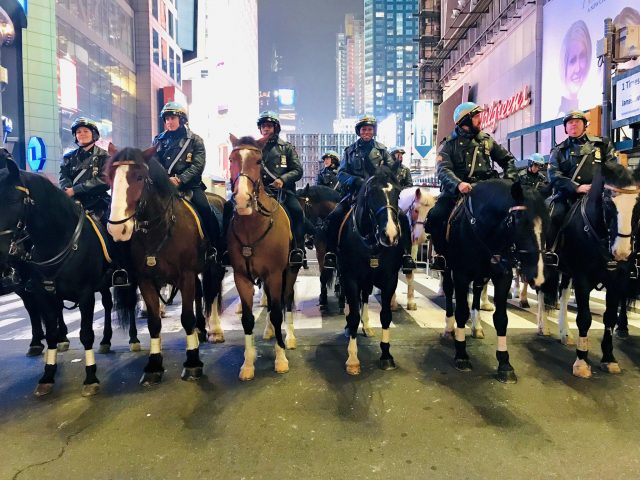
From the Frontier to the City Streets: How Buffalo Soldier Horsemanship Lives On in Modern Mounted Units
From frontier cavalry to city streets and ceremonial ranks, the horsemanship standards of the Buffalo Soldiers still shape modern mounted policing and military tradition. (more…)
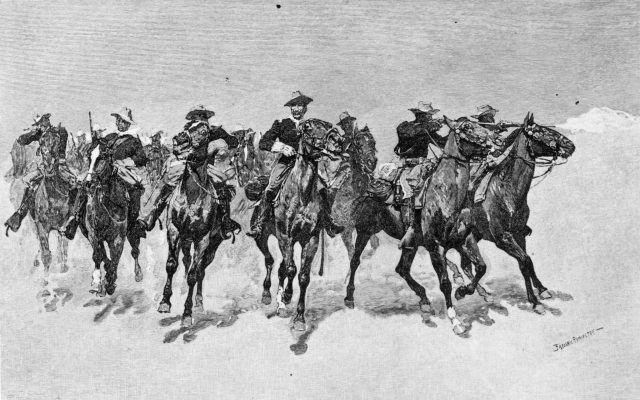
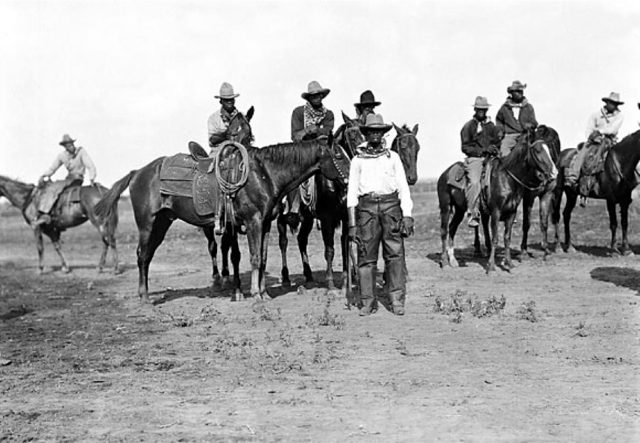
The Buffalo Soldiers and the American Horse
In honor of Black History Month, we look at the 9th and 10th Cavalry Regiments — the Buffalo Soldiers whose discipline, horsemanship, and service helped shape American military history and the legacy of the American horse.

The Year of the Horse Is Here (And Brands Are Galloping to Cash In)
From luxury watches to mahjong sets, tequila bottles to tote bags, the 2026 Lunar New Year is basically the Super Bowl of horse-themed shopping. Horse friends, this is your time to shine. (more…)
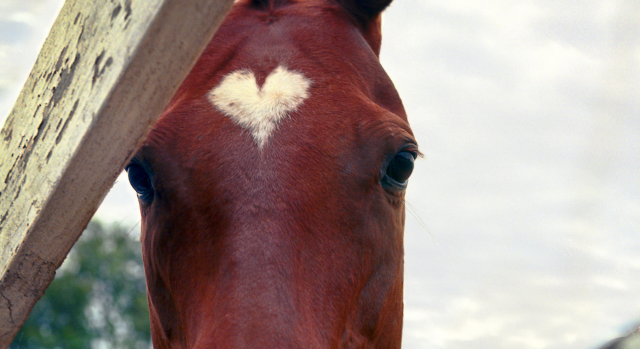
8 Signs Your Horse Is Your Real Valentine
A humorous (and painfully accurate) look at why your 1,200-pound soulmate has claimed the title of “real Valentine” (and why most horse lovers wouldn’t have it any other way).
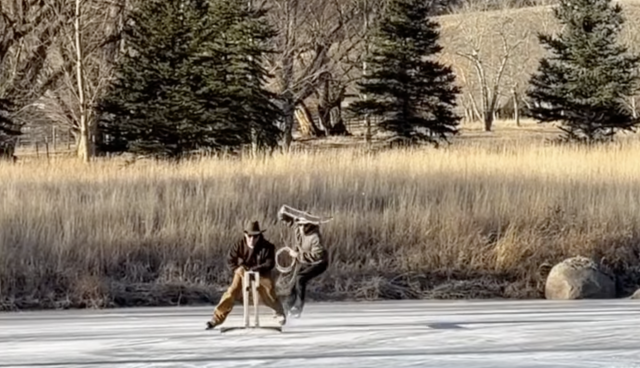
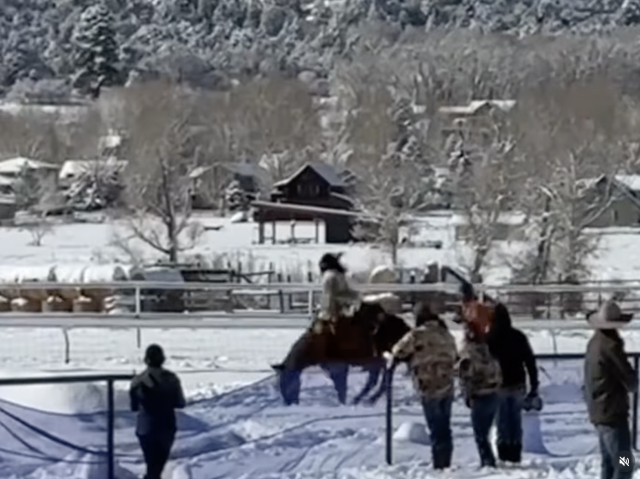
Thursday Video: Making the Most of the Weather
Team roping + ice skating? Sure. Why not? (more…)
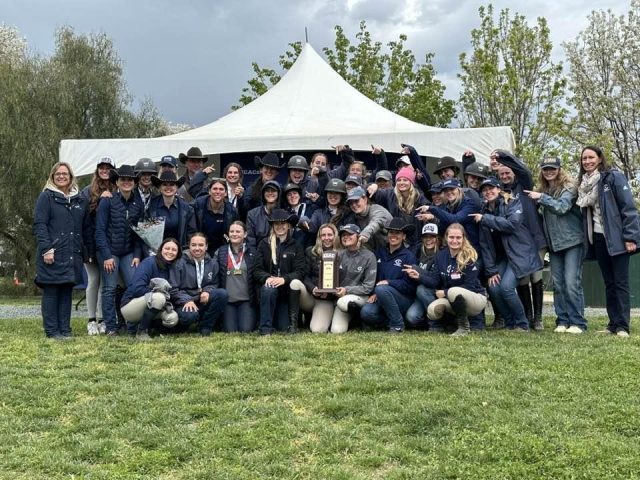
Eight Years, Two Titles, One Decision: UC Davis Equestrian’s Fight Isn’t Over
A mid-season announcement, a federal lawsuit, and growing fears that the loss of one Division I program could trigger a ripple effect across collegiate equestrian. (more…)
The Year of the Horse: Lunar New Year Explained
Lunar New Year 2026 begins on February 17th. And this is our year! It’s the Year of the Horse. But what does that actually mean? (more…)
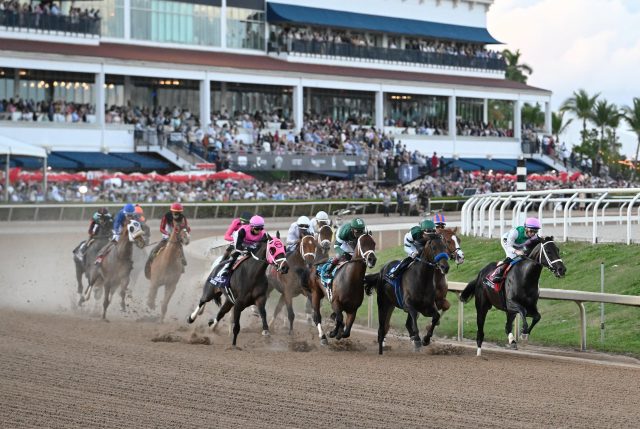
A Weekend to Remember: Eclipse Awards and Pegasus World Cup Deliver High Stakes in South Florida
From black-tie honors at The Breakers to dramatic finishes at Gulfstream Park, Thoroughbred racing’s biggest stars took center stage. (more…)
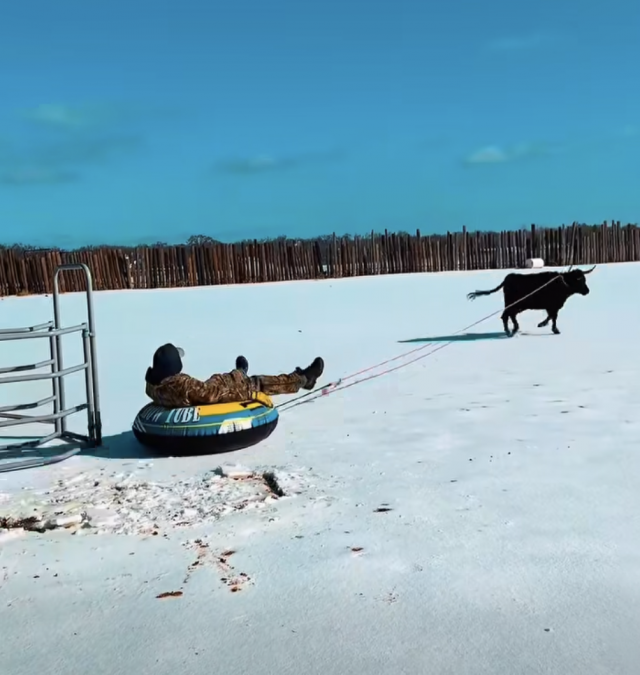
Thursday Video: Snow Day Fun…
East Texas style. (more…)
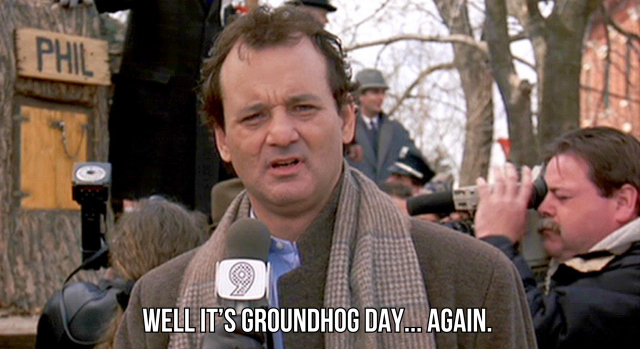
Groundhog Day at the Barn: Six More Weeks of Winter, Six More Weeks of This
Punxsutawney Phil says six more weeks of winter, but horse owners already knew—because we’ve been reliving the same frozen barn routine on repeat since December.