#series
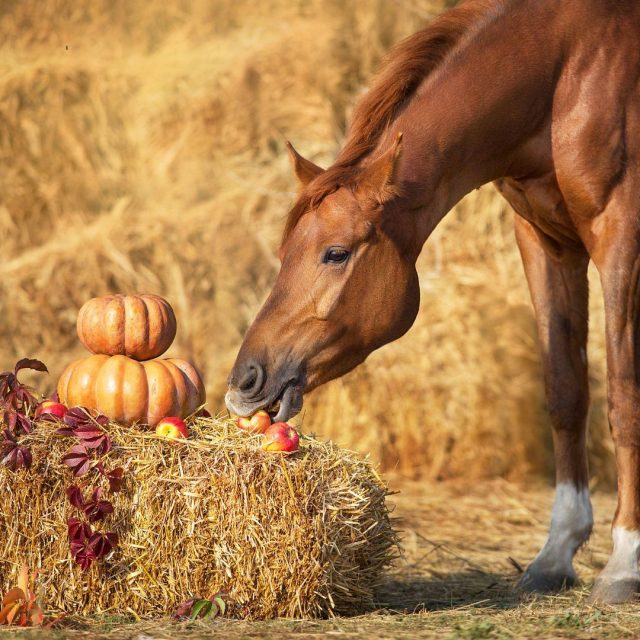
Ask AI Equestrian Edition: The Sassy Mare Thanksgiving Parade
We’re back at it! Asking AI to create humorous equestrian-related content we call all laugh at. This time, we’ve decided to ask AI to allow mares to design a Thanksgiving parade.
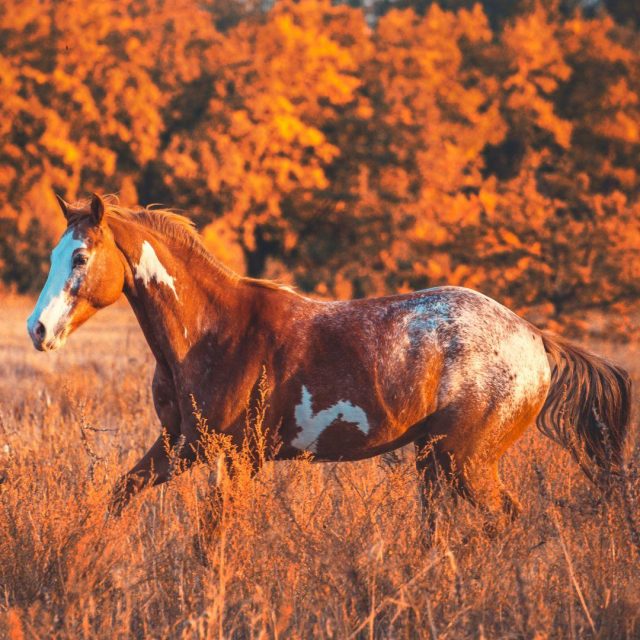
Ask AI Equestrian Edition: The Great Thanksgiving Gelding Parade
We’re back at it! Asking AI to create humorous equestrian-related content we call all laugh at. This time, we’ve decided to ask AI to allow geldings to design a Thanksgiving parade.

Thoroughbred Logic, Presented by Kentucky Performance Products: People My Thoroughbreds Are Thankful For
Horses may not think in thank-you notes, but if they did, this list would be their holiday card. (more…)
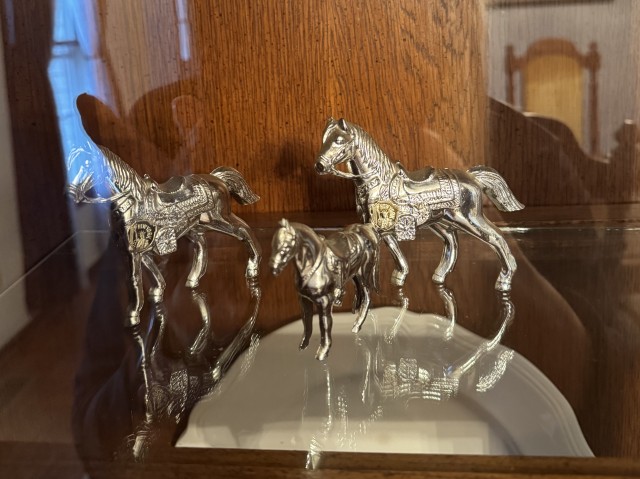
I Spy Horses: My Friend McKenzie’s
During my adventures and travels I always take photos of the horse-related items I see along the way. Enjoy these photos of horse-related pieces spotted at my friend McKenzie’s house while we were enjoying Friendsgiving.
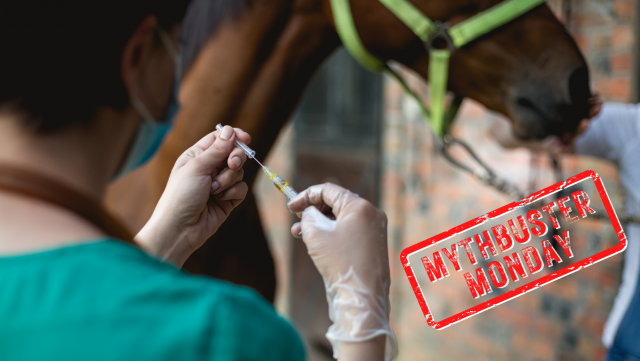
Mythbuster Monday: Vaccination Fully Protects Against Neuro EHV-1
On Mythbuster Monday, we tackle a variety of equestrian myths to either bust or confirm. Today’s discussion: Can a horse get the neurological form of EHV-1 if it’s vaccinated?
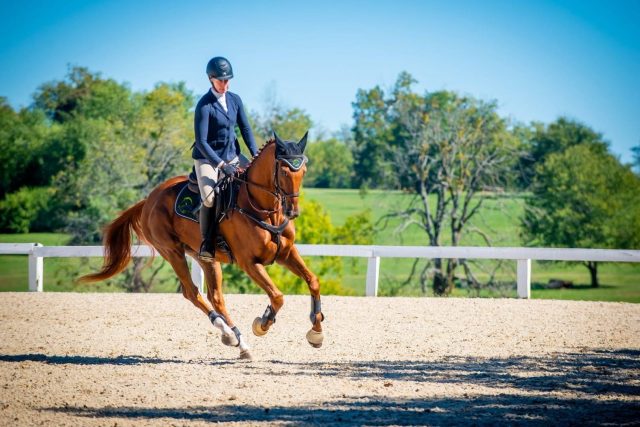
Thoroughbred Logic: Aboard a Dragon? Ride Into the Bend
Presented by Kentucky Performance Products. (more…)
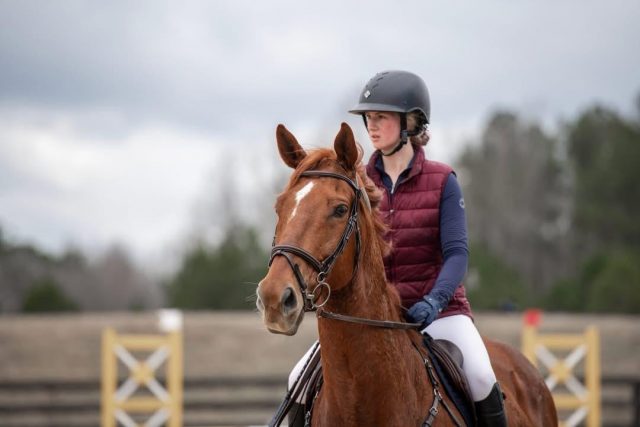
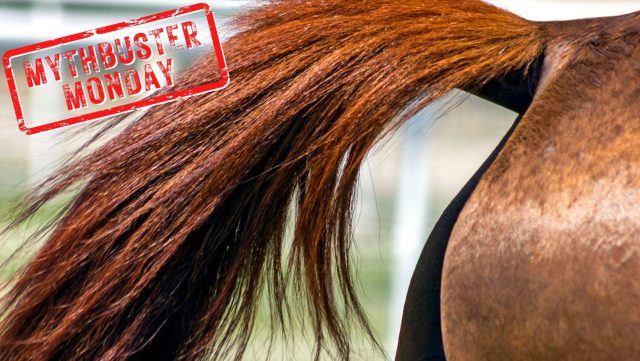
Mythbuster Monday: A Horse’s Tail Positioning Indicates Its Mood
On Mythbuster Monday, we tackle a variety of equestrian myths to either bust or confirm. Today’s discussion: Does a horse’s tail positioning tell you their mood?
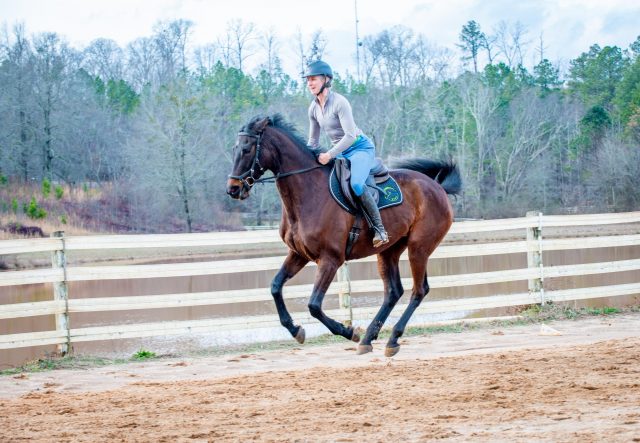
Thoroughbred Logic, Presented by Kentucky Performance Products: The “Survive-a-Ride”
“There’s no amount of reasoning with what is under you, because you can’t reason pain and fear and the eventual lack of self-perseveration that comes with it. But often, you can hunt down the cause, treat it and try again, this time with more data.”
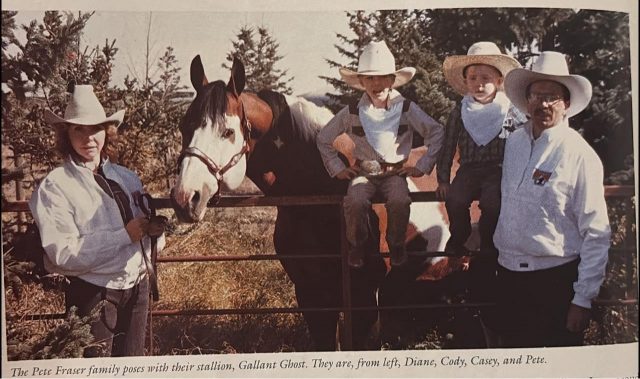
Holiday Horse Names: Halloween Paint Horses
Happy Halloween, Horse Nation.
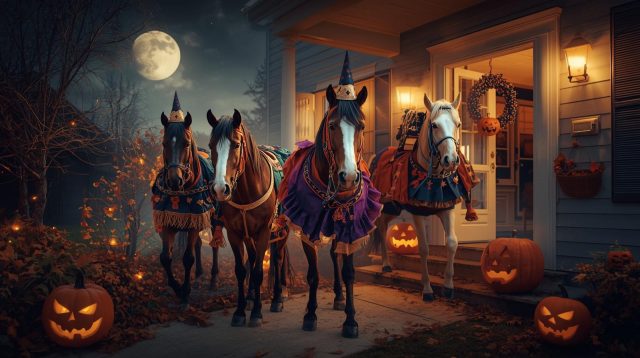
Ask AI Equestrian Edition: All Things Halloween
Halloween is here. But before we embark on the full festivities of the evening, we decided to see what AI could design in the way of Halloween.

Thoroughbred Logic, Presented by Kentucky Performance Products: Spooky Season Tricks
“I … have a couple of electric goobers who love the excuse of the crisp fall days and the start of the north wind to light up and let out. And as such, here are some basic tips to both manage the spooks and bucks and bolts.” (more…)
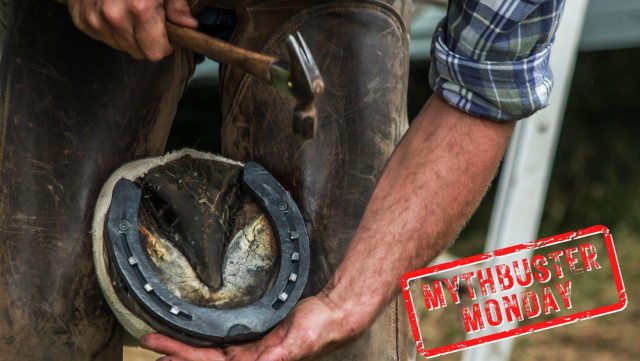
Mythbuster Monday: Shoes Make a Horse Faster
On Mythbuster Monday, we tackle a variety of equestrian myths to either bust or confirm. Today’s discussion: Do shoes make a horse faster?
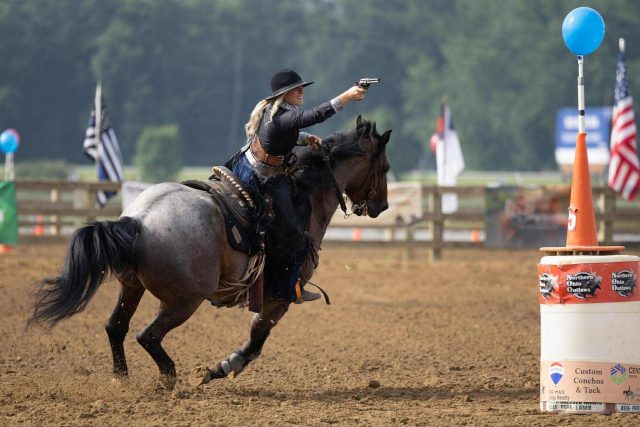
Improving Your Riding: Pushing the Threshold
“One of the biggest barriers many of us have when pushing our threshold is fear. Not fear of the horse, or fear of physical harm, but fear of being seen at our worst. Riders often hold back because they don’t want to look like they don’t know what they’re doing.”
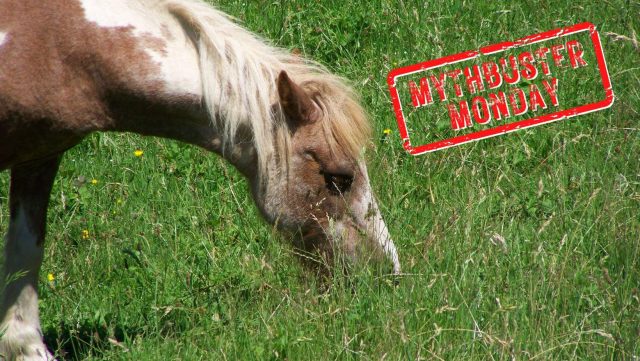
Mythbuster Monday: Pinned Ears Indicate Aggression
On Mythbuster Monday, we tackle a variety of equestrian myths to either bust or confirm. Today’s discussion: Does pinned ears only mean aggression?
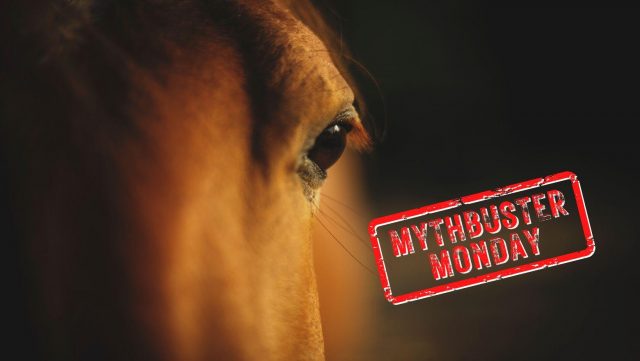
Mythbuster Monday: Horses See in Black and White
On Mythbuster Monday, we tackle a variety of equestrian myths to either bust or confirm. Today’s discussion: Do horses only see in black and white?
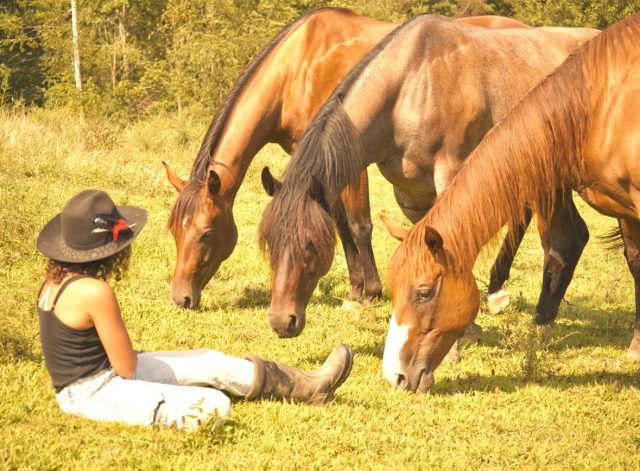
Triple Trouble: Routines With Horses
“As riders, trainers, and caretakers, our job isn’t to enforce our preferred style of management…We’re taught certain methods or we form habits that work well for one horse, and then we assume that same approach will work for every horse that comes into our barn. But horses will prove you wrong quickly.”
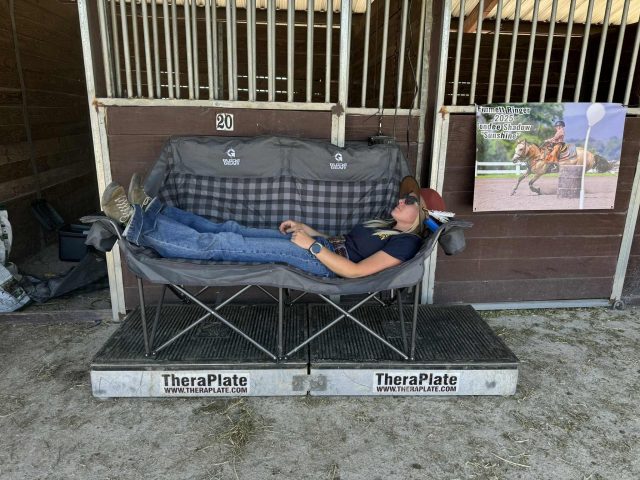
Improving Your Riding: Give Yourself Grace
“Here’s something not many equestrians will say out loud: some days, it just isn’t there…Sometimes it feels heavy, sometimes you feel off, and sometimes, you wonder if you’re even making progress at all. That doesn’t make you a bad rider, and you’re not alone in your thought process.”
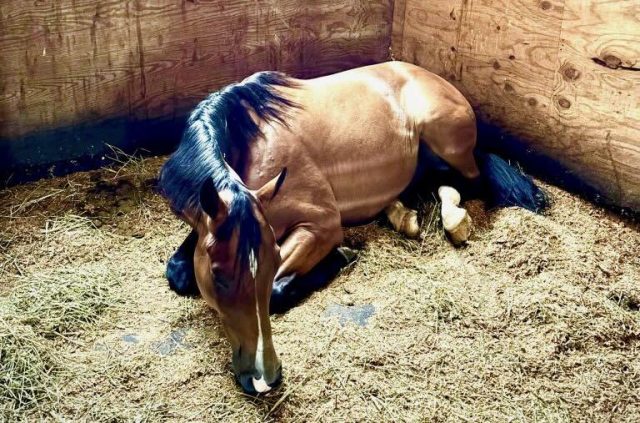
Thoroughbred Logic, Presented by Kentucky Performance Products: The Ability to Lie Down
“This one is so simple… If your horse feels good, they usually can get to the ground. If they’re sore or uncomfortable in their body they will do so less — or, frankly, almost not at all.” (more…)
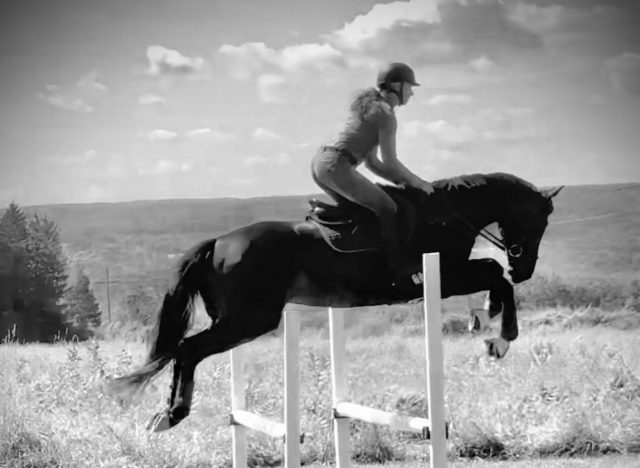
Thoroughbred Logic, Presented by Kentucky Performance Products: Dosage Profile and the Sport Horse
“Dosage tells us about the races these horses were bred to run. It sometimes tells us about the conformation needed to run those races well … But what dosage does not measure is heart and drive.”
Mythbuster Monday: Riding Will Build My Horse’s Topline
On Mythbuster Monday, we tackle a variety of equestrian myths to either bust or confirm. Today’s discussion: Riding build my horse’s topline.
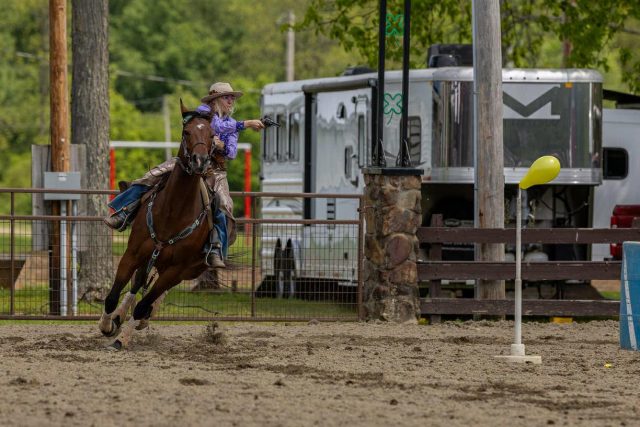
Triple Trouble: Hustle Beats Talent (But Sometimes It Doesn’t Feel Like It)
We’ve all heard the saying: “Hustle beats talent when talent doesn’t hustle.”… It makes us want to slide on our boots, tighten our cinch, and get out there. But, if I’m being 100% transparent, sometimes it feels like talent still just beats you.

Thoroughbred Logic, Presented by Kentucky Performance Products: Improving the Off Track Canter
“The turns are what make it harder, so aim for straight line canters and efficient down transitions — even if that means you only have a few strides of canter.” (more…)