



Mythbuster Monday: Pinned Ears Indicate Aggression
On Mythbuster Monday, we tackle a variety of equestrian myths to either bust or confirm. Today’s discussion: Does pinned ears only mean aggression?
It’s Mythbuster Monday, where Horse Nation dives into different equestrian myths and provides research-based evidence to either bust or confirm those myths. Today’s topic: Do pinned ears only mean aggression? Do the signal any other type of mood or emotion? How do we differentiate between meanings? Read on to find out!
Myth: Pinned ears always indicate aggression
Myth or Fact: Myth
A horse’s ears are constantly swiveling, flicking, and rotating to communicate what its feeling and where its attention is directed. Other than being a cute feature, those expressive ears are among the most telling indicators of a horse’s mood, focus, and intention. By observing subtle changes in ear position — whether they’re pricked forward in curiosity, angled back in concentration, or moving independently to track sounds — handlers and riders can gain valuable insight into what a horse is thinking and how it may react next. Learning to read these cues builds trust, improves timing, and creates a safer, more connected partnership.
But, do pinned ears always mean aggression?
Canva/CC
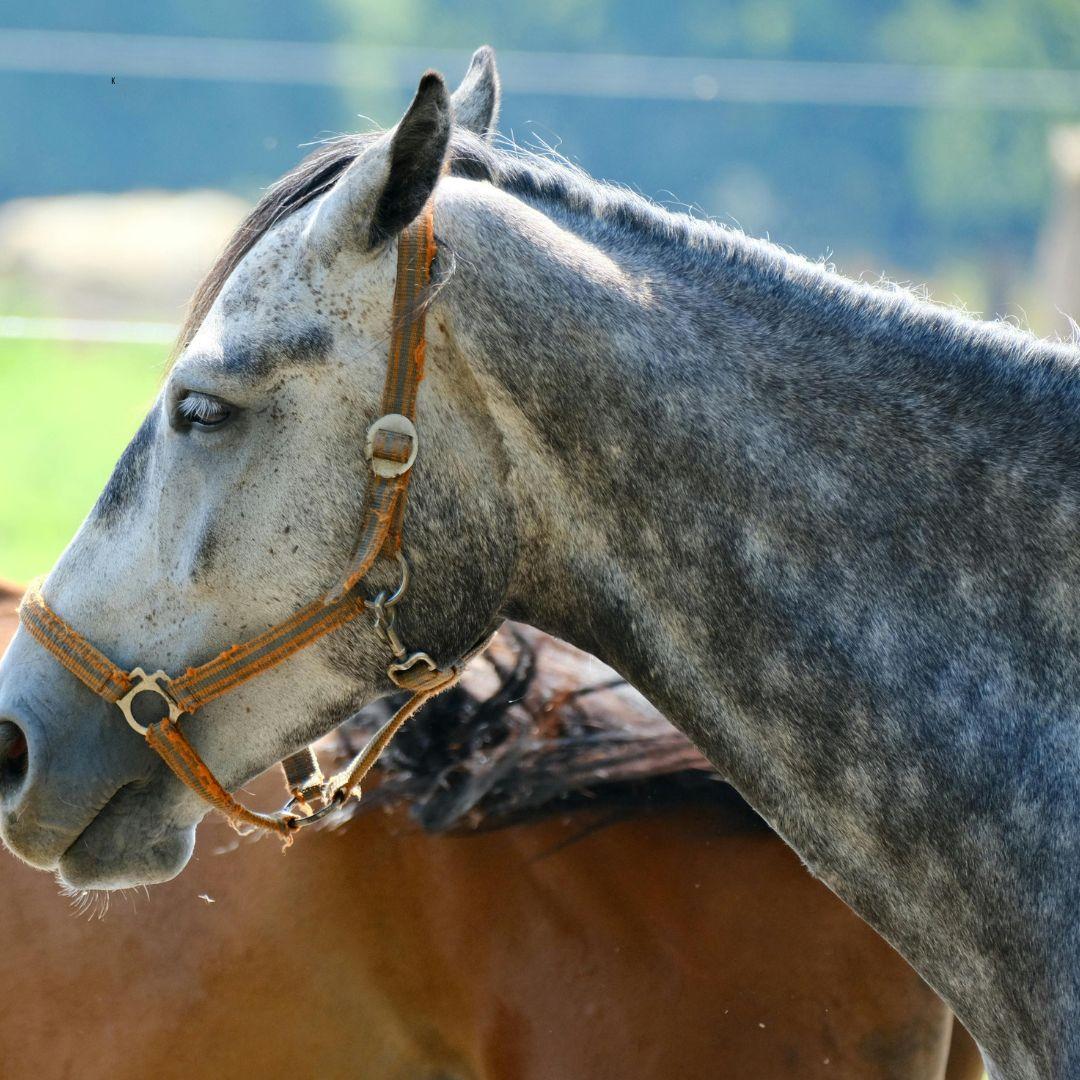
A peer-reviewed article by researchers at the University of Portsmouth used the Equine Facial Action Coding System (EquiFACS) and statistical network analysis to better understand how horses use facial expressions across different emotional and social contexts. The study found that while flattened or backward ears do appear during aggressive or antagonistic interactions, they are not exclusive to those situations. Horses also displayed similar ear positions in playful or non-aggressive contexts, depending on the combination of other facial and body cues present.
In the same study, aggressive encounters were characterized by flattened ears plus raised inner brows, dilated nostrils, lowered head, and other tension-related features. The co-occurrence of these expressions provided stronger evidence of conflict or threat than the ear position alone. Thus, the authors warn that you cannot rely on a single cue—like ear flattening—to conclude aggression; the pattern and intensity of multiple signals must be considered. This research highlights the complexity of equine communication and reinforces that understanding a horse’s behavior requires interpreting ear position as part of a larger, interconnected system of body language.
Canva/CC
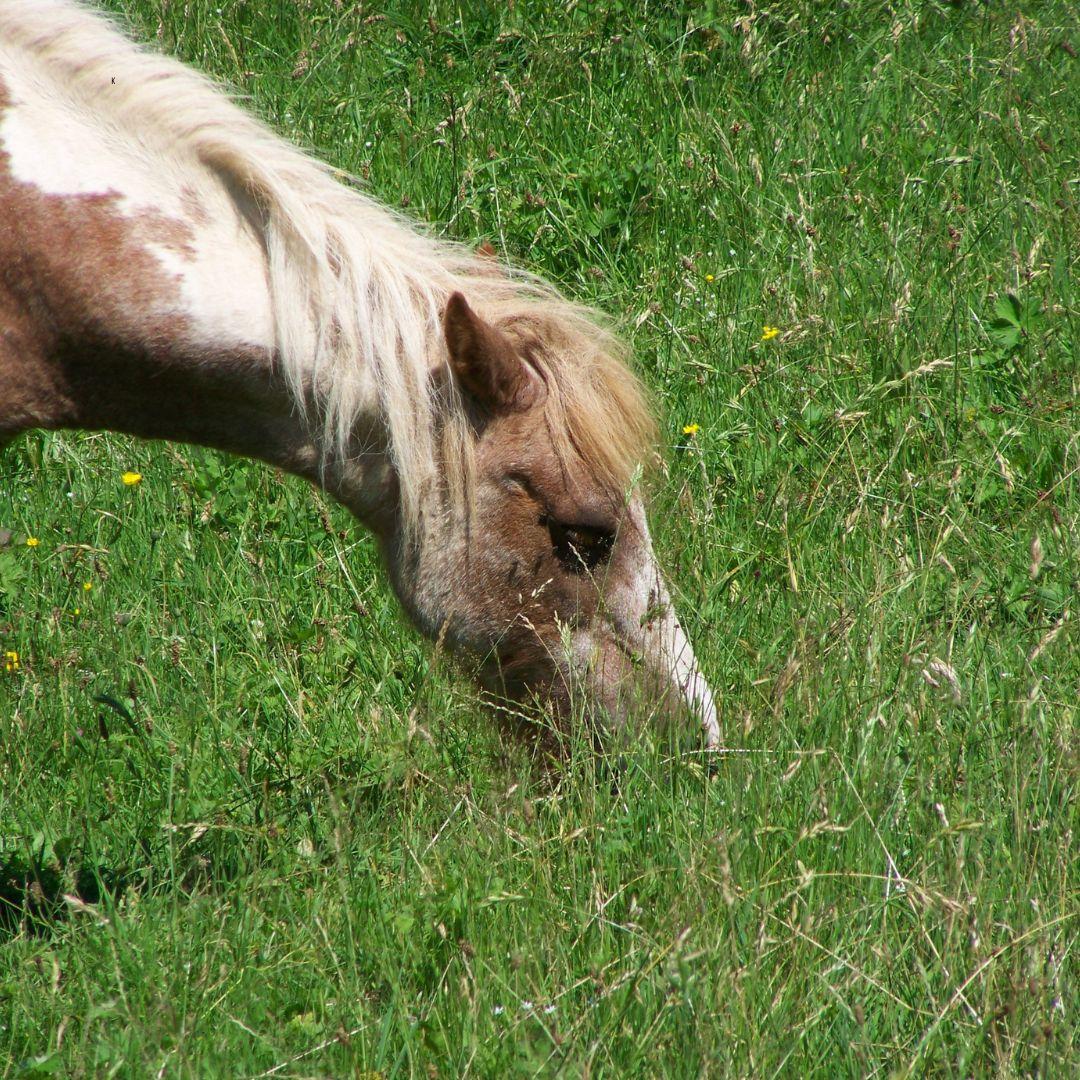
A study titled “Characterisation of Facial Expressions and Behaviours of Horses” published in PLOS ONE, used EquiFACS alongside network analysis to explore how horses express emotions during both positive and negative anticipation. The researchers found that ears directed backward or flattened were more common in negative anticipation contexts, yet these movements always occurred in combination with other facial and behavioral cues such as nostril tension or movement. Importantly, this ear position did not necessarily indicate aggression. Instead, it reflected emotional states such as tension, uncertainty, or discomfort. The findings support the idea that ear flattening can signal a range of negative emotions beyond aggression and must be interpreted within the broader context of the horse’s overall expression and situation.
Canva/CC
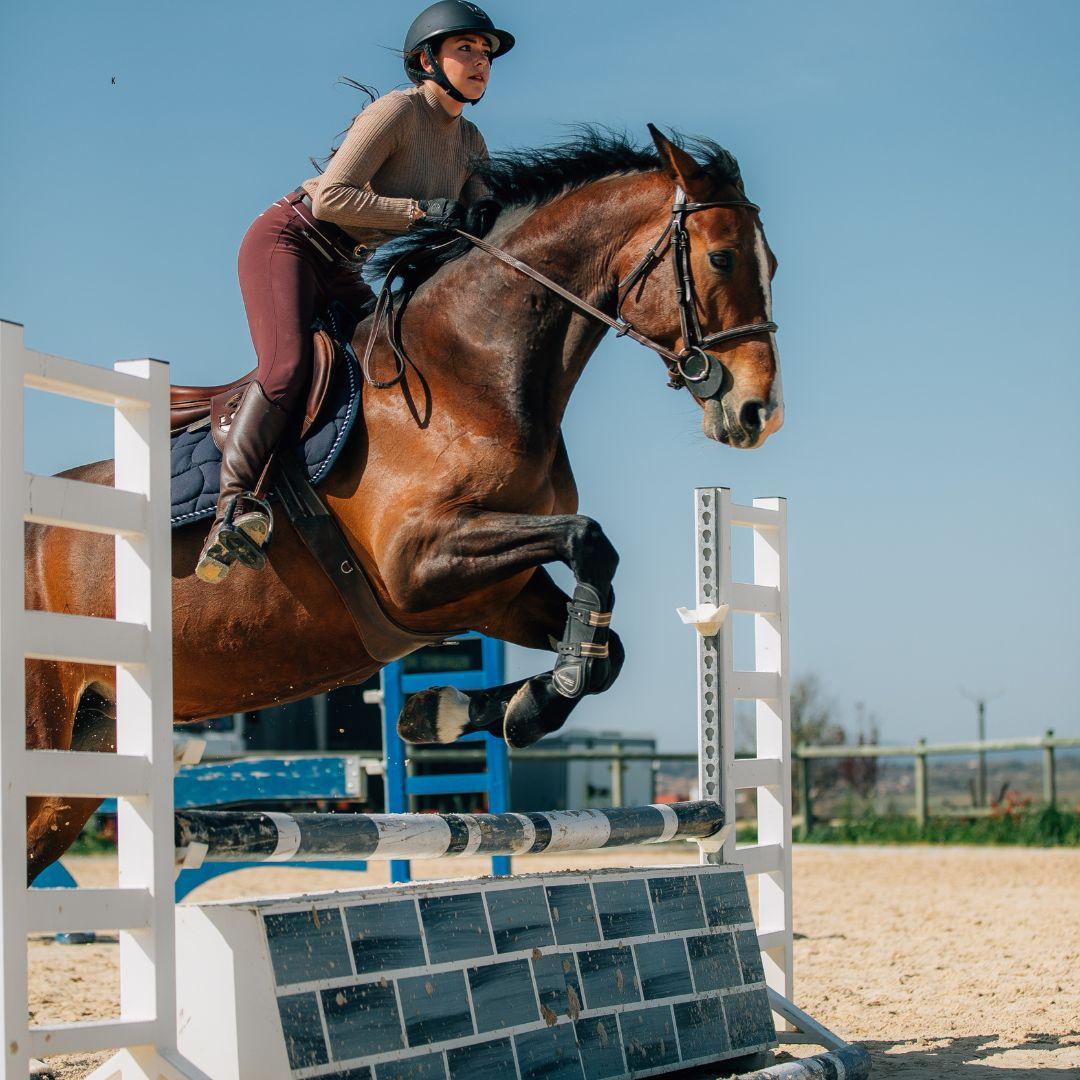
An article from My New Horse titled “What Does it Mean When a Horse Pins its Ears?” by Lauren Fraser, MSc, FFCP, explains that pinned ears should be viewed as a signal, not a diagnosis. The author emphasizes the importance of interpreting ear position within the full context of the horse’s body language, considering factors such as muscle tension, nostril shape, eye wrinkles, and overall posture. Fraser notes that ear flattening can serve several purposes beyond aggression, including reducing the risk of ear injury during moments of conflict or allowing the horse to better monitor sounds and movement behind it. In other words, the action can be functional or communicative, rather than inherently hostile. The article reinforces that to truly understand what a horse is expressing, one must look at the whole picture, not just the position of its ears.
An article by Mastery Horsemanship explores the many reasons horses pin their ears and emphasizes that this behavior is not solely a sign of aggression. The author explains that ear pinning can indicate playfulness, dominance, defensiveness, concentration, or even physical pain, depending on the context. Through several riding scenarios, the article illustrates how the same ear position can reflect very different underlying states: a horse may pin its ears out of confusion or mild resentment when asked to move forward, show defensiveness when another horse encroaches on its space, or express discomfort or pain even when performing correctly. The piece underscores the importance of observing full body language, environmental context, and individual history rather than relying on ear position alone. By interpreting ear pinning alongside other cues and responding with patience, exposure, or corrective training, riders can better understand their horse’s intentions and maintain safety while fostering trust. Overall, the article demonstrates that pinned ears are a signal to investigate and interpret, not an automatic indication of hostility.
Canva/CC
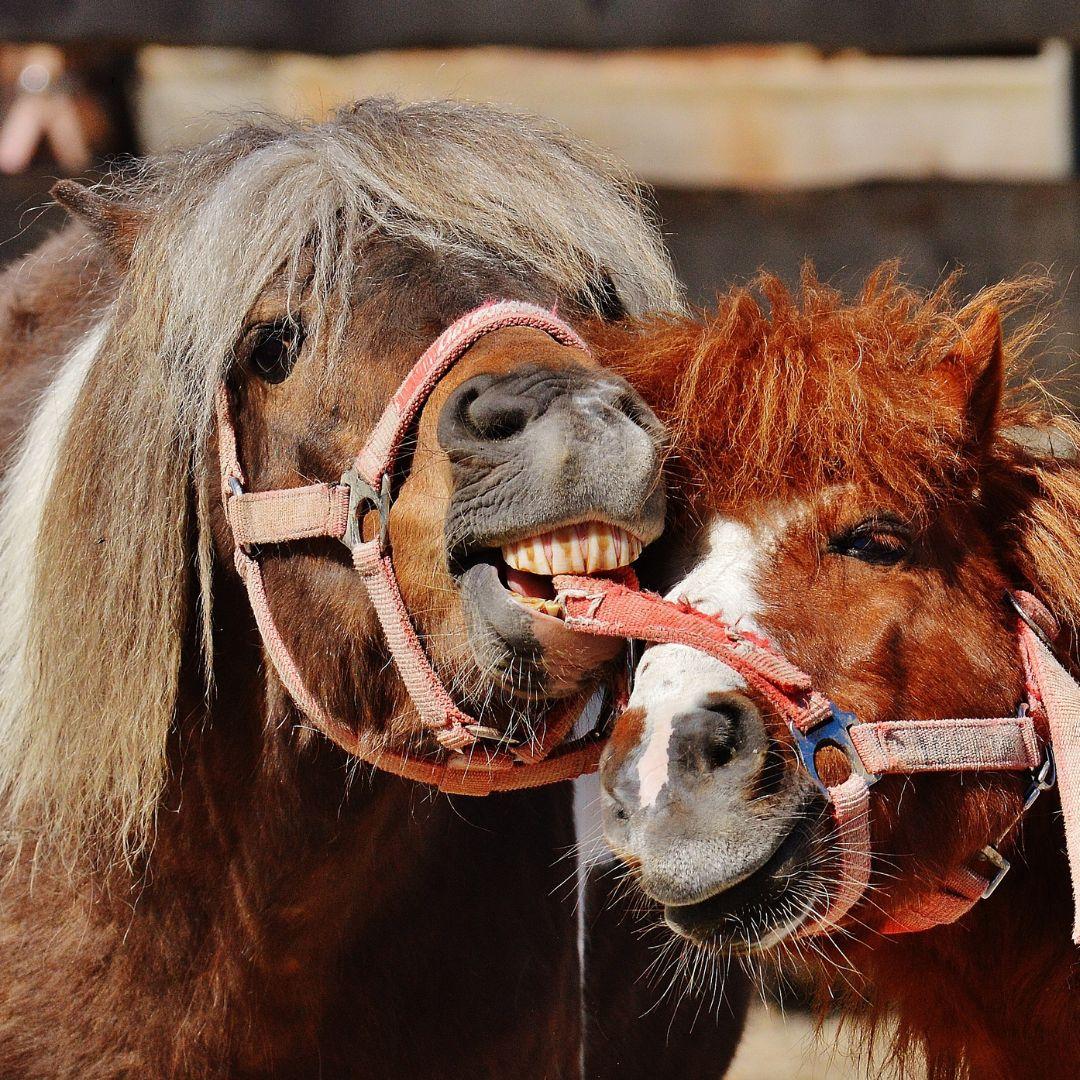
After diving into the research, pinned ears in horses are not a definitive sign of aggression, but rather a complex signal that must be interpreted within context. Studies show that flattened or backward ears appear in a variety of situations, including playful, attentive, defensive, or tense states, not just during aggressive encounters. Aggression is more reliably indicated when ear position occurs alongside other facial and body cues, such as raised inner brows, dilated nostrils, and lowered head. Expert articles and practical horsemanship experience further highlight that ear pinning can reflect confusion, concentration, mild resentment, defensiveness, or even physical pain. Across these sources, the consistent message is that ears are one piece of a larger communication system; understanding a horse’s behavior requires observing the full body language, environmental context, and individual history, rather than drawing conclusions from ear position alone.
Do you have an equine myth you’d like us to tackle? If so, send it our way! Email your suggestions to [email protected]. Put Mythbuster Monday in your subject line.
