



#HORSE CARE
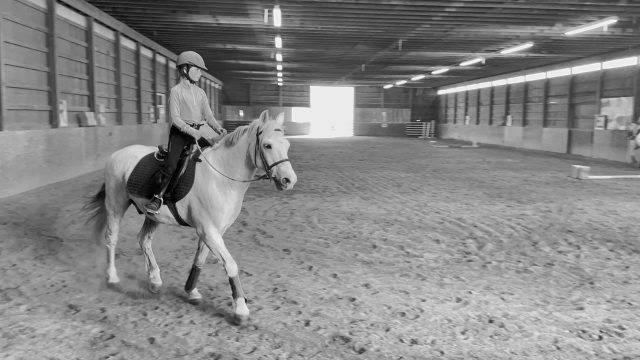
The Horses Who Taught Us: What We Owe Our Lesson Horses
The quiet backbone of riding programs everywhere, lesson horses spend their lives teaching others. The least we can do is make sure their final chapters are written with dignity. (more…)
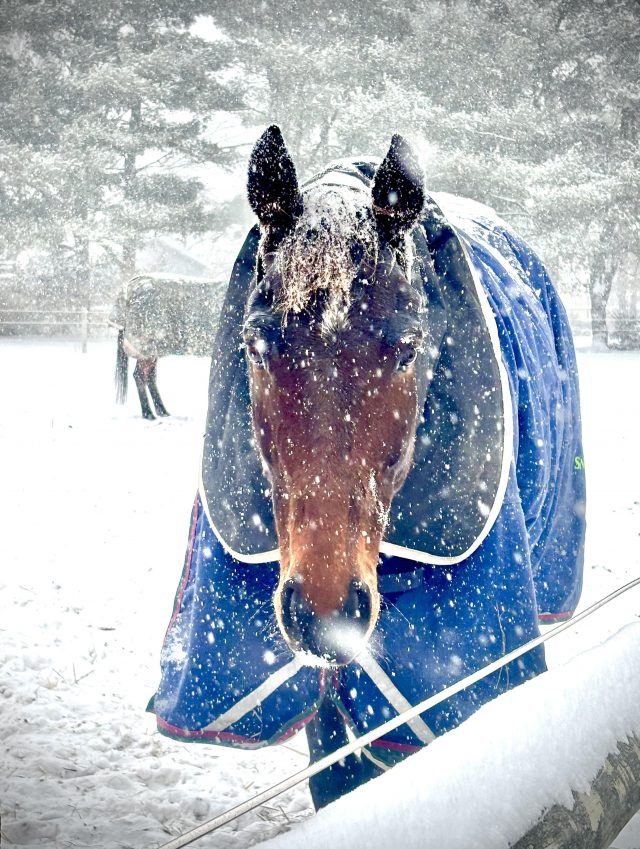
Thoroughbred Logic, Presented by Kentucky Performance Products: Doing the Best I Can
“When temps plunge into the negatives, wind chill cuts well below that, and we have more horses than stalls, you have to get creative… and a flexible and endless amount of energy, also known as: stubbornly doing the best I can.”
6 Things Your Vet Wishes You’d Stop Googling at 2 a.m.
Because late-night Google searches turn every mildly warm leg, weird noise, or perfectly normal horse behavior into a full-blown medical crisis … at least until morning chores. (more…)
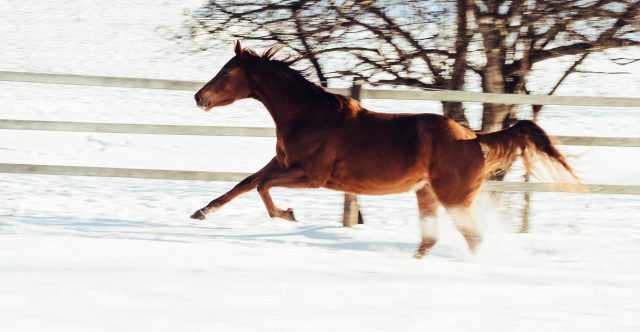
7 Winter Horse Care Mistakes You Shouldn’t Make…
… but sometimes do anyway. (more…)
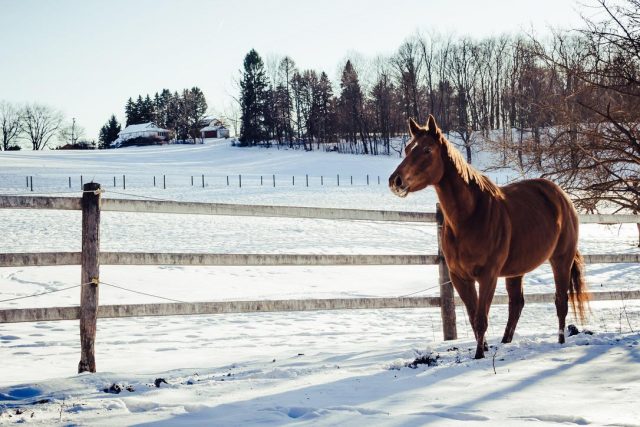
Cold Weather, Sore Feet: Winter Laminitis & What You Can Do About It
Cold weather can quietly compromise hoof circulation in at-risk horses, making winter an unexpected laminitis season.
(more…)
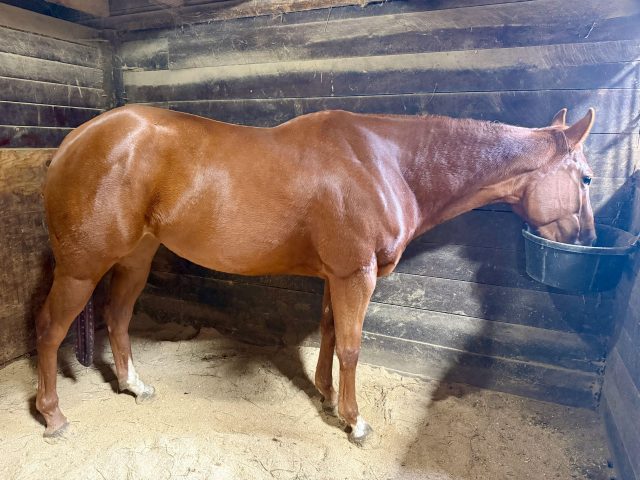
Why I Don’t Feed My Horses on a Schedule (And Why It Works Just Fine)
For my horses, constant access to forage and a low-stress feeding program makes it so the clock matters a whole lot less. (more…)
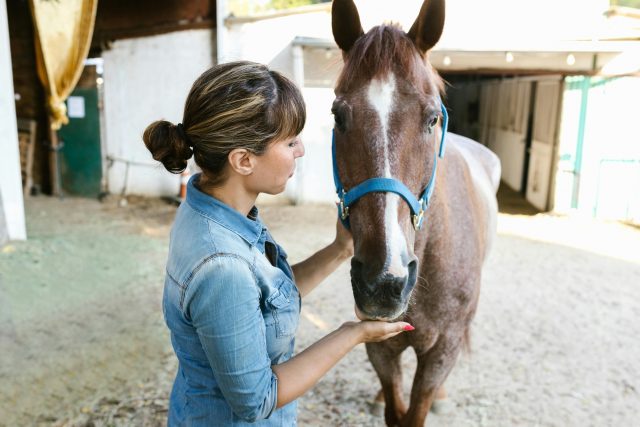
The Rising Costs of Horse Care: Why More Owners Are Turning to Veterinary Financing Options
Today’s horse owners are embracing payment plans to bridge the growing gap between love and affordability. (more…)
Guide To After-Hours Equine Care for Horse Owners
Access to veterinary care outside regular hours is vital for maintaining the health and well-being of horses. Such services offer horse owners reassurance, knowing that assistance is available during emergencies. Understanding these services can significantly impact your ability to respond to your horse’s needs promptly.
Caring for horses requires vigilance and readiness for unexpected health issues. Timely veterinary care is crucial in ensuring their well-being. After-hours care acts as a safety net, allowing you to address urgent health concerns as they arise. Clinics offering these services provide the convenience and peace of mind that comes with having reliable options available. Whether it’s an injury or sudden illness, knowing you have support around the clock is invaluable. For those in the Taylorsville area, the UrgentVet Taylorsville Vet Clinic offers such essential services.
Understanding after-hours equine care
After-hours equine care refers to veterinary services available beyond typical working hours, including nights, weekends, and holidays. This service ensures that horses receive timely medical attention when emergencies occur outside regular schedules. Having a plan for such situations is essential for every horse owner, as it prepares them to act swiftly during unexpected crises.
Having a strategy for after-hours emergencies can make a significant difference in outcomes. Horses are prone to sudden health issues that require immediate attention, such as colic or acute injuries. By understanding the framework of after-hours care, you can better prepare for these critical moments, ensuring your horse receives the necessary treatment promptly.
Knowing that professional help is just a call away allows you to focus on providing immediate care until the veterinarian arrives. This proactive approach is crucial in minimizing complications and promoting recovery. Access to after-hours services reduces stress and anxiety during emergencies.
Scenarios requiring immediate care
Colic is one of the most common equine emergencies requiring prompt veterinary intervention. This condition can escalate quickly if not addressed immediately, making after-hours services vital in managing it effectively. Quick responses are essential in reducing pain and preventing further complications associated with colic episodes.
Injuries sustained from falls or accidents also necessitate urgent attention. Horses can injure themselves unexpectedly while playing or even in their stalls. Having access to a clinic that operates beyond regular hours ensures that wounds are treated before they become infected or lead to more severe issues.
Sudden illnesses like respiratory distress or fevers also demand rapid assessment and treatment. These conditions can deteriorate rapidly, underscoring the importance of having a reliable after-hours plan. Being prepared for these scenarios helps mitigate risks and supports your horse’s swift recovery.
Benefits of urgent care clinics
Urgent care clinics play a role in equine health management by offering specialized services designed for emergencies. They provide a range of treatments tailored to address acute conditions effectively, ensuring that your horse receives comprehensive care during critical moments.
The availability of experienced staff equipped with the necessary tools to handle various emergencies enhances the quality of care provided. These clinics are staffed with veterinarians who have specific expertise in treating equine ailments, offering reassurance that your horse is in capable hands during emergencies.
Urgent care facilities often have advanced diagnostic equipment on hand, allowing for accurate assessments and timely interventions. This capability not only improves treatment outcomes but also alleviates worry by delivering precise diagnoses and targeted therapies quickly. For more information about these services, visit UrgentVet – Your Pet Can’t Wait to Feel Better®.
Preparing for an after-hours visit
Preparation is key when dealing with after-hours veterinary visits. Having essential information about your horse readily available can expedite the process and enhance communication with the veterinarian. Keep records of your horse’s medical history, current medications, and any previous health concerns handy.
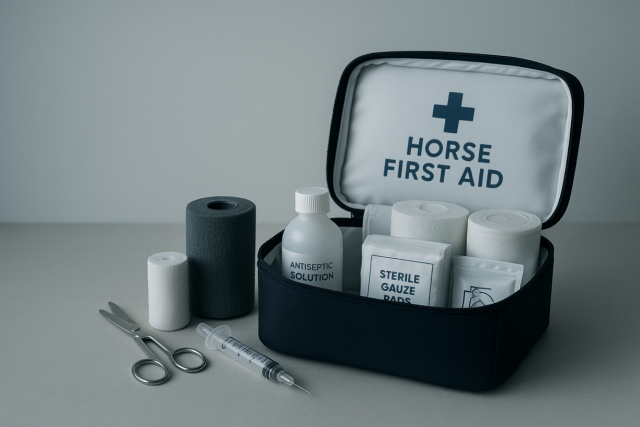
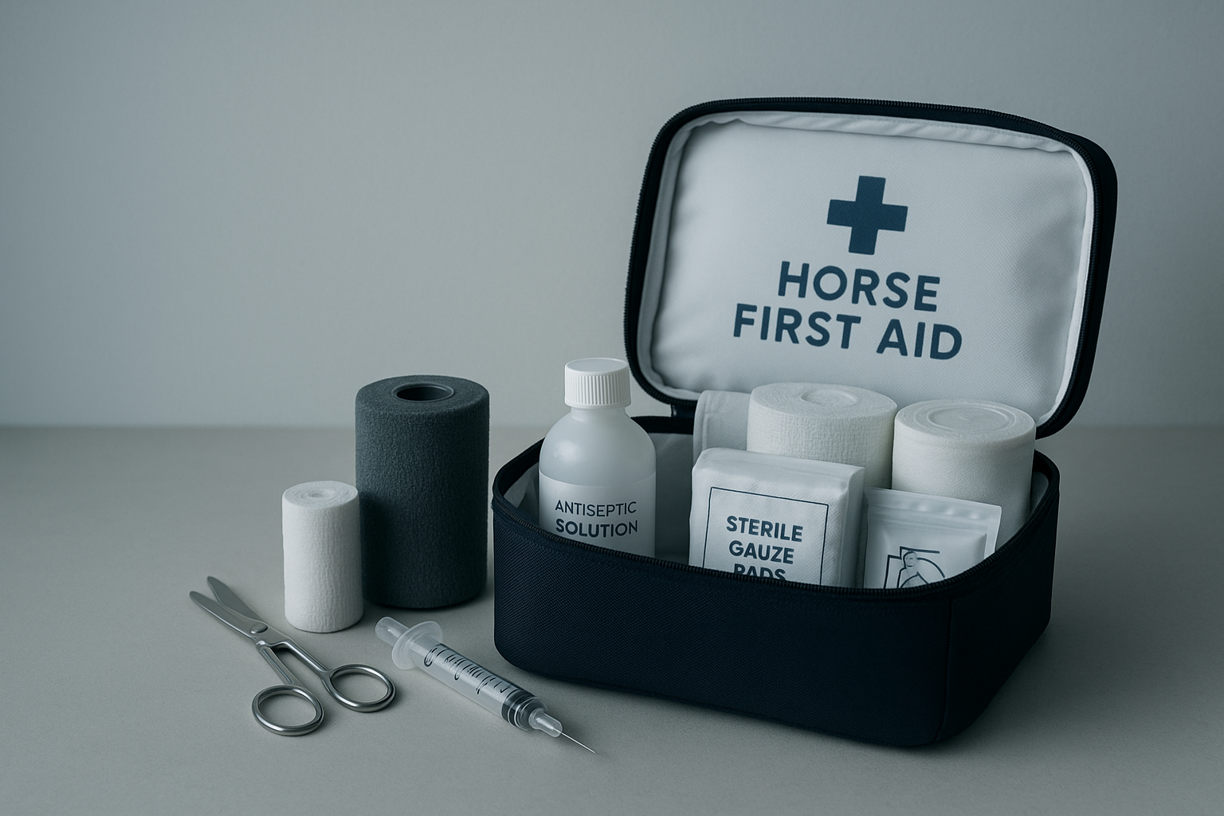
It’s also wise to assemble an emergency kit containing basic supplies such as bandages, antiseptics, and contact details for local clinics offering after-hours services. Familiarizing yourself with these locations beforehand ensures you know where to turn during an emergency without losing precious time.
Being mentally prepared helps you remain calm and focused during stressful situations. Knowing what steps to take before heading to the clinic can improve outcomes significantly by allowing you to stabilize your horse’s condition en route and upon arrival at the facility.
Thoroughbred Logic, Presented by Kentucky Performance Products: Track Tight
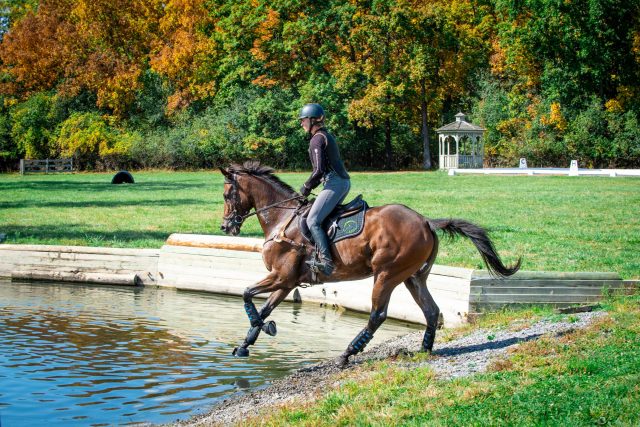
From tight muscles to swinging trots, this week’s article explores what it means when a horse comes off the track ‘track tight’—and how time, turnout, and care transform them into sport horses.
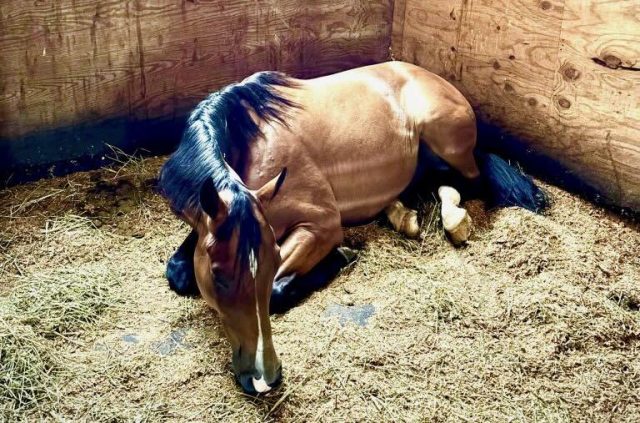
Thoroughbred Logic, Presented by Kentucky Performance Products: The Ability to Lie Down
“This one is so simple… If your horse feels good, they usually can get to the ground. If they’re sore or uncomfortable in their body they will do so less — or, frankly, almost not at all.” (more…)
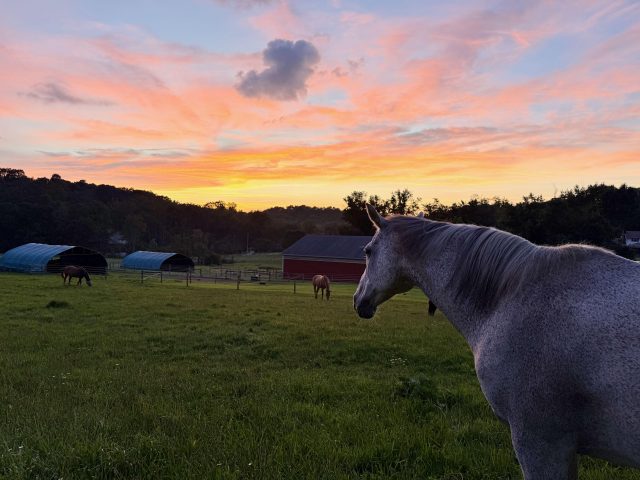
Loving and Letting Go: The Quiet Grief of Caring for Horses That Aren’t Our Own
Caring for horses we don’t own brings joy, purpose, and love—but when illness or age demands goodbye, the grief is just as real. (more…)
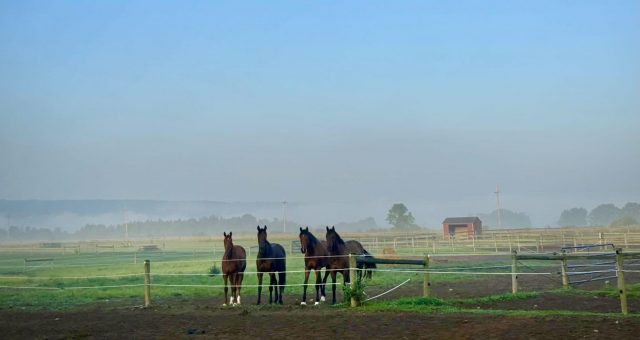
Thoroughbred Logic, Presented by Kentucky Performance Products: Thin-Skinned
“Ten years ago, I would not have been out there at that stupid hour with stupid sheets in August … I didn’t fully grasp just how thin-skinned they can be about weather, flies, and changes.” (more…)
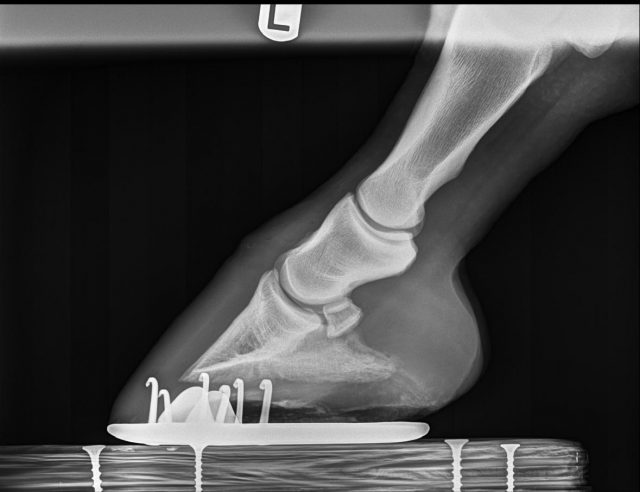
Thoroughbred Logic, Presented by Kentucky Performance Products: The Critical Art of Hoof Angles
“Instead of beginning one’s search for pain under where a horse palpates sore (their back or SI, for instance), I’d recommend first taking a good long look in the other direction — their feet.” (more…)

Why Horses Lay Down When Saddled: Understanding the Vasovagal Response
From girth tightening to ground collapse, this article provides understanding and prevention tips for girth-induced vasovagal responses.

SmartPak Monday Morning Feed: Spring Grooming Supplies
Between the shedding and the pollen, there’s no doubt about it — spring is here! One SmartPaker shares her secrets to prepping her horse’s skin and hair for his first big bath and summer riding! (more…)


Thoroughbred Logic, Presented by Kentucky Performance Products: Winter & The Oregon Trail
“How can you be ready for something you are not familiar with? … I have explained my answer by likening it to the Oregon Trail game. Each option … carried consequences. Your family might get dysentery, or you might run out of money and have to figure out how not to die that day.” (more…)

Horse Care in Changing Weather, Part II: By Kentucky Performance Products
Last week we kicked off part I of how to take care of your horses in changing weather. This week we’re looking at part II, which focuses on grooming, proper preparation, blanketing, and senior horse care. (more…)

Horse Care in Changing Weather, Part I: By Kentucky Performance Products

Canva/CC
Caring for your equine partner is a year-round commitment that requires regular adjustment to their changing needs. When the weather changes—especially in fall and spring, when temperatures, rainfall, pasture growth, and other conditions can fluctuate rapidly—it can present unique challenges both for horses and for horse owners’ management programs. Fortunately, there are ways you can help your horse stay healthy and comfortable through seasonal transitions and unpredictable weather patterns.
Create a Monthly Horse Care Checklist

Monitor Water Intake

Canva/CC
One of the most critical aspects of horse care, regardless of the season, is ensuring your horse has adequate water. Proper hydration helps maintain a healthy digestive tract and can prevent digestive issues.
In both hot and cold weather, horses may be at risk of dehydration, which can lead to serious health issues, including an increased risk of colic. It’s vital to ensure your horse has access to clean water at all times. When temperatures fluctuate, step up water checks to make sure that your horse’s water supply hasn’t unexpectedly dropped (due to evaporation or increased drinking in hot weather, for example) or frozen during a hard cold snap. During excessive rainfall or an unexpected freeze, also check footing around water sources to make sure horses can safely reach the water they need. Keep an eye on herd dynamics, too, to be sure all horses are getting ample access to water and that none is being kept away from an outdoor water source by bullying.
In hot weather, provide cool, fresh water. In cold weather, offering lukewarm water can encourage a horse to drink. Whatever the prevailing season, consider supplementing your horse’s diet with an electrolyte like Summer Games® Electrolyte to encourage drinking and support proper hydration. Summer Games helps replace electrolytes lost through sweating but also encourages a thirst response that also can be helpful if a horse is hesitant to drink in winter.
Adjust Feeding and Turnout Practices

Photo courtesy of Kentucky Performance Products
As ambient temperatures fluctuate, your horse’s nutritional needs and pasture turnout might also need adjustment.
- During cold spells, increase forage to help your horse generate body heat.
- In hot weather, consider pasture turnout during cooler parts of the day to prevent heat stress.
- Monitor grass quality as seasons change and adjust grazing time accordingly. Remember to make seasonal transitions, such as the switch from summer pasture to winter hay, gradually.
Temperature shifts and weather conditions can also affect the sugar content in grass, which can affect the best timing for your horse’s turnout on pasture. Normally, experts recommend allowing horses who are insulin-resistant or at risk of laminitis to graze no later than 10 a.m., because the sugar content in grass increases with sunlight during the day (heavy cloud cover can make that process slower, though, and might allow you to leave a horse out longer). But if the nighttime temperature sinks to 40° or lower after a warm, 60° day, pasture grass will stop growing overnight and will retain higher levels of sugar the following morning—meaning at-risk horses should stay in longer.
Weather changes also can affect the sugar level in hay, so it’s good to keep in touch with your hay provider for details about the hay your horse is eating. For example, research has shown that hay baled after a two-week period of cloudy weather is significantly lower in sugar.
Horses who are insulin-resistant, have equine metabolic syndrome, or have a history of laminitis require particularly careful management. Consult your veterinarian about supplementing with InsulinWise® powder or pellets, which can support normal metabolic function and health insulin levels.
Know Your Pasture Plants—and Check Them
Weather fluctuations can also stress pasture grass and weeds, putting your horse at risk. Both freezing temps and drought can lower grass quality. But freeze- or drought-stressed pasture grass and weeds also can be harmful. For example, plants like sorghum-sudangrass and johnsongrass can cause cyanide poisoning after a frost, and pigweed’s higher nitrogen levels after a frost can also be toxic.
Also notice plants and trees growing around the periphery that might fall or be blown into your horse’s pasture during a storm. Wilted maple, cherry, and chokecherry can be poisonous to a curious or bored horse that finds a branch blow or dropped into their paddock. Black walnut also is a deadly threat if horses eat it, drink water contaminated by it, or stand on black walnut shavings.
Make it a habit to your pasture, fence lines, water sources after storms or a quick weather change.
Provide Adequate Shelter

Photo courtesy of Kentucky Performance Products
Having a sturdy, well-sited, and safely maintained shelter will help protect your horse from almost anything Mother Nature throws at them. A run-in shed or well ventilated (but not drafty) stall that your horse can access at all times will provide shade on an unexpectedly hot day, a place to get out of the cold wind or rain from a fast-moving front, and even shelter from a sudden hailstorm. Natural shelter like a stand of trees or a hedge that serves as a windbreak can help protect from a quick shift in weather, but make sure that whatever shelter your horse has is in good repair, easy for them to access, and can keep them dry and out of the wind in inclement weather.
Remember that horses can tolerate cold better than heat and humidity, but they still need protection from extreme conditions.
Watch for Signs of Stress
Fluctuating weather can be stressful for any horse. Keep an eye out for signs of discomfort or health issues, such as
- Changes in eating or drinking habits
- Lethargy, depression, or unusual behavior
- Signs of colic or other digestive issues
- Excessive sweating or shivering
Early detection and intervention can prevent minor issues from becoming major health concerns. In case of heat-related stress, know how to cool your horse properly and quickly, as heat stress can be deadly.
About Kentucky Performance Products, LLC:
Research has shown that when used in combination, hyaluronic acid, chondroitin sulfate, glucosamine, and manganese sulfate support cartilage structure and optimal joint function. Horses with healthy joints feel better, perform to their potential, and stay sounder longer.
Joint ArmorTM is a research-proven, super affordable formula that provides your horse with the nutrients necessary to support both healthy joint cartilage and synovial fluid.
Joint Armor:
- Maintains fluid motion and flexibility in joints.
- Provides high levels of both glucosamine and chondroitin, plus 100 mg of hyaluronic acid.
- Supports normal cartilage development and reduces joint deterioration.
- Is affordable; one jar lasts up to 75 days.
The horse that matters to you matters to us®. KPPusa.com


Horse Nation How To: Feeling Your Horse’s Digital Pulse
As horse owners, there are a number of skills that we need to have in order to be informed and to help our vets determine how urgently a horse needs to be seen. Being able to check your horse’s digital pulse is one of those skills. (more…)

Are You Ready for a Horse? 7 Things To Consider
Horse ownership is not something that should be entered into lightly. Sure, horses are great. And, let’s get real, we all love them (that’s why we’re here, right?). But whether or not you should own one is a huge question. Here are some considerations: (more…)
