
Thoroughbred Logic

Thoroughbred Logic, Presented by Kentucky Performance Products: Keeping Them Safe
When a cheap horse, an uncertain prognosis, and a questionable future collide, sometimes the only thing standing between a horse and the wrong outcome is someone willing to take the risk. (more…)
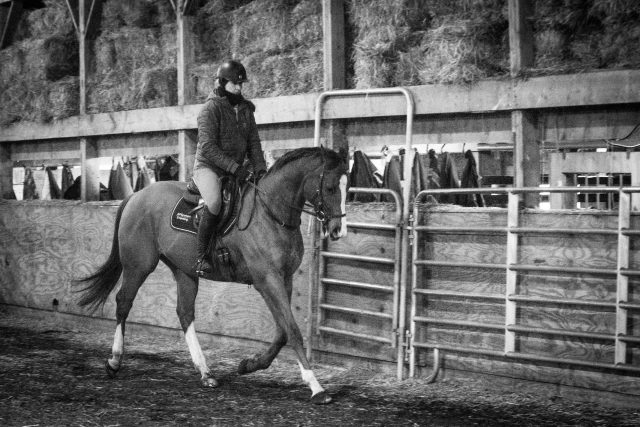
Thoroughbred Logic, Presented by Kentucky Performance Products: Keep It Simple (Stupid)
“[T]his is about not overcomplicating what doesn’t need to be overcomplicated.” (more…)

Thoroughbred Logic, Presented by Kentucky Performance Products: Musing on Rewards
Are you rewarding your horse’s effort, or just apologizing for your own mistakes? This article breaks down the timing, intention, and impact of praise in the saddle.
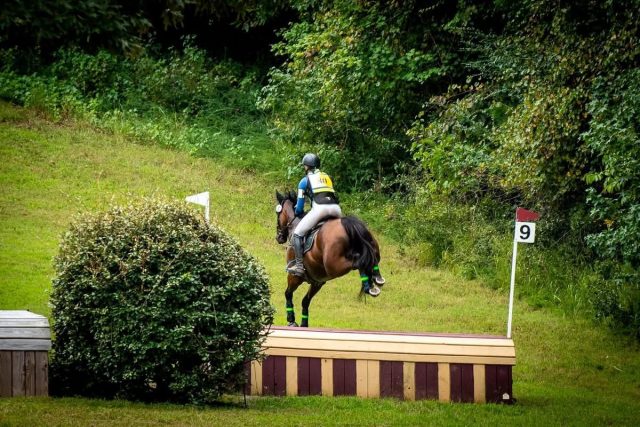
Thoroughbred Logic, Presented by Kentucky Performance Products: When They Jump the Fence
“I don’t want horses … going through the fence. That is never fun … But their quick thinking says a lot about how they are going to handle adversity and the unexpected under saddle.”
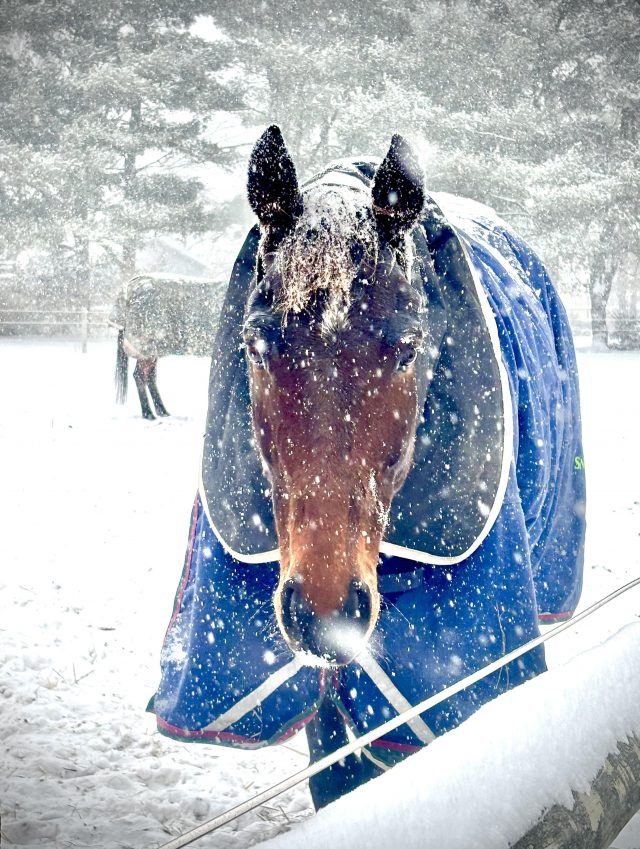
Thoroughbred Logic, Presented by Kentucky Performance Products: Doing the Best I Can
“When temps plunge into the negatives, wind chill cuts well below that, and we have more horses than stalls, you have to get creative… and a flexible and endless amount of energy, also known as: stubbornly doing the best I can.”
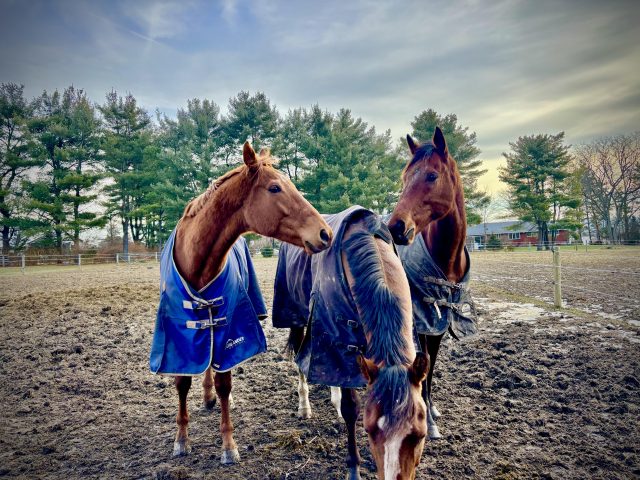
Thoroughbred Logic, Presented by Kentucky Performance Products: Working With, Not Against, Instinct
“Feeling safe makes all the difference in the world … the sense of security in their environment increases trust in their humans.” (more…)
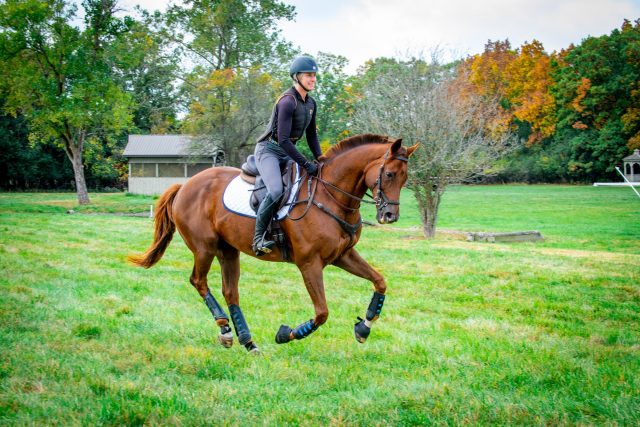
Thoroughbred Logic, Presented by Kentucky Performance Products: Go Wide
Sometimes the kindest contact for a green horse isn’t perfect equitation, but giving them space, options, and room to figure out their own balance. (more…)
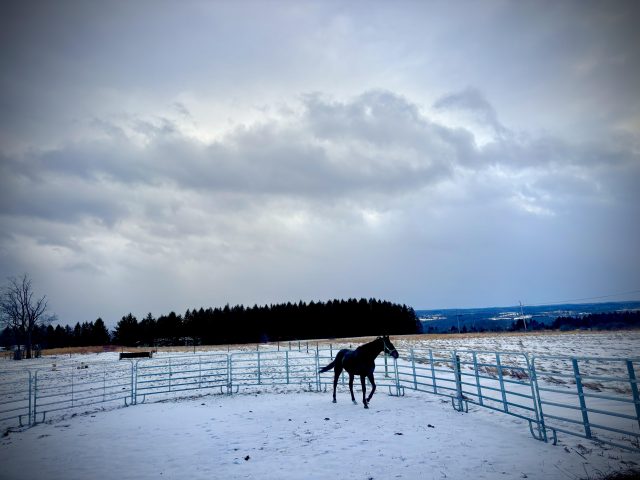
Thoroughbred Logic, Presented by Kentucky Performance Products: Quarantine Purgatory
Quarantine may feel like purgatory, but when it comes to protecting horses, herds, and hard-earned sanity, patience and biosecurity are part of the training plan (until it doesn’t have to be).
(more…)
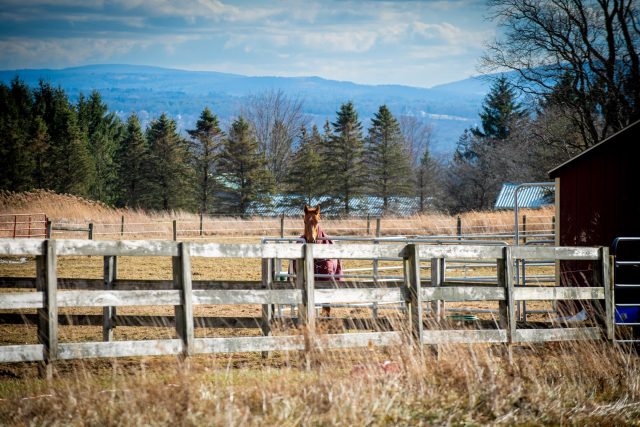
Thoroughbred Logic, Presented by Kentucky Performance Products: A Little Christmas Celebration & Wine
On Christmas Eve, a once-discarded Thoroughbred steps out of quarantine and into the barn, proof that even in a long, hard year, second chances can still find their way home.
(more…)

Thoroughbred Logic, Presented by Kentucky Performance Products: Internet Karens and Behind the Vertical
Welcome to the comment section, where everyone’s an expert
(more…)

Thoroughbred Logic, Presented by Kentucky Performance Products: Frenzy at the End of the Race Meet
“It is not the track and its runners that are in a frenzy, but rather the movement towards getting these horses out, the sales from the backside.” (more…)

Thoroughbred Logic, Presented by Kentucky Performance Products: Why Rehomers Matter
“These are folks who understand both sides of the horse’s career. They understand both the track and the sport horse life. Basically, these people are translators. And the best of them work to make both sides understandable to each other…” (more…)

Thoroughbred Logic, Presented by Kentucky Performance Products: People My Thoroughbreds Are Thankful For
Horses may not think in thank-you notes, but if they did, this list would be their holiday card. (more…)

Thoroughbred Logic: Aboard a Dragon? Ride Into the Bend
Presented by Kentucky Performance Products. (more…)

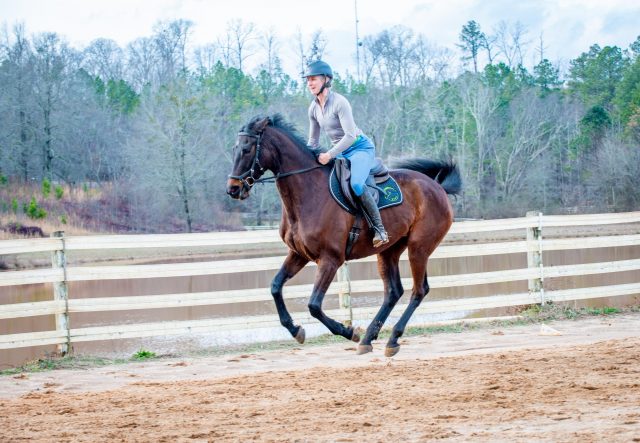
Thoroughbred Logic, Presented by Kentucky Performance Products: The “Survive-a-Ride”
“There’s no amount of reasoning with what is under you, because you can’t reason pain and fear and the eventual lack of self-perseveration that comes with it. But often, you can hunt down the cause, treat it and try again, this time with more data.”

Thoroughbred Logic, Presented by Kentucky Performance Products: Spooky Season Tricks
“I … have a couple of electric goobers who love the excuse of the crisp fall days and the start of the north wind to light up and let out. And as such, here are some basic tips to both manage the spooks and bucks and bolts.” (more…)
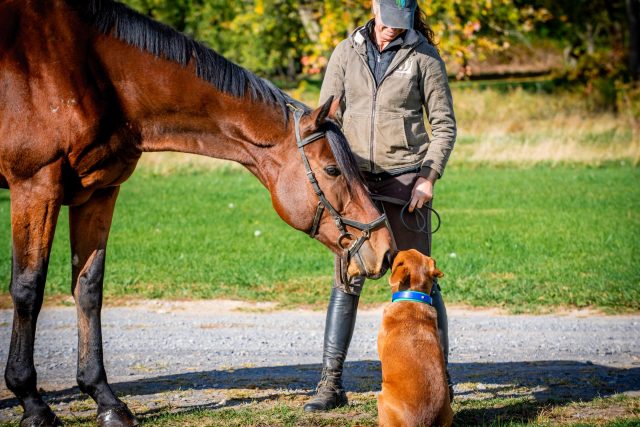
Thoroughbred Logic, Presented by Kentucky Performance Products: An Ode to the Plain Bay
When did we start valuing the color of the horse over its conformation, temperament and talent? (more…)

Thoroughbred Logic, Presented by Kentucky Performance Products: Three Types of OTTBs You’ll Find at the Makeover
There are three types of OTTBs you’ll see a the Retired Racehorse Project’s Thoroughbred Makeover, and this year Aubrey brought one of each. (more…)
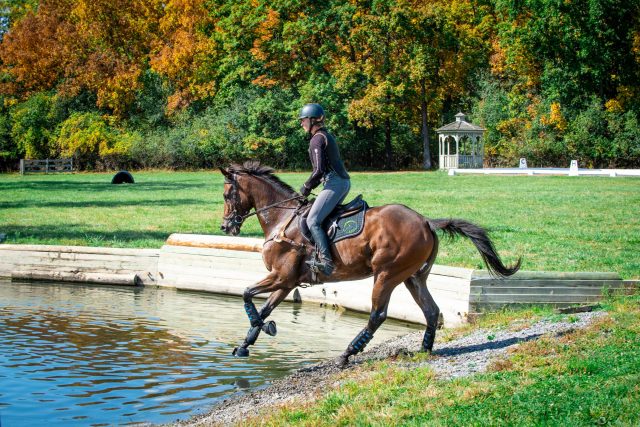
Thoroughbred Logic, Presented by Kentucky Performance Products: Track Tight
From tight muscles to swinging trots, this week’s article explores what it means when a horse comes off the track ‘track tight’—and how time, turnout, and care transform them into sport horses.

Thoroughbred Logic, Presented by Kentucky Performance Products: The Ability to Lie Down
“This one is so simple… If your horse feels good, they usually can get to the ground. If they’re sore or uncomfortable in their body they will do so less — or, frankly, almost not at all.” (more…)

Thoroughbred Logic, Presented by Kentucky Performance Products: Dosage Profile and the Sport Horse
“Dosage tells us about the races these horses were bred to run. It sometimes tells us about the conformation needed to run those races well … But what dosage does not measure is heart and drive.”

Thoroughbred Logic, Presented by Kentucky Performance Products: Improving the Off Track Canter
“The turns are what make it harder, so aim for straight line canters and efficient down transitions — even if that means you only have a few strides of canter.” (more…)