




Bone Density and Conditioning, From Kentucky Performance Products
Why gradual conditioning, consistent exercise, and balanced nutrition are essential for supporting bone remodeling and preventing skeletal injuries in horses.
Canva/CC
To maintain a strong skeleton, a horse’s bones constantly undergo bone remodeling. This occurs when one type of cell breaks down old or damaged bone tissue, and another type deposits new bone material to replace it. Bone remodeling occurs throughout a horse’s life and is essential to the maintenance of proper growth, soundness, and longevity. Remodeling is most active in young, growing horses, but horses of all ages experience it to some degree.
There are two reasons for remodeling:
- It allows bones to meet the changing needs of the body and adjust to the physical stress new activities put on the skeleton.
- It replaces bone that has been damaged by injury.
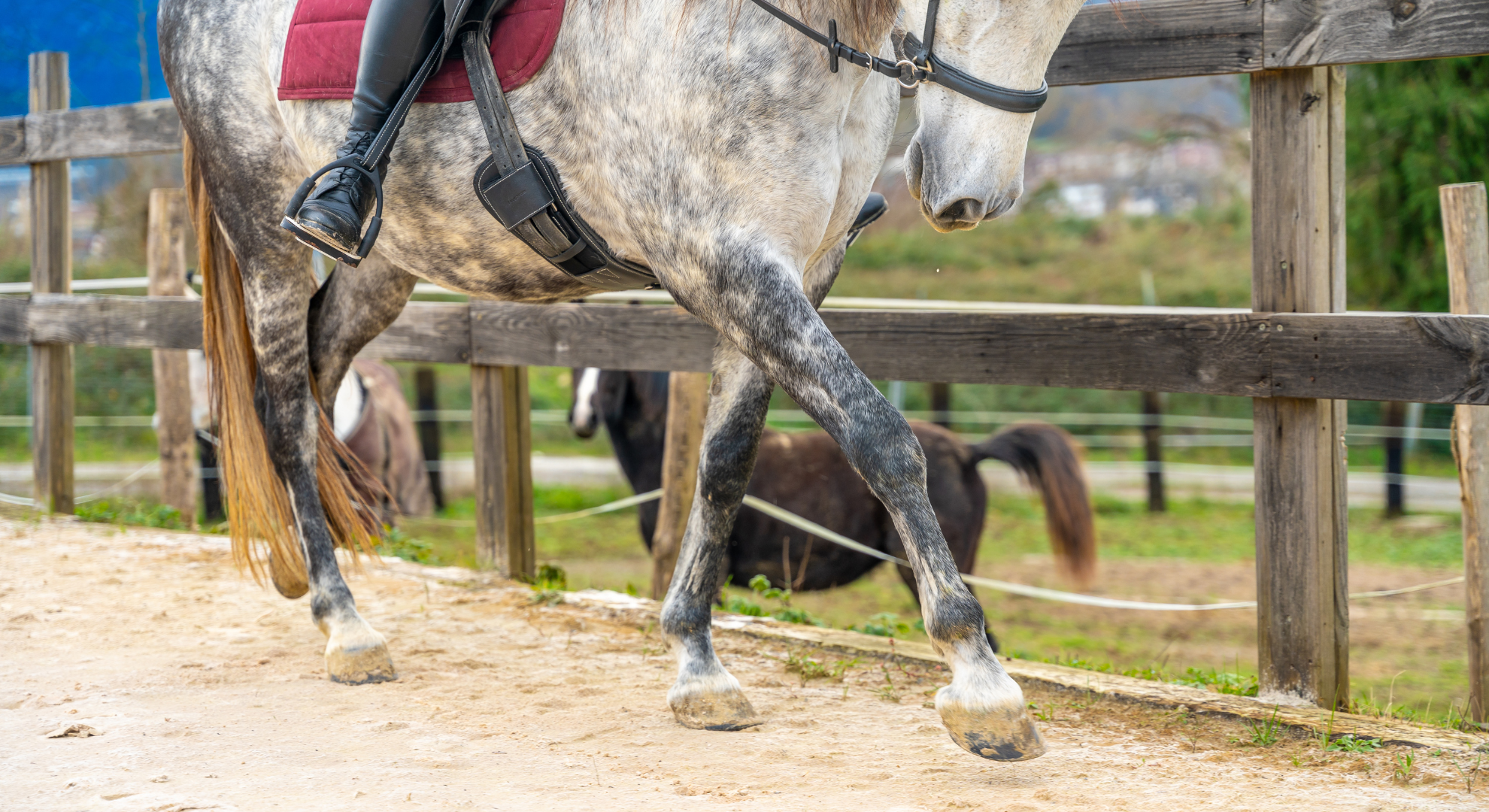
Research shows that one of the keys to healthy bone formation is exercise. Exercise stresses the bone and stimulates bone remodeling. This in turn replaces damaged bone, repairs microdamage, and maintains or increases bone density.

Canva/CC
As workloads increase or the type of work changes, bone remodeling occurs and bone density increases to support the additional stress on the skeleton. The denser a horse’s bones, the stronger they generally are and the less likely they are to break.
When exercise is decreased, stress on the bones is insufficient to maintain bone remodeling and bone density decreases. Microdamage repaired too slowly or left unrepaired is a precursor to injuries or more severe injuries. Horses confined to stalls may have significant losses in bone density, leaving them at greater risk for injury or fracture when they return to work.
Slow and Steady Conditioning
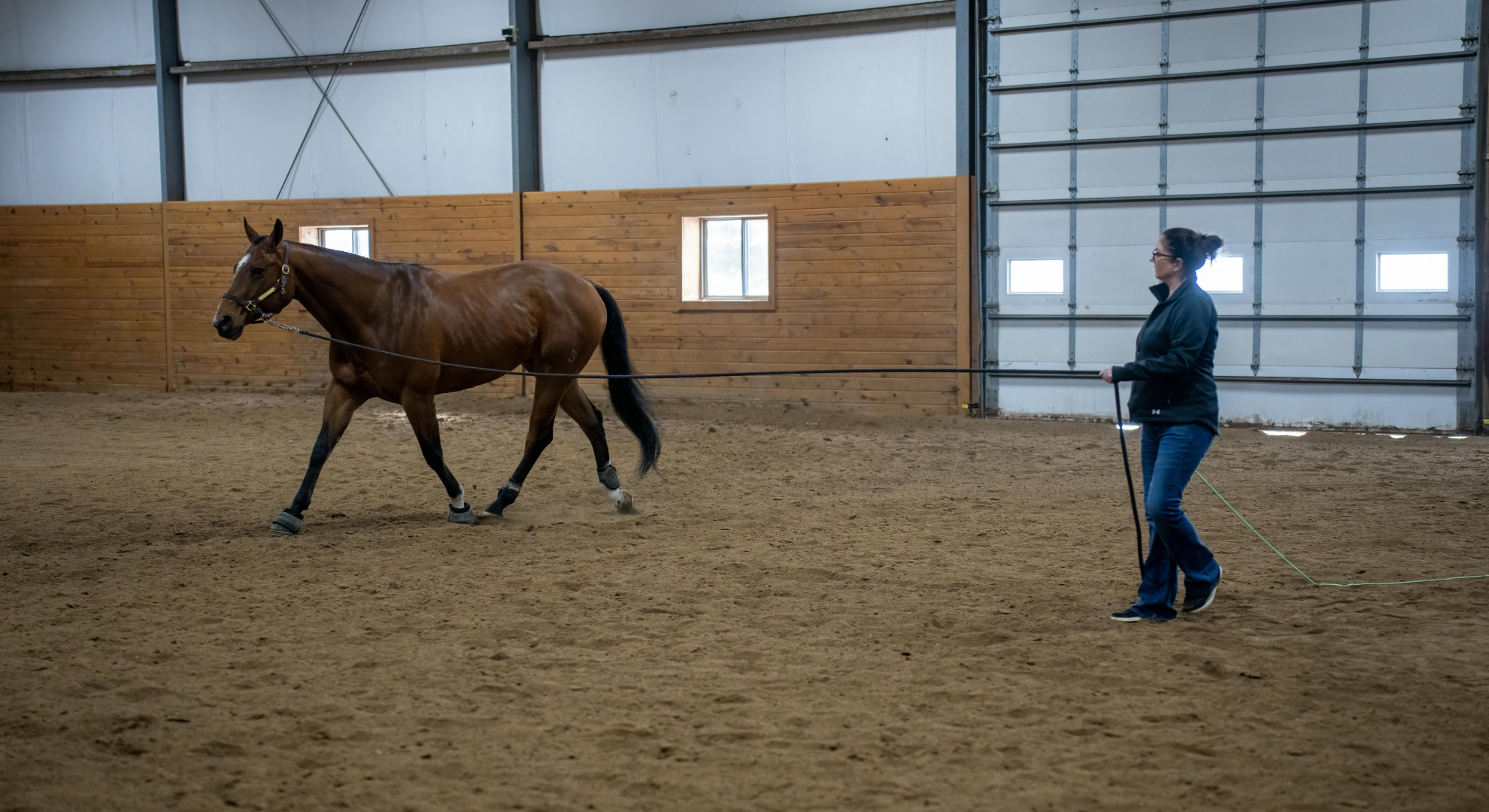
Consider these familiar-sounding scenarios: a young Thoroughbred is put into training for the first time, a pleasure horse gets a new job as a hunter, or a middle-aged event horse is coming back after an injury. In each case it takes months for the horse’s bones to adapt to the new job or level of work.
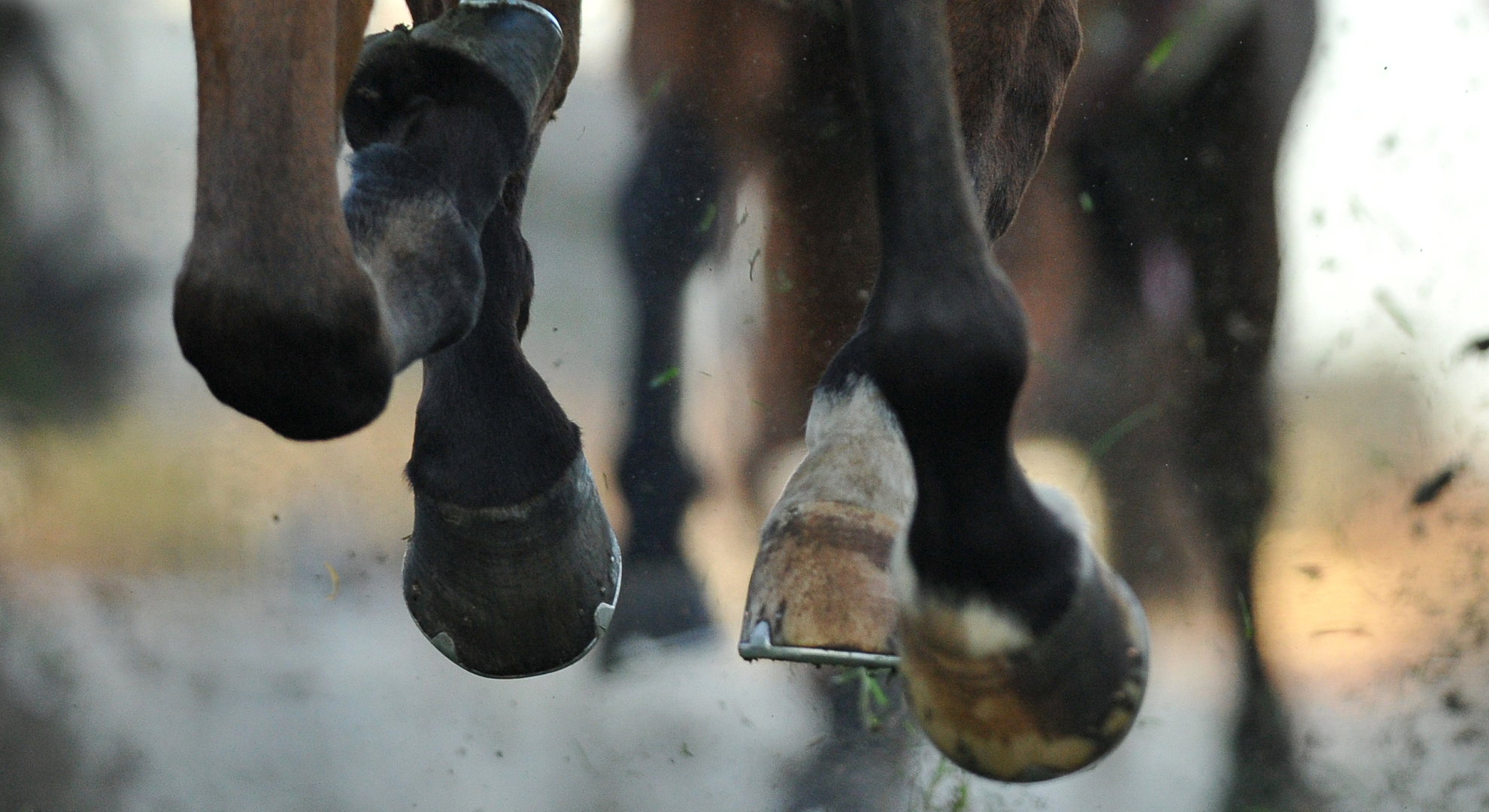
Typically cardiac and muscle conditioning occurs faster than bone remodeling, especially in horses that have been fit in the past. When conditioning, training, or rehab programs are rushed, injuries can occur. Establishing a slow, steady conditioning program and providing adequate levels of minerals are imperative to allow for appropriate bone remodeling. This type of program reduces the risk of buck shins (tiny fractures and inflammation on the front of the cannon bone in the front legs most commonly seen in two-year-old racehorses), splints (inflamed or fractured splint bones from long-term stress or injury), fractures, and other bone-related injuries.
Canva/CC
Nutrients are Critical to Bone Development
Proper nutrition is important to optimal bone health. For example, calcium makes up 35% of bone, and microminerals such as zinc and copper play an important role as cofactors in bone development. When choosing a bone supplement look for one that includes a well-balanced blend of nutrients. Chelated minerals are digested more efficiently than plain minerals. Chelation, the bonding of minerals to amino acids, protects minerals as they travel through the digestive tract and enhances absorption. Some marine sources of calcium and trace minerals have a unique cellular structure, which makes them more digestible than commonly used ground limestone.
Ingredients to look for in bone supplement:
Macrominerals:
Calcium*
*The ratio of calcium (Ca) to phosphorus (P) is critical. The total diet should contain a Ca:P ratio of 2:1 to ensure optimal calcium absorption and utilization. Ratios of less than 1:1 can cause serious bone abnormalities.
Microminerals:
- Magnesium
- Zinc
- Copper
- Manganese
Vitamins:
Vitamin D
A well-balanced bone supplement is beneficial when:
- Mature horses are starting a new job
- Young horses first go into training
- Horses return to training after a layoff
- Horses are recovering from a skeletal injury
- Horses are on restricted diets for other medical reasons
- Older horses have a demanding competition schedule
- Horses are laid up due to illness or injury (supplement during the layoff period to protect bone density)
Overfeeding minerals or feeding them in the incorrect ratios can cause as much harm as underfeeding. Feed all supplements according to recommendations. Do not offer multiple mineral supplements unless directed by your veterinarian. If you are feeding the recommended amount of a fortified concentrate (grain or pellet), check with your veterinarian before offering additional mineral supplements.
Canva/CC
About Kentucky Performance Products, LLC:
Say goodbye to runny poop and dirty butts. Clean tails brought to you by ProbioticWise®: a three-pronged approach to total digestive tract support. With ProbioticWise, your horse can reap the benefits of a research-proven formula combining the probiotic S. boulardii and fermentation metabolites to promote a healthy stomach and hindgut. Ask your veterinarian if ProbioticWise is right for your horse. Learn more here.
Kentucky Performance Products creates scientifically proven supplements for your horse. Our supplements provide solutions to the everyday challenges facing your horse. The horse that matters to you matters to us®. Learn more about KPP at kppusa.com.

