




Unpacking the Reality of the Global Racing Machine

Canva/CC
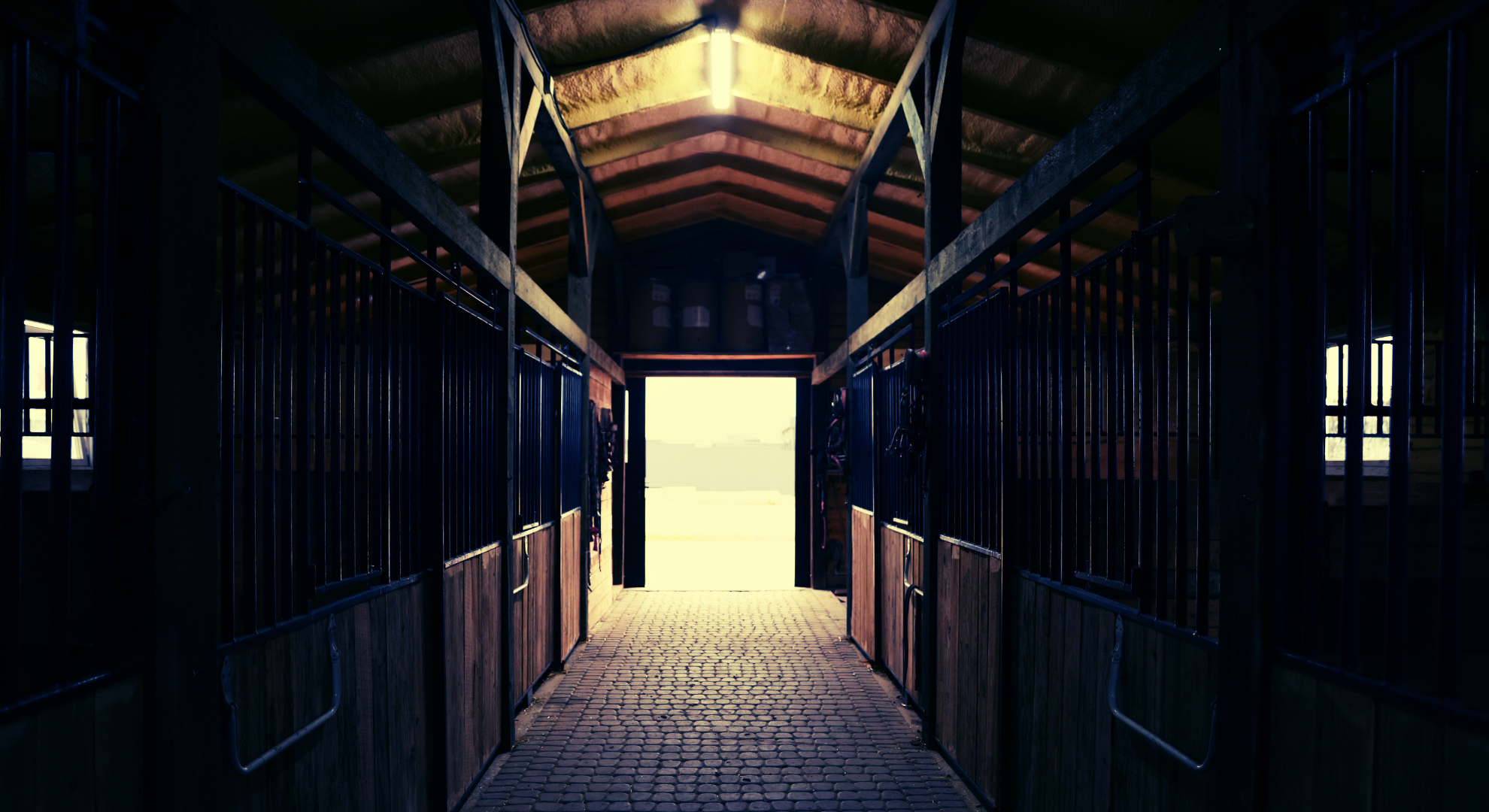
There is a distinct rhythm to a stable at four in the morning. It’s not quiet, not really, just a different kind of noise. Horses shifting, someone moving buckets, the occasional impatient stomp against a stall door. Long before the grandstands fill and cameras start rolling, most of the actual work has already happened.
It’s easy to forget that. What shows up on race day is only a small part of the process.
Most of the intense spectator involvement happens far away from the track, usually over a coffee, staring at past performances and trying to make sense of them. Some people approach racing like a puzzle. They track patterns and notice small details, such as a horse that seems to move better on certain ground, or one that never quite settles in softer conditions.
Others don’t look at it that way at all. They’ll just say that something didn’t feel right today, and leave it at that. It is not really just a racing thing either; you see the same in show jumping or dressage. It always comes back to paying attention and not missing the small changes. For many, that level of observation is just a way to get under the skin of the sport and appreciate the sheer level of preparation involved. They watch, they notice, and for them, that is enough.
Africa Images. Canva/CC
Mud, Sand, and the Way Horses Move
The ground under a horse’s feet changes more than people expect. On turf, races tend to build. Horses settle into a rhythm, almost holding something back, waiting for the right moment. The move comes late, and when it does, it feels sudden; it’s a burst of energy that has often been simmering since the stalls opened.
Dirt racing feels different. It is faster from the start. Horses break hard, fight for position early, and deal with kickback straight away. There’s less waiting and more reacting. You can’t always move a horse from one to the other and expect the same result. It’s how the horse processes what’s happening underneath it. This shift in terrain is often the deciding factor for those who enjoy the tactical side of betting on the races as a bit of weekend entertainment, as a horse that thrives in the heavy mud might look completely lost when the ground turns firm and fast.
Inside the Barn
From the outside, it probably looks like a lot. In reality, most of it comes down to paying attention — and not missing the small things. You watch how a horse eats. How it cools down. Whether it moves just slightly differently than yesterday. Sometimes you can’t explain what changed — you just know something did.
There’s more technology involved now, sure. Treatments, monitoring, data. But it hasn’t replaced that basic instinct of noticing when something feels off. That responsibility has become harder to ignore. Standards are tighter, and there’s less room to push through small warning signs. Organizations like the British Horseracing Authority enforce strict checks before a horse ever makes it to the starting gate. If something looks wrong — even slightly — that’s usually enough. The horse doesn’t run.
Racing isn’t a gentle sport. It never really was. There’s pressure, there’s money, and sometimes things go wrong in ways you can’t ignore — injuries, setbacks, moments that stay with you longer than they should. Most people working with these horses know that. You don’t spend enough time around them without understanding what’s at stake. And still, people stay. Not because it’s easy, but because of the horses themselves.
Watching the Sport Has Changed
It’s easier than ever to follow racing closely, even if you’re nowhere near a track. People share workout clips, compare notes, pick up on details that used to stay inside the barn. You don’t have to be there every day to feel like you’re part of it.
Because following the sport has become so accessible, the way people engage with it is shifting. It is easy to get caught up in the numbers and the constant stream of updates. That is why there is a growing emphasis within the community on keeping that engagement healthy. Broadcasters and tracks now regularly point fans toward resources like Problem Gambling to ensure that following the sport remains a choice. Sometimes, without really noticing, you go from casually watching to paying closer attention than you expected.
When the Racing Stops
A racehorse’s career doesn’t last very long. Many of them are finished by the time they’re five — which is still young. After that, everything changes.
You take a horse that has been trained to move forward, respond quickly, react to pressure… and you ask it to slow down. To wait. To stand still. Not all of them understand that right away. That part can take time.
But it’s also where something else shows up. You start seeing these horses in different environments — jumping, eventing, or just being ridden quietly. The speed is still there, but it’s no longer the only thing that defines them. That transition doesn’t happen on its own. It depends on people who are willing to put in the work, and on systems that support it. Entities like the Thoroughbred Aftercare Alliance help make sure these horses have somewhere to go once racing is over.
Why It Still Feels Unpredictable
For something that involves so much structure — training, timing, preparation — racing never becomes completely predictable. You can look at all the data, follow every detail, and still get it wrong.
Because at the end of the day, you’re still dealing with a horse. And horses don’t always follow the plan.
