



History of the Popularity of Horse Racing
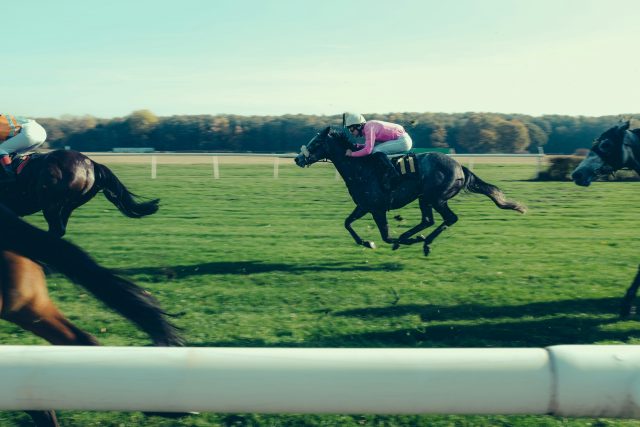
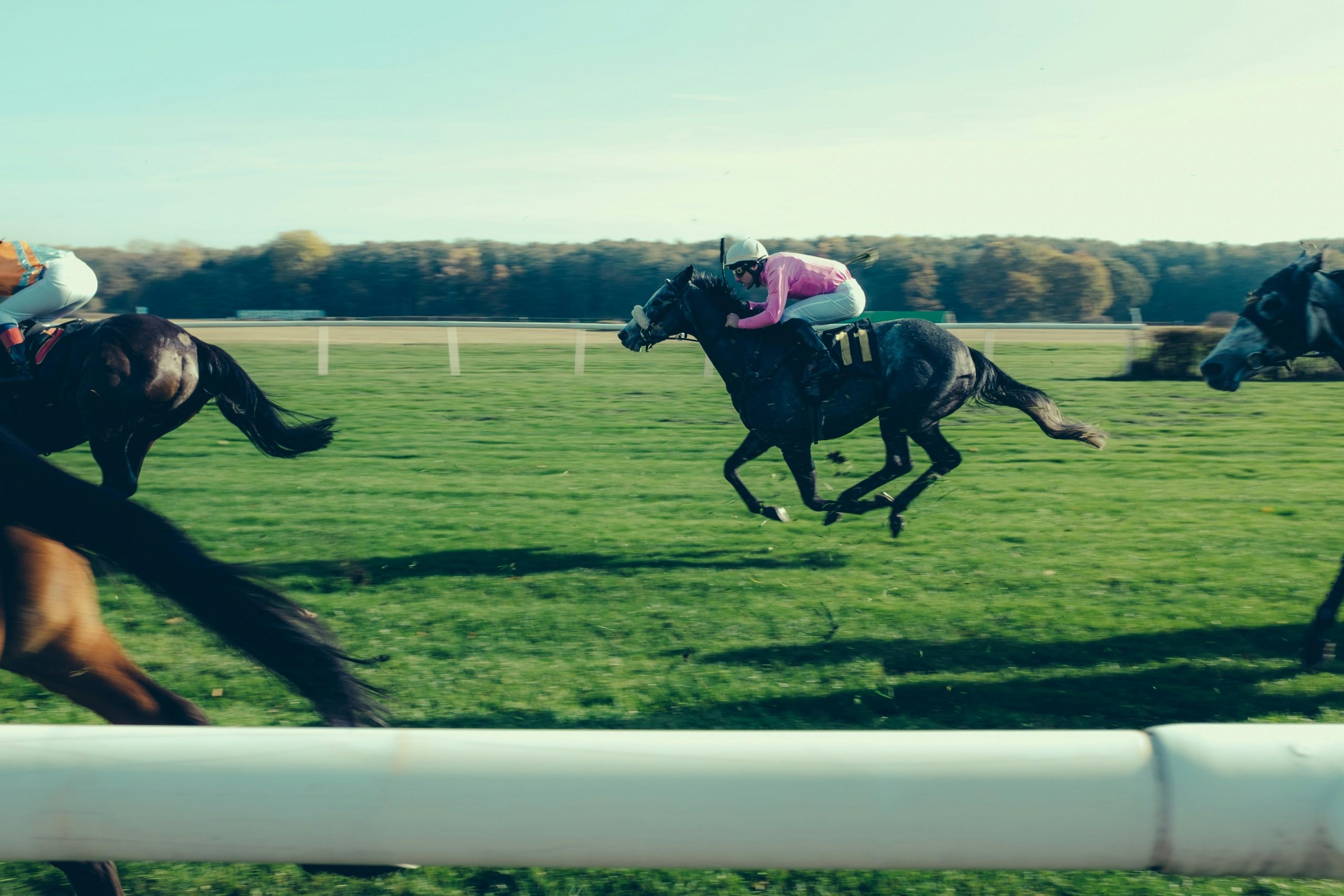
Horse racing has moved through centuries as both a working-horse test and a public spectacle. Its popularity has grown whenever the sport found new ways to gather crowds, tell stories, and make champions feel close. From royal courses to modern simulcasts, the appeal keeps reshaping itself without losing the thrill of speed.
Unsplash/CC
Horse enthusiasts often talk about racing as a mirror of the times, because each era built its own reasons to show up at the track. Even if your daily life is more arena than grandstand, it is hard not to feel the pull of hooves, strategy, and tradition. The same curiosity that brings fans to compare odds in other games shows up in racing culture too, and you can see a similar appetite for live, shared excitement on platforms like Bigclash casino. What matters most is how racing learned to turn that excitement into rituals that felt worth repeating.
From ancient contests to royal sport
Chariot racing in Greece and Rome proved early that speed on a track could become mass entertainment. Betting, team loyalties, and celebrity drivers created a template that modern racing still follows. As mounted racing spread, it often began as a practical test of breeding and stamina rather than a show. In medieval and early modern Europe, rulers sponsored meets to display prestige and evaluate horses for war and travel. Those patronage circles helped standardize distances, rules, and prizes. When you read old accounts, the crowd noise already sounds familiar, because people came to be moved by danger and skill.
Britain’s organized fixtures in the seventeenth and eighteenth centuries pushed racing into a recognizable modern form. The rise of the Thoroughbred, stud books, and regulated courses made outcomes feel trackable instead of random. Racing also became social theater, where fashion, class, and gossip mattered as much as the result. Print newspapers amplified this by reporting winners, bloodlines, and scandals with high drama. That attention created a feedback loop, since more coverage meant more spectators and more money. By the time racing crossed oceans with settlers, it arrived as a ready-made pastime with rules and status built in.
The track as a civic gathering place
In the nineteenth century, racecourses became local landmarks in the United States, Australia, and parts of Europe. Rail travel made day trips possible, so attendance expanded beyond the immediate neighborhood. Promoters learned to market big handicap races and derbies as community events rather than niche competitions. The sport gained extra traction where working horses were common, because fans felt they understood the animals. For many families, the track offered a rare mix of sport, fairground energy, and pageantry. That mix made racing feel like a holiday you could plan around each year.
At the same time, regulation and controversy grew side by side. Wagering attracted corruption, which sparked reforms, licensing, and the creation of steward systems that still shape trust today. When rules tightened, racing often rebounded because clearer oversight reassured casual fans. Star horses also became narrative anchors, turning seasons into stories of rivalries and comebacks. Photographs and later newsreels let people recognize champions by sight, not just by name. Racing’s popularity held when it could offer both a credible contest and a memorable character.
Media eras and the modern fan experience
Radio and television changed how people followed racing, because you no longer had to be at the rail to feel present. Major events became national rituals, and commentators taught viewers how to read pace, trips, and tactics. The sport benefited from replay culture, since debates about interference or brave losses kept fans talking. Simulcasting then made a single race available across many venues, linking local tracks into a wider network. That convenience kept wagering pools healthy and gave smaller circuits moments of visibility. When coverage is strong, racing can feel like a season-long series rather than isolated afternoons.
Digital platforms have continued that shift by offering form guides, livestreams, and social clips that pull new eyes into the game. Fans now follow jockeys and barns like teams, and the backstretch feels less mysterious when trainers share routines. The challenge is balancing speed of content with respect for horses, safety, and transparency. Racing remains most popular when it feels both thrilling and accountable, because viewers want to admire the athletes without looking away from hard questions. If you love horses, you can sense when a sport is honoring them, and that feeling keeps people coming back.
