



6 Things Your Vet Wishes You’d Stop Googling at 2 a.m.
Because late-night Google searches turn every mildly warm leg, weird noise, or perfectly normal horse behavior into a full-blown medical crisis … at least until morning chores.

It’s 2 a.m.
The barn is quiet.
Your horse has done something. You’re not sure what. but you are absolutely certain it either is nothing or something totally catastrophic.
Naturally, instead of sleeping like a rational human, you are on your phone, Googling phrases like:
- “horse weird breathing but only when standing by water bucket”
- “slightly warm leg horse emergency?”
- “horse acting normal but I have a bad feeling”
Somewhere, your veterinarian wakes up in a cold sweat, sensing the disturbance in the Force.

Because although Google is great for recipes, movie trivia, and confirming that everyone else’s horse also is feral, there are some late-night searches your vet truly wishes you would retire.
Here are a few of them.
1. “Horse Limping = Worst Case Scenario”
At 2 a.m., every uneven step is a career-ending injury.
Your horse took one short stride in the field earlier. You replay it in your head like Zapruder footage. Google immediately informs you this could be:
- A catastrophic soft tissue injury
- A fracture
- A life-altering, irreversible condition requiring immediate intervention and possibly a second mortgage
What Google does not factor in:
- Horses sleep weird.
- Horses step funny.
- Horses sometimes wake up mildly stiff and then walk it off like nothing happened.
Your vet wishes you’d remember that severity, heat, swelling, and persistence matter more than one suspicious step you noticed under the barn lights.
If the horse is weight-bearing, not blowing up like a balloon, and is walking normally by morning? Congratulations. You’ve survived another episode of “It Looked Worse in the Dark.”
2. “Is This Colic???”
Canva/CC
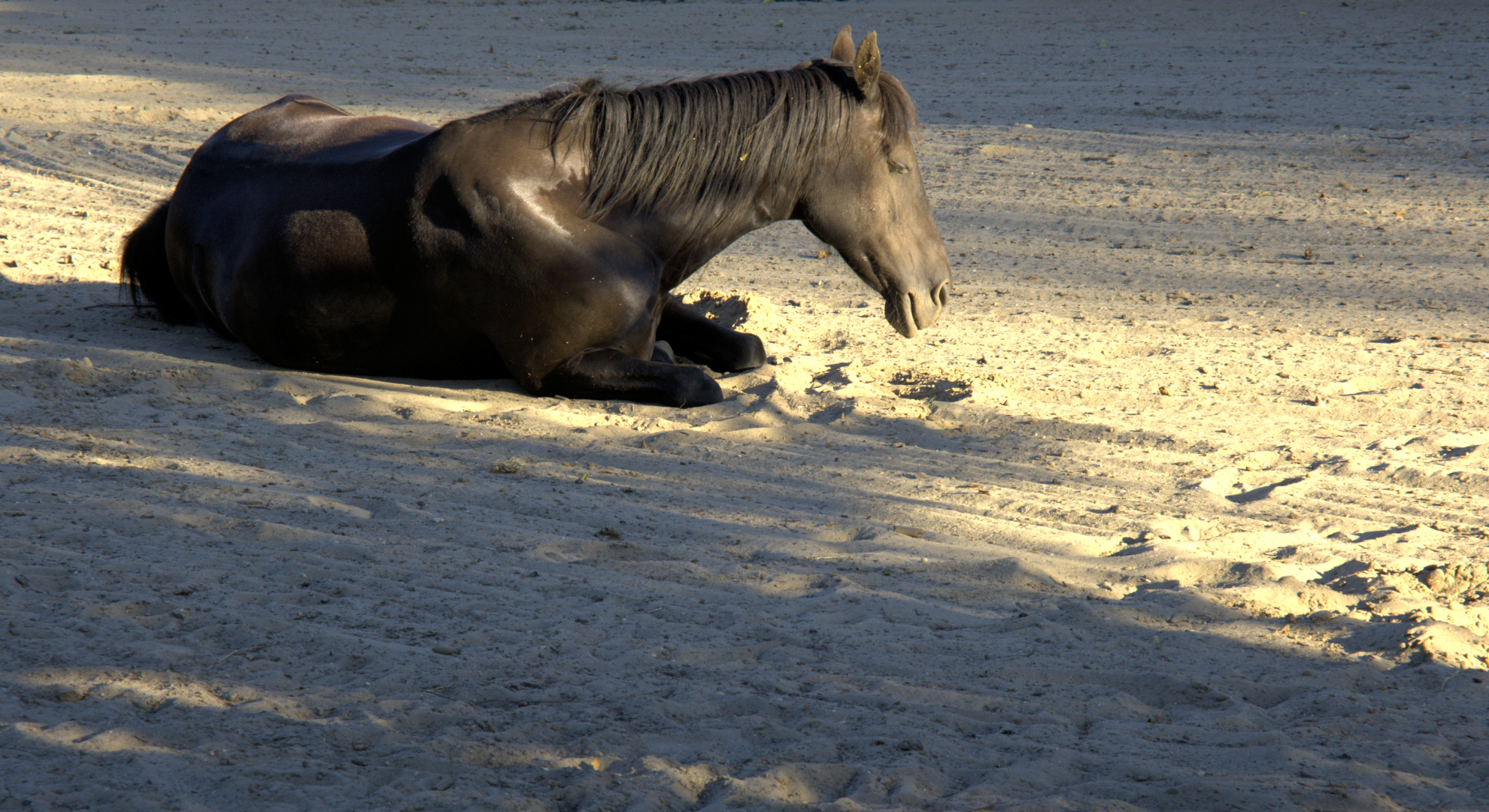
You see your horse paw once.
Or look at his side.
Or lie down… and then get back up.
Google says colic. Obviously.
Now you’re doom-scrolling articles that list 47 symptoms, 42 of which your horse might have if you squint.
Meanwhile, your vet is silently begging you to remember:
- Horses stretch.
- Horses nap.
- Horses sometimes lie down because the ground exists.
Colic is about patterns, not moments. Repeated discomfort, lack of manure, rolling, sweating, elevated heart rate — those are your red flags. One dramatic sigh at 1:47 a.m. is not.
Also: please stop sending poop pictures unless your vet specifically asks. They love you, but they did not go to school for 100 years and incur hundreds of thousands of dollars of debt for that.
3. “My Horse Has a Lump”
Ah yes. The midnight lump.
It was not there earlier. You are certain.
Now it is there.
And Google has diagnosed it as Everything All at Once.
Here are the things your vet wishes you knew:
- Horses collect lumps like frequent flyer miles.
- Bugs bite.
- Horses bump themselves on objects you didn’t know existed.
- Fluid likes to pool when gravity is involved.
A soft, cool, non-painful lump that appears overnight and doesn’t bother the horse is often… just a lump.
Take a photo. Measure it. Check it again in the morning. Lumps that change rapidly, are hot, painful, or come with lameness are worth escalating. Lumps that merely exist at 2 a.m. are often not.
4. “Horse Breathing Weird”
Canva/CC
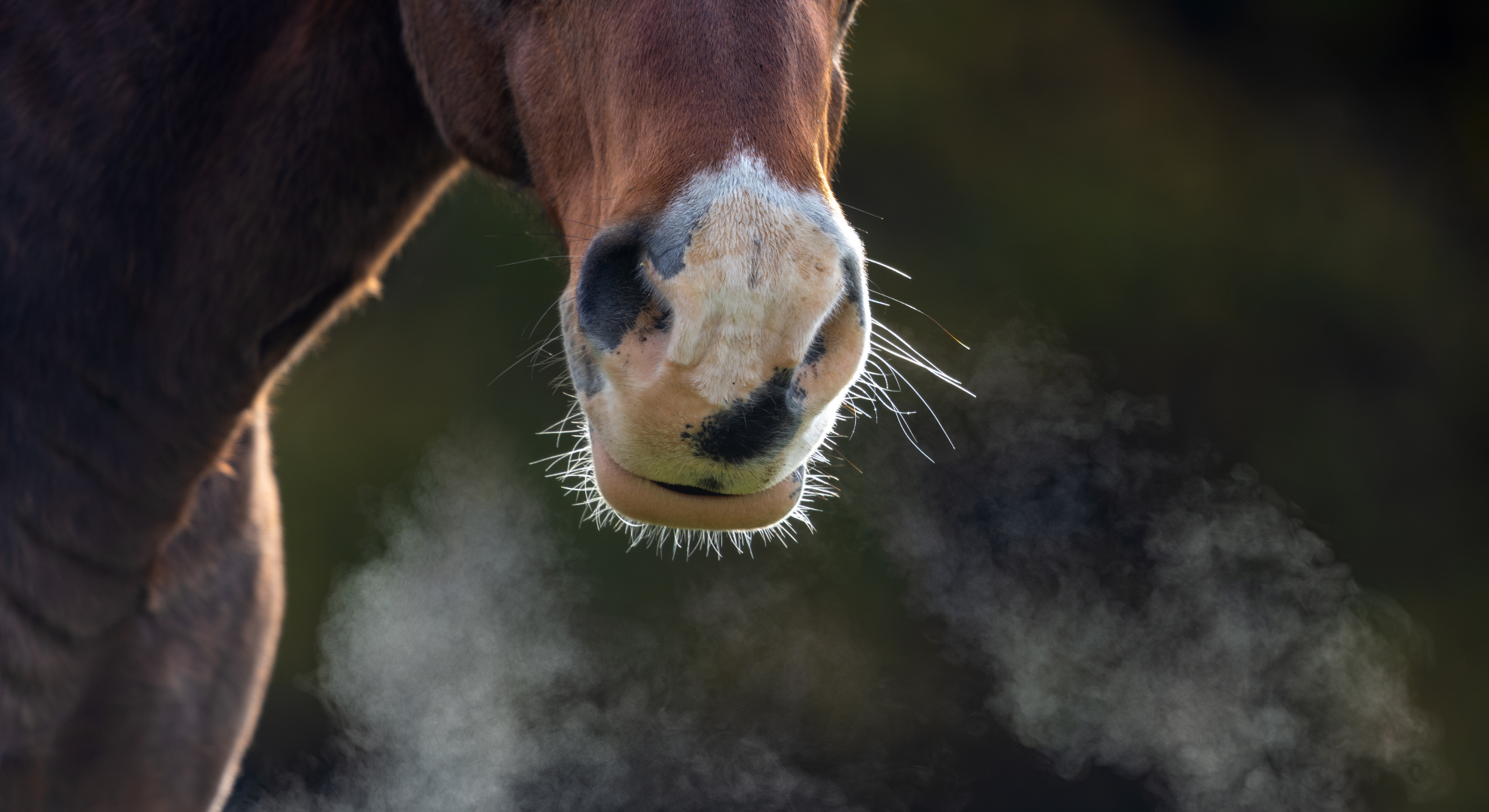
At night, breathing sounds louder. Because it is quiet. And you are listening too hard.
Now you’re counting breaths, convinced your horse is hyperventilating or preparing for a medical drama worthy of its own Netflix docuseries.
Google helpfully informs you that abnormal breathing can indicate:
- Heart failure
- Respiratory collapse
- The end of times
What your vet wishes you’d do instead:
- Step back.
- Watch the whole horse, not just the ribcage.
- Look for nostril flaring, coughing, discharge, lethargy.
A relaxed horse standing half-asleep with slow, steady breaths is not dying. He literally is just standing there.
5. “Random Horse Behavior Change”
Canva/CC
Your horse was fine yesterday. Today he is:
- Mildly annoyed
- Slightly clingy
- Offended by the concept of life
Google says behavioral changes are medical. Always.
Your vet wishes you’d remember that horses are:
- Sensitive to weather
- Affected by routine changes
- Deeply committed to having opinions
Yes, behavior can signal discomfort, but context matters. A horse being grumpy after a cold snap, new hay, or a disrupted turnout schedule is not the same as a horse in pain.
Patterns > moments. Always.
6. “How Long Can I Wait Before Calling the Vet?”
This is the one your vet actually wants you to Google less and communicate more about.
They don’t expect you to know everything. They expect you to:
- Observe carefully
- Provide clear information
- Call when something doesn’t feel right and fits concerning criteria
What they don’t love is finding out you’ve been spiraling silently since 2 a.m. because Google scared you into paralysis.
If you’re worried enough to lose sleep, it’s okay to call or text in the morning and say, “Here’s what I’m seeing. Does this need eyes on it?”
That’s not annoying. That’s responsible.
Canva/CC
Your vet understands the 2 a.m. anxiety spiral. They’ve had horses. They’ve Googled things themselves. They know the barn after dark turns everyone into a worst-case thinker.
What they really wish you’d stop doing is replacing observation and communication with panic scrolling.
Because most of the time?
The horse is fine.
The issue is minor.
Morning light changes everything.
And if it is serious, Google won’t save your horse, but a calm, informed call to your vet just might.
Now put the phone down.
Take a breath.
And stop diagnosing your horse with “something I read on the internet.”
