



The Lasting Influence of a Skilled Trainer
“Selecting the appropriate trainer is not a matter of choosing the most prominent name or the highest price point… You are not just paying for a set number of training rides. You are investing in your horse’s cognitive and emotional framework.”
When starting a young horse under saddle, no decision has a more lasting influence on its trajectory than the choice of trainer. An effective trainer does far more than simply “get a horse broke.” They establish the cognitive, emotional, and physical framework upon which the horse’s entire future performance and behavior will rest. Those initial 30, 60, or 90-plus days of training are not merely a period of acquiring basic cues; they represent a critical developmental window in which the horse’s neurological patterns, perceptions of pressure and release, and responses to the environment are formed. In essence, early training does not just teach a horse what to do, it shapes how the horse will interpret the world and engage with it for the remainder of its life.
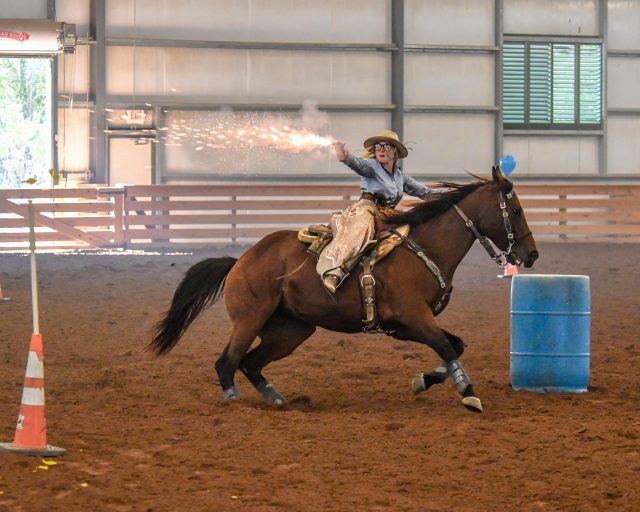
Photo courtesy of Marcella Gruchalak
When a horse is first being started under saddle, every stimulus they encounter becomes a formative reference point. Each sound, visual cue, tactile sensation, and movement contributes to the horse’s developing framework for how human interaction is interpreted. Skilled trainers recognize the developmental significance of these early exposures and utilize them with deliberate intention.
Equine learning theory underscores that horses acquire patterns and habits primarily through repetition, association, and the consistent application of pressure and release principles. When a trainer approaches a young horse with calmness, patience, and fairness, the animal begins to encode humans as predictable partners, to perceive pressure as a manageable signal rather than a threat, and to approach novel challenges with reduced fear reactivity. Conversely, research indicates that rushed, inconsistent, or force-based handling can elevate stress hormones, impair learning, and condition the horse to view humans as unpredictable sources of pressure, often resulting in heightened vigilance, resistance, or panic responses.
The cognitive and emotional imprint formed during this early period influences a wide spectrum of later behaviors, including how a horse accepts tack, loads into a trailer, responds to aids under saddle, and processes environmental stressors. Although behavioral modification is possible later in life, the foundational neural pathways established during a horse’s initial training phase are notably resilient. Early experiences contribute to synaptic wiring that becomes increasingly difficult to reshape as the horse matures. The quality of early training does not merely shape behavior, it shapes the horse’s entire perception of the world, establishing a mental and emotional baseline that will follow her throughout her lifetime.
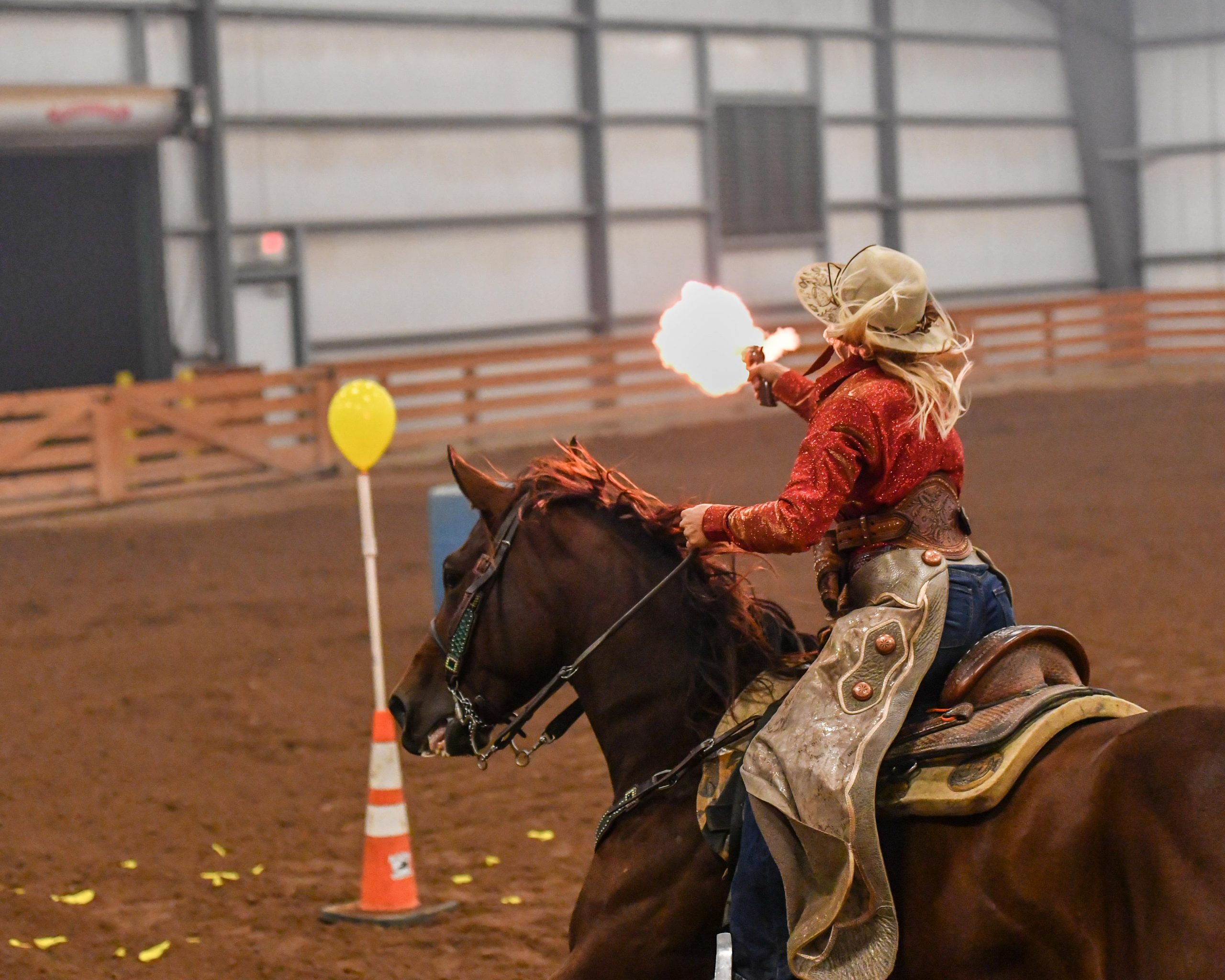
Photo by Genevieve Burnett Photography
When a horse is confronted with pressure, it must make the decision whether to yield, lean into the stimulus, freeze, brace, or flee. These responses are rooted in the horse’s natural ethological repertoire, but they can be shaped significantly through early training. A well-started horse learns to cognitively process pressure rather than respond with reflexive reactivity. This capacity to think instead of react stems from consistent, intentional, and well-timed handling. An effective trainer does more than teach mechanical responses; they cultivate the horse’s decision-making processes. The distinction between reactivity and responsiveness is one of the defining markers of quality foundational training.
Equine learning research highlights that predictability, clarity, and the timely release of pressure are central to developing confident, regulated behavior. When a young horse learns from the outset that human cues are trustworthy and that correct responses consistently lead to the release of pressure, it begins to engage with tasks as a problem-solver. Such horses demonstrate improved emotional regulation, lower cortisol reactivity, and a greater tendency to seek guidance rather than avoidance.
Conversely, a horse started with excessive pressure, inconsistent cues, or fear-inducing methods may encode humans as sources of chaos. In these environments, the sympathetic nervous system becomes dominant, and survival-based responses, flight, fight, or freeze, are reinforced. Over time, this shapes not just isolated behaviors but the horse’s entire decision-making architecture. Early training effectively influences the patterns of neural activation that dictate how the horse evaluates stimuli, interprets pressure, and chooses its responses. the initial training period teaches a young horse actions but also conditions the way they think, perceive, and engage with the world.
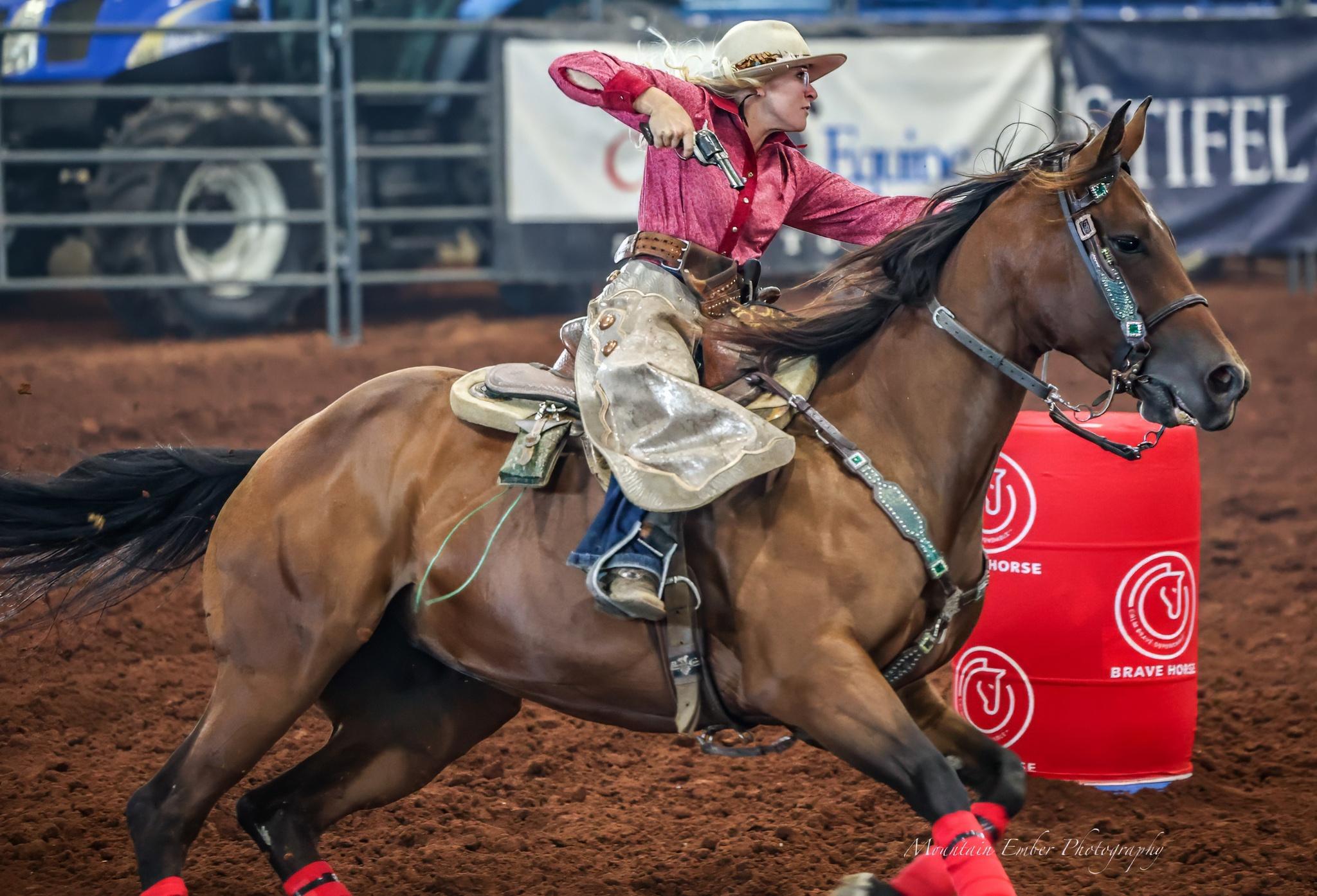
Photo by Mountain Ember Photography
Every horse, regardless of temperament, inevitably encounters moments of fear or uncertainty, a flapping tarp, a voice on the loudspeaker, or the unfamiliar atmosphere of a new arena. The critical factor is not whether the horse experiences these stressors, but how its prior conditioning has prepared it to interpret and respond to them.
Effective trainers introduce young horses to novel stimuli in a manner that promotes confidence rather than trauma. Instead of overwhelming the animal they use incremental exposure, allowing the horse to remain within a tolerable arousal range. This approach supports the horse’s ability to stay soft, to remain cognitively engaged, and to maintain connection with the rider even when sympathetic activation, such as elevated heart rate or adrenaline release, occurs. Research in equine stress physiology demonstrates that controlled exposure combined with predictable handling reduces the likelihood of maladaptive fear responses and facilitates long-term emotional resilience.
In contrast, trainers who force rapid exposure or apply excessive pressure risk pushing the horse beyond its coping threshold. Horses subjected to such methods may learn to internalize fear, suppress behavioral responses, or escalate into explosive reactions when overwhelmed. These maladaptive patterns can manifest as chronic spooking, bolting, heightened startle responses, or complete shutdown. Such outcomes underscore that early exposure is not merely about desensitization, but about shaping the horse’s capacity to manage stress throughout its life.
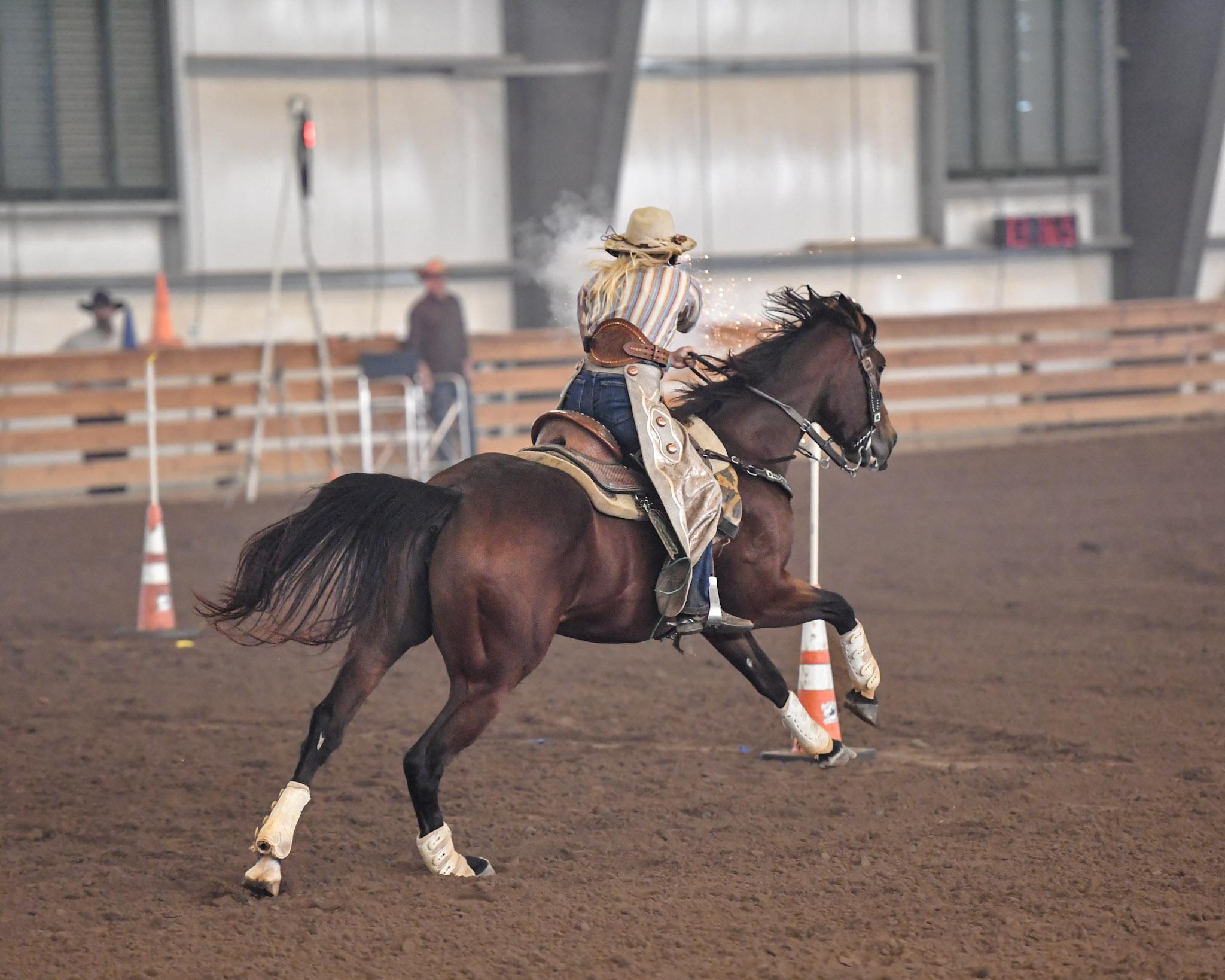
Photo by Genevieve Burnett Photography
The fight-or-flight response is a deeply ingrained physiological mechanism in horses, rooted in evolutionary pressures that favored rapid escape behaviors for survival. While the instinct is universal across the species, the way it manifests under saddle is significantly influenced by the shaping that occurs during a horse’s early training.
A horse started with calm handling, consistent reassurance, and fair, well-timed pressure develops the capacity to remain cognitively engaged even when startled. Such horses may momentarily flinch or hesitate, but they rapidly reorient their attention back to the rider. Through repeated positive associations, they internalize the rider as a source of safety and guidance rather than unpredictability or fear. Equine behavioral studies show that this type of early experience strengthens the neural pathways associated with emotional regulation and reduces the horse’s baseline reactivity to environmental stressors.
Conversely, a horse that is rushed, exposed to unclear cues, punished unfairly, or forced to operate in a state of confusion often learns that it must rely on its own survival instincts when pressure arises. In these cases, the sympathetic nervous system dominates, triggering flight-based behaviors such as bolting, spinning, or bucking. The brain reverts to instinctual survival mode because the horse has learned through experience that human interaction under stress does not lead to relief or clarity. Research on equine stress conditioning indicates that these early experiences can heighten startle responses and create long-term patterns of avoidance and panic.
Once such reaction patterns are established, they require considerable time, consistency, and patient retraining to modify. While trust can be rebuilt and responses softened, the deep neural pathways formed during early training remain influential. The first trainer shapes the horse’s fundamental stress-response architecture for years to come.
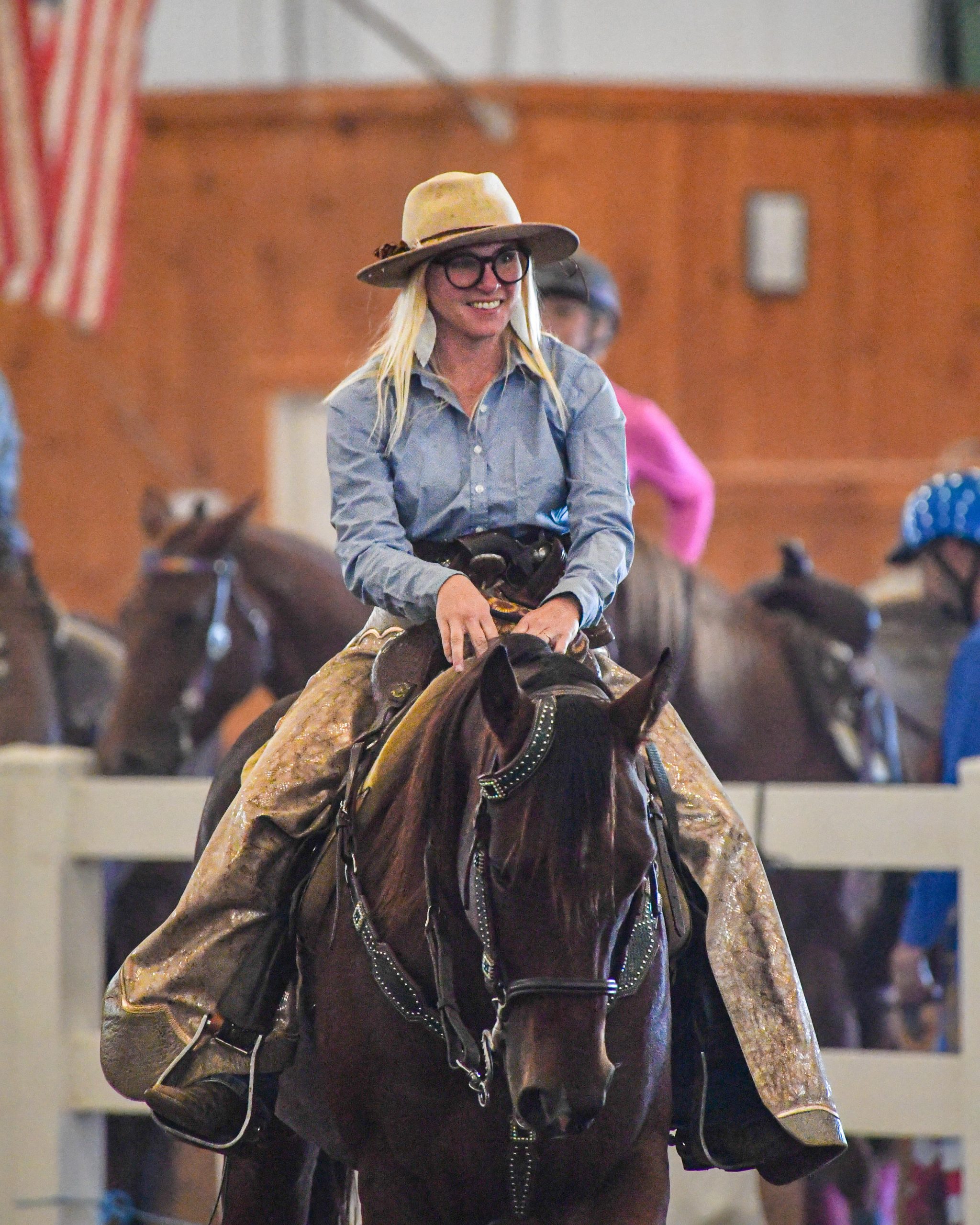
Photo by Genevieve Burnett Photography
Another critical indicator of high-quality foundational training is the horse’s ability to adapt to new riders, particularly its long-term owner. Not all training programs cultivate this flexibility. Some horses return home technically broke, yet responsive only to the cues, timing, and body language of a single trainer. The horse has learned a narrow, trainer-specific communication system, and any deviation from that system results in confusion or anxiety.
A thoughtful trainer, however, teaches the principles behind the cues rather than merely conditioning rote responses. They emphasize conceptual learning, pressure and release, softness, balance, and attentiveness, so the horse can generalize these ideas across different riders and contexts. This mirrors well-established learning theory, which shows that animals capable of generalization exhibit greater behavioral flexibility and lower stress when confronted with novel situations. A horse trained in this way is not tied to the subtleties of one person’s riding style; instead, it understands the underlying logic of human signals. That adaptability is where the true value of foundational training lies.
When a horse is overly patterned to a single trainer’s highly specific style, the owner may struggle for months or even years to form a connection. The horse is not being defiant; it is simply attempting to operate within a communication framework that no longer aligns with the cues it receives. From the horse’s perspective, the rules have changed without warning. Skilled trainers anticipate this eventual transition and deliberately prepare the horse to succeed beyond their own hands, creating an animal that is confident, versatile, and capable of forming new partnerships with clarity and trust.
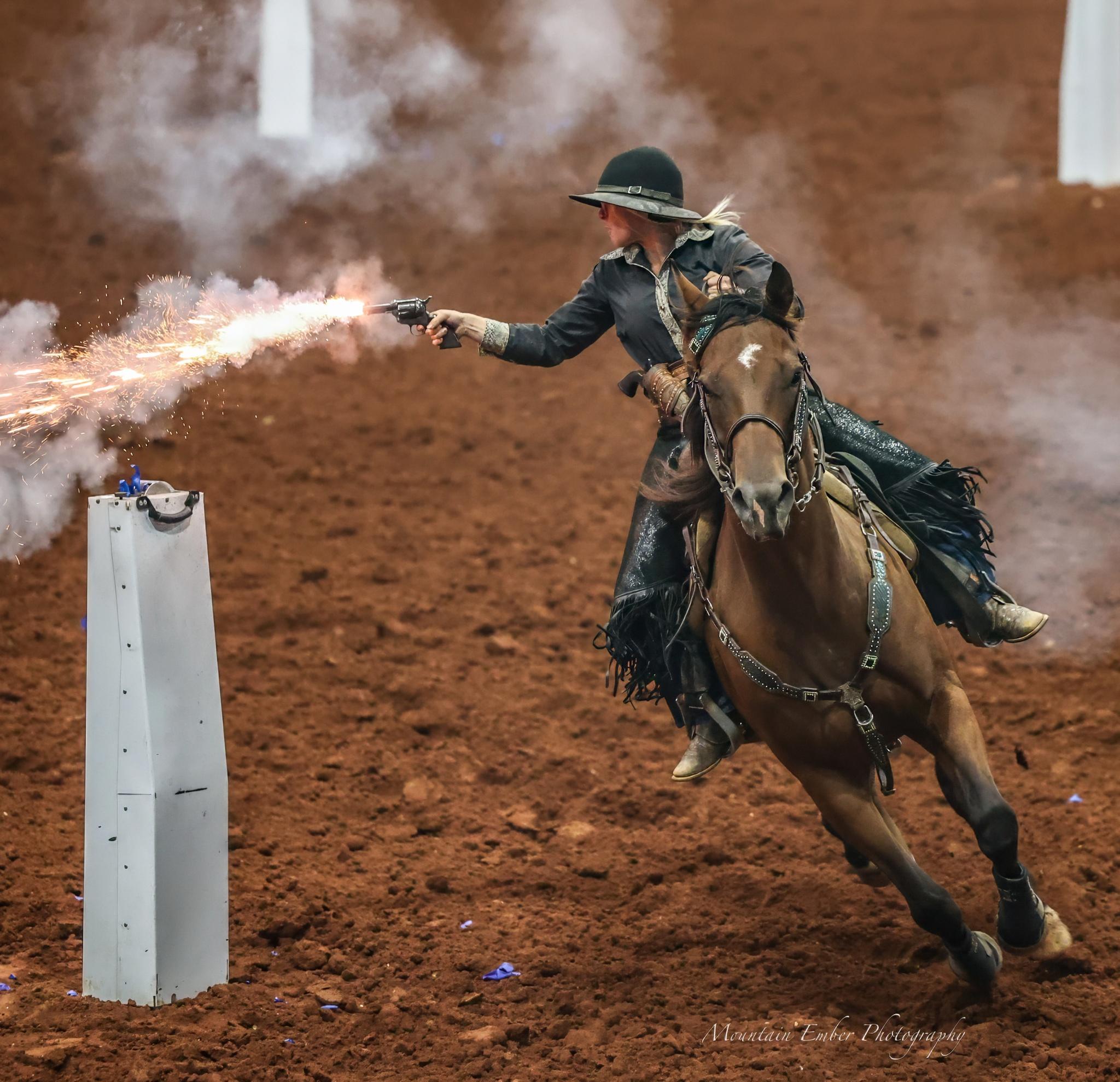
Photo by Mountain Ember Photography
It is not always a matter of cruelty or incompetence; sometimes a trainer is simply an incompatible match for a particular horse. Equine temperament research shows that different horses have distinct sensory thresholds, coping styles, and learning speeds. Some require a slow, quiet introduction with ample reassurance to build confidence, while others thrive under clear structure, consistency, and well-defined boundaries. When a horse’s innate temperament does not align with the trainer’s methods, the mismatch can produce confusion, frustration, or even fear.
A horse that is rushed, overfaced, or handled in a way that does not align with its emotional capacity may never fully regain the trust eroded during those early experiences. This often manifests as anxiety under saddle, inconsistent or contradictory responses to cues, or learned helplessness sometimes appearing as shutdown behavior. Physically, such horses may carry chronic tension, stiffness, or guarded movement patterns that reflect underlying emotional dysregulation. Cognitively, they begin to approach interactions with hesitation and doubt, having learned to question rather than trust human guidance.
This does not mean these horses are beyond recovery; with time, patience, and a handler who understands their individual needs, meaningful rehabilitation absolutely is possible. Yet the process is often lengthy and requires careful rebuilding of both confidence and clarity. Much of that hardship could have been avoided with a more suitable trainer that honored the horse’s temperament and supported its psychological development from the beginning.
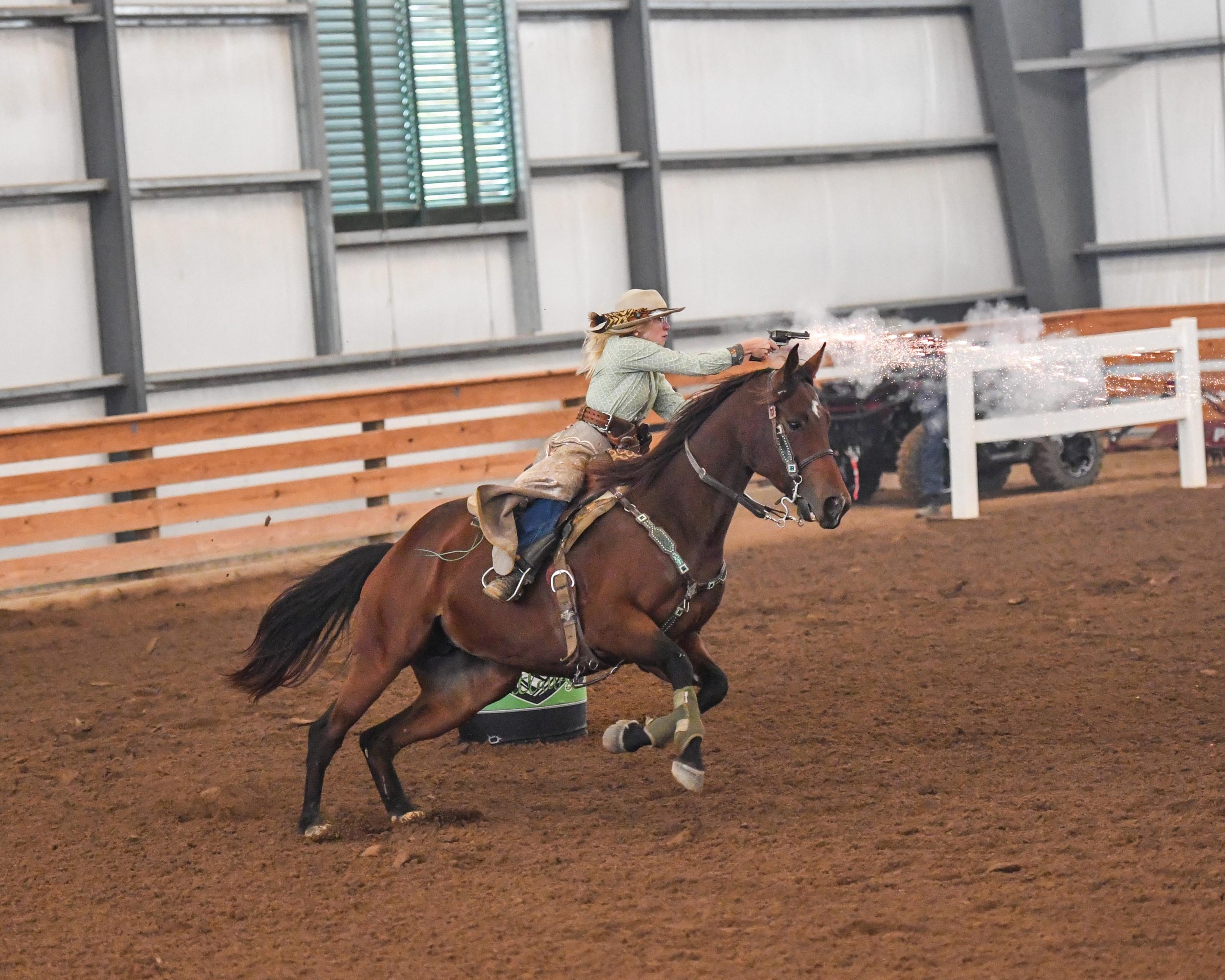
Photo by Genevieve Burnett Photography
Selecting the appropriate trainer is not a matter of choosing the most prominent name or the highest price point. Rather, it requires identifying a professional whose methods align with your horse’s individual temperament, learning style, and emotional needs. Effective foundational training is inherently personalized; what works for one horse may be counterproductive for another.
Before sending a young horse to a trainer, it is essential to consider the following questions:
- Does this trainer take the time to read the horse in front of them?
- Do they value communication and softness over speed and control?
- Are they willing to adjust their methods based on the horse’s feedback?
- Do they involve the owner in the process to ensure a smooth transition home?
You are not just paying for a set number of training rides. You are investing in your horse’s cognitive and emotional framework, the way they will interpret human interaction, process pressure, and navigate the world for the rest of their life.
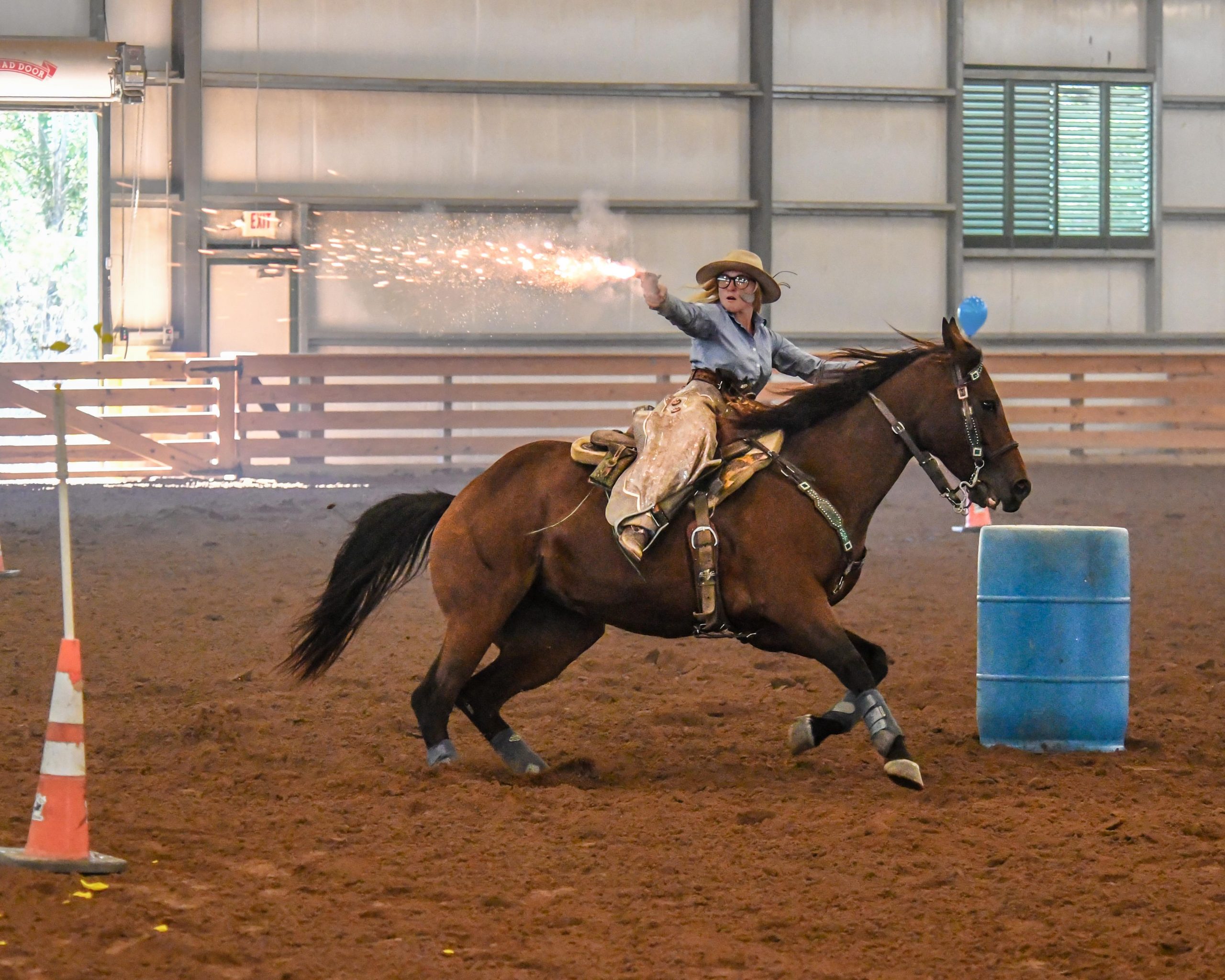
Photo by Genevieve Burnett Photography
A properly started horse demonstrates more than refined movement; it exhibits enhanced cognitive engagement and emotional resilience. Such a horse seeks collaboration rather than evasion, approaches novel experiences with curiosity rather than apprehension, and maintains composure under pressure. These qualities manifest consistently across all disciplines, whether in flatwork, trail riding, or competitive arenas, shaping every subsequent interaction and performance.
When considering the placement of a young horse for initial training, it is crucial to recognize that this decision extends far beyond selecting a set of technical skills. You are, in essence, choosing the foundational cognitive and emotional framework that your horse will carry throughout its life.
