



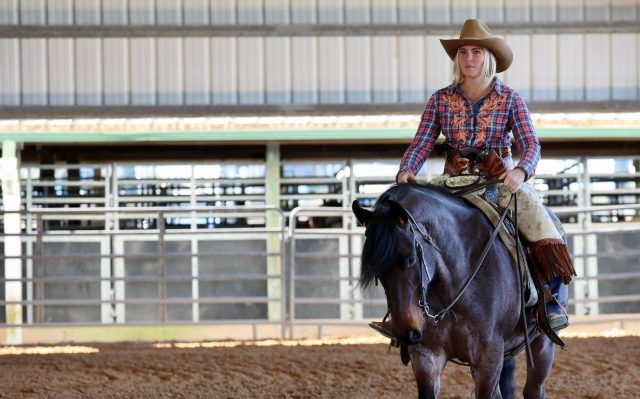
Breaking vs. Gentling: Spirit Lost vs. Spirit Shared
“A gentled horse isn’t afraid of making mistakes, because mistakes simply are part of the learning process. They’re not punished into silence, they’re guided into confidence.”
For generations, the language of horsemanship has carried with it the word “broke.” A broke horse is one that responds to cues, carries a rider without fuss, and has had the resistance taken out of him. For many people, that has been the end goal: obedience, compliance, and predictability. And for years, I thought that’s exactly what I wanted, too. I wanted a horse that would do what I asked, when I asked, without question.
But the longer I spent in the saddle, the more I realized something important: broke and gentled are not the same thing. A broke horse may be obedient, but a gentled horse gives you something much more valuable — their heart. Gentling a horse doesn’t extinguish their fire; it channels it. Instead of drilling them into submission, you help them learn to trust, think, and work with you.
It took me time to understand this difference. At first, I believed obedience was everything. But the more I rode, the more I recognized the quiet loss in horses that had been “broke” in the traditional sense. They did what they were asked, but they no longer thought for themselves or carried the spark that makes a horse special. They had been taught to comply, not to connect. And I realized what I truly wanted wasn’t compliance, it was partnership. I’m not saying this style horse is for everyone, as beginners need something reliable they can learn on, but for me, at this point in my riding career, I enjoy the horse’s personality and want it to shine through.
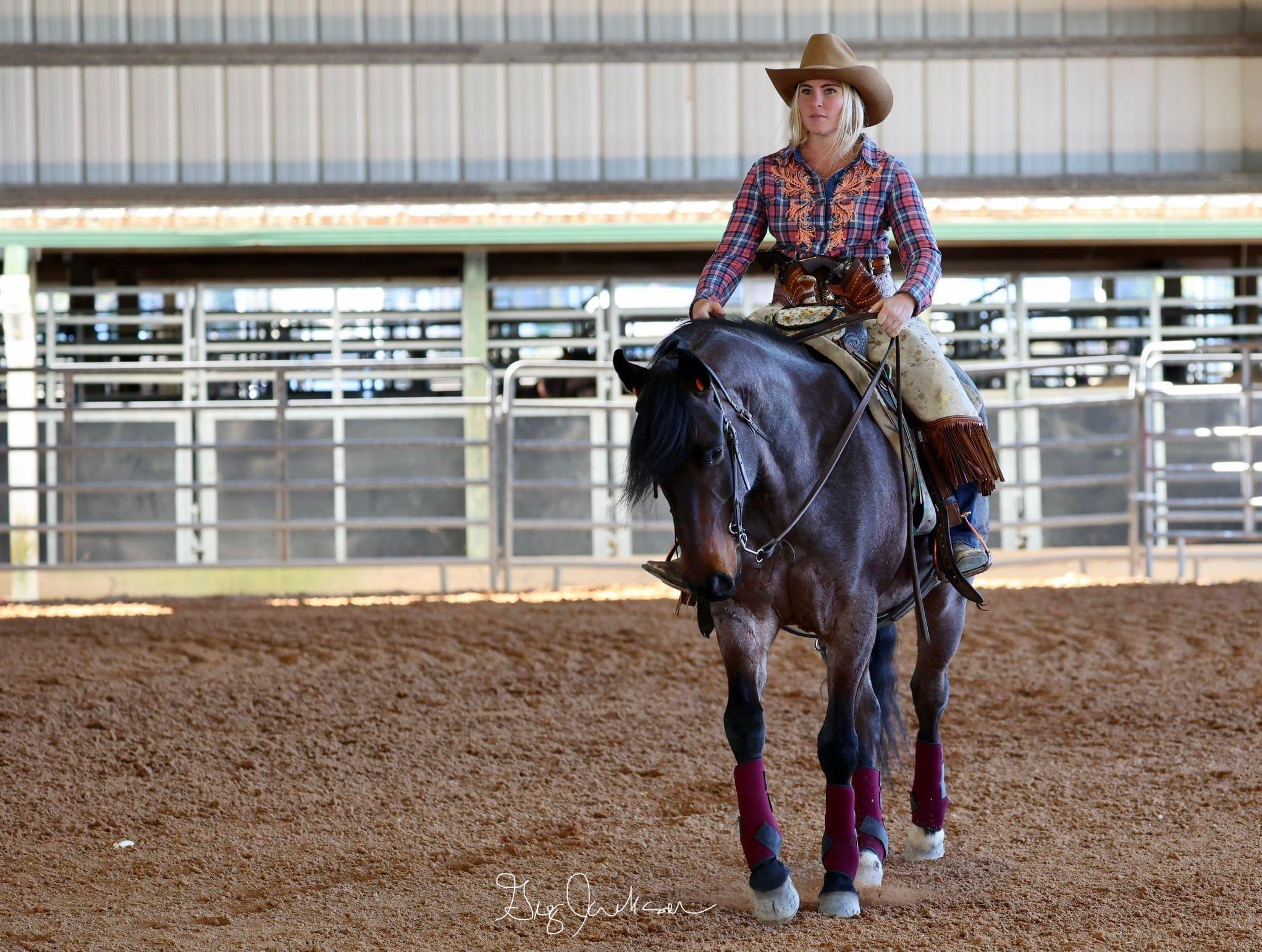
Photo by Mountain Ember Photography
Traditionally, “breaking” a horse meant exactly what the word suggests: breaking their resistance until they submit. The methods vary, but the philosophy is the same: get control fast, and if the horse fights, fight harder. The horse eventually learns that resistance is futile, and submits.
A broke horse under this system can be useful. They’ll stop, go, and turn when asked. They’ll tolerate whatever tack you put on them and rarely question a command. On the surface, they’re safe, predictable, and reliable. But underneath, something important has been lost. Their spirit, curiosity, and independence. A horse that has been broke may never buck or bolt, but they also won’t volunteer effort with the same passion. They’re compliant, but they’re not inspired.
Gentling, on the other hand, is about building trust and relationship instead of enforcing control. It doesn’t mean you allow bad behavior or chaos; it means you guide the horse toward understanding, rather than forcing them into submission. A gentled horse still has opinions. They still think and they still have that fire. But instead of being afraid to express themselves, they learn how to channel that energy into the job. Gentling teaches a horse to look for answers, but not to the point that they stop thinking. You don’t drill them into automatic responses, you help them learn how to problem-solve alongside you.
That’s why gentled horses are often more engaged. They’re not doing what they’re told because they have no choice. They’re choosing to meet you in the middle, to bring their energy and heart into the work.
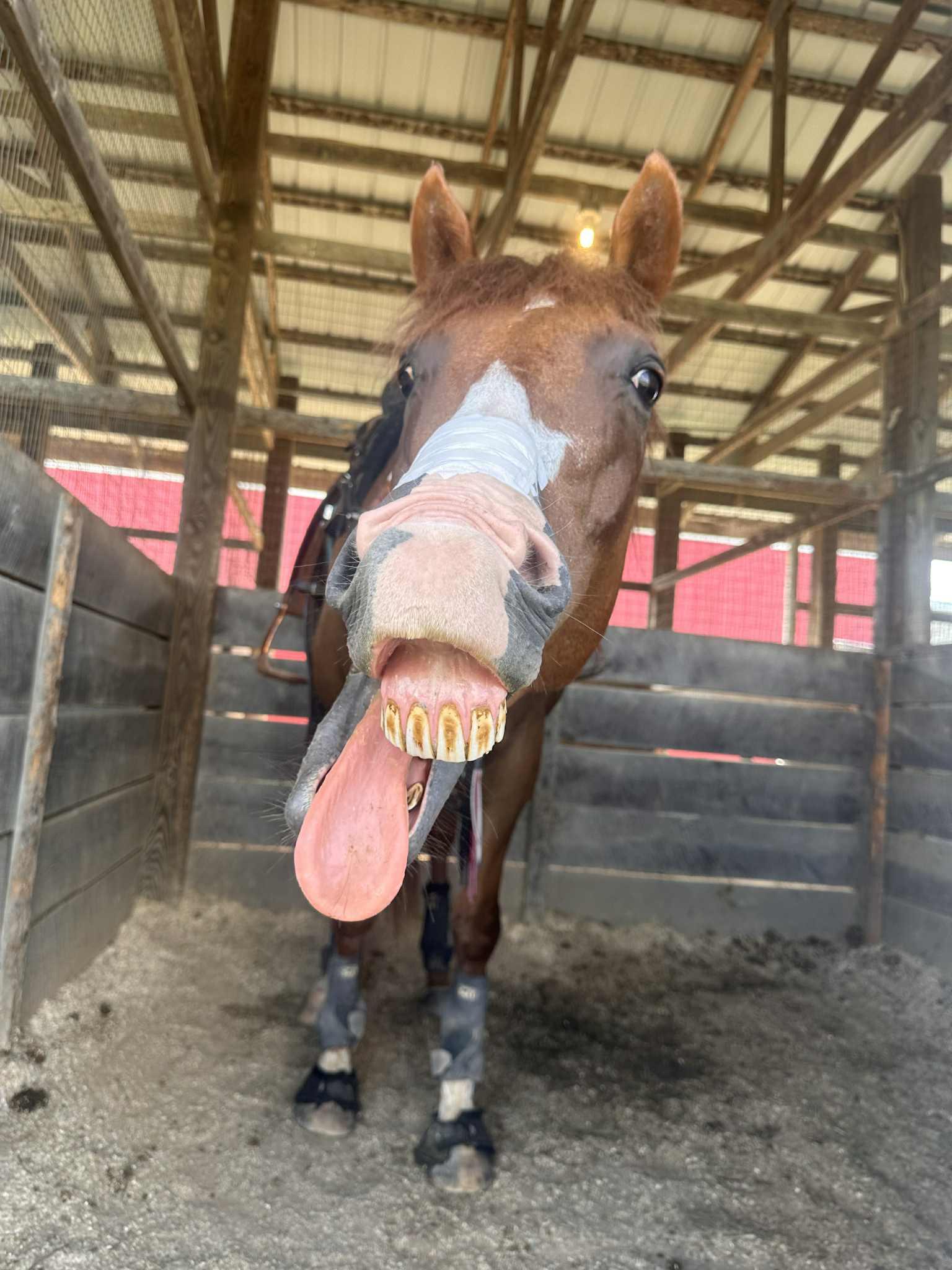
Photo by Mollie Himes
Every rider wants obedience to a degree. A horse that refuses every cue or takes off on their own agenda is dangerous. But blind obedience isn’t the goal either. The best horses are the ones that walk the line between obedience and independence. They listen, but they also think. They respect your leadership, but they also bring their own initiative. They don’t wait for you to micromanage every stride; they use their brain and body to help get the job done.
This is where gentling makes a difference. A gentled horse learns how to think under pressure. Instead of panicking or freezing when something unexpected happens, they learn to search for the answer. That’s why gentled horses often excel in competition, trail riding, or working situations where conditions change quickly. They haven’t been taught to shut down, they’ve been taught to engage.
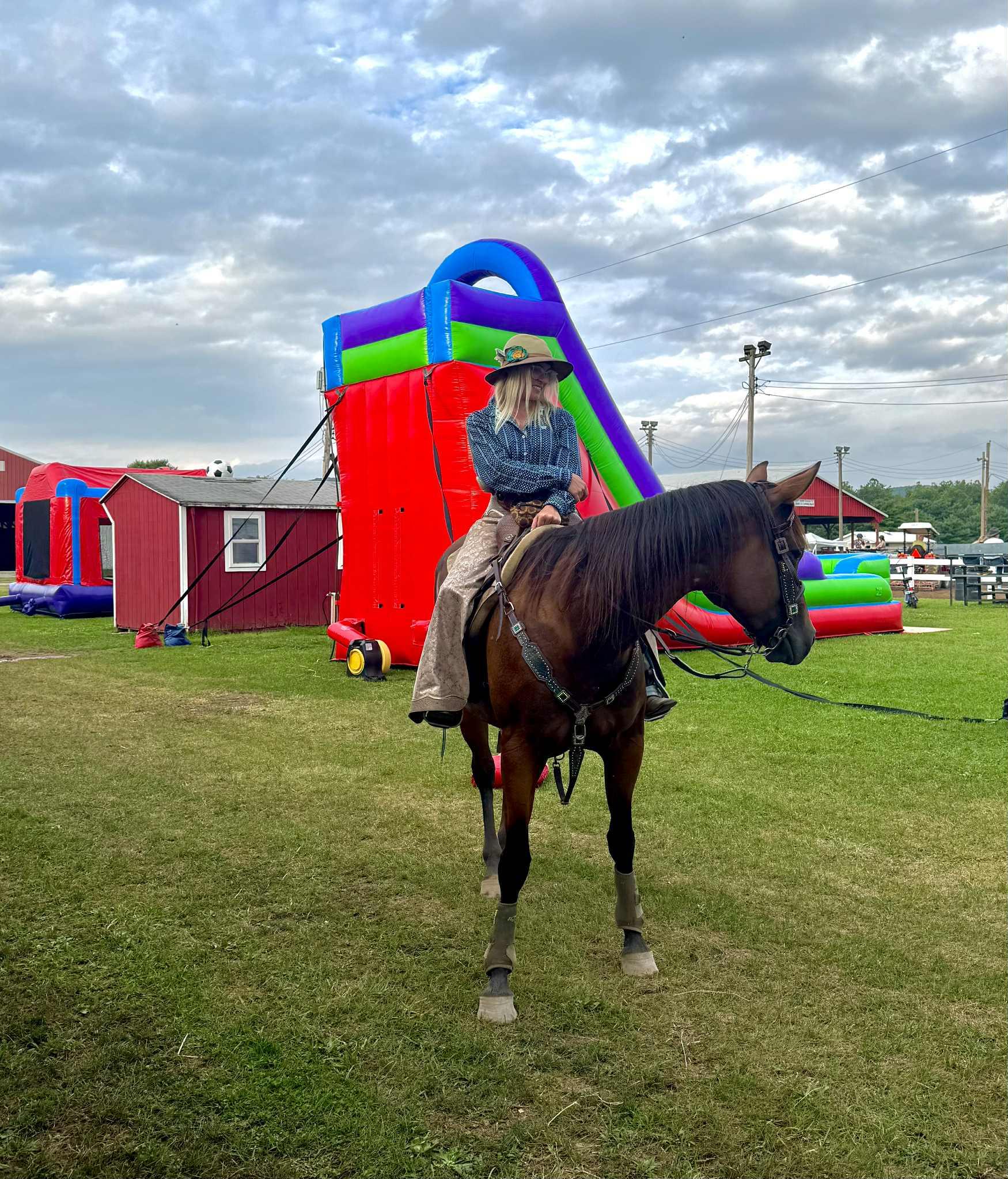
Photo by the Ringer Family
When I think back on the horses I’ve admired most, they were never the ones that acted like robots. They were the ones that lit up when asked to do their job. The mounted shooting horse that ran with ears pinned, gritty and ready to do the job. The ranch horse that watched the cows just as intently as his rider. The jumping horse that put his ears up every time he approached a jump, clearly enjoying the job as much as the rider. That kind of heart doesn’t come from drilling commands. It comes from cultivating a relationship where the horse feels valued, understood, and trusted.
This is the most important aspect of a gentled versus broke horse for me. A gentled horse isn’t afraid of making mistakes, because mistakes are simply part of the learning process. They’re not punished into silence, they’re guided into confidence. Horses should be given just as much grace as we give ourselves when they’ve had a bad ride. That’s when the horse starts to give you their body and their heart.
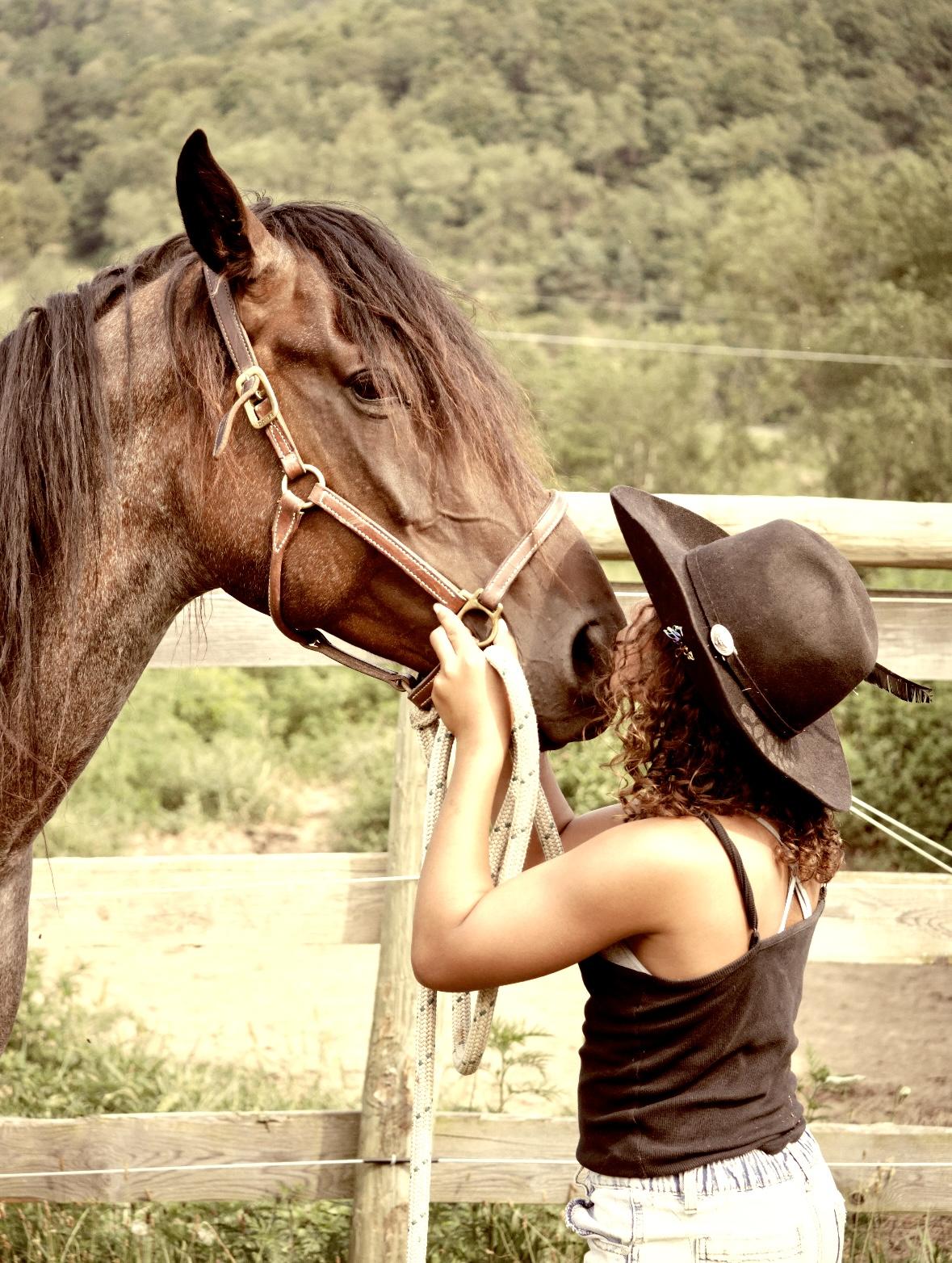
Photo by Marcella Gruchalak
I’ll admit, it took me a while to see the distinction. In the beginning, I wanted a horse that was “broke” because it sounded safe. I didn’t want fights, spooks, or surprises. I wanted predictability, and I thought the way to get that was through drilling and control. Over time, I noticed the difference between horses that had been broke versus those that had been gentled. The broke ones were dependable, yes, but they lacked spark. The gentled ones were alive, engaged, and joyful. They wanted to do their job.
Finally, I realized that’s what I wanted. I didn’t just want a compliant horse, I wanted a partner. I wanted a horse that gave me their fire, passion, and try which comes from gentling, not breaking.
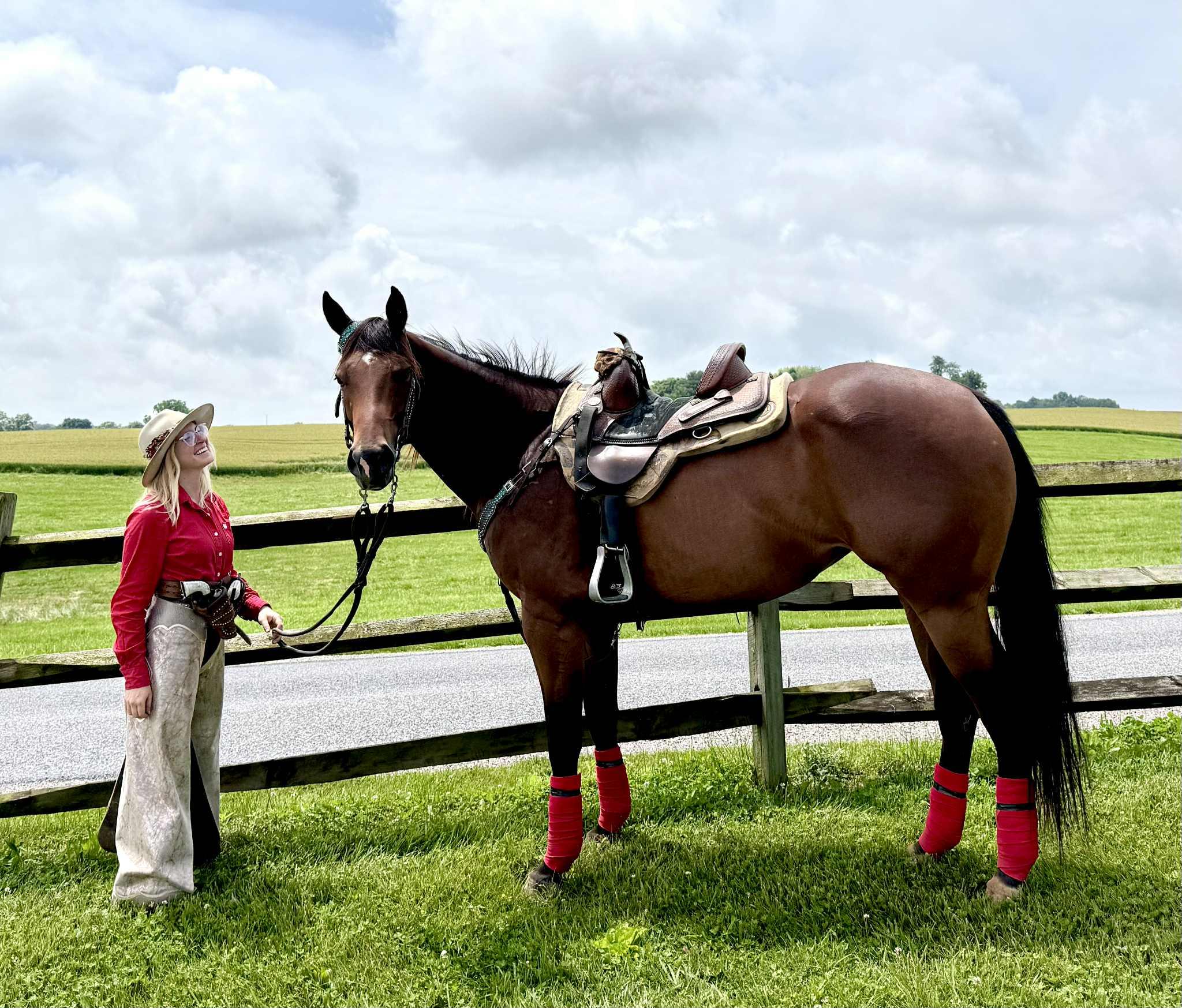
Photo by DeAnn Long Sloan
So how do you create a gentled horse instead of a broke one? It takes A LOT of patience, consistency, and a willingness to see the horse as an individual rather than a machine. Every interaction builds the foundation. If the horse learns you’re fair, consistent, and safe, they’ll begin to offer you their try.
Reward the search. Instead of punishing mistakes harshly, reward the horse for seeking the right answer. This keeps them thinking and engaged instead of shutting down. Channel the horse’s energy, don’t suppress it. Fire isn’t a bad thing. A spirited horse can be the best partner if their energy is guided. Allow them to think. Don’t micromanage every step. Give them opportunities to make choices and learn from them.
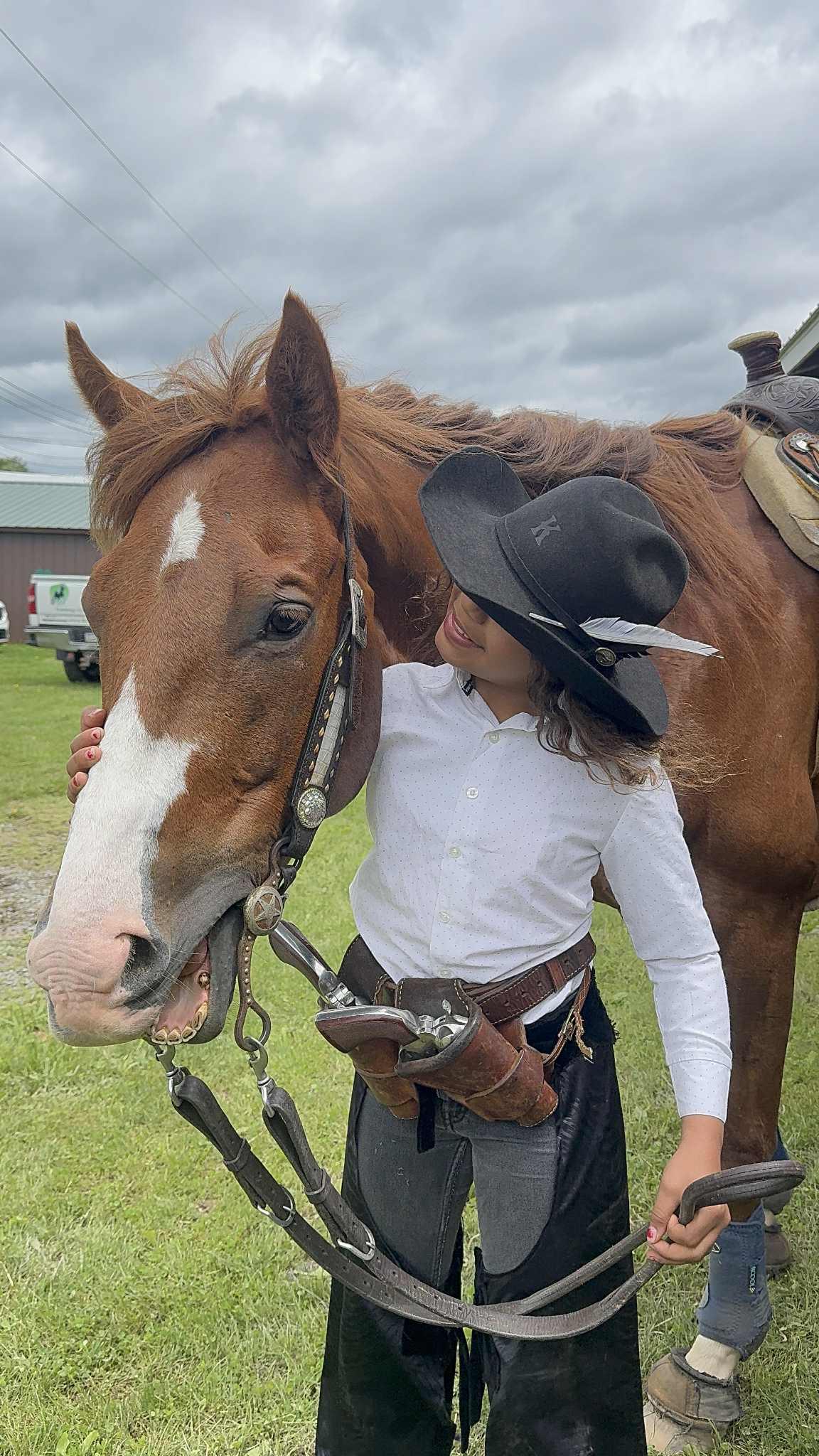
Photo by Marcella Gruchalak
At the end of the day, we ride our horses because we love the relationship, the feeling of being one. That kind of partnership doesn’t come from breaking, it comes from gentling. A broke horse may do the job, but a gentled horse will do it with heart. And when you’ve felt the difference, when you’ve ridden a horse that’s with you because they want to be, not because they have to be, you’ll understand.
I didn’t realize for a long time that what I truly wanted was a gentled horse. I thought obedience was enough. But I’ve learned that the fire in a horse is not something to fear, it’s something to cherish. Because that fire, when guided with care, becomes passion. And passion is what turns a horse from merely compliant into truly extraordinary. That’s the kind of horse worth riding.
