



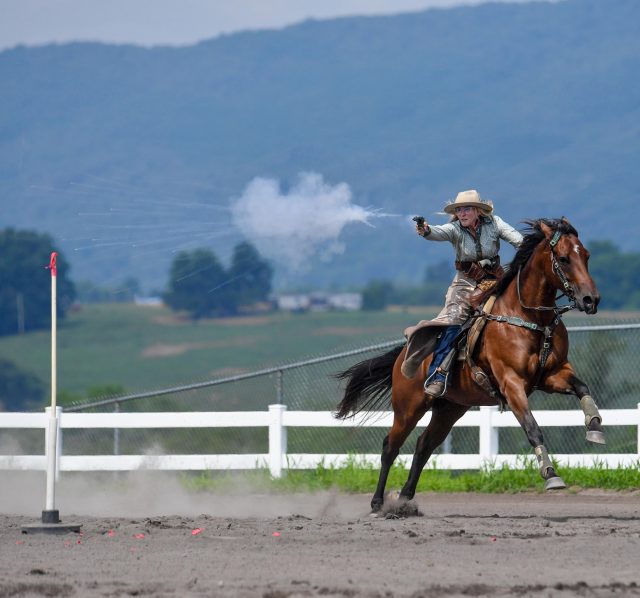
Improving Your Riding: Trusting Your Partner
“When trust is broken or never fully built, it becomes a barrier to progress. No matter how experienced you are, your cues won’t communicate to your horse the way you expect. You’ll start to overcompensate, using more leg, stronger bits, harsher training aids, and more assertive body language, but force can’t substitute for foundation.”
You can be the most skilled rider in the arena, with perfect posture, textbook cues, and an impressive show record, but without your horse’s trust, you’ll hit a wall. Progress in the saddle isn’t just about technical ability. It’s about partnership. At the heart of every great horse and rider duo is a deep, mutual trust. Without it, even the most talented rider can feel like they’re not riding to the best of their ability.
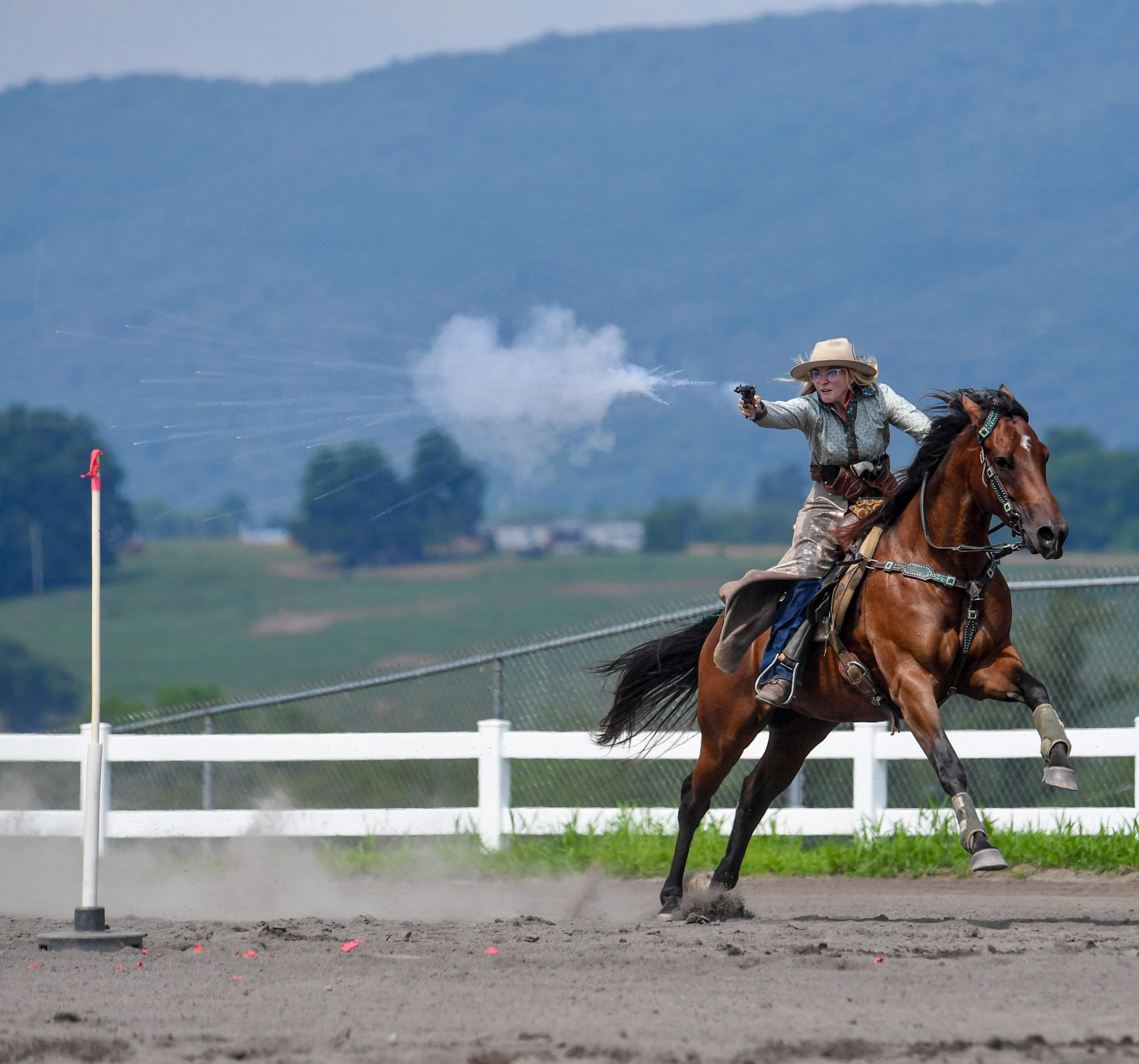
Photo by Genevieve Burnett Photography
A lack of trust in a horse-rider relationship can show up in subtle ways at first. Maybe your horse is tense during saddling, resistant to being caught, or shows signs of anxiety when asked to try something new. Over time, the signs become more pronounced: spooking at things they’ve seen a hundred times, ignoring cues, rushing through the pattern, fighting through exercises, or completely shutting down.
A horse that doesn’t trust you might brace against the bit, balk at the gate, or disrespect you on the ground. They may be obedient enough to get by, but they’re mentally and emotionally checked out. You feel it when you ride that they’re not with you, they’re merely tolerating you.
When trust is broken or never fully built, it becomes a barrier to progress. No matter how experienced you are, your cues won’t communicate to your horse the way you expect. You’ll start to overcompensate, using more leg, stronger bits, harsher training aids, and more assertive body language, but force can’t substitute for foundation. Horses are prey animals, hardwired to seek safety and comfort. If you’re not their safe space, they’ll never fully give you their best.
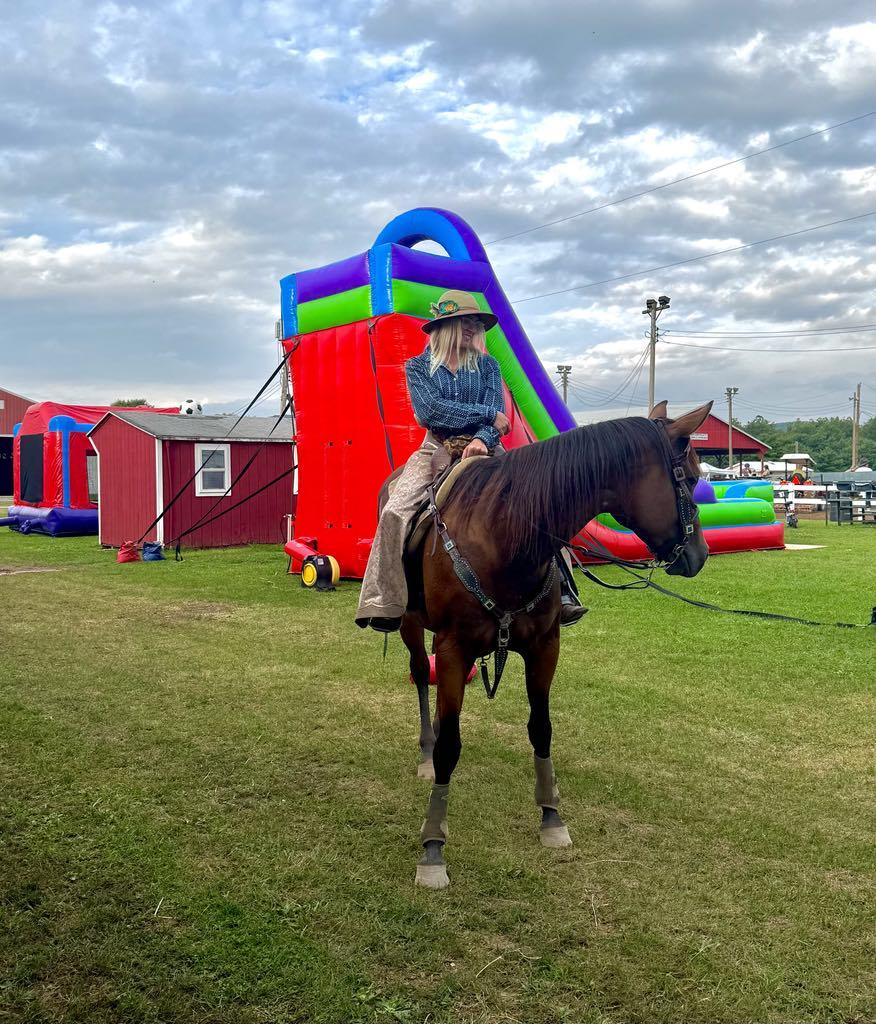
Photo by Jess Ringer
Riding is a conversation between two beings, each with their own emotions, instincts, and fears. Trust is the language that keeps that conversation open and honest. When a horse trusts their rider, they’re more willing to try new things, forgive mistakes, and handle pressure. They don’t just comply, they connect.
You could teach a horse to perform a flying lead change, navigate tight turns, or shoot guns off their back, but, unless they trust you, those moments will always feel tight, tense, and transactional. With trust, they’re fluid and feel like a dance.
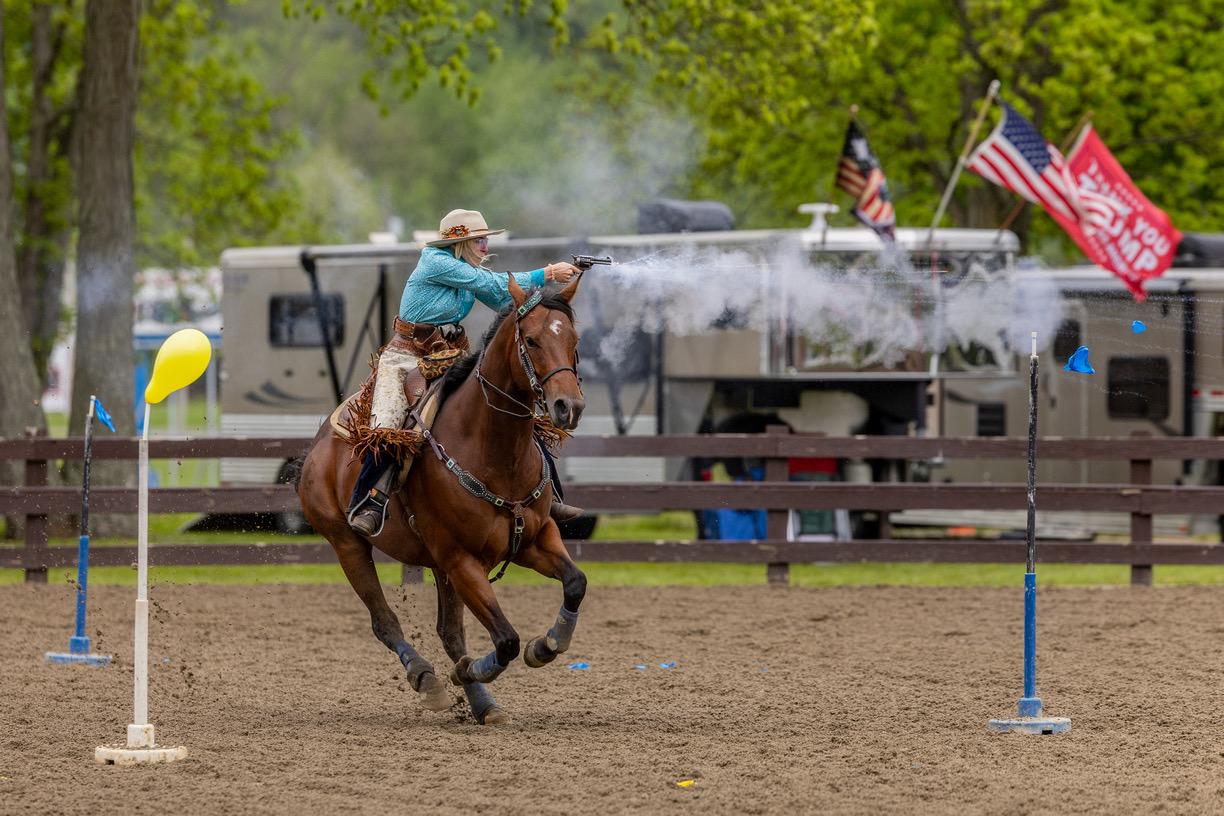
Photo by Tim Frank Images
The good news is that trust can be built, or rebuilt, with intentionality, time, and consistency. It starts on the ground and expands under saddle.
Show up consistently. Horses learn who you are through patterns. If your energy is all over the place or your reactions are unpredictable, they’ll question your leadership. Be clear, calm, and fair. Horses don’t expect perfection, but they need consistency to feel safe.
Prioritize groundwork. Trust starts with the basics. Work on leading with intention, yielding to pressure, and moving together with rhythm and clarity. Groundwork teaches your horse to read your body language and respect your space, but it also teaches you to read theirs. It’s a two-way communication practice.
Listen more than you correct. I can’t stress this one enough. When your horse reacts by tensing, spooking, or refusing, pause and ask why instead of instantly correcting. Fear, confusion, pain, and mistrust can all look like disobedience. Trust grows when you prove to your horse that you’re a partner who listens and advocates for them.
Celebrate the try. Don’t wait for perfection to reward your horse. The smallest try — a softening or the smallest step forward — is worthy of acknowledgment. Horses learn through release and reward. Recognize their effort.
Slow down. Progress isn’t linear, and pushing too hard too fast is a sure way to break trust. Take the time it takes. If your horse starts to lose confidence, go back to what they can do well in that moment. Let them feel successful again before asking more.
Be their safe place. No matter what’s happening, whether you’re in a chaotic show environment, out on a windy trail, or in the middle of a tough training ride, your horse should feel like they can look to you for calm. Work on your breathing and lead with reassurance. It doesn’t matter how much you know. Just be confident in whatever you are asking.
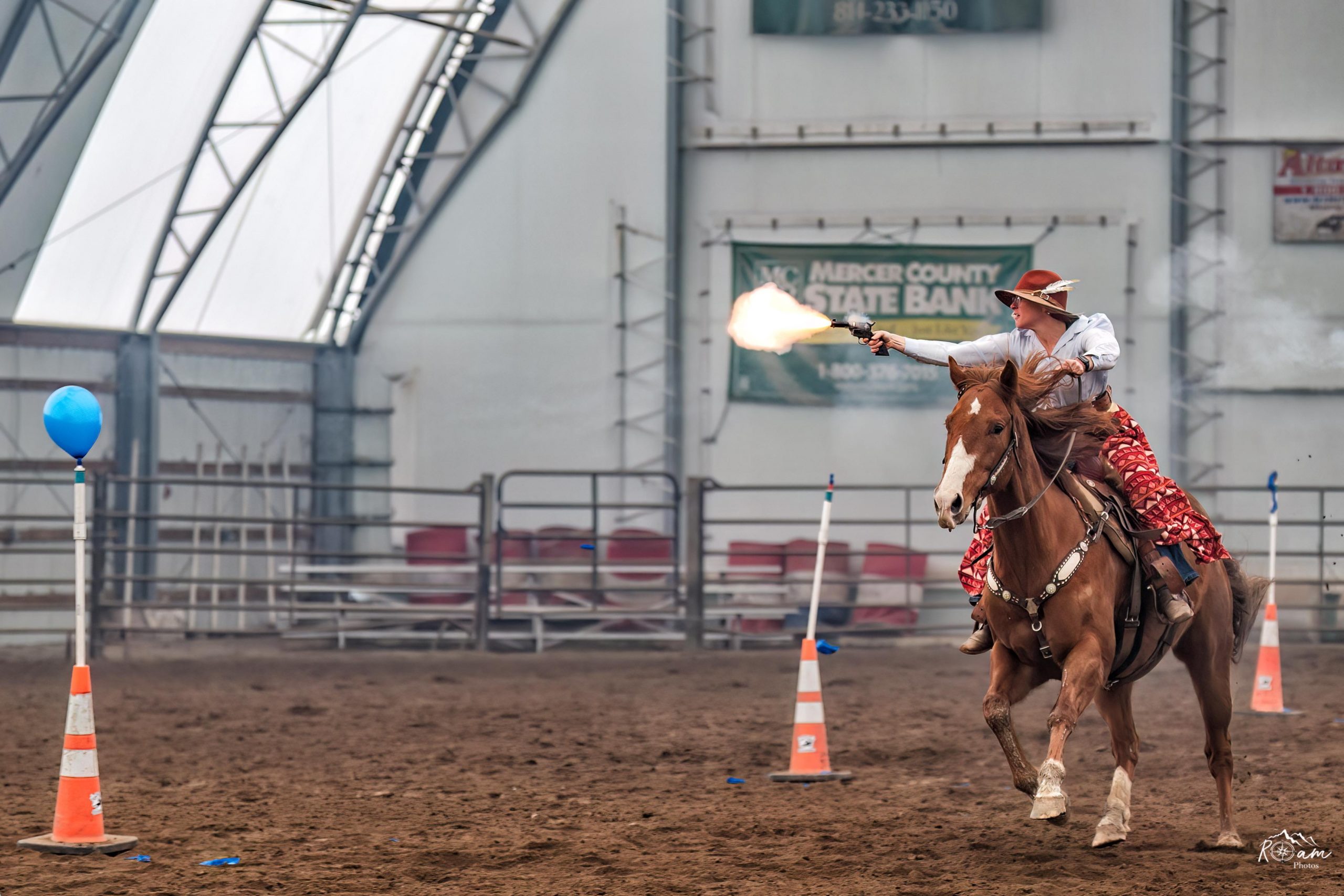
Photo by Roam Photography
Skill can only take you so far. It might get you through a pattern or over a fence, but trust is what aids you in achieving that higher level. A horse that trusts their rider will go further, try harder, and recover faster when things go wrong. And a rider who builds trust will not only progress more with their horse, they’ll deepen the relationship that brought them to horses in the first place.
