



Can Your Horse Breathe In This? The Truth About the Air Quality
AQI 101: How air quality affects equine health and performance.

Canva/CC
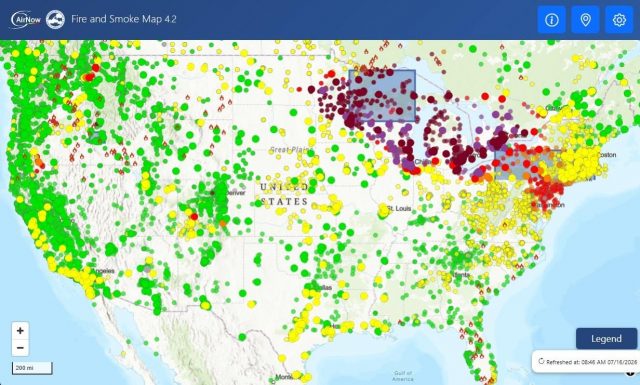
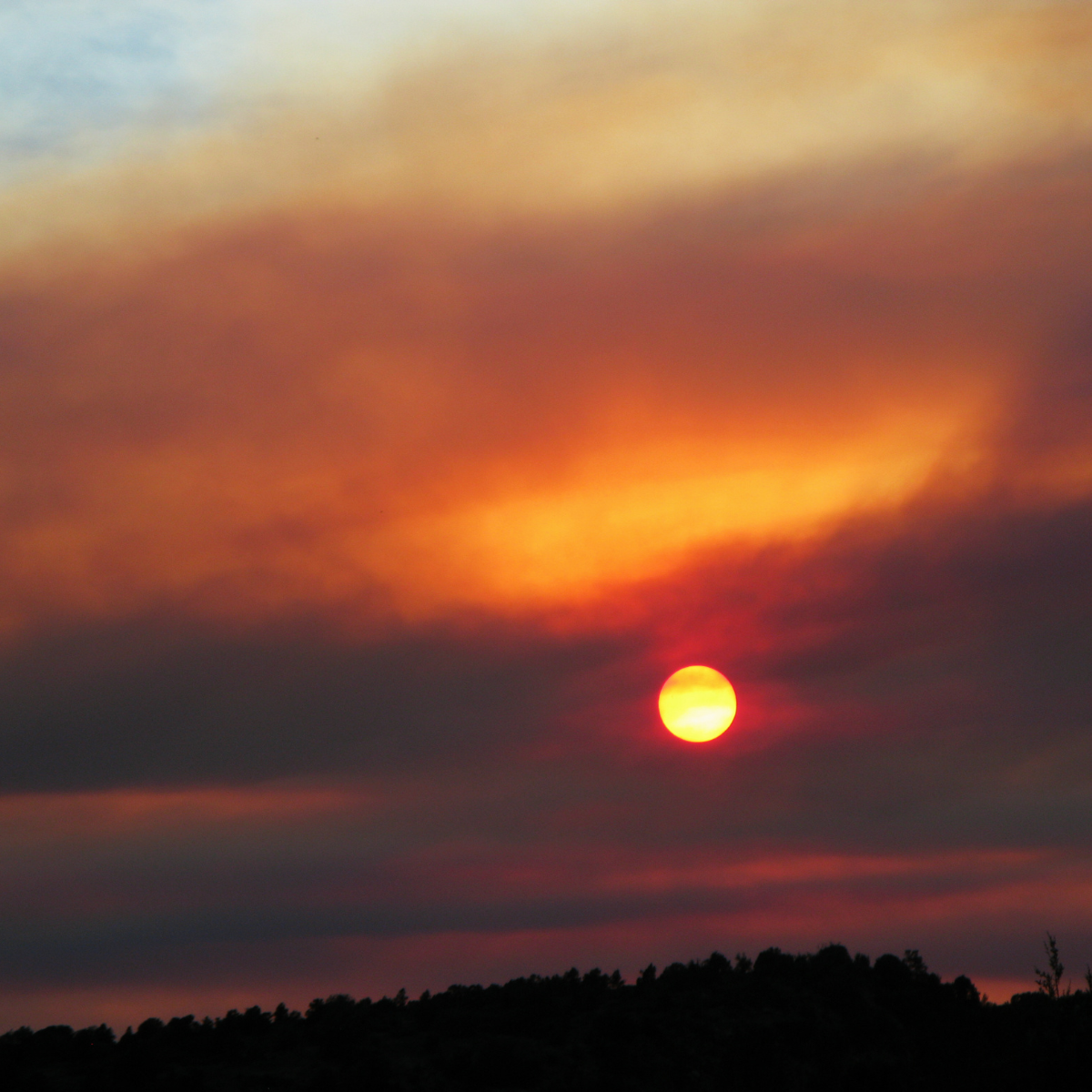
If you’ve stepped outside recently and thought the sky looked hazy, smelled smoke, or noticed the sunrise looked unusually orange, you’re not imagining it. A massive outbreak of wildfires burning across Canada has pushed smoke thousands of miles south, affecting air quality across much of the United States. States throughout the Midwest, Great Lakes, Northeast, and even portions of the Mid-Atlantic are experiencing elevated Air Quality Index (AQI) readings due to smoke particles suspended in the air. For horse owners, it can directly impact your horse’s respiratory health and athletic performance.
Wildfire smoke doesn’t respect borders. Large weather systems and upper-level winds can carry fine particulate matter (PM2.5) hundreds or even thousands of miles from the original fire. Over the past week, hundreds of active Canadian wildfires have produced enough smoke to impact more than 20 U.S. states, with some areas briefly recording air quality among the worst in the world.
The primary concern isn’t the smell of smoke, it’s the microscopic particles called PM2.5. These particles are less than 2.5 micrometers in diameter, allowing them to travel deep into the lungs where they can cause inflammation and irritation in both people and horses.
The United States uses the Air Quality Index (AQI), developed by the Environmental Protection Agency to communicate how clean or polluted the air is. Canada now primarily uses the Air Quality Health Index (AQHI), which was introduced in 2007 to better represent overall health risk rather than simply pollutant concentrations. During major wildfire events, however, Canadian agencies place heavy emphasis on PM2.5 because smoke becomes the dominant health concern.
The U.S. AQI categories include:
0-50: Good
51-100: Moderate
101-150: Unhealthy for Sensitive Groups
151-200: Unhealthy
201-300: Very Unhealthy
301+: Hazardous
What does this mean for performance horses? Just like human athletes, horses dramatically increase their breathing during exercise. At rest, a horse breathes approximately 8-16 times per minute. During intense exercise, they can take over 120 breaths per minute while moving enormous volumes of air through their lungs.
When smoke particles are present, every deep breath carries those particles farther into the respiratory tract. This can lead to:
- Airway inflammation
- Reduced oxygen exchange
- Coughing
- Exercise intolerance
- Increased recovery times
- Greater susceptibility to respiratory infections
Even horses that appear healthy may not perform at their normal level during periods of poor air quality.
Recommendations based on AQI:
AQI under 100
Normal riding and competition are generally appropriate. Continue monitoring local air quality, especially if conditions are changing rapidly.
AQI 101-150
Consider shortening workouts. Skip conditioning gallops or intense speed work, particularly for young horses, seniors, or horses with a history of respiratory disease.
AQI 151-200
Avoid heavy exercise. This is a good time for groundwork, stretching, light walking, or giving your horse a well-earned day off.
AQI above 200
Postpone riding whenever possible. High-intensity exercise forces smoke particles deeper into the lungs, increasing the risk of irritation and delayed recovery.
When smoke rolls into your area, small management changes can make a significant difference.
- Keep fresh, clean water available at all times. Smoke can dry the airways, making hydration even more important.
- Reduce dust exposure by soaking or steaming hay when practical.
- Avoid dragging arenas or creating additional dust while air quality is already poor.
- Maintain good barn ventilation without trapping smoke inside.
- Consider postponing hauling and competitions if AQI remains elevated throughout the day.
- Watch carefully for signs including coughing, nasal discharge, increased respiratory effort, decreased appetite, or reduced performance. If these symptoms persist, contact your veterinarian. Community discussions among horse owners in smoke-affected regions have also centered on reducing exercise, minimizing dusty feeds, and monitoring for respiratory signs until air quality improves.
Wildfire smoke has become an increasingly common part of summer across North America. While many horses tolerate short periods of moderate smoke exposure without obvious illness, repeated heavy exercise during poor air quality can place unnecessary stress on the respiratory system.
The good news is that poor AQI events usually are temporary. Sometimes the smartest training decision isn’t squeezing in one more ride, it’s giving your horse a day to breathe clean air once conditions improve.
Canva/CC
