



Sprayed and Betrayed: When Curiosity Gets Your Horse Skunked
Eau de Skunk: An unwanted barnyard perfume.
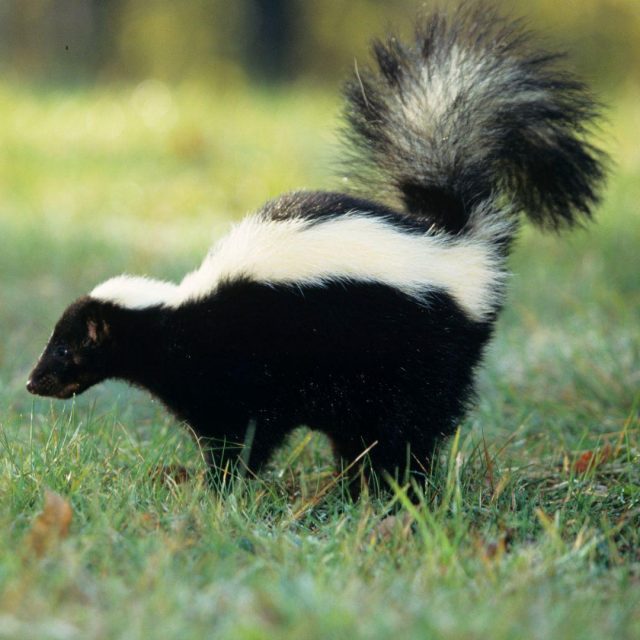
As a dog owner with a small farm, skunk encounters are expected — unwelcome, but expected. But when it comes to my horses, it’s not at the forefront of my mind, but it happens more often than many realize. Horses are naturally curious animals. Whether they are investigating a strange smell in the pasture, nosing around a barnyard visitor, or accidentally startling a skunk hiding in tall grass, one unfortunate encounter can leave both horse and owner dealing with a powerful and persistent odor.
A skunk’s spray is a defense mechanism designed to deter predators. The oily liquid contains sulfur-based compounds called thiols, which produce the unmistakable smell that can linger for weeks if not treated properly. Although the odor itself is unpleasant, the spray also can cause irritation if it gets into sensitive areas such as the eyes, nose, or mouth. Knowing how to respond quickly can make a significant difference in your horse’s comfort and recovery.

Canva/CC
Here’s what to do if your horse gets skunked (this works for dogs, too).
Before reaching for shampoos and buckets, take a few moments to thoroughly evaluate your horse. If your horse was sprayed directly in the face, examine the eyes carefully. Signs of irritation may include:
- Excessive tearing
- Squinting
- Redness
- Swelling around the eyelids
- Sensitivity to light
If any of these symptoms are present, flush the eyes gently with sterile saline solution or clean water. Continue flushing for several minutes to help remove any residual oils. If irritation persists, your horse is unable to keep the eye open, or the eye appears cloudy, contact your veterinarian promptly.

Canva/CC
Next, check the nostrils. Skunk spray can be extremely irritating to the delicate tissues inside the nose. Watch for:
- Excessive sneezing
- Nasal discharge
- Labored breathing
- Pawing at the face
Most horses experience only temporary irritation, but any signs of respiratory distress should be treated as an emergency and evaluated by a veterinarian immediately.

Canva/CC
The mouth should also be examined. Horses occasionally receive a direct hit while sniffing a skunk. Look for:
- Excessive drooling
- Lip swelling
- Difficulty eating
- Reluctance to drink
- Signs of oral discomfort
- Rinse the mouth gently with clean water if your horse will tolerate it.
Persistent swelling or difficulty eating warrants veterinary attention.

Canva/CC
Finally, inspect the skin. Although uncommon, some horses may develop localized irritation or dermatitis where the spray made contact. Redness, swelling, or unusual sensitivity should be monitored closely.

Canva/CC
Resist the urge to get your horse wet. One of the biggest mistakes owners make is immediately hosing down their horse. Because skunk spray is oil-based, adding water right away can spread the oily compounds over a larger area and allow them to penetrate deeper into the hair coat. This makes the smell more difficult to remove. Instead, begin treatment while the coat is completely dry.
Start with Dawn dish soap. Dawn dish soap is well-known for its grease-cutting abilities, making it an excellent first step in skunk odor removal.
Apply Dawn directly onto the dry areas that were sprayed. Don’t dilute it with water initially. Work the soap thoroughly into the coat, paying particular attention to heavily affected areas. Use your hands or a soft grooming brush to create a thick lather. Allow the soap to sit for approximately 10 to 15 minutes. This helps break down the oily residue before it can settle further into the skin and hair. Avoid getting soap into your horse’s eyes, nostrils, or mouth.

Photo by Marcella Gruchalak
Follow with a skunk odor shampoo. After the Dawn treatment has had time to work, rinse thoroughly with warm water.
Next, wash the horse using a commercial skunk odor shampoo specifically designed to neutralize skunk oils. Follow the manufacturer’s instructions. Many products require several minutes of contact time to effectively break down odor-causing compounds. Depending on the severity of the spraying, multiple washes may be necessary.
Be prepared for the possibility that some odor may linger despite your best efforts. Skunk spray is notoriously persistent, especially when it has soaked into thick manes, tails, or winter coats.
Pay special attention to the mane and tail. The mane and tail can trap skunk oils more effectively than shorter body hair. After shampooing, work through these areas carefully with additional product if needed. Some owners find that a second treatment focused specifically on the mane and tail dramatically reduces lingering odors. If the horse has a very thick coat, clipping small heavily contaminated areas may occasionally be necessary, although this is usually a last resort.

This is the shampoo I’ve found to work best. It is a dog and cat shampoo, but gets the odor out in 1-2 washings and does not create any irritation. Photo by Marcella Gruchalak
Clean equipment and surroundings. Don’t forget that the odor can transfer to anything that came into contact with the horse.
Items that may need cleaning include:
- Halters
- Lead ropes
- Blankets
- Fly masks
- Grooming tools
- Saddle pads
- Stall walls and fencing
Wash fabric items separately using strong detergent. Rubber and leather equipment may retain odors longer and may require repeated cleaning. Many horse owners discover that the smell on tack and blankets becomes noticeable again whenever they become wet.

Canva/CC
Watch for delayed reactions. Most horses recover from a skunk encounter without complications, but continue monitoring your horse for several days. Contact your veterinarian if you notice:
- Persistent eye irritation
- Loss of appetite
- Difficulty breathing
- Facial swelling
- Skin lesions
- Unusual behavior or discomfort
In rare cases, a direct facial spraying can lead to more significant irritation requiring veterinary treatment.
Although it is impossible to eliminate all wildlife interactions, a few management practices can reduce the risk of future skunk incidents. Keep feed areas clean and free of spilled grain, which may attract rodents and, in turn, skunks. Secure garbage cans, eliminate brush piles near barns, and inspect buildings for areas where skunks could den. If you frequently see skunks on your property, avoid turning horses out near dawn and dusk when skunks are most active. Good lighting around barns and regular pasture inspections can also help reduce surprise encounters.
A horse getting skunked is unpleasant, but it is usually more of a smelly inconvenience than a serious medical emergency. The key is acting quickly. Start by checking your horse’s eyes, nostrils, mouth, and skin for signs of irritation. Use Dawn dish soap on a dry coat to break down the oily spray before introducing water, then follow with a quality skunk odor shampoo. With prompt treatment, patience, and a few extra baths, most horses can return to smelling like horses again instead of the unfortunate wildlife encounter they had in the pasture.
