



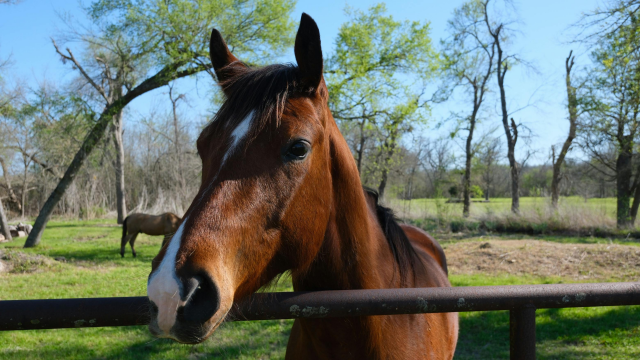
Tiny Bites, Big Consequences: Managing Mosquito-Borne Diseases in Horses
Warmer weather means more bugs and more risk. Learn the early warning signs and the simple steps that can make all the difference.

Canva/CC
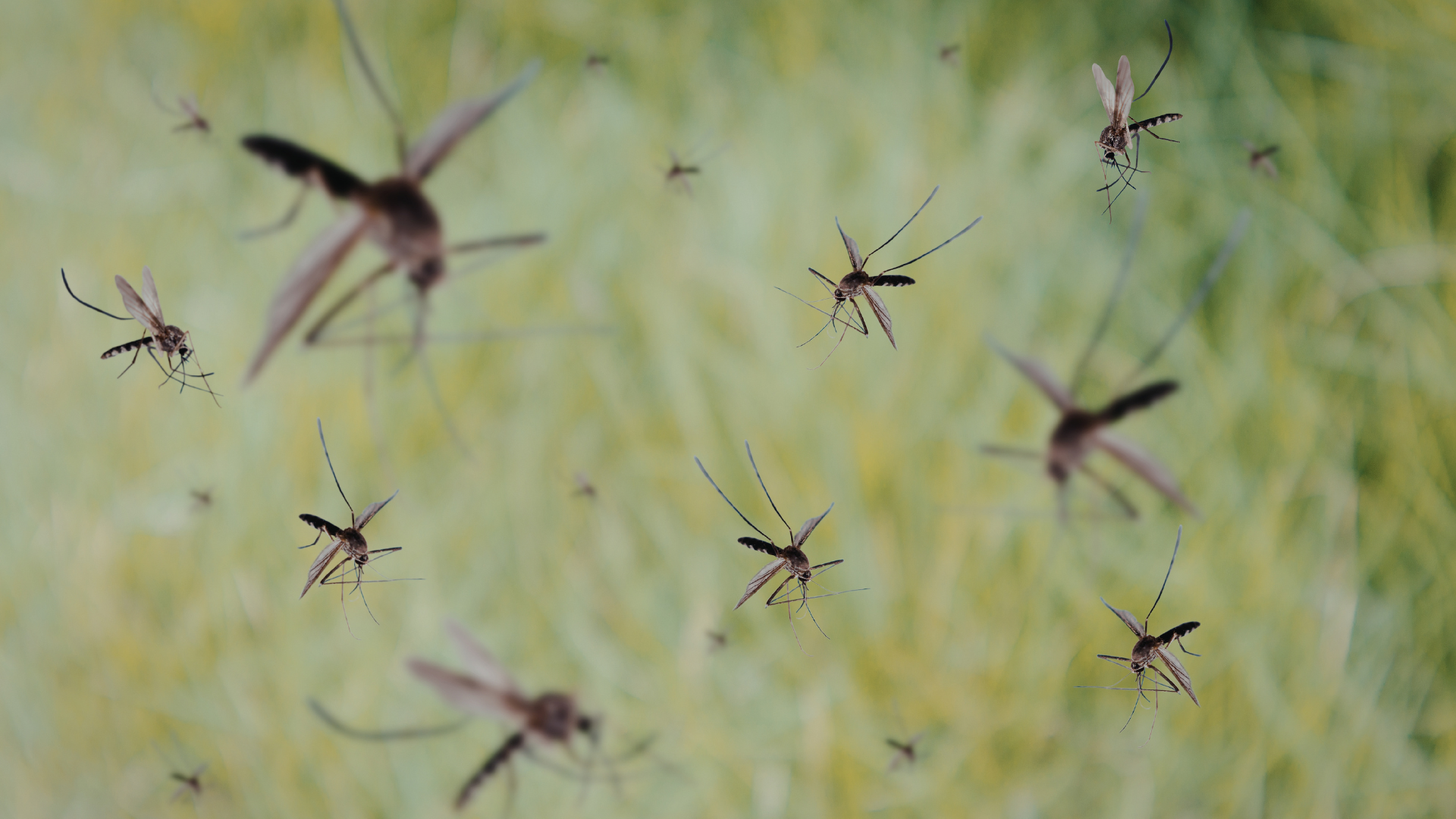
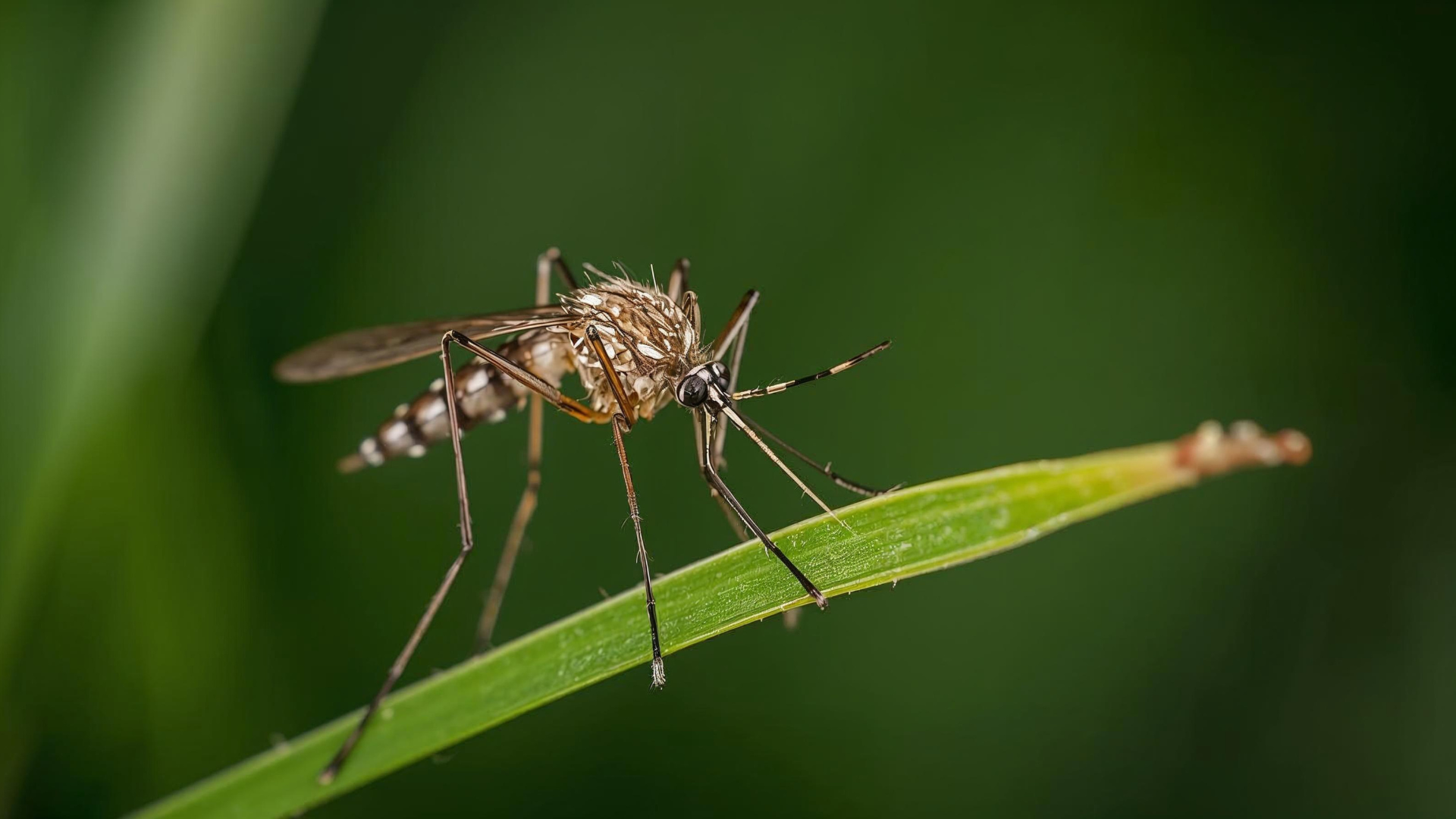
As temperatures climb, so does mosquito activity. And while they’re irritating for us, they can be deadly for our horses.
According to Texas A&M College of Veterinary Medicine and Biomedical Sciences, warmer weather brings an increased risk of mosquito-borne diseases like West Nile virus and the various forms of equine encephalitis — Eastern (EEE), Western (WEE), and Venezuelan (VEE). These aren’t just rare, scary-sounding illnesses — they’re very real threats, and in some cases, they’re fatal.
What to Watch For
Dr. Kallie Hobbs explains that mosquitoes thrive in heat and standing water — which means much of the U.S. becomes prime real estate for them as we head into summer.
And although southern states deal with mosquitoes nearly year-round, no one is really off the hook once the weather warms up.
The tricky part? Early symptoms don’t always scream “emergency.” And they can look like a lot of other things. So you’ll want to watch for:
- Fever
- Lethargy (that “something’s just off” feeling)
- Loss of appetite
But because these diseases affect the brain, things can escalate quickly into neurological issues:
- Incoordination or strange limb movement
- Head pressing
- In severe cases, inability to stand
That last one is where things get especially grim.
Canva/CC
The Reality No One Likes to Talk About
Once a horse goes down from a mosquito-borne illness, treatment becomes both complicated and expensive, with no real guarantee of recovery.
EEE in particular has a high fatality rate. And even when horses are alert and aware, they may physically be unable to stand, which is as hard on the owner as it is on the horse.
Bottom line: this is not a “wait and see” situation.
The Good News: Prevention Actually Works
Here’s where you do have control.
Vaccination is your first and best line of defense.
- Annual vaccines are recommended for mosquito-borne diseases
- In higher-risk areas, biannual boosters can offer better protection
- Ideally, vaccinate about a month before mosquito season ramps up (so… right about now for most of us)
After that, it’s all about making your barn less appealing to mosquitoes:
- Dump and scrub water buckets regularly
- Eliminate standing water (yes, even that random tire or low spot in the pasture)
- Use fly sheets and fly gear
- Some owners even swear by vinegar rinses as an added deterrent
Canva/CC
The Takeaway
Mosquitoes are inevitable. Deadly disease doesn’t have to be.
A few proactive steps now — staying current on vaccines and tightening up your barn management — can mean the difference between a minor seasonal annoyance and a devastating outcome.
Go riding — but maybe also go dump that water trough while you’re at it.
Source: Adapted from reporting by the Texas A&M College of Veterinary Medicine & Biomedical Sciences: Managing Mosquito-Borne Diseases in Horses
