



Do Horses Need a Different Approach to Deworming Today?
Silver Lining Herbs is rethinking deworming from a rigid routine to a smarter, whole-horse strategy — one that balances targeted treatment, gut health, and long-term parasite control.
For decades, deworming horses followed a fairly predictable routine. Many barns rotated chemical dewormers every few weeks or months, assuming that frequent treatment was the best way to keep parasites under control.
But over the past several years, that approach has started to change.
Veterinarians and horse owners alike are paying closer attention to parasite resistance, digestive health, and the overall balance of a horse’s system. Instead of blanket treatments on a strict calendar, many are adopting a more strategic approach to parasite management. One that focuses on monitoring parasite loads, supporting gut health, and using targeted solutions when needed.
It’s a shift that reflects a broader understanding of equine health. Sometimes the goal isn’t simply eliminating parasites at all costs, but creating an internal environment where they’re less likely to thrive in the first place.

Why Parasite Management Matters
Parasites are a normal reality for grazing animals like horses. When horses spend time on pasture, they inevitably encounter parasite eggs and larvae in their environment.
While low levels may not always cause obvious issues, higher parasite burdens can affect a horse’s overall well-being. In some cases, owners may notice signs such as:
- Difficulty maintaining weight
- A dull or rough coat
- Tail rubbing or irritation
- Digestive discomfort
- Visible parasites in manure
These symptoms don’t always point directly to parasites, but they can signal that it’s time to review a horse’s parasite management plan.
Because parasites live primarily in the digestive system, their presence can also impact nutrient absorption and overall gut health, two factors that play a major role in a horse’s energy levels, immune resilience, and ability to perform.
Canva/CC
The Shift Toward Strategic Deworming
One of the biggest changes in recent years is the move toward targeted deworming programs.
Rather than automatically treating every horse on a fixed schedule, many owners now work with veterinarians to monitor parasite levels through fecal egg counts. This helps identify when treatment is actually necessary and which horses may need it most.
Alongside this targeted approach, barn management practices also play a critical role in parasite control. Regular manure removal, rotational grazing, and avoiding overcrowded pastures can all help reduce parasite exposure.
But another piece of the puzzle is gaining attention: supporting the horse’s digestive environment itself.
A healthy, balanced gut can make a significant difference in how well a horse handles environmental challenges, including parasites.

Supporting Digestive Balance Naturally
Herbal wellness programs have long been used in animal care to support digestion and overall balance within the body. Many herbs are traditionally valued for their ability to support the digestive tract, promote elimination, and help maintain an internal environment that discourages parasites from thriving.
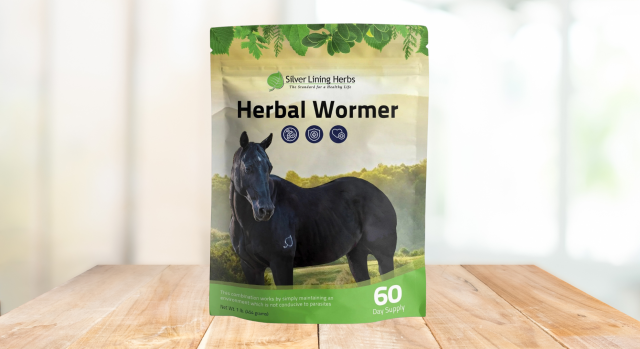
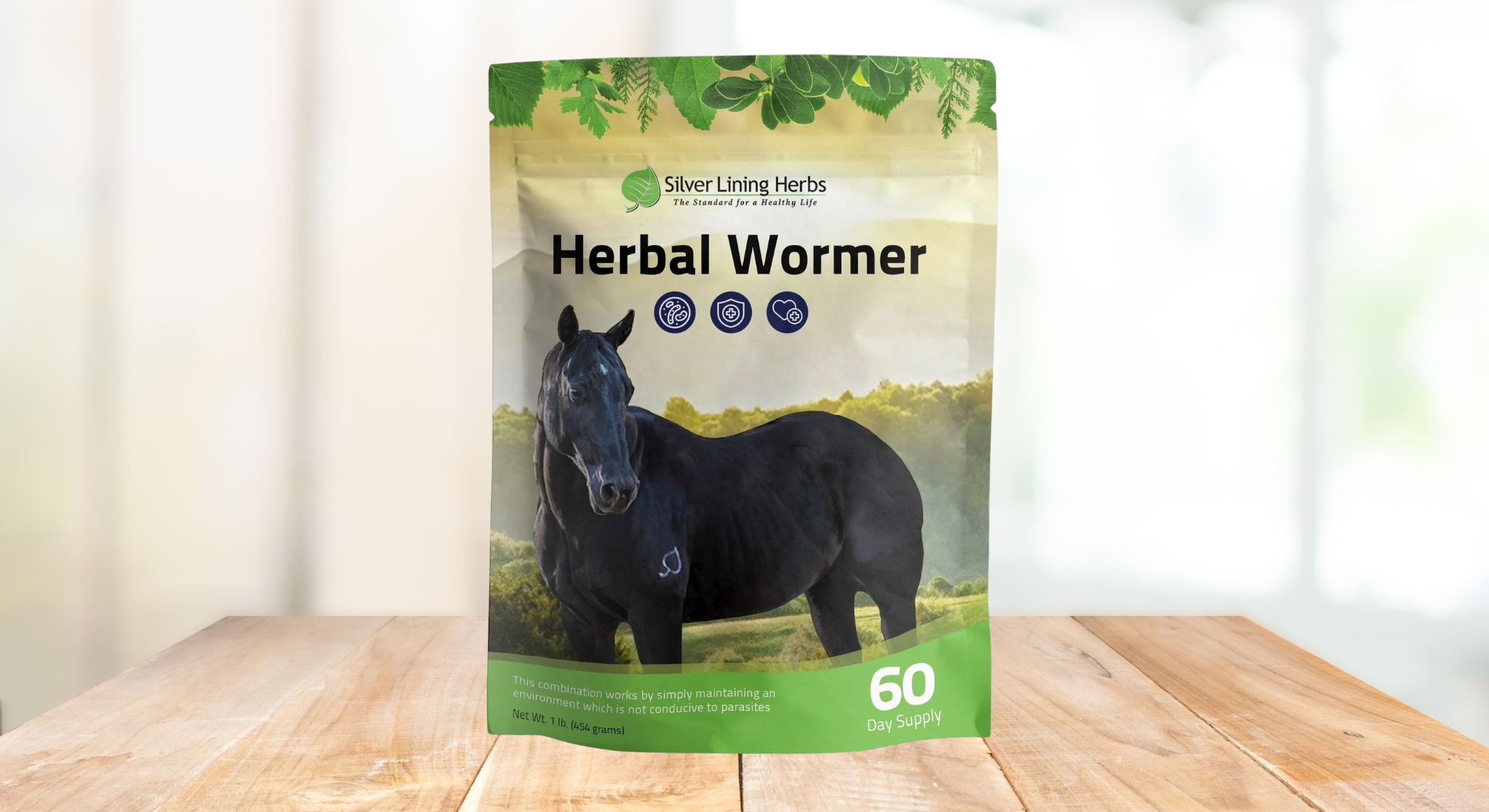
One example is Herbal Wormer for Horses from Silver Lining Herbs. This plant-based formula combines a variety of herbs traditionally used to support digestive health and parasite balance.
Ingredients such as garlic, clove, and wormwood have historically been used in herbal parasite protocols, while supportive herbs like slippery elm and kelp help maintain digestive comfort and nutrient balance. Together, the blend works to support a gut environment that is less hospitable to parasites while promoting overall digestive wellness.
Unlike many conventional treatments designed for rapid elimination, herbal blends are often used as part of a broader wellness approach, supporting the horse’s natural defenses while helping maintain balance within the digestive system.

Canva/CC
A Complement to Modern Parasite Management
For many horse owners, herbal support isn’t meant to replace veterinary care or responsible parasite management practices. Instead, it’s used alongside them.
Today’s parasite control strategies often include a combination of:
- Fecal egg count monitoring
- Strategic use of traditional dewormers when necessary
- Pasture and manure management
- Digestive health support
This more comprehensive approach helps reduce unnecessary treatments while still protecting the horse’s health.
Herbal products like Herbal Wormer for Horses can fit naturally into that routine. The powdered supplement is typically mixed into feed and administered for a short feeding period, making it easy to incorporate into a regular care program.

Canva/CC
Looking at the Whole Horse
The evolving conversation around deworming reflects a larger shift in how horse owners think about wellness.
Rather than focusing only on eliminating a single issue, many are taking a step back to look at the bigger picture, how digestion, immune health, nutrition, and environmental management all work together to influence a horse’s well-being.
When these systems are supported and balanced, horses are often better equipped to handle the everyday challenges of pasture life, training, and changing seasons.
Parasites may always be a part of horse ownership, but modern strategies are showing that thoughtful management, and a healthy internal environment, can make a meaningful difference in keeping horses comfortable, resilient, and ready to do their jobs.
You can learn more about the Herbal Dewormer here. PLUS, if you use code HORSENATION, you’ll get an extra 15% off.

