




Equine Sudden Death Findings: Could a Simple Trot Reveal Hidden Heart Risk in Horses?
New research suggests a short ECG during warm-up may help identify horses at risk of exercise-related arrhythmias.
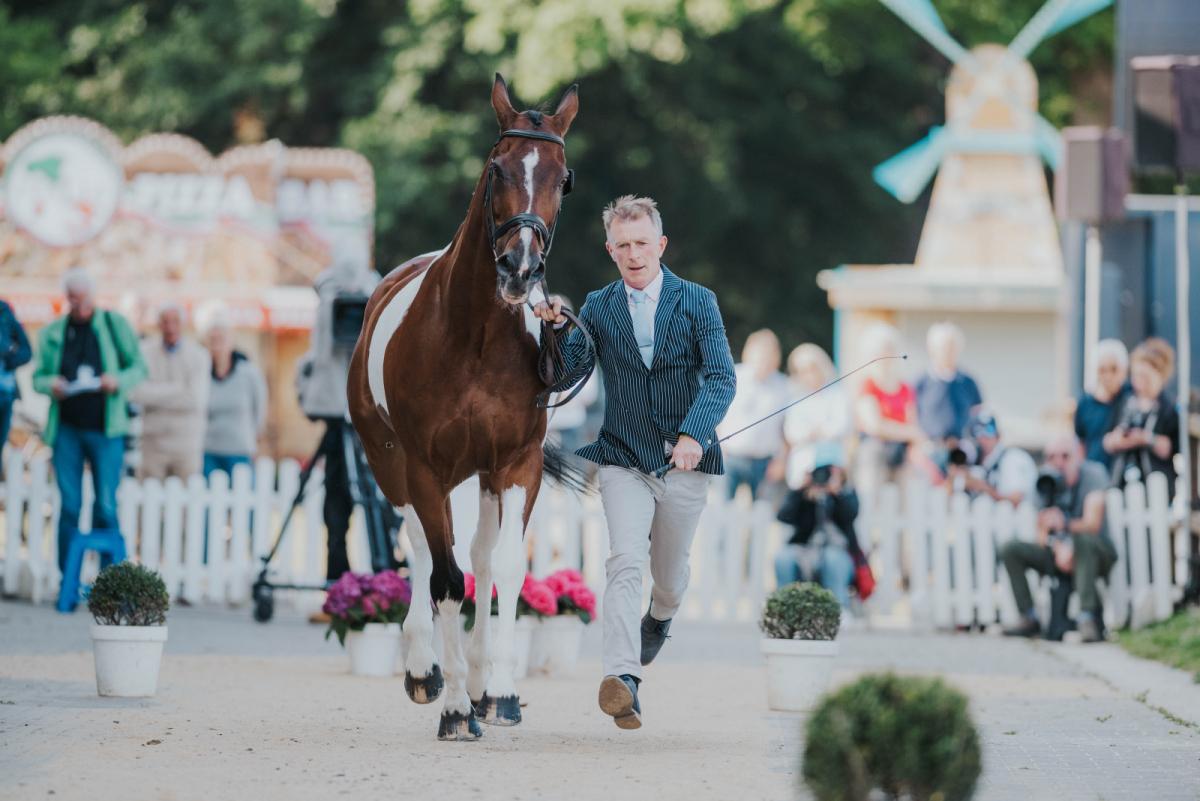
Photo by Tilly Berendt.
We spend a lot of time thinking about soundness in terms of legs, joints, and soft tissue.
But what about the heart?
Cardiac arrhythmias — irregular heart rhythms — are surprisingly common in athletic horses. Most don’t cause problems. Some can affect performance. And in rare cases, they’re linked to collapse or sudden death during exercise.
The tricky part has always been figuring out which horses fall into which category.
New research, highlighted by the Paulick Report and led by the University of Surrey, suggests we may be able to spot potential issues earlier — and more easily — than we thought.
The Main Takeaway
A short ECG (electrocardiogram) recorded at rest or during a warm-up trot may help identify horses at risk for developing arrhythmias during intense exercise.
Not during a race. Not at full speed.
During the warm-up.
The Study
Researchers at the University of Surrey evaluated over 100 actively training Thoroughbred and Standardbred racehorses, collecting ECG data during routine training sessions.
Instead of focusing only on high-speed work, they pulled out short (about 60 seconds) recordings taken at lower heart rates (roughly 60–100 beats per minute).
Then they applied a form of advanced signal analysis (with help from AI) to look at the pattern of the heart’s electrical activity — not just whether it looked “normal” or not.
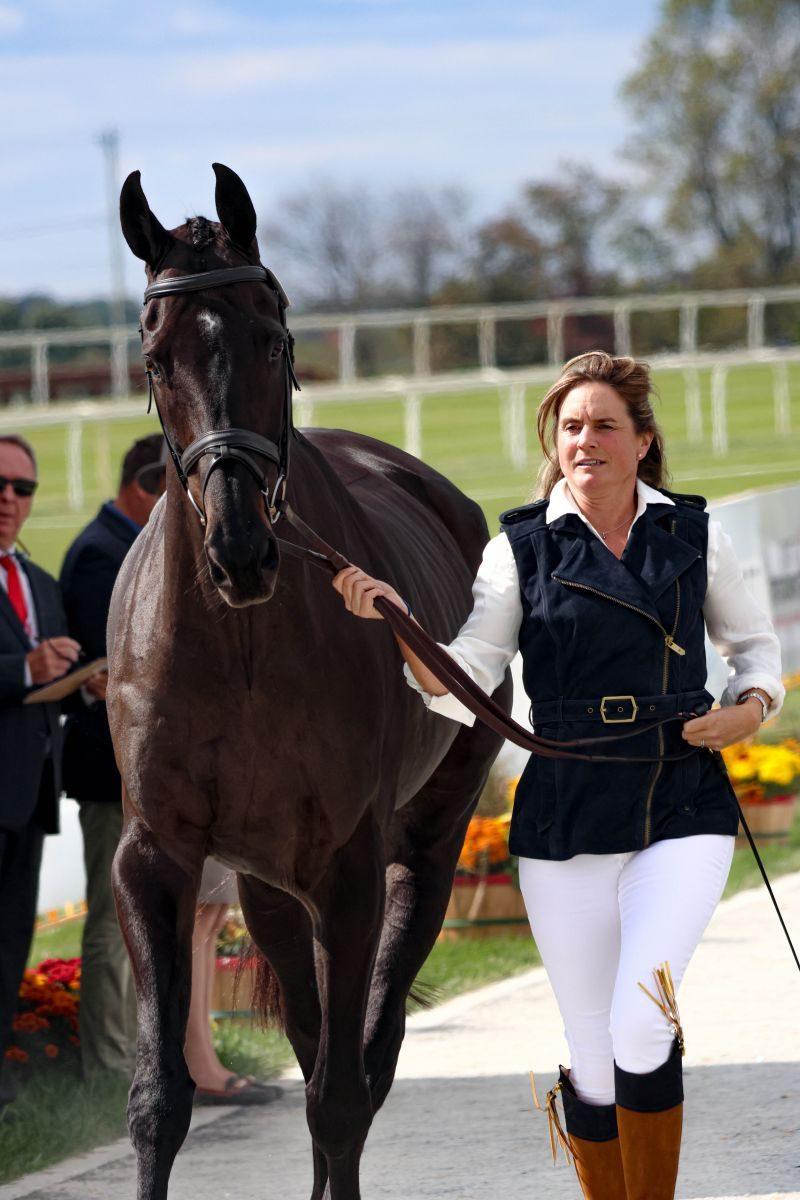
Photo by Sally Spickard
The Results
Researchers were able to distinguish between horses that would go on to show arrhythmias during intense exercise and those that wouldn’t, with strong accuracy ratings (AUC of 0.86).
Even more useful: the test was incredibly good at ruling out risk. Horses that screened negative were unlikely to have a problem (about a 98% negative predictive value).
Why This Matters
Right now, if you really want to evaluate a horse for exercise-related arrhythmias, you typically need to monitor their heart during high-intensity work.
That comes with some challenges:
- It’s harder to capture clean data at speed
- It’s not always practical outside of specialized settings
- It’s usually only done after a problem is suspected
This research suggests we may not have to wait that long. Instead, we can potentially screen horses earlier — during routine work — and decide which ones need a deeper dive.
What The Study Actually Measured
This isn’t about catching obvious irregular heartbeats. It’s about detecting subtle changes in how the heart’s electrical signals behave, even when everything looks normal. The researchers focused on signal complexity, which essentially is how variable or messy the heart’s electrical pattern is over time.
Interestingly, horses that later showed arrhythmias during exercise tended to have less complex (more uniform) signals during these baseline recordings.
That may reflect underlying changes in the heart — things like tissue remodeling or altered electrical conduction — that aren’t visible on a standard ECG read.
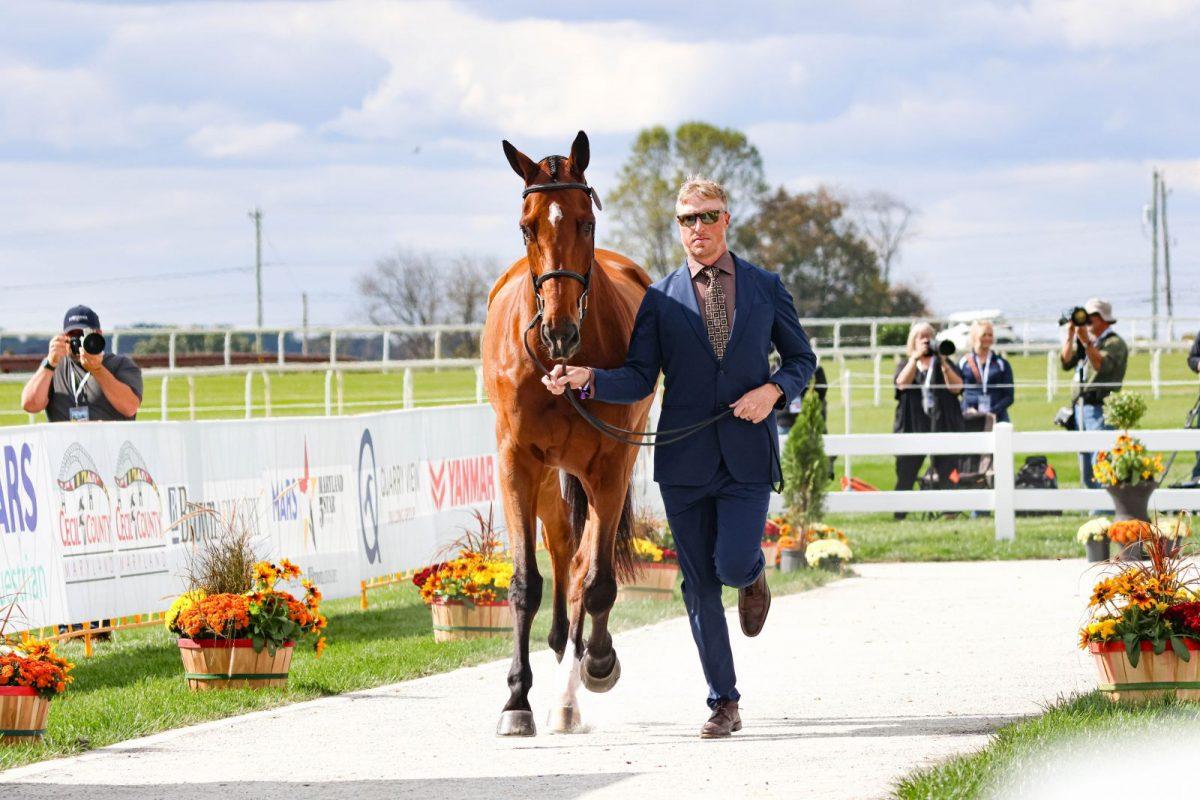
Photo by Sally Spickard
How Common Are Arrhythmias?
More common than most people realize. Studies have shown that a large percentage of racehorses experience premature beats during or after exercise — sometimes as high as 90% in Thoroughbreds.
Most of these are harmless, but some are not. And distinguishing between the two has always been the challenge.
Beyond Racing
Although this study focused on racehorses, there’s nothing about the underlying physiology that limits it to the track. Any performance horse that experiences cardiovascular stress could, in theory, benefit from earlier screening:
- Barrel horses and ropers with explosive effort
- Eventers and jumpers with sustained workload
- Mounted shooters dealing with speed plus adrenaline
- Even older lesson horses with long-term wear and tear
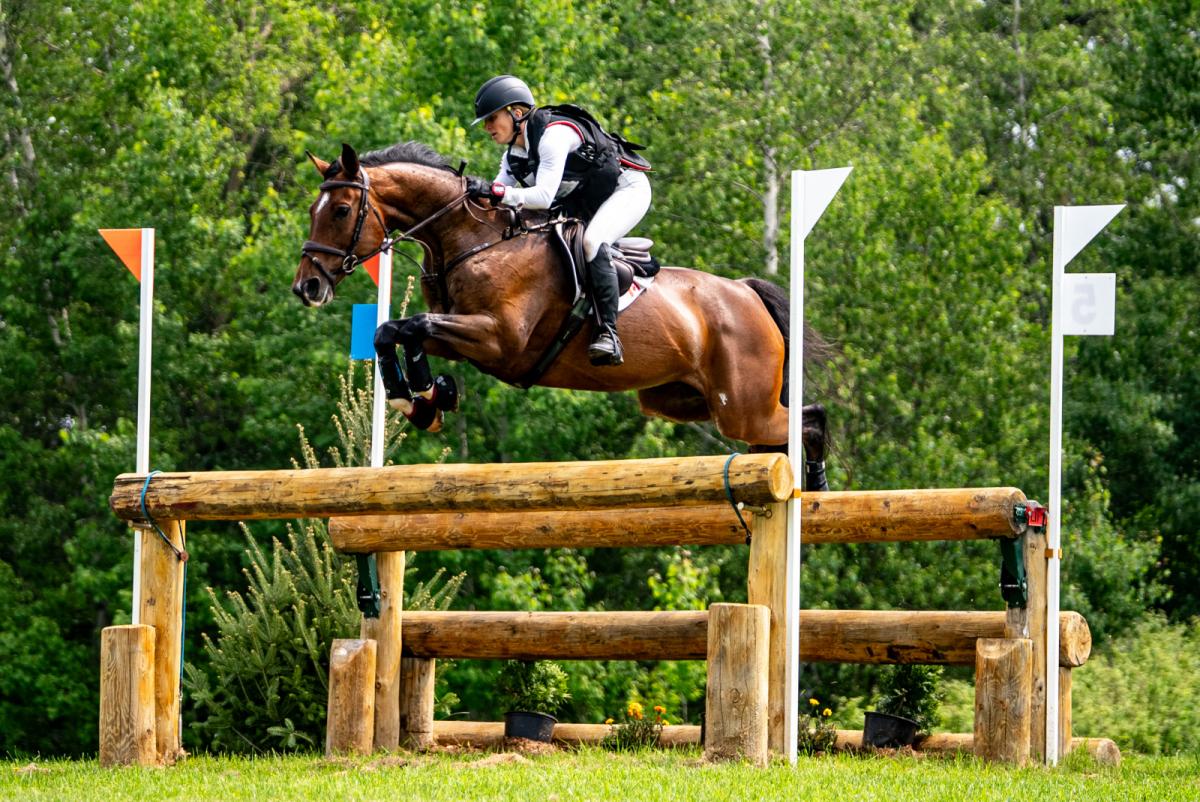
Photo by Sally Spickard.
The reality is that most of these horses never have their heart evaluated unless something goes wrong. This kind of screening could change that — shifting the approach from reactive to proactive.
Important Caveats
Before we all start ordering ECG units for the barn aisle, there are limitations to this study:
- This is still emerging research
- The study focused on actively training racehorses
- A “positive” result doesn’t mean a horse is unsafe; it just means further testing is warranted
- The test is best used as a screening tool, not a diagnosis
In other words, this is useful, promising, but not a standalone answer (yet).
Implications
If this technology becomes more accessible — and that seems likely — it could eventually lead to:
- Routine screening during training or pre-season workups
- Easier field diagnostics for veterinarians
- Better decision-making about when to pursue advanced cardiac testing
And maybe most importantly:
a better understanding of which horses need a closer look before they’re pushed to peak effort.
This research suggests something pretty powerful: We may be able to detect meaningful cardiac risk before a horse ever shows obvious signs — and without putting them through maximal stress to find it. All from about a minute of data… at a trot.
That’s potentially a shift in how we think about equine athlete safety and could save a lot of horses’ lives.

Photo by Roam Photos.
Sources
- Alexeenko, V., Tavanaeimanesh, H., Stein, F. et al. Detection of exercising ectopic atrial and ventricular beats using non-linear analysis of clinically normal racehorse electrocardiograms at rest or low-intensity exercise. Sci Rep (2026). https://doi.org/10.1038/s41598-026-41281-0
- Edited Press Release. “New Sudden Death Findings: Heart Monitor Worn During Jog Can Detect Arrhythmia Risk.” Paulick Report, March 31, 20
- University of Surrey. “A Simple ECG Test Could Flag Racehorses at Risk of Exercise Arrhythmias.”
