



Survived Winter? Great. Now Go Clean Your Barn.
Winter left behind more than just mud. Here’s your no-excuses checklist to reset your barn, protect your horses, and start the season on solid footing.
Canva/CC
Spring at the barn hits a little differently. The thaw brings longer days, fewer frozen fingers, and the full realization of everything winter quietly wrecked, buried, or left behind.
While winter riding is character-building, winter barn maintenance is mostly just survival mode. Spring is your reset button. And if you do it right now, you save yourself a whole lot of headaches later.
Here’s your no-nonsense, Horse Nation–approved guide to spring barn cleaning. The real must-dos that actually matter.
Before You Do Anything: Air It Out and Get Horses Out
Before you go full tornado mode:
- Turn horses out
- Open every door and window
You’re about to stir up months of dust, mold spores, and general barn funk. Your horse’s lungs don’t need to be part of that experience.
1. Water Systems: Ditch the Heater, Scrub Everything
Canva/CC
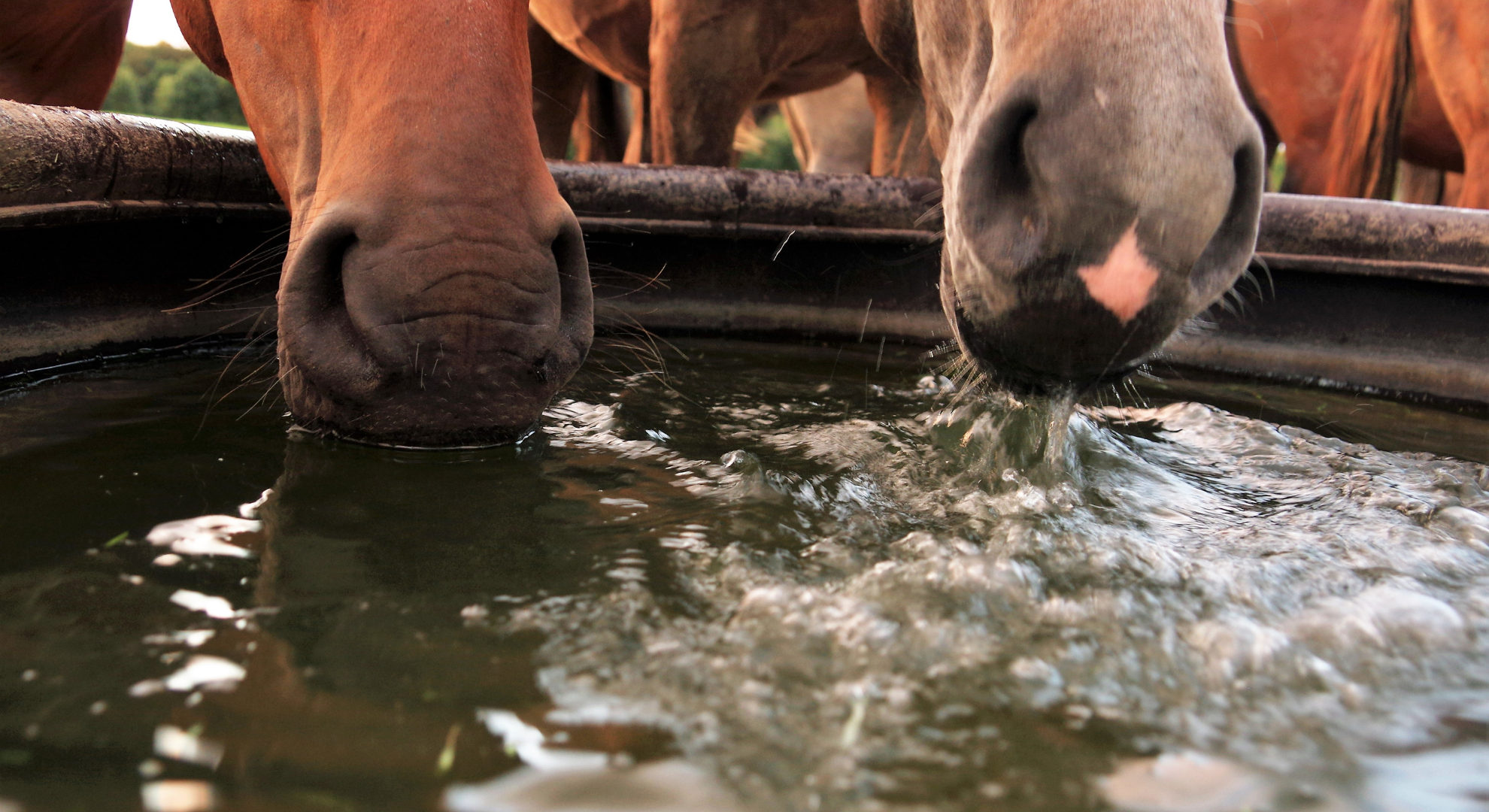
It didn’t make sense to dump and scrub those troughs when doing so meant making an ice rink for your horses, but now it makes all the sense in the world. So, here’s your list:
- Remove trough heaters and check cords for damage
- Scrub water troughs, buckets, and auto-waterers
- Rinse thoroughly (no bleach residue)
- Check hoses, valves, and faucets for leaks
Over winter, algae, bacteria, and debris build up fast, and clean water isn’t optional. It’s baseline horse care If your trough still has that mysterious “film,” congratulations. You waited too long. Scrub and repeat.
2. Blow Out the Barn: Dust, Cobwebs, and Fire Hazards
Canva/CC
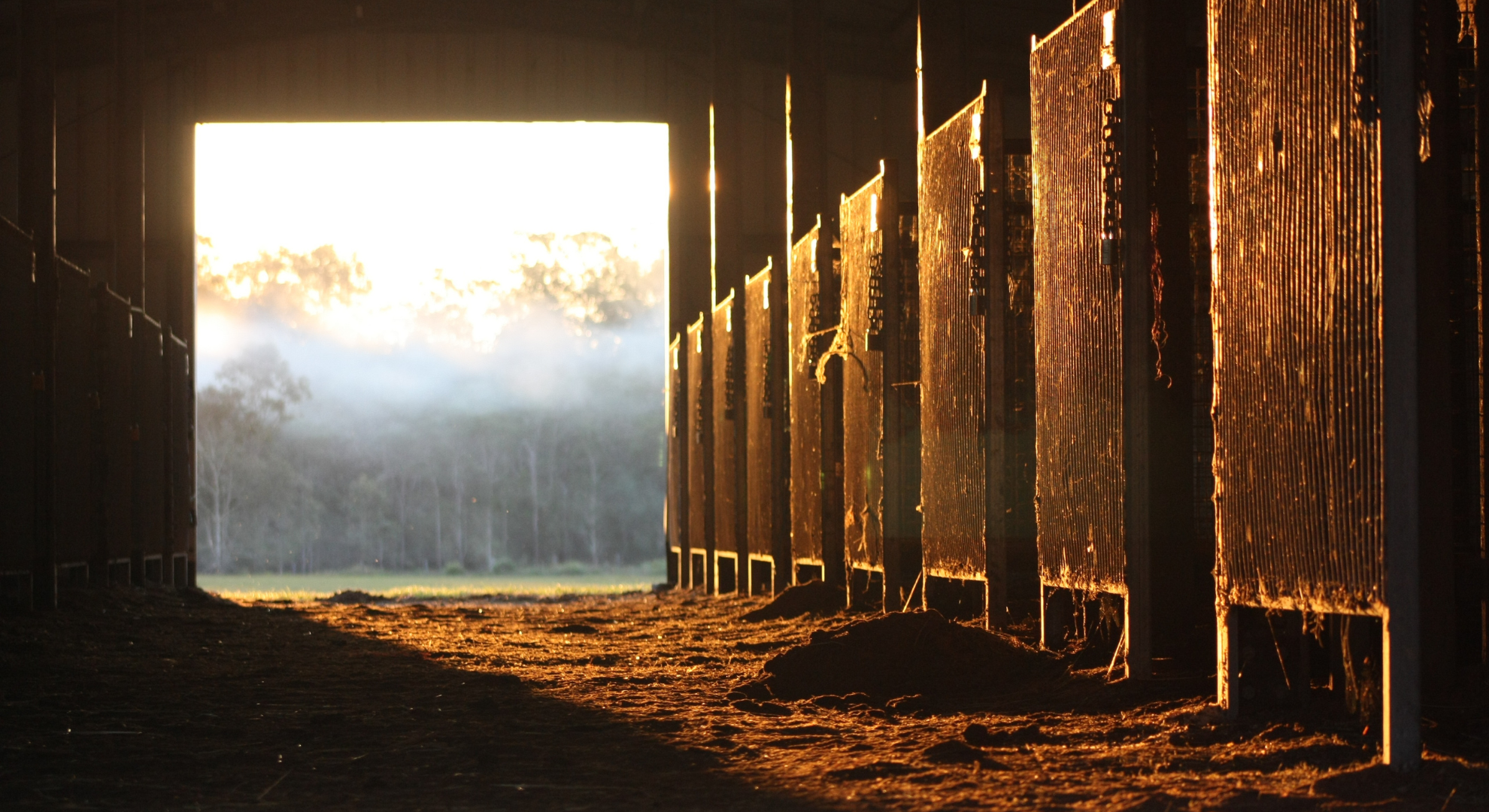
This is the one everyone sees … and also the one everyone underestimates.
- Sweep or blow out rafters, beams, and ledges
- Knock down cobwebs (yes, all of them)
- Clear hay dust from corners and lofts
- Wipe down surfaces you forgot existed
Dust isn’t just gross. It’s a respiratory issue and a fire hazard. That fluffy layer coating your barn? Highly combustible
So, this isn’t optional “aesthetic cleaning.” This is safety. To help me get this done quickly, I like to choose a nice, breezy day to pull out my battery-powered leaf blower. That sucker works wonders and gets all the big stuff before I go back over with a duster. Pro tip: don’t forget to wear a mask or respirator. Those dust and hay particles LOVE to lodge themselves in your sinuses (ask me how I know).
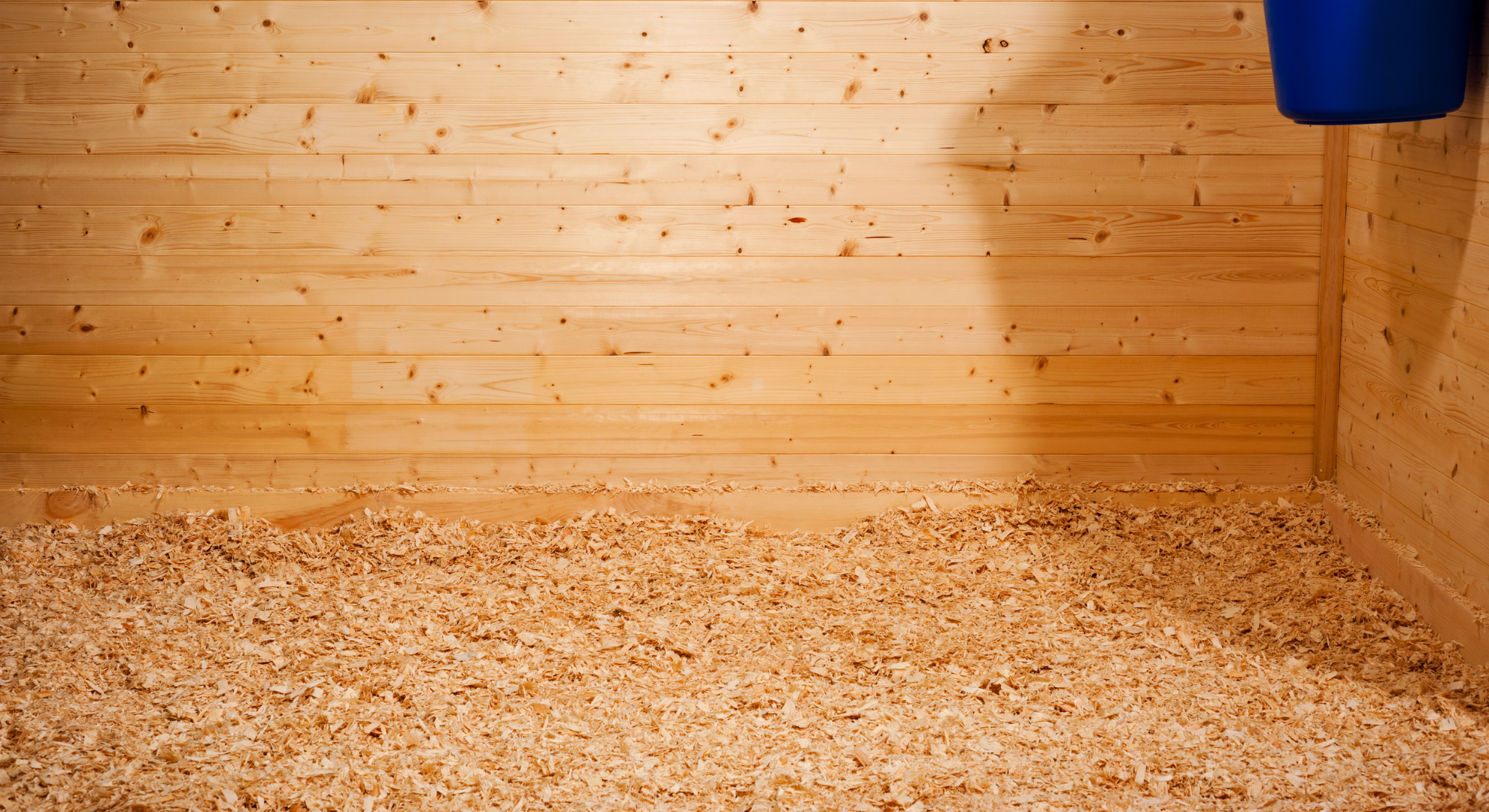
3. Strip Stalls Like You Mean It
Canva/CC
Not your daily muck. We’re talking a full reset.
- Remove all bedding
- Pull and disinfect stall mats
- Scrub walls and corners
- Check flooring underneath for moisture or damage
- Let everything dry completely before rebedding
This is where you catch mold, ammonia buildup, and structural issues before they become expensive problems If it smells better immediately, you did it right.
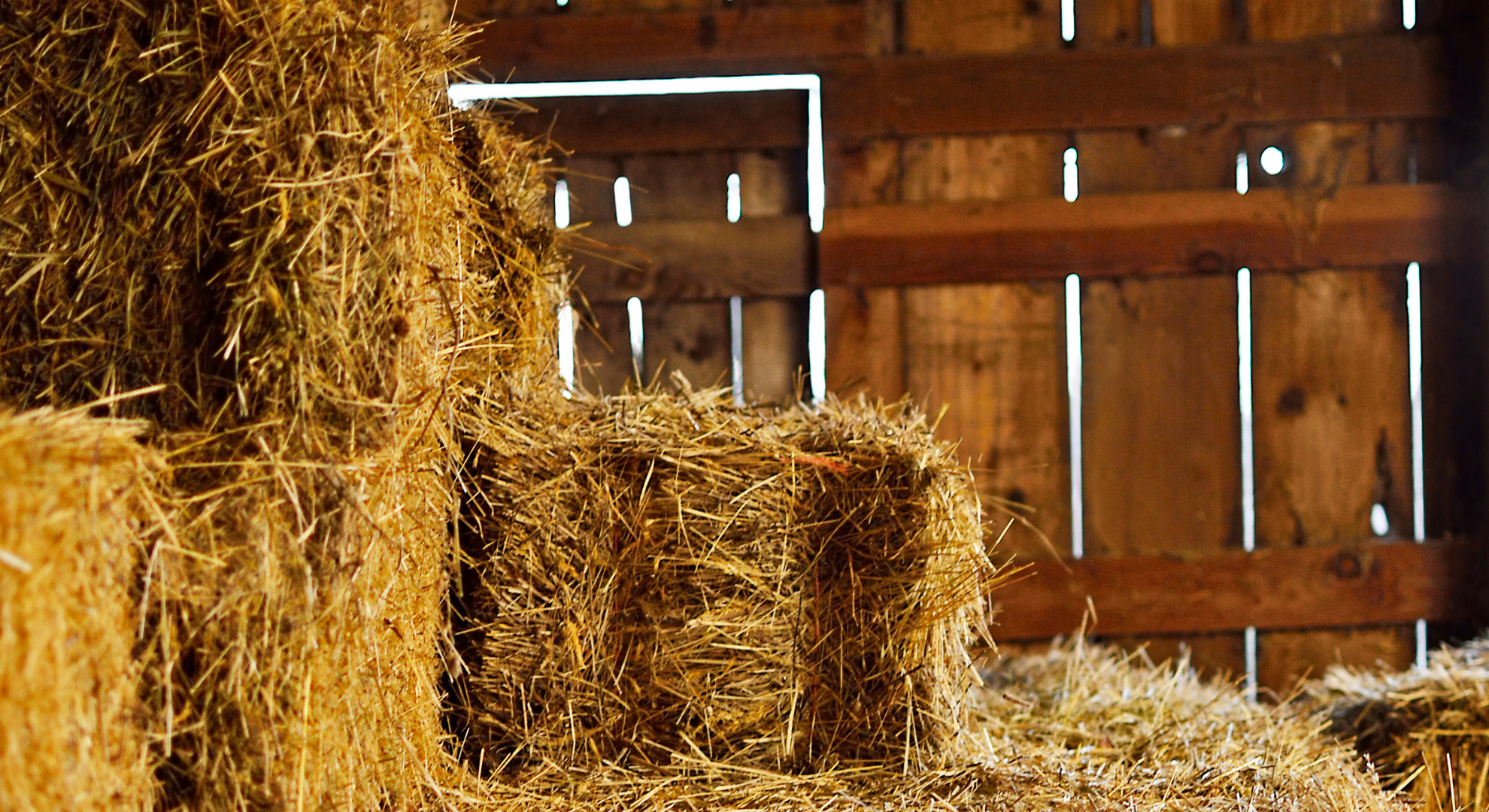
4. Hay & Feed: Out with the Old (Seriously)
Canva/CC
If you do nothing else, do this.
- Remove old, dusty, or moldy hay
- Sweep out hay storage areas
- Clean behind and under feed bins
- Toss expired supplements and medications
- Sanitize grain bins
Moldy or contaminated feed is not just less-than-ideal, it’s dangerous. Horses can develop serious illness from spoiled or contaminated feed. If you’re debating whether to keep a questionable bale, just don’t.
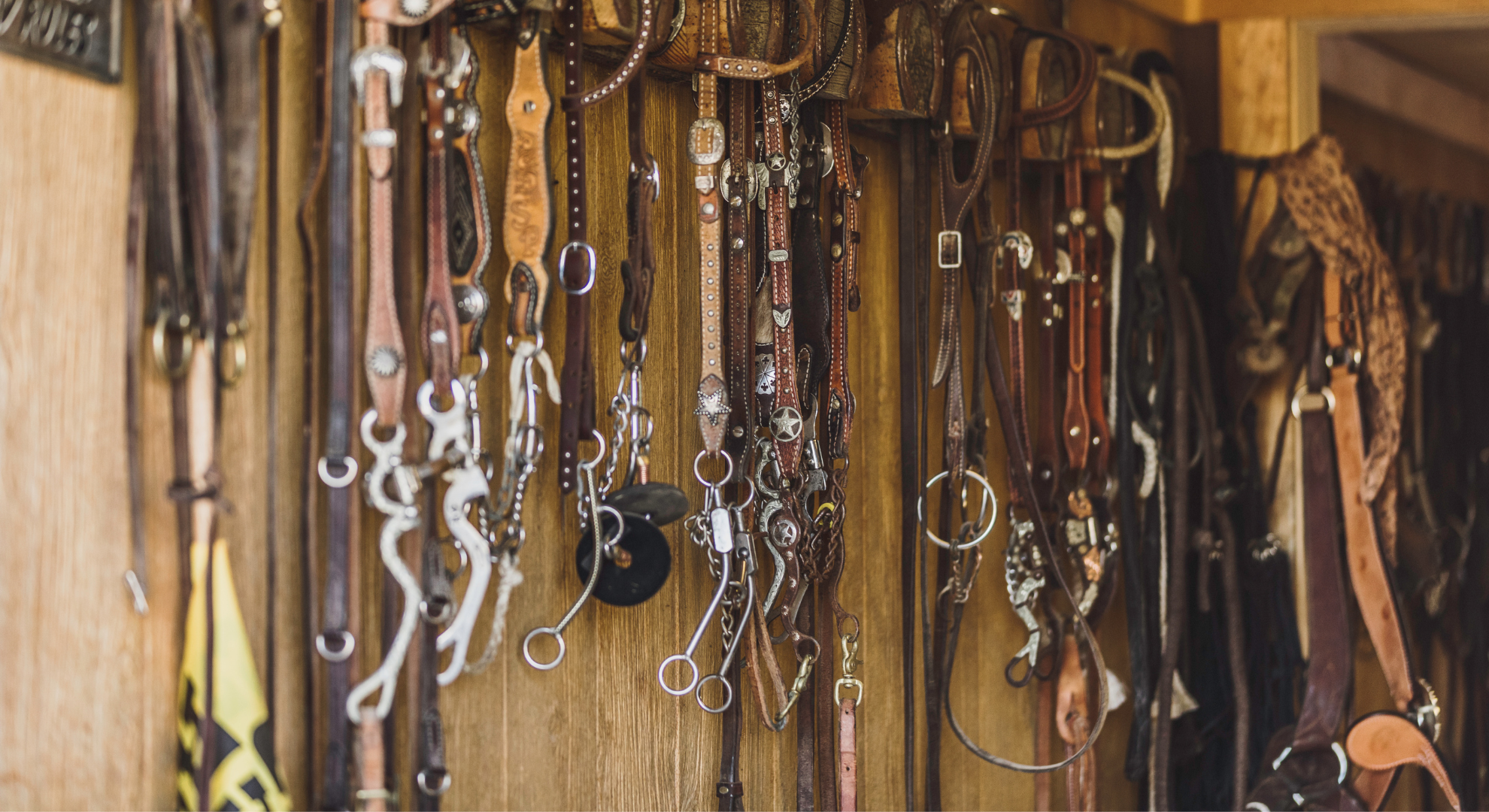
5. Declutter the Tack Room
Canva/CC
Be honest: your tack room is holding onto things “just in case” from 2014.
- Toss broken equipment
- Donate or sell unused tack
- Wash saddle pads, wraps, and blankets
- Disinfect grooming tools
- Organize what’s left so you can actually find it
A clean, organized space isn’t just satisfying, it cuts down on wasted time and prevents accidents. Plus, you might just find those reins you’ve been looking for so you don’t have to buy new ones (unless you really want to).
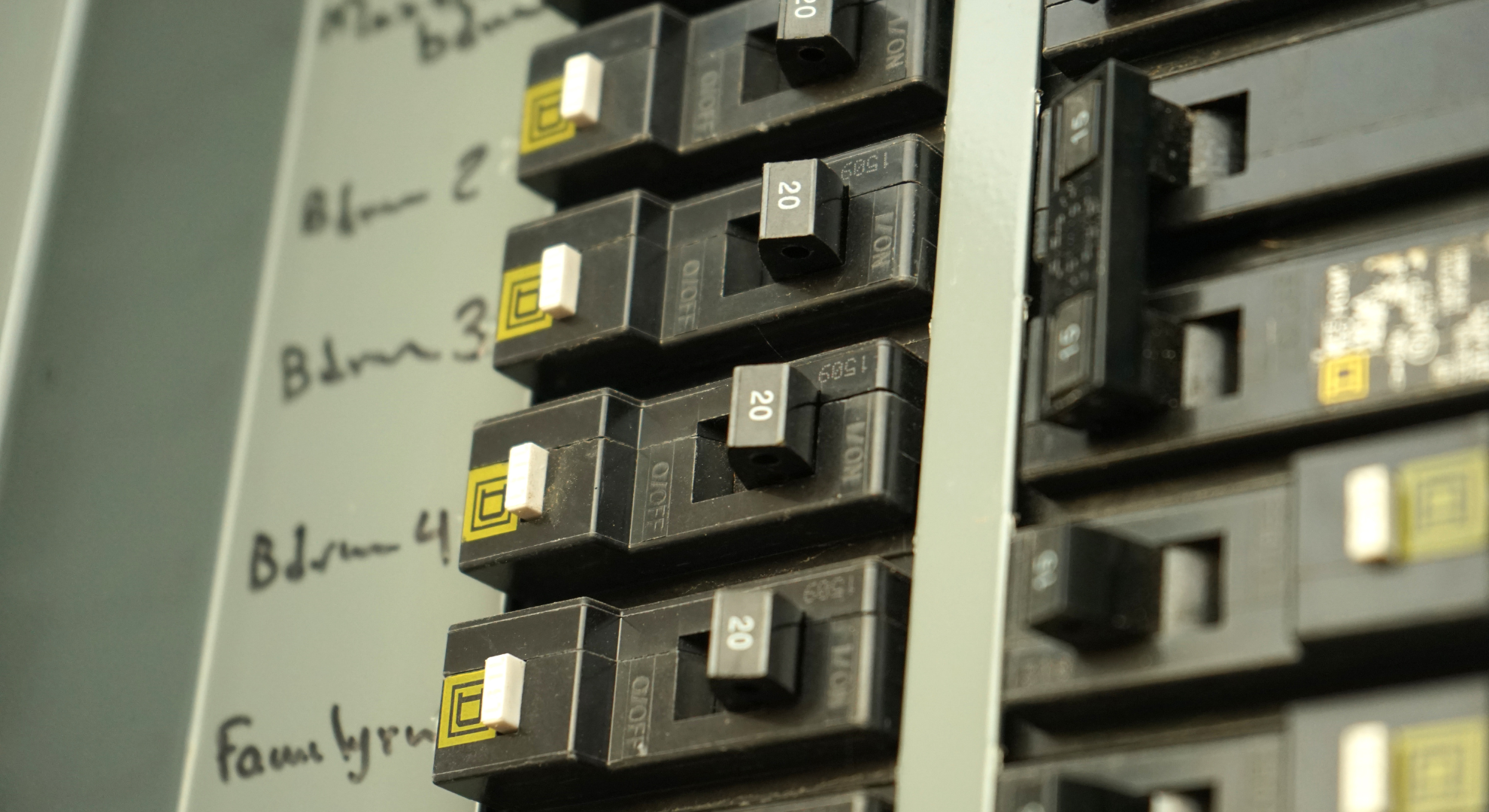
6. Safety Check: The Stuff That Actually Matters
Canva/CC
Spring cleaning isn’t just about looking good, it’s about not having a disaster later. So take the time to inspect these things:
- Electrical wiring (rodent damage is common)
- Lights, outlets, and breakers
- Fire extinguishers (charged, up-to-date, accessible)
- First aid kits (restocked)
Barn fires and accidents don’t give warnings. This is your chance to get ahead of them.
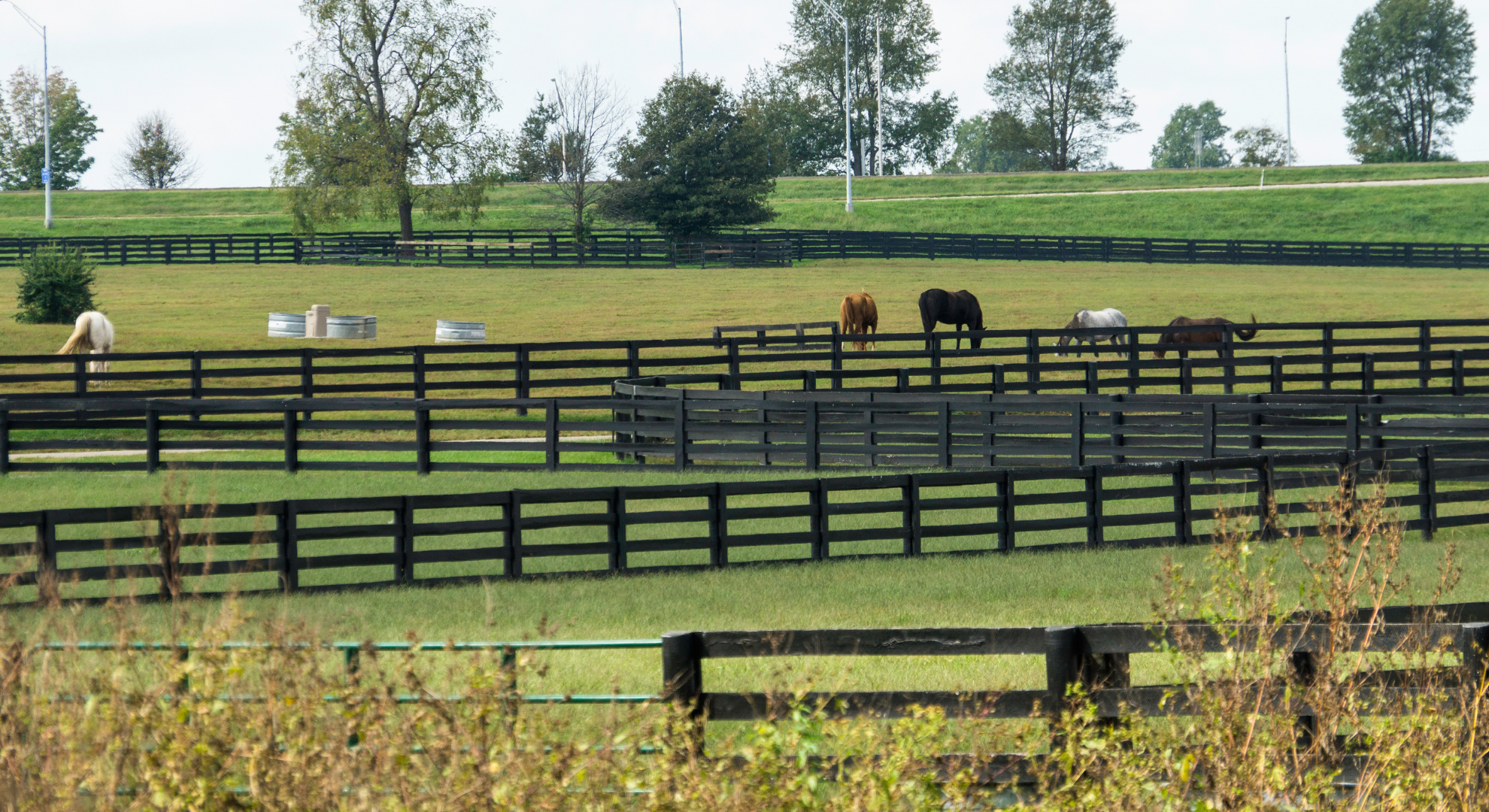
7. Pastures & Turnout: Winter Did a Number
Canva/CC
Walk every inch. Yes, every inch.
- Remove debris, branches, and trash
- Fix fencing, posts, and gates
- Fill holes and address drainage issues
- Check for early toxic weeds
- Inspect run-ins and shelters
Freeze-thaw cycles shift everything. What was “fine” in November might be a broken leg waiting to happen now.
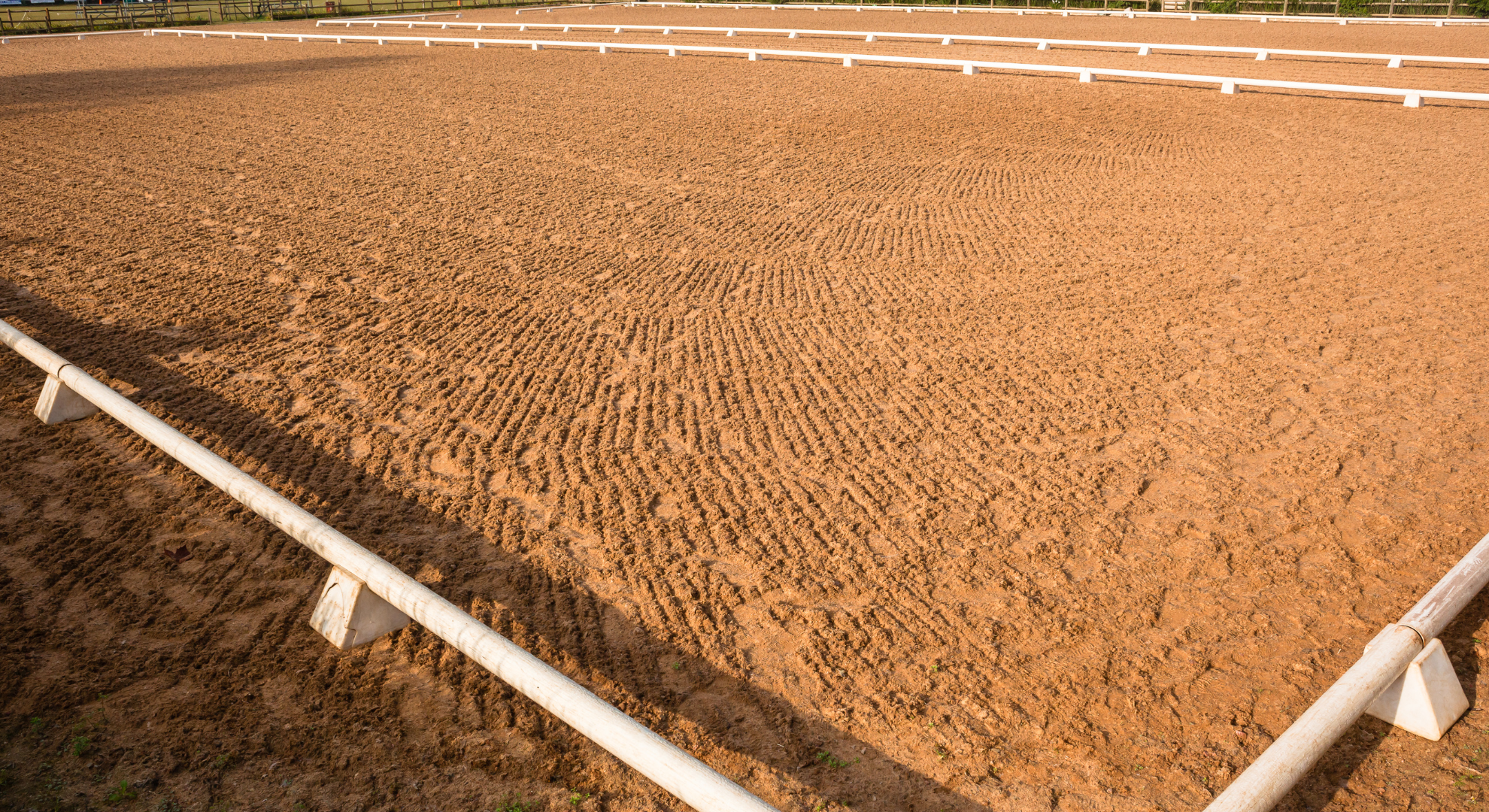
8. Arena & Riding Areas: Make It Rideable Again
Canva/CC
Because nothing says spring like discovering your arena footing is… not okay.
- Drag and level footing
- Remove rocks and debris
- Check jumps, poles, barrels and equipment
- Clear trails of fallen branches
Your horse shouldn’t have to navigate winter leftovers at speed.
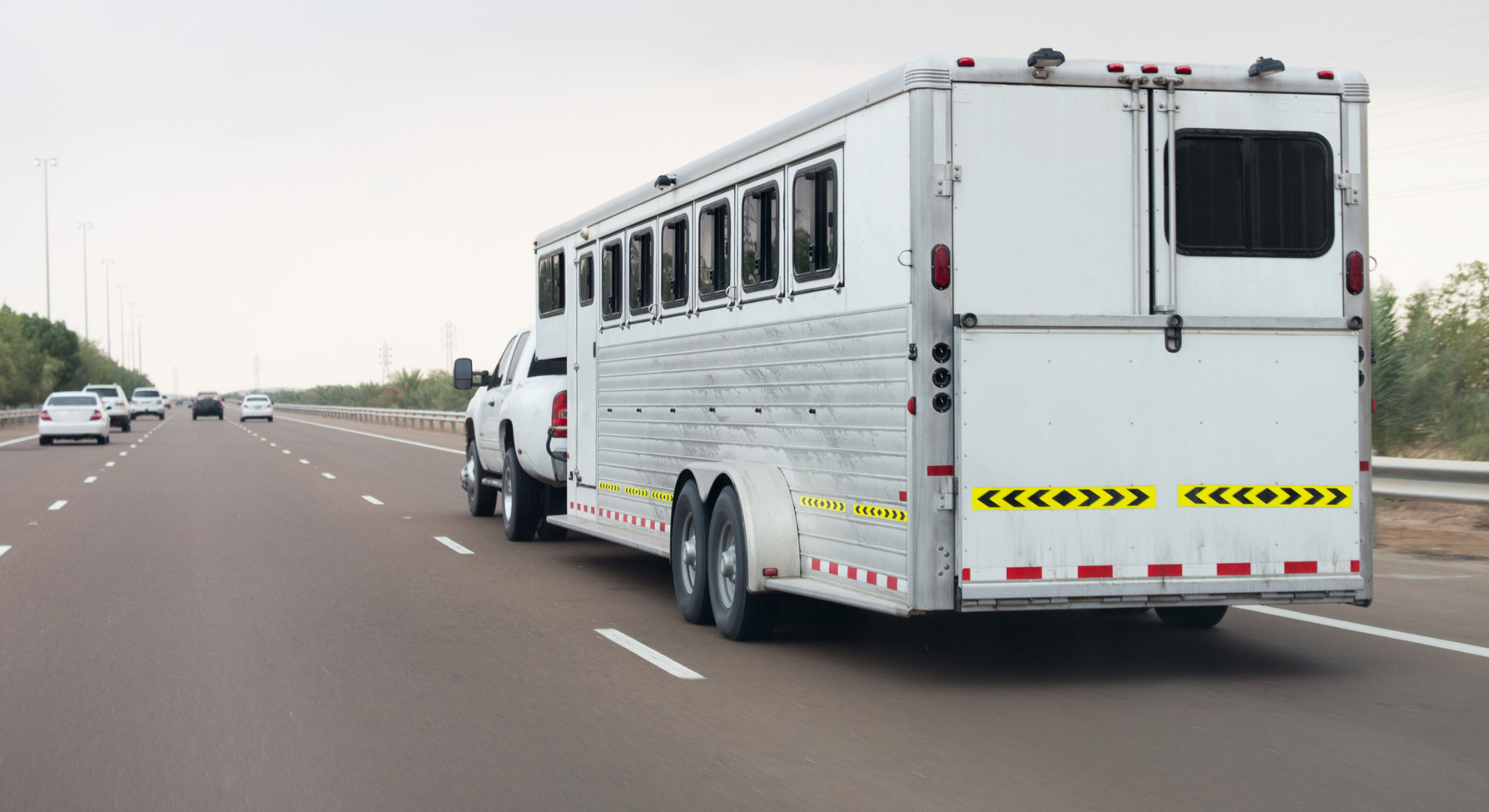
9. The Trailer: Don’t Skip It
Canva/CC
You’re about to start hauling again, so act like it.
- Check tires and pressure
- Inspect floors under mats
- Test lights and brakes
- Look for rust or leaks
If you wouldn’t trust it for a long haul today, fix it before show season starts,
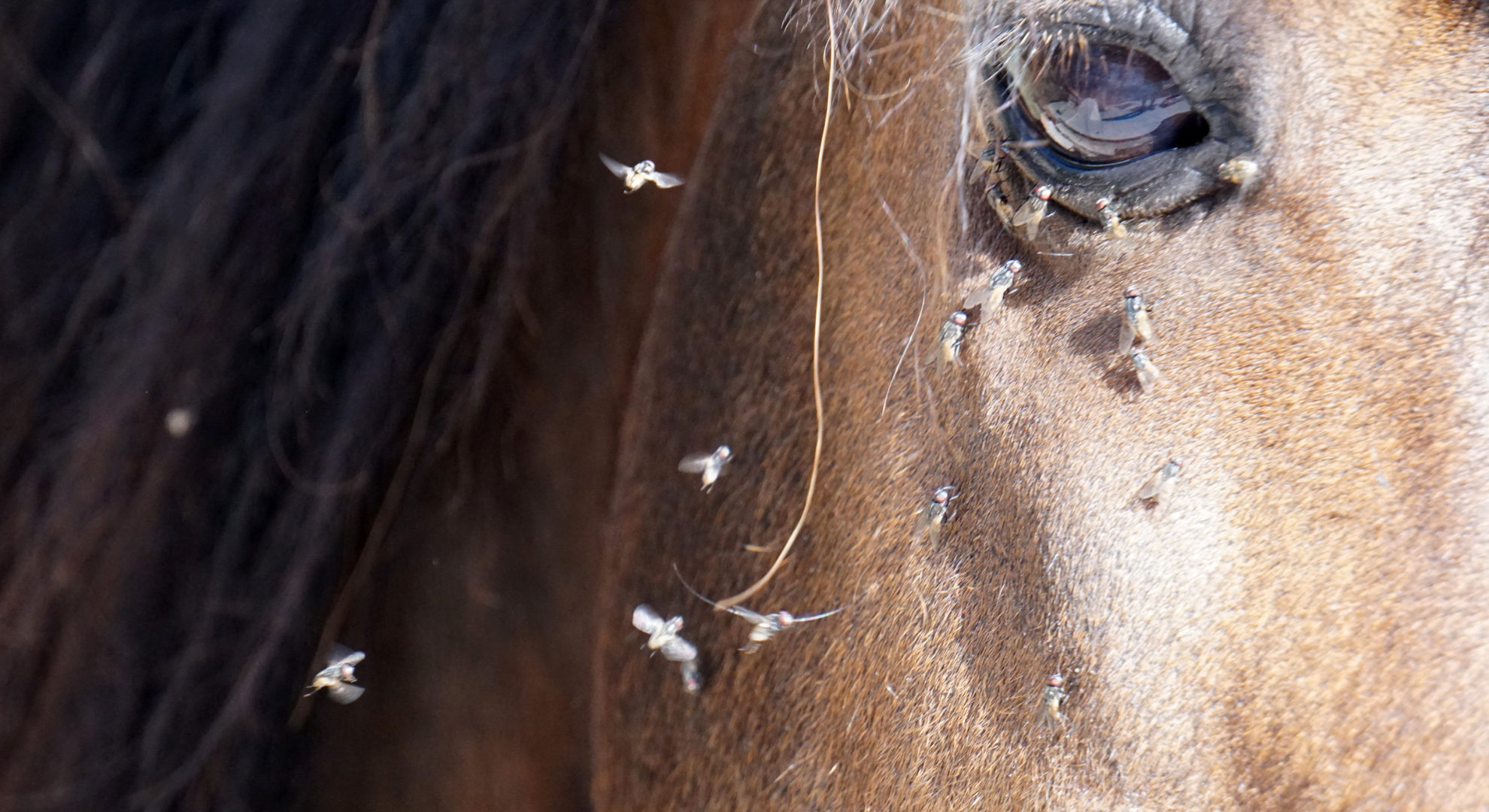
10. The “Extra Credit” That Pays Off Big
Canva/CC
These aren’t flashy, but they matter:
- Clean gutters and improve drainage
- Service fans and ventilation systems
- Restock fly control supplies early
- Review emergency plans for storms
Spring doesn’t just bring sunshine; it brings mud, storms, and reminders of everything you didn’t do in the colder months.
Do It Now or Pay for It Later
Spring cleaning at the barn is one of those things that feels like a grind in the moment, but feels SO GOOD once it’s done AND directly determines how smooth (or stressful) your entire season is.
Do it halfway, and you’ll be chasing problems all summer.
Do it right, and you buy yourself:
- healthier horses
- fewer emergencies
- and more time actually riding
And isn’t that the whole point?
