



Let’s Discuss: Experience vs. “Experience” & Why Years in the Saddle Don’t Always Equal Horsemanship
Years in the saddle may build confidence, but true horsemanship is measured in feel, observation, and the ability to read the horse in front of you (not the one you used to ride).
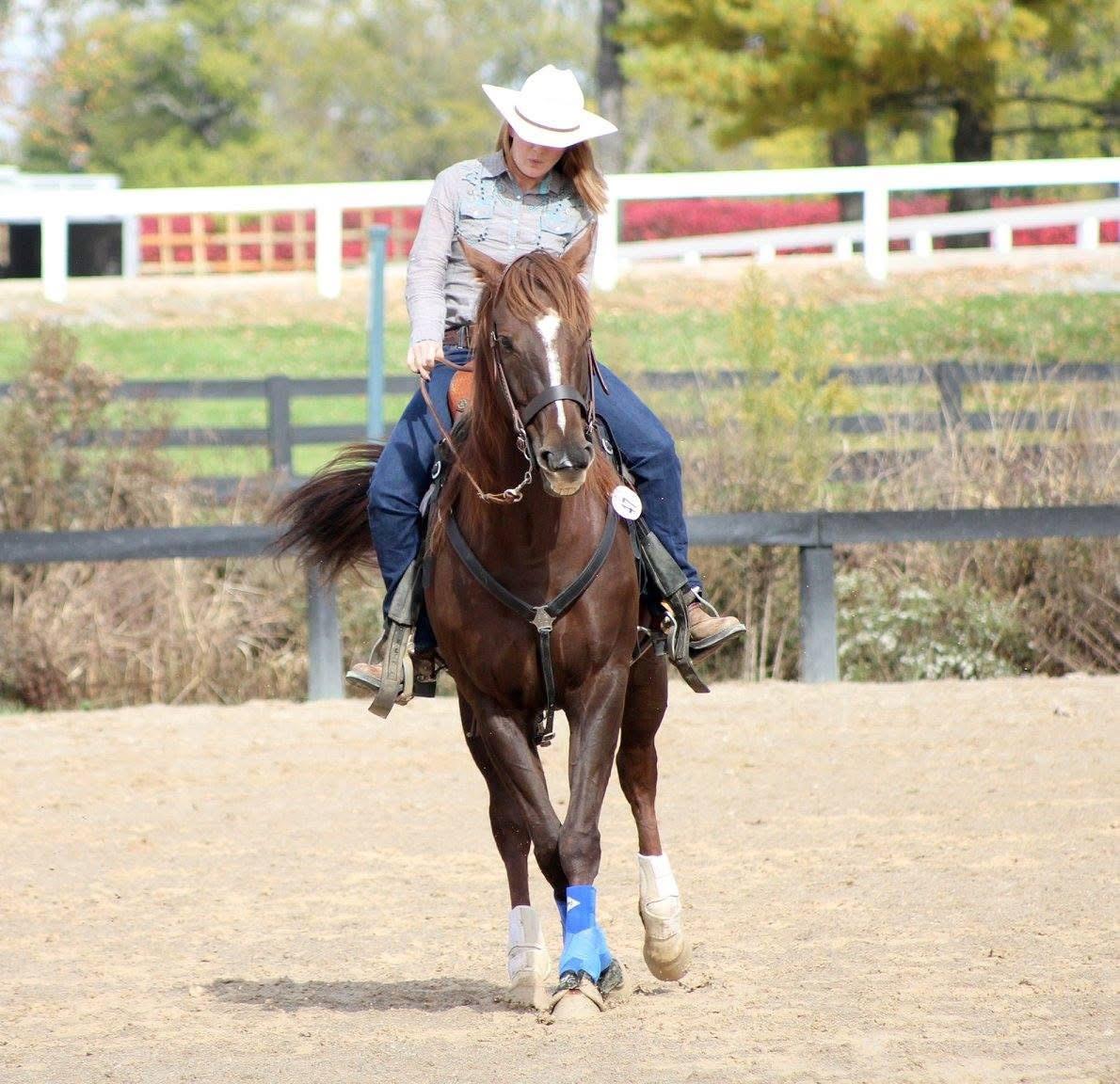
Photo by Marcella Gruchalak
A number of years ago, before I took over managing the barn, my friend (pictured above) ran the facility. She had a boarder who, apparently, had a connection with a rescue group. She acquired two horses through the group. Although I’m not certain which group it was, it was one of the groups that pulled horses from auction and sale houses, and purportedly rehabbed them, gave them some groceries, assessed them, and then placed them. I have no idea what level of rescue this was, but both horses arrived in good weight, if not a little quirky.
The one was thick-built camp horse reject. Apparently she didn’t like children, which didn’t bode well for her career toting kids around trails. For the most part, she was an easy going mare, if a bit grouchy at times. She wasn’t overly reactive and was a pretty solid fit for a middle-aged rider who wanted to try a variety of approaches to riding and training.
The other came with a bit more baggage. She was on the younger side and she clearly had seen some things. It appeared as though she’d been bred, despite her age and poor conformation — she was a desirable color, so clearly that warrants breeding (heavy sarcasm here — I have all the rage, but that’s an article for another time).
The horse was reactive, anxious, and needed steady, educated handling.
This owner was incredibly out of her depth. Not only was the horse reactive on the ground, but also she was tense under saddle. And incredibly barn/buddy sour. The owner was convinced that bonding with the mare would fix all of her problems, despite being dumped onto the asphalt every time she tried to leave the barn.
Every. Single. Time.
At some point — maybe after the horse broke a stall door trying to rush out or maybe after the 327th time the horse tossed the rider — my friend and barn manager suggested that the horse might need a more experienced handler.
The boarder stiffened.
“I have years of experience,” she snapped. “I grew up riding bareback like the Indians.”
Also, I would love to spend some time unpacking this notion of white folks — yes, I am one — thinking that they are going to “ride like the Indians” and all that is problematic with such statements and mentalities, but that, too, is an article for another time. (But FFS, come on, people.)

That statement — I have years of experience — stuck with me. At the time, I remember thinking, “Not all experience is the same.” As I’ve worked hard to improve my horsemanship and knowledge regarding equine management and all things horses, that phrase keeps coming up in my head.
I have years of experience. There it was — the line between having experience and being experienced, drawn as clearly as a fresh arena drag.
Time in the Saddle vs. Skill in the Moment

Photo by the Kivu Team.
Let’s be honest: the horse world is full of people who have logged decades at the barn. They’ve ridden countless horses. They’ve owned a few. Maybe they’ve shown. Maybe they haven’t. Maybe they can tack up blindfolded and groom in under 15 minutes.
But longevity does not automatically equal literacy.
There’s a big difference between:
- Having been around horses for years
- Being an experienced horseperson
One is measured in time.
The other is measured in understanding.
The “I’ve Been Riding Forever” Trap
Someone who has simply been around horses for years often carries a quiet (or not-so-quiet) assumption: I know what I’m doing.
And sometimes they do.
But sometimes that confidence masks gaps that are hard to see from the inside:
- Missing subtle lameness because “he’s always moved like that.”
- Brushing off pinned ears or sour behaviors as “just attitude.”
- Escalating pressure when a horse is confused.
- Taking reactive behavior personally instead of diagnostically.
- Overhorsing themselves because “I’ve been riding 20 years.”
Time can breed comfort. Comfort can breed complacency.
And horses don’t care how many years you’ve been comfortable.
What Being Experienced Actually Looks Like
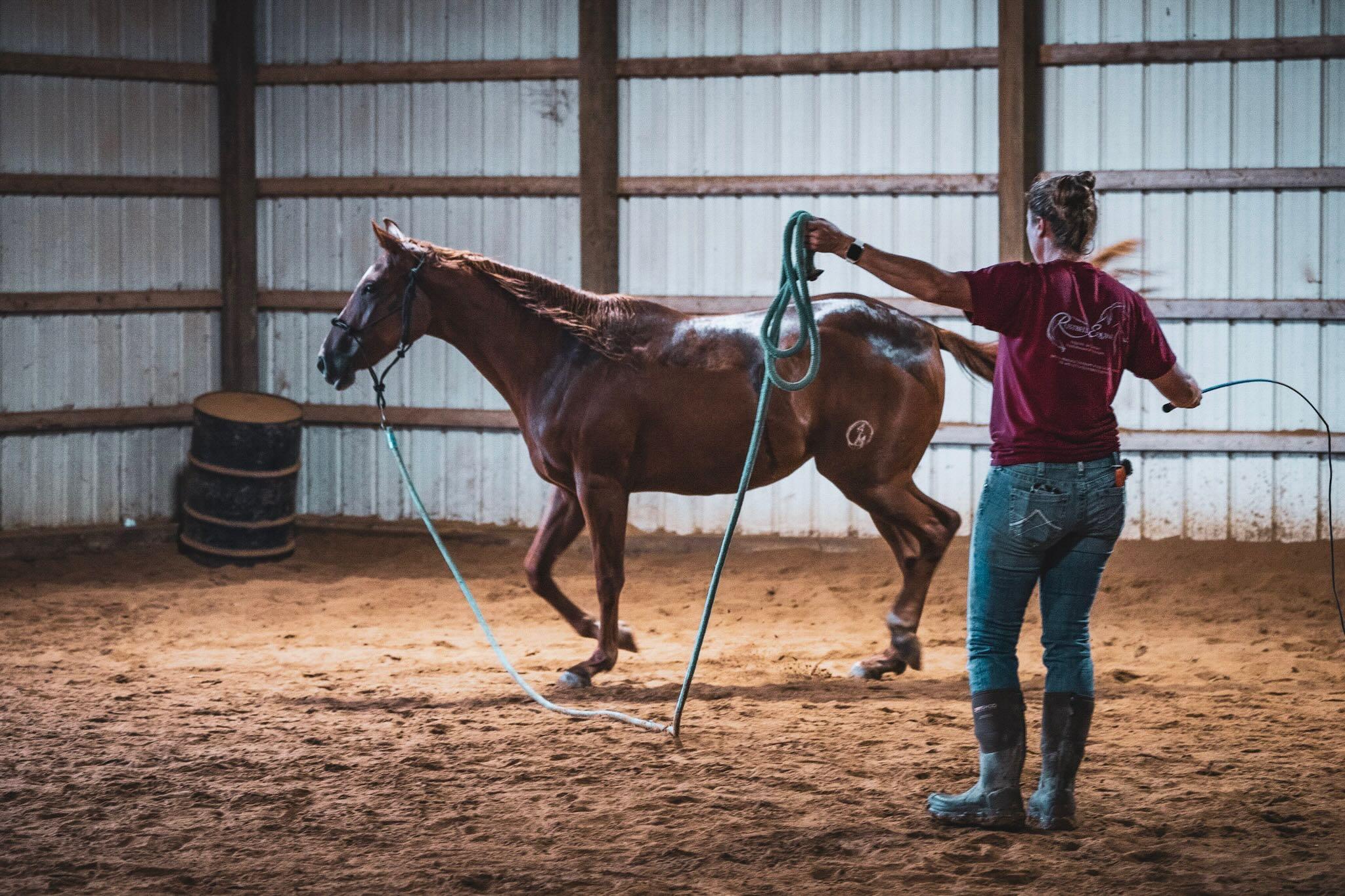
Photo by PNW Departure
An experienced horseperson isn’t defined by bravado. In fact, it’s often the opposite.
They:
- Notice the tiny head bob before anyone else does.
- Feel a slight hitch in a transition and ask why.
- Recognize when a “bad day” is actually a brewing ulcer, sore hock, or mental overload.
- Adjust their approach instead of forcing compliance.
- Understand that behavior is communication.
They read the horse in front of them — not the one they wish they had.
They understand that a rescue with trauma is not the same as the steady school horse they learned on.
They know that some horses require timing measured in milliseconds, not minutes.
And most importantly?
They know what they don’t know.
The Humility Factor
Here’s the uncomfortable truth: truly experienced horsepeople are usually the first to say they’re still learning.
- They ask questions.
- They seek better timing.
- They invite critique.
- They re-evaluate.
The loudest “I’ve got this” in the barn is rarely the most educated one.
In the case of that boarder, her years of bareback riding as a child (who presumably could still bounce) didn’t prepare her for the nuanced handling a reactive rescue needed. Her offense wasn’t about skill — it was about identity. She equated years with expertise. Suggesting otherwise felt like an attack.
But here’s the thing: recognizing that a horse needs a more experienced handler isn’t an insult.
It’s horsemanship.
Experience Is Situational

Theo, the best boy in the barn… but also not the most complicated ride. Photo by PNW Departure.
You can have:
- 20 years on dead-broke lesson horses
- 10 years in one discipline
- 30 years riding the same two horses
And still be green when it comes to:
- Restarting a horse off the track
- Rehabilitating a neglected animal
- Managing metabolic issues
- Handling high-level competition pressure
- Reading subtle behavioral shifts
- Any number of other things
Being experienced isn’t a badge you earn once and wear forever. It’s contextual. It expands… or it stagnates.
The Growth Line
Knowing the difference between having experience and being experienced is where growth begins.
It allows you to ask:
- Is this horse the right fit for me?
- Am I equipped — right now — to help this horse succeed?
- Do I need mentorship?
- Am I reacting, or am I observing?
That awareness doesn’t diminish you. It elevates you.
Because the goal isn’t to defend your résumé.
The goal is to do right by the horse.
The Right Fit Matters
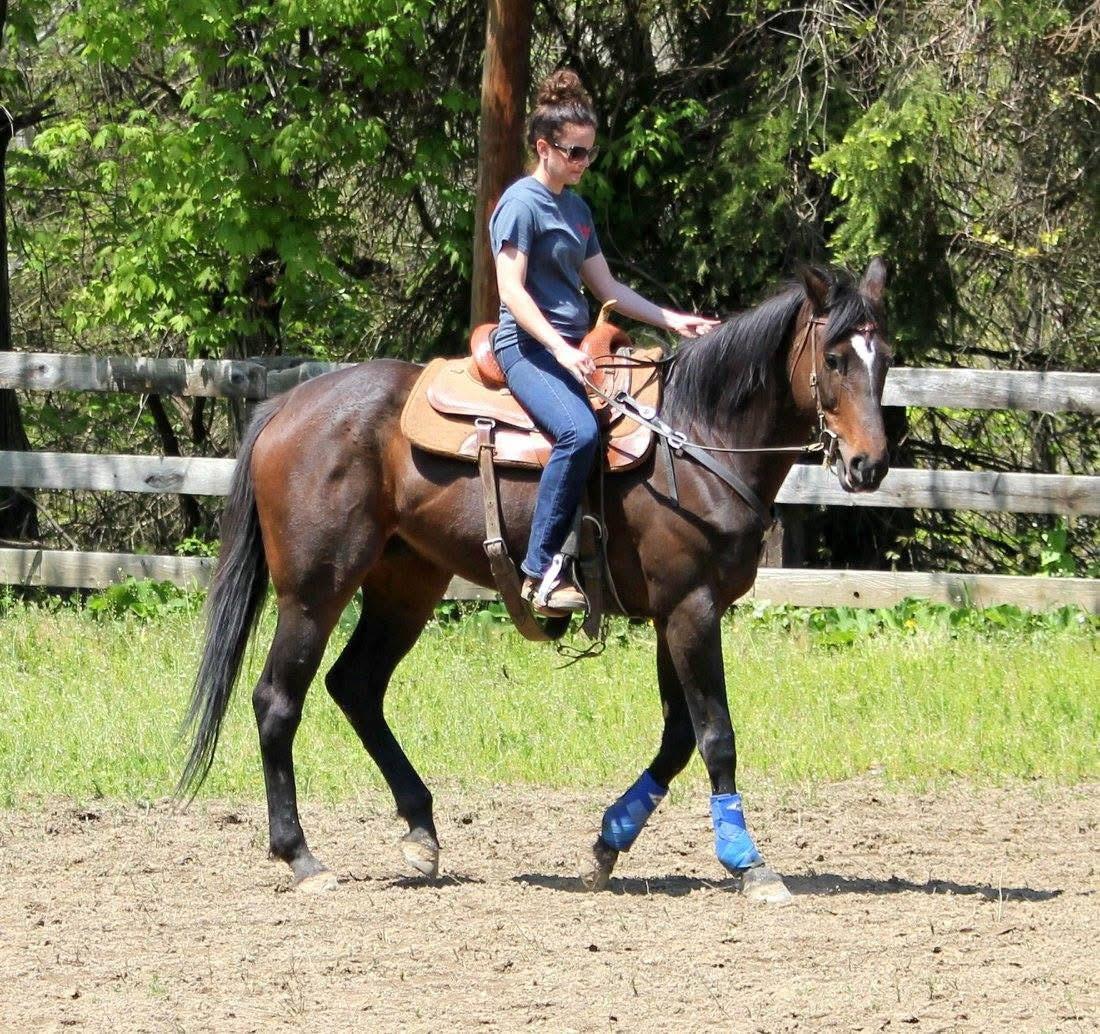
Photo by Marcella Gruchalak
Not every horse is right for every rider — even riders with “years of experience.”
An experienced horseperson understands this. They don’t see it as failure. They see it as responsible matching.
Sometimes growth means stepping up.
Sometimes it means stepping aside.
Sometimes it means admitting you’re not the right person for this horse at this moment.
And that takes far more maturity than proclaiming how long you’ve been riding.
***
Years in the saddle are valuable. They matter. They build feel.
But years alone don’t guarantee insight.
Being experienced is about:
- Observation over ego
- Curiosity over defensiveness
- Adaptation over force
- Welfare over pride
The horses know the difference, even when we don’t.
And when we learn to recognize that difference in ourselves, that’s when real horsemanship begins.
