



No, There Was Not a Horse Named Sirius Standing Vigil at Ground Zero
(And why this story keeps galloping around Facebook anyway.)
Every few months, the internet dusts off a lump-in-the-throat story, slaps a dramatic image on it, and sends it back out into the wild with the confidence of a green horse pointed at a solid fence.
The latest one making the rounds on Facebook features a solemn horse named Sirius, supposedly standing at Ground Zero after the September 11 attacks, quietly mourning the dead like some kind of four-legged war memorial with a flag tucked under its saddle.
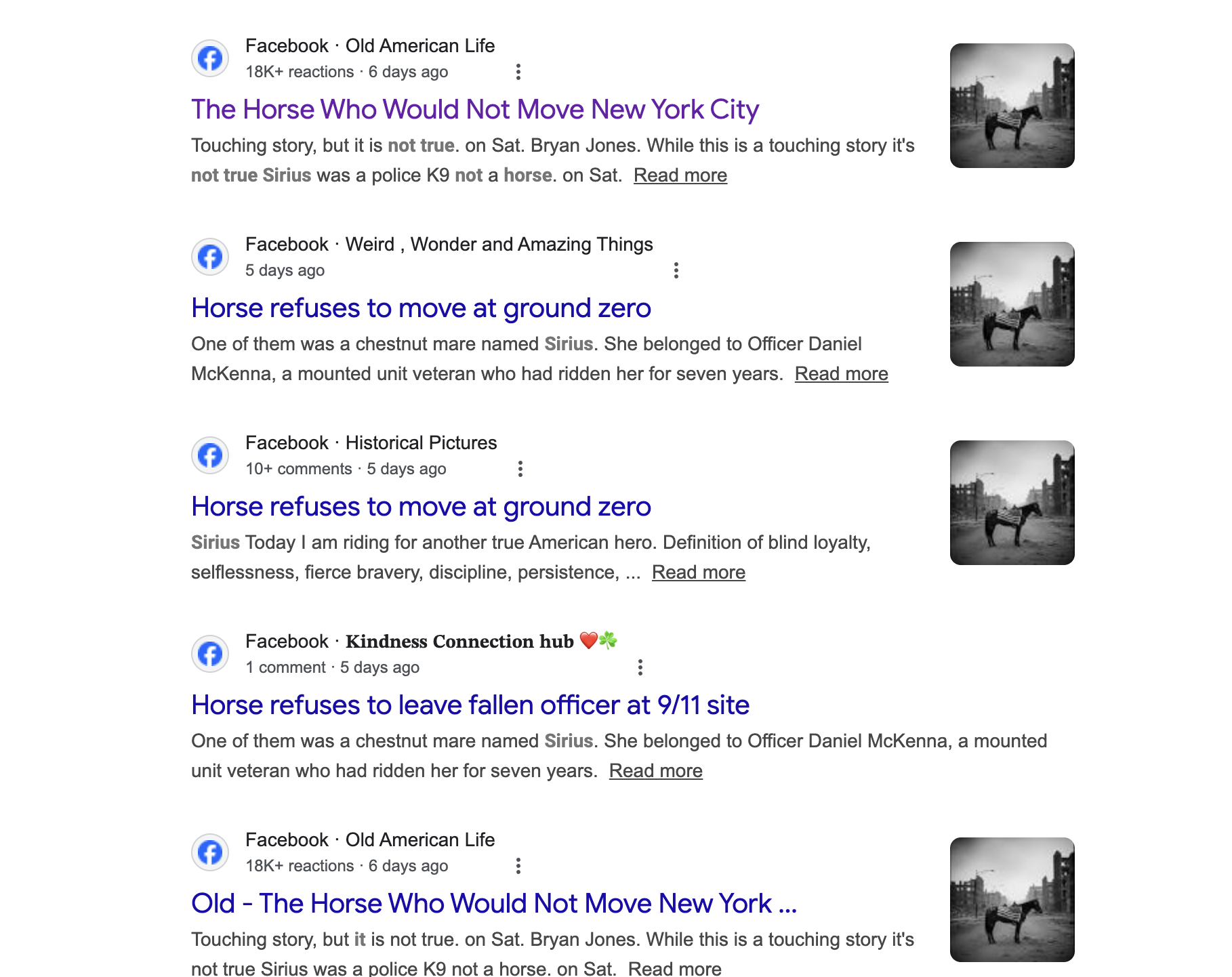
The post is being repeatedly. A quick Google search can attest to that. Check out these results:
It’s beautifully written. It’s emotionally effective.
It is also entirely made up.
Let’s take a deep breath, loosen our grip on the tissues, and talk about what this story actually is — and why it’s everywhere right now.
The Viral Story: Moving, Poetic, and Not Real
The posts typically include a striking image of a horse standing alone amid rubble, paired with a narrative describing how this horse, “Sirius,” refused to leave Ground Zero, sensed the loss of life (or lost his beloved handler, who was the only one who could tame him), and stood vigil for the fallen.
The problem? None of it happened.
Not the horse.
Not the vigil.
Not the photo.
This isn’t a case of history being misunderstood — it’s creative writing being passed off as fact.
The Photo Is Not from Ground Zero
Let’s start with the image, because horse people notice details.
A lot of details.
The photo circulating with the story does not depict the World Trade Center site. People familiar with Ground Zero have pointed out that the rubble, building damage, and overall scene don’t match the actual conditions in New York after the attacks. Several observers have noted that it looks more like a generic bombed-out city — or an AI-generated image designed to tug at the heartstrings.
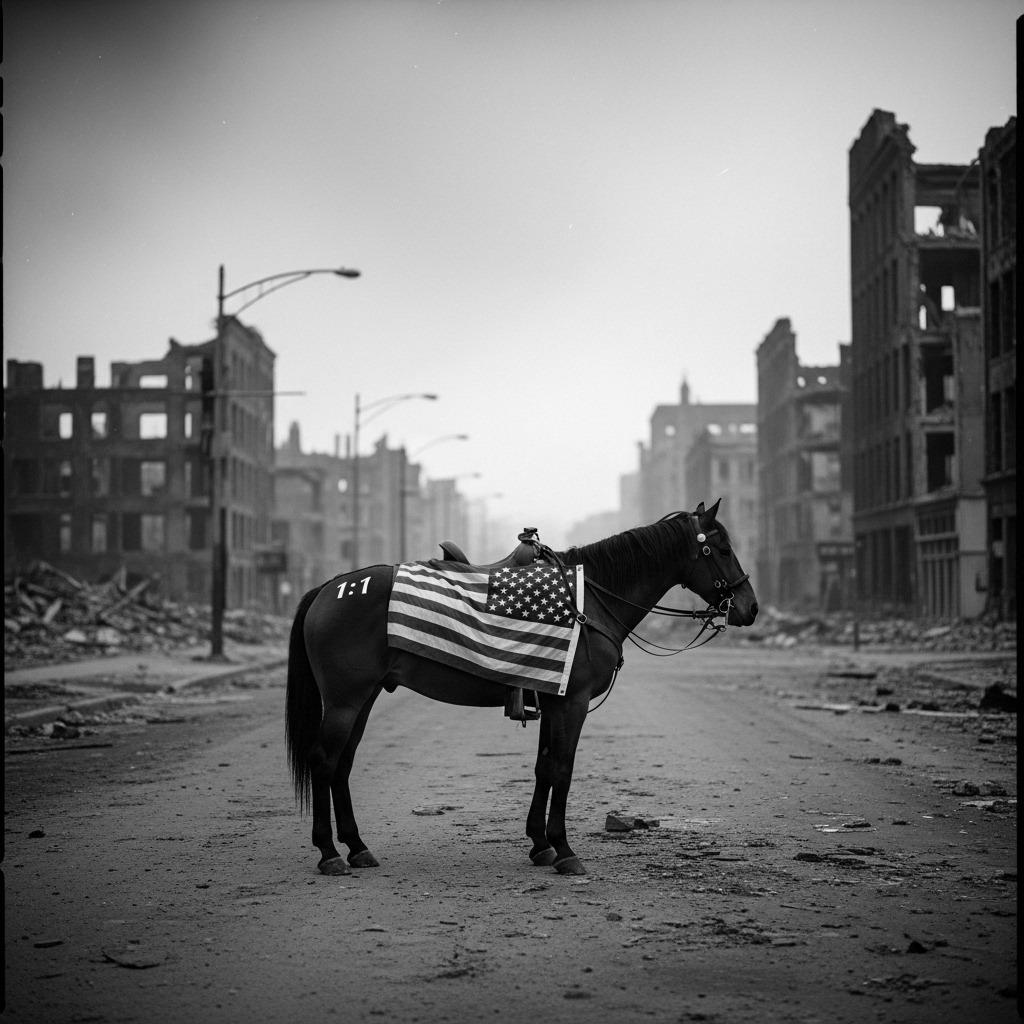
Photo from Facebook
Also worth noting:
- The horse is clean. Too clean.
- There’s no telltale dust coating everything.
- The American flag appears oddly placed and unattached.
- The horse in the image appears to be male, despite some versions of the story calling Sirius a mare.
- The tack placement is unrealistic.
- The horse’s posture and condition don’t align with the environment being described.
- In short, it looks symbolic, not documentary.
Beyond the historical issues, equestrians quickly spotted the inconsistencies. Horse people are many things, but unobservant is not one of them.
No Horses Were Used at Ground Zero
Despite what Facebook would like you to believe, mounted police horses were not deployed at the immediate Ground Zero site.
The area was dangerously unstable — filled with debris, twisted metal, smoke, fire, and toxic dust. It was unsafe for people, let alone horses. Emergency response relied heavily on human first responders and trained search-and-rescue dogs who could safely navigate tight, unstable spaces.
Which brings us to the name Sirius.
Sirius Was Real, But He Was a Dog
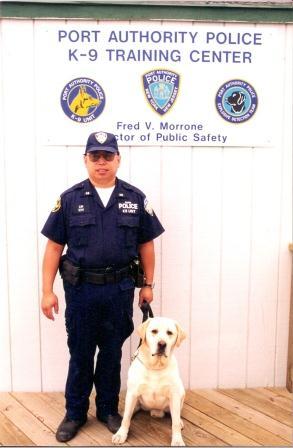
Port Authority Police Department Lt. David Lim and his K-9 patrol partner, a yellow Lab named Sirius.
There was a real hero named Sirius connected to 9/11.
He was a K-9 search dog.
Sirius was a yellow Labrador Retriever who worked with the Port Authority of New York and New Jersey. He tragically died in the World Trade Center collapse while his handler survived. His remains were discovered in 2002, and his story is a documented, heartbreaking part of 9/11 history.
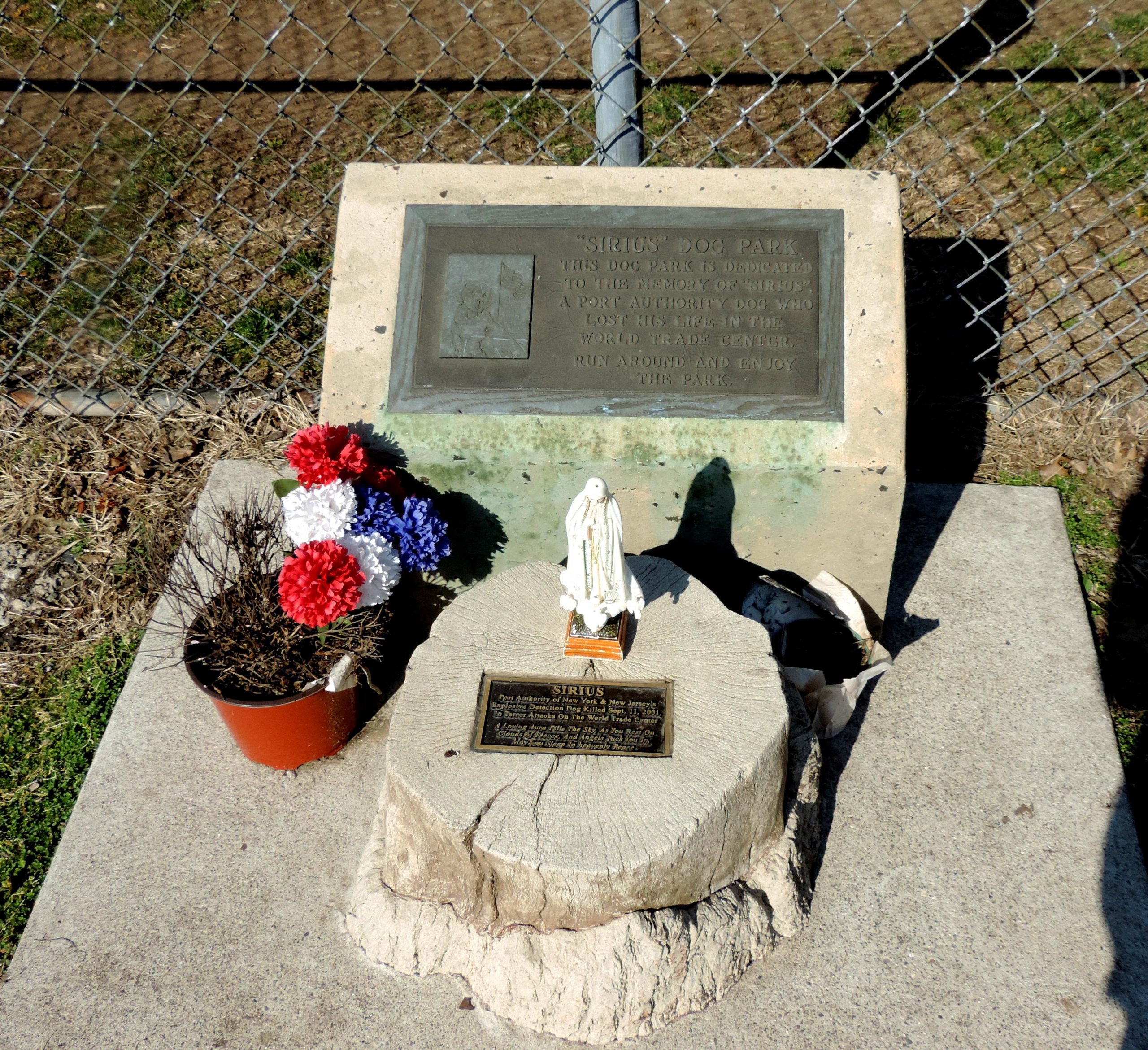
Photo by Jim Henderson. Wikimedia Commons.
Somewhere along the line, it appears that Sirius the dog’s very real story was blended with fictional imagery and rewritten — creatively — as a horse.
That alone should give you pause.
So Why Is This Story Circulating?
Because Facebook loves emotional content, and this story checks all the algorithm’s favorite boxes:
- Patriotism
- Animals
- Tragedy
- Nostalgia
- A “hidden hero” narrative
Some versions of the post even quietly label the story as “creative writing” or “movie-inspired,” while others omit that context entirely — letting readers assume it’s real.
Once a story like this gets shared enough times, the line between fiction and fact disappears faster than a missing bell boot in turnout. We shared a similar phenomenon when we discussed the posts about Lydia “Red” McGraw.
But Horses Do Mourn, Right?
All that said, there are some morsels of truth/honesty in the story (it wouldn’t tug at our heartstrings otherwise).
Yes. Horses are capable of recognizing death and showing behavioral changes when companions die. That part of the conversation is valid and supported by observation.
What isn’t valid is attaching that truth to a fabricated event and presenting it as history.
You can honor horses without rewriting tragedy.
How to Verify Stories Before You Hit “Share”
Because we all want to believe the good (and the poetic), here are a few quick reality checks:
- Reverse-image search the photo.
- If it doesn’t show up in reputable news archives from the time, be suspicious.
- Check the timeline.
- If a “true story” from 2001 only appears on social media decades later, that’s a red flag.
- Look for primary sources.
- Credible reporting, official records, or firsthand accounts matter.
- Watch for vague language.
- “They say,” “people noticed,” and “it’s believed” are storytelling tells.
- Trust your horse-person instincts.
- If the tack, horse behavior, or logistics don’t make sense — they probably don’t.
Here Are the Takeaways:
We can appreciate creative writing.
We can acknowledge horses’ emotional depth.
We can honor history.
We just shouldn’t mash all three together and call it truth.
Because if there’s one thing horse people know, it’s this: Pretty stories still need good footing.
Quick note: We’ve all shared something we thought was real before realizing it wasn’t (or from being in a rush and not examining it carefully) — and Horse Nation is no exception. We’re not here to pass judgment, just to offer a few helpful tools for double-checking stories before they take off across your feed.
