



Understanding Horse and Greyhound Racing for Beginners
Horse and greyhound racing offer excitement and speed, attracting many to the world of betting. For newcomers, grasping the basics is essential to make informed and responsible betting decisions.

Horse and greyhound racing are thrilling sports that captivate audiences with their fast-paced action. Betting on these races adds an extra layer of excitement, allowing participants to engage more deeply with the events. As interest in these sports grows, so does the appeal of greyhounds betting as a way to participate. For beginners, understanding the fundamental concepts of horse and greyhound racing is crucial. Embracing responsible practices ensures that betting remains an enjoyable activity.
Key concepts in horse and greyhound racing
Before placing bets, it’s important to become familiar with the basic terms used in horse and greyhound racing. In horse racing, terms like “handicap,” “furlong,” and “jockey” are commonly used. A handicap race involves horses carrying different weights to level the playing field. A furlong measures distance, typically an eighth of a mile. The jockey is the rider who guides the horse to victory.
Greyhound racing uses different terminology such as “trap,” “grade,” and “trial.” The trap is the starting position for the dogs, which can influence their performance based on track position. Grades categorize races based on the ability of the dogs, affecting odds and potential payouts. Trials are practice runs that help trainers assess a dog’s form before official races.
While both sports involve speed and strategy, key differences lie in track layout and race length. Horse races vary from short sprints to endurance challenges, while greyhound races are shorter sprints around oval tracks. Despite these differences, similar betting principles apply, such as understanding odds and assessing form, which are crucial for making informed bets.
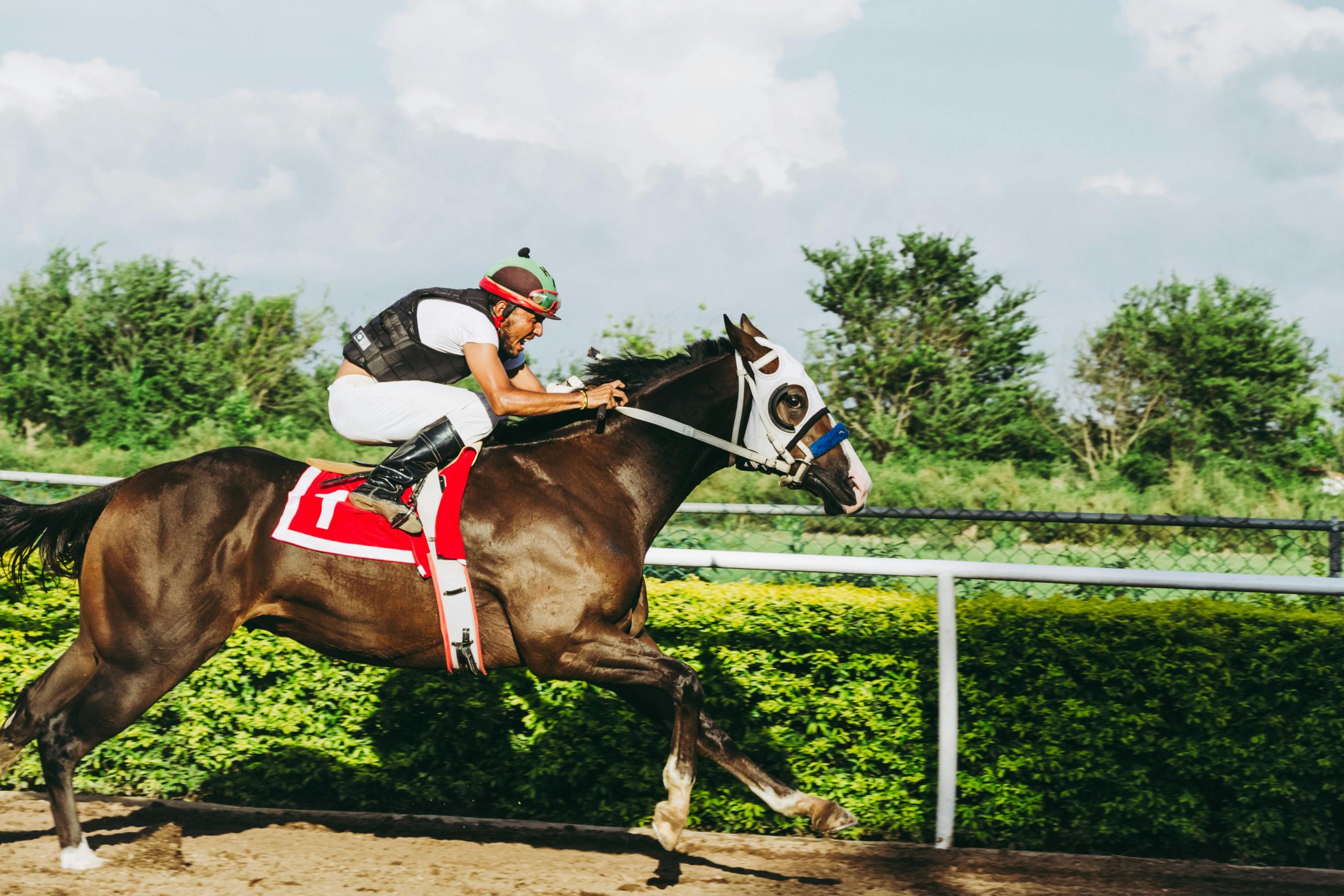
Photo by Jose Ricardo Barraza Morachis. Pexels/CC
Starting your betting journey
To begin betting on horse or greyhound races, you’ll first need to choose a reputable platform or venue that offers these options. Look for platforms with easy navigation and clear explanations of available bets. Registering an account typically involves providing some personal details and setting up a payment method for transactions.
Once registered, explore the range of races available to bet on. Horse racing events often feature multiple races in a single day, while greyhound meetings may offer several races within a few hours. Study past performances by analyzing form guides that provide insights into past results and current condition of horses or dogs.
Understanding odds is crucial; they indicate the potential payout relative to your stake. Odds can be displayed in fractional or decimal formats depending on regional preferences. Selecting races with favorable odds requires balancing potential returns against perceived risks based on your research.
Strategies for informed betting decisions
Successful betting relies heavily on well-researched strategies rather than relying solely on luck. Begin by studying trends within the sport—track conditions, weather forecasts, and recent performance records all contribute valuable insights into likely outcomes.
Staying updated with current information is vital; follow expert analyses through reputable sources for timely advice before placing any bets. This ensures you’re aware of any late-breaking news affecting participants’ performances or changes in race conditions.
Developing an analytical approach helps you spot value bets—situations where you believe the bookmaker’s odds don’t reflect true probabilities accurately. By consistently identifying value opportunities over time while managing risk effectively through varied bet sizes based on confidence levels, you can increase your chances of success.
Maintaining responsible betting habits
While engaging in horse or greyhound racing bets can be exhilarating, maintaining responsible habits is paramount. Set limits beforehand regarding how much money you’re willing to wager each session—this prevents financial strain from overshadowing enjoyment derived from participating in this activity.
Recognize signs indicating when gambling may become problematic; if it affects personal relationships or finances negatively beyond what was initially intended as entertainment purposes only, then immediate action should be taken either through self-exclusion options provided by bookmakers or seeking professional help if necessary.
Ultimately, responsible gamblers view wagering not just as potentially profitable but also inherently risky recreational pursuit where losses are accepted as part of the overall experience. This approach adds thrill without compromising long-term well-being or financial stability, ensuring continued participation remains a healthy balance between fun and reward.
