



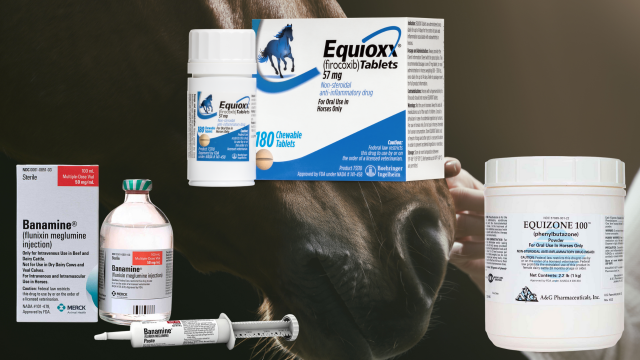
Which NSAID? Equioxx (Firocoxib) vs. Bute (Phenylbutazone) vs. Banamine (Flunixin)
Non-steroidal anti-inflammatory drugs (NSAIDs) are barn staples for pain, inflammation, and fever. But which should you use and when?
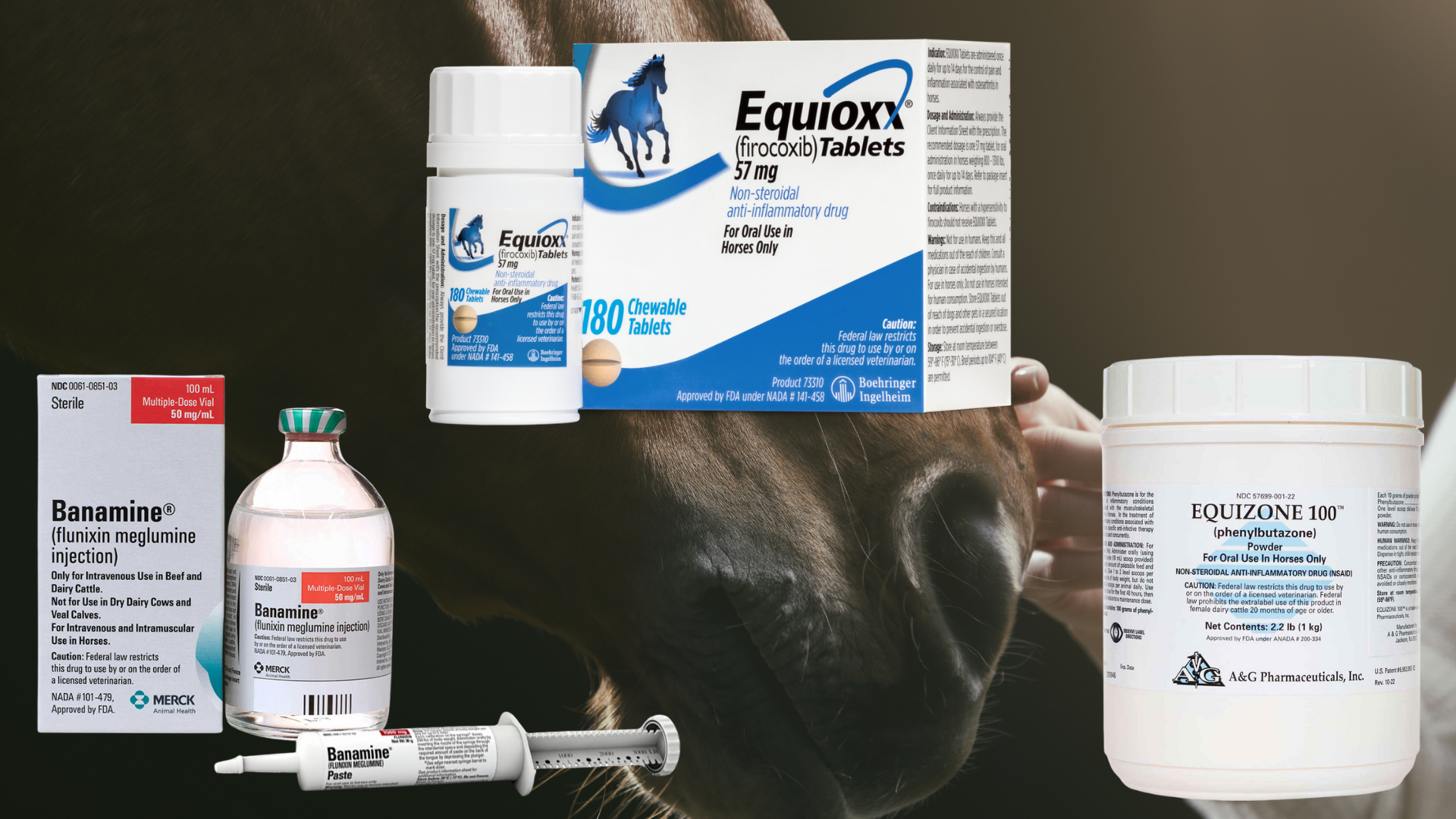
Note: This is for general education, not a substitute for your veterinarian’s exam and advice. Always consult your veterinarian before administering medication.
Non-steroidal anti-inflammatory drugs (NSAIDs) are barn staples for pain, inflammation, and fever. In horses, the “big three” you’ll hear about most are firocoxib (brand: Equioxx®), phenylbutazone (“bute”), and flunixin meglumine (brand: Banamine®). They’re not interchangeable — and choosing well can help your horse feel better while minimizing risk.
The 10-second cheat sheet
- Firocoxib (Equioxx®) – COX-2 selective NSAID. Often chosen for chronic osteoarthritis and longer courses when you want a potentially gentler GI profile compared to older NSAIDs—but it’s still an NSAID and not risk-free.
- Phenylbutazone (“bute”) – Workhorse for musculoskeletal pain/lameness. Effective, inexpensive, higher GI/renal risk profile; classic association with right dorsal colitis (a serious colon ulcer disease) with misuse or even labeled use in sensitive horses.
- Flunixin (Banamine®) – Go-to for visceral pain (think colic) and for anti-endotoxic effects; also used for musculoskeletal (MSK) pain. Avoid intramuscular (IM) injections — risk of life-threatening clostridial myositis; use IV by a vet or oral under guidance.
Also: Don’t “stack” NSAIDs (using more than one at the same time). It raises complication risks (colic, protein loss, ulcers, kidney damage) without improving pain control; sport rules generally prohibit it.
How they work (and why that matters)
All NSAIDs inhibit cyclooxygenase (COX) enzymes involved in inflammation and pain. Firocoxib prefers COX-2 (inflammation-associated) and tends to spare COX-1 (protective functions like GI blood flow). That’s the rationale for using it longer term — though COX-2–selective drugs can still cause GI injury, so monitoring matters. Drugs.com+1
Best uses (typical scenarios)
Firocoxib (Equioxx®):
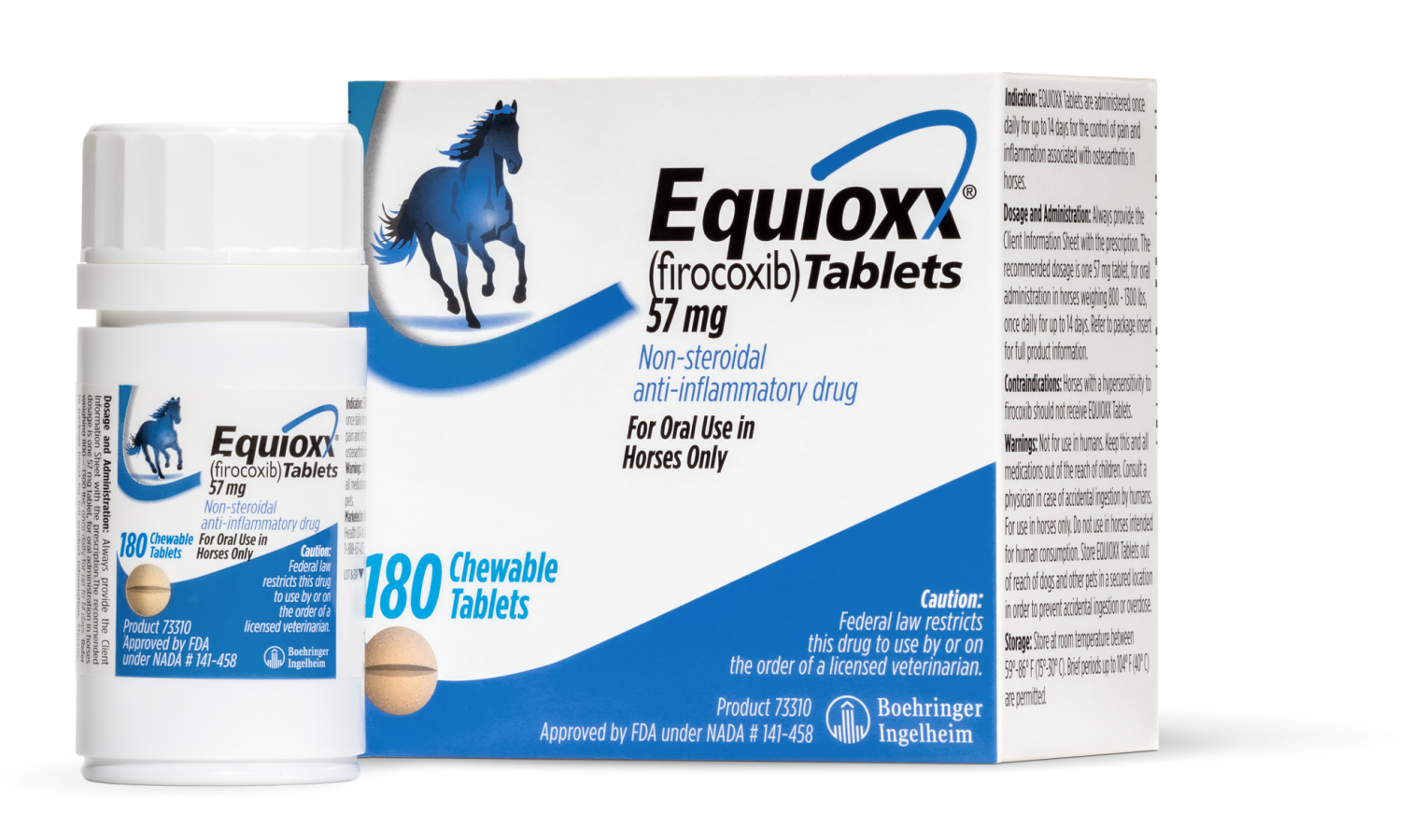
Chronic OA/longer-term management where you want once-daily dosing and a COX-2–selective option. Owners and vets often choose it for arthritic horses or those needing extended NSAID courses. Monitor for appetite/fecal changes.
Phenylbutazone:
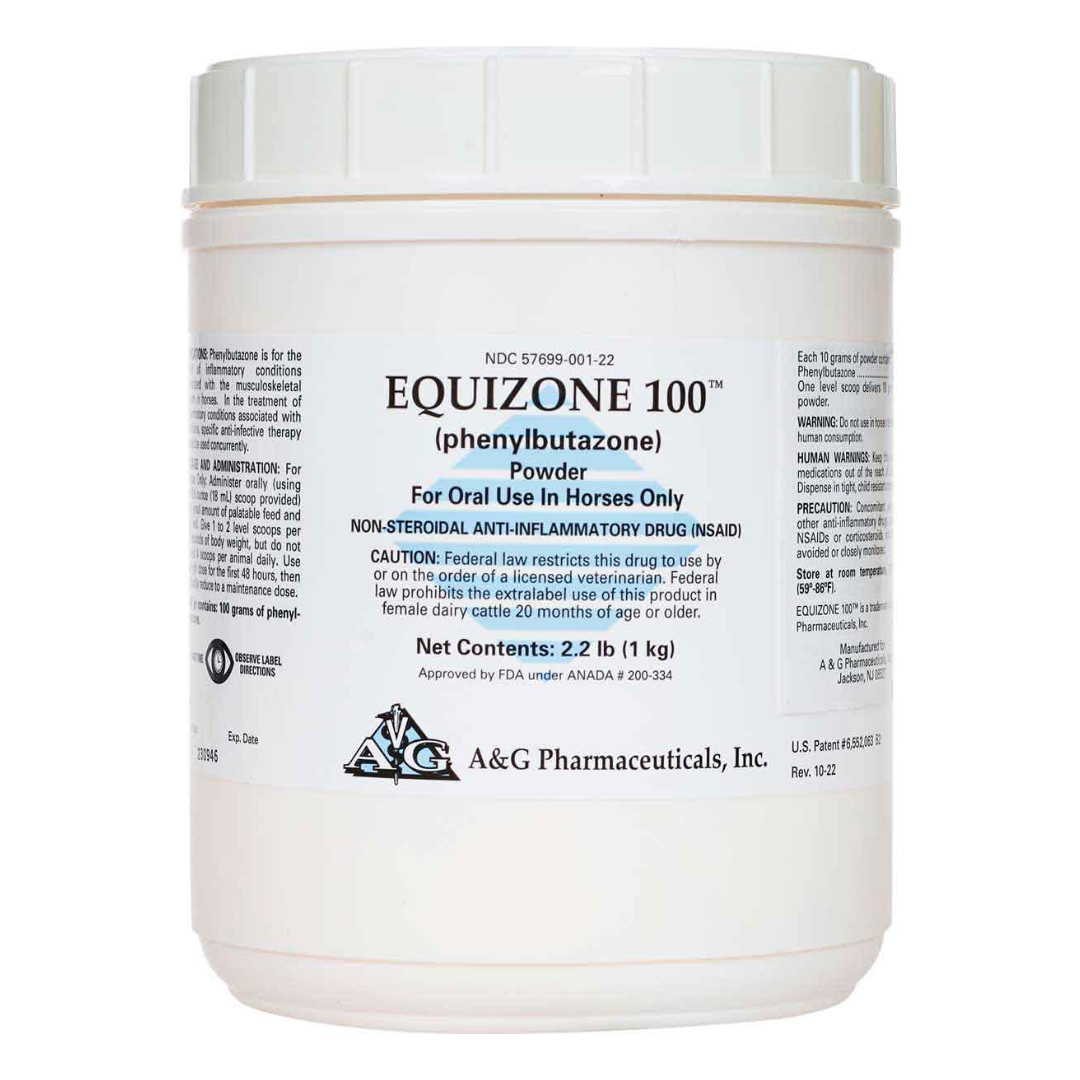
Musculoskeletal pain/lameness, sprains/strains, soft-tissue soreness — short courses at the lowest effective dose. Cost-effective and potent, but be conservative in horses with any GI or kidney risk.
Flunixin (Banamine®):
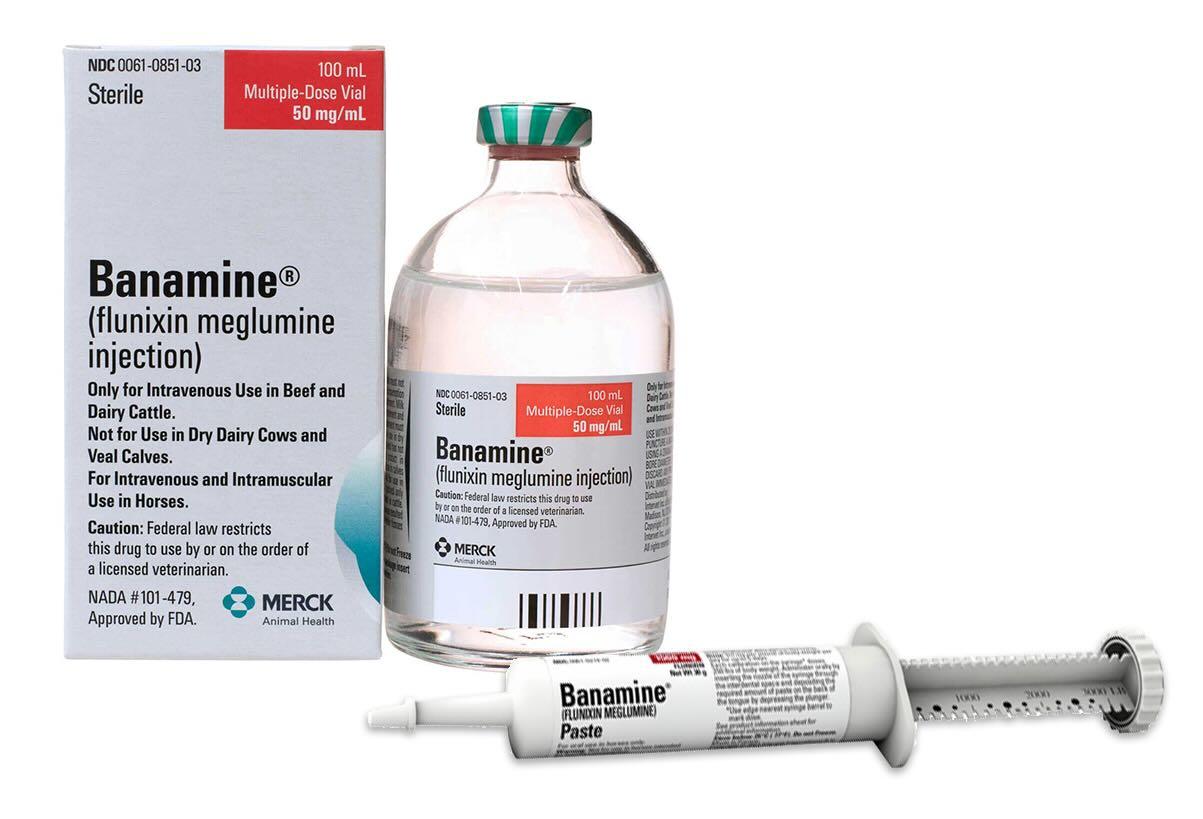
Colic/visceral pain and endotoxemia-associated inflammation; also used for MSK pain. For colic, IV administration by a veterinarian offers faster relief; oral paste is common at home on a vet’s direction. Avoid IM due to clostridial myonecrosis risk. Animal Drugs at FDA+1
Big risks to keep in mind (all three)
- GI injury: gastric/intestinal ulcers; right dorsal colitis is classically linked with NSAID toxicosis, notably with phenylbutazone. Watch for colic signs, diarrhea, weight loss, or low albumin.
- Kidney injury: risk rises with dehydration, shock, or high/prolonged dosing. Ensure good hydration and avoid use during acute illness unless directed by your vet.
- Drug “stacking” (two NSAIDs, or NSAID + steroid): increases adverse events; competition bodies restrict it to protect horses.
Contraindications & “use-with-caution” flags
Applies to all NSAIDs (firocoxib, phenylbutazone, flunixin):
- Do not combine with another NSAID or with corticosteroids unless your veterinarian specifically directs it.
- Use extreme caution (or avoid) in horses with existing GI ulcer disease, right dorsal colitis, renal disease, dehydration, or serious hepatic/cardiac disease; stop and call your vet if you see inappetence, colic, abnormal feces, or lethargy.
- Competition rules: generally allow only one NSAID and specify strict timing; flunixin may be permitted in emergencies (colic/ophthalmic) by a veterinarian — know the rules before you show.
Firocoxib (Equioxx®) specifics:
Label cautions: for horses only; not for food animals; monitor for GI/renal adverse signs; avoid in known firocoxib hypersensitivity.
Higher risk for RDC/GI injury; avoid in neonates and in horses with renal/GI disease; minimize/avoid in pregnant mares (toxicity concerns). Use caution in serious hepatic, renal, or cardiac disease. Avoid combining with other ulcerogenic drugs (other NSAIDs, steroids). wedgewood.com
Flunixin (Banamine®) specifics:
Don’t give IM—risk of clostridial myositis/myonecrosis; use IV (by a vet) or oral. If any IM injection was given, monitor closely for swelling, gas under the skin, fever, or depression and call your vet urgently.
Practical picking: which one, when?
- Chronic arthritic horse that needs weeks of control: Start the conversation with your vet about firocoxib for its COX-2 selectivity and once-daily use, with the same vigilance you’d use for any NSAID.
- Short-term lameness/soreness after a hard school or acute soft-tissue strain: Phenylbutazone remains a solid choice in many barns—short course, lowest effective dose, careful monitoring.
- Suspected colic or endotoxemia-related inflammation: Flunixin (Banamine®) is typically first-line; call your vet, and do not inject IM.
Final barn-smart tips
- Hydration is medicine. Dehydration + NSAIDs = higher kidney/GI risk. Offer water, electrolytes as appropriate, and avoid NSAIDs in NPO (nothing by mouth) horses unless your vet directs otherwise.
- One NSAID at a time. Stacking doesn’t add pain control — it adds risk (and may violate rules).
- Monitor like a hawk. Appetite, manure, attitude, colic signs, edema, fever—any change, call your vet.
Sources & further reading:
- FDA/label information for Equioxx® (firocoxib) and safety guidance.
- Merck Veterinary Manual on NSAID toxicosis & right dorsal colitis.
- Banamine® labeling and colic use; IV preferred for rapid relief.
- Peer-reviewed/extension cautions on IM flunixin and clostridial myositis.
- USEF/AAEP change restricting to one NSAID in competition; emergency exception for flunixin.
 vs. Bute (Phenylbutazone) vs. Banamine (Flunixin))