



Loving and Letting Go: The Quiet Grief of Caring for Horses That Aren’t Our Own
Caring for horses we don’t own brings joy, purpose, and love—but when illness or age demands goodbye, the grief is just as real.
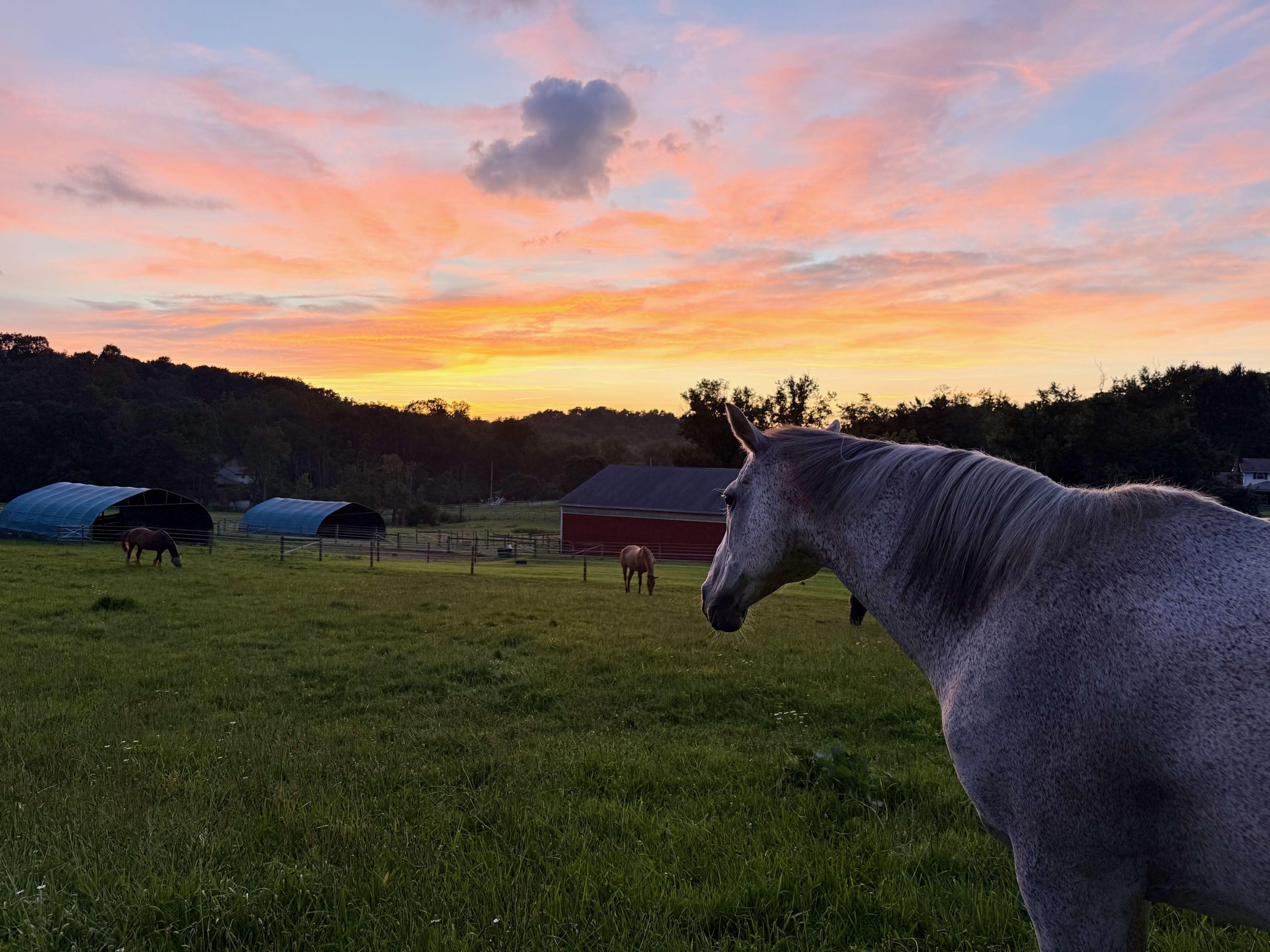
Tequila, about a month before she had to be let go. Photo by DeAnn Long Sloan.
For many of us who work in barns, ride for clients, or manage stables, the horses in our care don’t technically “belong” to us. Their names may not be on our bills of sale, and their futures are not ours to decide. Yet over weeks, months, and years, they become family. We know their quirks, their favorite treats, the way they flick an ear when they’re curious, or how they settle when we hum a tune while grooming.
And then, inevitably, comes the hardest part of loving horses: watching them age, deteriorate, or suffer an illness or injury that cannot be undone. Even when the horse isn’t “ours,” the grief is very real.
Why the Decision Matters
Euthanasia in equine care is often one of the most compassionate decisions an owner (and their support team) can make. Horses are prey animals—they mask pain until they can’t anymore. Chronic lameness, untreatable colic, neurological disease, or age-related decline can mean that continued treatment only prolongs suffering.
Veterinarians stress that a “good death” is part of good horse care. The American Association of Equine Practitioners (AAEP) provides guidelines to help owners and caretakers recognize when quality of life has slipped below a humane threshold:
- Persistent pain that cannot be managed
- Loss of mobility or inability to stand comfortably
- Chronic weight loss despite proper feeding
- Incurable disease with no positive prognosis
As painful as it is, timely euthanasia is often the final act of kindness we can give a horse.
Grief Without Ownership
For those of us who are not the legal owners, the grief carries an added complexity. We may not make the final decision, yet we are the ones feeding, mucking, blanketing, and checking legs day after day. We are the ones who notice the subtle changes—the slower walk to the pasture, the dullness in the eyes, the shrinking topline.
When the decision is made, we are often present in the quiet moments before and after. We hold halters, whisper soft words, and brush familiar coats one last time. We are not the “owners,” but our bond is no less deep. The loss still lingers in our hearts, in the empty stall, and in the absence of a nicker at feeding time.
Caring for the Caretaker
It’s important for grooms, riders, and barn staff to acknowledge their grief. Too often, caretakers minimize their own loss, thinking, “It wasn’t my horse, so I shouldn’t feel this way.” But grief doesn’t check ownership papers—it follows love.
Ways to honor both the horse and your own healing include:
- Allowing space to mourn: Don’t rush past the emotions. Cry if you need to.
- Sharing memories: Talk with others in the barn about what made the horse special.
- Rituals of closure: A braid of tail hair, a favorite photo, or even a few words written in a journal can help.
- Seeking community: Grief is lighter when carried together. Online equestrian groups, barn families, and friends understand in ways others may not.
The Gift and the Burden
Loving horses means carrying both the joy of their presence and the weight of their loss. For those of us who care for horses we do not own, the grief may feel quieter, unspoken—but it is no less valid.
The truth is, every time we halter, feed, ride, or groom, we sign up for heartbreak somewhere down the road. But we also sign up for loyalty, for love, and for the privilege of helping a horse live well until the very end.
And in the end, that is the greatest gift we can give them—compassion, even through tears.
