



Thoroughbred Logic, Presented by Kentucky Performance Products: Thin-Skinned
“Ten years ago, I would not have been out there at that stupid hour with stupid sheets in August … I didn’t fully grasp just how thin-skinned they can be about weather, flies, and changes.”
Welcome to the next installment of Thoroughbred Logic. In this weekly series, Anthropologist and trainer Aubrey Graham, of Kivu Sport Horses, offers insight and training experience when it comes to working with Thoroughbreds (although much will apply to all breeds). This week ride along as Aubrey shares her logic on how to deal with the varying levels of thin skin in her Thoroughbreds.
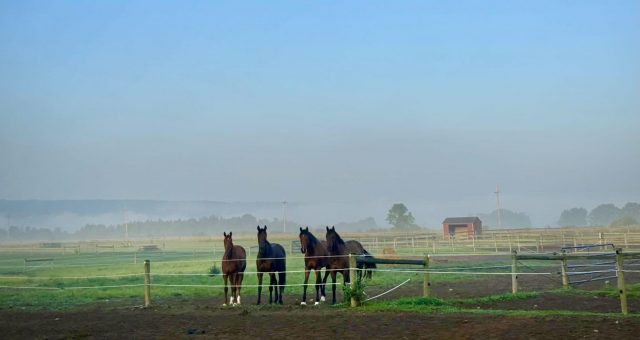
Let me set the scene… It is currently not quite dawn. It’s pouring rain (we do need the rain…) and it is 61-degrees. There’s a shelter in the field that is annoyingly unoccupied, and from my office window, I can see four Thoroughbreds who have tucked their tails, nosed away from the wind and look woefully miserable.
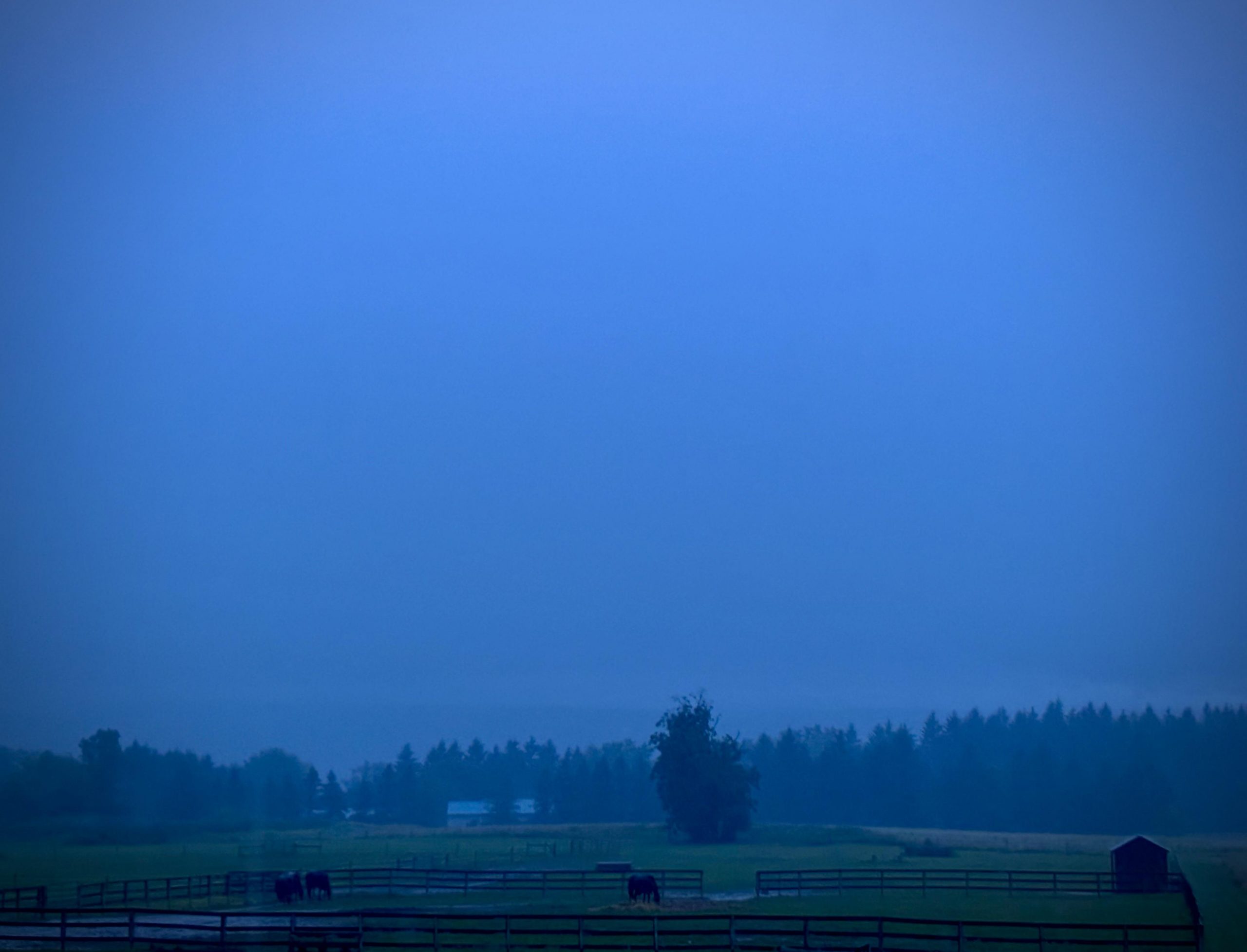
Yep, rain and cold in August. Gross. Photo by author.
I think the only good thing about this situation (besides that we need the rain) is that they’re in sheets. Because at 11:00 last night I finished up the barn, dragged hay-strewn turnout sheets off their hooks and hiked out to the fields to get them on the kids known to be a bit less tolerant of the wet and cold (it was still high 60s at the time). This storm could have been a drizzle all night, or it could have been what it is. I can’t bet on the weather around here, so I bet on their thin skin.
In the herd of four that I can currently see, I have my upper level prospect (Neil – Lute’s Angel), my soon-to-be Novice horse (Indy – Star Player), a former hunt horse (Gimlet – Thirsty’s Pride), and Platypus (Ripe for Mischief), a fresh-off-the-track who hasn’t experienced rain during turnout, in oh…. I don’t know… likely four to five years. Each of them need those sheets for their own reasons. Neil is sensitive sally, Indy is red and will break out with hives in the rain, Gimlet simply gets cold and runs around letting me know he’s cold, and Platypus has a slicked out track coat and ample muscle, but he’s currently not set up to withstand pretty much any elements except those he would encounter in a stall.
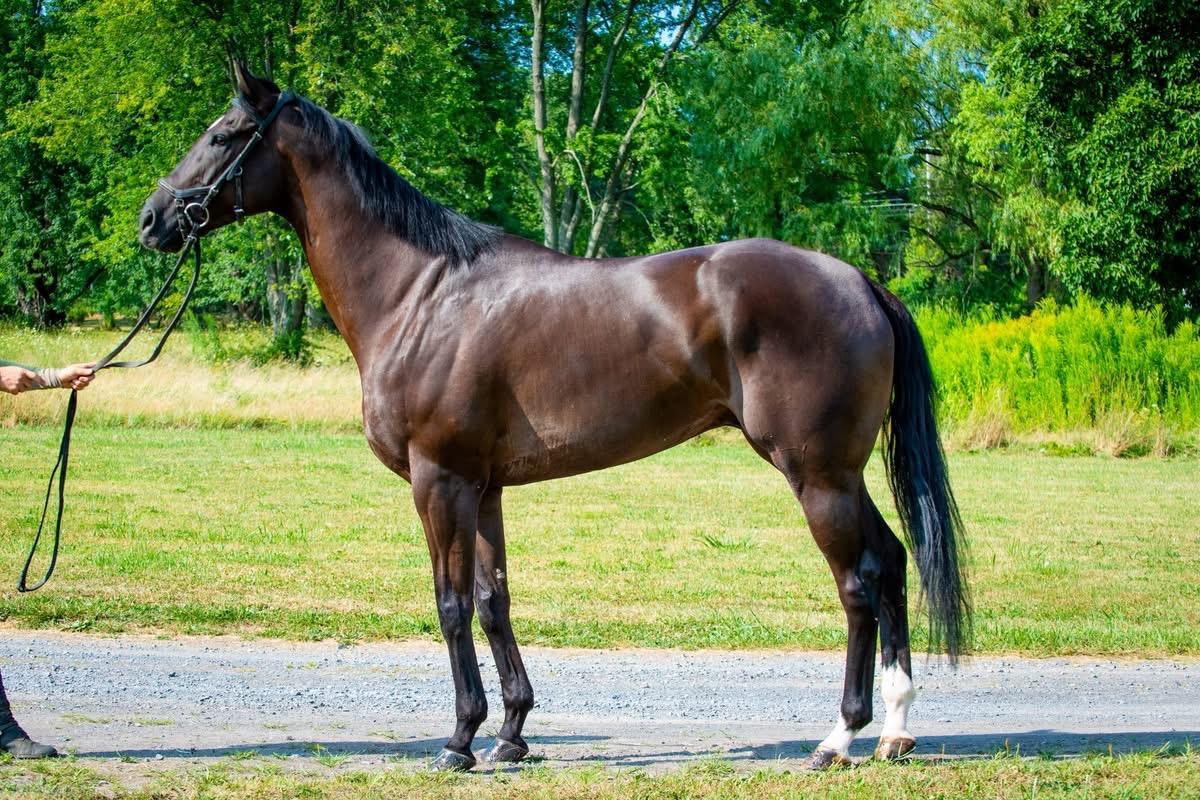
Recently off-the-track and experiencing turnout for the first time in a long time, Platypus (Ripe for Mischief) is not a thick-skinned kid. He’ll take some time to adjust to the elements. Photo by Lily Drew.
Sure, they are unlikely to die without the extra effort and extra layer, but they are likely to make my life harder this morning bringing them in, and then kick repercussions down the road in the form of skin reactions. Ten years ago, I would not have been out there at that stupid hour with stupid sheets in August. Because even though I had trained Thoroughbreds for years, I wasn’t yet directly in charge of their care. And I didn’t fully grasp just how thin-skinned they can be about weather, flies, and changes.
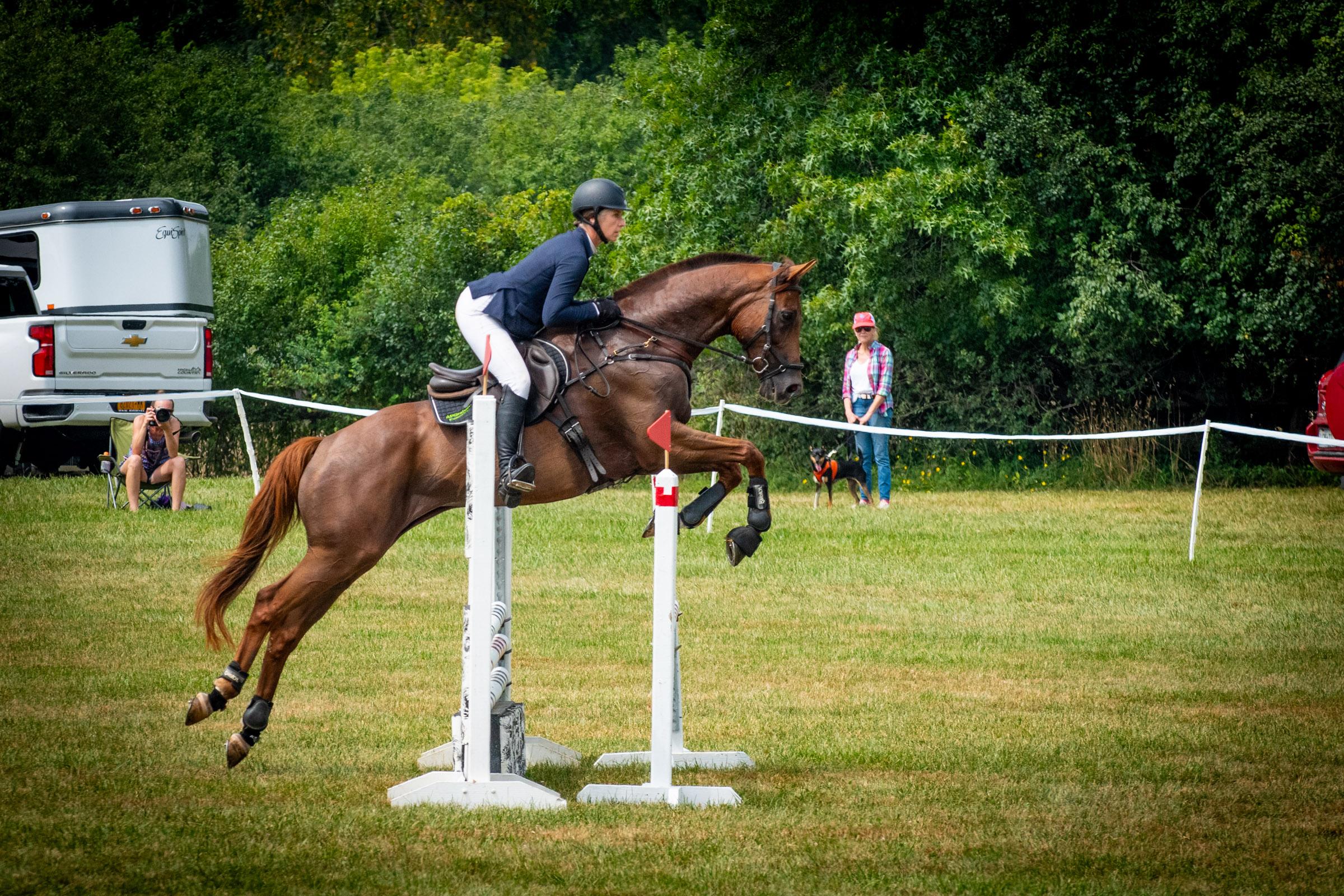
Indy (Star Player) has become pretty tolerant of flies, but his skin still doesn’t manage the rain well. Photo from GVRDC Area 1 Championships by Lily Drew.
When Forrest was three and fresh off the track, Georgia had an odd cold blast in October. My heat failed in my taped-together shoebox of a house and he came in shivering. Those two things were of course unrelated, but we were both cold. The other horses at the boarding facility? Meh — they didn’t really seem to notice. The other humans weren’t grad students living in rental hovels, so they, too, were fine. But it took me a minute to learn that Forrest wasn’t like the other horses yet. He didn’t have the coat, the physical seasonal awareness and survivability. Tossing him out on night turnout when it dipped down into the 20s exposed those differences.
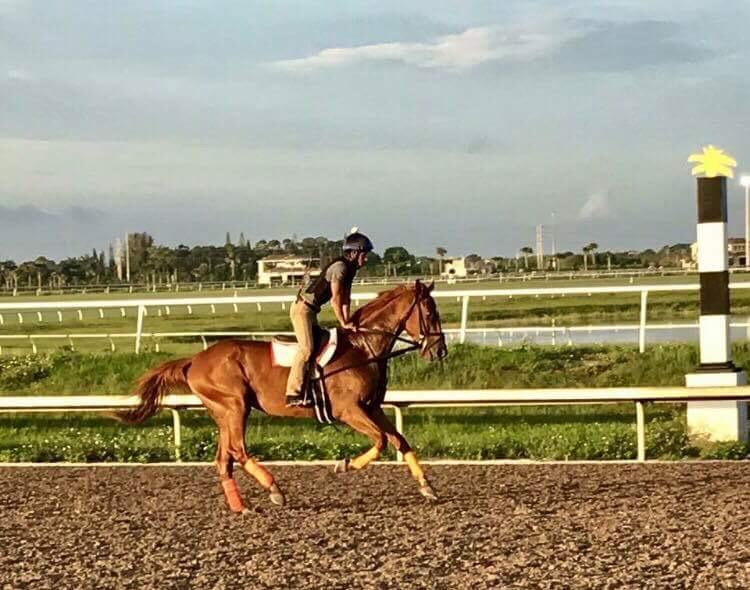
Forrest (Don’t Noc It) working out for Tropical Racing at the track in Florida. Photo courtesy of Tropical Racing.
So with a farm of 20 or so Thoroughbreds currently, it is their “thin skin” that dictates my care decisions. Who gets turned out during the day with the flies (and who wears a fly sheet — hint: that would be everyone outside when the sun is up), who gets a sheet in August when it might rain overnight, and who goes out in the heavy blankets in the winter storms and who stays tucked in a stall. Many of them might have proverbial thin skin, but I do the best I can not to compromise on their time in turnout. So we adjust, blanket, fly gear from head to tail, nose to hoof (if out during the day), and get on with it.
As an aside, let me note that I’m not really reactionary about these things. I would have read this from Georgia and thought overkill. Hell, for the whole time I was there, my one fly sheet mostly gathered dust in the loft. But there’s something exceptional about the flies up here in New York that has me and the horses rethinking any daytime turnout options. Survival (and not letting them completely run out of their shoes) comes from masks, sheets with necks and fly boots. Shoot me.
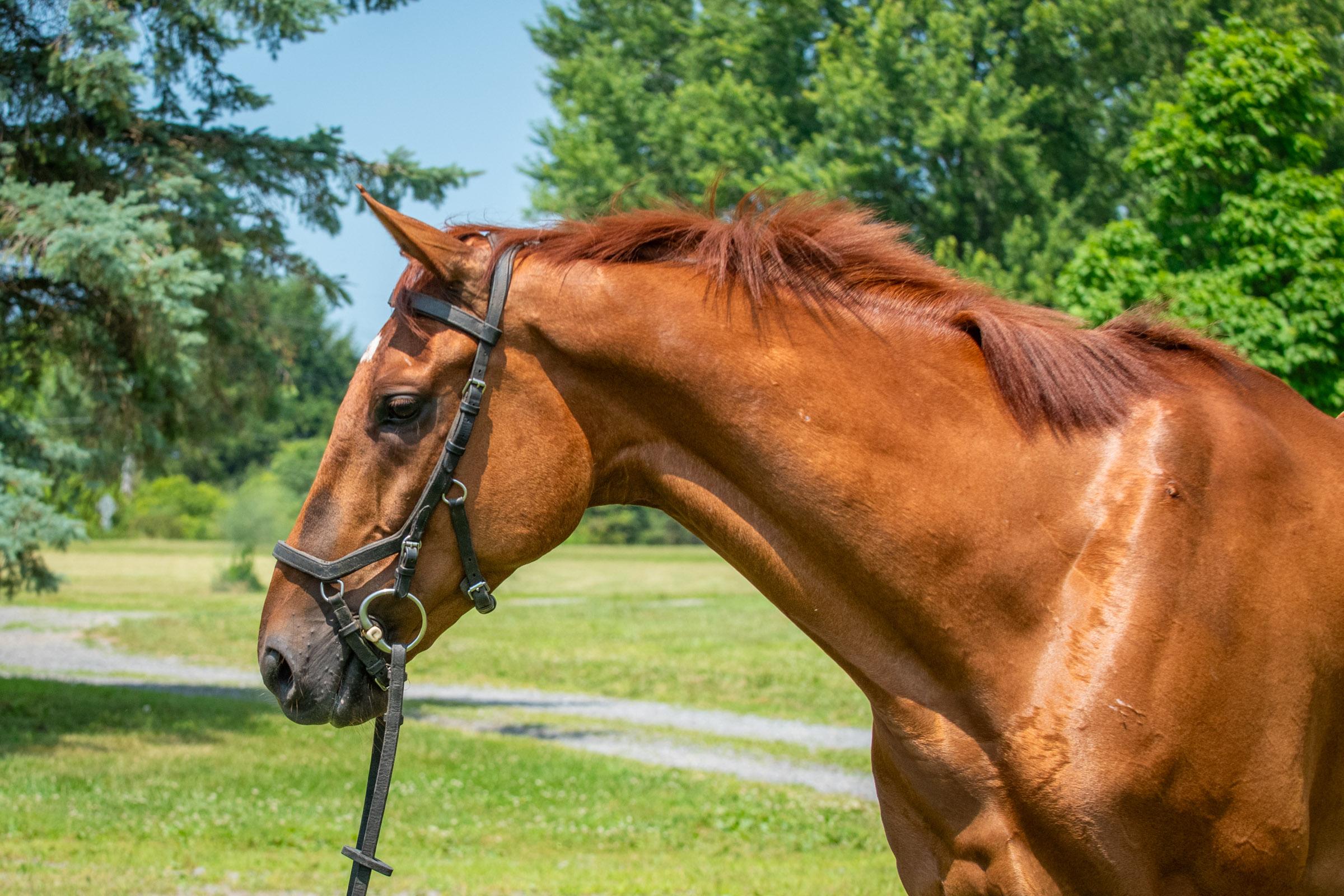
No day turnout in the flies for this sensitive kiddo. Artie (Reunion Tour) is both extremely red and extremely opinionated about getting bitten by flies. Photo by Lily Drew.
And while I doubt they’ll grow more tolerant of the damn flies, over time, they do get used to the seasons. They let down from the track, gain fat and let their muscle soften and reshape. They become more cold-tolerant and acclimate to their climates. But for a while there, they’re likely going to let you know how they feel if left on the same blanketing schedule as other boarders or as even the Thoroughbreds who have been off the track and happily clicking around their second careers for years.
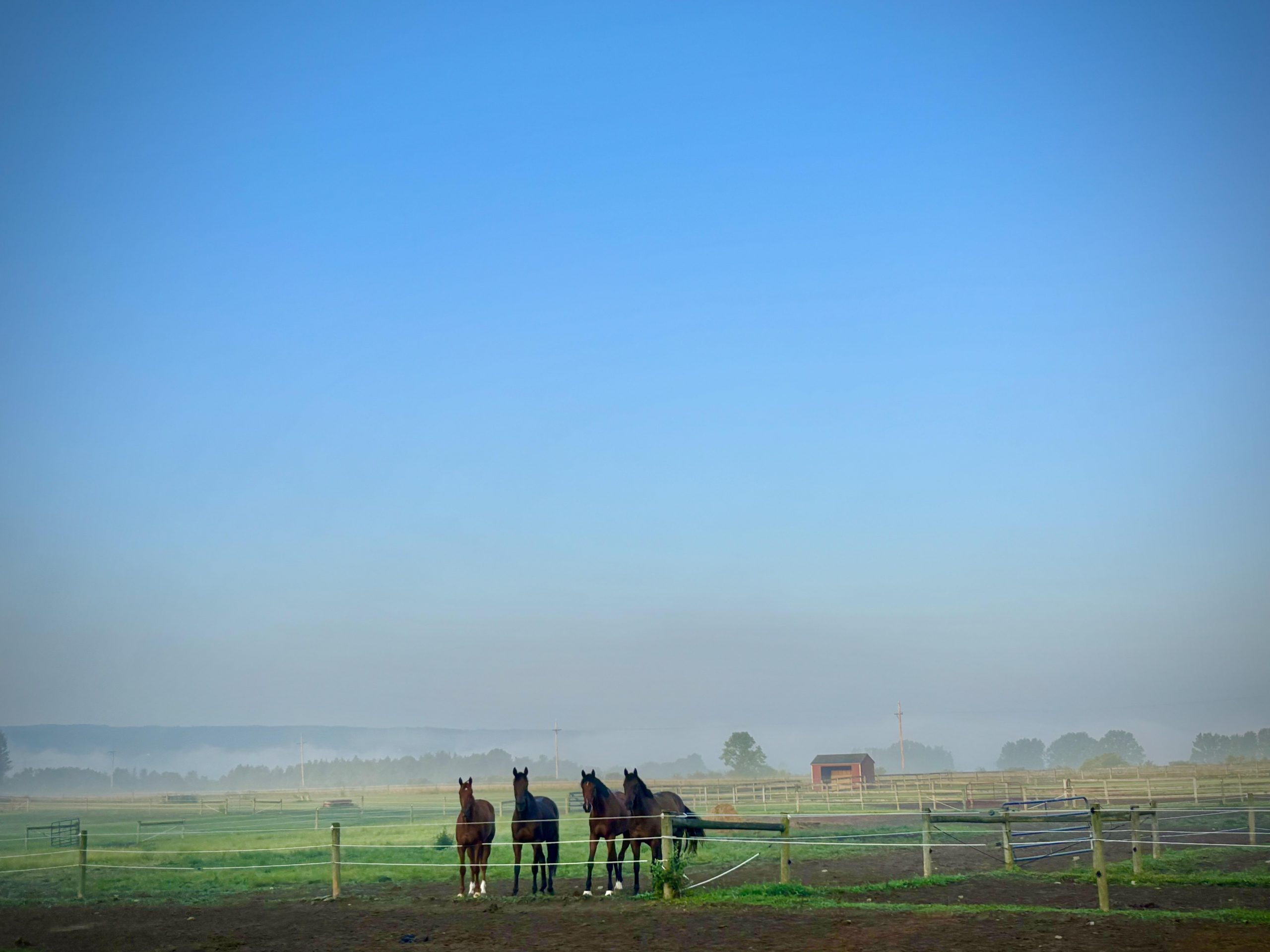
Yeah, all four of these kids had fly masks on when they went out… Photo by author.
That said, even for fresh off-track Thoroughbreds, their thin-skinned-ness does vary, of course. And some of that has to do with how they spend their off-seasons. Many hang out in stalls in local-to-the-track facilities. They rest, relax, but largely don’t see any turnout. Others places pull their shoes and toss them out in a herd in a sizeable field, feeding daily but letting them fend for themselves against the abscesses, rain and cold. They figure it out and have a few humans to pack feet and make sure they’re hanging in there. Before being brought back to the training track, they are clipped, their rain rot is resolved, and they get their shoes back. I don’t actually have an opinion on which route is better, and I’m sure there are happy mediums there, too.
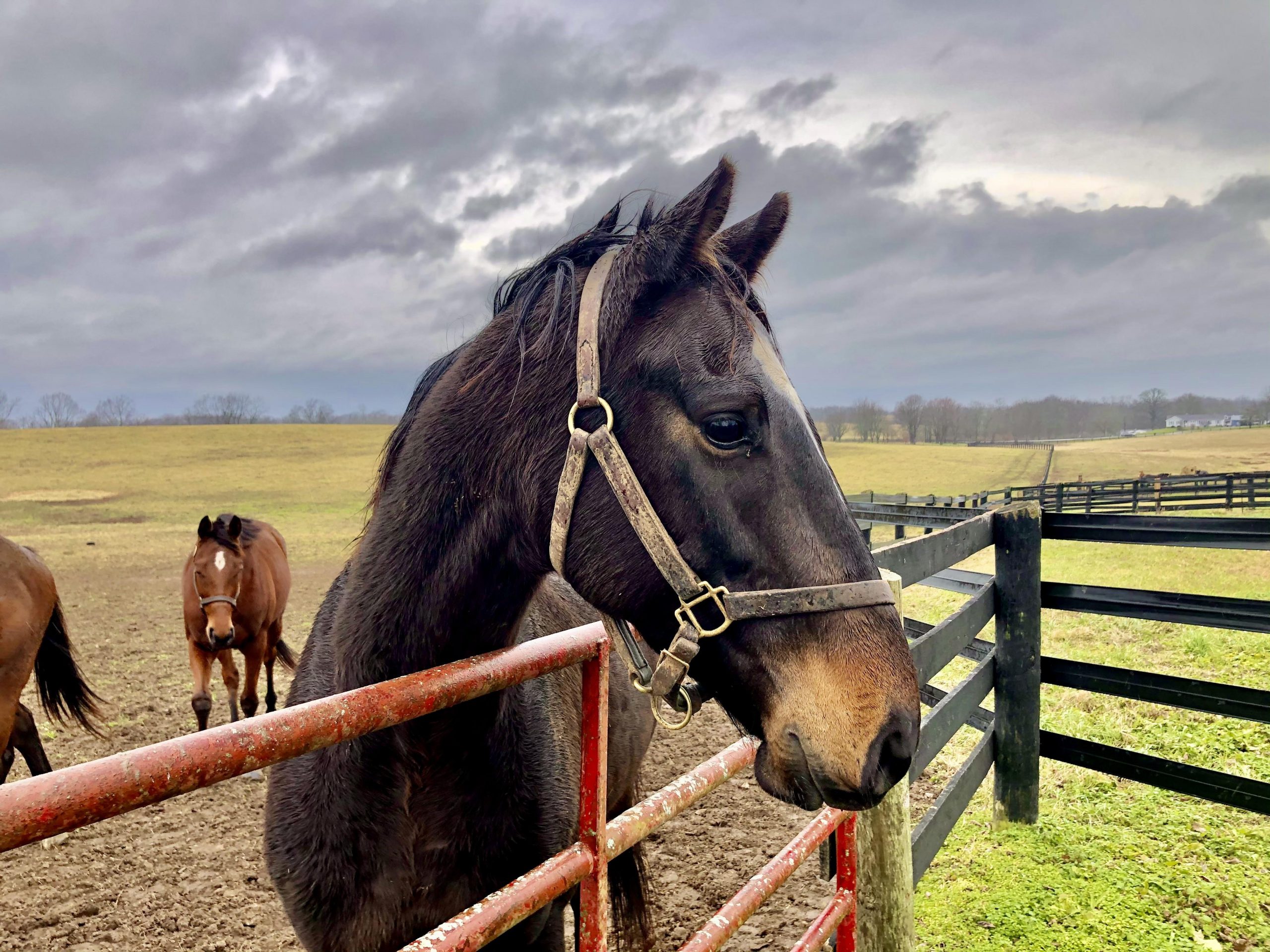
Winter fields at Winchester Place Farm in Paris, Kentucky. Photo by author featuring now warhorse, Twoko Bay.
So when the weather changes, the flies get worse, or one simply hits the colder seasons, it’s probably worth thinking through the thin-skinned stereotype… and letting your horse tell you just how accurate it is or is not for them.
Go ride, folk. And apparently if you live in upstate New York, just you know, never store your blankets, you might need them mid summer.
About Kentucky Performance Products, LLC:
Omega-3 fatty acids have been proven to reduce skin inflammation and mitigate allergic response. Contribute delivers both plant and marine sources of beneficial omega-3 fatty acids. Feed one to two ounces per day, depending on severity of the allergy.
Need tips on how to manage allergies? Check out this KPP infographic: Got Allergies?
The horse that matters to you matters to us®. KPPusa.com

