



Mythbuster Monday: Shoulder Stress Lines Are Due To Improper Saddle Fit
On Mythbuster Monday, we tackle a variety of equestrian myths to either bust or confirm. Today’s discussion: Are shoulder stress lines due to improper saddle fit?
It’s Mythbuster Monday, where Horse Nation dives into different equestrian myths and provides research-based evidence to either bust or confirm those myths. Today’s topic: Are shoulder stress lines due to improper saddle fit? What causes shoulder stress lines? What makes the musculature show the stress line? Read further to find out!
Myth: Shoulder stress lines are due to improper saddle fit
Myth or Fact: Both
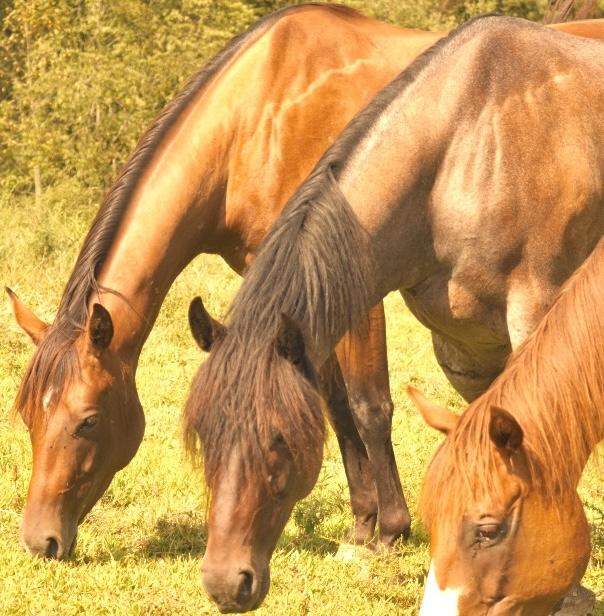
Photo by Marcella Gruchalak
Shoulder stress lines on horses are visible indentations or hollow lines that appear along the shoulder region, typically running just behind or across the scapula. They represent an alteration in the normal contour of the horse’s musculature, often giving the appearance of a distinct groove or depression where the shoulder muscles should otherwise appear smooth and full. These lines can be identified by their linear, sunken presentation compared to the surrounding tissue. They may vary in severity and depth making them an important clinical observation for equine professionals.
But are they solely due to improper saddle fit?
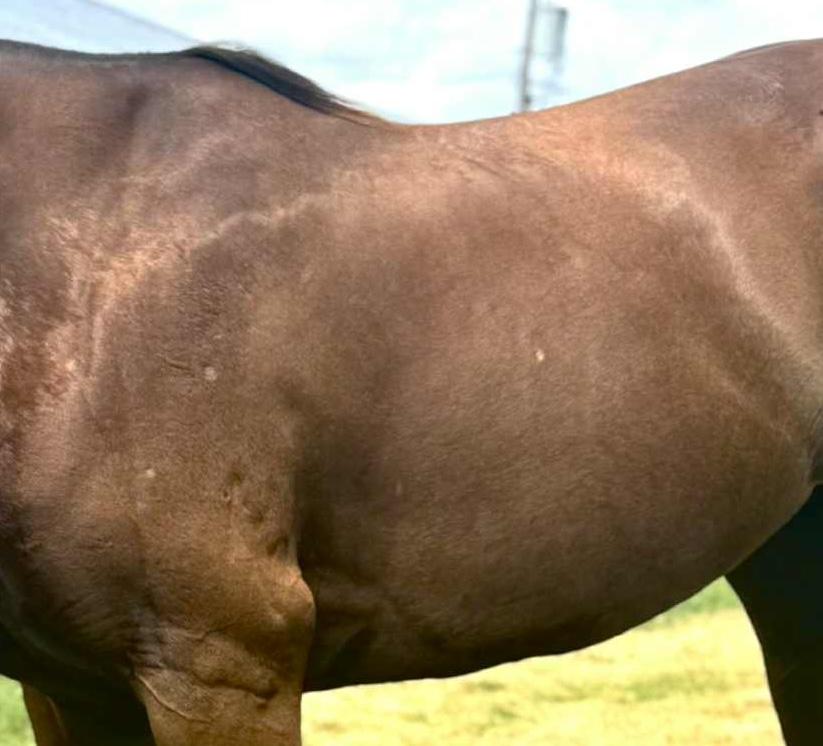
Photo by Marcella Gruchalak
An article by Animal Wellness Academy states that shoulder stress lines in horses can be linked to saddle fitment issues, particularly when an unbalanced saddle or incorrectly fitted gullet plate puts prolonged pressure on the trapezius muscle. This causes the horse to go into defensive contraction, leading to muscle tension, circulation restriction, and ultimately muscle atrophy or abnormal muscle definition. However, the article also emphasizes that not all narrowing or changes behind the shoulder are due to atrophy. Normal muscle biomechanics, such as lengthening of the longissimus dorsi during use, can mimic the appearance of atrophy or stress lines. Additionally, the article notes that spinal issues, nerve damage, cartilage injuries, and rider position influenced by saddle design can also contribute to stress lines in the shoulder region. While poor saddle fit is a significant contributor, it is not the sole cause of shoulder stress lines, and a comprehensive evaluation involving equine professionals is necessary to determine the true underlying factors.
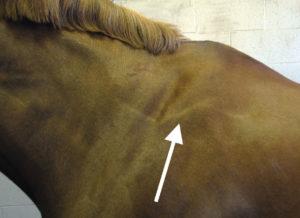
Photo courtesy of Animal Wellness Academy
Jochen Schleese, CMS, CSFT, CSE states in her muscle atrophy article that, although an ill-fitting saddle is often a significant cause of stress lines in horses, it is not the sole explanation. Poor saddle fit can create constant pressure on muscles like the trapezius, leading to defensive contraction, ischemia, and eventual muscle wasting or negative muscle definition. However, Schleese emphasizes that muscle atrophy can also arise from many other conditions. These include natural aging, disuse atrophy from stall rest or reduced activity, neurogenic atrophy due to nerve injury, and even genetic conditions such as polysaccharide storage myopathy (PSSM). Additionally, stress lines or narrowing behind the shoulder may sometimes be mistaken for atrophy when, in fact, they simply are the result of normal muscle biomechanics and lengthening during exercise. Historical conditions such as Sweeney shoulder, once common in working horses due to nerve compression from harnesses, also illustrates that nerve injury independent of saddle fit can cause atrophy. Schleese concludes that although saddle fit is a critical factor to examine and address, shoulder stress lines cannot always be attributed to it alone; therefore, a comprehensive evaluation involving veterinary diagnostics and professional assessment is essential.
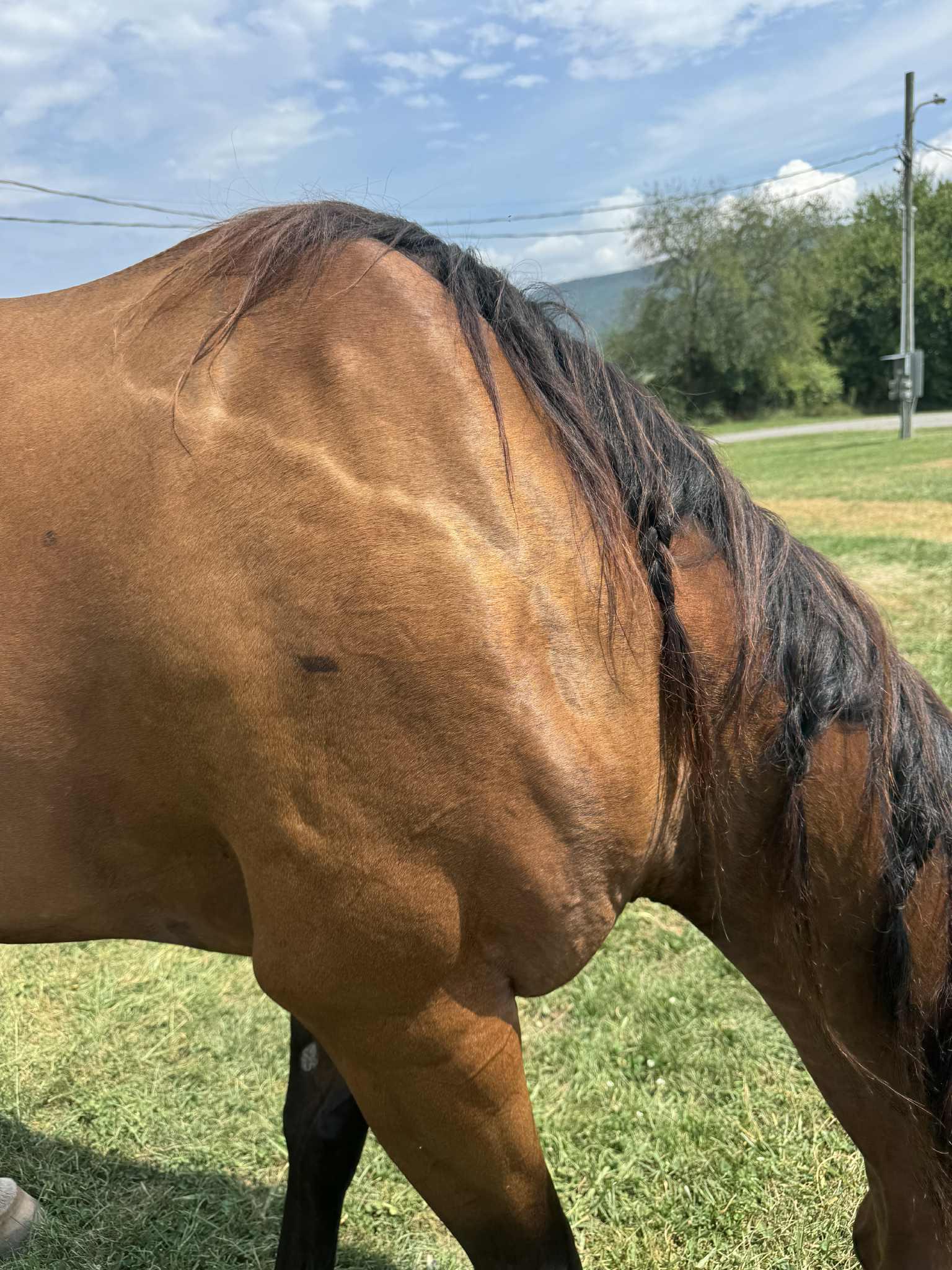
Photo by Marcella Gruchalak
Further, Kentucky Equine Research states writes that shoulder stress lines and muscle loss in horses can often be linked to muscle atrophy, a condition in which muscle tissue decreases in size and strength. Dr. Stephanie J. Valberg of the University of Minnesota emphasizes that identifying atrophy requires a detailed history, physical exam, and sometimes advanced diagnostic testing to distinguish between myogenic (muscle-cell related) and neurogenic (nerve-related) atrophy. These distinctions are important because the causes, treatment options, and prognosis differ widely. Diagnostic tools such as ultrasonography, radiography, nuclear scintigraphy, electromyography, and muscle biopsy can help determine whether the atrophy is due to direct muscle disease, malnutrition, disuse, or nerve damage. Treatment strategies may include nutritional support, medications for conditions like Cushing’s disease or equine protozoal myeloencephalitis (EPM), physical rehabilitation, and vitamin supplementation. The article highlights that while stress lines may suggest a saddle fit problem, they can also signal broader health concerns tied to neuromuscular or systemic disease, underscoring the importance of accurate diagnosis and targeted therapy for horses showing these signs.
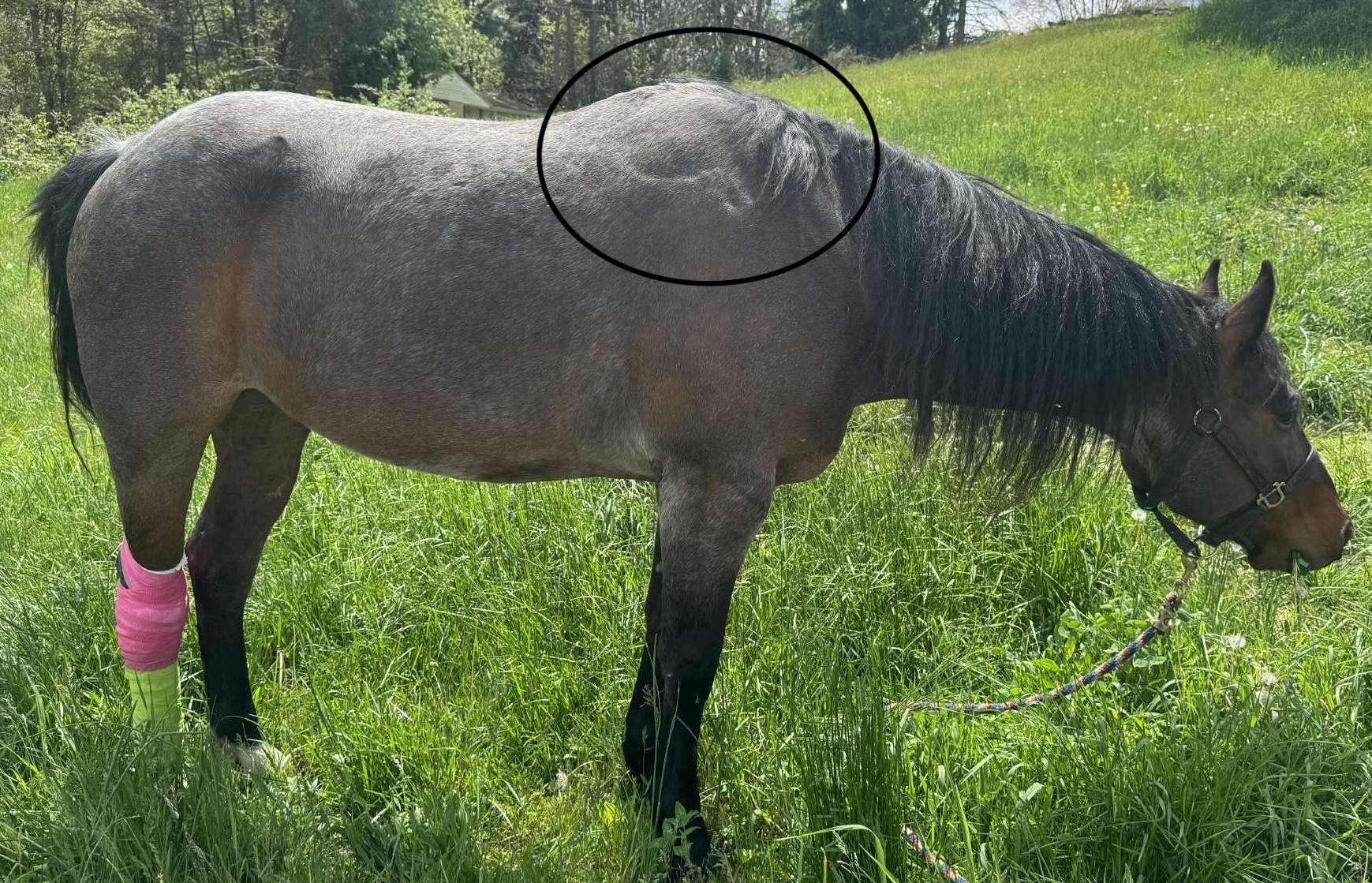
Photo by Marcella Gruchalak
The Horse writes that muscle atrophy in horses is a common issue with many potential causes, ranging from aging and disuse to systemic disease, neurologic conditions, and myopathies. Poor saddle fit is identified as one key factor, as an ill-fitted saddle can create painful pressure points on the muscles near the shoulder and withers. This discomfort leads the horse to avoid using those muscles correctly, resulting in visible stress lines, reduced muscle mass, and difficulty lifting the back or engaging the hindquarters. However, the article emphasizes that saddle fit is only one contributor—atrophy and shoulder stress lines may also result from conditions such as equine protozoal myeloencephalitis (EPM), equine motor neuron disease (EMND), pituitary pars intermedia dysfunction (PPID), nutritional deficiencies, and general inactivity. Because of this wide range of possible causes, proper diagnosis requires veterinary evaluation to distinguish whether muscle changes stem from saddle-related pressure or broader systemic or neuromuscular disease.
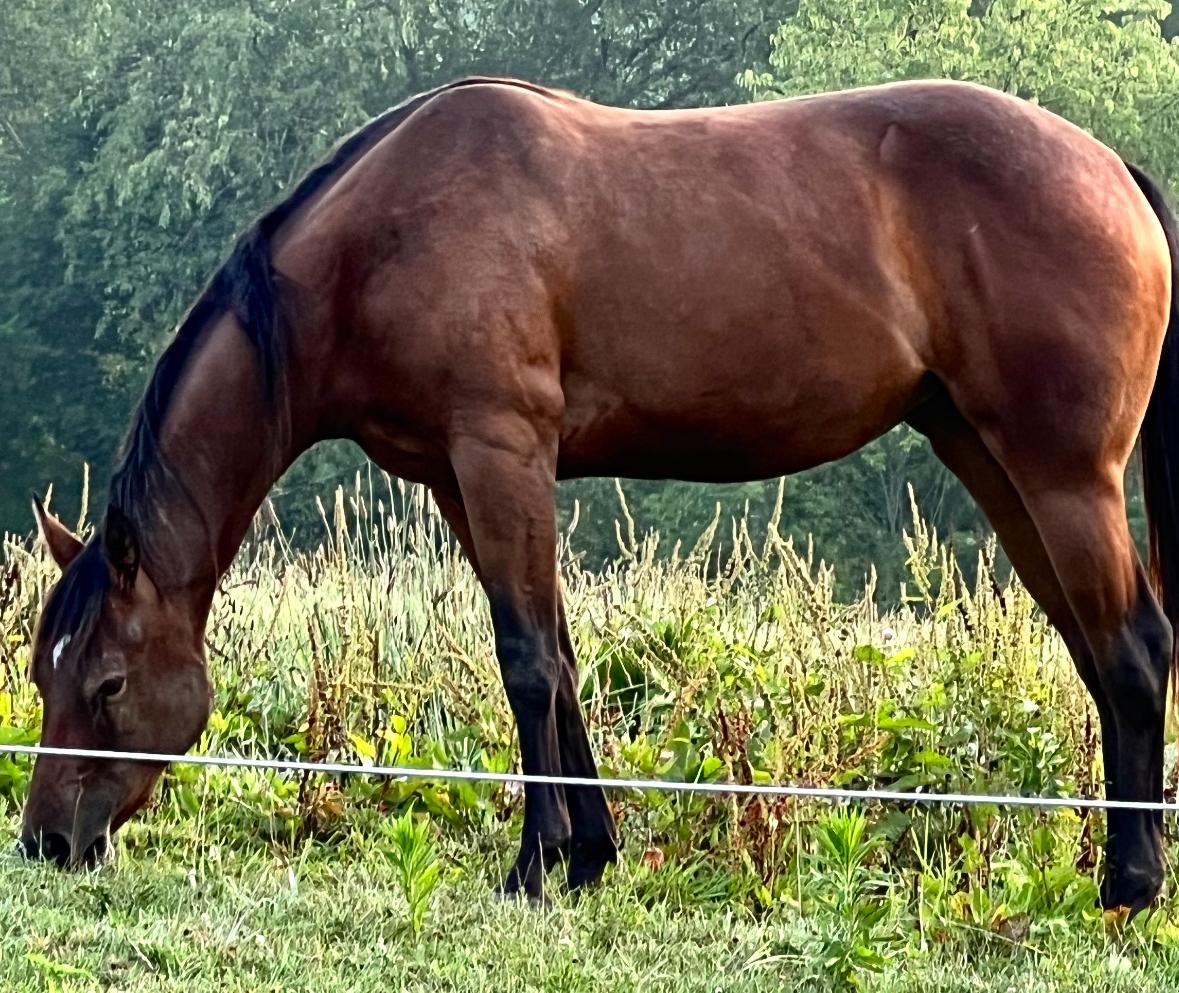
Photo by Marcella Gruchalak
Mad Barn shares that improper saddle fit can lead to shoulder stress lines in horses, which often appear as visible indentations or atrophy behind the scapula. These lines reflect changes in the underlying musculature and can negatively impact comfort, performance, and long-term soundness. Beyond saddle fit, muscle wasting in horses can result from various underlying health conditions, some of which are more serious than others. Once the root cause of muscle atrophy is identified, owners should work with a veterinarian, equine nutritionist, and trainer to support muscle recovery and long-term strength.
The following are some of the most common underlying causes of muscle wasting in horses:
- Equine Motor Neuron Disease (EMND)
- Vitamin E Responsive Myopathy (VEM)
- Nutritional Myodegeneration (NMD)
- Myosin Heavy Chain Myopathy (MYHM)
- Polysaccharide Storage Myopathy (PSSM)
- Myofibrillar Myopathy (MFM)
- Equine Protozoal Myeloencephalitis (EPM)
- Traumatic nervous system injuries such as Sweeney
- Amino acid deficiencies
- Pituitary Pars Intermedia Dysfunction (PPID)
- Sarcopenia in older horses
These conditions vary in severity — some are manageable with dietary and exercise adjustments, while others involve progressive neurodegenerative disease requiring medical treatment.
By monitoring early changes in muscle mass and posture, horse owners can identify problems sooner and pursue diagnostic testing, including bloodwork, genetic screening, or muscle biopsy where appropriate. Treatment approaches depend on the underlying condition, but nutritional support, targeted supplementation, medical therapies, and tailored training programs are all critical in restoring and preserving muscle mass in affected horses.
While improper saddle fitment can contribute to the development of shoulder stress lines in horses, it is not the sole cause. Stress lines may also result from underlying muscular weakness, genetic predisposition, repetitive strain, conformation issues, or training methods that place uneven pressure on the shoulder region. Recognizing that shoulder stress lines are multifactorial underscores the importance of a comprehensive approach, including veterinary assessment, targeted conditioning, and thoughtful riding practices, rather than attributing them exclusively to saddle fit. Addressing the broader context of the horse’s health and workload ensures more effective prevention and management of shoulder stress injuries.
Do you have an equine myth you’d like us to tackle? If so, send it our way! Email your suggestions to [email protected]. Put Mythbuster Monday in your subject line.
