



Another Year Without a Triple Crown: Is the Title Attainable for Modern Thoroughbreds?
After an unconventional Triple Crown season, the spotlight shifts from the racetrack to the future structure of the sport’s biggest series.
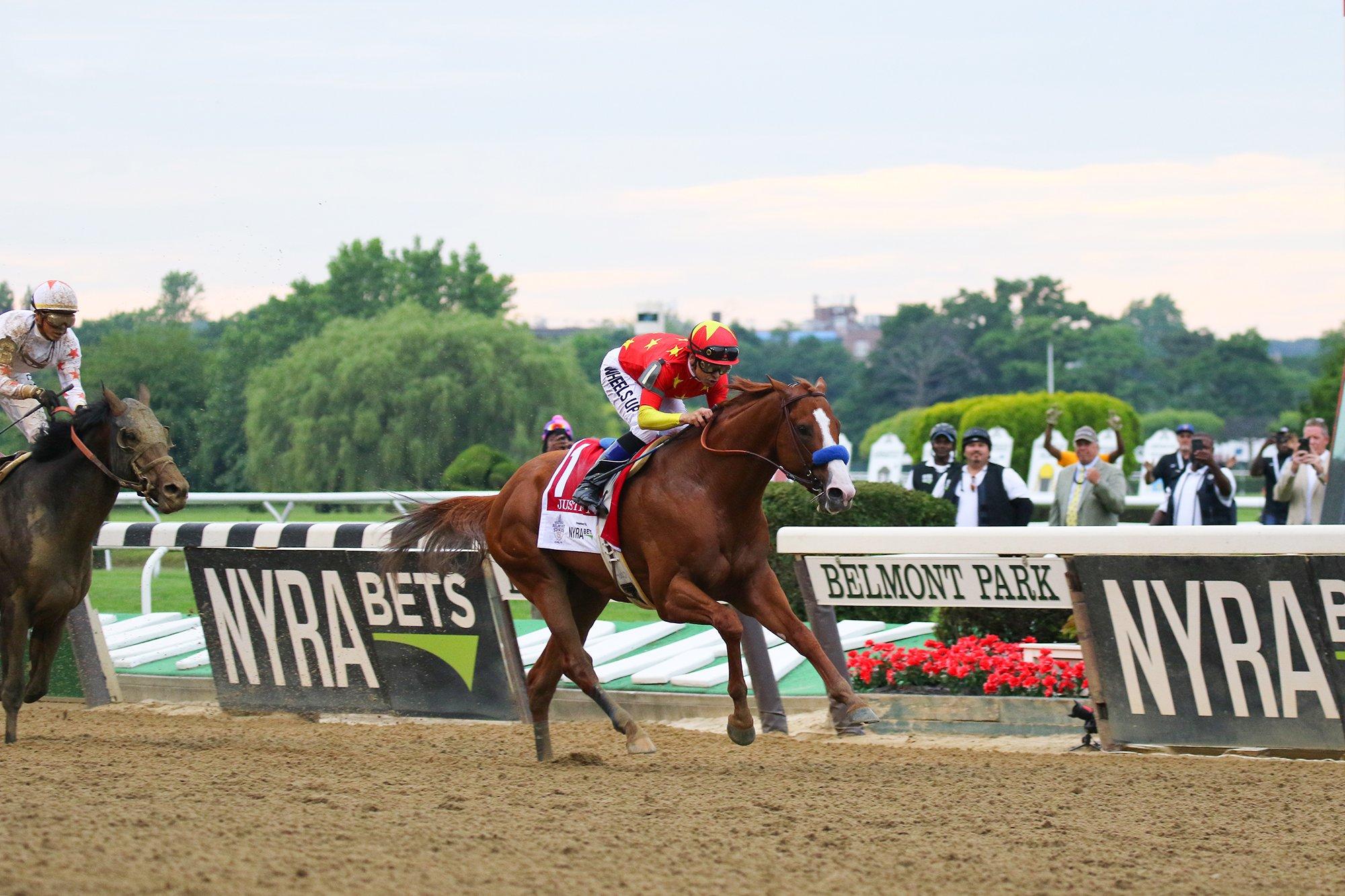
Mike Lizzi/Wikimedia Commons/CC
The 2026 Triple Crown season is officially in the books, and while Golden Tempo may have emerged as the year’s biggest winner, the series once again left horse racing asking familiar questions about the future of its most iconic tradition.
This year was unusual from the start.
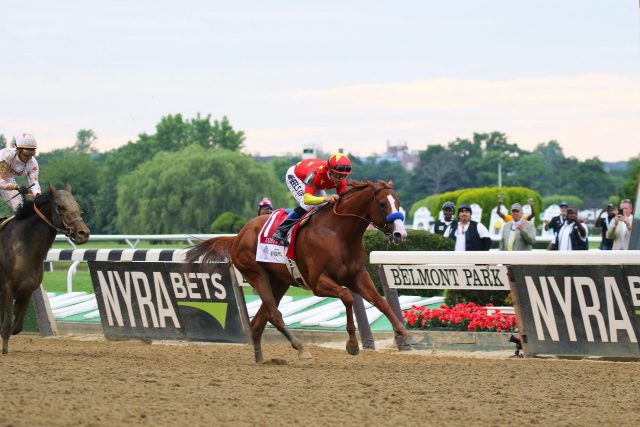
For the first time in decades, the Preakness Stakes was not run at Pimlico Race Course. Instead, the middle jewel of the Triple Crown temporarily moved to Laurel Park while Pimlico undergoes extensive renovations. Meanwhile, the Belmont Stakes continued its temporary stay at Saratoga Race Course, contested at 1 1/4 miles rather than its traditional 1 1/2-mile distance while Belmont Park’s redevelopment continues.
In other words, two-thirds of the Triple Crown looked different than what racing fans have come to expect.
Yet the biggest storyline may have been the horse who wasn’t there.
Kentucky Derby winner Golden Tempo bypassed the Preakness, with trainer Cherie DeVaux choosing to target the Belmont Stakes instead. The decision marked the second consecutive year that a Derby winner skipped the middle leg of the Triple Crown, reigniting a debate that seems to grow louder with each passing season.
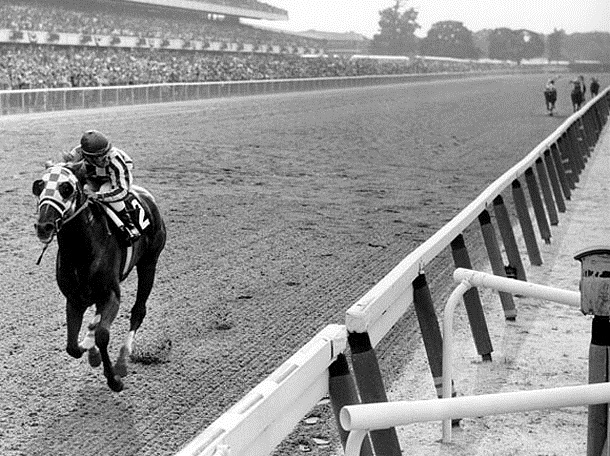
The current Triple Crown schedule has remained unchanged since 1969: two weeks between the Kentucky Derby and Preakness, followed by three weeks before the Belmont. Every Triple Crown champion from Secretariat to Justify successfully navigated that schedule.
But modern Thoroughbreds are campaigned very differently than they were even 20 years ago.
Today’s elite 3-year-olds often arrive at Churchill Downs with only a handful of career starts. Veterinary monitoring is more sophisticated. Training philosophies are more conservative. Owners and trainers are increasingly willing to prioritize a horse’s long-term campaign over the prestige of pursuing a Triple Crown bid.
The result? More horses are choosing selective participation rather than attempting all three races.
That reality was evident throughout the 2026 Triple Crown. While fans were denied a potential Triple Crown storyline when Golden Tempo skipped the Preakness, the series still produced compelling racing. Napoleon Solo capitalized on the opportunity at Laurel Park, winning the Preakness before proving his quality once again in the Belmont and cementing himself as one of the leading 3-year-olds in the country.
View this post on Instagram
Still, the broader conversation remains.
Critics of the current schedule argue that asking modern horses to return just two weeks after the Kentucky Derby no longer aligns with how the sport manages its stars. Supporters counter that the challenge is exactly what makes the Triple Crown special. The series was never designed to be easy, and changing the spacing could fundamentally alter one of racing’s most historic achievements.
Ironically, history doesn’t provide a simple answer.
Several early Triple Crown winners — including Sir Barton, War Admiral, and Citation — competed under schedules that provided significantly more time between races than today’s format. The Triple Crown has evolved before, and its timeline has never been entirely static.
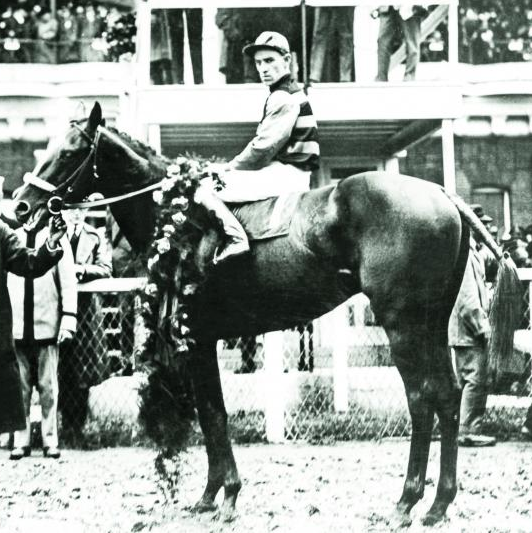
Sir Barton, first winner of the Triple Crown. Wikimedia Commons/CC
What makes the debate especially interesting right now is that the Triple Crown itself is in a transitional period.
Pimlico is expected to reopen in 2027 following its renovation. Belmont Park is also slated to return to hosting the Belmont Stakes at its traditional 1 1/2-mile distance. If all goes according to plan, next year should mark the return of all three races to their customary homes and configurations.
But the questions raised during the 2026 season aren’t likely to disappear.
Churchill Downs Incorporated’s agreement to acquire the Preakness intellectual property has added another layer of intrigue to discussions about the future of the Triple Crown. Whether that eventually leads to conversations about scheduling, marketing, race spacing, or broader changes remains to be seen.
For now, one thing is clear: even in a year without a Triple Crown bid, the Triple Crown itself remains one of the most compelling — and most debated — series in American sports.
And if 2026 taught us anything, it’s that the conversation surrounding its future may be just as fascinating as the races themselves.
