



Memorial Day Means Summer Is Officially Here: Your Horse Care Checklist
As Memorial Day weekend kicks off another summer in the saddle, here’s your reminder to check the trailer tires, refill the fly spray, and prepare both horses and humans for the heat, hauling, insects, and pandemonium ahead.

Canva/CC
For many, Memorial Day means remembering those who’ve served and — in a practical sense — it means weekend means cookouts, pools opening, and maybe a long weekend away.
For horse people, it means something else entirely: summer has officially arrived, whether we’re ready or not.
The blankets are finally washed (or at least thrown in a heap somewhere near the washer). The mud has dried (mostly). Show season is ramping up. Trailering miles are increasing. Fly populations are organizing for attack. And suddenly, all those winter “I’ll deal with that later” projects are urgent.
Photo by DeAnn Long Sloan
Because while summer brings long rides, late sunsets, and competition season, it also brings heat, insects, dehydration risks, travel stress, and pasture management headaches.
So before you spend Memorial Day weekend convincing yourself that “it’s not that hot yet,” here’s your annual horse care reality check.
1. Water Intake Matters More Than You Think
Canva/CC
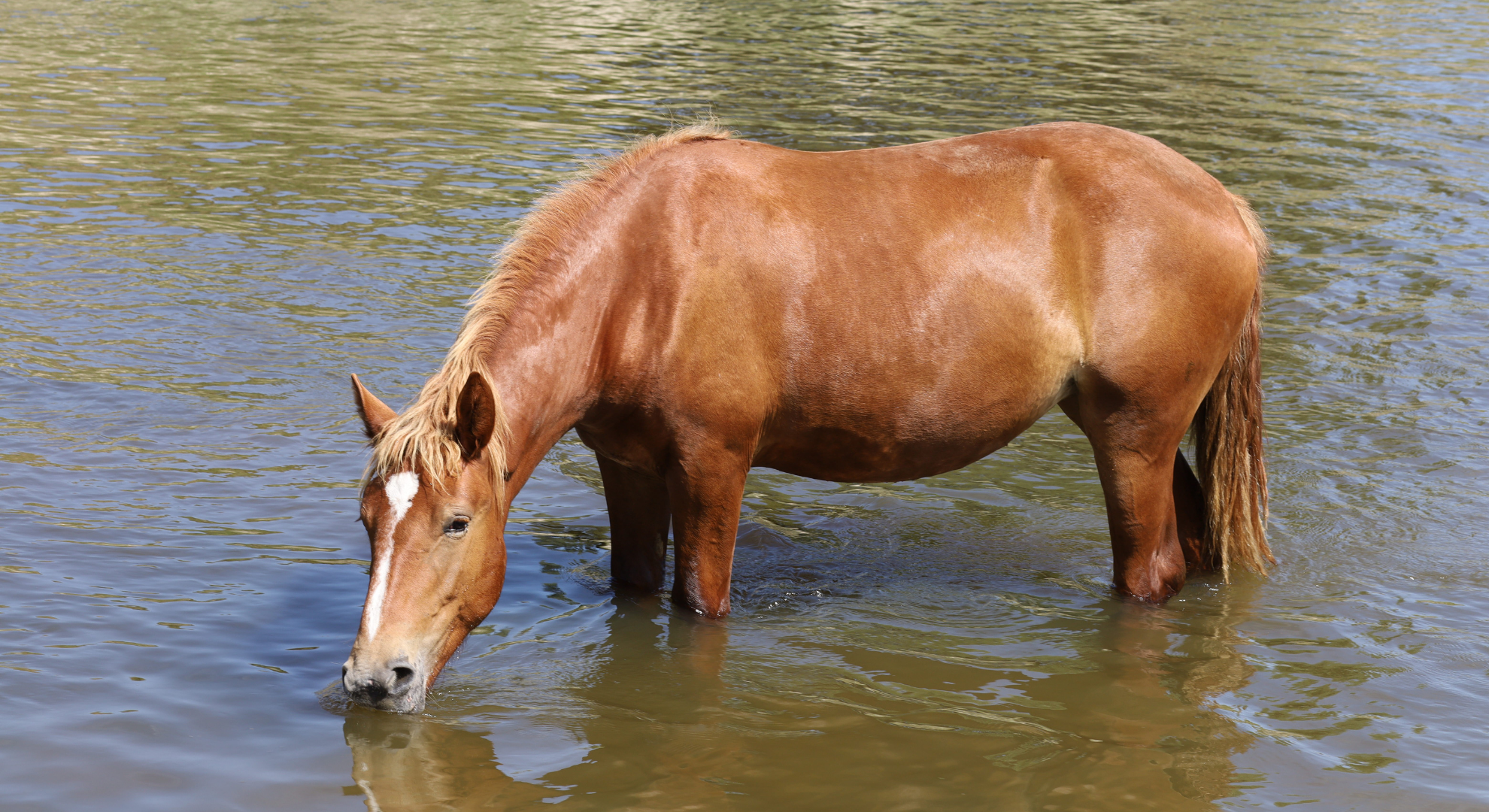
Summer hydration issues rarely begin when temperatures hit 95 degrees. They often start during those first warm stretches when horses haven’t fully acclimated yet.
Some horses naturally drink less while traveling, at shows, or during sudden weather changes. Others sweat significantly more than their stablemates. Add in increased exercise, hauling, and humidity, and you’ve got the perfect recipe for dehydration.
Now is the time to:
- Scrub tanks and buckets regularly
- Check automatic waterers for proper function
- Monitor horses who are notoriously poor drinkers
- Consider electrolytes for hard-working horses
- Bring familiar water from home to horse shows if your horse is picky
And yes, dumping one sad bucket and refilling it once a day probably isn’t enough anymore.
By July, that water may feel like horse soup.
2. Your Fly Control Program Is Already Late
Canva/CC
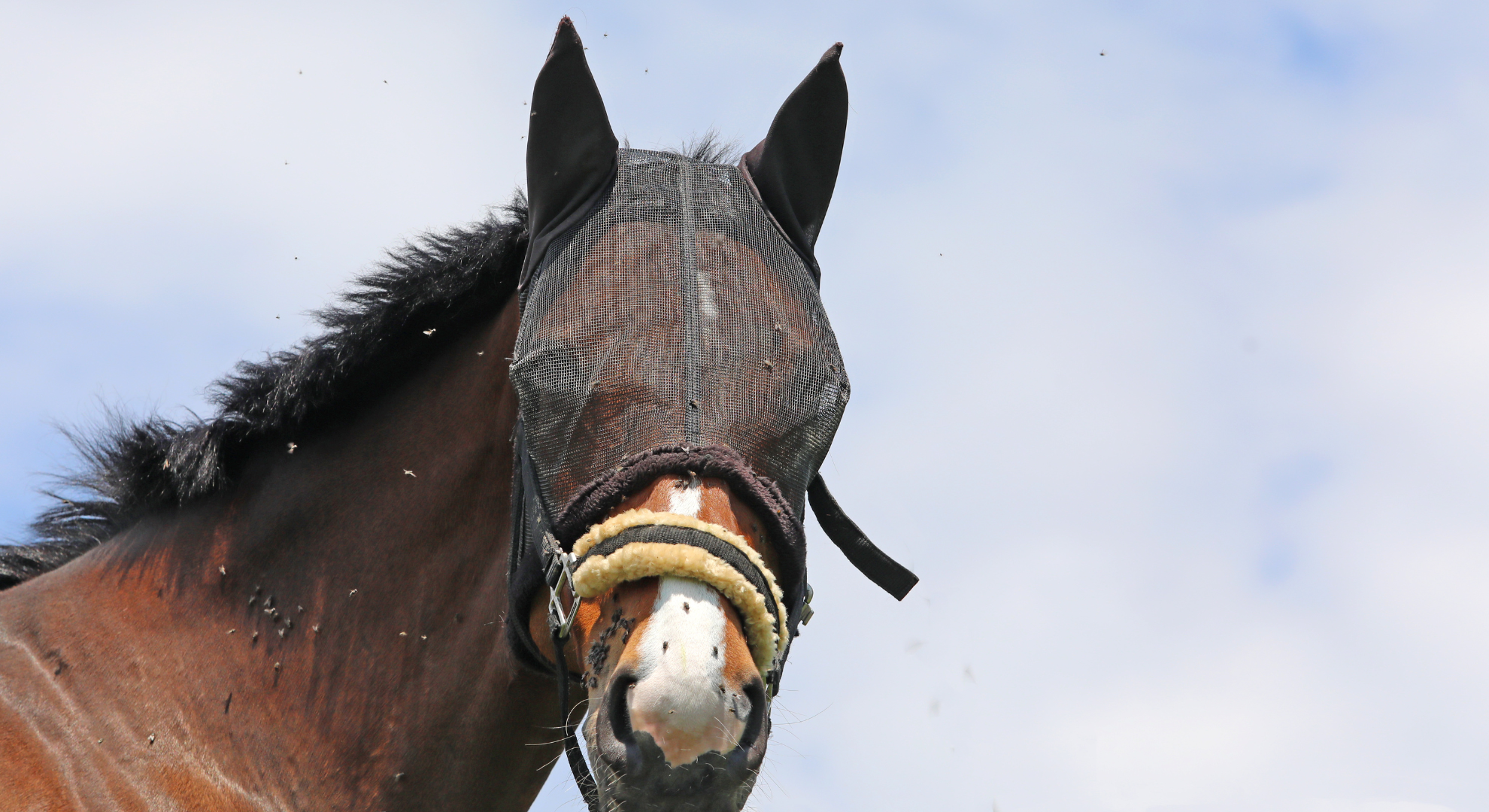
Every year, horse owners collectively act shocked that flies have returned, despite the fact that flies return every single year with the reliability of taxes and vet bills.
If you wait until your barn looks like a scene from a horror movie to begin fly control, you’re already behind.
Now’s the time to:
- Remove manure frequently
- Eliminate standing water
- Hang traps before populations explode
- Repair screens and fans
- Rotate fly spray products if effectiveness drops
And remember: no fly spray in existence lasts through a full day of turnout, three rolling sessions, and one dramatic sweat episode.
Your horse will still somehow attract every insect in the county.
3. Heat Acclimation Is Real
Canva/CC
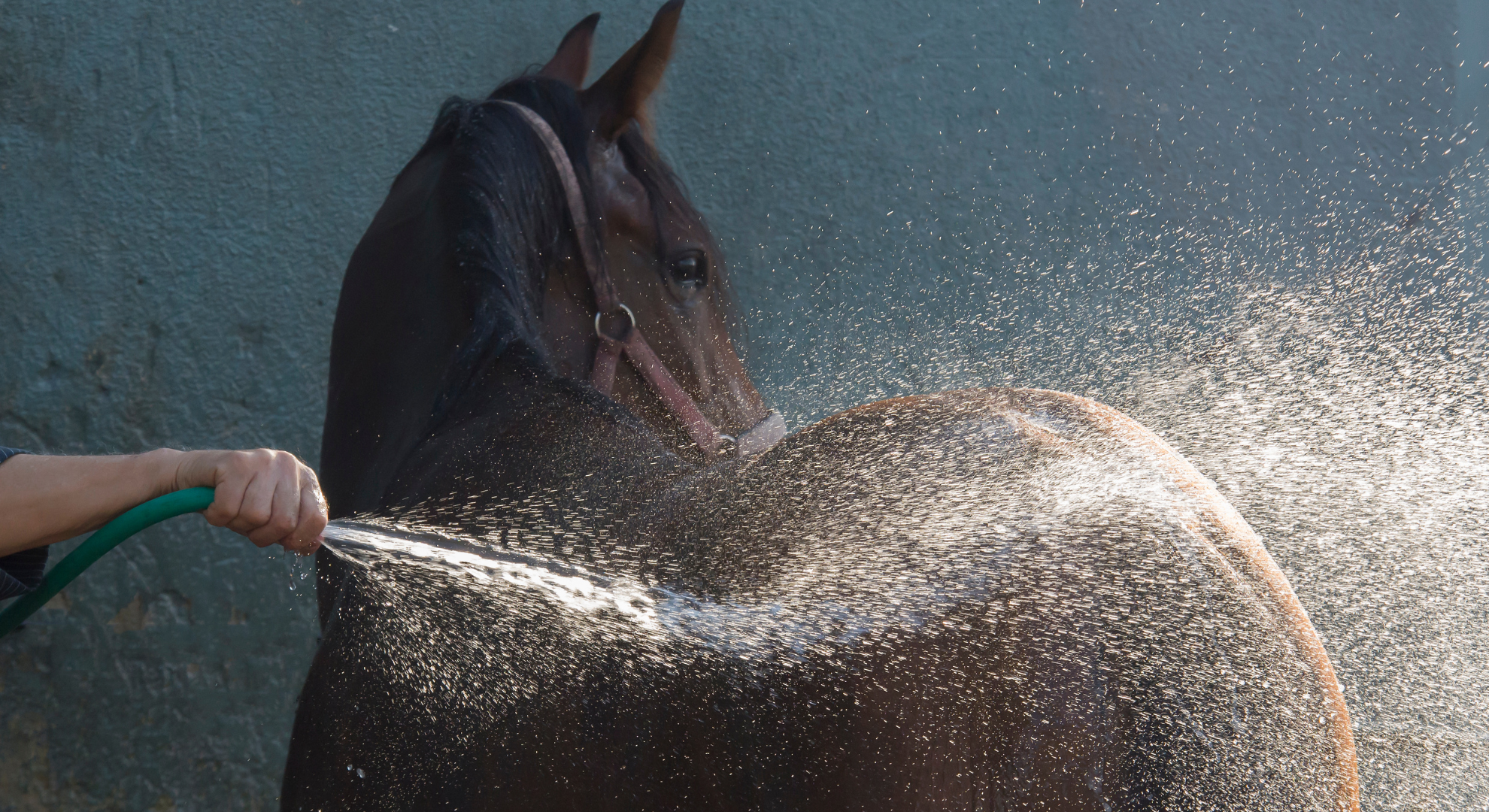
The first truly hot ride of the year always humbles people.
Both horses and riders need time to adjust to heat and humidity. Conditioning in cool spring weather does not automatically prepare a horse for hard work in July temperatures.
Ease horses into heavier workloads gradually and pay attention to:
- Recovery rates
- Excessive sweating (or lack of sweating)
- Elevated respiration
- Fatigue levels
- Changes in attitude or performance
And maybe reconsider that noon ride when the heat index is trying to kill everyone equally.
4. Check Your Trailer Before It Checks You
Canva/CC
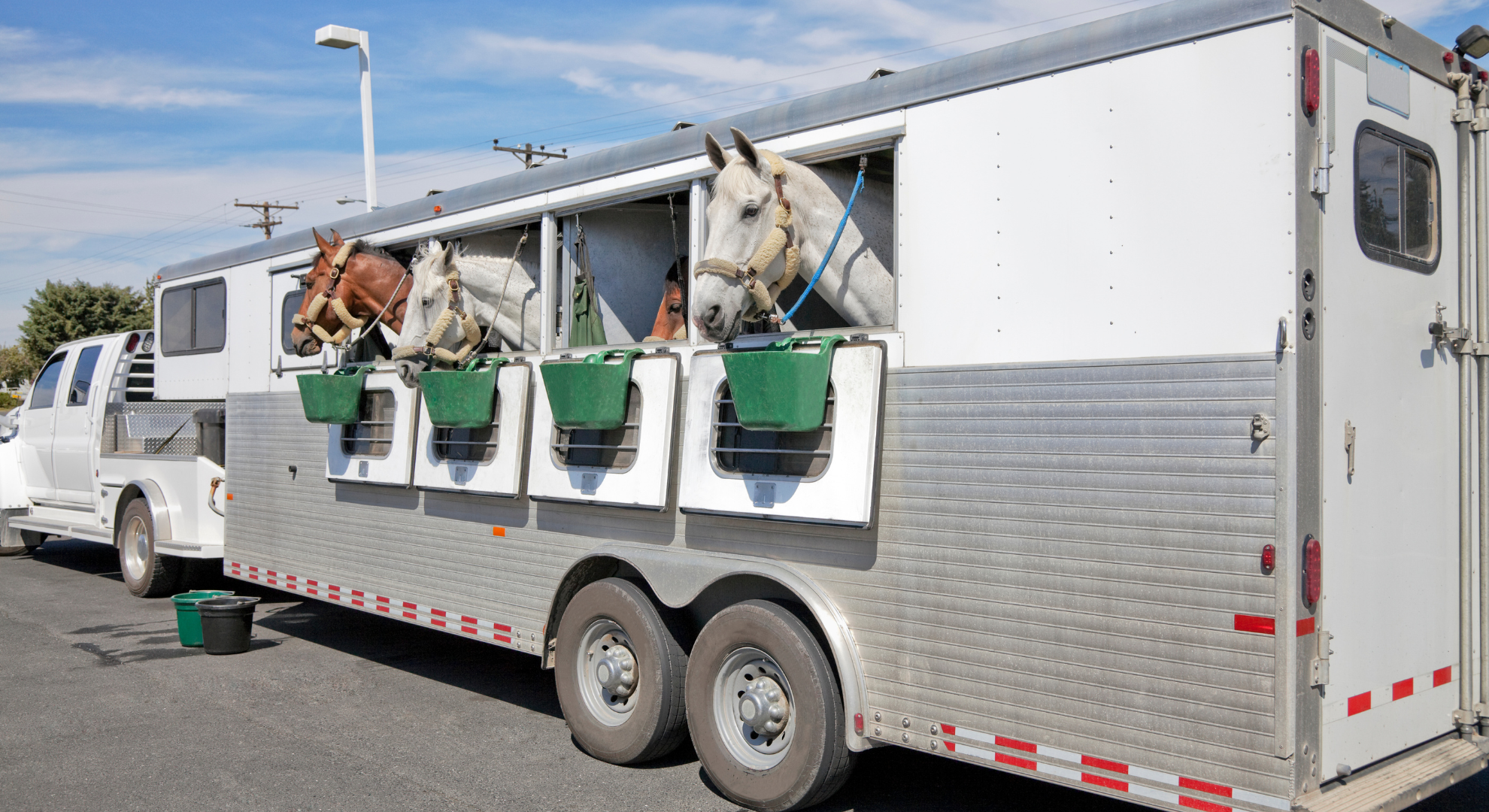
Memorial Day weekend kicks off heavy hauling season, which means it’s also the season of shredded trailer tires on the interstate shoulder.
Before hauling anywhere:
- Check tire pressure (including the spare)
- Inspect wheel bearings and brakes
- Test lights and wiring
- Check trailer floors carefully
- Restock emergency kits
- Confirm registration and insurance are current
Because “it hauled fine last year” is not actually preventive maintenance.
5. Pastures Can Change Fast

Canva/CC
Spring grass often transitions quickly into stressed summer pasture, especially once heat and dry conditions arrive.
Now’s a good time to:
- Evaluate grazing conditions
- Rotate fields if possible
- Watch easy keepers carefully
- Monitor for toxic plants
- Maintain fencing before summer storms arrive
And if your pasture currently resembles a lawnmower commercial, remember that the “fat and shiny” phase can turn into “laminitis risk” surprisingly quickly.
6. Mosquitoes Are More Than Just Annoying

Canva/CC
Summer insect season also means increased risk for mosquito-borne illnesses, including West Nile virus and Eastern equine encephalitis.
Vaccination schedules matter.
If you haven’t reviewed your horse’s vaccine program recently, this is the time to do it — especially for horses traveling, competing, or exposed to heavy mosquito populations.
Reducing standing water and improving airflow around stalls also helps minimize exposure.
7. Sunscreen Isn’t Just for Riders
Canva/CC
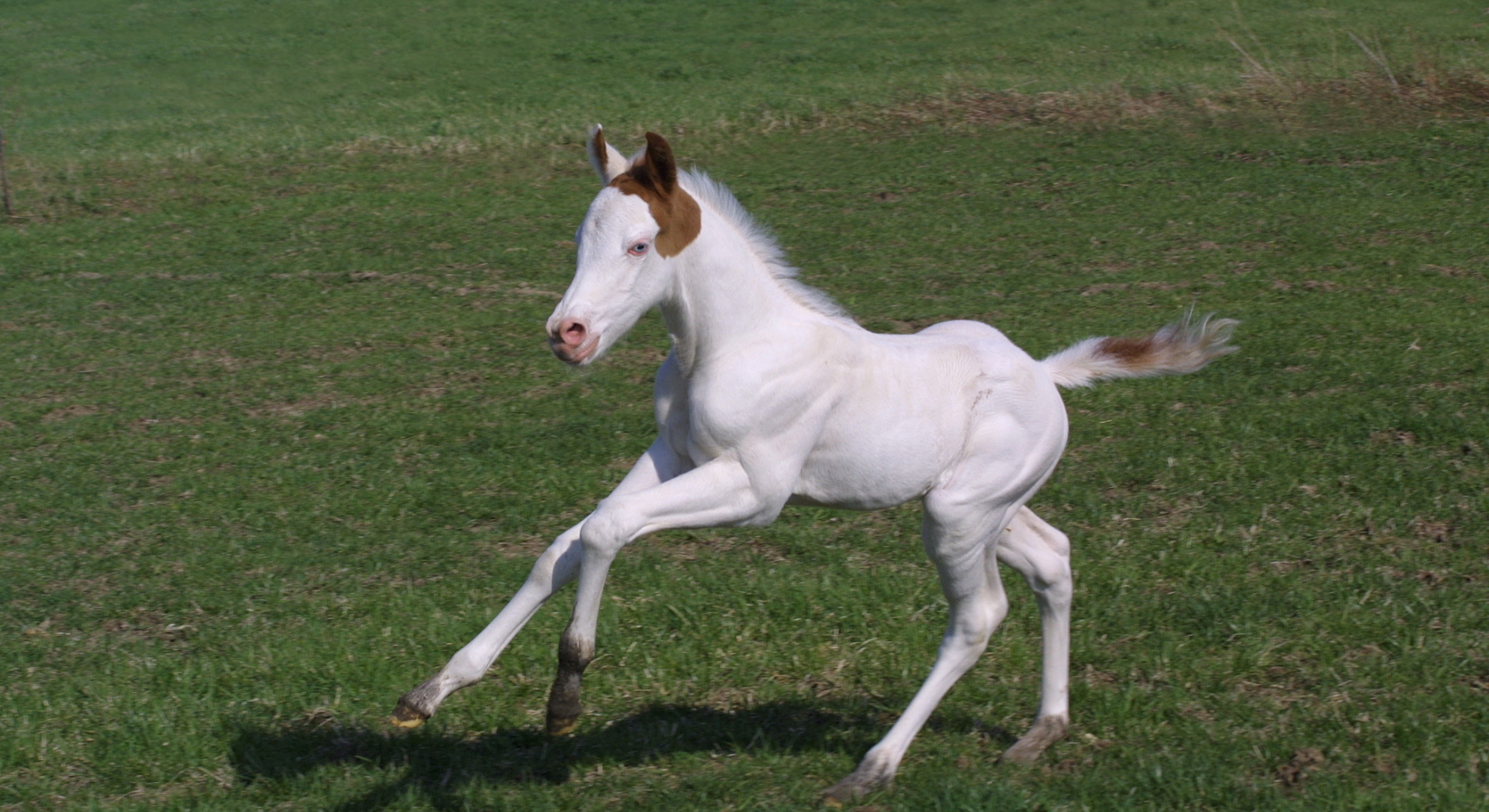
Pink noses, white markings, and sensitive-skinned horses can absolutely get sunburned.
So can riders, although many of us apparently prefer learning this lesson repeatedly every summer.
UV-protective fly masks, shade access, and equine-safe sunscreen can make a major difference for sensitive horses.
And maybe this is the year you finally stop forgetting sunscreen until after your shoulders resemble cooked lobsters.
Maybe.
8. Summer Schedules Get Busy Fast
One minute it’s Memorial Day weekend. The next minute you’re eating gas station sandwiches in a camp chair while trying to remember what weekend it is.
Summer calendars fill up aggressively:
- Horse shows
- Clinics
- Trail rides
- Rodeos
- Mounted shooting events
- County fairs
- Lessons
- Camps
Which means horse care routines can get inconsistent if you’re not careful.
Keep basic management solid:
- Maintain feeding schedules
- Monitor body condition
- Stay current on farrier work
- Don’t ignore minor injuries because “we have a show this weekend”
Your horse does not care about your entry fees.
9. Don’t Forget the Humans in the Equation
Horse people are notoriously bad at caring for themselves.
Hydrate. Eat actual food. Take breaks. Wear sunscreen. Sleep occasionally.
Heat exhaustion sneaks up quickly at summer horse shows, especially when people are functioning entirely on caffeine, adrenaline, and concession stand nachos.
You are, unfortunately, also livestock-adjacent and require maintenance.
Welcome to Summer, Horse People
Memorial Day weekend marks the unofficial beginning of one of the best seasons in the horse world.
Long rides. Show season. Late evenings at the barn. Fairgrounds. Trail miles. Friends gathered around trailers after dark.
But summer horsekeeping also demands preparation, awareness, and a little honesty about the things we tend to procrastinate until they become emergencies.
So enjoy the holiday weekend.
Then go check your trailer tires, scrub your water troughs, and buy more fly spray than you think you need.
Trust us on that last one.
