



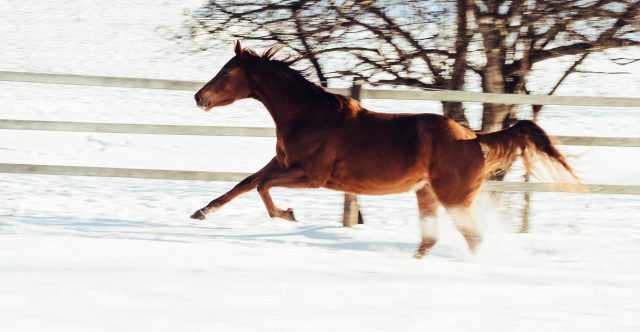
7 Winter Horse Care Mistakes You Shouldn’t Make…
… but sometimes do anyway.
Photo by DeAnn Long Sloan
Every winter, we swear we’re going to do better.
This is the year we won’t forget to soak hay for the easy keeper.
This is the year we’ll actually check water temps twice a day.
This is the year blankets will be cleaned, labeled, and put on before the weather turns feral.
And yet.
By February, we’re all standing in the aisle holding a half-frozen hose, questioning all of our life choices that have led to this moment.
Winter horse care mistakes aren’t usually about ignorance. We know better. We’ve read the articles. We’ve lived the consequences. But winter has a way of grinding down even the most organized horse people. Cold, dark mornings, frozen fingers, schedule disruptions, and a general sense of survival mode make “good enough” feel… good enough.
Here are seven winter horse care mistakes we keep making, despite absolutely knowing better.
1. Letting Water Intake Slip (Because It’s Cold and Miserable)
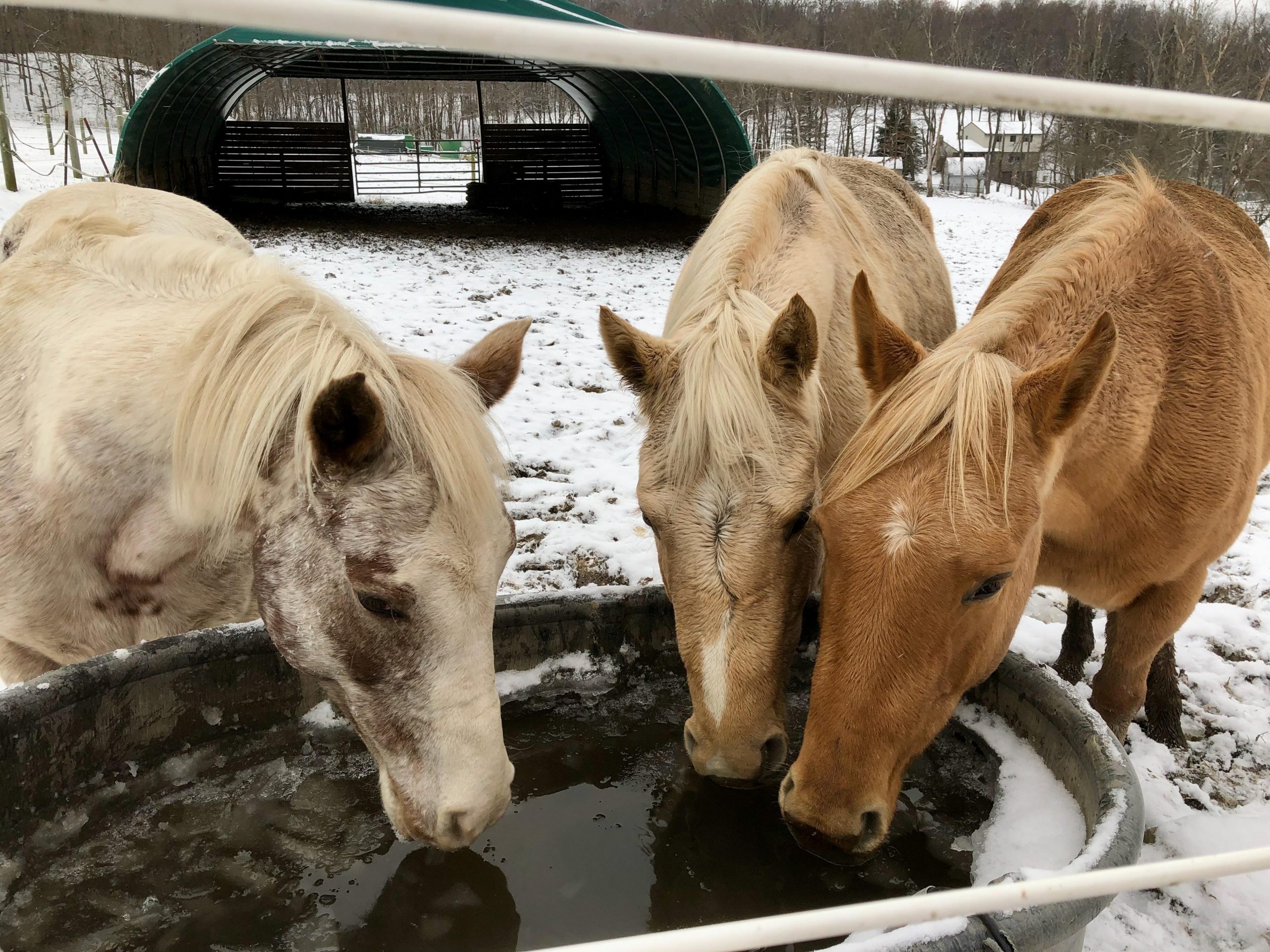
Photo by DeAnn Long Sloan
We know dehydration is a major winter problem. We know horses drink less when water is cold. We know that inadequate water intake increases the risk of impaction colic.
And yet.
We convince ourselves that “they’ll drink if they’re thirsty,” even as ice rims the bucket and the trough looks more slushy than liquid. We top things off instead of dumping and refilling. We don’t measure. We eyeball and hope for the best.
Winter water management is tedious, but it’s one of the most important things we do. Heated buckets, frequent refills, and adding salt to feed aren’t optional extras—they’re winter survival tools. The mistake isn’t not knowing this. It’s letting inconvenience win.
2. Over-Blanketing (or Under-Blanketing) Based on the Calendar, Not the Horse
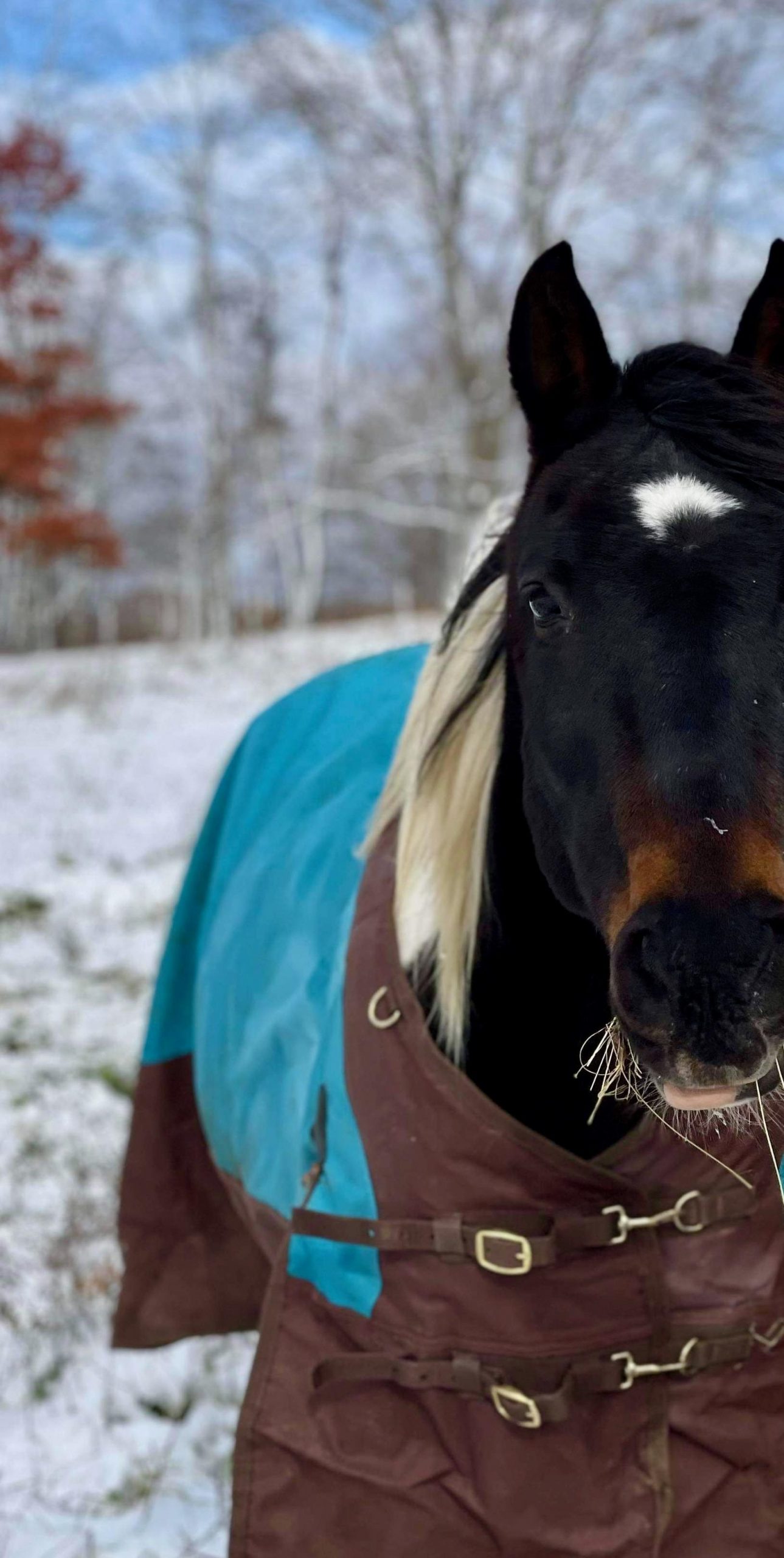
Photo by DeAnn Long Sloan
Every winter, we blanket based on what we feel instead of what the horse actually needs.
It’s cold to us, so on goes the heavyweight … on the horse who already runs hot, has a full coat, and lives in a sheltered paddock. Then we wonder why he’s sweaty and itchy.
Or we under-blanket the thin-skinned senior because “it’s only November,” ignoring the fact that wind, rain, and dropping nighttime temps hit older horses harder.
Blanketing mistakes usually come from treating all horses the same. They’re not. Age, body condition, coat, workload, and shelter matter far more than the date on the calendar.
3. Forgetting That Hay Is the Real Winter Heater
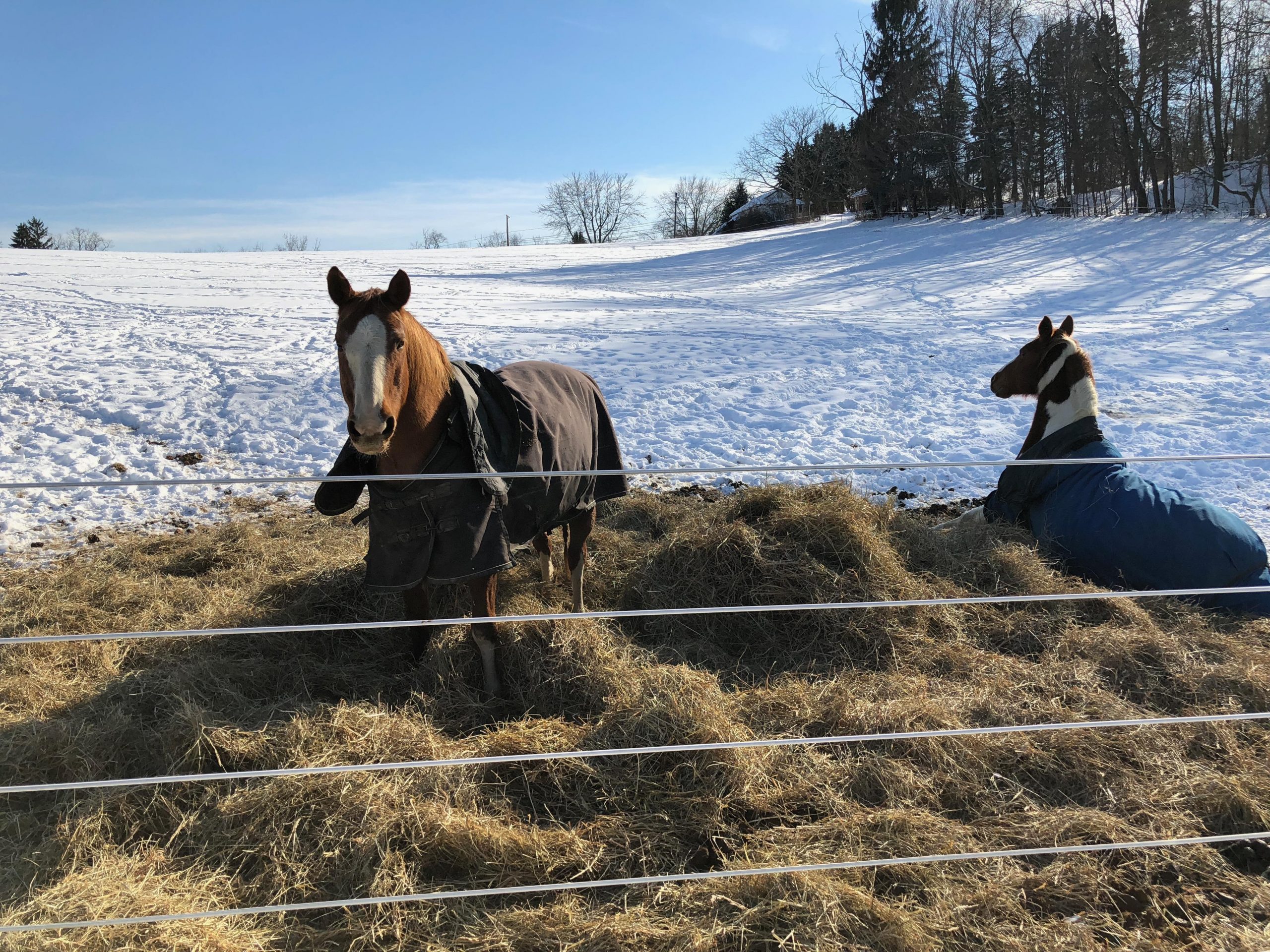
Photo by DeAnn Long Sloan
We talk about blankets endlessly, but we underestimate forage every year.
Digestion is what actually keeps horses warm. When hay supplies dip, when slow feeders empty overnight, or when we underestimate how much more forage horses need in cold weather, we’re quietly pulling the rug out from under their internal heating system.
Winter isn’t the time to get stingy or overly precise with hay. It’s the time to err on the side of more, especially during cold snaps. The mistake isn’t feeding hay—it’s assuming last season’s ration is still enough.
4. Ignoring Weight Changes Until They’re Obvious
View this post on Instagram
Winter weight loss doesn’t happen overnight. It creeps. A little tucked here, a little sharper there, until suddenly the horse that “looked fine last month” very much does not.
We miss it because coats hide it. Because we’re bundled up and rushing. Because palpating ribs with frozen fingers is unpleasant. So we don’t check closely enough.
By the time weight loss is obvious, we’re already behind. Winter is when regular hands-on body condition checks matter most—even when it’s uncomfortable.
5. Skipping Turnout or Movement “Just for a Few Days”

Photo by Rebecca Francis
Cold, icy footing. Short daylight hours. Frozen arenas. It starts with a few missed days, and suddenly your horse has gone weeks with minimal movement.
We tell ourselves it’s temporary. That they’re fine standing in. That everyone is safer inside.
But lack of movement contributes to stiffness, weight gain, gut motility issues, and behavioral explosions the first time turnout finally happens again.
Winter movement doesn’t have to mean riding. Hand walking, small paddock turnout, or even controlled arena time helps keep bodies and minds functioning.
6. Assuming Hoof Care Can Slide Until Spring
View this post on Instagram
“Feet grow slower in winter,” we tell ourselves.
True, but they don’t stop growing. Long toes, stretched white lines, packed snowballs, and thrush thrive in damp, dirty winter conditions. We push trims longer than we should and hope spring fixes everything.
It doesn’t. Winter hoof neglect shows up later as soreness, lost shoes, or poor movement when work resumes.
7. Letting Our Own Burnout Dictate Care

This is the one we don’t like to admit.
Winter is exhausting. Mentally and physically. We’re cold, busy, short on daylight, and stretched thin. Sometimes the mistake isn’t knowledge — it’s energy.
We cut corners because we’re tired. We skip details because we’re overwhelmed. And then we beat ourselves up for it.
The reality is that winter horse care is a marathon, not a sprint. Doing your best consistently (even if it’s not perfect) is better than swinging between extremes.
* * *
Winter horse care mistakes aren’t a moral failing. They’re a reminder that caring for horses through winter is genuinely hard.
So if you’ve already made a few of these mistakes this year, congratulations — you’re normal. Adjust where you can. Fix what’s fixable. And remember: winter doesn’t need perfection. It needs awareness, flexibility, and a little extra effort when it counts most.
Spring will come. But until then, we do the best we can — frozen fingers and all.
Photo by DeAnn Long Sloan
