



Companion Choices: Making Sure Your Horse Thrives
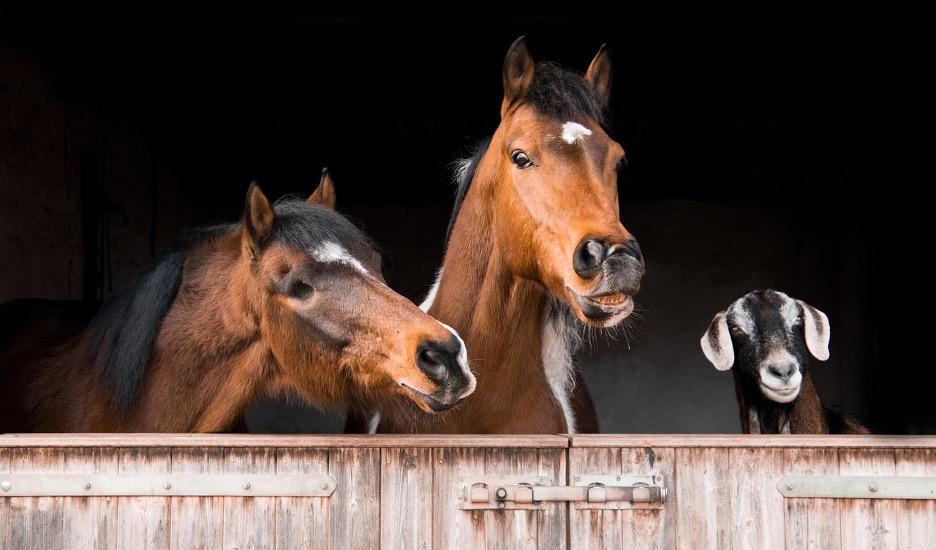
Image by Rebecca Scholz. Pixabay/CC
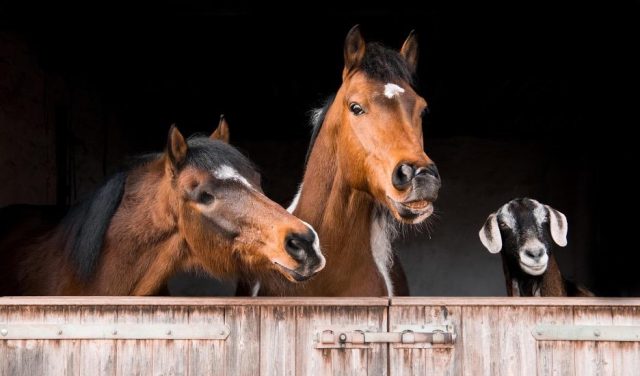
Some horses bond best with another horse, while others feel calm with a smaller buddy like a goat, donkey, or pony. As such, the key is understanding what your horse needs and matching them with a companion that fits their temperament, energy level, and routine. Below, you will learn how to make the best companion choice.
Understanding Your Horse’s Personality and Needs
A horse’s emotional well-being depends strongly on connection and herd structure. Even confident or independent horses feel safer when they can see, smell, or interact with another animal. Here are the key aspects of your horse’s personality and needs to consider when choosing a companion.
Health Status
Older or senior horses often benefit from a calm, predictable companion who won’t push them beyond their comfort level. Further, horses with chronic conditions, rehabilitation needs, or anxiety may require a bond with an animal that mirrors their pace rather than challenges it. Parasite control matters when choosing a companion because a horse struggling with parasites may feel tired, uncomfortable, or irritable.
Thus, create a reliable deworming routine. For instance, you can eliminate equine parasites using a consistent parasite-management plan that includes regular fecal checks, veterinary guidance, and supportive products designed to help keep the digestive system clear.
Age and Energy Level
A young, playful gelding may frustrate an older, calmer partner who prefers quiet grazing over wrestling or running. Likewise, pairing two high-energy horses can create constant competition or tension. Horses that share similar rhythms usually build trust faster because neither feels overwhelmed or ignored. Watching your horse’s daily habits gives clues about whether they need a lively buddy to engage them or a steady companion that keeps the peace.
Temperament and Social History
A dominant or defensive horse may feel threatened or competitive when paired with another strong-willed animal. However, it may do better with a gentle companion who gives it space and doesn’t escalate tension. Social history also plays a role. Horses that grew up in herd environments usually understand body language and hierarchy, which helps them adapt more quickly. In contrast, horses that lived alone or had bad herd experiences may struggle with social cues.
Companion Options to Consider
Several animals can make great companions for horses, but each has different benefits, care requirements, and compatibility challenges. Below are the most common companions.
Dogs
Dogs can be loyal companions and create a lively barn atmosphere, but they require careful introduction and training. For instance, a dog must learn boundaries around hooves, feeding spaces, and pasture behavior.
If you have never raised a dog before, consider how manageable the breed will be. Dog training, exercise level, and temperament matter. Therefore, consider the best dogs for first time owners, such as Labrador Retrievers, Golden Retrievers, and Cavalier King Charles Spaniels.
Another Horse
The most natural choice is another horse. Horses instinctively understand each other’s signals, routines, and boundaries. It often leads to the healthiest emotional balance. However, cost doubles when you add another full-sized horse, so feed bills, farrier visits, veterinary care, and space requirements must be realistic before committing.
Ponies or Miniature Horses
Ponies and minis offer many of the benefits of bringing another horse, but with lower feed and space demands. They often bond well with full-sized horses, especially if their temperaments align. However, some ponies can become overly dominant, so introductions should be slow and supervised to ensure balance rather than competition.
Donkeys
Donkeys can form deep bonds with horses and provide a calm, steady presence. Their slower, thoughtful nature can help anxious horses feel secure. Since donkeys communicate differently, it may take longer for the bond to form, but once it does, it’s often strong and lasting.
Livestock (Goats, Sheep, Llamas, Alpacas, Cattle)
Livestock can be suitable companions for horses when their temperament and space needs align with the farm environment. Goats are the most common choice since they are adaptable, playful, and comfortable living around horses. However, not every horse appreciates their energy, so early supervision helps ensure the dynamic feels calm rather than overwhelming.
Sheep tend to coexist quietly and offer companionship through proximity rather than interaction. Llamas and alpacas can provide a steady presence and sometimes act as natural pasture guardians, which may benefit nervous or easily startled horses. Cattle may also share space with horses.
Conclusion
A well-chosen companion helps a horse feel calm. It helps reduce stress and encourages natural behaviors such as grazing, movement, and rest. A compatible partner also supports confidence during training and new experiences because the horse feels less alone. Careful pairing prevents tension, resource guarding, or anxiety and creates a calm, stable environment where both animals can thrive.
