



Giving Back to the Horses That Give Us Everything
They may not understand that they are champions, but I do and that knowledge guides every decision I make in their service.
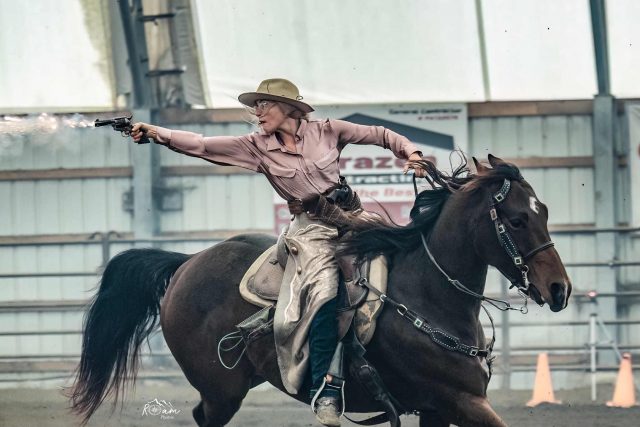
Every time I enter the show pen, I am aware that beneath me is a horse who gives everything they have: every ounce of trust, measure of strength, and fragment of effort. They do not understand they are chasing buckles, checks, or titles. They are indifferent to ribbons, prizes, and points. They are there because I have asked them to be. That realization is profoundly humbling.
Horses do not comprehend the concept of victory. They do not cross the timer line or execute a flawless pattern with an awareness of success. What they understand is far simpler and deeper: they gave their rider what was asked of them. They give everything, every single time, and in return, they ask for almost nothing. For that reason, giving back to them is an ethical responsibility.
When I reflect on it, I recognize that horses owe us nothing. They do not choose the life of an athlete, nor do they volunteer to travel, compete, or perform at an elite level. Yet they show up, time and again, with a willingness and heart that cannot be taught. They give us their trust, effort, and partnership freely. The least I can do is ensure that every aspect of their care reflects the gratitude and respect they deserve.
I strive to give back to them through thoughtful, consistent care and intentional acts of comfort and appreciation. My goal is not simply to maintain them, but to help them thrive: to ensure they love what they do rather than merely endure it. I want my horses to step into the arena feeling their best, both physically and mentally, and to know, through the way they are treated, that their worth extends far beyond any score, title, or buckle.
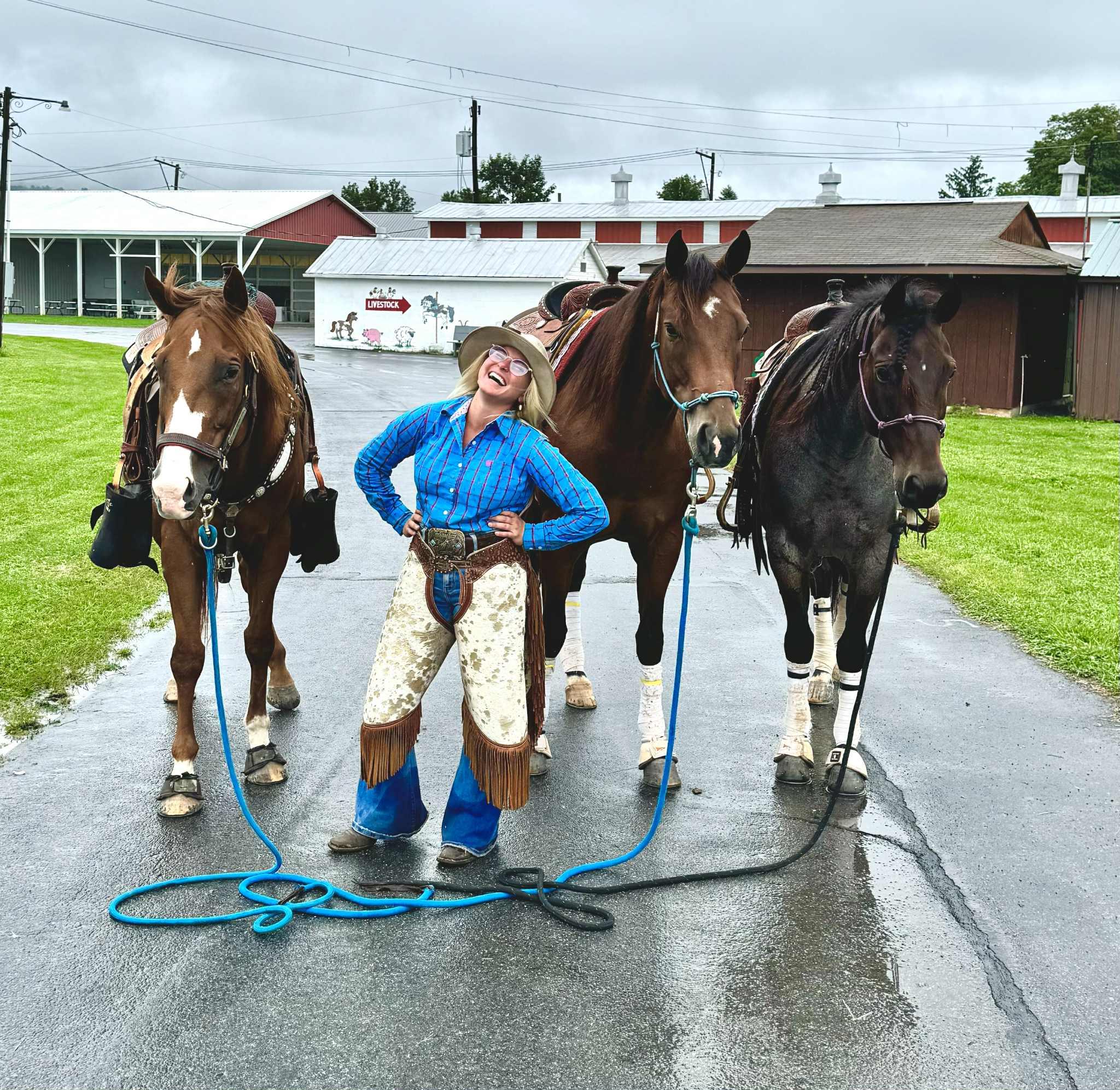
Photo by DeAnn Long Sloan
It begins with something simple: hay.
My horses always have free-choice hay available, especially when we are traveling or showing. It is far more than mere sustenance. It provides comfort, consistency, and a sense of stability in environments that can otherwise be stressful and unpredictable. Continuous access to forage helps buffer the stomach against the acid buildup that often accompanies the anxiety, exertion, and confinement of competition settings.
From a physiological standpoint, a horse’s digestive system is uniquely designed for near-constant grazing. In the wild, horses spend up to 16 – 18 hours per day consuming small amounts of forage. Their stomachs continuously secrete gastric acid, whether or not food is present. Without consistent access to hay or pasture, that acid can accumulate and damage the stomach lining, increasing the risk of gastric ulcers; a condition reported to affect an estimated 60–90% of performance horses. Beyond the physical discomfort, gastric pain can manifest as behavioral changes: irritability, reduced appetite, girthiness, or even reluctance to perform.
Providing free-choice hay helps mimic a horse’s natural feeding rhythm, keeping the digestive tract active and buffered throughout the day. The simple act of chewing also stimulates saliva production, which naturally neutralizes stomach acid. In addition to its physiological benefits, the steady availability of forage offers psychological comfort, giving horses something familiar and grounding in the midst of travel and competition.
If I can offer something that keeps their bodies balanced and their minds at ease, I will always do so. In the end, ensuring constant access to hay is one of the most effective and meaningful ways to support their overall wellbeing.
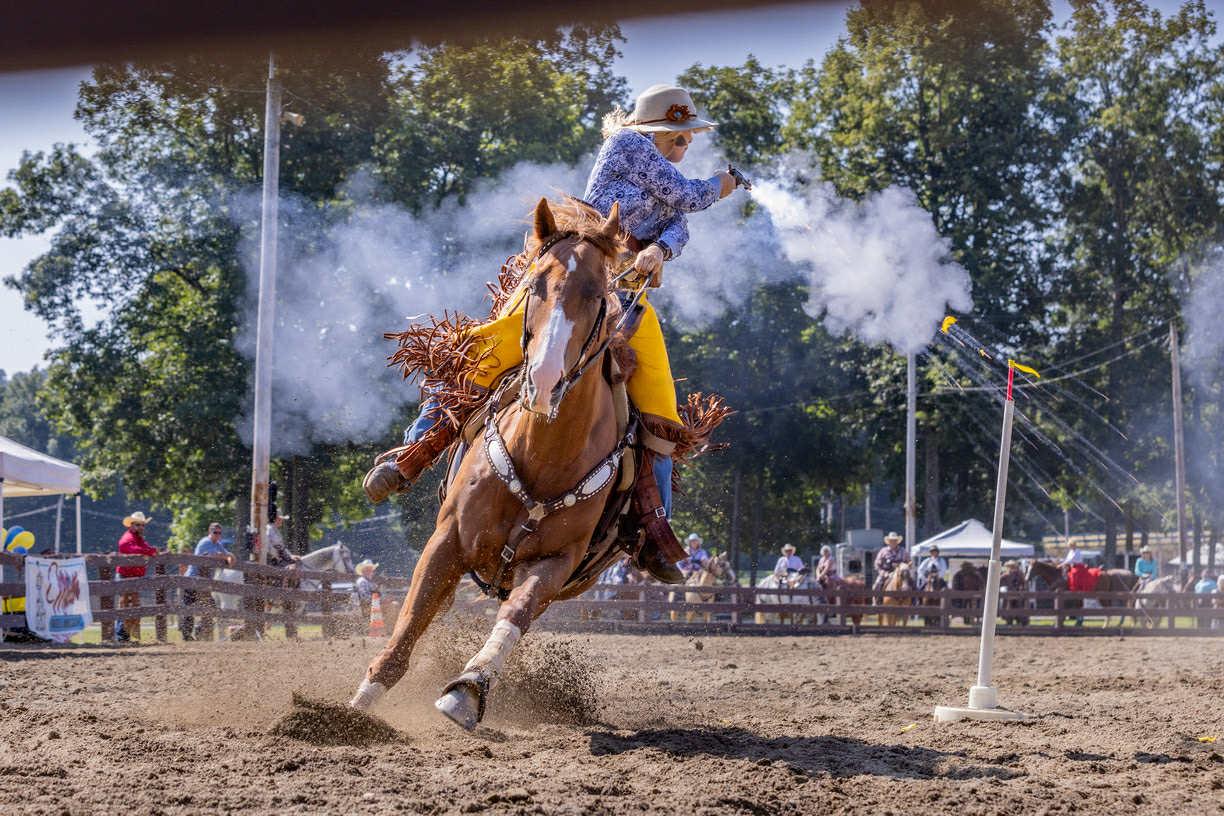
Photo by Tim Frank Photos
During the summer months, one of the simplest yet most rewarding routines I maintain is hosing my horses down at the end of the day. After hours of exertion under the sun, there are few things more restorative for them than the comfort of a cool bath. They earn every one of those moments. While on the surface I am rinsing away sweat, dust, and grime, what I am truly offering is care, gratitude, and relief.
As I run the hose along their coats and rinse their legs, I take the time to reflect on the day; their effort, willingness, and the countless moments they could have resisted but chose to give instead. These baths are a quiet ritual, a physical act of appreciation that acknowledges the hard work they have done.
From a physiological standpoint, bathing after intense exertion serves several important functions. The evaporation of cool water helps lower the horse’s core body temperature, reducing the risk of heat stress and aiding recovery after physical performance. Rinsing sweat and debris from the skin also supports healthy thermoregulation and helps prevent irritation or bacterial buildup, particularly in areas where tack has been in contact. Clean skin and hair allow for proper pore function and improved coat health, supporting circulation and overall comfort.
Beyond the physical, there is a psychological benefit as well. Many horses visibly relax during a bath. The rhythmic motion of water and gentle scrubbing can release tension and promote calm after the sensory stimulation of a busy show environment. It becomes a transition from work to rest, signaling that the day’s demands are over.
In the height of summer, I believe they deserve that small reprieve. A bath is not just about cleanliness, it is a simple yet profound gesture of gratitude for the partnership and effort they give so freely.
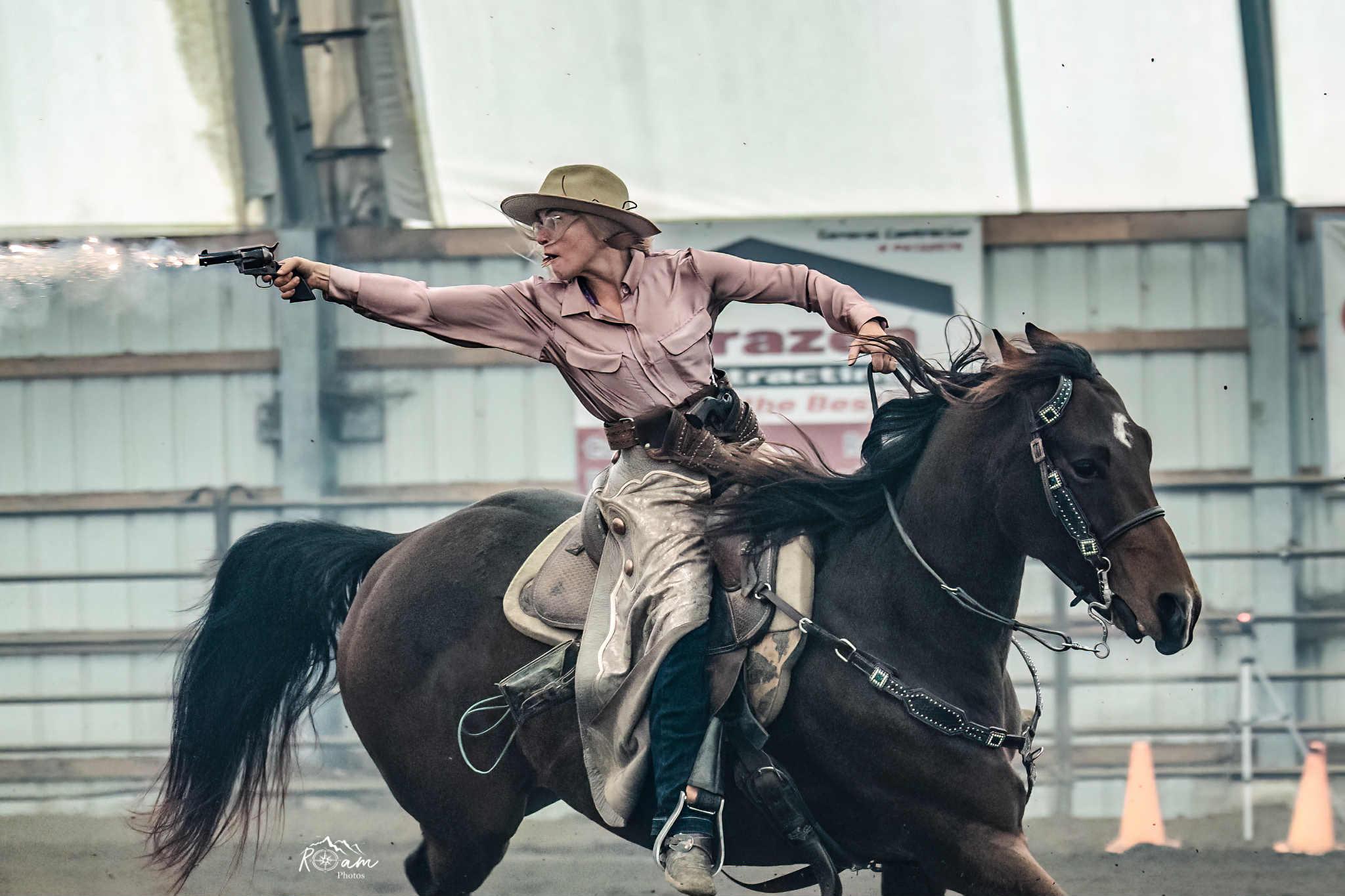
Photo by Roam Photos
When we are on the road, I always make time to hand graze. It’s a small act that holds tremendous value. Hand grazing offers my horses a small return to normalcy; a brief moment to simply be horses again.
Competition environments can be inherently stressful. Horses that are accustomed to regular turnout and open movement often find the confinement of a stall, combined with the sensory overload of showgrounds, to be physically and mentally taxing. Their routines are disrupted, their social interactions limited, and their opportunities for natural behaviors, like grazing, walking, and exploring, become scarce. Even 10 or 15 minutes of quiet grazing can restore a sense of calm and familiarity in an otherwise artificial setting.
From a physiological standpoint, the act of grazing has measurable benefits. The natural, low head position promotes healthy drainage of the respiratory tract and proper alignment of the spine and poll, something that prolonged stalling or intensive work can compromise. The slow, rhythmic chewing stimulates saliva production, aiding digestion and buffering stomach acid, much like the role free-choice hay plays in maintaining gastric health. But perhaps most importantly, hand grazing nurtures the horse’s mind. It gives them autonomy, a rare and gentle freedom amidst the structure of competition.
Hand grazing serves as a reminder that these remarkable animals are not machines designed for performance. They are living, breathing, feeling partners who experience stress and relief, anticipation and rest, just as we do.
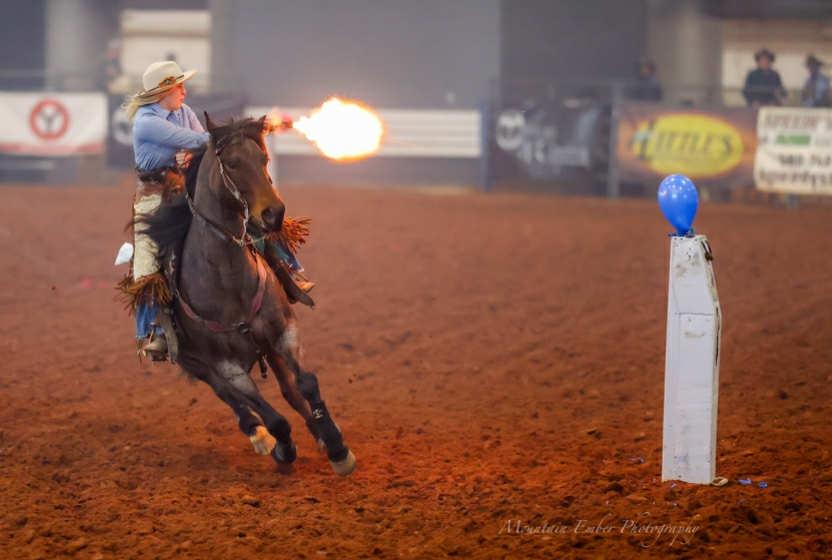
Photo by Mountain Ember Photography
Nutrition is one of the most essential ways I can give back to my horses. The work they do demands strength, stamina, and resilience, and meeting those needs begins with what goes into their feed bowls. My go-to is Triple Crown Senior Gold, a formula that keeps them strong, gleaming, and well-fueled for the physical and mental challenges that accompany travel and competition. It is balanced, nutrient-dense, and gentle on the digestive system, qualities that are critical for horses whose performance depends on internal harmony as much as external conditioning.
Proper nutrition extends far beyond maintaining appearance; it is foundational to every system within the horse’s body. Performance horses expend considerable energy not only during their events, but also in the stress of hauling, adapting to new environments, and maintaining muscle tone through consistent training. Diets rich in high-quality fiber, fats, and amino acids provide sustainable energy and support the repair and development of muscle tissue. In particular, Triple Crown Senior Gold includes added prebiotics and probiotics, which help maintain a stable gut microbiome; vital for digestion, nutrient absorption, and immune function.
The horse’s gastrointestinal system is highly sensitive to change, and nutritional imbalances can manifest as both physical and behavioral symptoms, ulcers, weight loss, dullness, or decreased performance. By prioritizing a feed program that supports steady energy release and digestive health, I can protect them from many of these issues and ensure they feel their best, inside and out.
I ask a great deal of my horses, and it is my responsibility to ensure they are equipped, nutritionally, physically, and emotionally, to handle what I ask of them. A well-fed horse is not only a stronger and more capable athlete but also a happier, more content partner. Providing the right nutrition is one of the most tangible ways I can express gratitude for all they give. It is an everyday act of care that translates directly into their well-being, their longevity, and ultimately, the joy they bring each time they step into the arena.
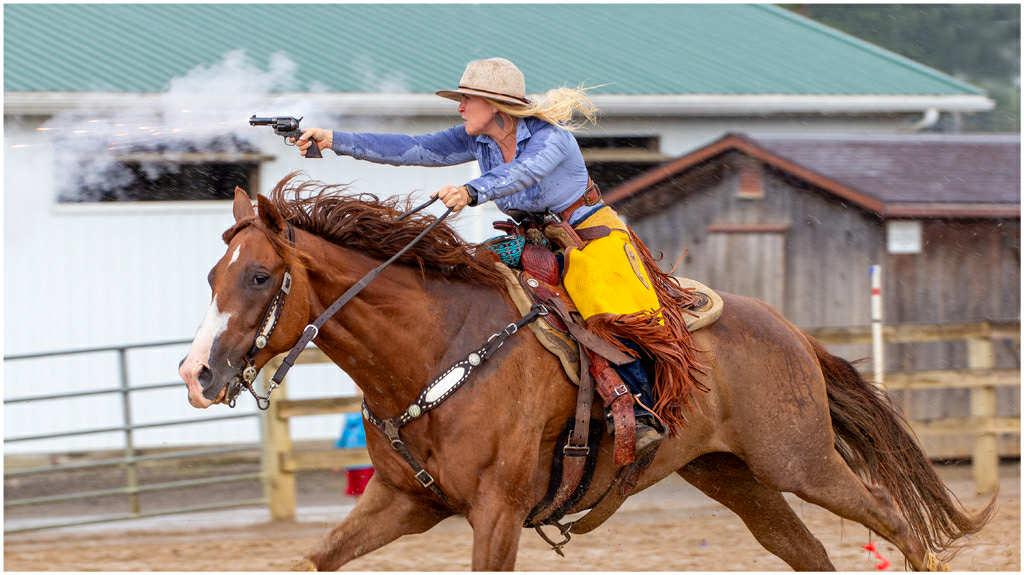
Photo by Michael Witt
And then, of course, there are the treats…a lot of them.
I’ll admit, I have an 11-year-old kiddo who insists on generous treat distribution, and she may have created a few four-legged connoisseurs. The horses now recognize the routine with an almost comical precision. The moment they hear the faint crinkle of a peppermint wrapper or the unmistakable rattle of a treat bag, an entire personality parade begins.
My geldings transform into models of enthusiasm, ears perked, eyes bright, and expressions of pure delight. My mare, on the other hand, operates on a slightly different motivational system: ears pinned, a pointed glare, and a clear message that we are not delivering the goods quickly enough. It’s a dynamic that never fails to amuse me, even as I wonder who is really training whom.
While treats may appear to be a simple indulgence, they serve a genuine behavioral and psychological purpose. From a learning perspective, they provide positive reinforcement, strengthening the association between effort and reward. Beyond that, the ritual of sharing treats fosters connection. It is a small but meaningful exchange that says, “You did well.”
And as for my 11-year-old co-trainer? Her joy in offering treats has become its own kind of reinforcement, for kindness, patience, and the understanding that appreciation, even in the smallest form, matters deeply to the creatures who give us their all.
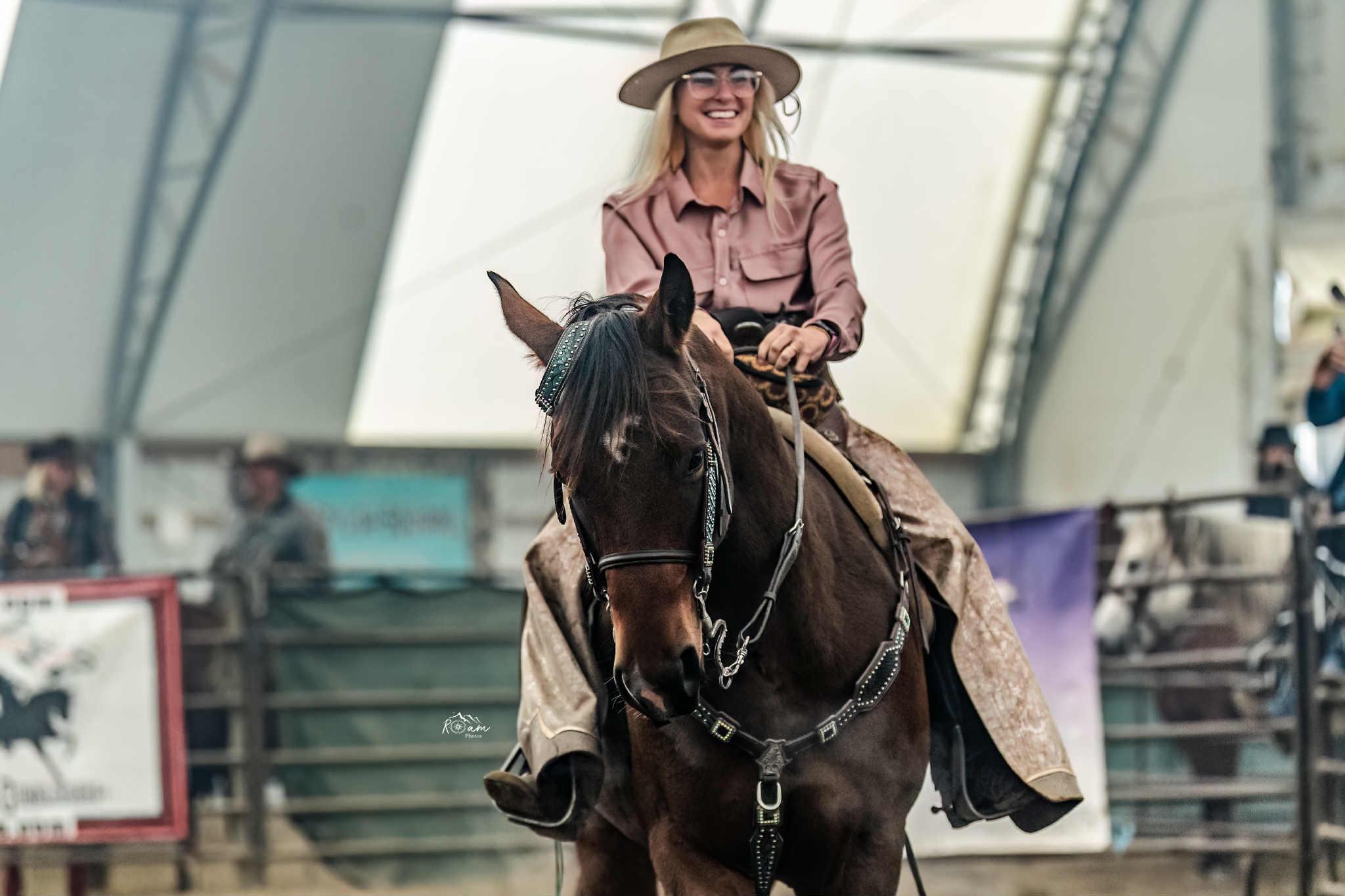
Photo by Roam Photos
Just as humans require time to rest and recover, so do horses. Mondays are almost always reserved as their day off, and occasionally Tuesday joins it. After a weekend of hauling, showing, and giving every ounce of effort in the arena, my horses have earned a complete reprieve. They deserve the freedom to roll, nap, stretch, and reset without a saddle, schedule, or expectation.
It is easy, in the rhythm of training and competition, to overlook the fact that horses are true athletes. Their muscles experience fatigue, their joints bear repetitive stress, and their minds endure the same emotional demands that any competitor might face. Just as rest days are essential in human athletic conditioning to promote muscle recovery and prevent burnout, equine athletes benefit from deliberate downtime. Adequate rest supports muscle repair, replenishes glycogen stores, and helps prevent overuse injuries that can develop from continuous strain.
Equally important is the mental recovery that rest provides. Horses thrive on routine but also on balance; time to simply exist as horses, free from performance pressure or human direction. Granting them these unstructured days preserves not only their physical health but also their willingness to engage, their curiosity, and their overall soundness of mind.
Rest is not a luxury; it is an integral component of responsible horsemanship. Those quiet days are what allow them to return to their work fresh, eager, and ready to give their all once again.
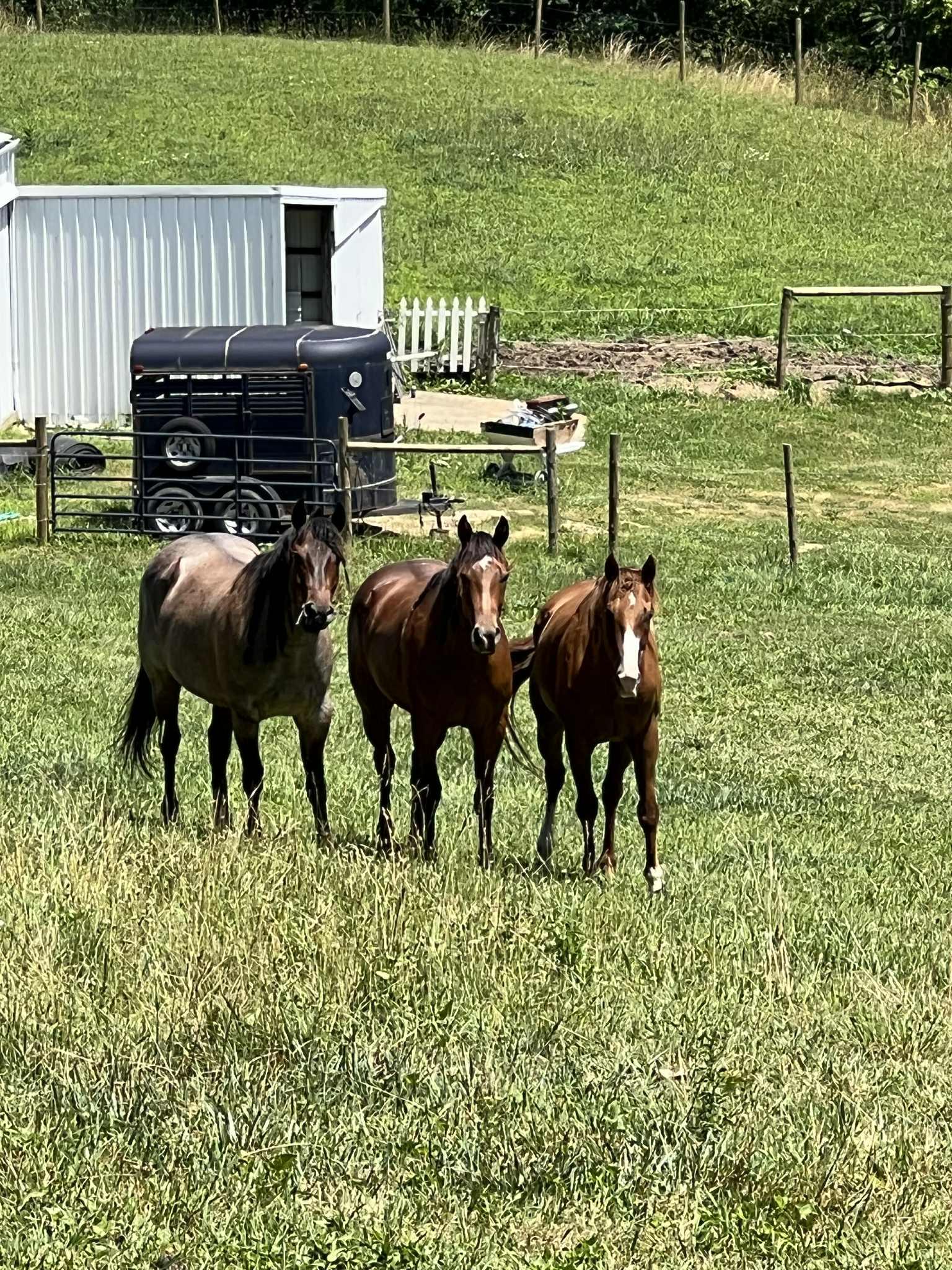
Photo by Marcella Gruchalak
And then, of course, there are the kisses because, truly, who can resist the soft, velvety nose of a horse who has carried you through it all?
Each day, I make a point to share a small moment of affection with every horse. Sometimes it’s a kiss on the muzzle, sometimes a well-aimed scratch in that one elusive favorite spot, and other times it’s simply standing together in quiet companionship. These gestures may seem small, but they speak volumes.
Research in animal behavior suggests that positive physical contact reinforces trust and reduces stress for both horse and human. So while it’s entirely possible that these affectionate moments benefit my stress levels more than theirs, I like to think they understand. In the end, a kiss may not improve performance or conditioning, but it strengthens the bond that makes everything else worthwhile.
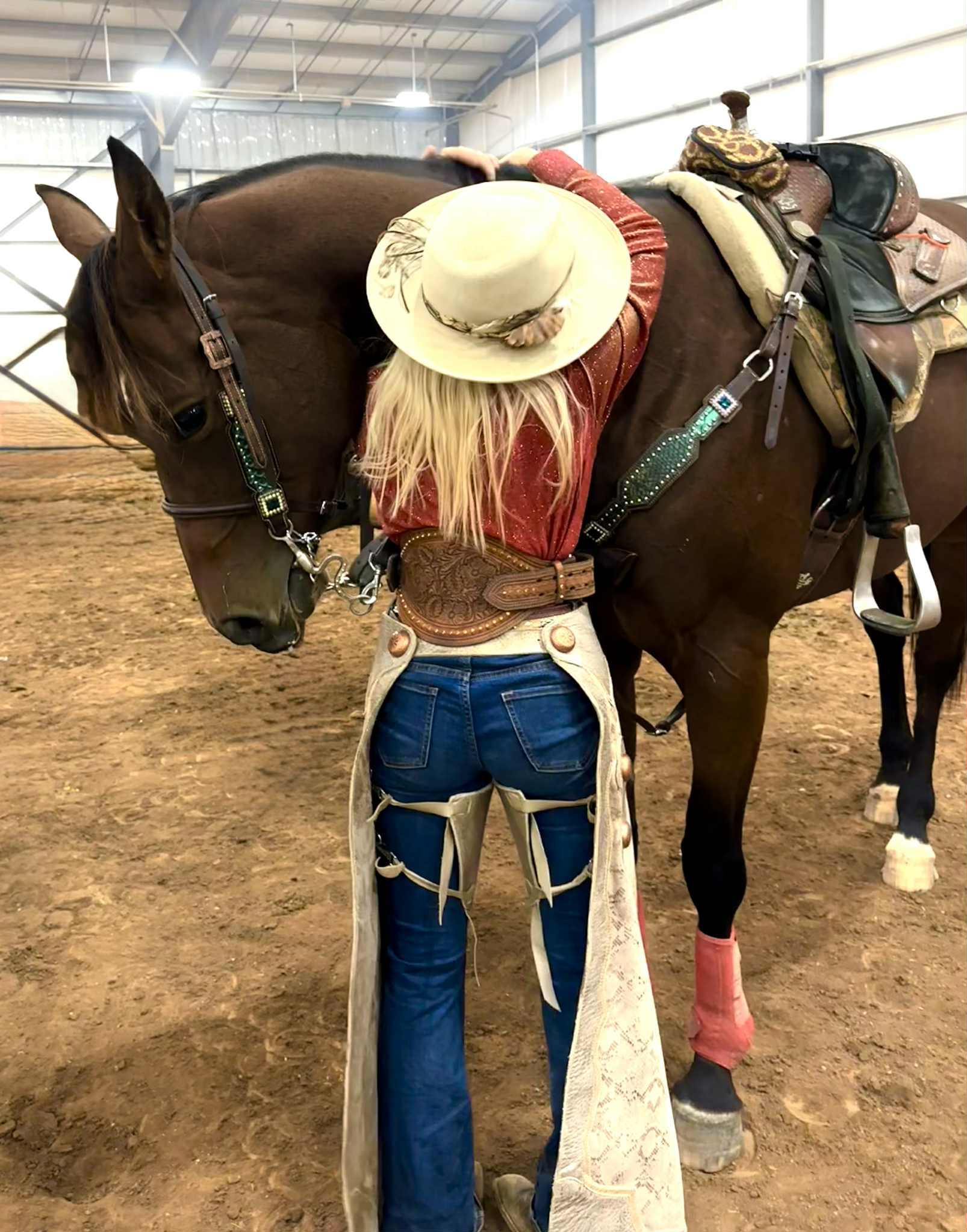
Photo by Mollie Himes
Sometimes, after a run, I will pat my horse’s neck, still catching my own breath, and reflect on the reality that they have no awareness of the accomplishment we have just achieved. They do not comprehend that they may have clocked a personal best or that we are leading the standings. What they do understand is that I asked for their utmost effort, and they delivered it. This perspective is profoundly humbling and grounding. These animals entrust us with their hearts, their energy, and their wellbeing. The least we can do is ensure that the hands guiding them are kind, patient, and consistently filled with gratitude.
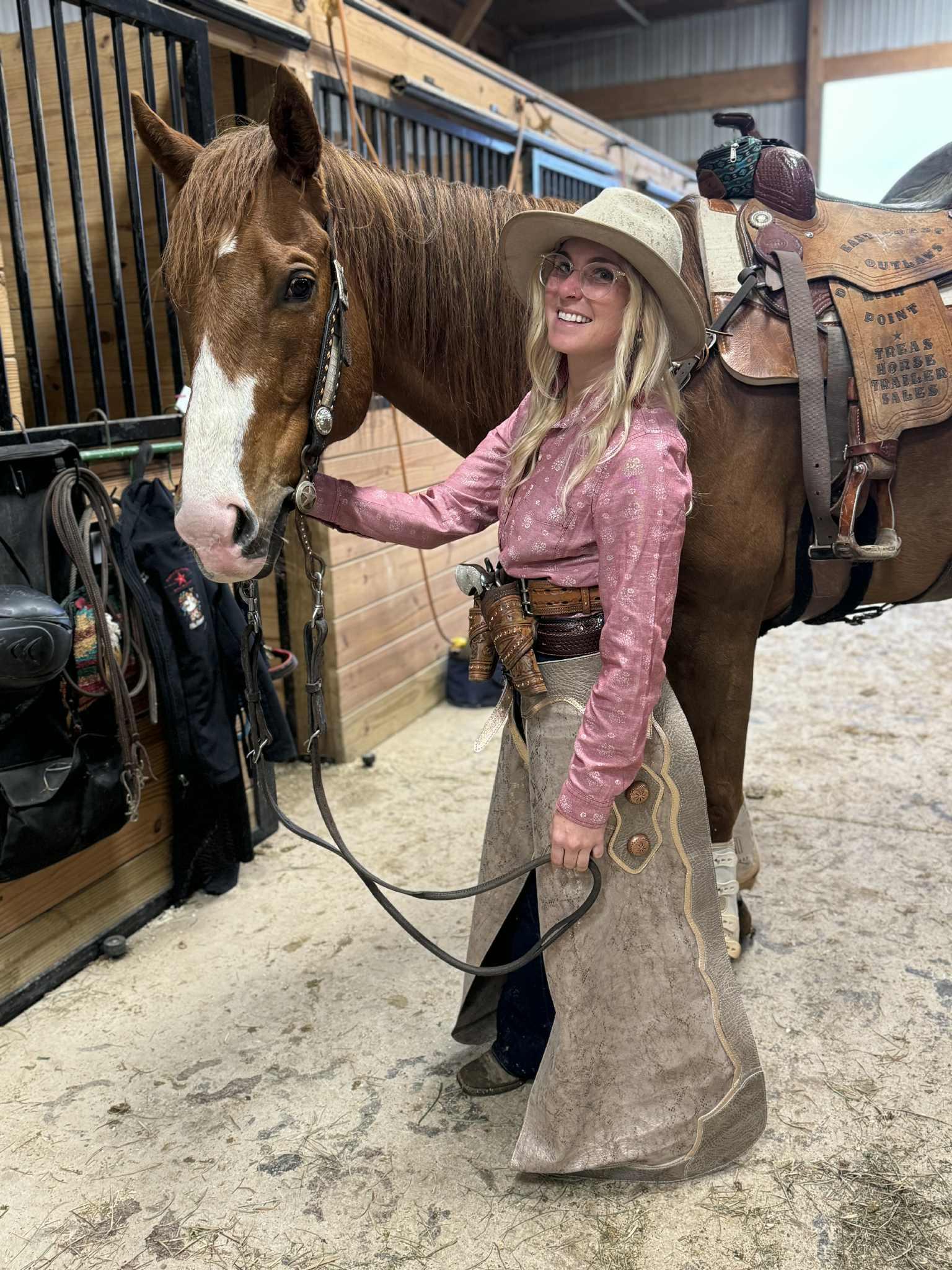
Photo courtesy of Marcella Gruchalak
For anyone who competes, rides, or simply cherishes their horse, it is essential to recognize that equestrian performance is inherently a partnership. Success in the show pen is rarely the product of talent or training alone; it is the culmination of mutual trust. Trust is cultivated in the quiet, routine practices that sustain their physical health and mental well-being when no one is observing.
Provide them with access to hay and proper nutrition. Ensure they are bathed and groomed. Allow them moments of grazing, play, and rest. Reward them with treats, gentle affection, and intentional time. These consistent, seemingly small gestures sustain their spirit, maintain their willingness, and reinforce the partnership on which all achievement depends. While ribbons fade, buckles tarnish, and wins come and go, the foundation built through attentive, thoughtful care endures.
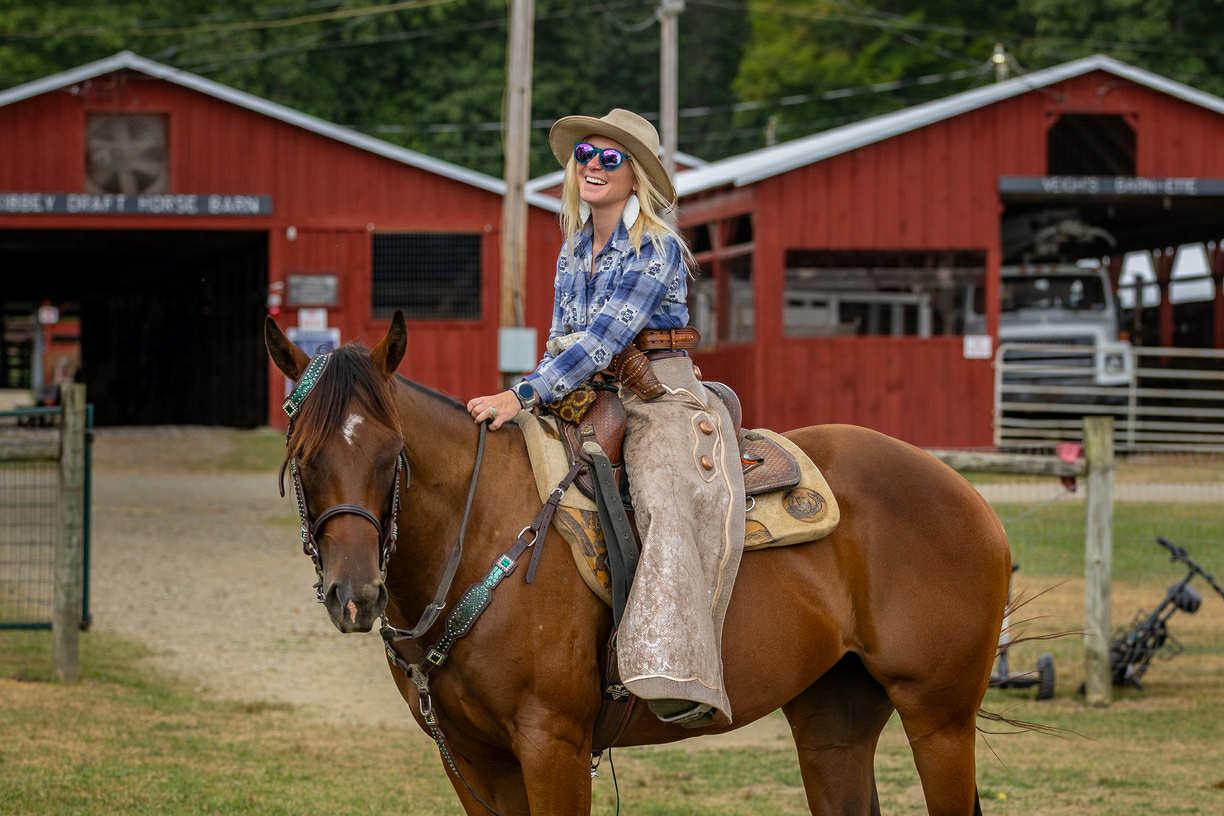
Photo by Tim Frank Photos
Every time I enter the arena, I take a deep breath and remind myself that my horses owe me nothing. They are not motivated by titles, prizes, or recognition. Their presence is an act of trust, loyalty, and, perhaps, affection.
Thus, I continue to give back through hay and nutrition, grooming and baths, grazing and rest, patience and kisses, and unwavering gratitude. This care is both a moral responsibility and a profound expression of appreciation. They may not understand that they are champions, but I do and that knowledge guides every decision I make in their service.
