



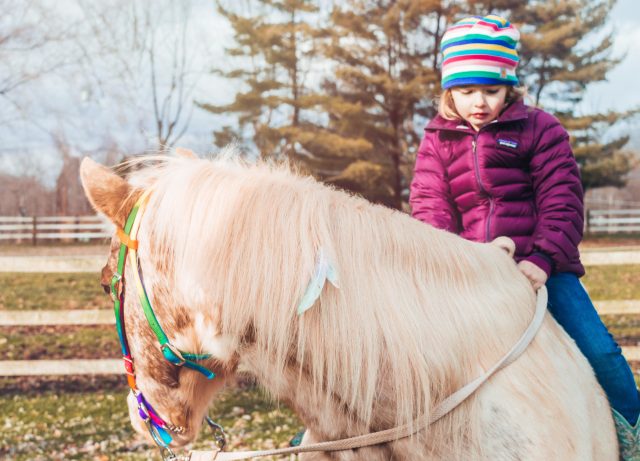
Teaching Emotional Control: Horses and Kids Aren’t That Different
Teaching emotional control — whether in horses or children — isn’t about avoiding stress altogether, but about helping them recover from it with confidence, calm, and trust.
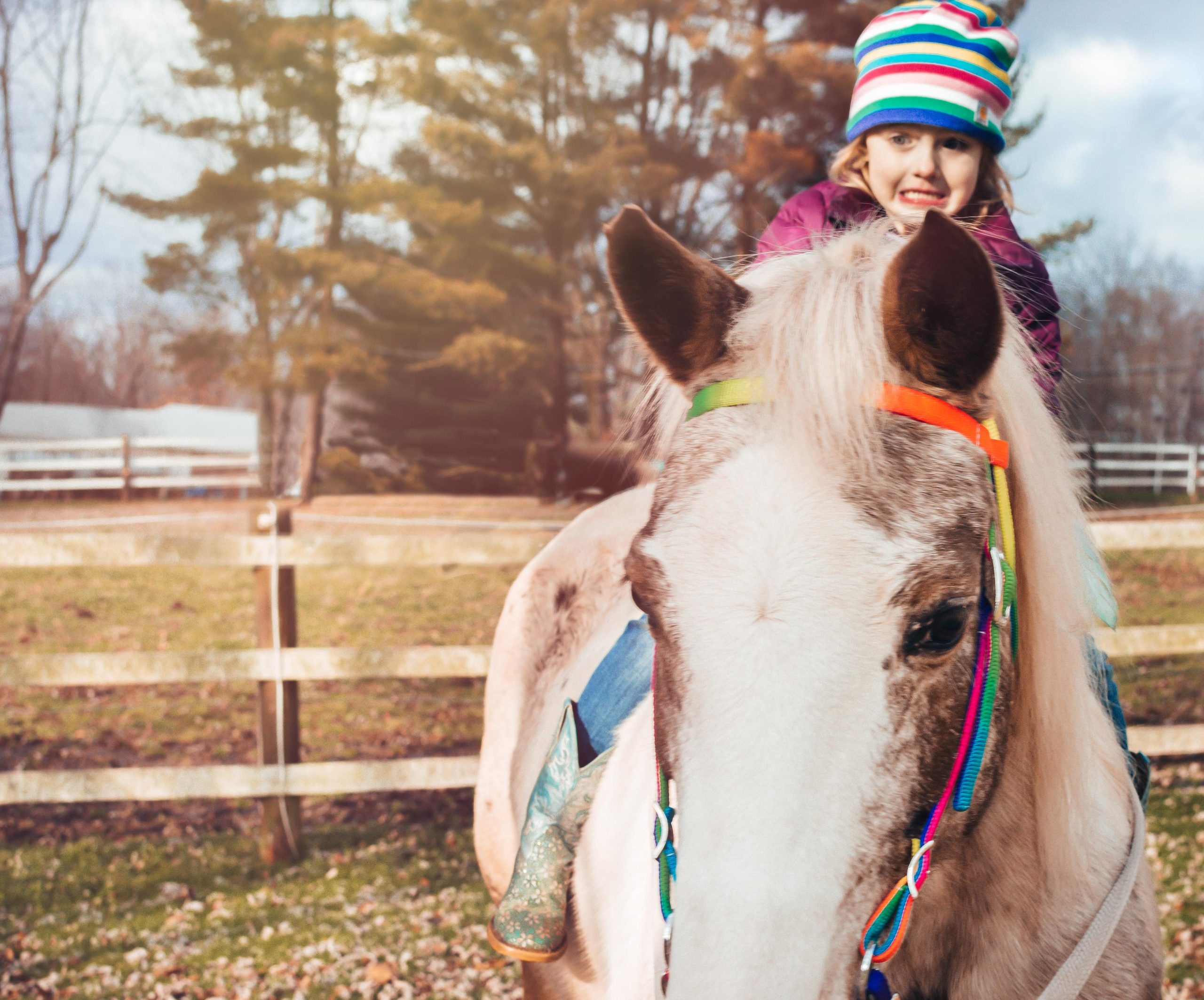
The emotion is palpable (at least from the child). Photo by Becca Francis Photography.
As a barn manager, I can’t tell you how many times I’ve heard a boarder say something like, “Oh, my horse is never rude, pushy, or flighty, so I don’t really need to work on that.” And every time, I smile and think to myself, that’s because your horse hasn’t been pushed out of their comfort zone yet. (Heck, I remember being the boarder who said that). It’s easy to think everything’s fine when life is predictable — when the environment is controlled, the routine is steady, and nothing challenges the horse (or the rider). But the real test of emotional control — in horses and in people — comes when things stop going perfectly.
And honestly? It’s not that different from raising or teaching children.
Both horses and kids are emotional learners. They develop confidence and regulation not through avoidance, but through exposure — safe, intentional exposure — to things that test them. A child who never hears “no” or never faces frustration doesn’t learn patience or problem-solving. Likewise, a horse who’s never asked to stand still while others canter off, load calmly into a trailer, or handle a flapping tarp doesn’t learn how to manage stress. Emotional control isn’t inherited; it’s developed through guided challenges.
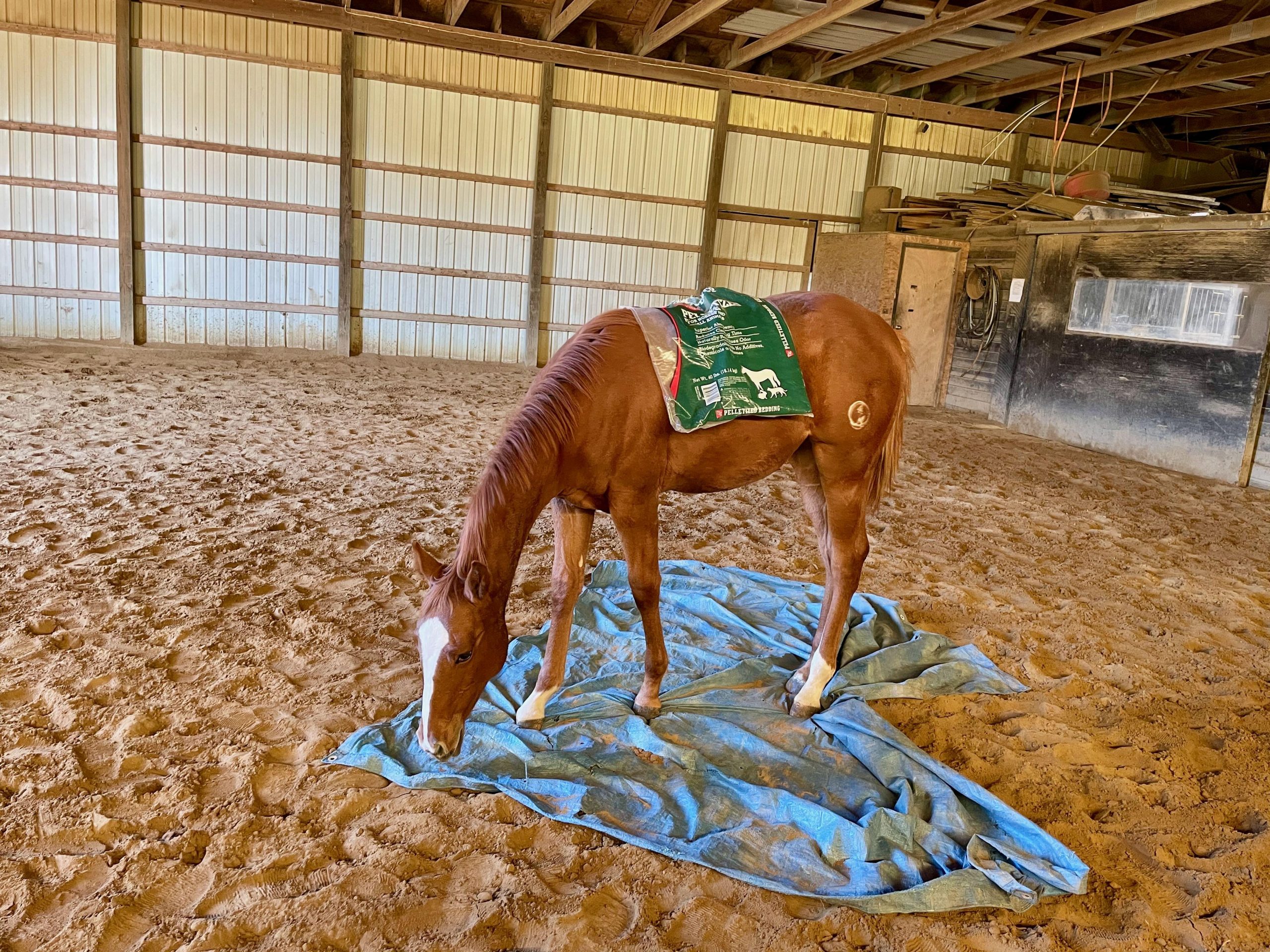
Letting my filly work out a fair amount of sensory input early on. Photo by DeAnn Long Sloan.
I haven’t worked with many young or green horses (I am decidedly NOT a trainer, and really like to have others do the heavy lifting, but…), but I handle horses daily as someone who runs a boarding barn. And when I teched for my equine vet, I handled A LOT more. I realized when handling young horses, green horses, or even just spoiled rotten horses (there are more than you think), it’s much like parenting: my job isn’t to keep them from ever feeling anxious or overwhelmed — it’s to give them the tools to recover when they do. Just like a child throwing a tantrum, a horse having a meltdown isn’t being “bad.” They’re expressing frustration, confusion, or fear in the only way they know how. The goal isn’t punishment — it’s redirection, reassurance, and repetition. Over time, both horse and child learn that those feelings can be managed, and that calm is something they can return to.
The key is recognizing that emotional control doesn’t develop in comfort. It develops in recovery from discomfort. When a horse spooks, then takes a breath and refocuses — that’s progress. When a child gets frustrated, then problem-solves instead of giving up — that’s emotional growth. But those moments don’t happen by accident. They come from consistent, supportive teaching that encourages them to stretch their limits just enough to build resilience, not break it.
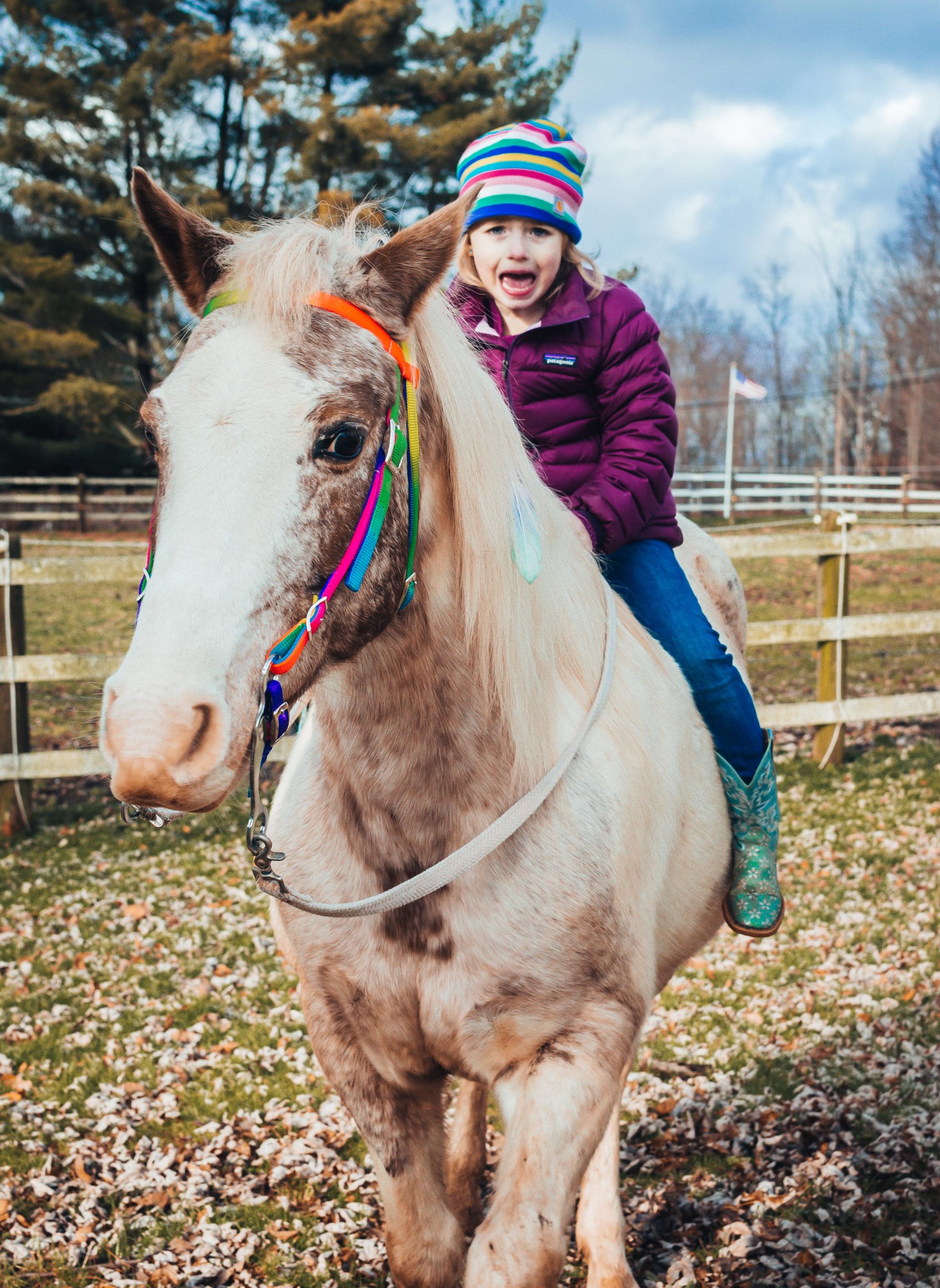
A little less emotional control from the child than the pony (and one of my all-time favorite photos). Photo by Rebecca Francis Photography.
The best trainers — and parents — know that the goal isn’t to avoid chaos entirely. It’s to guide through it. To create safe opportunities for challenge, to set clear boundaries, and to reward the recovery rather than the reaction. Whether it’s a kid learning to share or a horse learning to stand quietly at the trailer, the lesson is the same: growth happens at the edge of comfort.
Here are five steps to teach emotional control — whether you’re raising kids or training horses:
1. Create Safe Opportunities for Challenge
Growth doesn’t happen in comfort zones — it happens just outside them. Introduce manageable stressors in a controlled, supportive way: a tarp flapping in the breeze, a new environment, or a tricky group activity. The goal isn’t to overwhelm, but to stretch tolerance gradually so both horse and child learn that discomfort isn’t danger.
2. Stay Calm and Consistent
When emotions flare, your reaction sets the tone. Horses and kids both mirror the energy around them, so if you stay calm, they’re more likely to regulate, too. Consistency builds trust — when they know your response will be steady and fair, they can relax even when the situation isn’t.
3. Redirect, Don’t Punish
A meltdown — equine or human — isn’t a moral failure. It’s communication. Instead of punishing fear or frustration, redirect it toward a task they can succeed at. Reward the recovery: the deep breath, the refocus, the try. Over time, they learn that calm is a safe and achievable state to return to.
4. Set Boundaries and Reward Recovery
Boundaries teach respect and self-control, but they mean nothing without positive reinforcement for the right choices. A horse who settles after spooking or a child who apologizes after yelling both deserve acknowledgment. Celebrate the comeback more than you critique the chaos — that’s how emotional resilience sticks.
5. Practice, Reflect, and Repeat
Emotional control is a skill, not a one-time lesson. Keep practicing recovery moments until they become habits. Reflect on what triggers stress, what calms it, and how you can support growth next time. The magic isn’t in preventing the spook or tantrum — it’s in guiding the comeback every single time.
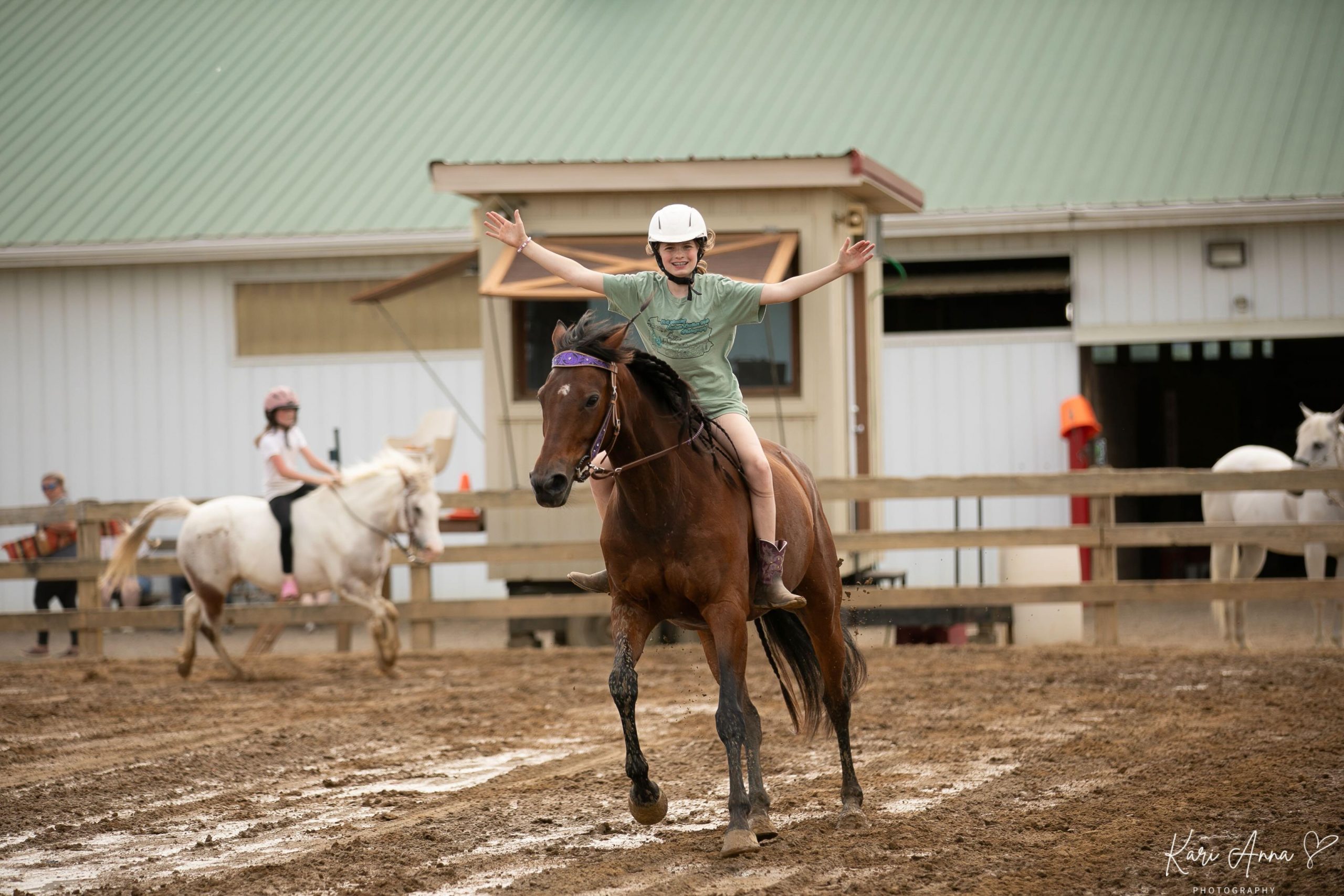
Same child as previous photos, having developed some different emotions while riding. Photo by Kari Anna Photography.
Whether you’re in the barn or the living room, the formula for emotional maturity is the same — controlled challenge, calm leadership, and consistent recovery.
And the next time a boarder says, “My horse never has those issues,” I’ll probably smile again — because I know the real magic happens when they do. That’s when the real teaching begins.
