



Triple Trouble: Routines With Horses
“As riders, trainers, and caretakers, our job isn’t to enforce our preferred style of management…We’re taught certain methods or we form habits that work well for one horse, and then we assume that same approach will work for every horse that comes into our barn. But horses will prove you wrong quickly.”
When it comes to working with horses, one of the most debated topics is whether routines are helpful or harmful. Some riders swear by a carefully structured plan that rarely wavers, while others argue that routines make horses rigid or difficult to handle when things inevitably change.
The truth? Neither is entirely right or wrong. The real answer lies in the individuality of the horse. Just like people, no two horses are the same. Each one has its own personality, tendencies, and learning style. As riders, trainers, and caretakers, our job isn’t to enforce our preferred style of management. It’s to adapt to what each horse needs to thrive.
This is where many riders get tripped up. We’re taught certain methods or we form habits that work well for one horse, and then we assume that same approach will work for every horse that comes into our barn. But horses will prove you wrong quickly. What works beautifully for one may completely unravel another. The key is flexibility and willingness to adjust.
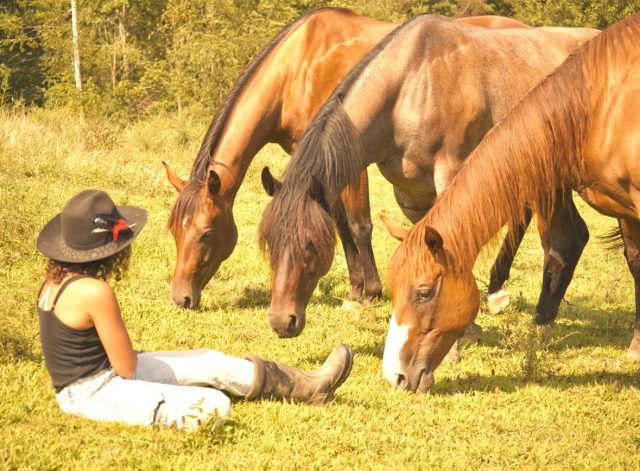
I have the privilege of owning three very different horses, and they’ve each taught me something unique about the role of routines in their lives and performance. I’m going to share each of their styles to highlight just how different the needs can be.

Photo by DeAnn Long Sloan
Funny Bunny B, “Buns,” is my off-track Thoroughbred. He’s the definition of go with the flow. Some horses crumble without structure, but not Buns. He’s equally content whether he’s on a routine or not, which makes him one of the easiest horses I’ve ever owned to travel and compete with.
I attribute a lot of that to his track background. Even though he never made a start, he was in race training as a two-year-old. Life on the track is a combination of routine and unpredictability. Sure, the horses have a basic structure that revolves around feeding time and exercise regimens, but there also are constant changes — different riders, different times of day, unfamiliar sights and sounds, and plenty of energy in the air. Horses that come off the track often learn early how to handle a fast-moving, ever-changing environment.
Because of that, Buns doesn’t panic if I swap up the order of our warm-up, or if I put him in a different stall than usual, or if a show day schedule runs late. He rolls with the punches and keeps his focus on the job at hand. For a horse like Buns, routines don’t make much of a difference. He adapts easily and doesn’t need the comfort of structure to feel secure.
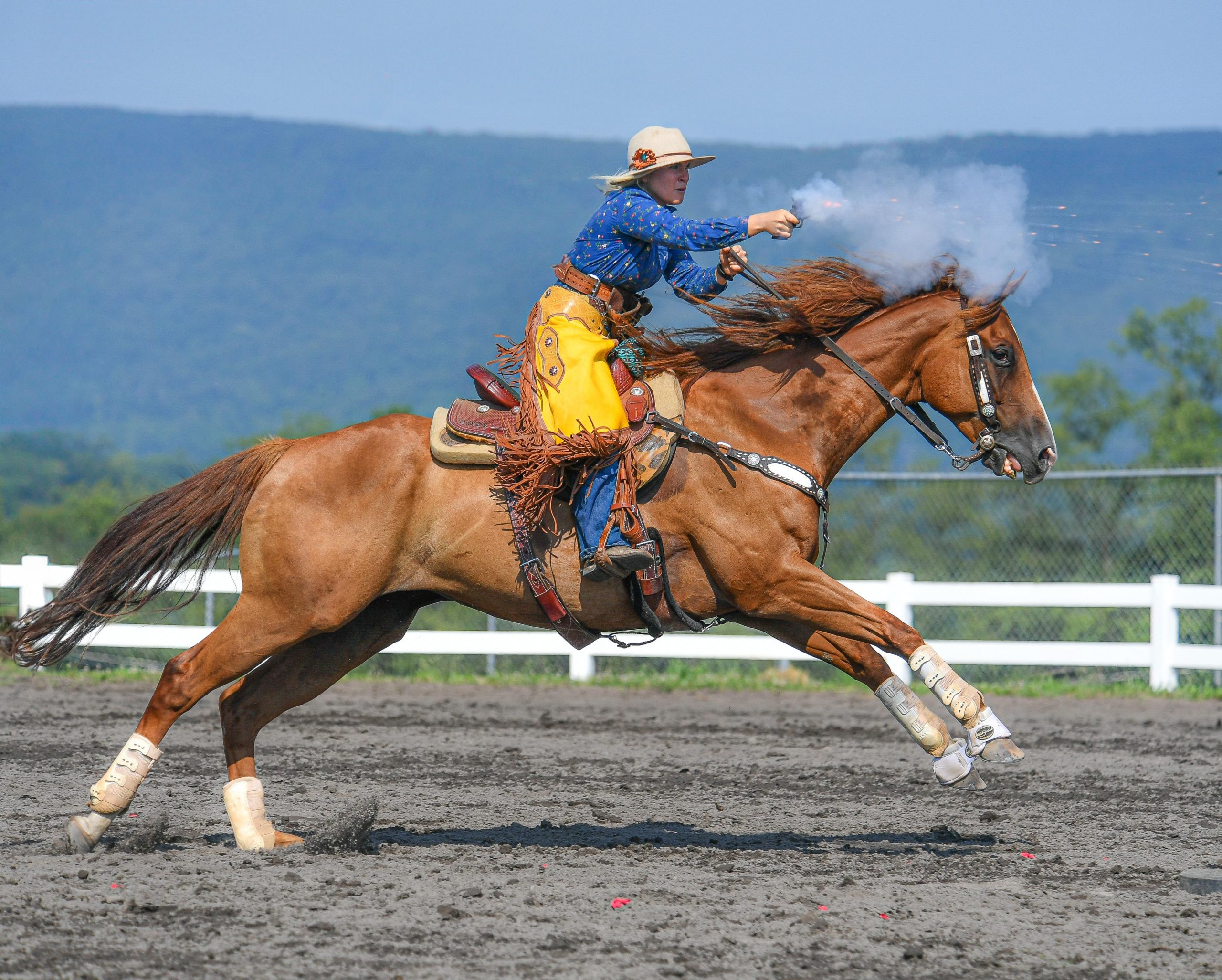
Photo by Genevieve Burnett Photography
Payco on the other hand is the type of horse who, if you let him figure out a routine, will immediately turn it against you.
Some horses find comfort in predictability, but Payco sees it as an opportunity. If he knows exactly what comes next, he’ll start anticipating — not in a helpful way, but in a way that puts him in control. He’ll take you where he wants to go, because he’s already decided what’s coming next in the sequence.
With a horse like this, routine works against you. If I handle him the same way every time, he gets too smart for his own good. He starts making decisions instead of waiting for me to ask. That means I have to stay somewhat unpredictable. I have to change things up. Sometimes we warm up differently, sometimes I ride at slightly different times, and many times I’m constantly changing gait. The goal is to keep him listening to me instead of getting ahead of the process.
Payco reminds me that routines can actually create problems for certain horses. He thrives on variety because it forces him to stay tuned in to the rider. If I tried to put him on the same system as Hot Sauce (my third horse, who I’ll talk about next), it would backfire. He’d think he was running the show.
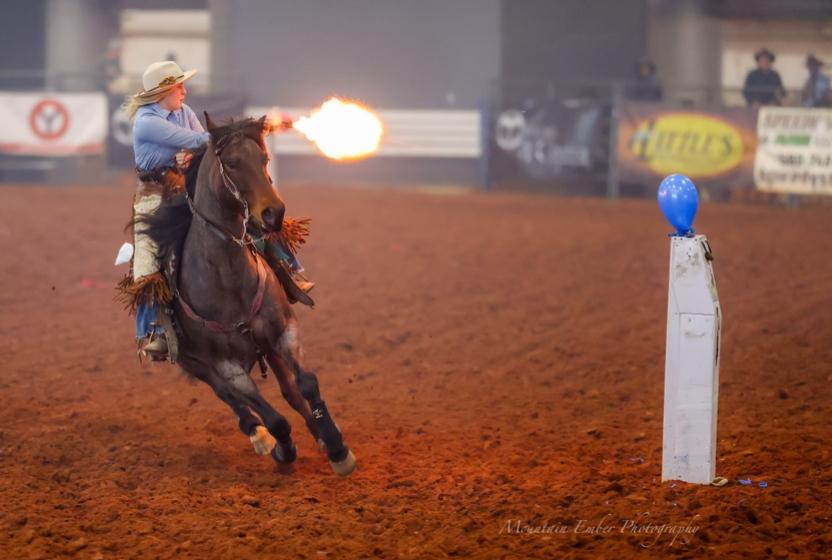
Photo by Mountain Ember Photography
And then there’s Hot Sauce, my horse who proves that routines can be a lifeline.
Hot Sauce thrives on consistency. With her, every detail matters. If I deviate from our usual process, even slightly, she gets unsettled. Something as small as the timing of when I put her boots on can throw her out of sync for the rest of the ride.
She’s the kind of horse that draws confidence from knowing what to expect. Our warm-up before a run has to be structured. The way I prepare her in the stall, putting boots on, bridling, and leading her out, needs to follow the same order every time. It’s not about me being rigid; it’s about her needing that stability to feel prepared and relaxed.
For Hot Sauce, routines aren’t just helpful, they’re essential. They’re the foundation that allows her to perform at her best.
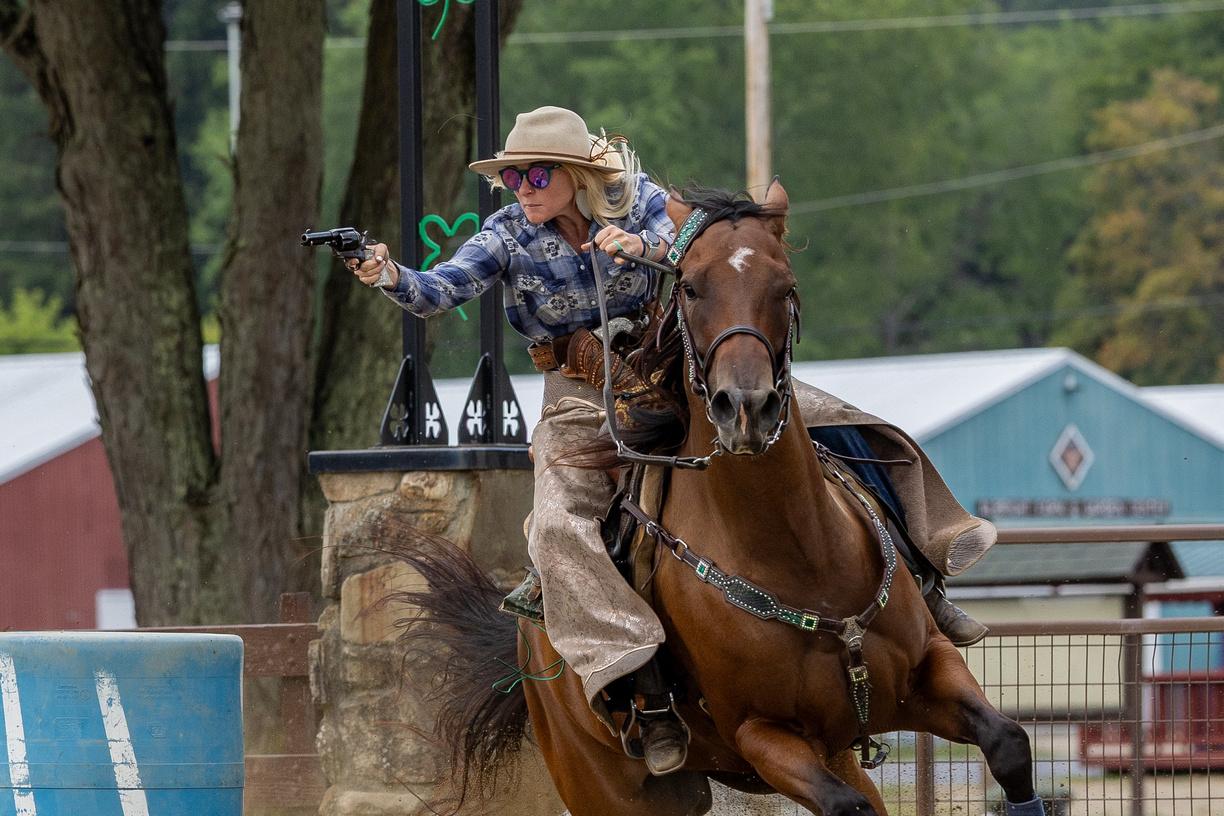
Photo by Tim Frank Images
So… Are routines good or bad? The answer is, it depends.
Looking at these three horses side-by-side, it’s obvious that there’s no universal answer. Routines are neither inherently good nor inherently bad. Their value entirely depends on the horse in front of you.
For adaptable horses like Buns, routines don’t matter much. They’ll perform well regardless. For opportunistic horses like Payco, routines can become a liability, because they use them to anticipate and get ahead of the rider. For sensitive horses like Hot Sauce, routines provide the security and structure needed to excel. The key lesson here is adaptability. If I had insisted on doing things my way, either sticking to rigid routines or avoiding them completely, I would have failed at least two of these horses. What works for one doesn’t work for the others.
As riders, it’s easy to fall into the trap of doing things the way we were taught, or the way we’ve always done them. We find comfort in our own routines just like horses do. But horsemanship isn’t about our comfort — it’s about understanding the horse’s needs and adjusting accordingly.
That requires humility. It means letting go of the idea that there’s one right way to do things. It means observing the horse closely, paying attention to how they respond, and being willing to change tactics even if it goes against what feels natural to us.
Adaptability is one of the greatest skills a rider can have. Horses are constantly teaching us to listen, adjust, and meet them where they are. When we do that, we set up them, and ourselves, for success.
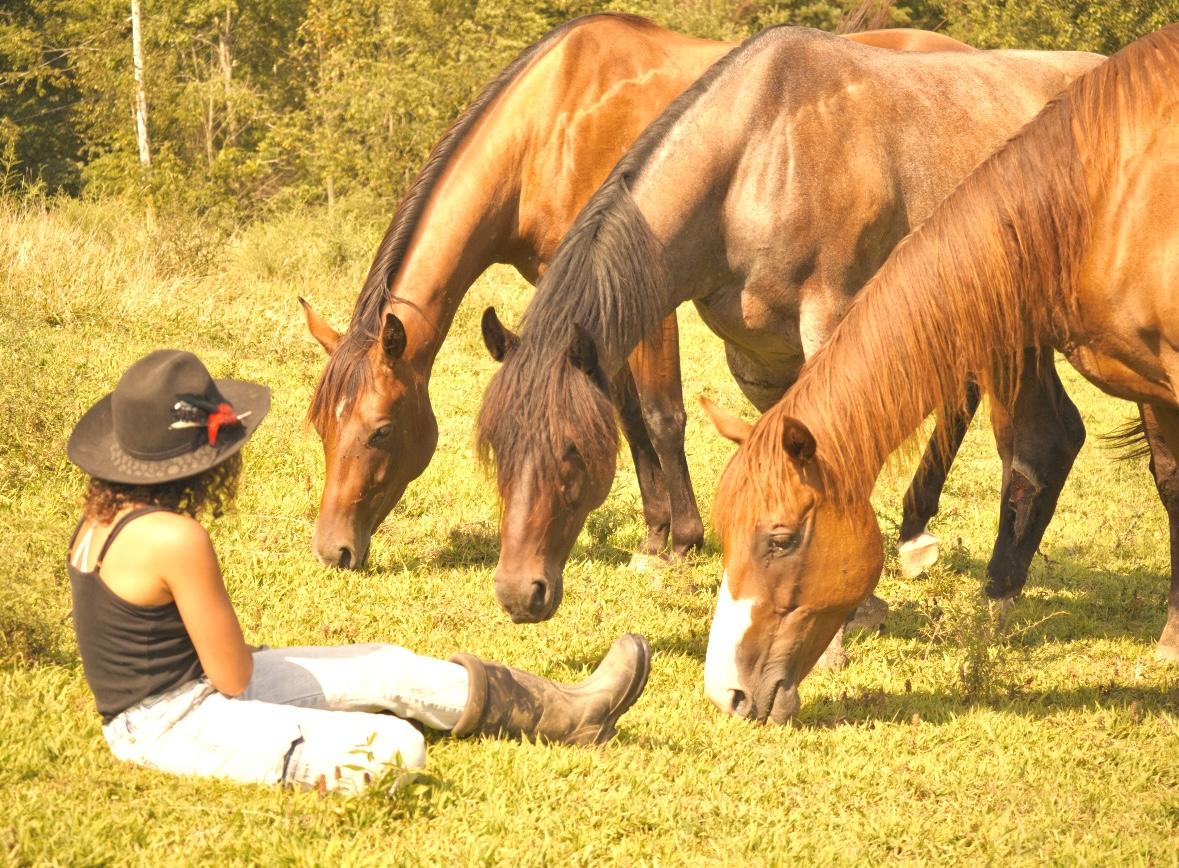
Photo by Marcella Gruchalak
Some horses thrive on routines. Others resent them. And some don’t care either way. The most important thing is not to get so locked into one way of doing things that we lose sight of the horse in front of us. Horsemanship isn’t one-size-fits-all. It’s a partnership built on communication and adaptability. Whether you’re working with a laid-back horse like Buns, an opportunistic one like Payco, or a creature of habit like Hot Sauce, the challenge is the same: figure out what that horse needs to succeed, and adjust your approach to give it to them.
In the end, that’s what good horsemanship is all about; listening, adapting, and putting the horse’s needs first.
