



Ideas for Improving Horse Footing in Moist Areas
When it comes to arenas, there is a fair amount of confusion about footing and how to maintain it — especially in areas with a lot of moisture.
Regarding horse arenas, there is a lot of confusion about what precisely ‘footing’ means. The basic material of a horse arena is its upper layer. It relies on a suitable basis and sub-base being in place. Let’s explore some popular ways to improve horse footing in moist areas.
Canva/CC
What is Footing? Why Should You Pay Attention to It?
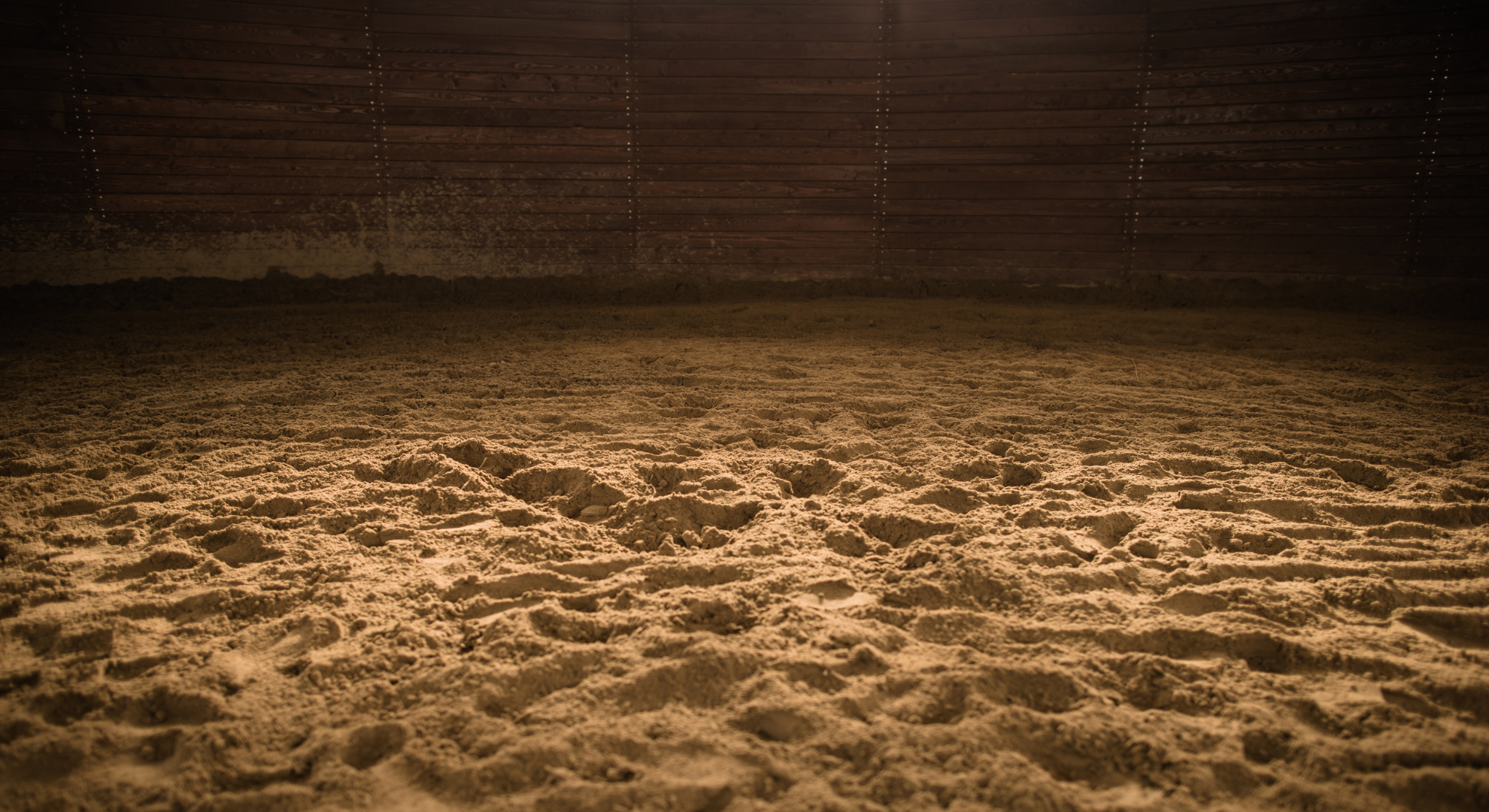
The surface your horse walks, trots, canters, and gallops on is called footing. The condition of the ground may not seem important, but it has a significant effect on your horse’s health and ability. It can mean the difference between a safe ride for both the horse and the person riding the horse.
What Part Does Moisture Play in the Quality of the Footing?
The wetness in the footing helps keep its shape by binding the materials together. If there isn’t enough water, the ground gets dusty and loose. Besides, if there is too much, it gets muddy and slippery. For good balance, it’s essential to keep the right amount of wetness.
Just like you need to use innovative strategies and measured risks to win at horse racing betting sites, you need to plan how to improve horse footing in wet areas carefully. Picking the right materials, like drainage layers and a base that doesn’t absorb water, makes sure for steady performance, just like choosing the right moves in a casino game makes sure you win.
Canva/CC
How to Improve Horse Footing in Moist Areas?
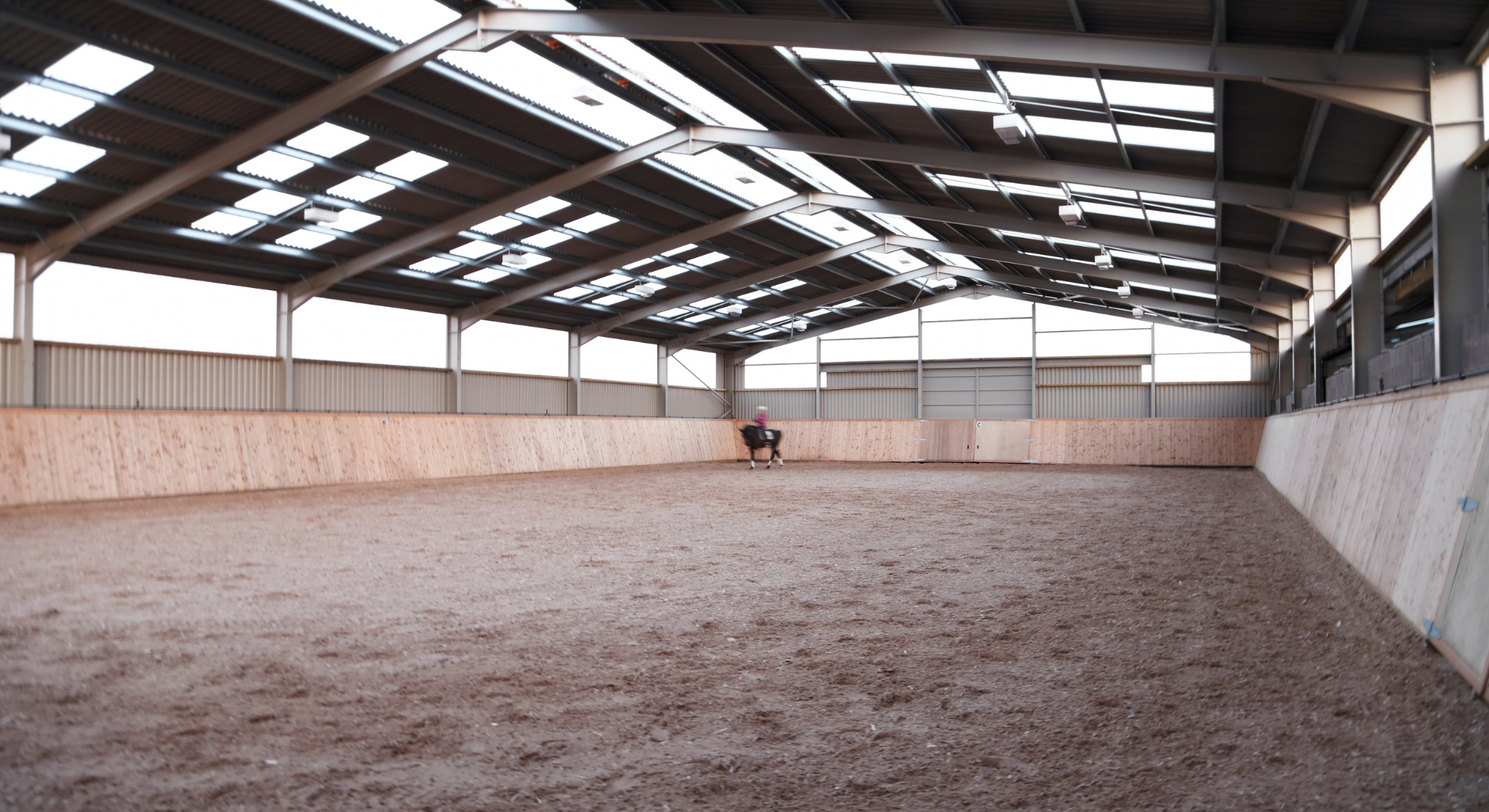
You will need to work to keep the wetness out of your arena, whether you live in the country and have a damp and rainy spring or you have an indoor venue with high humidity. Luckily, picking the right flooring for horse footing can help. Before you pick a horse flooring surface, you should make sure your field is ready for it. There should be three layers on the arena floor:
- Subfloor Layer
The subfloor is the base of your horse field. Besides, it should ideally be made of clay. Professionals can straighten clay to create a slight slope that allows water to drain away. The arena’s ground stays stable and dry. There are no puddles or wet spots. - Crushed Rock Layer
Place 6 to 10 inches of crushed rock, such as limestone, on top of the clay below. This layer needs to be carefully levelled and pressed firmly into place. Besides, an effective drainage system and stable flooring are both improved by proper installation. - Horse Footing Layer
The horse base is on top of the other layers. Some people mix materials, but using a good, purpose-made base will guarantee a smooth, dust-free surface. This special ground makes horses feel safe and comfortable, enhancing their grip and reducing their risk of injury.
Why Is Arena Footing So Important?
Putting in a state-of-the-art riding area is a big deal for horse owners. Most horse owners want their horses to do their best on an arena floor. People use the phrase perfect footing in a lot of different ways, and other types of riders understand it in various ways. Additionally, an ideal riding surface should be safe, have good grip and softness, be free from dirt and roughness, and be inexpensive and easy to maintain.
Creating a new arena can be tough. One of the most challenging aspects is selecting the footing. Besides, it changes based on how people will use the arena and its past use. Consistency is vital because the footing affects the health of your horse, the riders, and the trainers who use the field.
Canva/CC
Conclusion
To improve horse footing in wet areas, be mindful of the materials you use, ensure they drain well, and maintain them regularly. Besides, by laying a strong base, you can create a safe and long-lasting riding surface. These tips help keep the ground stable, which in turn improves both the horse’s performance and the rider’s confidence.
