



Mexico’s Screwworm Border Closure and What It Means for Horses Bound for Slaughter
Border restrictions are affecting slaughter-bound horses.
Canva/CC
The horse industry was hit with unexpected news when cross-border livestock movement was disrupted due to concerns over New World screwworm (NWS), a dangerous parasite that poses a serious threat to livestock populations. Although much of the discussion has focused on cattle, the restrictions also affect horses, including those being shipped from the United States to Mexico for slaughter. The closure has created uncertainty for livestock markets, kill buyers, and horse auctions across the country, leaving many wondering what happens next.
Despite its name, the New World screwworm is not actually a worm. It is the larval stage of the New World screwworm fly (Cochliomyia hominivorax). Adult flies lay eggs in open wounds, surgical sites, navels of newborn animals, or other damaged tissue. Once the eggs hatch, the larvae burrow into and feed on living flesh rather than dead tissue. This makes screwworm infestations far more dangerous than most maggots.
Affected animals often show pain, swelling, foul-smelling wounds, head shaking, depression, and loss of appetite. If left untreated, infestations can become severe enough to kill an animal. Screwworm can affect cattle, horses, sheep, goats, wildlife, pets, and even humans in rare cases.
The United States successfully eradicated New World screwworm decades ago through the release of sterile male flies. However, recent outbreaks in Central America and Mexico have allowed the parasite to move northward once again, raising concerns that it could re-establish itself in the United States.
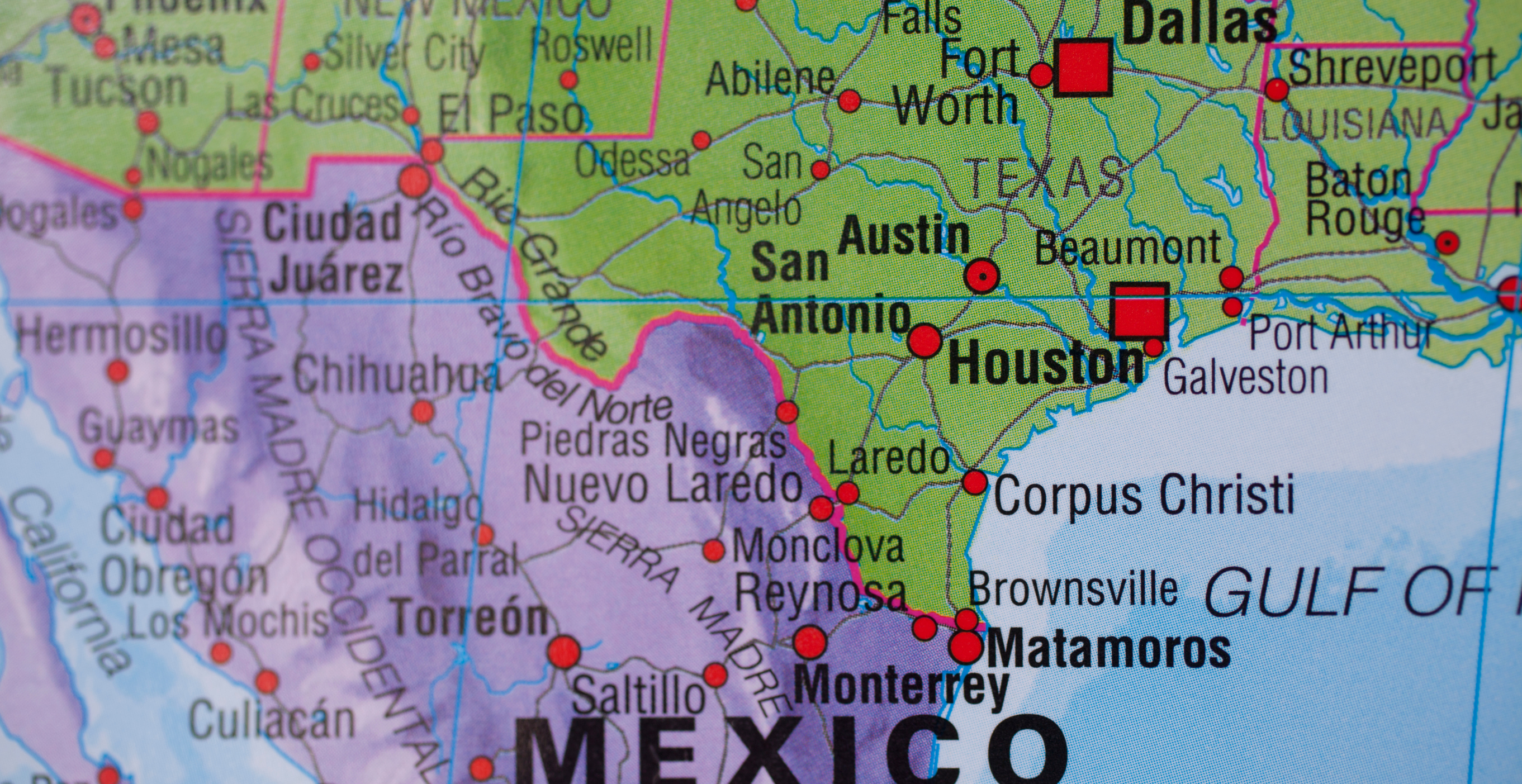
In May 2026, the United States Department of Agriculture announced the suspension of live cattle, horse, and bison imports through southern border ports because of the rapid spread of New World screwworm in Mexico. Officials cited detections of the parasite in increasingly northern regions of Mexico and determined that additional precautions were necessary to protect U.S. livestock.
Although the USDA announcement focused on animals entering the United States from Mexico, the resulting restrictions and disease-control measures have significantly disrupted cross-border livestock movement. Horses that would normally move through established export channels have been affected as authorities attempt to prevent the spread of the parasite.
The concern is straightforward: a single infected animal could introduce screwworm larvae into an area where the pest has long been eradicated. Because horses often travel long distances, pass through sale barns, and mix with other livestock, they represent a potential pathway for disease spread. Officials have therefore taken a cautious approach, preferring temporary trade disruptions over the possibility of a widespread infestation.
One of the biggest questions facing livestock producers and horse sellers is how long restrictions may remain in place.
Unfortunately, there is no firm answer. USDA officials originally described the suspension as a temporary measure while they evaluated Mexico’s response and surveillance efforts. However, subsequent announcements indicated that border access would depend entirely on disease-control progress and the assessed risk of screwworm spread.
In some instances, USDA announced phased reopening plans when conditions improved, only to reinstate closures after additional detections were found farther north in Mexico. This stop-and-start pattern illustrates how dependent the situation is on the movement of the parasite itself.
As of now, experts generally expect restrictions to remain in place until officials are confident that surveillance, treatment programs, and sterile-fly releases have successfully reduced the risk of transmission. The timeline could be measured in months rather than weeks, particularly if new cases continue to appear.
For many horse auctions, the closure has immediate consequences.
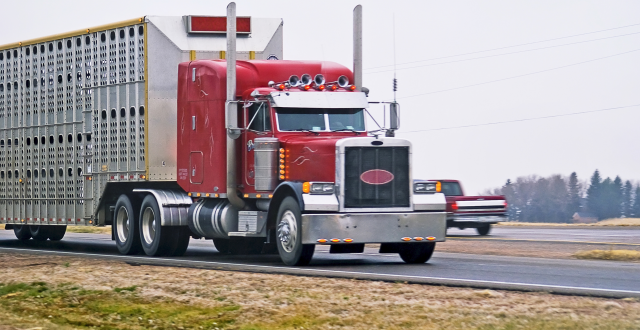
At lower-end livestock auctions, a portion of horses are purchased by kill buyers who ship them to processing facilities in Mexico or Canada. When one of those export pathways becomes restricted, buyers may become more selective or reduce the prices they are willing to pay. The result can be softer prices on horses that typically enter the slaughter pipeline.
Some auction managers and sellers worry that horses previously destined for slaughter may remain in local markets longer, increasing pressure on rescues, sanctuaries, and private owners attempting to rehome unwanted horses. Horses that might have quickly moved through the system could instead remain at holding facilities or be resold multiple times while buyers search for alternative outlets.
Kill buyers themselves may face increased transportation costs, longer holding times, and uncertainty regarding future export opportunities. Those factors can reduce profitability and influence how aggressively they bid at auction.
However, the impact is unlikely to be uniform across all segments of the horse industry. Performance horses, breeding stock, registered horses, and horses with established riding value generally derive their prices from entirely different markets. These animals are usually unaffected by fluctuations in the slaughter trade. The greatest effects tend to be felt among older, unsound, untrained, or otherwise low-value horses that are already vulnerable to entering the slaughter pipeline.
The screwworm situation serves as a reminder that animal health issues can have far-reaching effects beyond the livestock species most commonly discussed in the news. Although the primary goal of the border restrictions is protecting American livestock from a devastating parasite, the consequences ripple throughout the horse industry as well.
For horse auctions, kill buyers, and owners of unwanted horses, the closure creates uncertainty about pricing and market demand. For animal health officials, however, the stakes are much higher. A widespread screwworm outbreak could threaten livestock, wildlife, pets, and horses across the United States, potentially costing billions of dollars and requiring years of eradication efforts.
Until authorities are confident that the parasite’s northward spread has been contained, cross-border livestock movement is likely to remain under close scrutiny. For now, horse markets are left watching and waiting to see when normal trade can safely resume.
Canva/CC
