



Buyer Beware: The Horse Dealer Isn’t Going Anywhere
“DO NOT BUY FROM THIS DEALER. ” We’ve all seen it on the socials in regards to horse dealers. But what we really need to remember is simple: Caveat emptor. It means buyer beware. And it rings truer in the horse world than anywhere else.

Canva/CC
There’s a certain type of post that makes the rounds in horse circles every month or so.
“DO NOT BUY FROM THIS DEALER.”
“This horse trader needs shut down.”
“Please share so no one else gets scammed.”
The outrage usually comes from a real place. Someone got burned. Someone bought a horse that wasn’t what they were told. Someone ended up with a dangerous situation, a massive vet bill, or a horse completely unsuitable for the job it was supposedly sold to do.
Most of us know of “those” dealers. And if we don’t? We probably will after one conversation at a horse show, tack store, clinic, or local boarding barn. The horse world is small, and reputations travel fast.
But here’s the thing: horse dealing and trading are not illegal.
Buying horses low and selling them high isn’t unethical by default. Traders have existed for as long as horses have. Some are excellent horsemen and horsewomen who connect suitable horses with suitable homes every day. Others… not so much.
The problem is that social media has created this idea that if enough people get angry online, questionable businesses will somehow disappear. In reality, posting angry warnings rarely changes much long-term — especially if people continue handing those businesses money.
That’s the part nobody wants to hear.
If the horse community truly wants to shut down dishonest sellers, the only thing that actually works is this: stop buying from them.
That’s it.
No business survives without customers.
And yet, despite all the warnings, despite all the “buyer beware” comments, despite entire Facebook threads full of horror stories, people still line up because the horse is flashy, cheap, talented, available immediately, or marketed well online.
Sometimes people knowingly gamble because they think they’ll be the exception.
Sometimes inexperienced buyers genuinely don’t know what red flags to look for.
Sometimes emotions override common sense because the horse world has a funny way of convincing us that this horse is destiny.
Unfortunately, horses also are one of the clearest examples of the phrase “buyer beware.”
Harsh? Maybe. But true.
Because whether we like it or not, the responsibility ultimately falls on the buyer to determine whether a horse is suitable for the rider and its intended use.
Canva/CC
That doesn’t mean dishonest sellers shouldn’t be criticized. It doesn’t mean misleading advertising is okay. And it certainly doesn’t mean people deserve to get taken advantage of.
But the horse world largely is an unregulated private-sales market. That means buyers have to protect themselves accordingly.
If you aren’t knowledgeable enough to evaluate a horse on your own, you need someone with experience in your corner. Full stop.
Not your cousin who rode in 4-H ten years ago.
Not your barn friend who “has a good feeling.”
Not your own wishful thinking.
A knowledgeable trainer. A trusted horseperson. A veterinarian who will do a thorough PPE. People who can look at the situation objectively while you’re busy imagining matching saddle pads and future jackpot checks. (And, yes, this applies everywhere — not just with known traders.)
But if you are buying from a dealer or horse trader, especially one with a reputation that gives you pause, here are a few things worth remembering:
Get the horse thoroughly vetted
Canva/CC
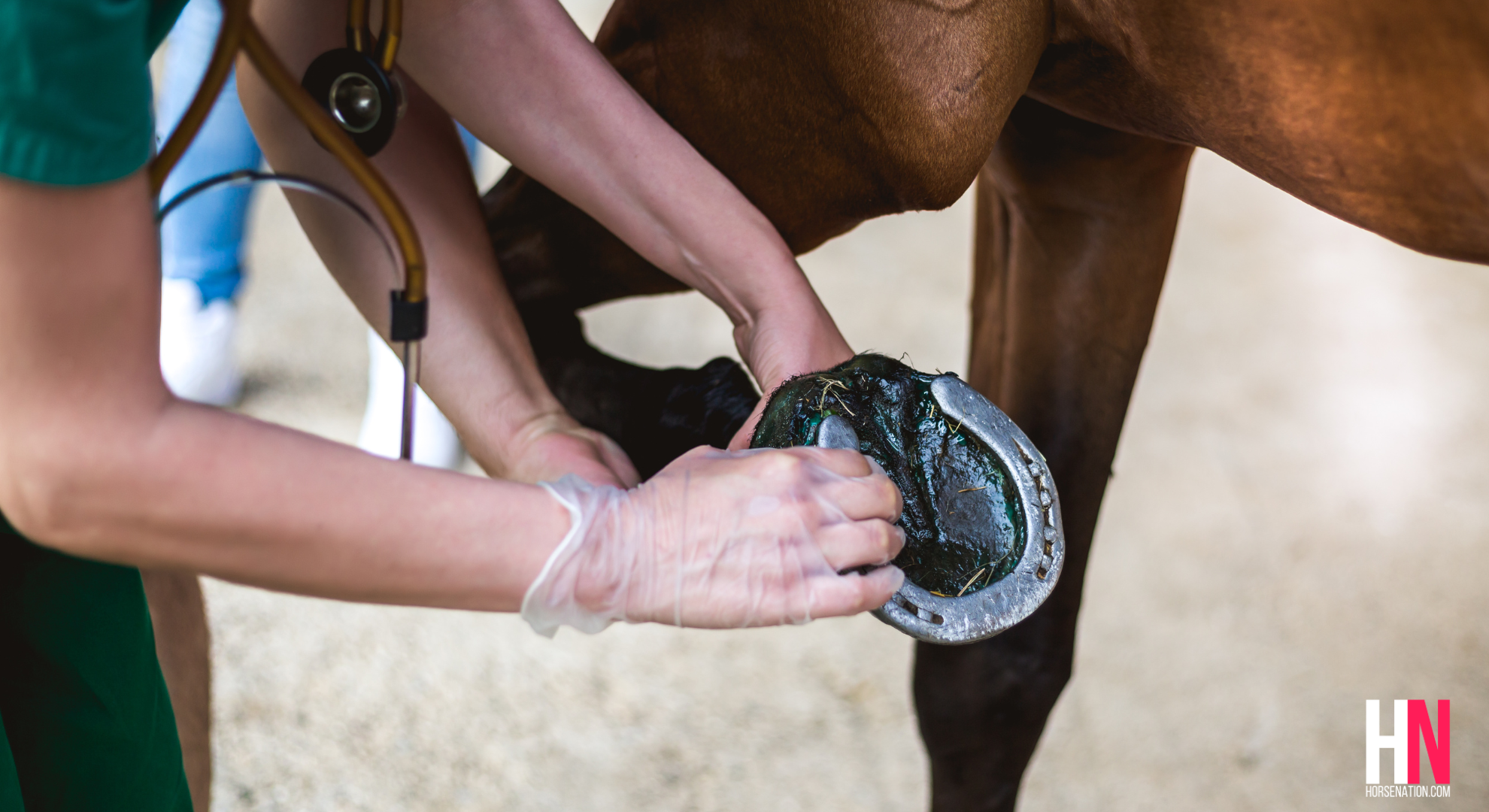
This is not the time to skip the pre-purchase exam because “the horse is cheap” or “you don’t want to offend the seller.”
Do the PPE.
A proper exam may not catch everything, but it can absolutely reveal issues that would significantly impact the horse’s suitability for your goals. Flexions, imaging, bloodwork if needed — have the uncomfortable conversations now instead of after the horse unloads at your barn.
Because once money changes hands, problems become yours.
Bring a knowledgeable trainer or horseperson
A horse can look very different to an emotional buyer than it does to an experienced set of eyes.
Someone objective may notice:
- signs of sedation
- inconsistencies in behavior
- training holes
- lameness
- dangerous handling habits
- obvious misrepresentation of experience or ability
And perhaps most importantly, they can help determine whether the horse actually fits you.
A good horse for somebody else may be a terrible horse for your situation.
Quarantine the horse before introducing it to your herd
This one gets overlooked constantly.
Many dealers move horses quickly through pipelines that include auctions, kill pens, feedlots, brokers, resellers, and other dealers. Some horses have been hauled through multiple states in a matter of weeks.
You have no idea what that horse has been exposed to.
Strangles. Respiratory crud. GI issues. Skin funk. Stress-induced illness. The list goes on.
Even if the horse appears healthy, quarantine matters. A couple weeks of separation and careful monitoring can save you a barn-wide nightmare later.
Give the horse time to settle in
This is another big one.
Many horses coming through trading pipelines have experienced constant transition:
- hauled repeatedly
- inconsistent feed
- changing handlers
- little turnout
- stressful environments
- zero routine
Sometimes the horse you bought isn’t necessarily “crazy” or “bad.” Sometimes it’s simply overwhelmed.
That doesn’t mean every issue gets excused. Dangerous behavior is dangerous behavior. But expecting a horse to step off a trailer and immediately become the same horse you test rode for 15 minutes at the seller’s property isn’t always realistic either.
Give the horse time to decompress, learn your program, settle physically, and understand expectations before making sweeping judgments.
At the end of the day, horse shopping requires balancing hope with realism.
We all want to believe the ad.
We all want the unicorn.
We all want the horse that’s talented, safe, sound, affordable, uncomplicated, and exactly what we imagined.
But desperation, urgency, and emotion are expensive in the horse world.
The best protection buyers have isn’t a Facebook post declaring how much of a scammer a seller is. It’s education. Patience. Due diligence. And the willingness to walk away when something feels off.
Because no matter how persuasive the ad is, no matter how many fire emojis are in the sales video caption, and no matter how badly we want it to work out,
“Buyer beware” still applies.
