



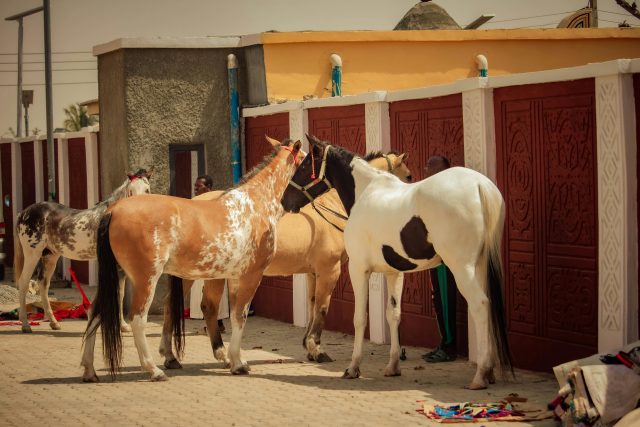
Emotional Challenges of Becoming a Veterinarian for Horses
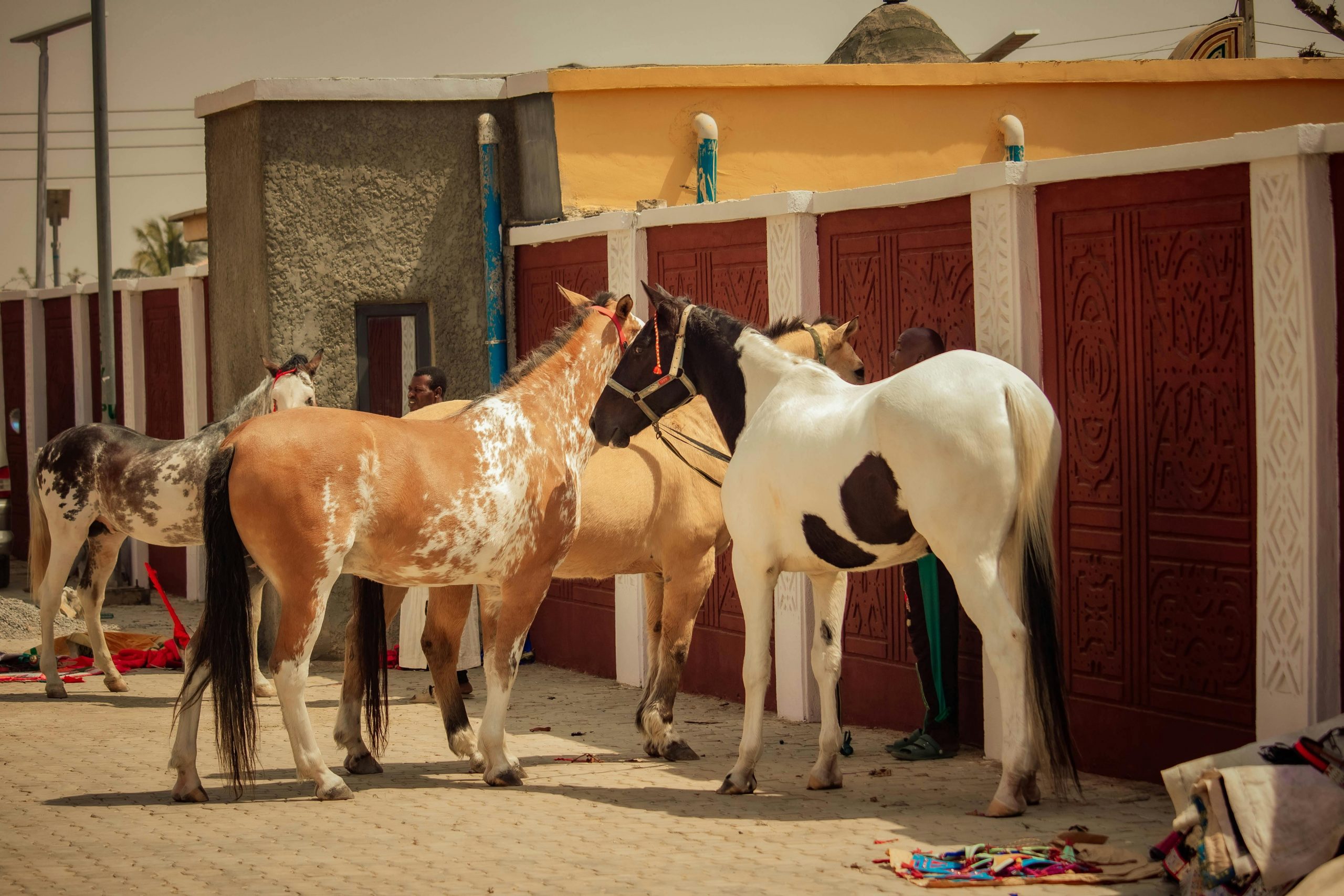
LakePOV/Pexels/CC
Many people dream about working with horses. It sounds like a beautiful life, does it not? Fresh air, strong animals, meaningful work, and the chance to help creatures that cannot speak for themselves. For many future professionals, becoming a veterinarian for horses feels like turning love into purpose.
But there is another side to this dream. The emotional challenges of becoming a veterinarian for horses are real, deep, and often invisible from the outside. This career is not only about medical skill. It is also about carrying pressure, sadness, responsibility, and emotional fatigue while still showing calm, kindness, and confidence.
If you want to become an equine veterinarian, or you simply want to understand this profession better, it helps to look beyond the romantic image. The road is rewarding, yes, but it can also feel like walking through a storm while trying to protect others from the rain.
Why the Dream of Becoming an Equine Veterinarian Feels So Powerful
For many people, horses are not just animals. They are partners, teachers, and symbols of freedom. That is why the desire to become a horse veterinarian often starts with emotion long before it becomes a career plan. Maybe you grew up riding. Maybe you spent hours at a stable. Maybe you felt that special connection only horse lovers truly understand.
This emotional bond can be a real strength because it gives future vets passion, patience, and motivation during a long and demanding journey. However, the educational path is often much harder than many students expect, with heavy coursework, long clinical hours, difficult exams, and constant pressure to master both theory and practice at the same time. When the workload becomes overwhelming, many students realize that asking for guidance, using tutoring services, or turning to essay writers for hire for academic support can be an important part of education rather than a sign of weakness. During the most stressful periods, love for horses often keeps them moving forward, but support from others can make that progress more manageable and less emotionally draining. In this way, passion becomes the engine under the hood, while getting help becomes one of the tools that keeps that engine running.
At the same time, that deep love creates vulnerability. The more you care, the more you feel. And in equine medicine, you will not always see happy endings. You will meet injured horses, frightened owners, and situations where your best effort is still not enough. That can be painful, especially for students or new graduates who entered the field with idealistic hopes.
There is also a quiet pressure in this dream. Many people think that turning passion into a profession will automatically make life fulfilling. Yet when your dream job becomes your daily job, it changes shape. Suddenly, the horse is not only a beloved animal. It is also a patient in pain, a medical case, a financial concern, and sometimes a life you cannot save. That shift can feel shocking.
So yes, the dream is powerful. But it is not soft and simple. It is more like fire. It gives warmth and light, but it can also burn.
The Pressure of Responsibility Can Feel Overwhelming
One of the biggest emotional challenges of becoming a veterinarian for horses is the weight of responsibility. Horses are large, valuable, sensitive animals. Their health problems can become serious very quickly. A delayed decision, a missed symptom, or a treatment that fails can lead to severe consequences.
That kind of pressure does not stay in the clinic. It follows you home.
As a student or early-career equine vet, you may constantly question yourself. Did I notice everything? Did I choose the right test? Should I have acted sooner? Self-doubt can creep in like fog, slowly covering your confidence. Even highly skilled professionals can struggle with it.
This pressure grows because equine medicine is rarely simple. Horses cannot explain what they feel. Owners may describe symptoms differently. Emergencies can happen at night, in bad weather, or far from the clinic. You may need to make decisions fast, with limited information, while people around you expect certainty.
And then there is the emotional pressure from owners. Many horse owners love their animals deeply. Some see them as family. Others rely on them for sport, work, or income. In either case, emotions run high. As the vet, you step into that emotional space every day. You are not only treating the horse. You are also managing fear, hope, guilt, frustration, and sometimes anger.
That is a heavy role. You become part doctor, part counselor, part crisis manager. Even on your strongest days, that can be exhausting.
Loss, Grief, and Hard Decisions Are Part of the Job
People often imagine veterinarians healing animals and sending them home stronger than before. Sometimes that happens, and those moments are wonderful. But the truth is more complicated. In equine practice, loss is part of the work. Injury, illness, age-related decline, and financial limits all affect outcomes. This means horse vets must face grief again and again.
That repeated exposure can change a person.
Compassion Fatigue Builds Quietly
Compassion is one of the most beautiful qualities in a veterinarian. It helps you connect, comfort, and care. But compassion is not endless. When you give it out every day without enough rest or support, it can wear thin. This is often called compassion fatigue.
It does not always arrive dramatically. Sometimes it starts as emotional numbness. You feel tired, but sleep does not fix it. You care, but showing care takes more effort than before. You may feel guilty for being less patient, less soft, or less emotionally available. It is like a well that once felt full but now echoes when you look inside.
For horse veterinarians, compassion fatigue can be especially hard because the work is so physical and emotional at the same time. One moment you are managing a difficult lameness case. The next, you are comforting an owner in tears. Then you drive to another farm and begin again. There is often little time to process what you just experienced.
Students and new vets may not recognize these signs early. They may think they simply need to work harder. But emotional exhaustion is not laziness. It is the cost of caring without enough recovery.
Euthanasia and Owner Conversations Leave a Lasting Mark
Among the hardest parts of equine veterinary work is euthanasia. Few emotional challenges compare to helping end the life of a horse, even when it is the kindest decision. The act requires calm hands and a steady voice, but inside, many vets feel sorrow, tension, and emotional strain.
It is not only about the procedure itself. It is also about the conversations before it happens.
How do you tell an owner that treatment is no longer fair to the horse? How do you explain that recovery is unlikely? How do you stand beside someone’s heartbreak and still remain professional enough to guide the next steps?
These moments can stay in the mind for years. Some cases return at night like old echoes. A young horse with a catastrophic injury. A beloved mare whose body can no longer carry her. An owner who is not ready to say goodbye. These memories do not disappear just because the workday ends.
And sometimes the pain becomes even more complex when money is involved. A horse may need expensive care, but the owner cannot afford it. Then the vet carries a painful truth: medicine has options, but life has limits. That emotional conflict can feel brutal.
The Career Can Affect Personal Life and Mental Health
The emotional challenges of becoming a veterinarian for horses do not stay at work. They often spill into personal life, relationships, sleep, and mental health. This is one reason the profession can feel like a calling and a burden at the same time.
Equine veterinarians often work long hours. Emergencies do not wait for weekends or holidays. A horse with colic at midnight does not care that you missed dinner, skipped rest, or already had a twelve-hour day. Over time, that schedule can lead to chronic stress.
Stress changes how people think and feel. It can make you more irritable, more anxious, and less able to recover after difficult cases. You may begin to feel emotionally distant from friends or family because they do not fully understand your world. After all, how do you casually explain a traumatic field emergency over breakfast?
There is also the problem of perfectionism. Many people who become veterinarians are high achievers. They are used to working hard and holding themselves to a high standard. That can help in training, but it can also become a trap. When every mistake feels personal, even small setbacks can hit hard.
Mental health matters deeply in this profession. Feelings of anxiety, burnout, sadness, and isolation can develop slowly. Some people feel ashamed to admit they are struggling because they think they should be tougher. But emotional strength is not the absence of pain. Real strength includes knowing when support is needed.
In that sense, becoming a horse veterinarian is a bit like riding a powerful horse for the first time. Skill matters, yes, but balance matters just as much. Without balance, even the strongest rider can fall.
Building Resilience Without Losing Your Heart
So, does all this mean becoming a veterinarian for horses is too emotionally hard? Not at all. It means the career needs honesty, preparation, and support. The goal is not to become cold. The goal is to become resilient without losing your heart.
Resilience starts with realistic expectations. Future equine vets should know that love for horses is essential, but it is not enough by itself. You also need emotional tools. You need boundaries, coping strategies, communication skills, and mentors who speak openly about the hard parts of the job.
Support systems are vital. Talking with other vets, joining peer groups, seeking counseling, and sharing difficult experiences can make a huge difference. Emotional pain grows in silence. It often becomes more manageable when spoken aloud.
Healthy habits matter too. Sleep, movement, rest, and time away from work are not luxuries. They are survival tools. In a profession built around caring for others, self-care is often treated like an optional extra. It is not. You cannot pour from an empty bucket, and you cannot care well for horses if your own mind is running on fumes.
It also helps to celebrate the meaningful moments. A horse recovering well. An owner thanking you with tears in their eyes. A difficult diagnosis caught in time. A foal standing for the first time. These moments are not small. They are emotional anchors. They remind vets why they chose this path in the first place.
Most importantly, resilience means accepting that being affected by the work does not mean you are weak. In fact, it often means the opposite. It means you still care. It means your heart is still awake.
Becoming a veterinarian for horses is emotionally demanding, but it can also be deeply meaningful. It asks for science, stamina, and compassion all at once. The road is not easy. It includes pressure, grief, self-doubt, and sacrifice. Yet for many people, it also offers a rare kind of purpose: the chance to stand beside horses and the humans who love them during their most vulnerable moments. That is not a small calling. It is a brave one. And while the emotional challenges of becoming a veterinarian for horses are real, so is the quiet strength that grows from meeting them with honesty, support, and heart.
