



The Smart Money Is Moving Off the Main Stage and Straight Into Equestrian Sports
A major private equity move into equestrian sport signals a broader shift in how investors value participation-driven sports, loyal communities, and year-round event economies.
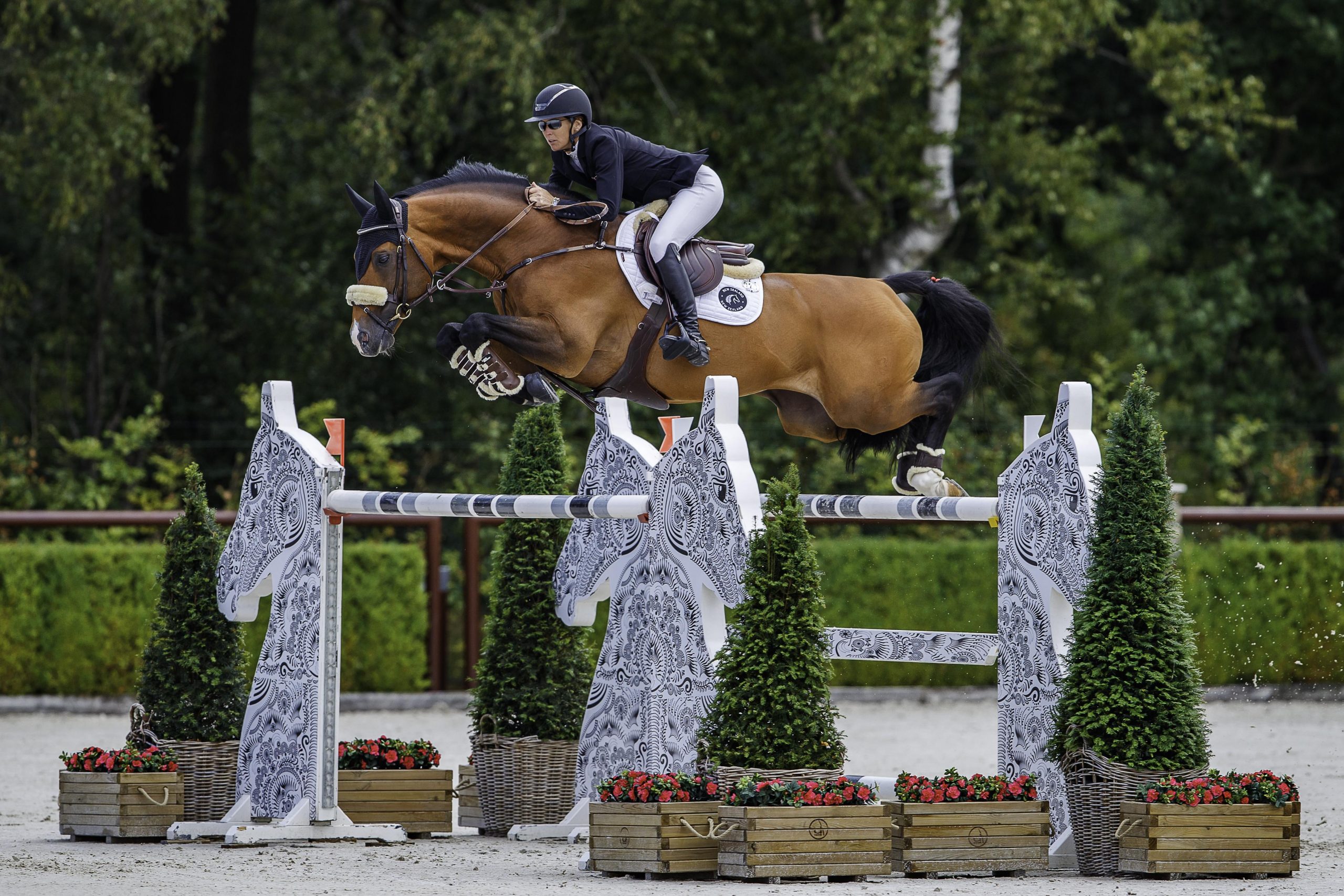
Samantha McIntosh (NZL) rides Check In 2 during the second round. FEI Olympic Qualifier for Team Jumping.Topps Inter national Arena. Valkenswaard, Netherlands. Photo by FEI/Libby Law.
For decades, when big money came sniffing around sports, it went straight for the spotlight. Major leagues. Broadcast rights. Billion-dollar franchises with global TV audiences and celebrity owners.
That playbook is changing.
This week’s news that CVC Capital Partners’ Global Sport Group is nearing a reported $300 million acquisition of a majority stake in Equine Network isn’t just another investment headline, it’s a signal flare. Institutional capital isn’t just chasing eyeballs anymore. It’s chasing ecosystems.
And equestrian sport checks every box.
This Isn’t About Broadcasts. It’s About Participation.
Equine Network isn’t a single league or discipline. It operates more than 40 competitions across sports like team roping, show jumping, and ranch sorting, and manages roughly 800 third-party events annually. That’s not a TV schedule, it’s a year-round calendar powered by people who show up, haul in, pay entry fees, and come back again next month.
That’s the part Wall Street likes.
Participation-driven sports offer:
- Predictable, repeatable revenue
- Built-in community loyalty
- Event-led cash flow that doesn’t depend on primetime slots
- Multiple monetization layers beyond media rights
In other words: durability.
Equestrian sport has always had scale, global reach, and spending power. What it’s historically lacked is consolidation—and institutional capital willing to take it seriously as a business, not a novelty.
That gap is exactly where specialized sports private equity likes to operate.
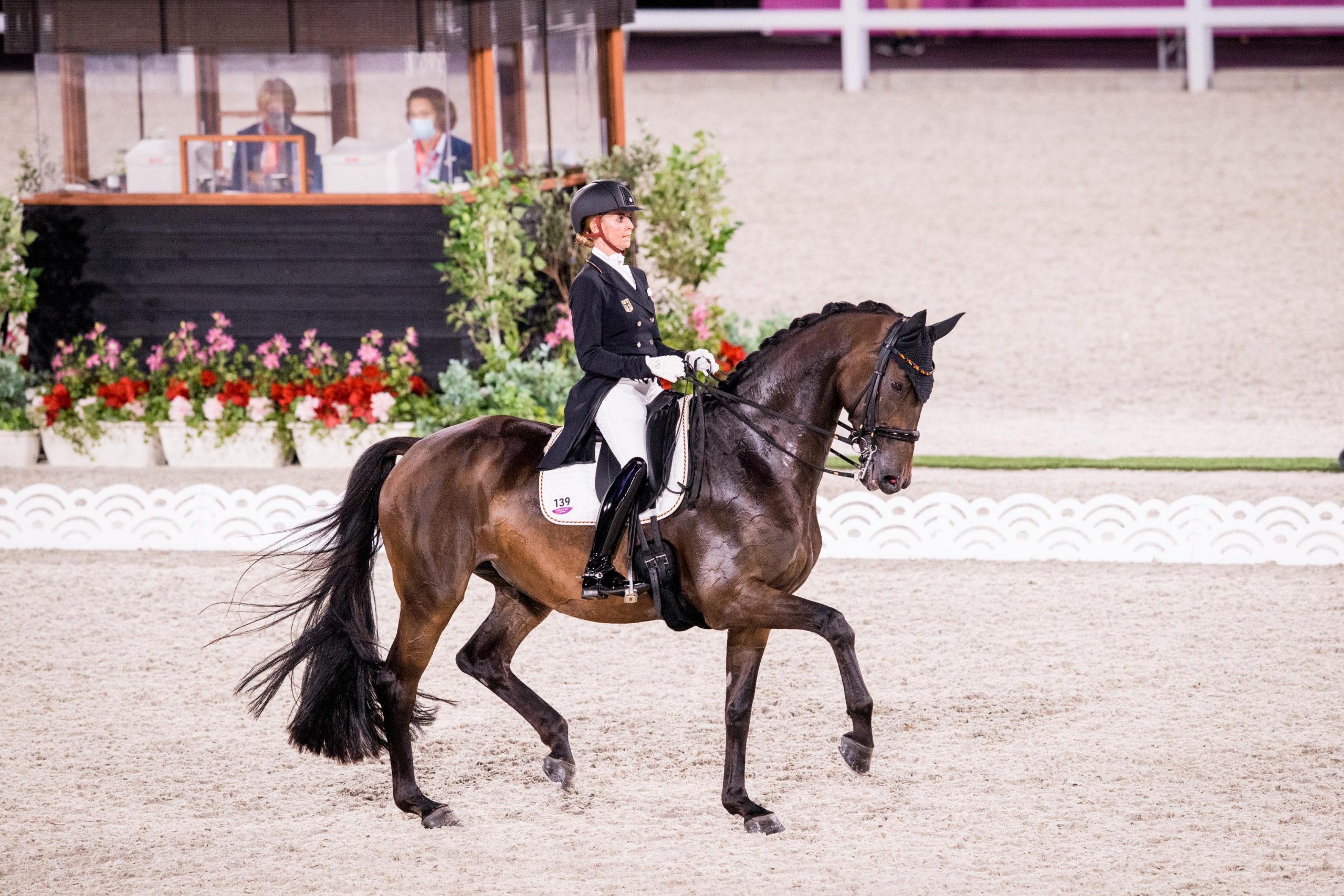
Jessica von Bredow-Werndl (GER) with her ride TSF Dalera at the Baji Koen Equestrian Park Tokyo (JPN). Photo by FEI/Shannon Brinkman.
Follow the Pattern, Not the Hype
Once Equine Network joins Global Sport Group’s portfolio, it’ll sit alongside properties like the Women’s Tennis Association, LaLiga, Ligue 1, Premiership Rugby, the Six Nations, and Volleyball World, collectively valued at around $14 billion.
At first glance, equestrian sport might seem like an outlier in that list. It isn’t.
The common thread isn’t fame. It’s structure:
- Fragmented sports with loyal participant bases
- Predictable event revenue
- Limited institutional competition
- Operational upside through professionalization, technology, and data
This is capital rotating away from headline assets and toward infrastructure-style sports businesses—places where long-term value is built through operations, sponsorship layering, analytics, and ownership, not just broadcast deals.
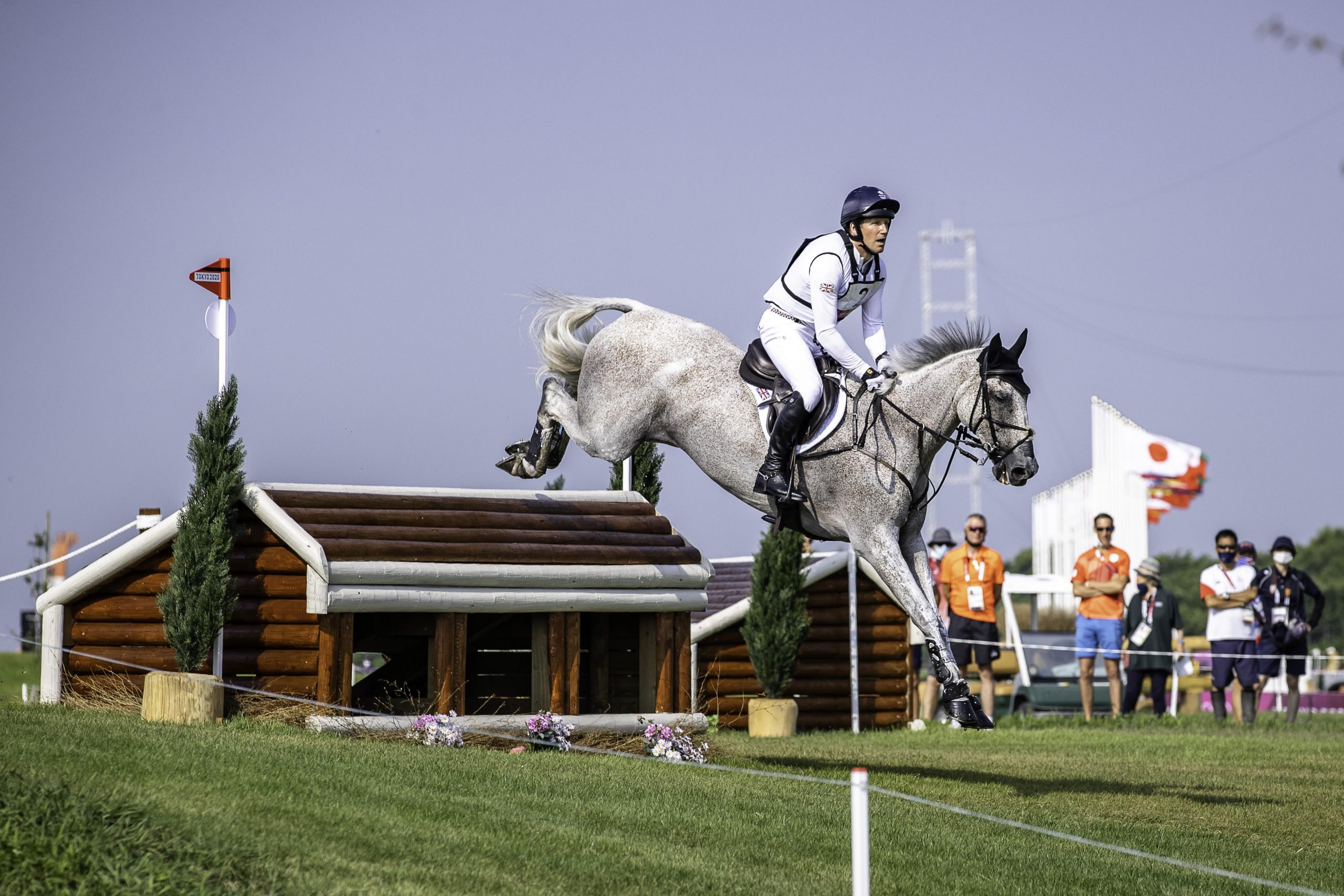
GBR-Oliver Townend rides Ballaghmor Class during the Eventing Cross Country Team and Individual. Tokyo 2020 Olympic Games. Photo by FEI/Libby Law Photography.
What This Means for the Horse World
Let’s be clear: this isn’t about turning every horse show into a made-for-TV spectacle. It’s about recognizing that equestrian sport already functions like a modern business ecosystem … it just hasn’t always been treated like one.
Private equity doesn’t invest on feel alone. It invests on fundamentals. And the fundamentals of equestrian sport — repeat participation, high engagement, lifestyle identity, and consistent spend — are strong.
That doesn’t mean change won’t come. It likely means:
- More standardized operations
- Better data and technology
- Expanded sponsorship and commercial partnerships
- New formats designed to broaden audiences without replacing the core
Whether that’s exciting or unsettling probably depends on where you sit in the industry. But it does mean one thing for sure:
Equestrian sport is no longer flying under the radar.
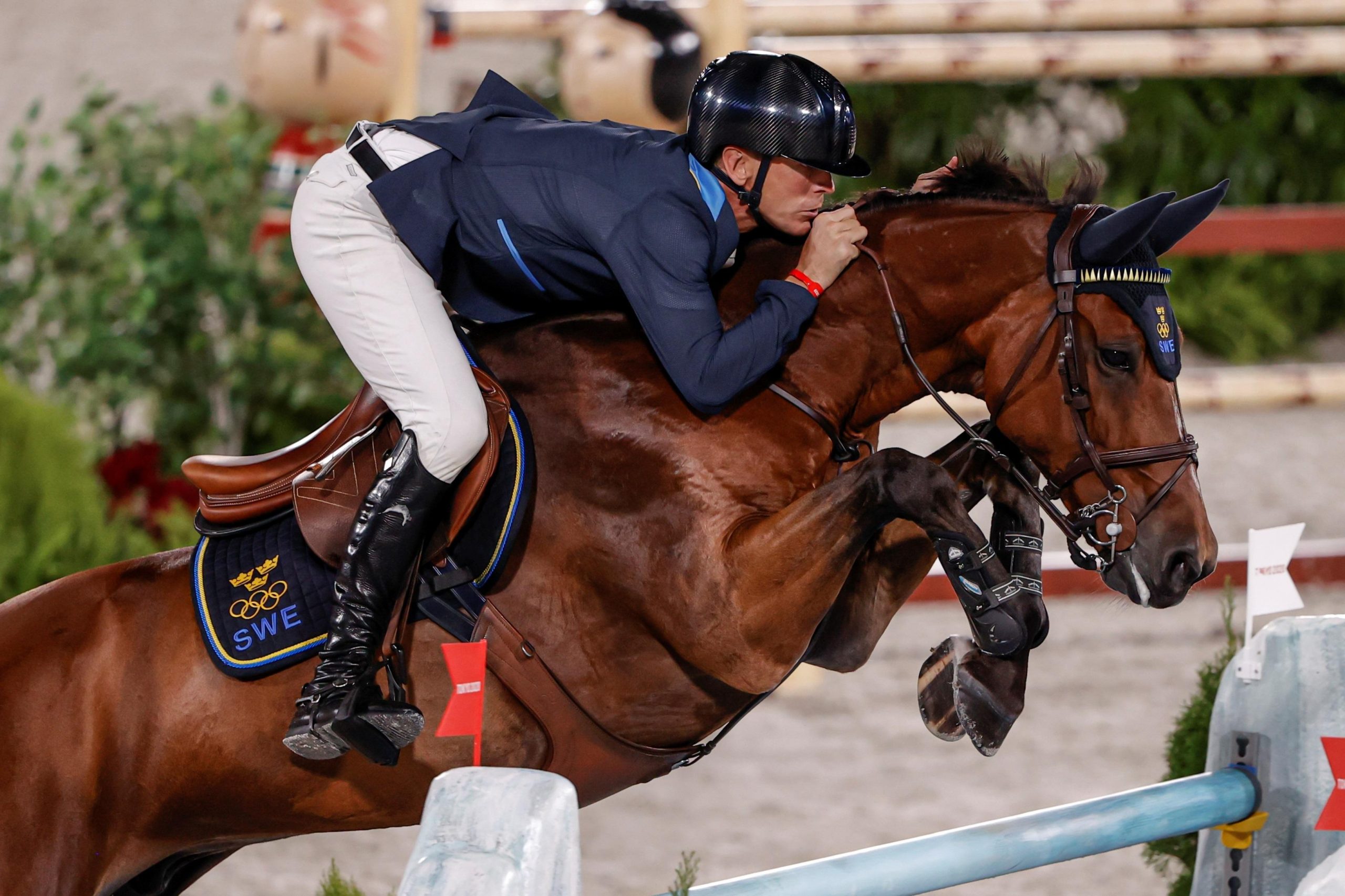
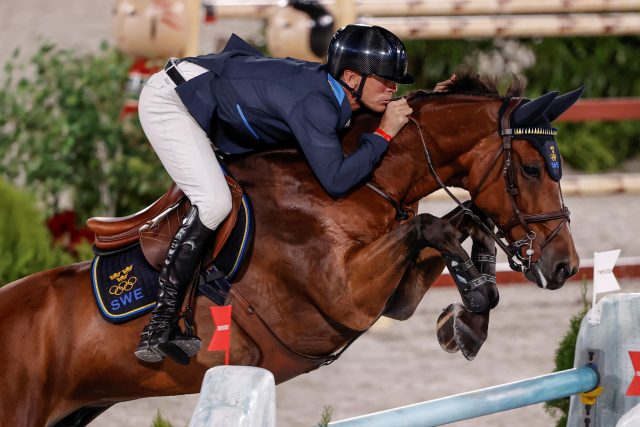
Tokyo 2020 Olympic Games. Team Jumping Final. Peder Fredricson (SWE), All In. Photo by FEI/EFE/Kai Försterling.
Not an Outlier. A Signal.
Global Sport Group reportedly is targeting €2.7 billion in financing to fuel additional acquisitions. Equine Network just happens to be the first move out of the gate.
Smart money is no longer obsessed with the biggest stage. It’s buying the roads, the barns, the calendars, and the communities that keep sports alive year after year.
And this time, it’s betting on horses.
Sources:
- SportsPro: CVC Global Sport Group nears ‘US$300m’ Equine Network acquisition
- LinkedIn analysis by David Lasday on sports private equity and participation-driven models
