



Honesty Isn’t a PPE: Why New Horse Owners Need More Than Trust
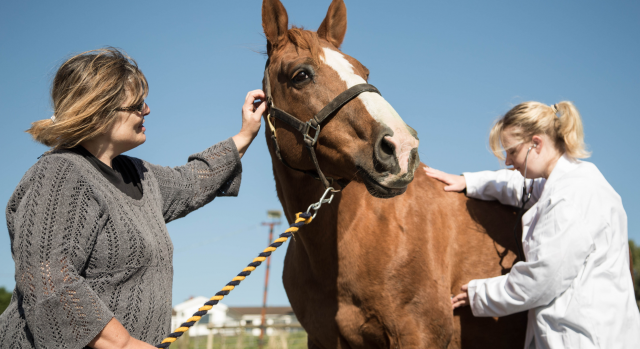
For new horse owners, skipping a pre-purchase exam (PPE) doesn’t make you trusting or optimistic. It just makes the learning curve steeper and more expensive.
Canva/Paulo Sousa/CC
An acquaintance I know in the horse world recently told me she was buying a horse. This is either her first horse — or the first one she’s had in a very long time. She’s excited, and honestly, that makes sense. In the years I’ve known her, she’s talked about wanting her own horse. Her daughter takes weekly lessons and is progressing at a perfectly normal pace for a kid riding once a week. She can groom, tack up, untack, clean stalls. What she hasn’t learned yet is the kind of horse care that lives outside the lesson bubble.
The buyer has said she’s leased horses in the past (not in the time I’ve known her) and has been taking lessons consistently. It’s fair to call her an intermediate rider who not only is about to step into horse ownership, but also, very likely, into a few extremely expensive lessons that no trainer syllabus covers.
When she told me about the purchase, she sent a photo of the horse. Not a conformation shot. Just a fuzzy horse in tack, standing on the crossties. His feet were clearly overdue, and he looked like he could use some groceries.
I replied the way most of us would: congratulations first, then a recommendation to get a PPE. Her response came back quickly: “Thanks for the advice, but the lady has been really honest with me.”

There are so many issues with that statement. I literally can’t even. Sigh.
I gently suggested a PPE again, explaining that I see them as fact-finding missions, not pass/fail exams. And then I stopped. The advice wasn’t solicited, and she was clearly set on this horse. But I won’t pretend it didn’t give me anxiety. Because… why wouldn’t you do a PPE?
To be clear, I have bought horses without PPEs. I’ve bought horses sight unseen without PPEs. But I also know what maintenance on a performance horse looks like. I know what arthritis management costs. I know what rehabbing bad feet takes—and I have a farrier who can get them there. I know how to put weight on an underfed horse, how long it takes, and how much it costs. I know my own limits, and I know how to recognize a horse’s limits.
A new horse owner does not yet have that framework.
And that’s why, for inexperienced buyers, skipping a PPE isn’t just risky, it’s unnecessary self-sabotage.
A basic PPE isn’t about killing the dream. It’s about understanding it.
Here’s what a PPE can give you that “honesty” alone can’t:
1. A Reality Check on What You’re Actually Buying
Canva/SashaFoxWalters/CC
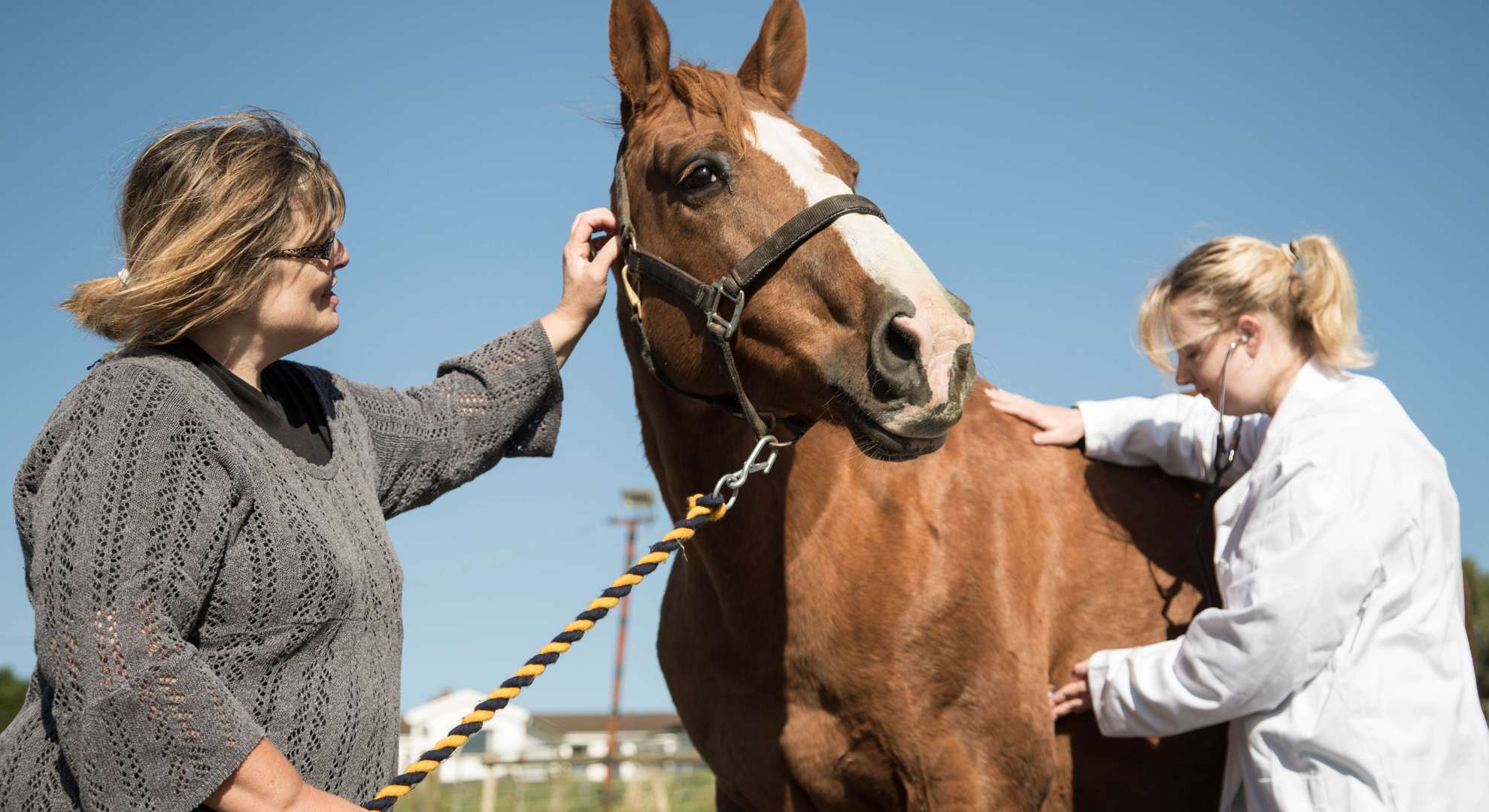
A horse can be sweet, quiet, and well-meaning and still be the wrong horse. A PPE helps identify what’s there right now, not what you hope will be there in six months.
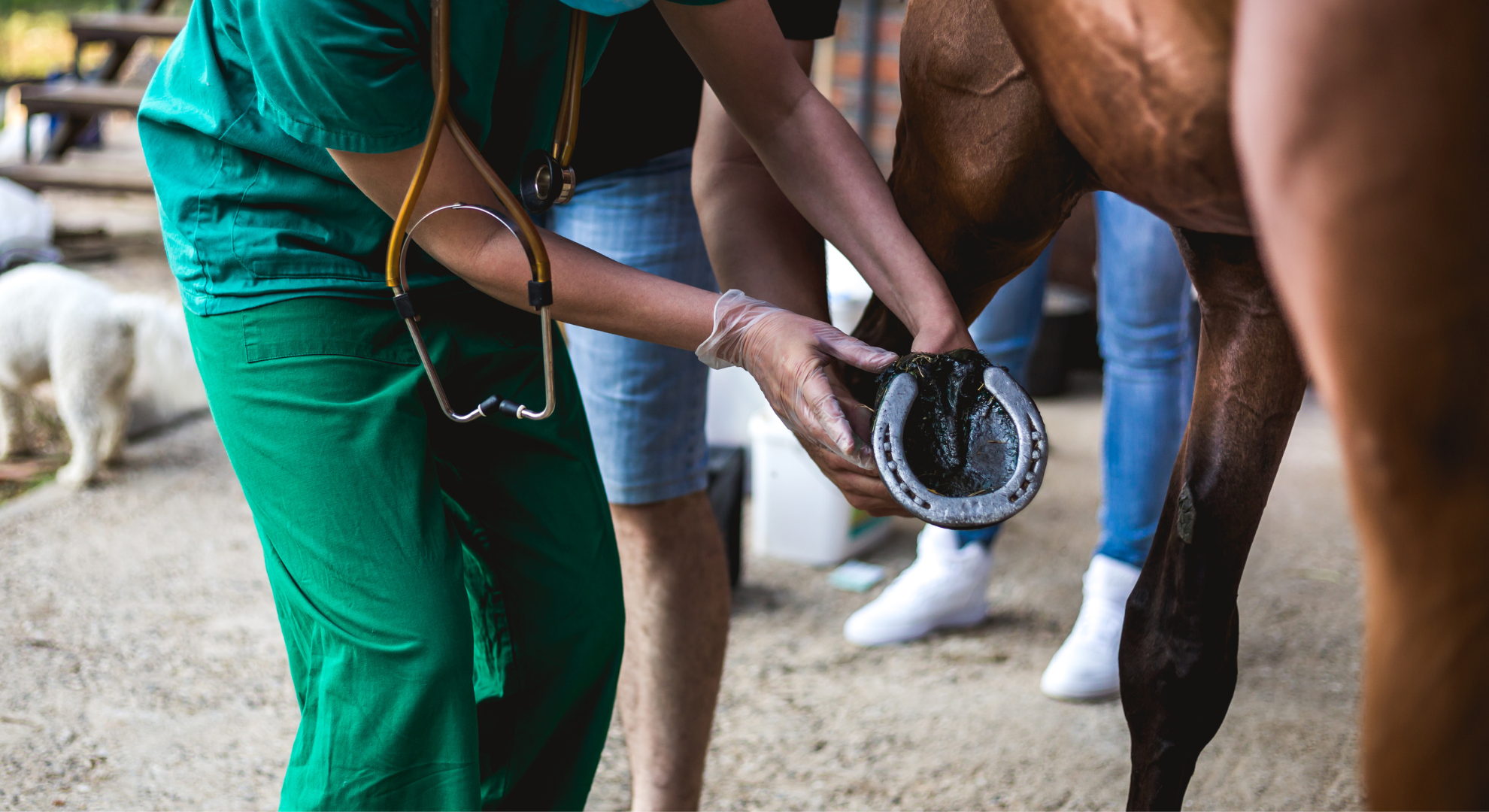
Feet that haven’t been done in a while might be a simple scheduling or budgeting issue. Or they might be the tip of a long-term hoof imbalance that will require corrective shoeing, frequent resets, and a bigger farrier bill than you planned. A thin horse might just need groceries. Or it might have underlying metabolic, dental, or parasite issues that complicate weight gain.
None of this means “don’t buy the horse.” It means “know what you’re signing up for.”
2. Information, Not Judgment
Good vets don’t approach PPEs as pass/fail exams. They approach them as information-gathering exercises. The goal isn’t to disqualify the horse; it’s to explain the horse.
For a new owner, that explanation is invaluable. You don’t yet know which red flags are manageable and which ones will quietly drain your bank account and enthusiasm. A vet does.
3. Suitability for What You Want to Do
Canva/bluegame/CC
This is the part people forget. A PPE isn’t just about legs and lungs. It’s also about fit.
A veterinarian can help assess whether the horse is appropriate for your goals: lesson horse, low-level showing, trails, pony club, kid-safe family horse, or stepping-stone mount. They can talk honestly about whether the horse’s physical condition, soundness, and mental state line up with what you want to do—not what the seller hopes you’ll do.
A horse that’s technically “sound” may still be a poor match for a nervous adult amateur or a child moving out of beginner lessons.
4. Insight Into Temperament and Reactivity
No PPE replaces riding the horse, but vets see hundreds — sometimes thousands — of horses across disciplines and management styles. They can often provide insight into reactivity, flightiness, handling tolerance, and stress responses during the exam.
How does the horse respond to pressure? To new environments? To restraint? To discomfort? These things matter deeply for new owners who are still developing their confidence and timing.
A horse that’s manageable for a professional can be overwhelming or dangerous for a novice.
5. A Budget Forecast (Yes, Really)
Canva/CC
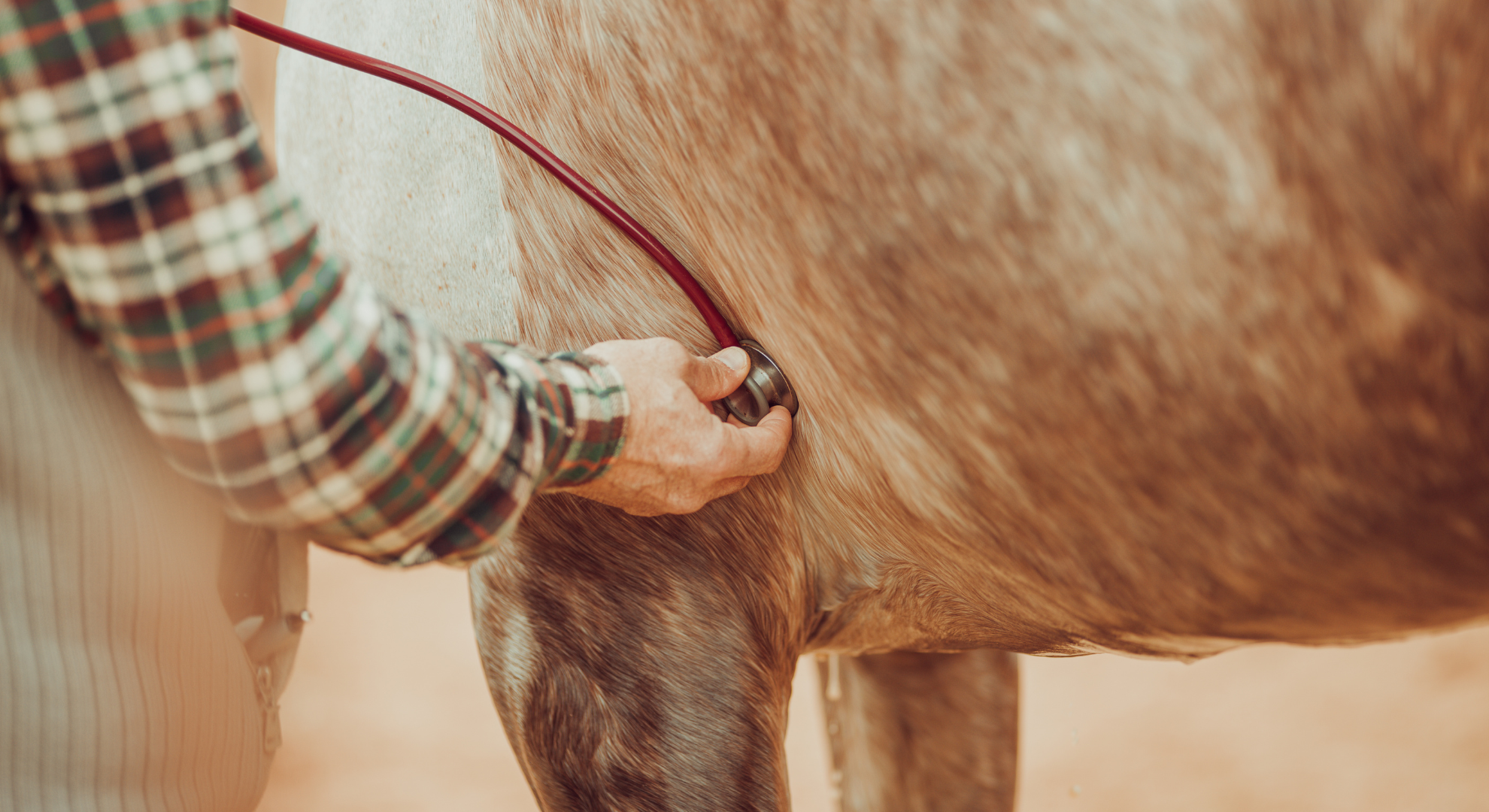
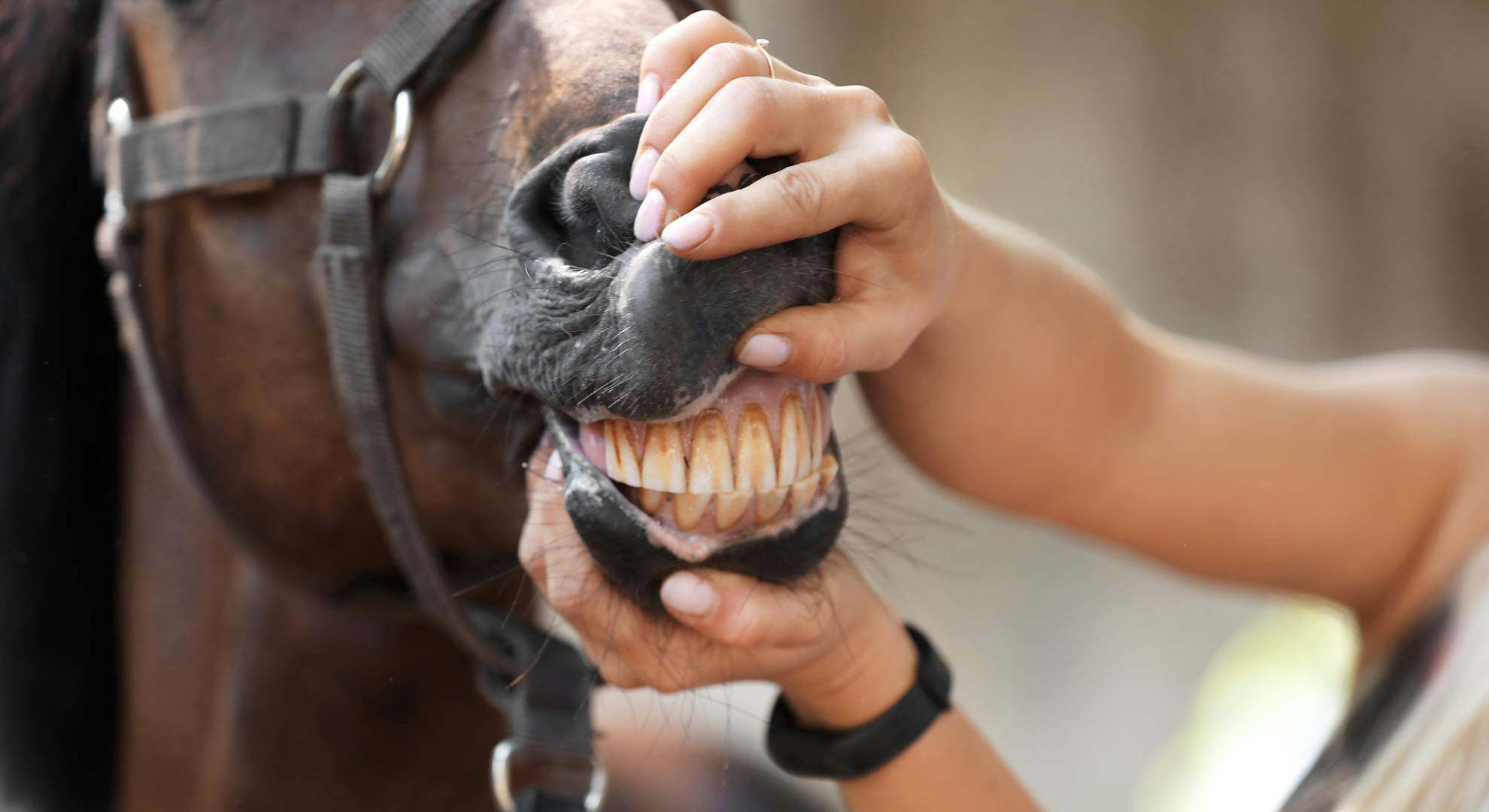
A PPE helps you anticipate ongoing costs. Maintenance injections. Special shoeing. Supplements. Dental work. Frequency of care.
Knowing these things upfront allows you to decide whether the horse fits your life, not just your heart. Loving a horse doesn’t make the bills smaller.
6. A Neutral Third Party in an Emotional Moment
Buying a horse is emotional. Sellers — even honest ones — are not neutral. Friends often mean well but lack current, practical experience. A veterinarian has no reason to talk you into or out of the horse. Their job is to explain what they see and what it means.
That neutrality is priceless when your judgment is clouded by excitement.
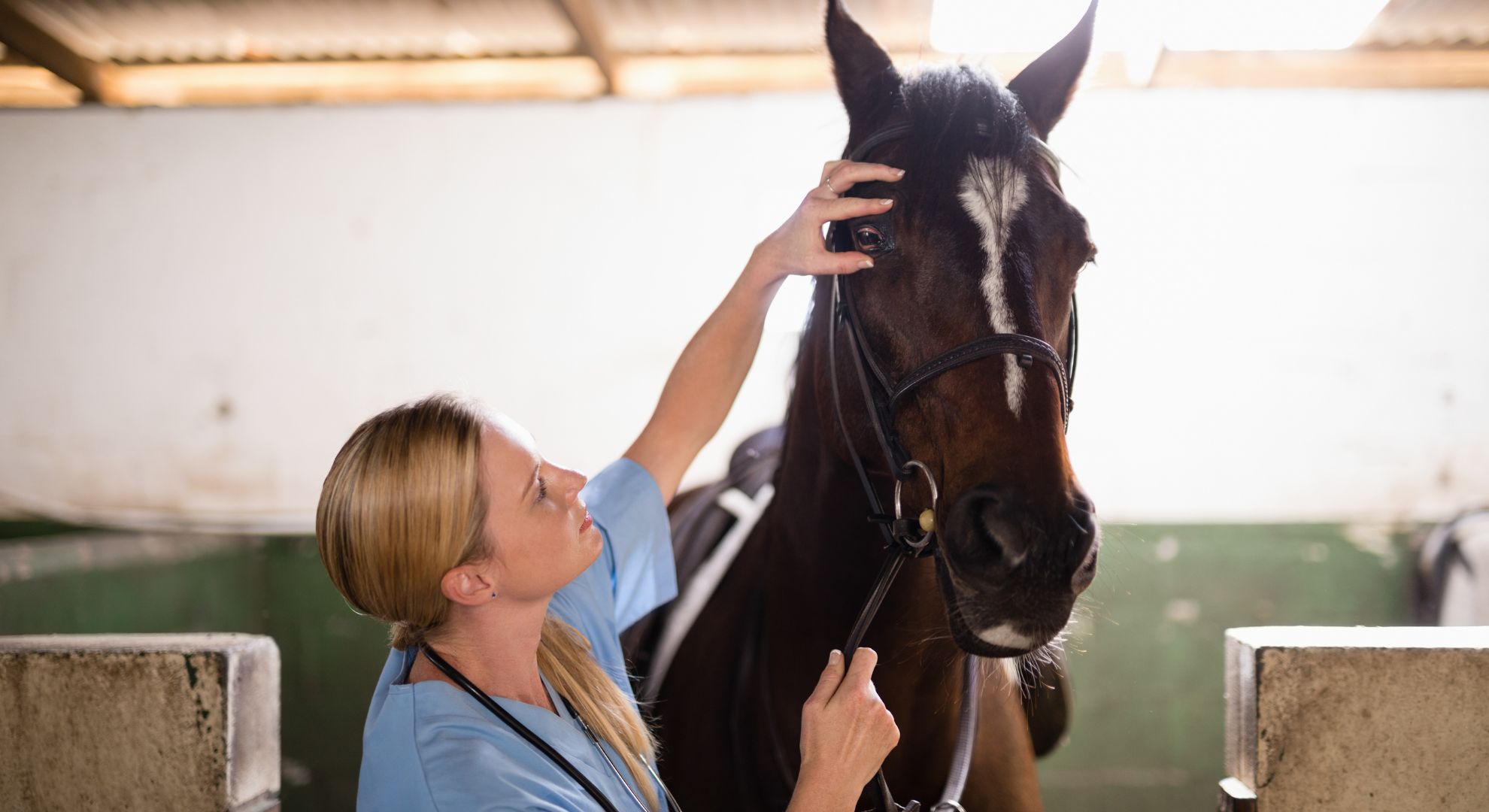
7. Protection From “Expensive Lessons”
Canva/Wavebreakmedia/CC
Every horse teaches you something. But some lessons cost far more than others.
Skipping a PPE as a new owner often turns horse ownership into a crash course in vet bills, farrier emergencies, confidence loss, and regret. Not always, but often enough that it’s worth saying out loud.
Spending a few hundred dollars now can save you thousands later. More importantly, it can save your enthusiasm for horses.
Horse ownership is rewarding, humbling, and expensive even when everything goes right. For new owners, knowledge isn’t a luxury, it’s protection.
A PPE won’t guarantee perfection. But it will give you some clarity, which is one of the best investments you can make.
Canva/Karola G/CC
