



Thoroughbred Logic, Presented by Kentucky Performance Products: Why Rehomers Matter
“These are folks who understand both sides of the horse’s career. They understand both the track and the sport horse life. Basically, these people are translators. And the best of them work to make both sides understandable to each other…”
Welcome to the next installment of Thoroughbred Logic. In this weekly series, Anthropologist and trainer Aubrey Graham, of Kivu Sport Horses, offers insight and training experience when it comes to working with Thoroughbreds (although much will apply to all breeds). This week ride along as Aubrey shares her logic on the people responsible for rehoming Thoroughbreds after they’re done at the track.
Ages ago, I had a hard decision to make: buy the motorcycle or buy the horse. No, this wasn’t a midlife crisis — this was just me with my first job that paid a somewhat real wage after being a grad student and freelance photojournalist for eons. Clearly, I couldn’t put that income in savings. Clearly, I needed to do something dumb. So, after deciding that the motorcycle wouldn’t get me to my job (since riding a smaller powered bike on the Atlanta freeway system seemed stupid), I did the really smart thing and bought the mode of transportation that would never do much but go in varying sizes of circles. Forrest (Don’t Noc It) shipped home about a month later.
But my decision-making skills and utter lack of financial smarts aside, I will admit to doing one intelligent thing in that process. I reached out to rehomers. I picked up the phone and didn’t just ask about the specific horses, but asked about the process. I didn’t just want to buy a Thoroughbred, I wanted to understand “how this works.” It wasn’t just a two neatly sealed boxes called TRACK and SECOND CAREER, but there was a transition in there — the “to” (track to second career) that mattered. And in that swing position — that in-between — you have your rehomers.
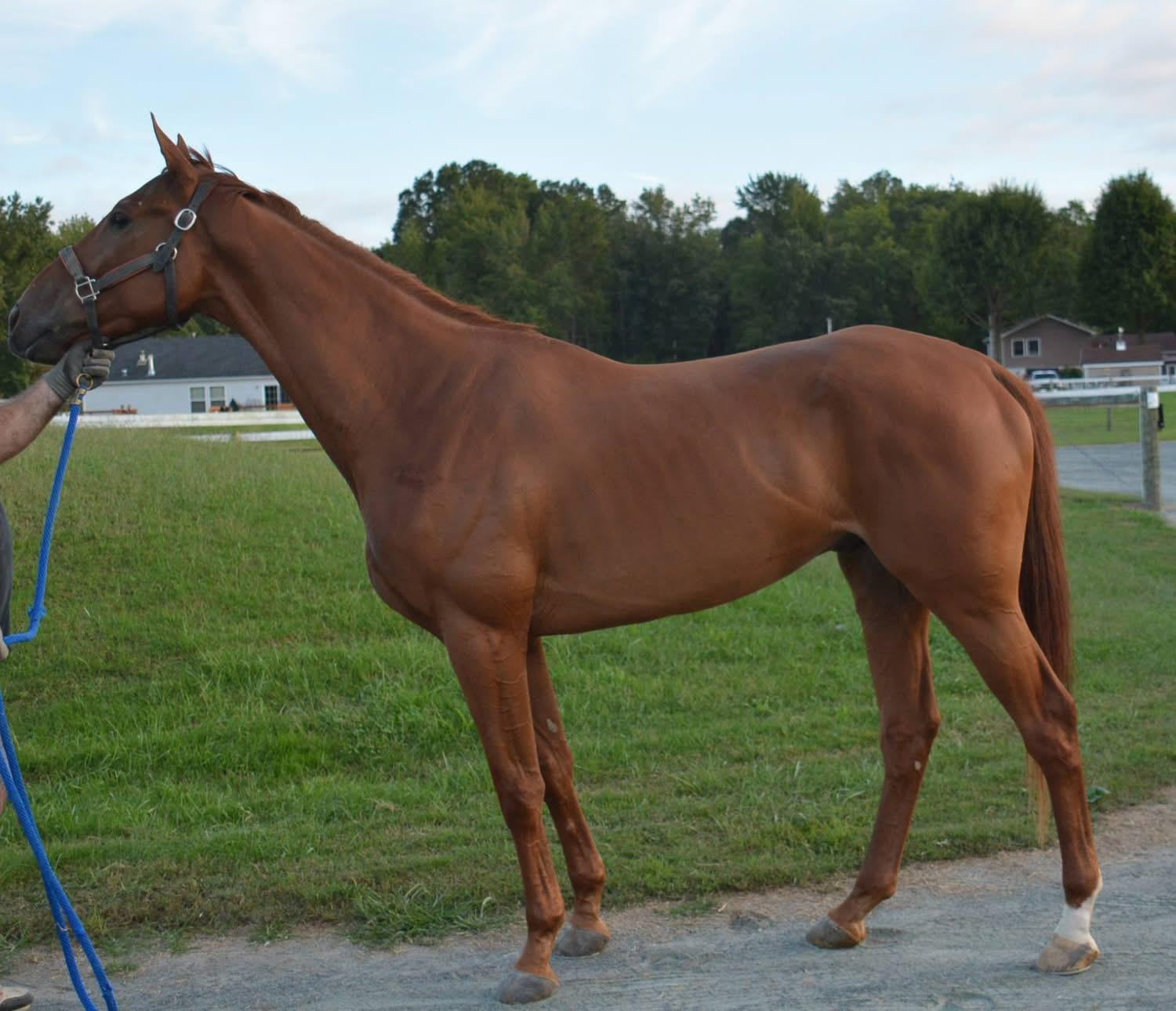
Forrest (Don’t Noc It) stood up for sale at Benchmark Sporthorses. Photo by Jessica Redman.
These are folks who understand both sides of the horse’s career. They understand both the track and the sport horse life. Basically, these people are translators. And the best of them work to make both sides understandable to each other, but also keep the horse safe as they cross that threshold and transition into their new job off the track. And over the years, I have found that translation to provide the most helpful information I have received about a horse.
Now that I have a foot in both worlds and a barn full of young off-track horses, I also find that translation to be one of the most fulfilling parts of the job. It is not just about match making — it is about making the horse, its background, and where it will be happy and successful, make sense.
When I was shopping for that first Thoroughbred (I had trained everyone else’s for decades, but that was different), I learned to value the insight from the folks who knew the horse and knew its career. Sure, I could proverbially ride anything. But when I was inquiring about horses at the Secretariat Center, the placement specialist told me that I was probably looking at the wrong horse. I was curious about their 17.2 hand six-year-old, but based on my drive and upper level intentions, she pointed me away from his luggish-ness towards a sporty 16.1h option instead. Yes, I was one of the ding dongs who thought that because I have long legs and because I had just run prelim on a 17.2h horse, I needed tall. Nopelope. Not the case — but I didn’t fully grasp that then.
I kept looking. Then, Forrest — a horse from Jessica Redman — in theory checked all the boxes. He was a growing coming-four-year-old with ample “go” — and hopefully ample talent. So he came home and I realized just how much I had to learn.
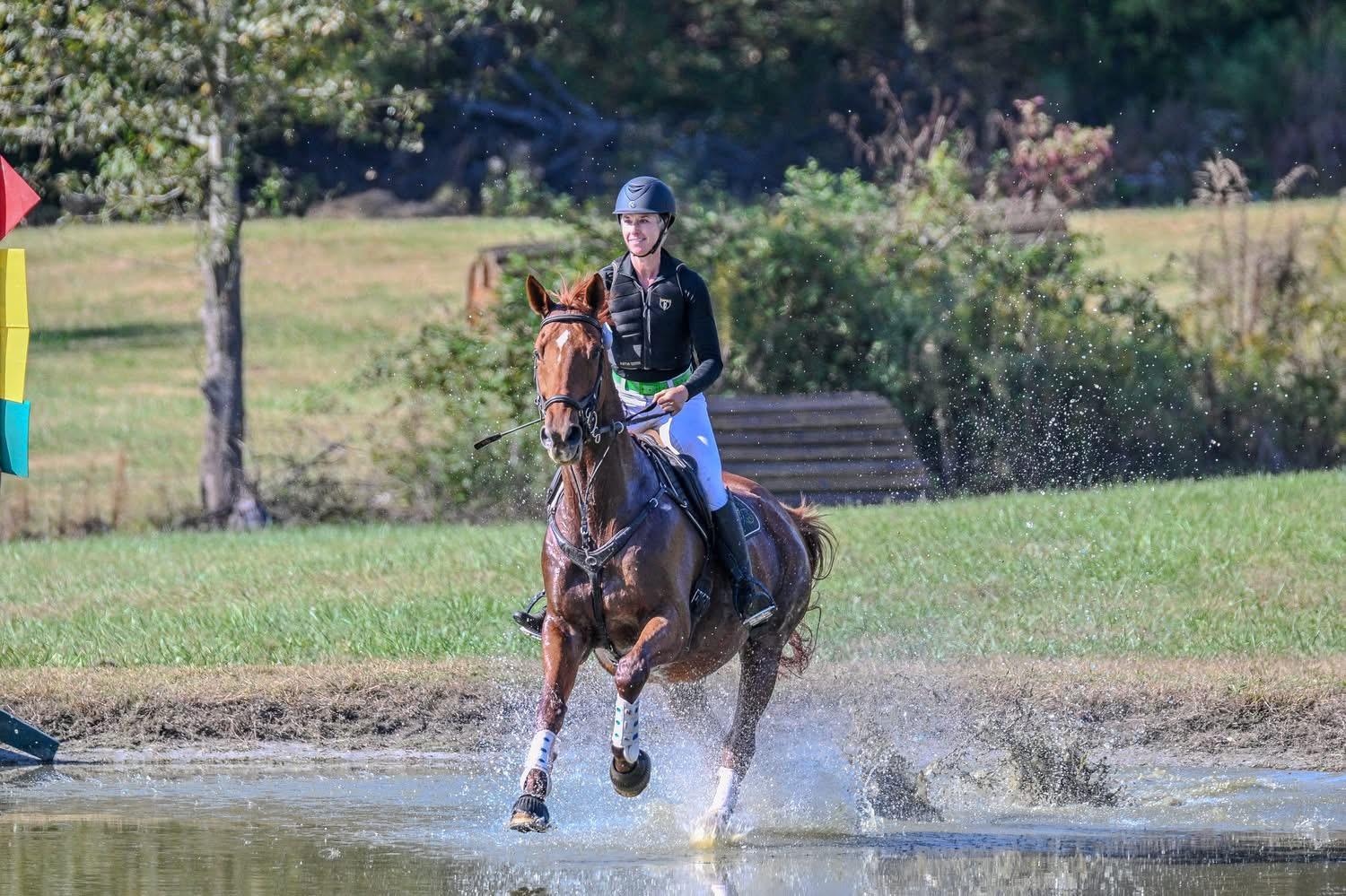
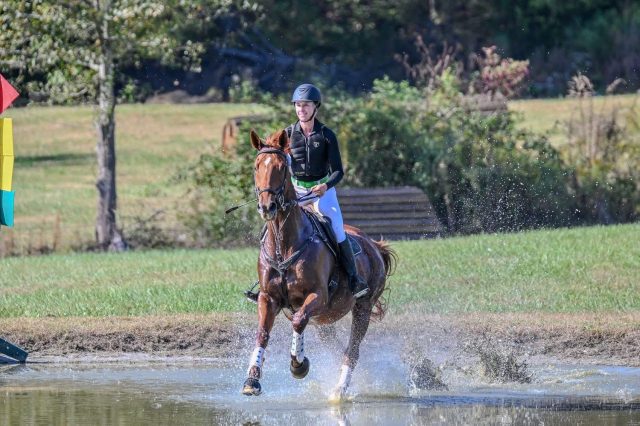
Forrest blasting around at Ashland Farm as a nine-year-old. Photo by Cora Williamson Photography.
Over the years since then, my life has somehow organically transitioned into full time, full throttle Thoroughbreds. In so doing, I have realized just how much the role of the rehomer is overlooked/misunderstood.
I say that as I see so many ISO postings for “young, sound, sane, safe, quiet, restarted, started over fences…” with a budget of low fours. That always gives me pause. Something in that list has to give to reach the budget limit. Even quality horses selling directly from the backside of the track are selling for more than that throughout the year. And then when folks with that type of list reach out, they often want to know where said rehomer gets their horses so they can go to the source.
Hang on, now.
Sure, with any technical middle man, translator, or transitioner, there’s an added cost. So, what is someone paying for when they buy a Thoroughbred through a rehomer? Assuming the person is reputable (many absolutely are, but sure — like any profession, there certainly are a bunch out there who are not), a buyer is accessing knowledge, experience, trusted connections, and mitigated risk.
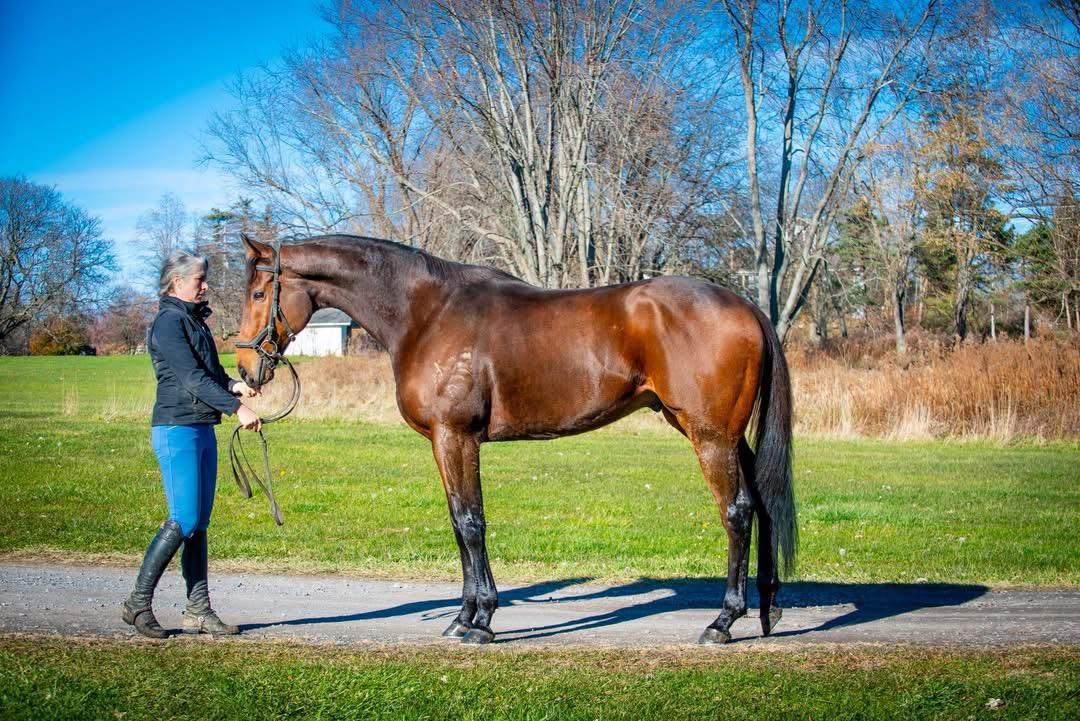
Gandy Dancing is one heck of a nicely put together event prospect, but this serious warhorse does not need to be with a weekend warrior. He needs an equally serious second career. Photo by Lily Drew.
The rehomer has the “eye” to find nice horses at the track who will fit well into their usual line of sport. I, for instance, am always on the hunt for an event-type build — uphill, good hind leg, nice high neck attachment, and so on. We’re able to do an initial soundness check by looking at a jog video. And for the nerds of us out there, we look at the pedigree, the dosage profile, and other on-paper factors, and make knowledgable assessments about the horse.
The rehomer also has spent years building relationships baed on trust with trainers at the track. They know which trainers to trust and who to avoid. I honestly cannot emphasize this enough. The backside of the track is full of all kinds of folks. I like to believe more are well intentioned than not, but who can blame someone who might soften the reality a little bit if they thought it would both get their horse a shot at a nice off-track life and a few more dollars in their pockets? When everyone will say their horse is sound and will make your next show hunter/eventer/dressage extraordinaraire, who do you know to trust?
Oh, that crowd? That’s the rehomers all waving at you from the wings. They have already got that question answered for you — it’s the folks they get horses from.
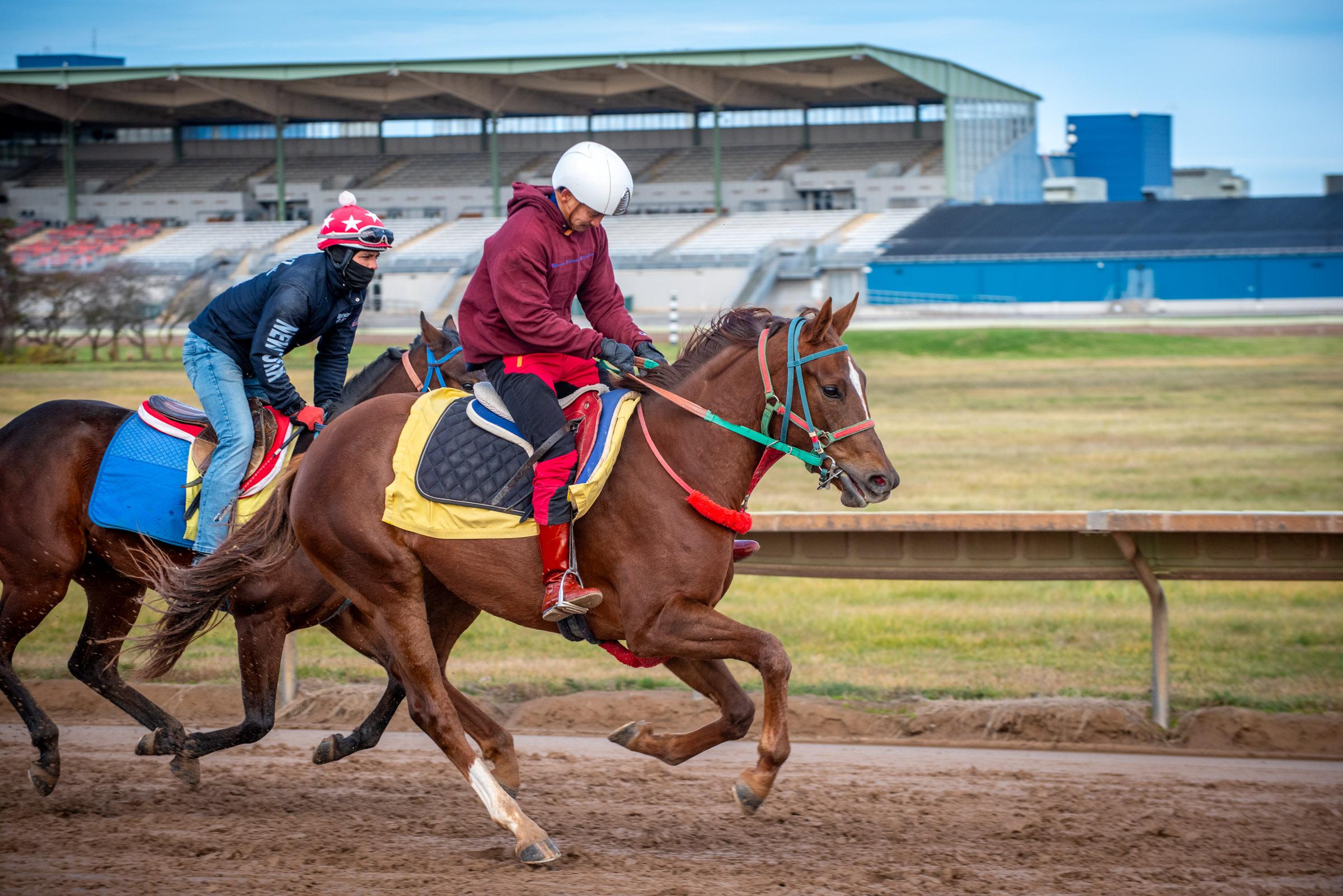
You can’t try a horse at the track, so when purchasing there you’re going on narrative, jog video and trust. Photo by author.
The good track trainers aren’t selling snake oil and horses who will fall apart after four months — they’re helping transition quality horses with full disclosure on their issues, soundness and proclivities. Like most rehomers, I work with a handful of trainers who simply reach out when they have horses they think I’ll like and they give me the rundown: sound, never injected, just too slow. Or should be sound, had a some changes in an ankle so we want him to transfer to a lower level career… and so on. The more the trainers provide clear, honest information about their horses, the better job we rehomers can do of getting them to places that they will be successful. And in the grand scheme of this game, when played well, everyone is in it for the benefit of the horse.
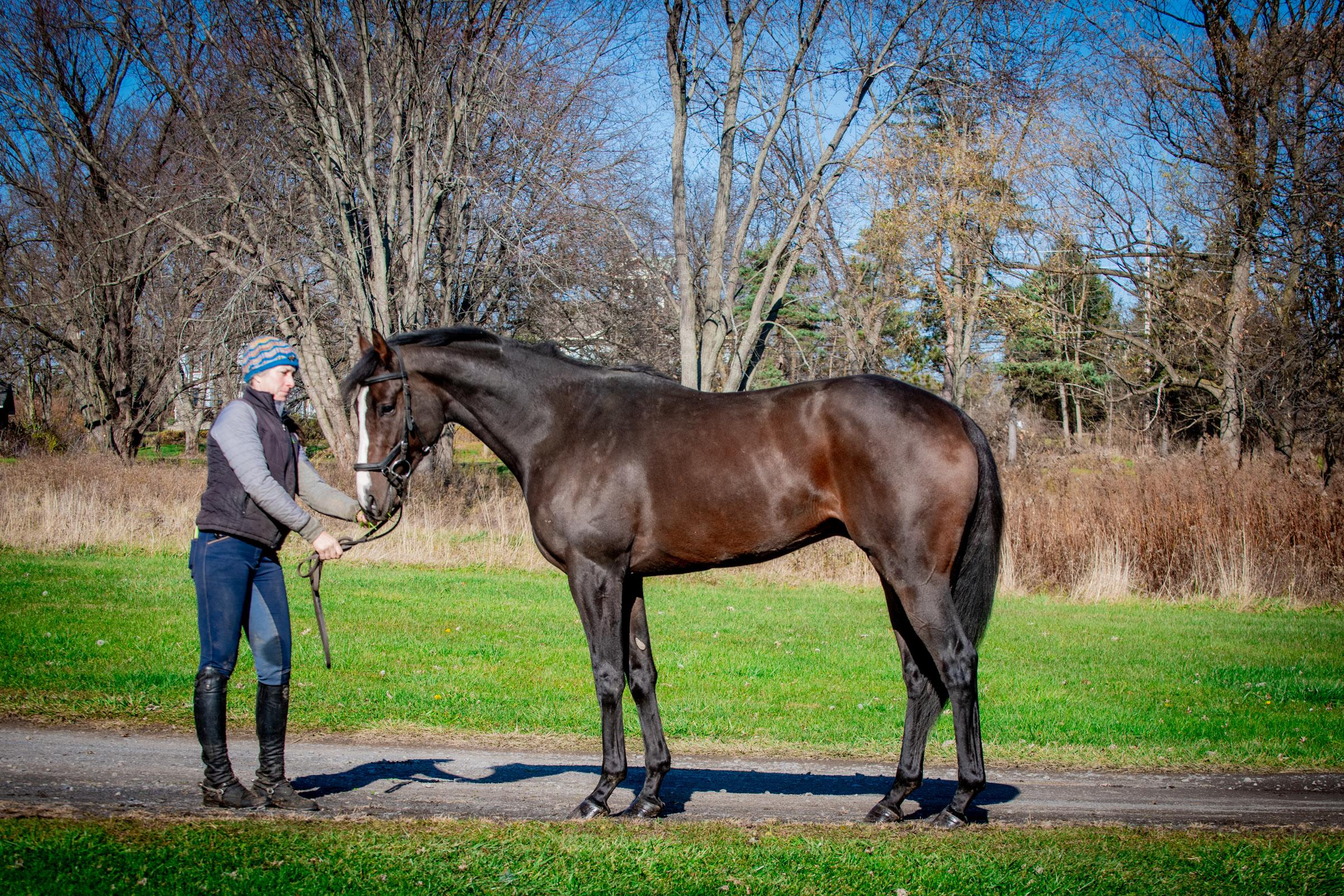
Jeffrey (Shoot the Waves) recently came through Kivu Sporthorses with huge talent and a very trainable, level headed brain. I’m excited to see him head towards the Makeover with his young rider. Photo by Lily Drew.
And then there’s the initial care, risk, and assessment. The horse transfers from the track or a track trainer’s farm to the rehomer’s place. There they are dewormed and put on specific feed plans. Any odd issues — boney protrusions, soft tissue swellings, unsoundnesses, or oddities — are investigated and understood. If a horse shows up with a lump that seems associated with an unsoundness or pain, I hop on the phone and have a vet come take a look. If it is just a blemish — meh, I leave it be. But again, that’s knowledge that comes with the position. Not every lump, bump, or freeze fire mark needs to cost someone their life savings in vet work.
While they’re here, they also transition to my get fat plan that includes senior feed, soaked alfalfa cubes, soaked beet pulp, supplements, flax and salt, while providing as much free choice alfalfa as they are willing to inhale. If they’re too thin, we get that right before anyone gets to ride them — us or otherwise. That clearly takes time, finances, and effort. Like we do, many places will also teach them about turnout, both solo and in groups. I tend to do this quickly, as I find that moving around with other horses helps even the most introverted Thoroughbred relax and figure out how to “horse.” So when someone asks, “How do they do in a herd,” we have an answer. And believe me, most boarding barns will thank you for not asking them to manage those first turnout days.
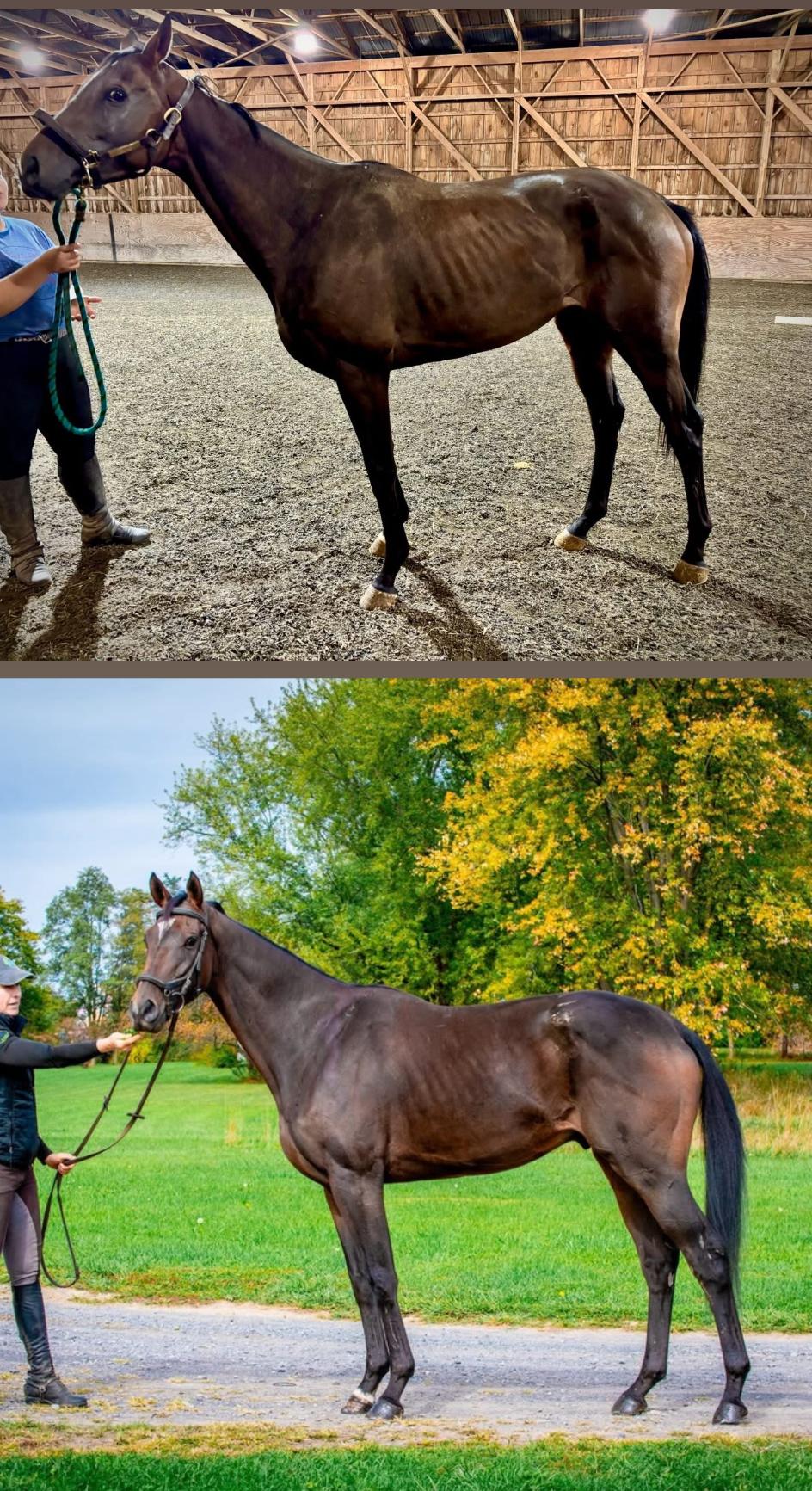
Part of the job of rehoming is taking horses like Catan (Kingdom Force) and transitioning them from thin to ridable. Catan still had a ways to go here, but the difference was from arrival (top) to two weeks in (below) with improvement due to four meals a day and all they can eat alfalfa. Photos courtesy of the Kivu team.
In the meantime, the horse is taught/reminded of manners on the lead line (they might come from the track with them, but many need a reminder), cross-ties, and wash rack. They learn about dogs, other environmental things they didn’t see on the track, and the quiet chaos of barns that don’t run like clockwork the way the track does. Their bodies begin to soften and let down, and the rehomers can usually tell you how much is soreness from the track and how much might be needs for maintenance in the long run or better shoeing.
Again, that whole knowledge thing…
OK, so that’s a lot and they haven’t even swung a leg over the horse yet.
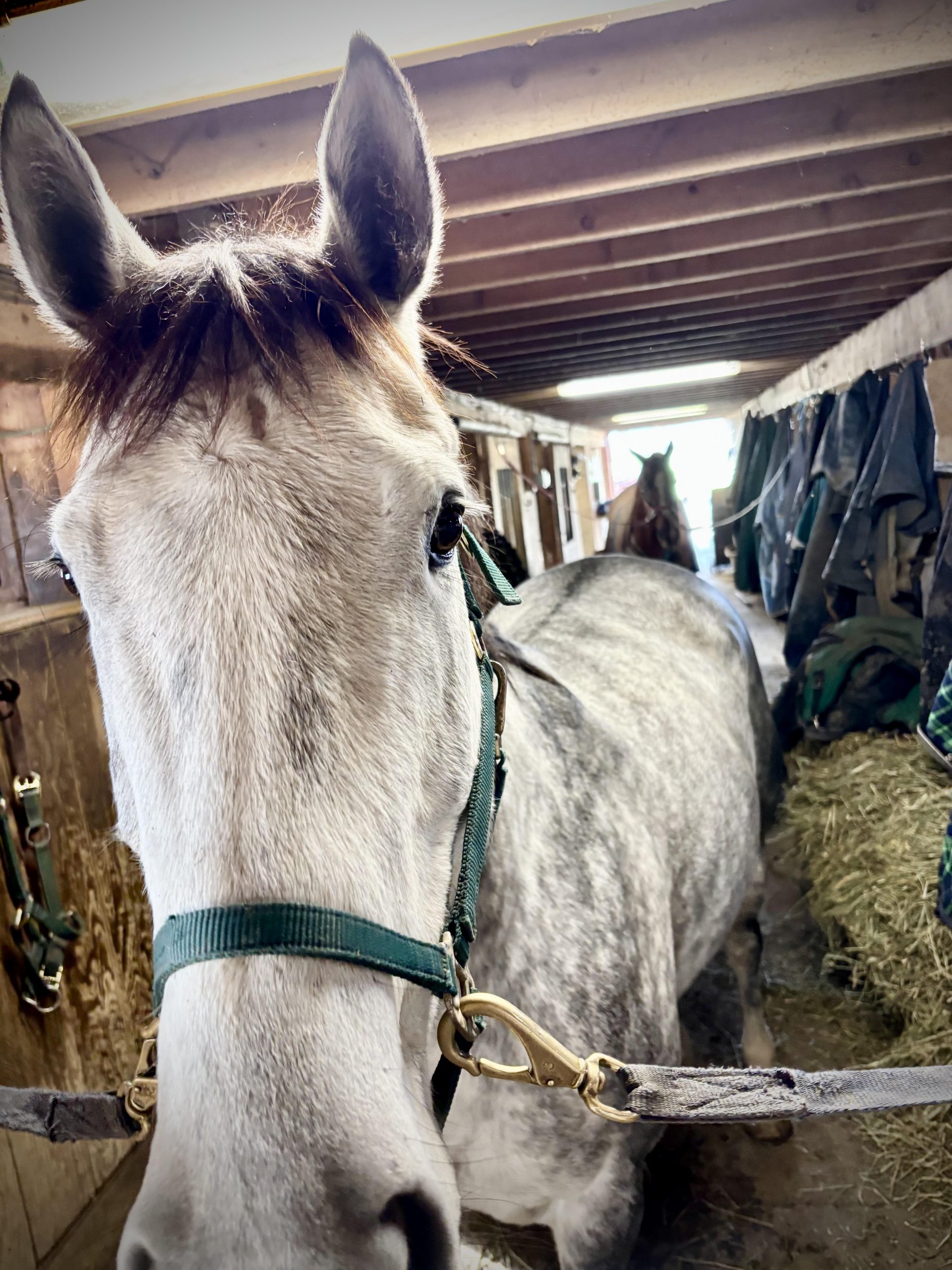
Edward (Exclusive Entry) hanging out on the crossties. Photo by author.
And then there’s the first ride and the subsequent training. Putting first rides on is one of my favorite parts of this whole process. I love figuring out the horse under me and working to get them to push from behind without monkeying with their face. I love assessing their personality, fitness and muscling, and working with what they provide to be able to show how it is going to look once they truly figure it out and get strong. And then from there, it’s all training. Each ride increases the horse’s knowledge and, if done well, their safety. The most dangerous part of the ride is the swinging the leg over from the mounting block and that initial walk. Ask me how I know…
The more horses a rehomer sits on, the more they will know about what type of human this horse needs to be happy. Do they need a JOB like yesterday — a clearly motivated rider who is all business? Or do they need a soft, kind ammie who will feed them cookies and reward all the small things while hopping on occasionally? Will they be brave enough to event or do they need a job that doesn’t over-face them? Horses certainly can shift and change as they transition, and sometimes we get it wrong — this one will foxhunt… but they come unglued in a big herd of galloping horses. OK, not a problem. But most of the time, we’re pretty good at picking their preferred career and the situation that they’ll need.
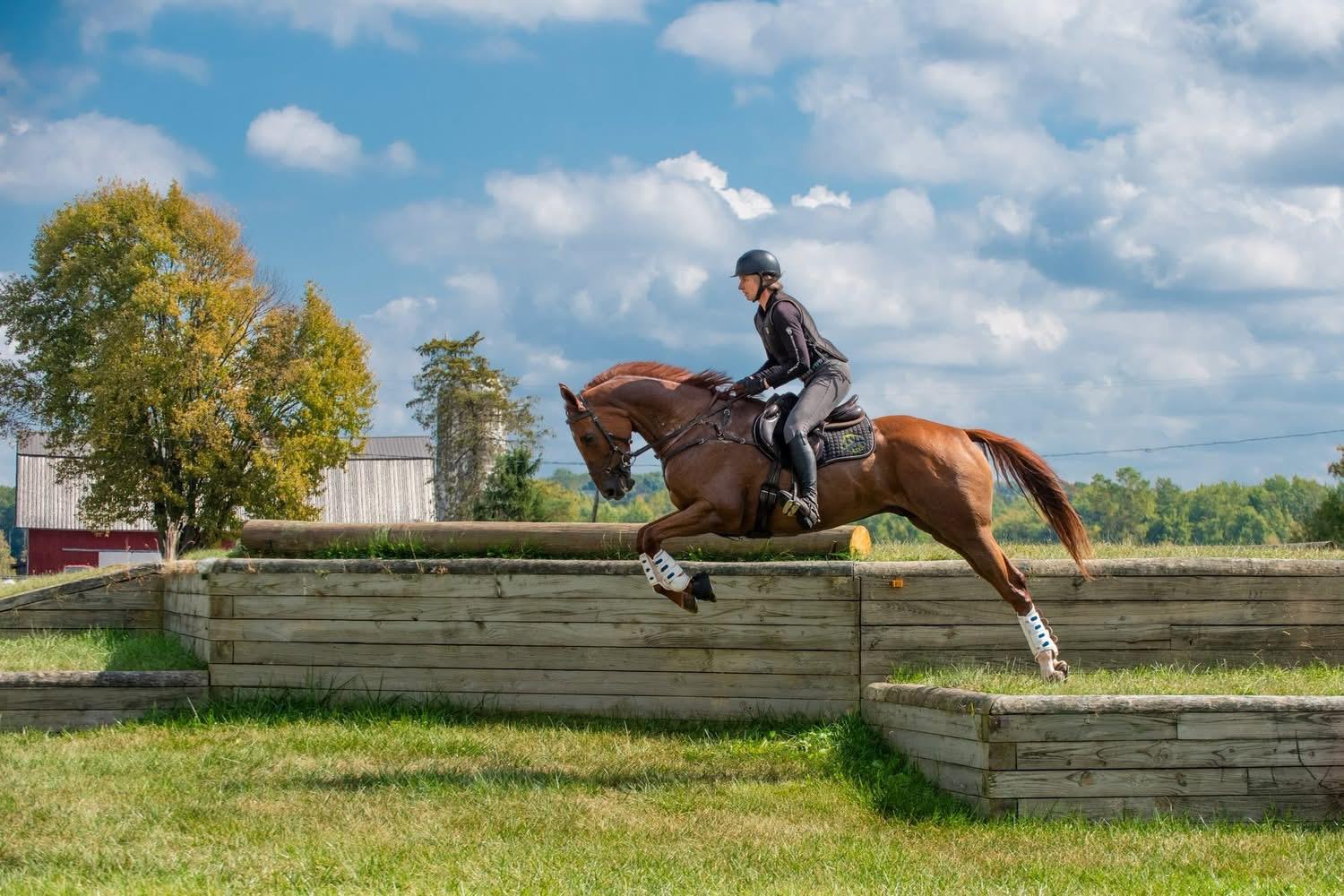
Originally sold from the track as a dressage prospect, Artie (Reunion Tour) has all the right movement for that, but a brain that has a bit more horsepower… he has turned into an absolutely killer eventer, placing second in the Retired Racehorse Project’s Makeover Eventing Preliminary competition this year. Photo by Lily Drew.
And while no horse is technically “safe” or “bomb proof,” the best question one can ask is, “What do they do when they spook?” Your rehomer should have that answer.
Oh, and you have an issue? You can call your rehomer. Some of us will take our horses back if they don’t work out (but no, no one has the cash to buy them back, sorry). We can rehome them for you on consignment or simply get them sorted and then back out to a different type of home. It is a safety net that comes with each horse. And it’s one that we have put to use time and time again when something happens and horses just need a different situation, a different rider, or a new vet.
So, all told, the markup that comes with the rehomer is all about translation, reducing the buyer’s risk, and keeping the horse safe. Is it a perfect system? No, of course not. But it is run by a set of driven, capable humans across the country who are passionate about the horses, and who are doing the best they can to get their placement right — not just for the buyer, but for the horse.
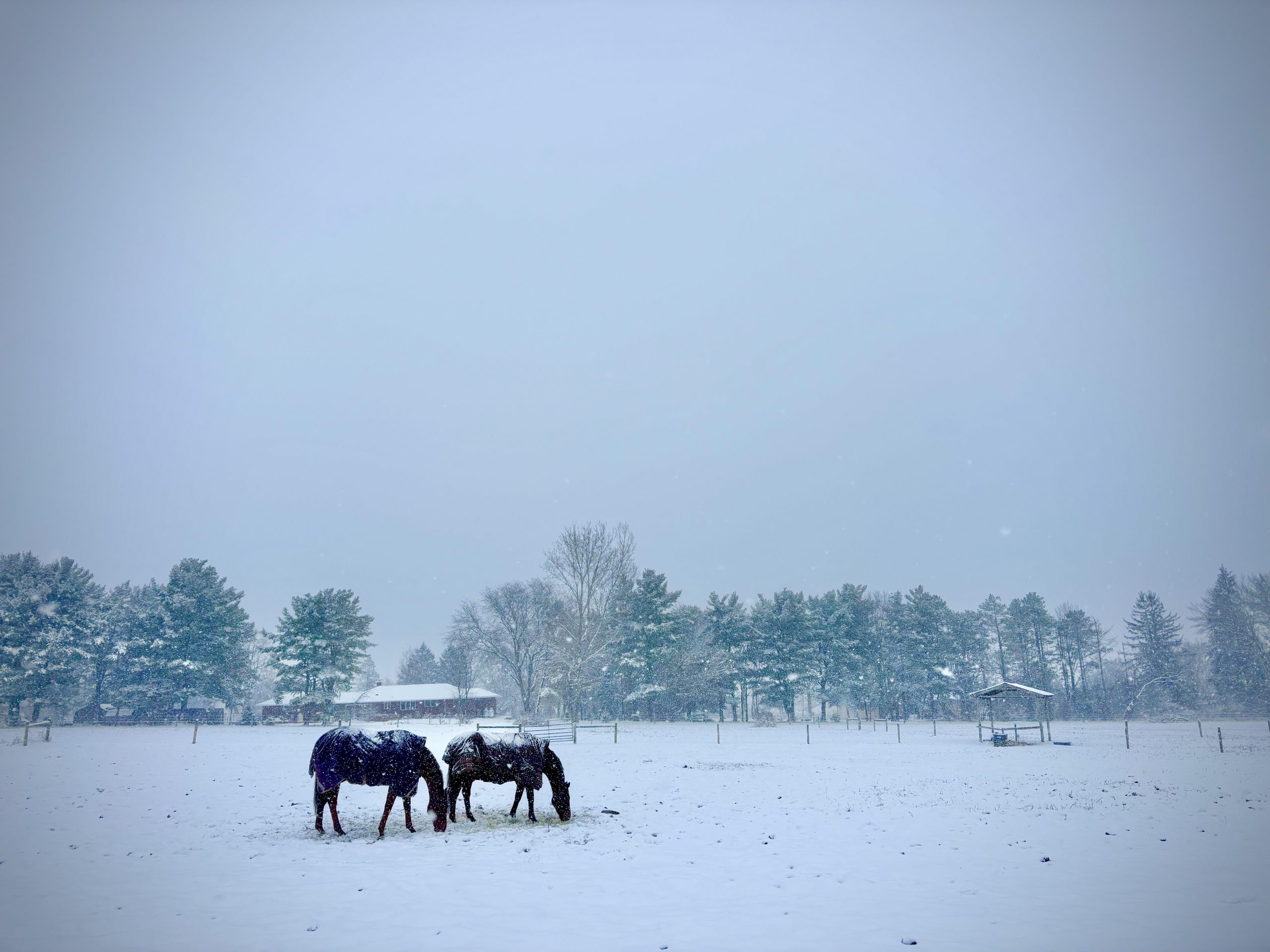
A few Thoroughbreds enjoying the chilly morning in New York. Photo by author.
Happy holiday shopping, folks — enjoy the frosty rides.
About Kentucky Performance Products, LLC:
Struggling with seasonal vitamin E deficiency? Studies show that vitamin E levels drop when horses don’t have enough access to fresh, green grass. Elevate® natural vitamin E can help. A research-proven, powerful antioxidant, Elevate maintains healthy muscle, nerve, and immune functions by delivering a highly bioavailable source of natural vitamin E that is preferentially absorbed and retained in a horse’s tissues. If your horse is struggling with sore, stiff muscles, neurological disorders, or a poor immune system, ask your veterinarian about supplementing with natural vitamin E.
Kentucky Performance Products creates scientifically proven supplements for your horse. Our supplements provide solutions to the everyday challenges facing your horse. The horse that matters to you matters to us®. Learn more about KPP at KPPusa.com.

