



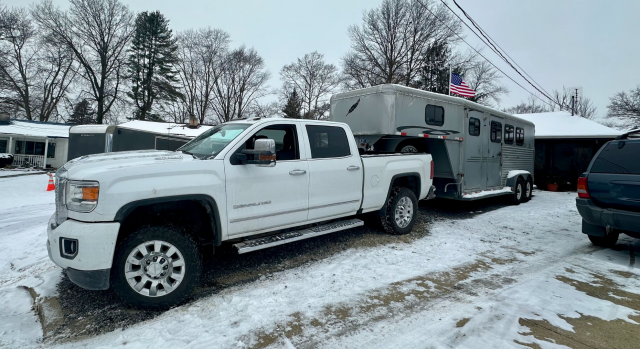
Winterize Your Horse Trailer Before It Becomes a Mobile Ice Sculpture
Here’s a practical (and slightly sarcastic) guide to keeping your horse trailer safe, functional, and mouse-free all winter long.
 Yes, yes. We know. It’s been used and overused, but this gif is compulsory at this point.
Winter is coming. Which means your horse trailer is about to spend the next few months sulking in the driveway, pretending it didn’t just haul 1,200 lbs of mud-covered “angel” to her last clinic while the tires screamed in protest.
Whether your trailer is a shiny, custom-painted rolling palace or a well-loved steel relic held together with equal parts rust and optimism, now is the time to give it some TLC. Winterizing your trailer keeps it safe, functional, and less likely to betray you during the first warm-weather outing next spring.
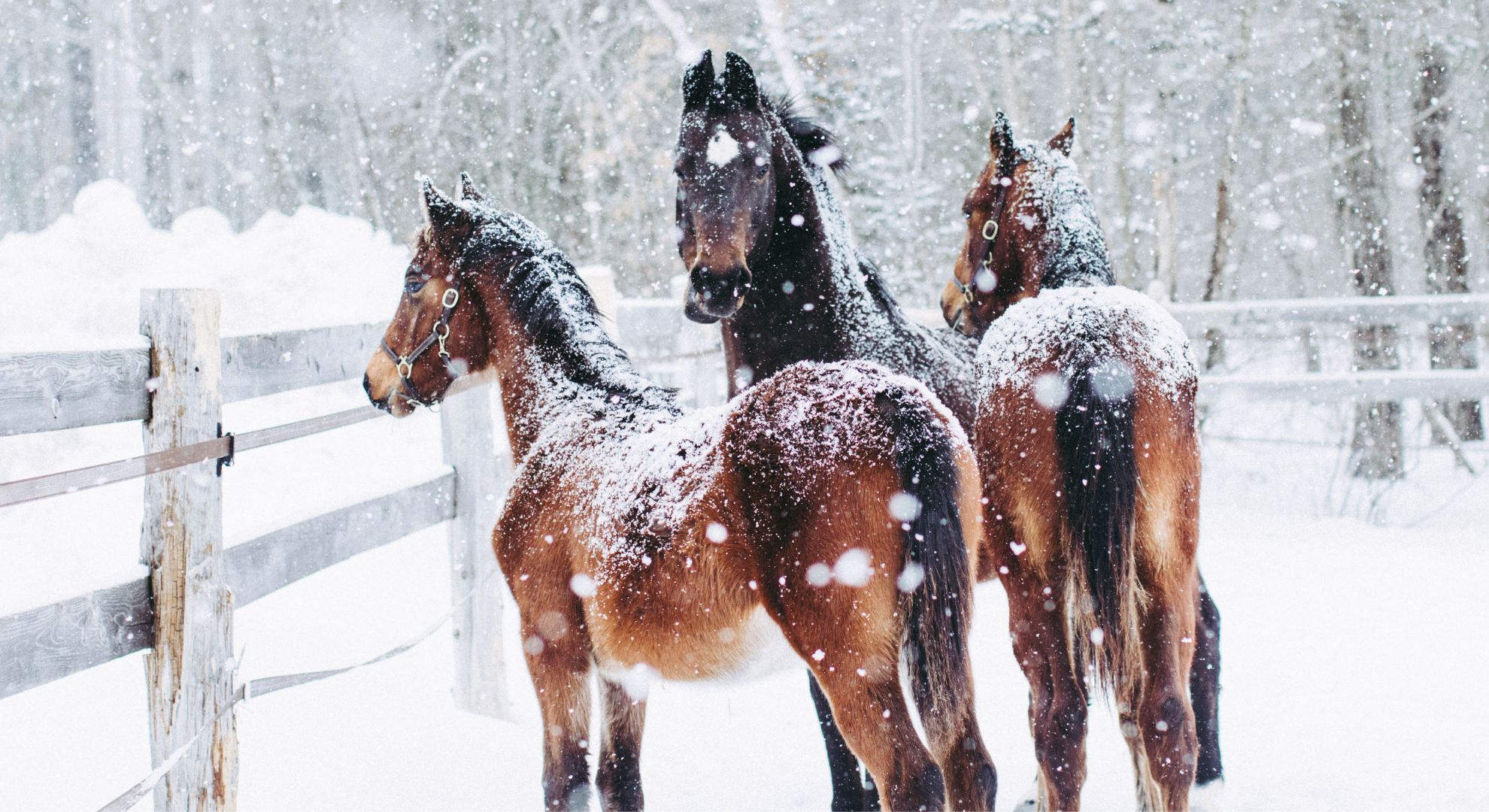
Canva/CC
Here’s what horse trailer owners should do before the temperature drops — served with a side of Horse Nation realism.
1. Clean Out the Science Experiments
Before you winterize anything, remove whatever horrors were left behind during show season:
- That half-eaten hay bag that has fused into a hay-cinderblock.
- The grain spilled in the corner that now belongs to the mice.
- The sweat-crusted shipping boots you swore you’d “deal with later.”
Give everything a good sweep, scrub, and disinfect. Future You will be so grateful.
2. Evict Rodents Before They Apply for Residency
Winter is basically mouse Airbnb season. To avoid a surprise family reunion in March:
- Check every nook, cranny, manger, and under-mats area for rodent nests.
- Seal small gaps with steel wool or expanding foam.
- Use safe deterrents like peppermint oil or enclosed traps (because your mare absolutely will find that one open trap and step in it).
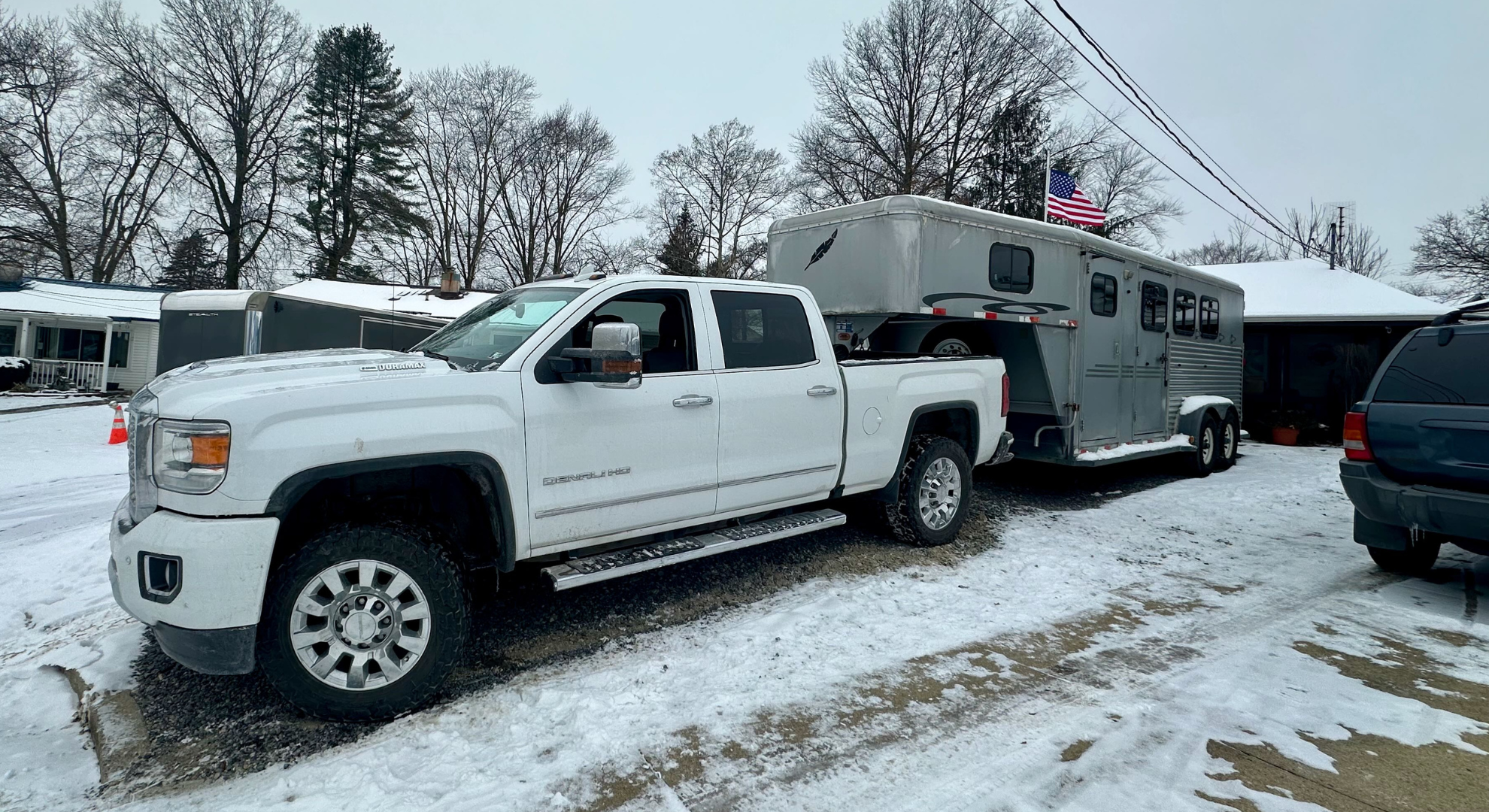
Photo by DeAnn Long Sloan
3. Inspect and Grease Everything That Moves (and Even the Things That Don’t)
Drop the ramps, open the doors, unlatch dividers. If it hinges, grease it. If it slides, lubricate it. If it squeaks like a tortured hamster, address that too.
Cold weather only amplifies balky hardware. No one wants to be at a January vet visit wrestling a frozen butt bar like they’re in a WWE match.

4. Check the Flooring Before Frostbite Takes Over
Whether you’ve got aluminum floors, wood floors, or that mysterious “composite blend” the dealer swore would never rot:
- Pull up rubber mats.
- Look for soft spots, corrosion, or questionable moisture.
- Let everything dry thoroughly before replacing mats.
Because nothing says “fun winter chore” like discovering a surprise hole in the floor while it’s 12°F outside.
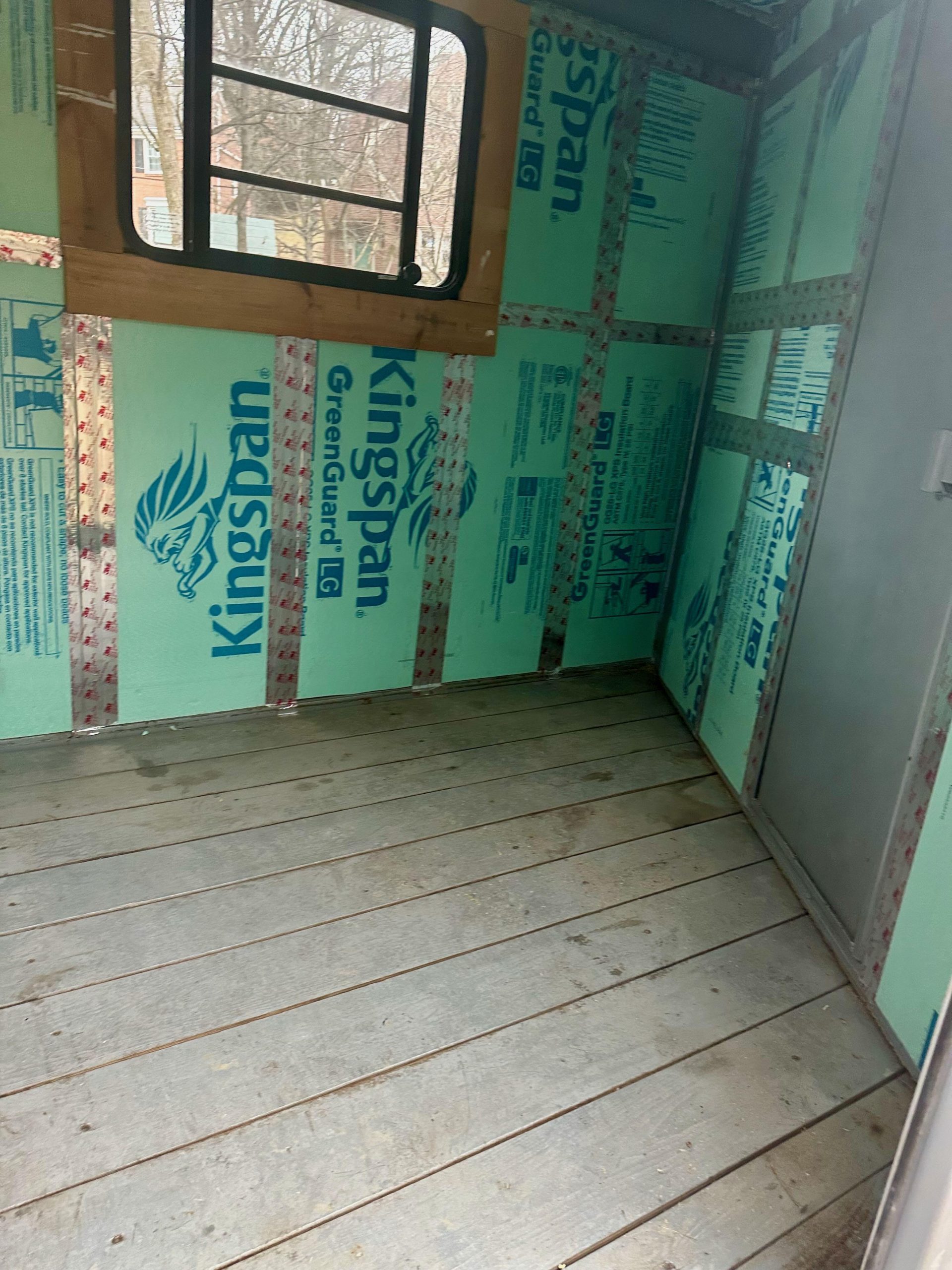
Photo by DeAnn Long Sloan
5. Give Your Tires the Attention They Deserve
Your trailer tires worked harder than you did this show season. Winter is the time to pamper them:
- Check tread wear.
- Look for cracks or dry rot.
- Inflate to proper PSI (cold temps = lower pressure).
- If your trailer sits all winter, consider tire covers or moving it occasionally to prevent flat spots.
Bonus: Actually check the spare tire. We know you haven’t since at least 2021.
6. Lights & Wiring: ‘Tis the Season for Mood Lighting
Cold weather + moisture = wiring gremlins.
Test:
- Running lights
- Brake lights
- Turn signals
- Interior lights
- The emergency breakaway battery (this one never gets checked… until it’s too late)
Corrosion happens fast in winter. If anything flickers, glows dimly, or behaves like it’s possessed — fix it now.
7. Protect Your Water Systems (If Applicable)
If your trailer has a dressing room sink, water tank, or LQ amenities:
- Drain all tanks.
- Blow out lines.
- Add non-toxic RV antifreeze (the pink stuff).
- Insulate exposed pipes.
Otherwise you’ll open the trailer in spring to a pipe that looks like a glitter bomb made of ice and despair. And if you’re not comfortable doing this on your own, contact a trusted service professional that is familiar with RVs and LQ trailers.
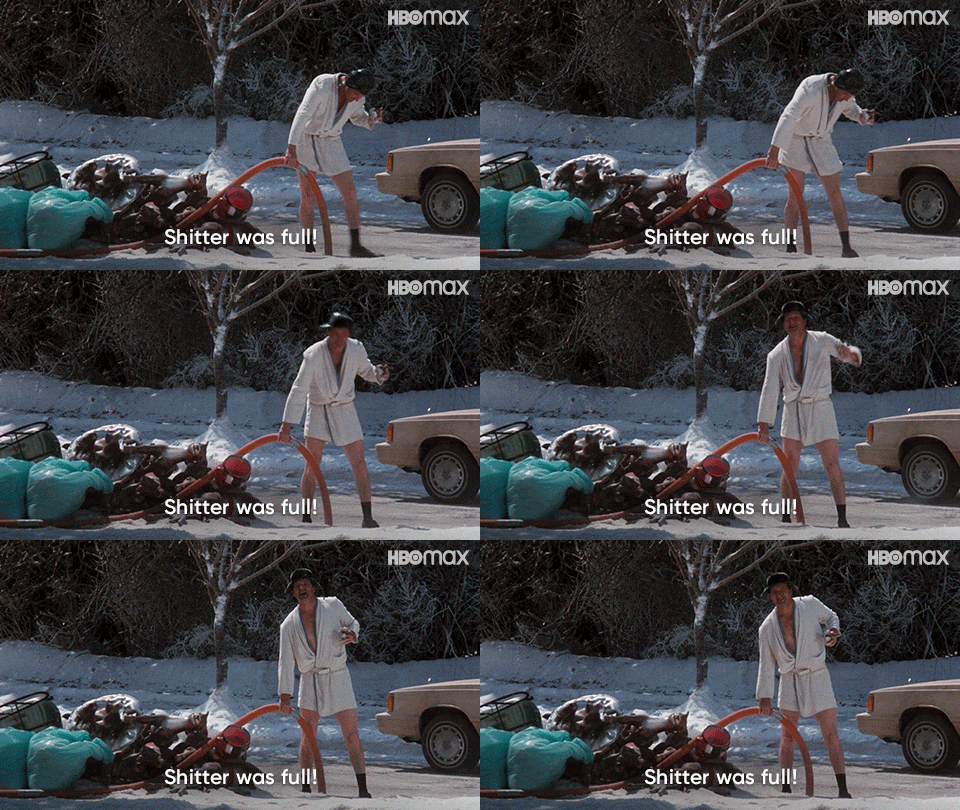
8. Check the Roof, Seals, and Caulking
Winter moisture will find any weakness in your trailer roof.
Inspect:
- Caulking along roof seams
- Window seals
- Vent frames
- Door gaskets
Replace anything cracked, brittle, or missing entirely (no judgment — the wind probably stole it).
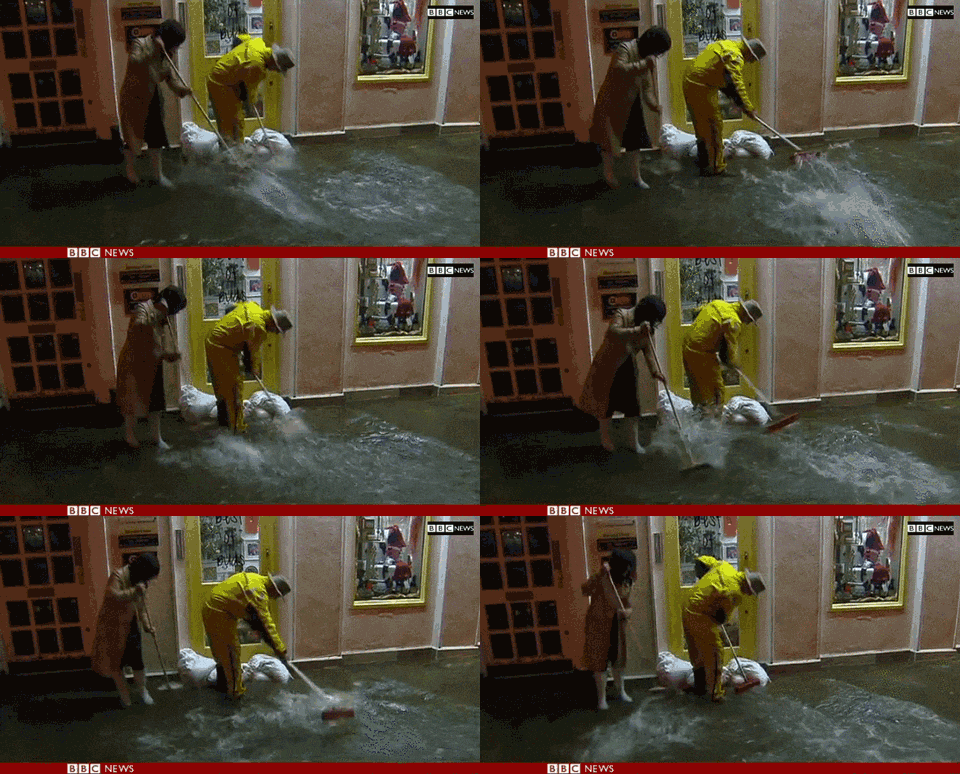
9. Treat the Metal: Rust Never Sleeps
Winter is prime time for rust to form or spread.
- Wire-brush small rust patches
- Prime and repaint
- Touch up scrapes, dents, or bare metal
It’s much easier to manage rust now than to discover a “ventilation hole” in your fender next April.
10. Store It Smart (And No, “Half-Sunk in the Back Pasture” Doesn’t Count)
Ideal winter trailer storage means:
- Parked on level ground
- Tires on boards or gravel, not bare mud
- Chocked securely
- Jack stands if storing long-term
- Covered with a breathable trailer cover if you live where snow is measured in feet, not inches
If possible, keep it somewhere visible — out of sight often becomes “out of mind,” which is how spring-time disasters are born.
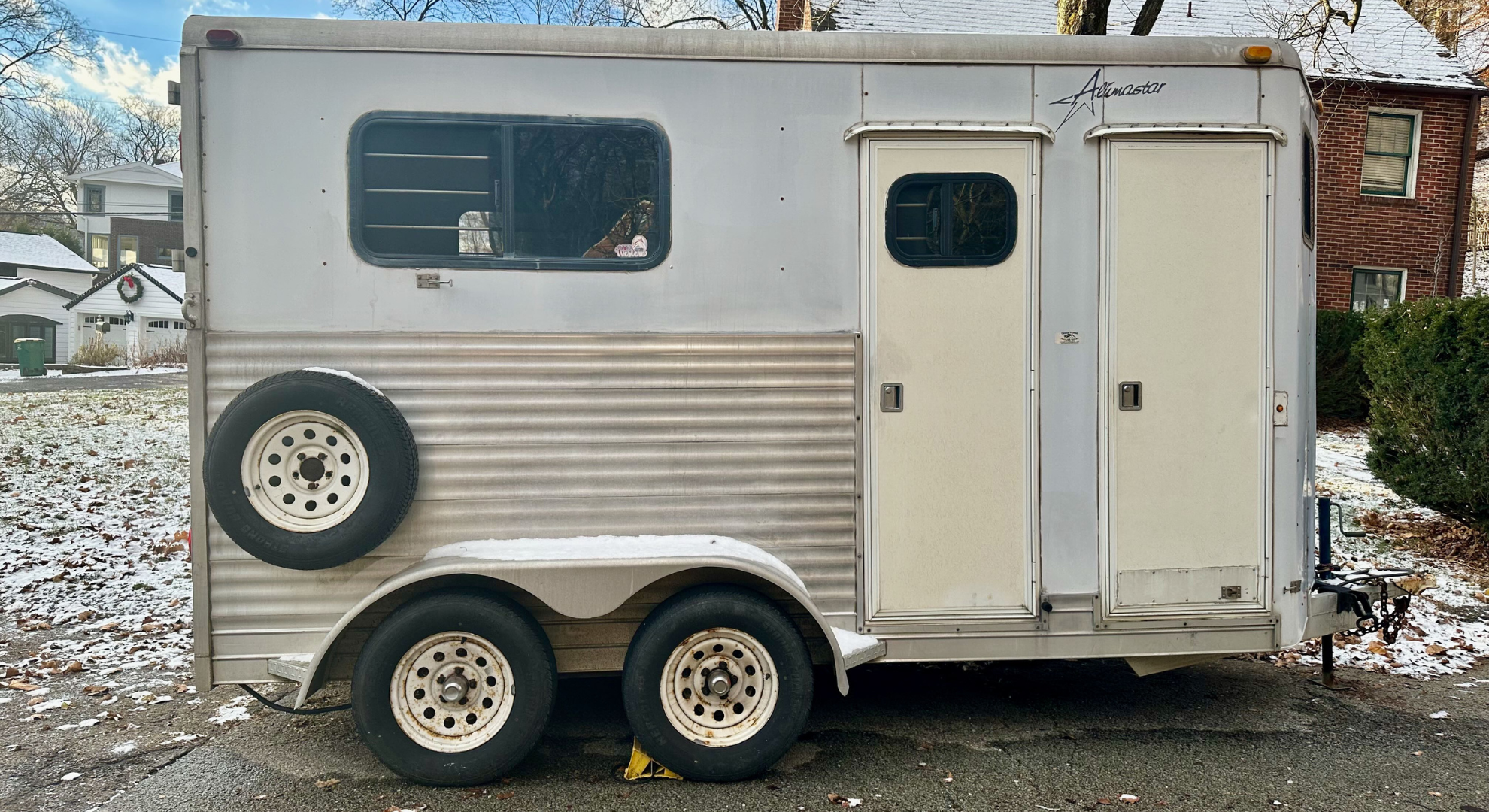
Photo by DeAnn Long Sloan
11. Bonus Points: Make a “First Trip of 2026” Survival Kit
Stock your dressing room now with:
- De-icer spray
- Flashlight with fresh batteries (okay, maybe keep the batteries someplace temperature controlled where you won’t forget them, because they’ll lose charge over the winter)
- Blanket (for you and/or the horse… we don’t judge)
- A charged portable jump box
- Gloves that aren’t crusty
- Spare halters, lead ropes, and a hoof pick
Because you know the first warm day will lure you into a spontaneous “let’s go trail riding” plan.
Canva/CC
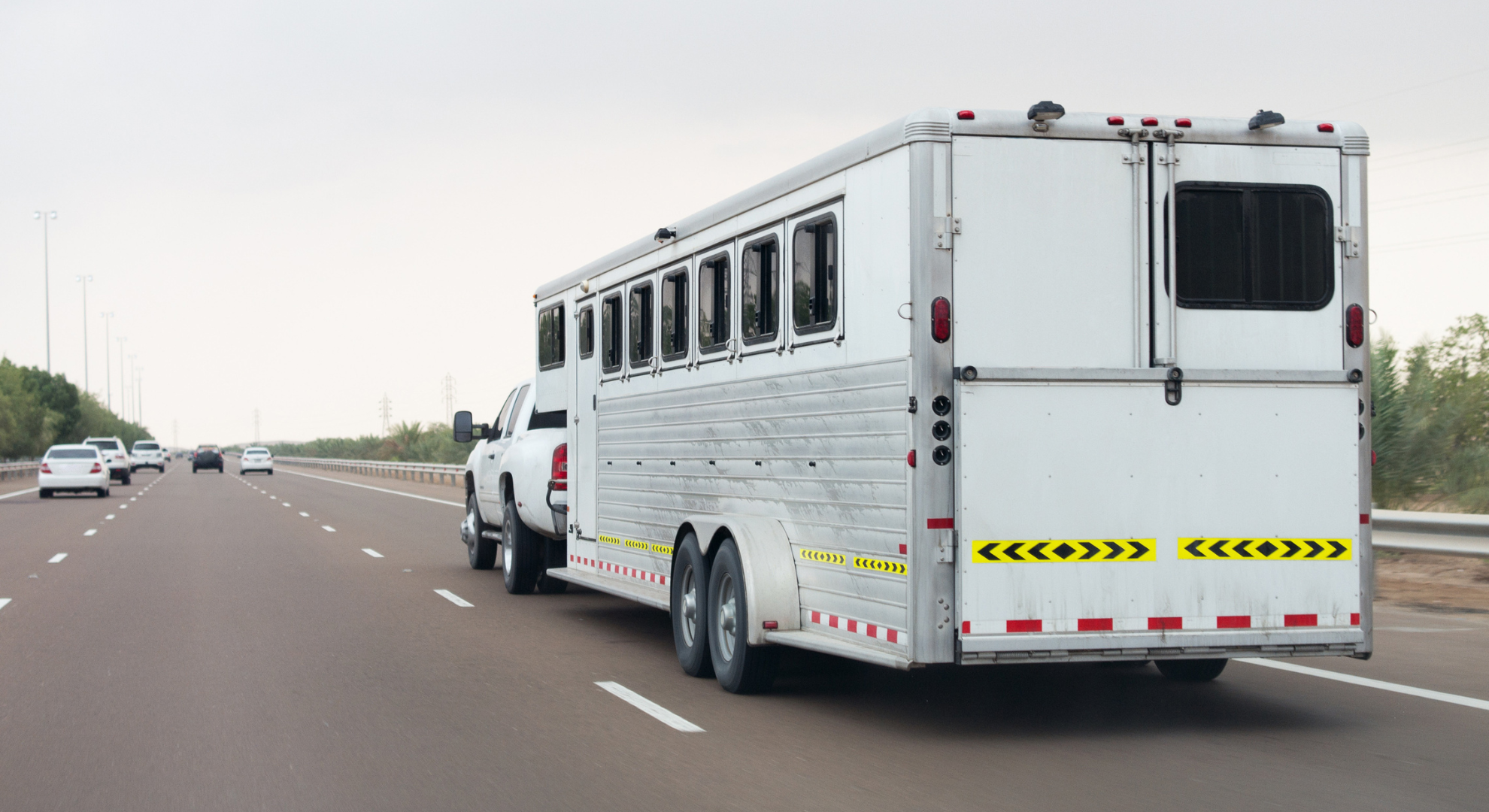
Winterizing your trailer is the equestrian equivalent of preparing your barn for a snowstorm: mildly annoying, slightly time-consuming, but absolutely worth it when spring rolls around and everything actually works.
Your horse trailer is your lifeline — to clinics, shows, vets, trail rides, and the occasional emergency “we need to leave RIGHT NOW” situation. Give it a little winter TLC and it’ll be ready to roll the moment you are.
