




Teenagers and Mares: A Guide to Surviving Mood Swings, Side-Eye, and Selective Hearing
Parenting teenagers and owning mares both require patience, snacks, and a sense of humor — because whether it’s eye-rolls or tail swishes, attitude is universal.

If you’ve ever parented a teenager or owned a mare, congratulations — you’ve lived through at least one advanced course in patience, emotional regulation, and learning to smile through clenched teeth. But for those lucky few who have done both, you already know: these two life experiences are eerily similar. In fact, we’re not entirely sure which one is more unpredictable — the 16-year-old human or the 16-hand chestnut mare.
Here’s a breakdown of the uncanny parallels between the two:
1. The Mood Swings Are Instant and Unprovoked
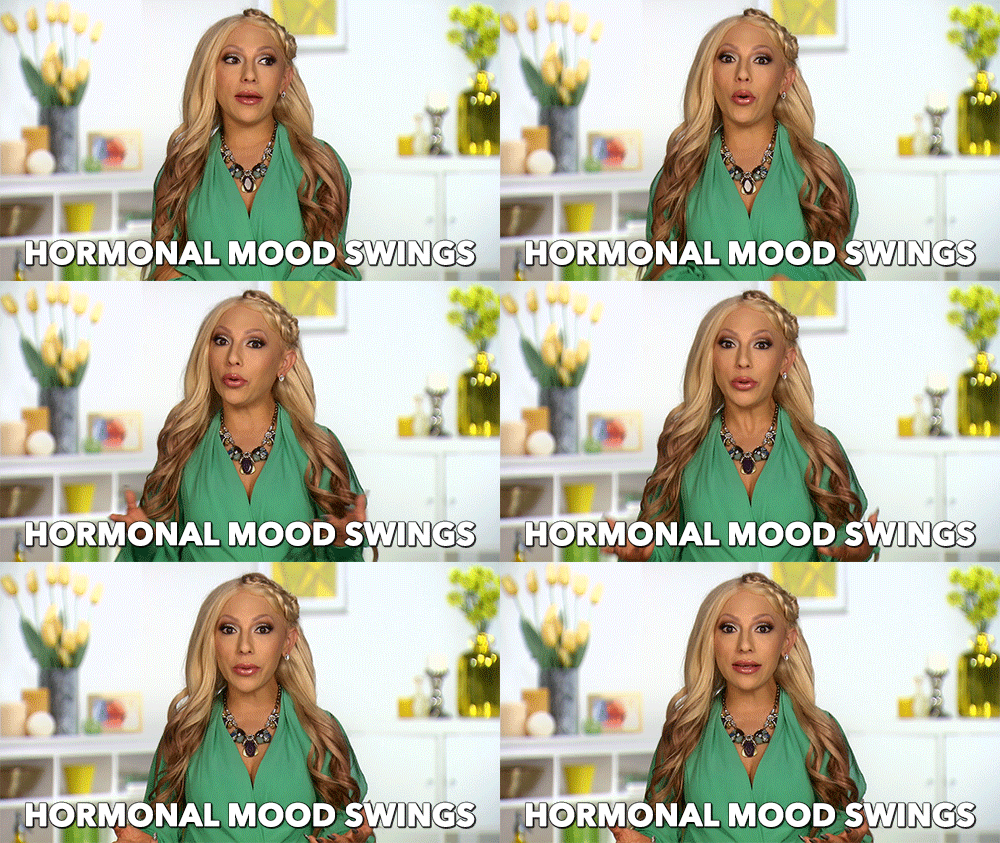
Everything’s fine one minute — and then it’s not. Teenagers and mares share the remarkable ability to go from sunshine to thunderstorm faster than you can say “easy there.” You’ll spend your life wondering what invisible force triggered the attitude: a change in barometric pressure? A bird? A comment you made three hours ago? You’ll never know.
2. The Side-Eye Could Cut Glass
There’s an art to the look. Both teenagers and mares have perfected the silent “I’m judging you” stare — that special blend of disdain and disbelief that makes you question your entire life’s choices. You’ll get it when you ask them to do something simple, like pick up their feet (literally or metaphorically).
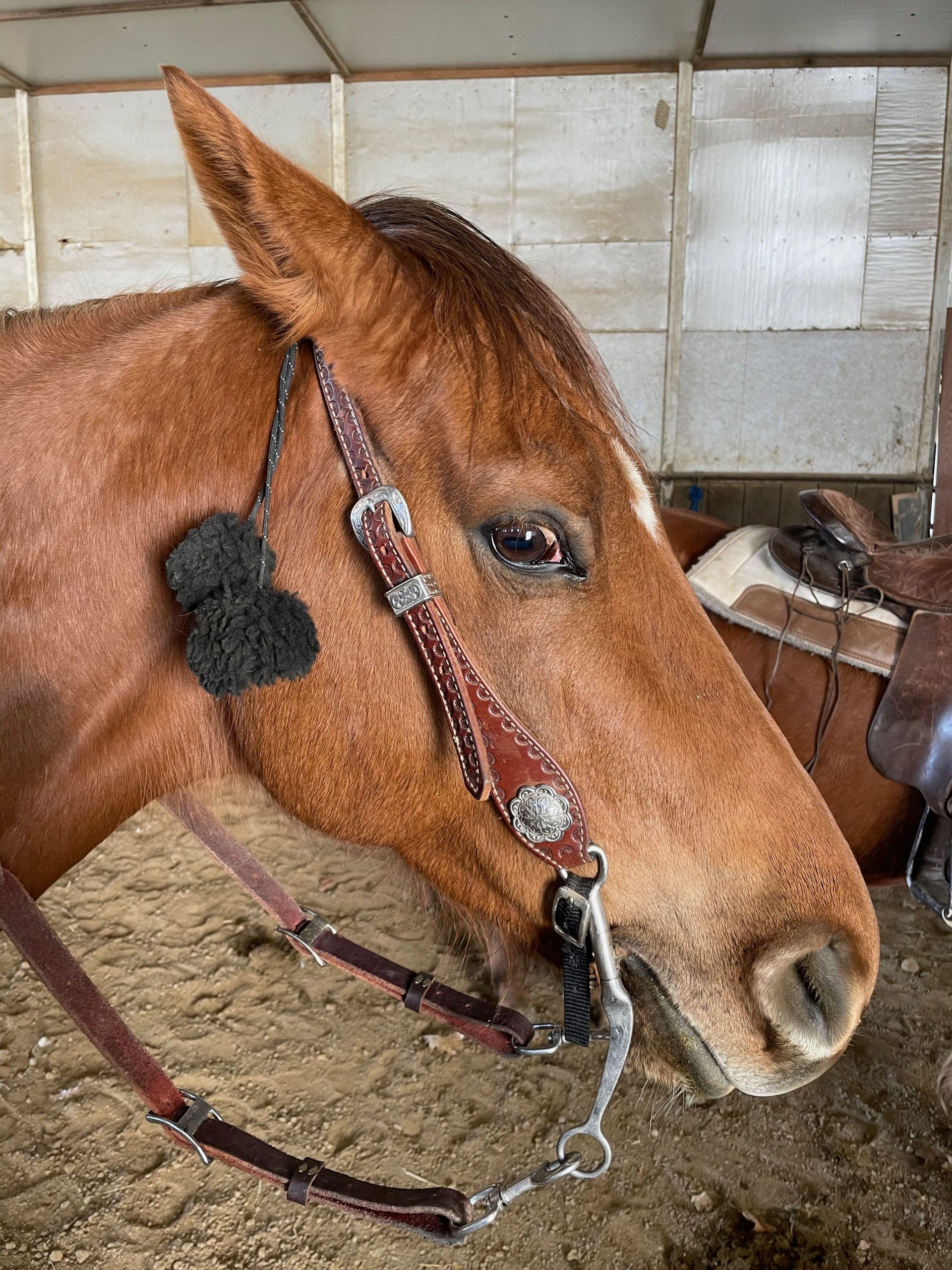
Quality side-eye from my favorite red mare. Another horse likely was near her. Photo by DeAnn Long Sloan.
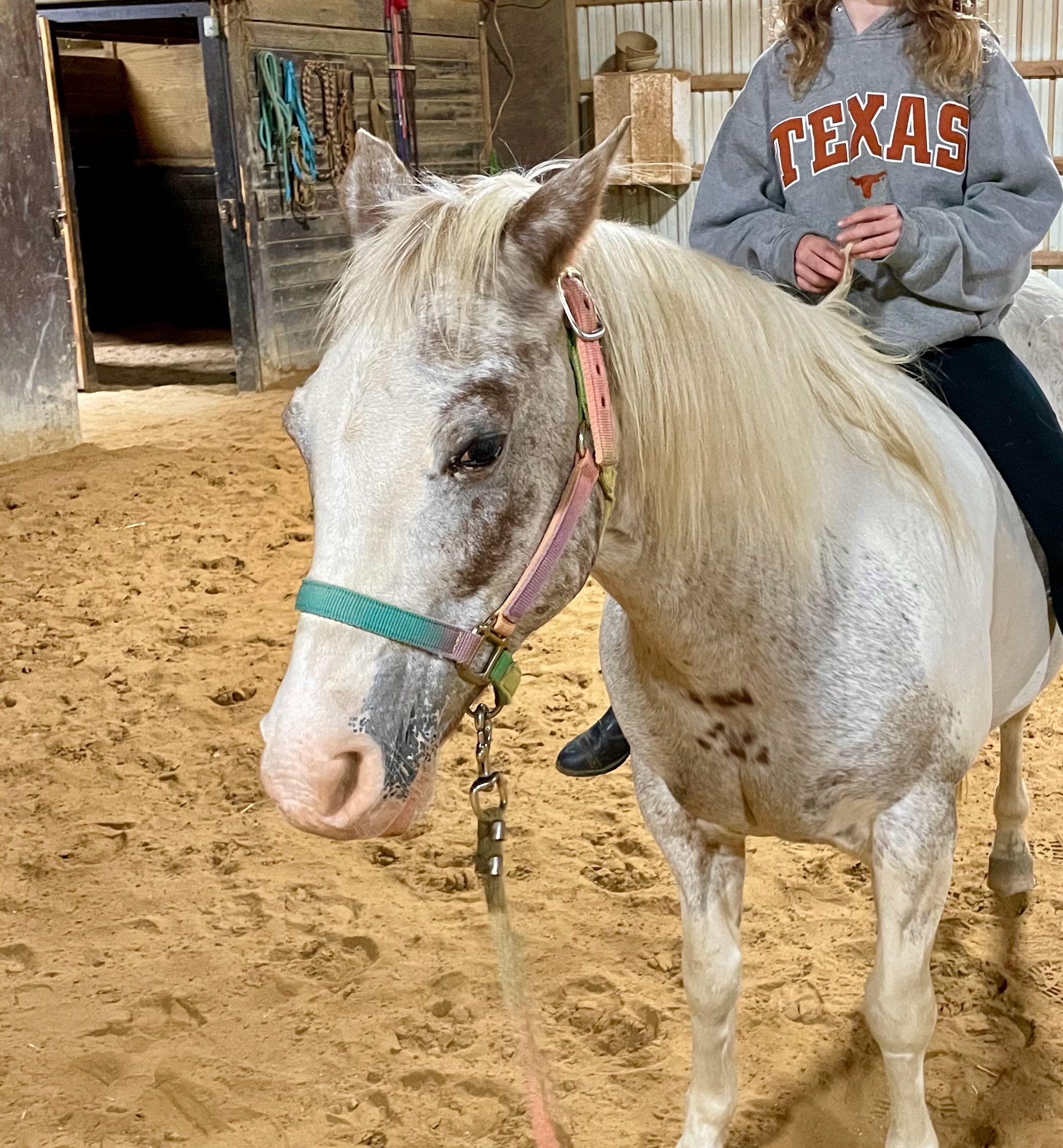
Another solid side-eye from the pony named Pony. Photo by DeAnn Long Sloan.
3. They Want Space — But Also Attention
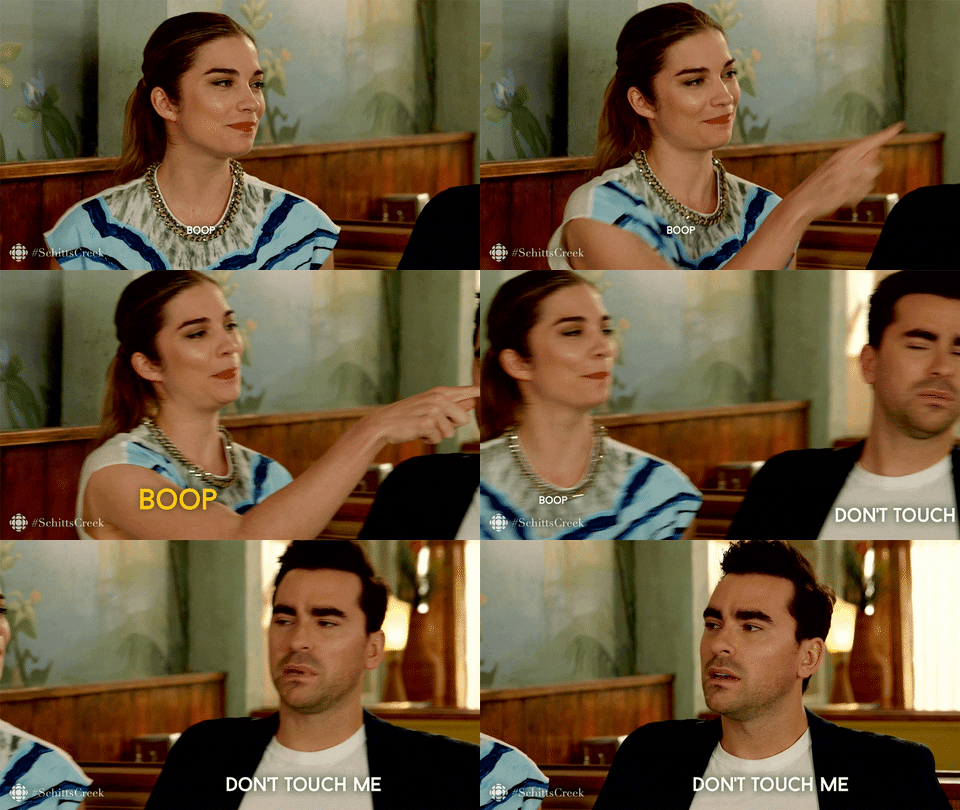
Don’t touch them. But don’t leave. But stop hovering. But come back. If you’re lucky enough to find the correct proximity for interaction, it lasts approximately 47 seconds before you’ve done something wrong. You’ll try to read the room, but both teenagers and mares operate on emotional Morse code that you’ll never fully decode.
4. Snacks Fix Almost Everything

Whether it’s cookies or carrots, the principle stands: food = peace. A well-timed treat can turn “I hate you” into “you’re my favorite person” in record time. Bonus points if you pretend it’s their idea to have the snack. (“Oh, you want dinner now? What a surprise!”)
5. They Know Everything — Until They Don’t
You, mere mortal, clearly know nothing. Both creatures possess a deep, unshakable confidence in their own expertise… right up until they do something that defies physics, safety, or common sense. And when it all goes sideways? Somehow, it’s still your fault.
6. Getting Them Out of Their Stall/Room Is a Negotiation

You’ll try bribes, pep talks, threats, and positive reinforcement, but both teenagers and mares move only when they’re ready. Need them to load in the trailer? Forget it. Need them to leave the house for a family dinner? Double forget it. They’ll show up 20 minutes late looking fabulous and furious, and you’ll just be grateful they came.
7. Beneath the Sass, They Have Big Hearts
Here’s the thing: for all the dramatics, attitude, and hair-flipping, both mares and teenagers are fiercely loyal when they trust you. They’ll test you, push you, and roll their eyes every step of the way — but once you’ve earned their respect, they’ll walk through fire for you.
They’re bold, brave, emotional, and smarter than they get credit for. And honestly? The world would be a whole lot duller without them.

My gritty mare completely ignoring me while I try look at her adoringly. Much like my relationship with my 13-year-old… Photo courtesy of DeAnn Long Sloan.
So, whether you’re wrangling a hormonal mare or trying to decode the eye-roll of your 13-year-old, remember: patience, humor, and a well-stocked snack supply will get you through.
And if all else fails, just whisper what every parent and horse owner has muttered under their breath at least once: “She’s lucky she’s cute.”
